Carlo Dolci
1
Works
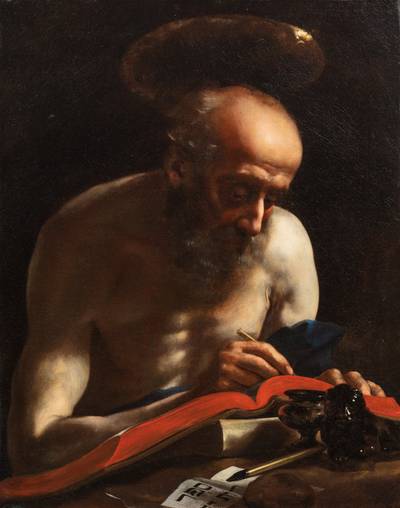
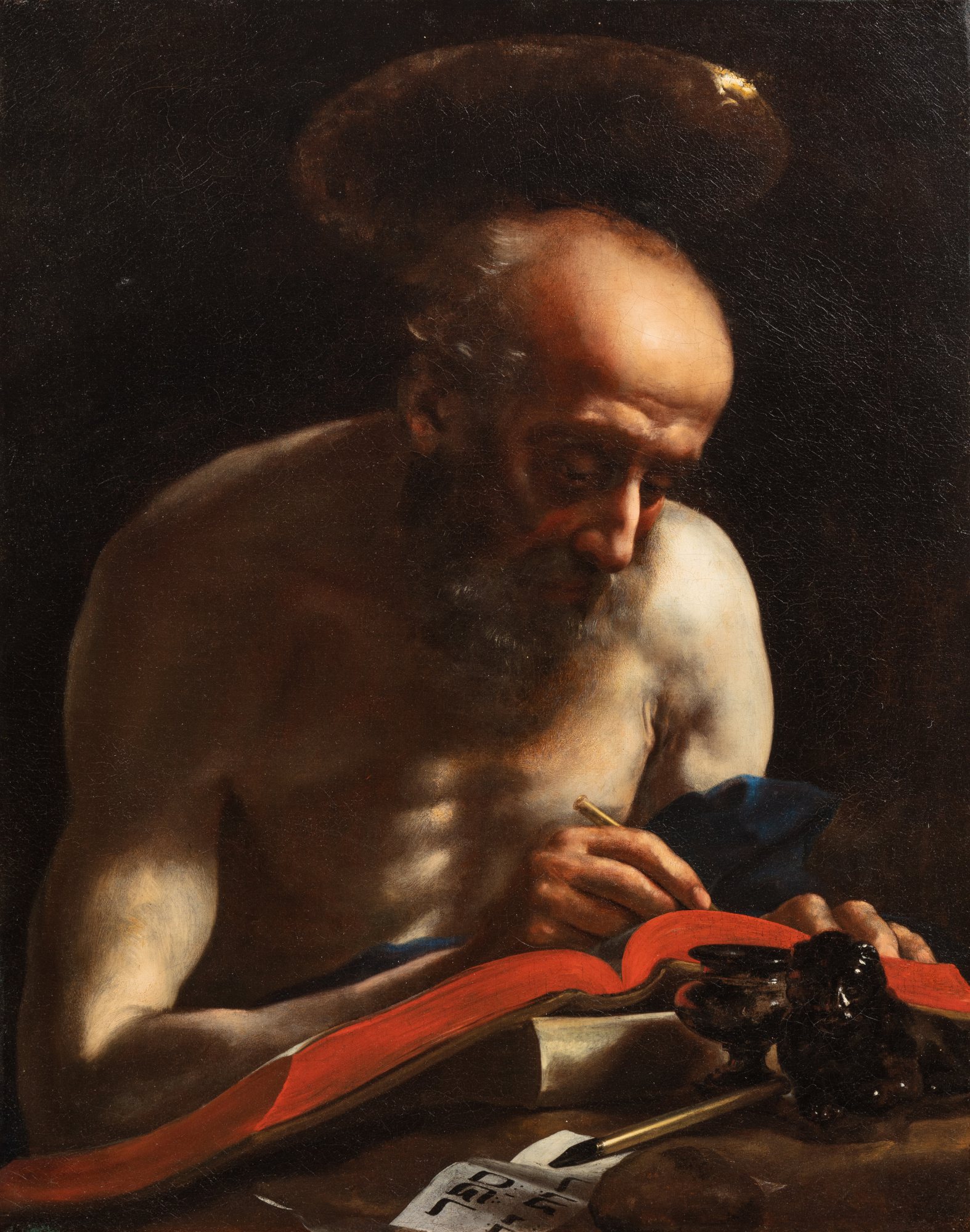
Carlo Dolci was an Italian Baroque painter from Florence, renowned for his intensely devotional religious paintings characterized by meticulous detail, luminous color, and profound emotional sensitivity. Training under Jacopo Vignali from a young age, Dolci developed a highly refined technique that emphasized smooth, enamel-like surfaces and extraordinary precision. His works are distinguished by their jewel-like quality, with figures rendered in exquisite detail against dark backgrounds, creating an almost ethereal luminosity. Unlike many of his Baroque contemporaries who favored dramatic action and theatrical compositions, Dolci focused on intimate, contemplative images that invited quiet meditation and personal devotion. Dolci's oeuvre consists primarily of half-length devotional portraits and small-scale religious subjects, including numerous depictions of the Madonna, Christ, and saints in moments of prayer or suffering. His most celebrated works include various versions of the "Mater Dolorosa" (Sorrowful Mother), "Salome with the Head of John the Baptist," and "Saint Cecilia." He painted with painstaking slowness, sometimes taking years to complete a single work, which resulted in a relatively small output but paintings of extraordinary technical perfection. His meticulous approach and the crystalline clarity of his execution made his works highly prized by collectors, particularly among the Medici family and other aristocratic patrons who appreciated his combination of technical virtuosity and spiritual intensity. While Dolci's devotional style fell out of favor during the nineteenth century when critics dismissed his work as overly sentimental, modern scholarship has reassessed his contribution to Baroque art, recognizing the psychological depth and technical mastery of his paintings. His influence extended beyond Florence, and his works found their way into major European collections. Today, his paintings are held in prestigious institutions including the Uffizi Gallery, the Pitti Palace, the National Gallery in London, and the Metropolitan Museum of Art, where they are appreciated for their meditative quality and their representation of Counter-Reformation piety expressed through supreme artistic refinement.
Artists in conversation