Urban Figures
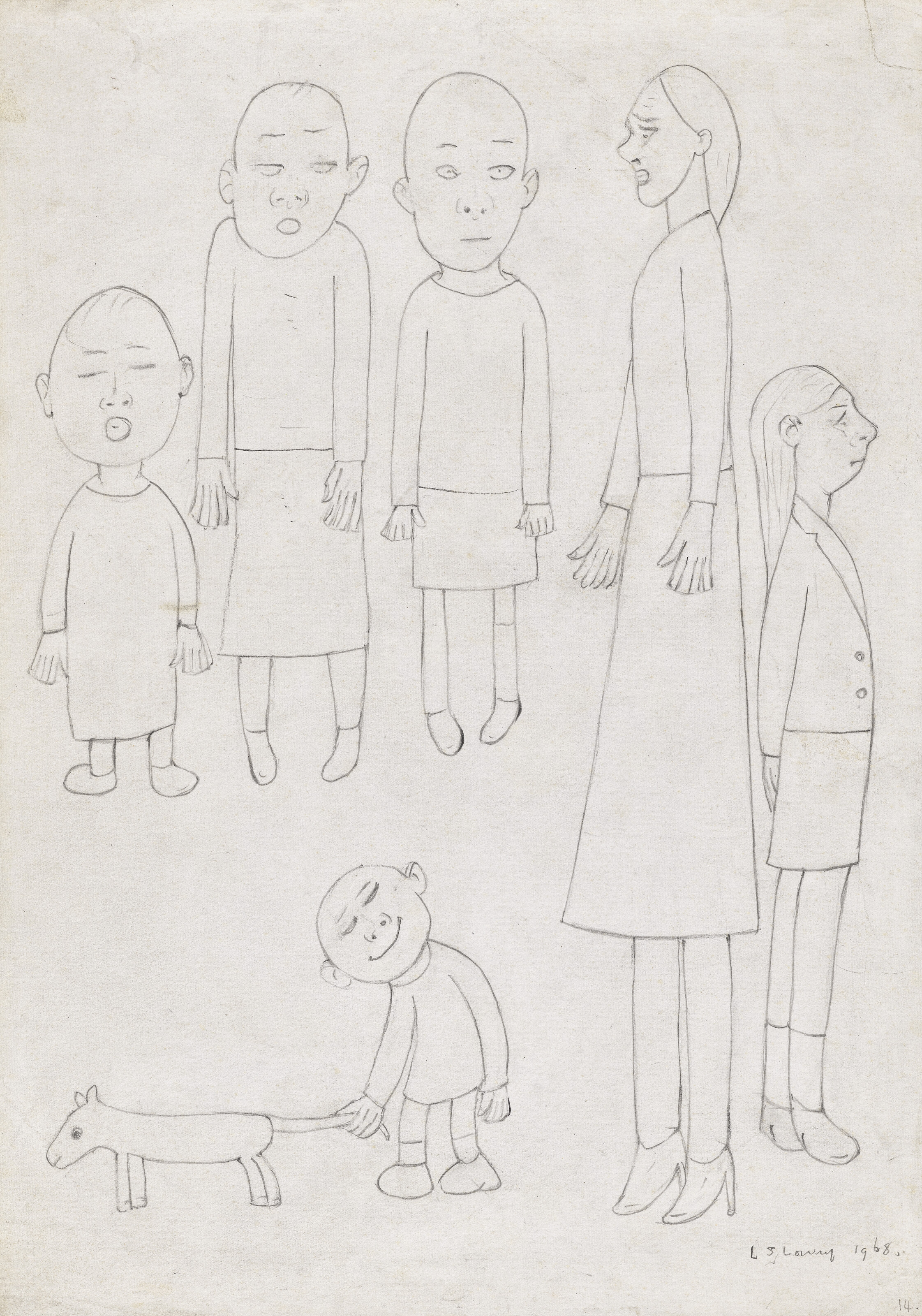
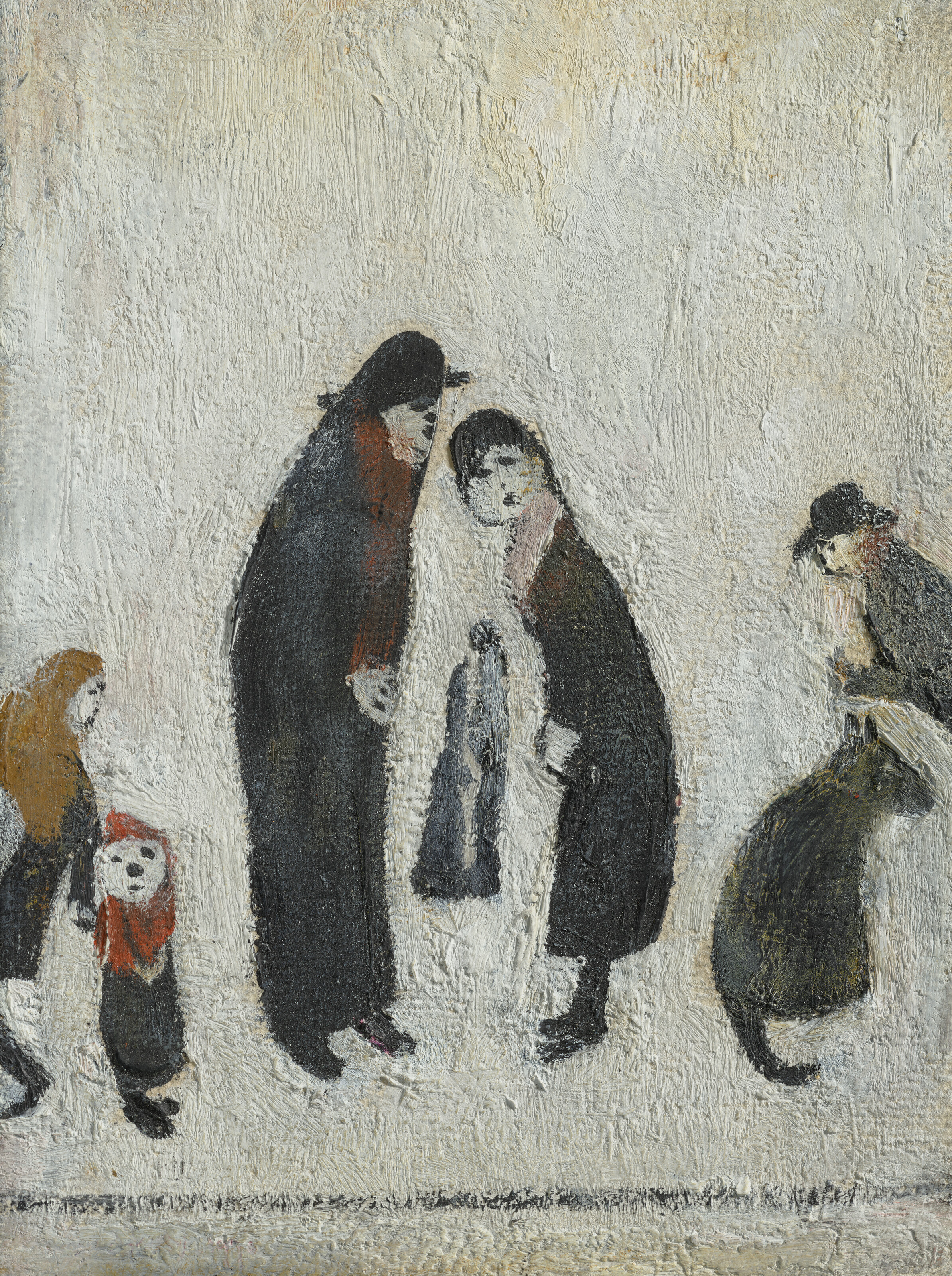
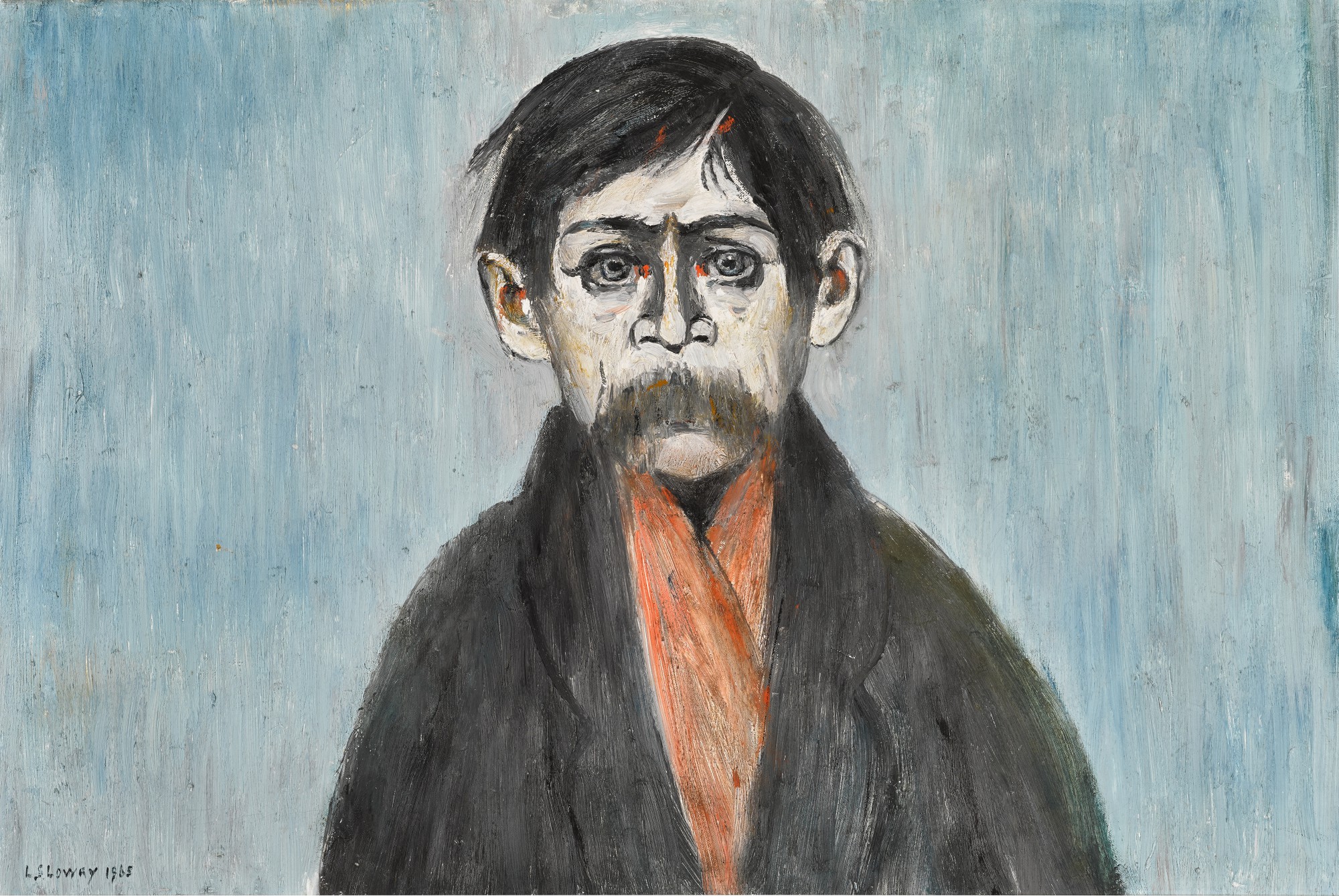
Laurence Stephen Lowry
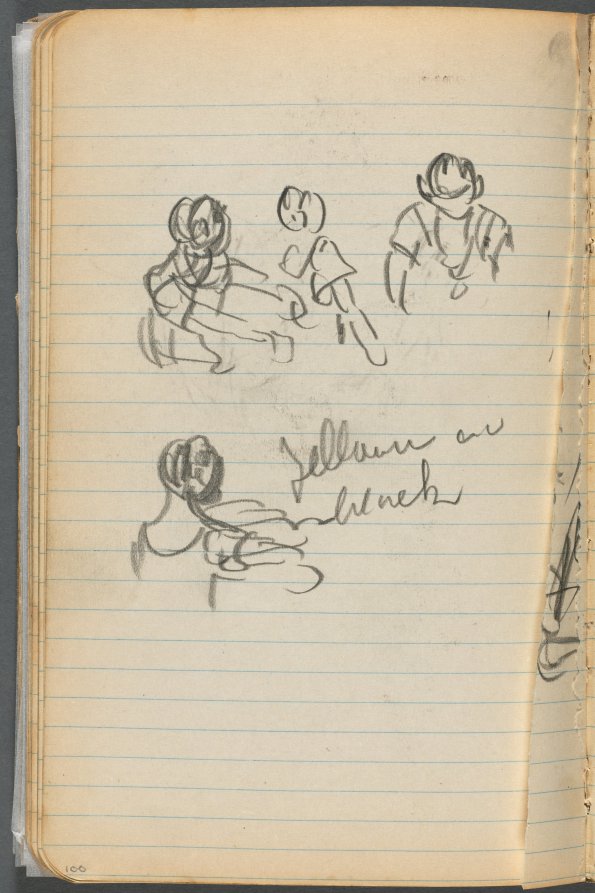
Group of figures and a dog
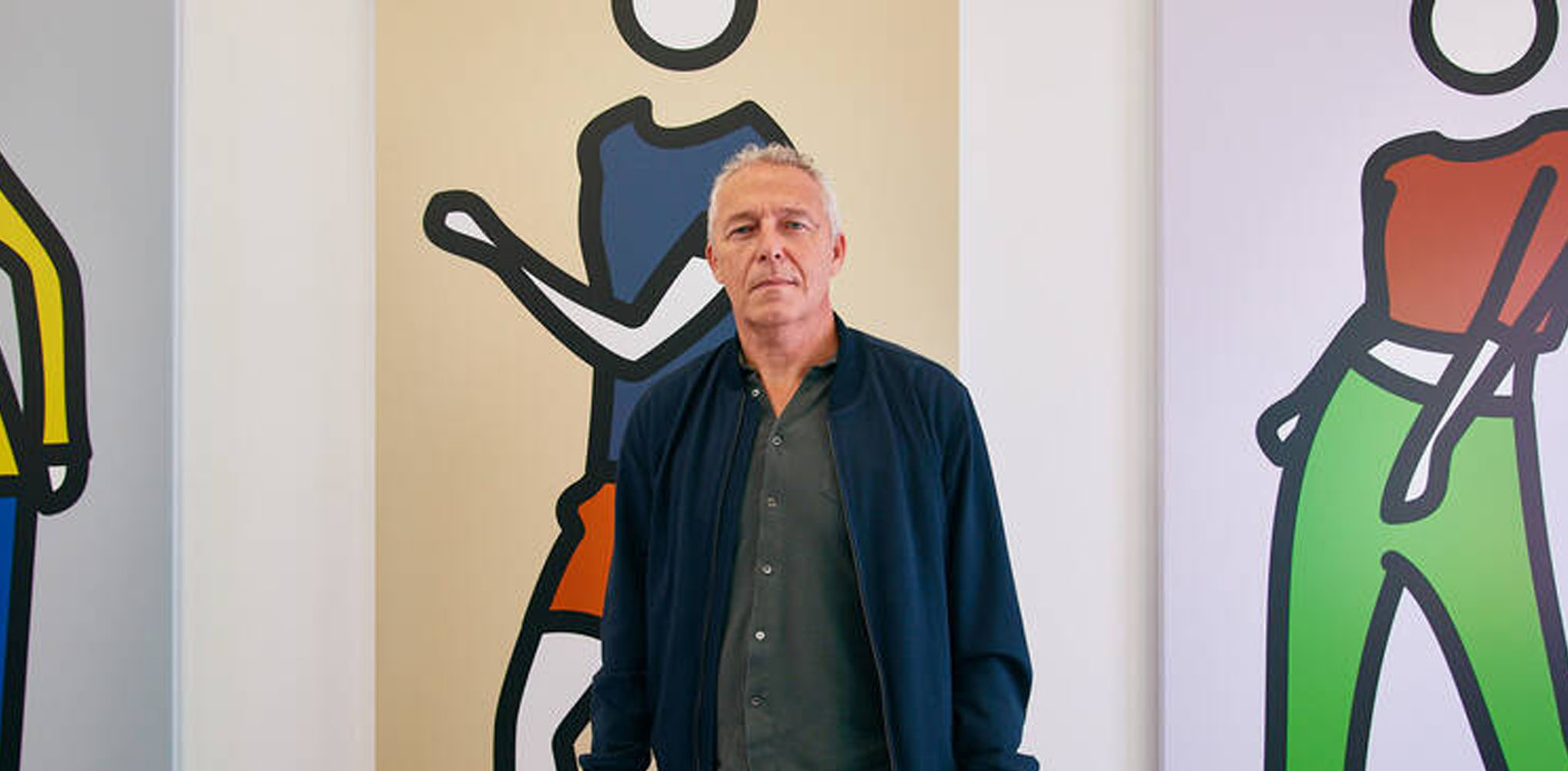
The City Stares Back At Us
When a small Maurice Prendergast watercolor of figures moving through a Boston park sold at Christie's a few years ago for well above its estimate, the room took notice. It was not a grand gesture of a painting. It was intimate, almost casual, figures dissolved into dabs of color against a green ground. But the bidding told a different story about appetite, about what collectors are genuinely hungry for right now.
The urban figure, that deceptively simple subject of a person moving through a shared, constructed world, has become one of the most contested and emotionally resonant categories in the market. There is something about this moment, culturally, that makes the urban figure feel urgent rather than nostalgic. After years of pandemic isolation and the strange renegotiation of public space that followed, paintings and prints and sculptures that place the human body back into the city carry a weight they did not have before. We look at figures on a crowded promenade or crossing a gray industrial street and we feel something about belonging, about anonymity, about the strange comfort of being surrounded by people we will never know.
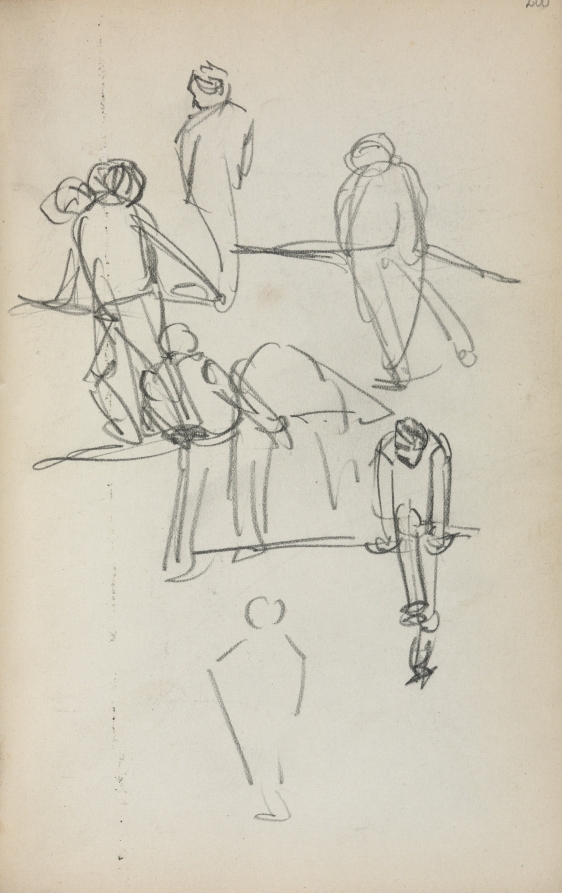
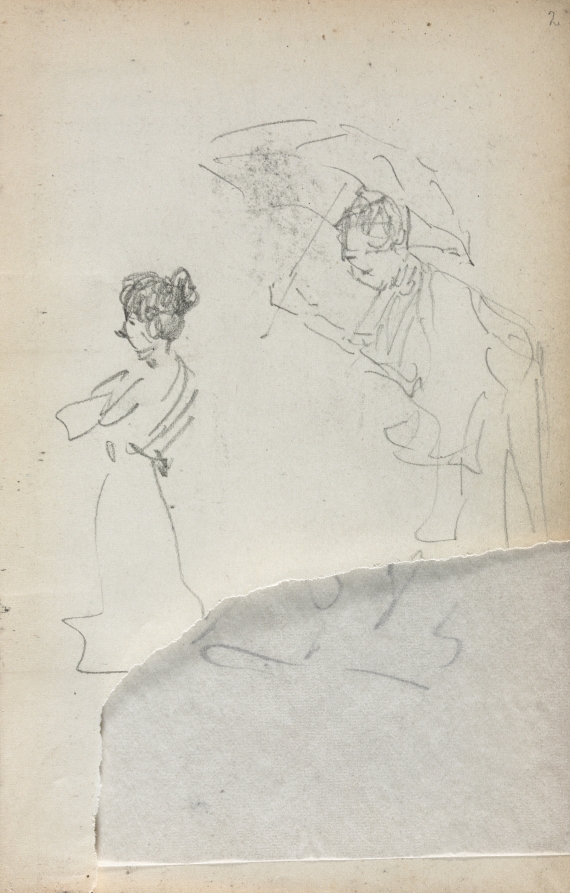
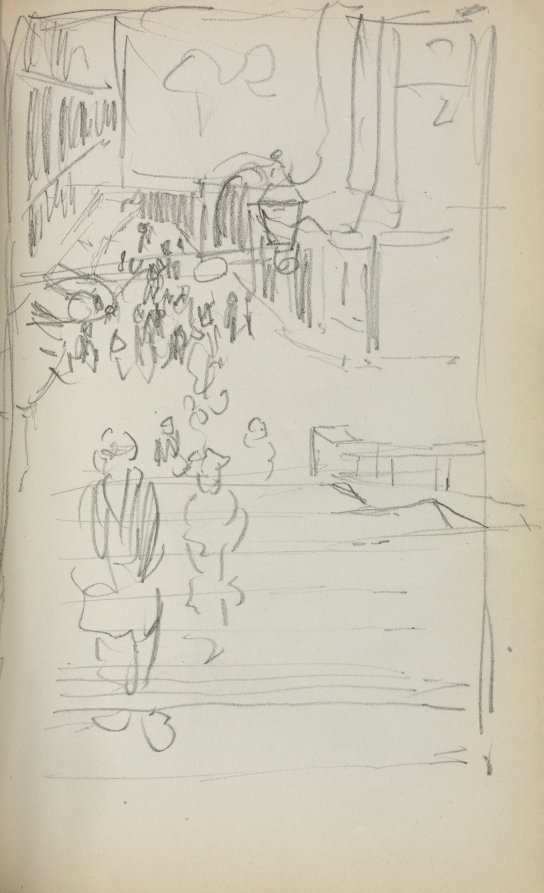
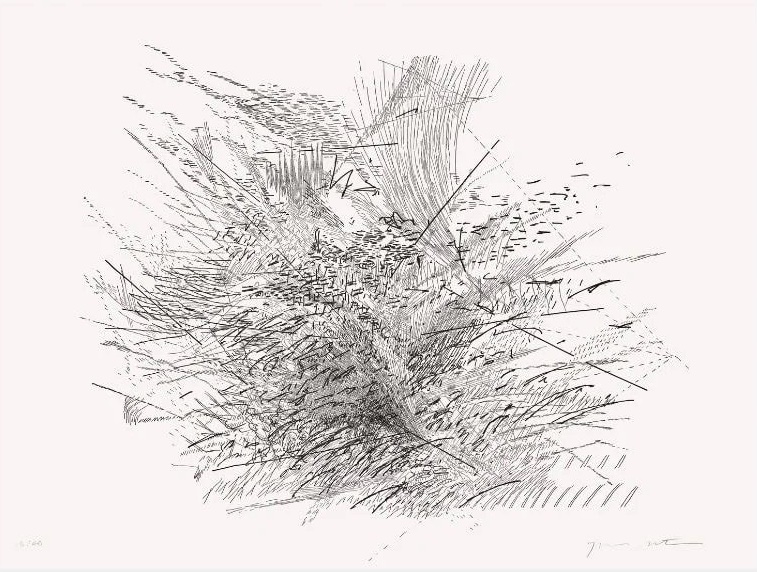
Maurice Prendergast
Italian Sketchbook: Figures (page 200), 1898
The subject has always been rich, but right now it is electric. In terms of exhibitions, the past decade has produced some genuinely landmark shows in this area. The Lowry, the Salford museum dedicated to L.S.
Lowry, has continued to reframe its namesake not as a quaint northern curiosity but as a sophisticated and psychologically complex observer of industrial England. Shows there and at touring venues have drawn serious critical attention to what Lowry was actually doing, which was not simple documentation but a kind of emotional compression, reducing the figure to a matchstick form in order to say something true about mass society and loneliness within it. That critical rehabilitation has had real market consequences. Works by Laurence Stephen Lowry at auction now command serious respect, with major paintings reaching into the millions at Sotheby's and Christie's in London, where his northern industrial scenes find their most committed collectors.
Laurence Stephen Lowry
Group of figures and a dog
Maurice Prendergast occupies a different register of the same conversation. His work sits at the intersection of American Impressionism and Post Impressionist influence, and institutions like the Williams College Museum of Art and the Terra Foundation have done significant work in recent years to keep his reputation properly calibrated. His scenes of figures in public parks and along seaside promenades in Boston, New York, and Venice have a joyful urgency that feels remarkably contemporary. At auction, strong Prendergast works on paper and canvas have held their ground consistently, with major pieces exceeding half a million dollars when the condition and provenance align.
Collectors who know his work tend to be fiercely loyal to it, and that loyalty creates a stable and sometimes surprising floor in the salesroom. The critical conversation around urban figuration has been shaped considerably by writers and curators working at the intersection of social history and visual culture. T.J.
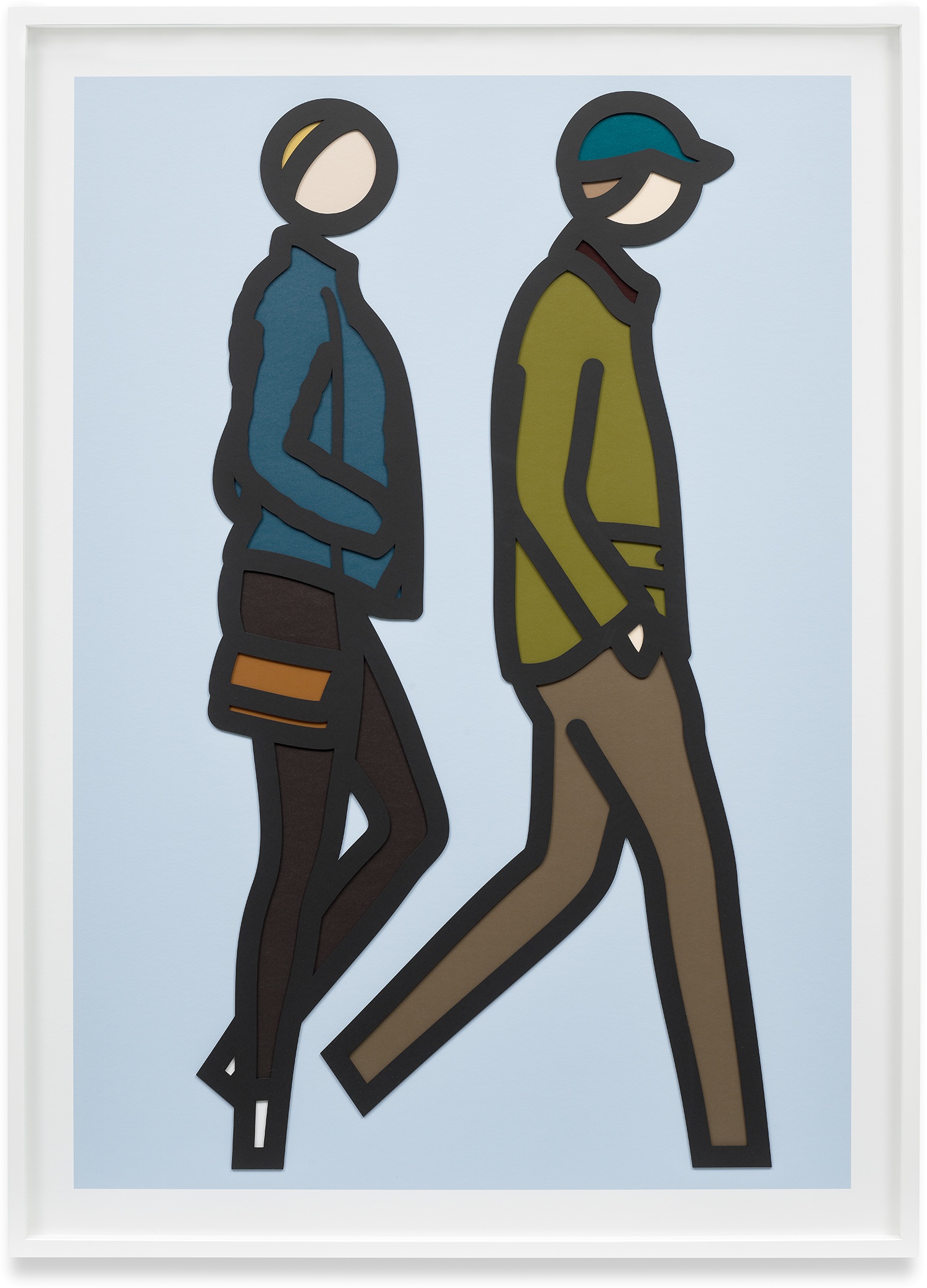
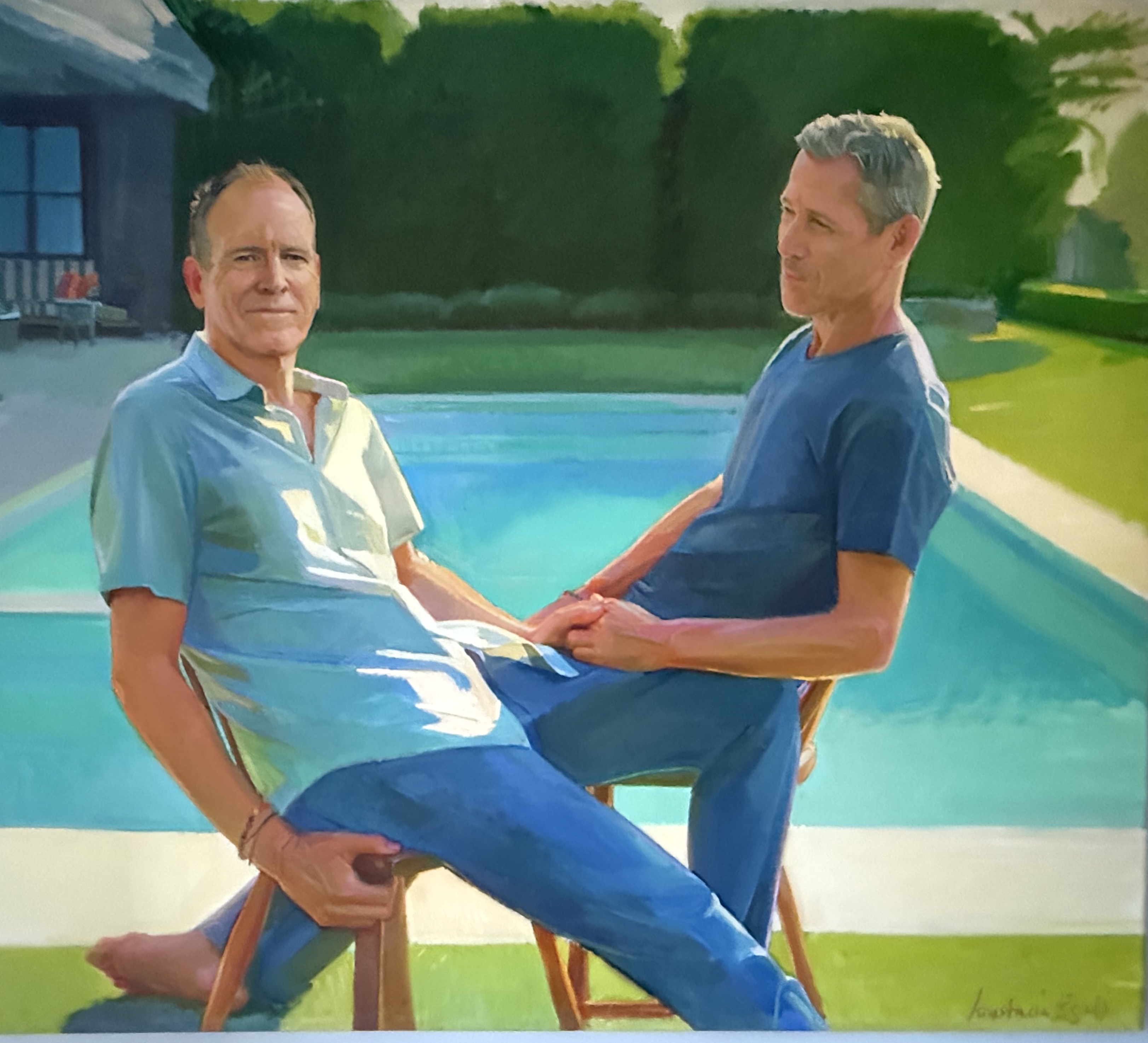
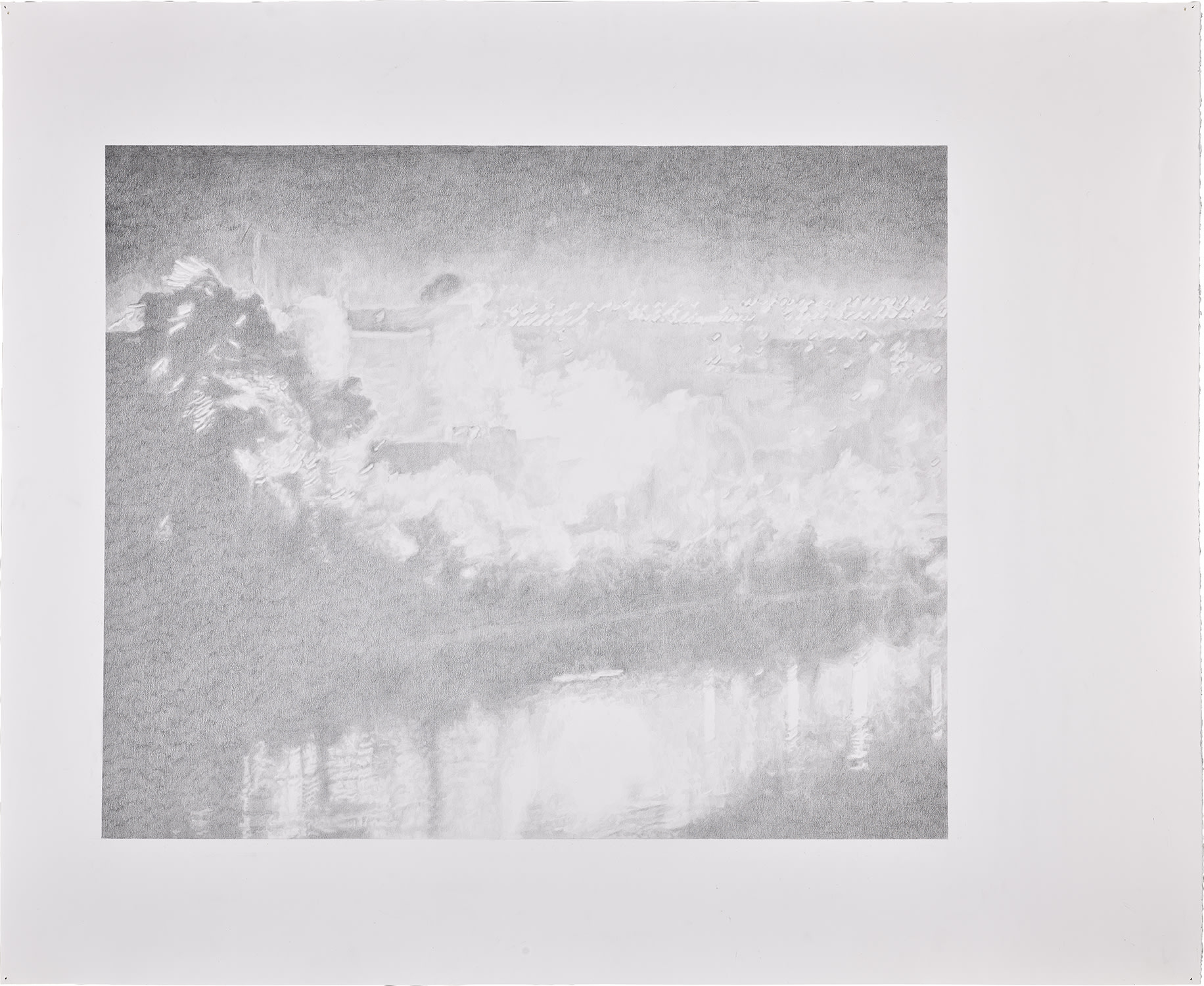
Julian Opie
New York Couple 4, from New York Couples
Clark's foundational work on nineteenth century Paris, particularly in The Painting of Modern Life, established a framework for thinking about figures in the city that later scholars have built upon and productively argued against. More recently, curators at institutions like Tate Modern and the Museum of Fine Arts Boston have been asking harder questions about whose bodies appear in these urban spaces and whose are conspicuously absent, questions that have refreshed the entire category and opened it to new voices. Julian Opie, whose work appears on The Collection, sits interestingly within this conversation. His reduction of the walking figure to clean digital outline, stripped of individual feature or expression, updates the Lowry gesture for the age of the algorithm.
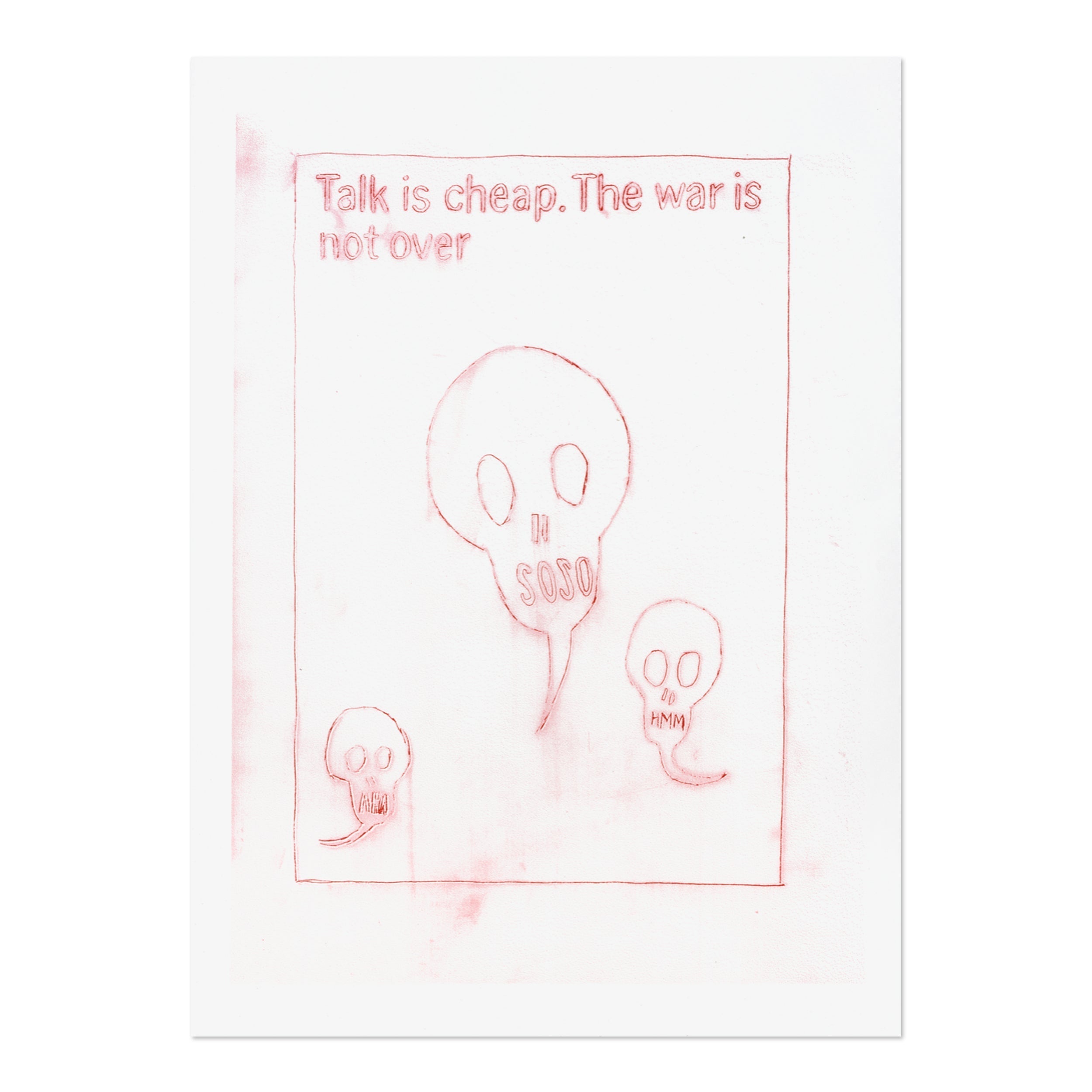
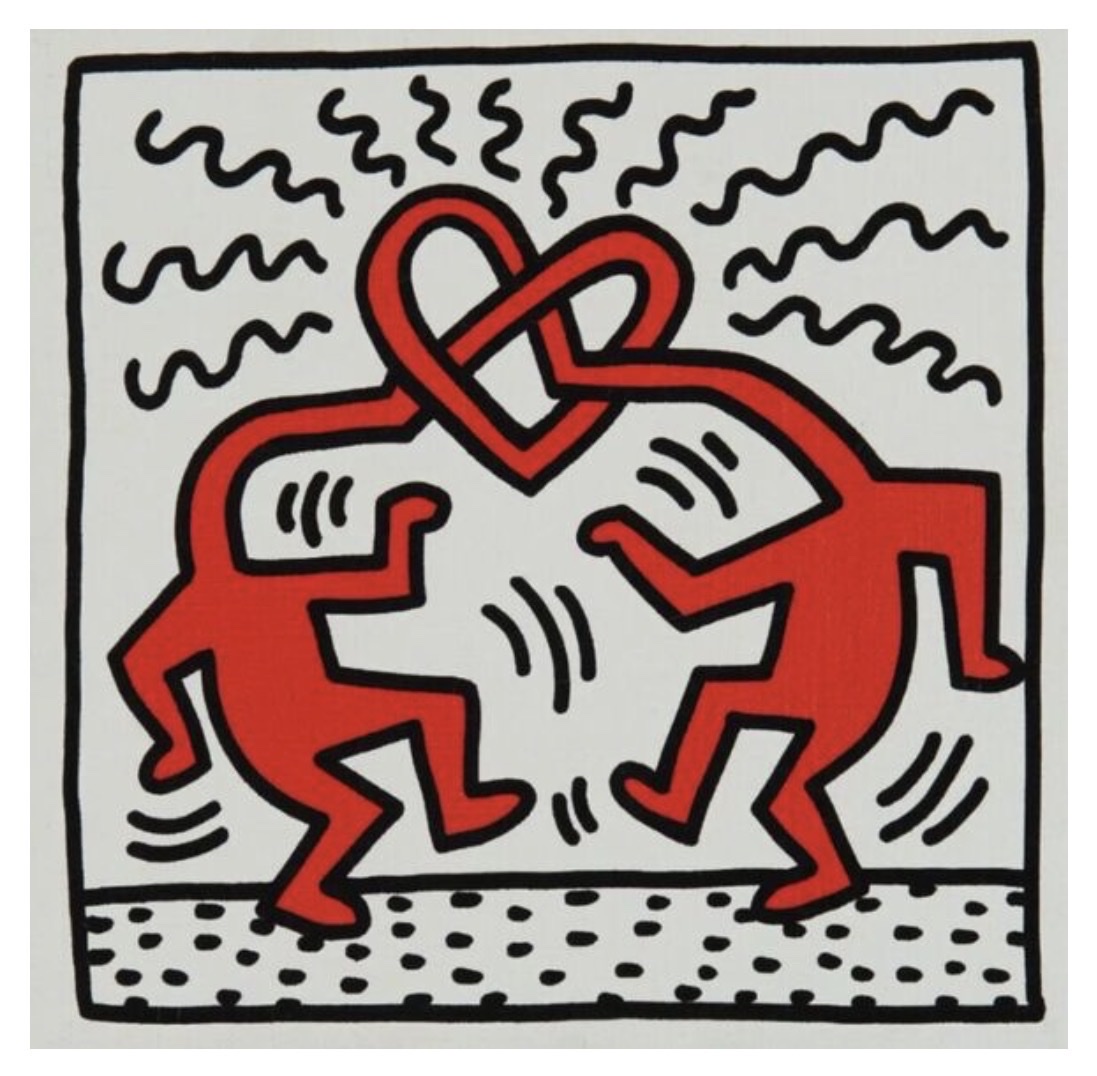
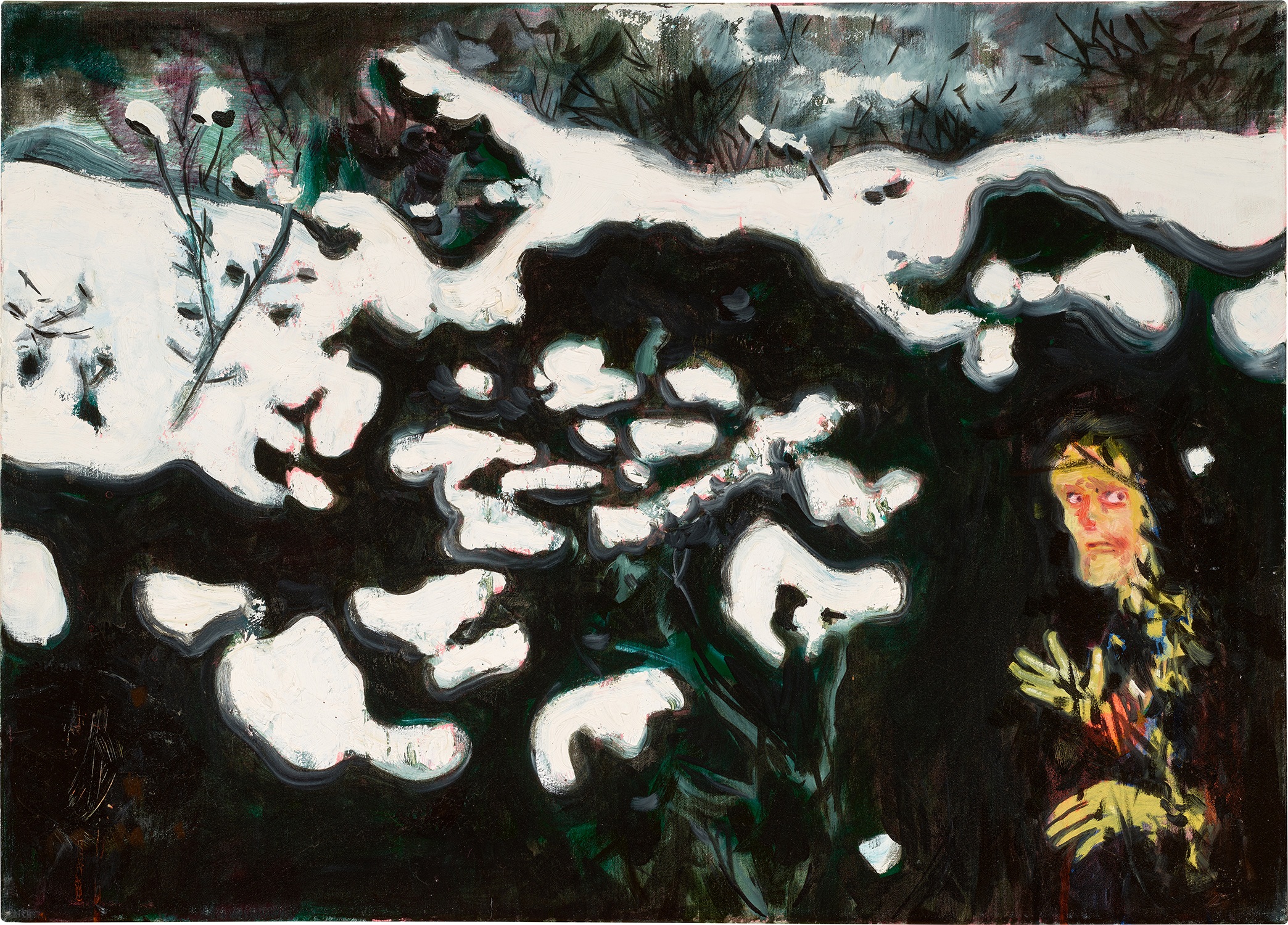
Opie's editions and works on canvas have attracted strong institutional interest, and his ability to make anonymity feel both cool and quietly melancholic has earned him a place in collections ranging from the British Museum to private holdings across Asia and North America. Anna Park is among the artists in this category whose energy feels most alive right now. Her densely packed crowd scenes, rendered with an almost feverish mark making, capture something that more restrained approaches to the urban figure sometimes miss, which is the actual sensation of being inside a crowd rather than observing one from outside. Her work has moved quickly through the primary market and begun to establish itself at secondary market level, with collectors paying close attention to where her institutional recognition is heading.
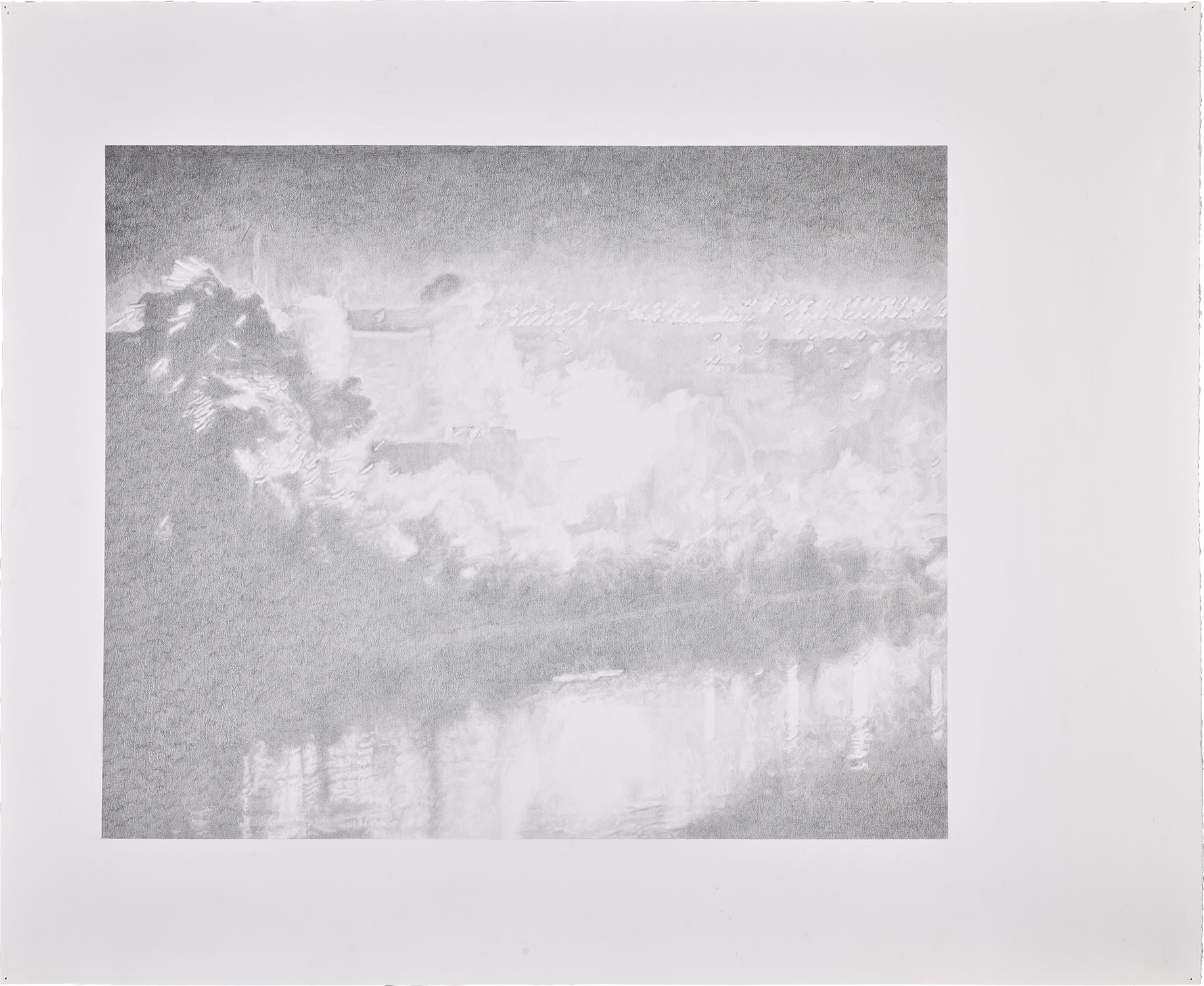
Anna Park
Catching Feelings, 2020
She represents the generational shift in this category, a move from the cool, observational distance of Opie or the elegiac quality of Lowry toward something rawer and more embodied. Institutionally, the signal has been clear for some time. The Whitney Museum has long understood American urban figuration as central rather than peripheral to its collecting mandate, and the Tate's acquisitions in this space reflect a genuine commitment to the full range of the category across time. What is interesting now is the entry of newer private foundations and Asian institutions into this collecting area, drawn partly by the legibility of the subject and partly by the emotional accessibility of work that places recognizable human experience at its center.
When a subject can travel across cultural contexts without losing its meaning, collectors and institutions notice. Where does the energy go from here? The honest answer is toward more friction. The most interesting younger artists working with urban figures are not content to simply observe the city.
They are questioning the conditions under which certain bodies move freely through public space and others do not, and that questioning is producing work with a harder edge and a more complicated relationship to the pleasures of pure looking. The settled, comfortable corner of this market, the Prendergast promenades and the Opie pedestrians, will hold its value because it offers something collectors genuinely need, which is the sensation of beauty in everyday life. But the artists who are coming will make that comfort a little harder to take for granted, and that tension is exactly where the most important collecting decisions tend to happen.