Old Master Influence
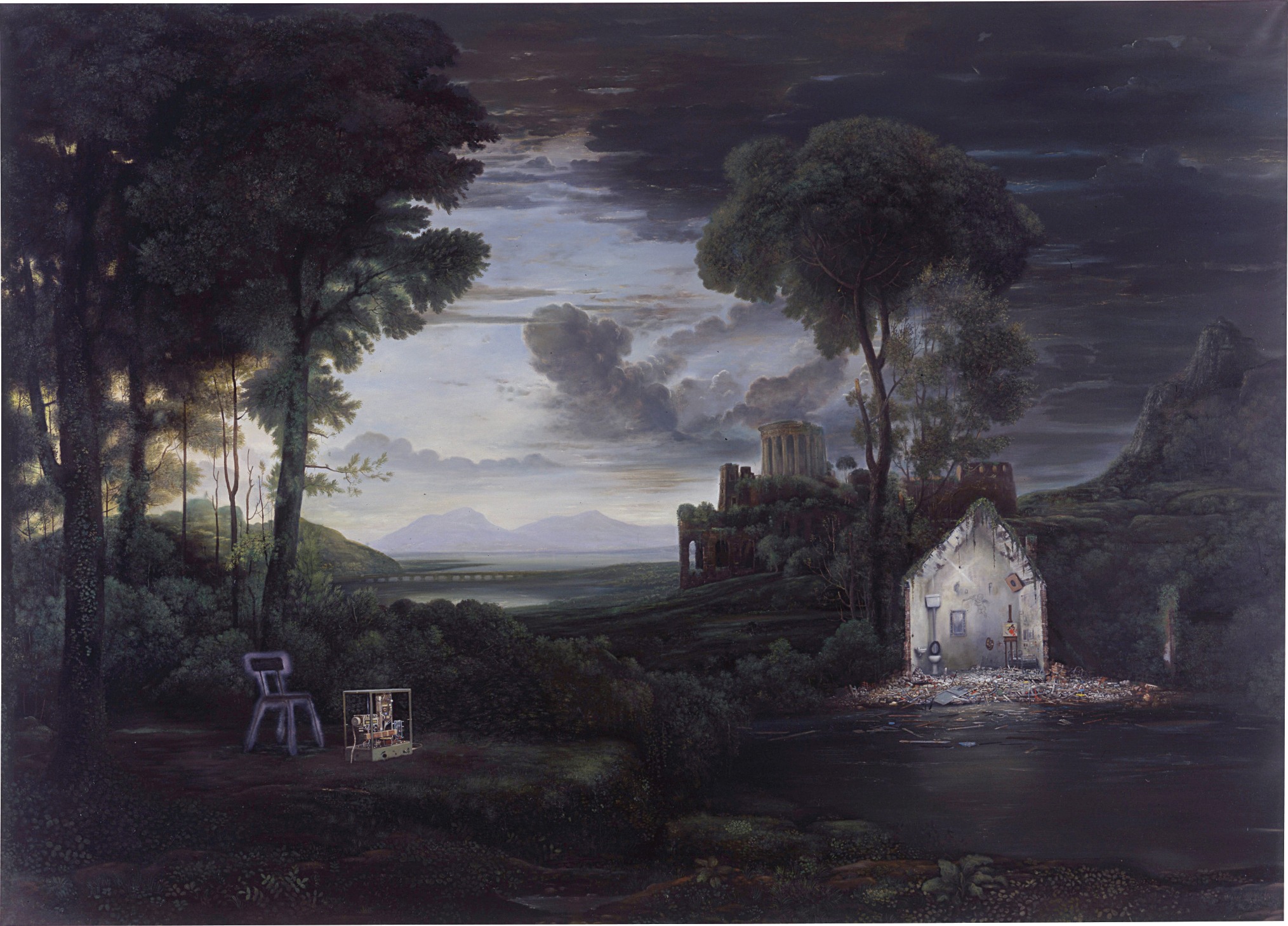
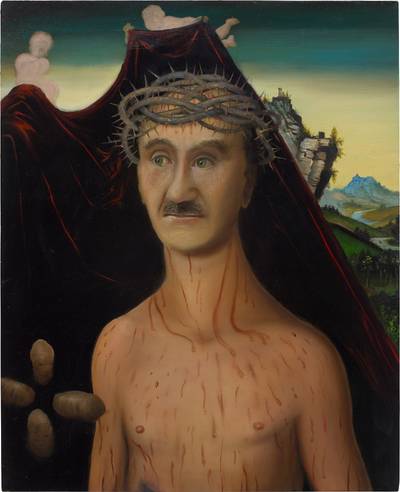
Ged Quinn
The last game in town, 2005
The Old Masters Never Actually Left Us
There is a particular kind of audacity required to look backward with total seriousness. In an art world that has long prized novelty, rupture, and the rhetoric of the new, a persistent strain of painters has chosen instead to sit with Titian, to argue quietly with Rembrandt, to let Velázquez haunt their studios. This is not nostalgia, and it is certainly not pastiche. The dialogue between contemporary painting and the Old Masters is one of the most intellectually alive conversations happening in studios right now, and understanding it means understanding something essential about how painting sustains itself across centuries.
The idea of learning from the masters is, of course, as old as academies themselves. The French Academy, founded in 1648, made the copying of canonical works in the Louvre a cornerstone of artistic training. Young painters spent years in front of Rubens and Poussin not to reproduce them but to metabolize their solutions to enduring problems: how light falls across flesh, how a composition holds its tension, how color can carry emotional weight that language cannot approximate. This was serious intellectual work disguised as imitation.
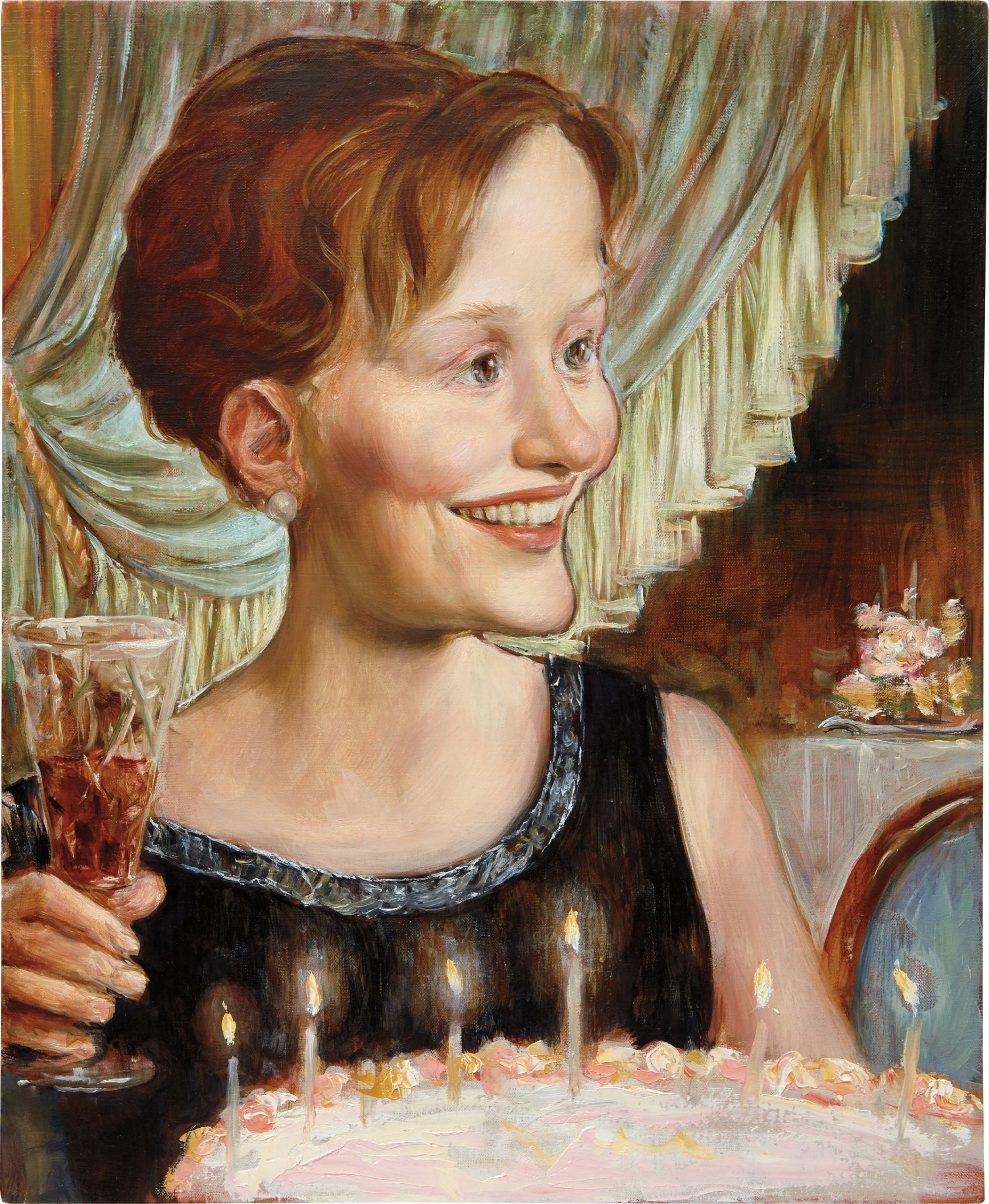
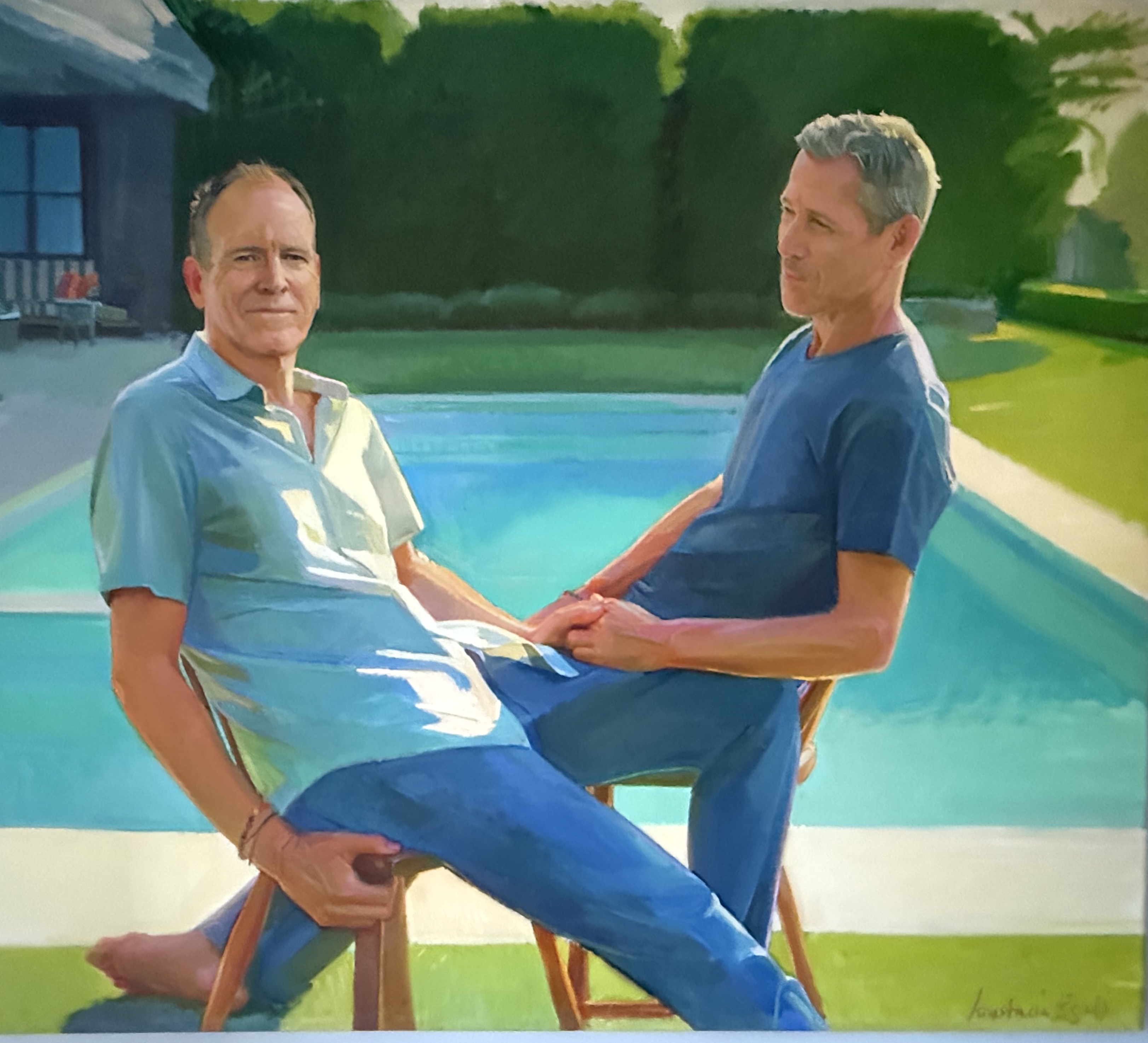
John Currin
Birthday
When that academic system collapsed under the pressures of modernism in the late nineteenth and early twentieth centuries, the relationship between living painters and their historical predecessors became considerably more complicated and considerably more interesting. Modernism did not erase the Old Masters so much as it changed how artists were permitted to use them. Picasso's sustained engagement with Velázquez, culminating in the fifty eight variations on Las Meninas he produced in 1957, demonstrated that the old paintings were not monuments to be admired from a distance but provocations to be answered. Francis Bacon kept reproductions of Velázquez's portrait of Pope Innocent X tacked to his studio wall for decades, using it as a kind of psychological pressure point from which to generate his screaming pontiffs.
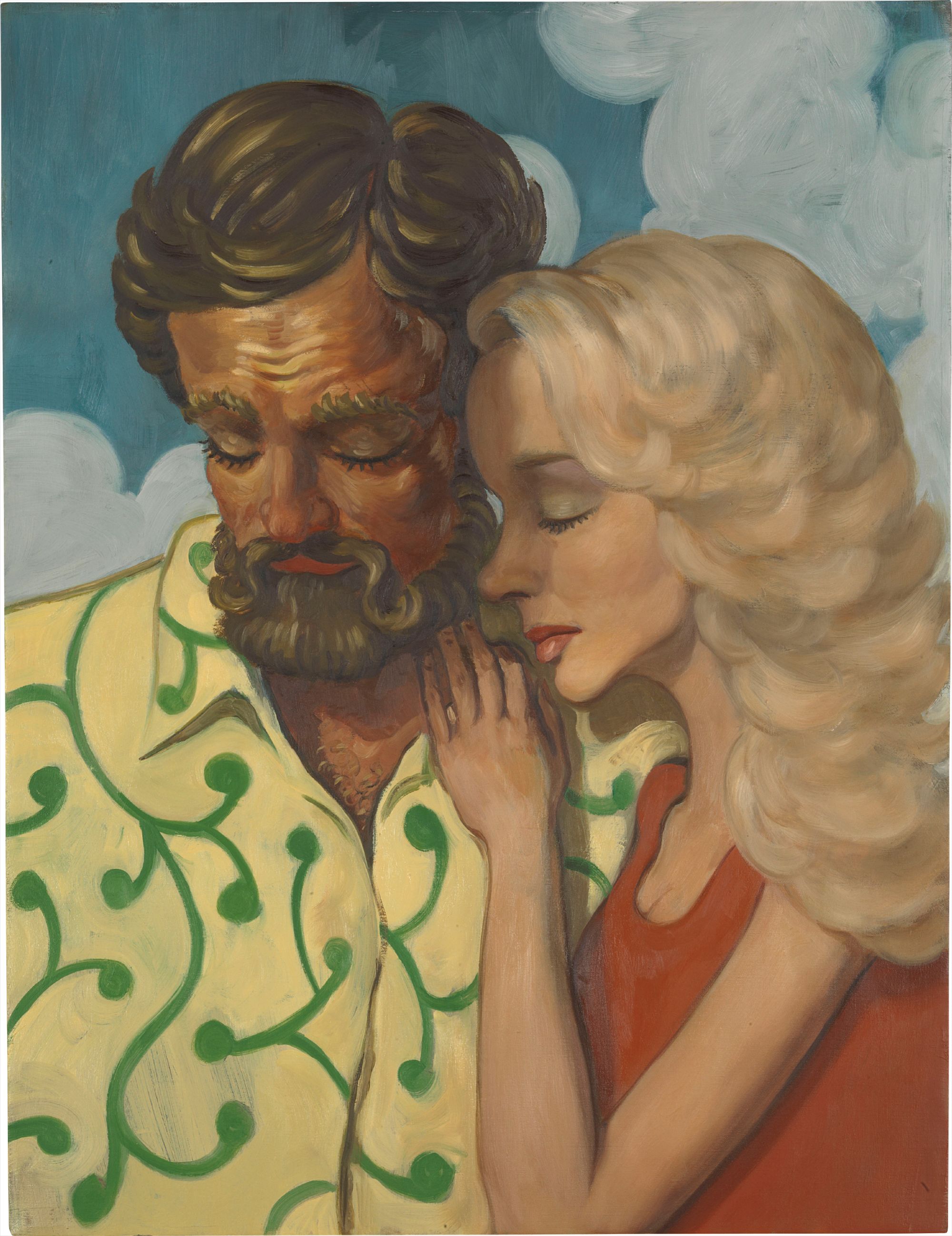
These were not reverential gestures. They were arguments. By the 1980s and into the 1990s, a renewed interest in figurative painting brought Old Master influence back into critical conversation with considerable force. John Currin emerged from this moment as one of its most discussed and deliberately provocative figures.
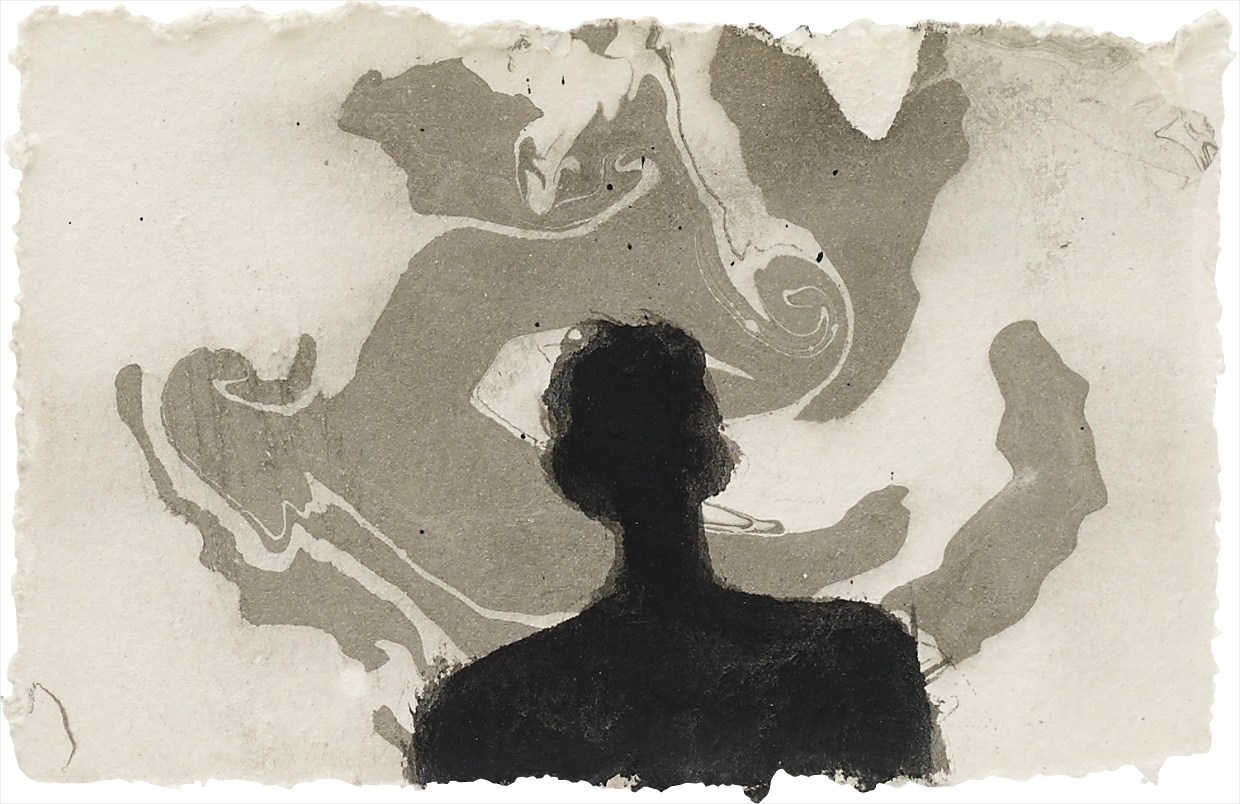
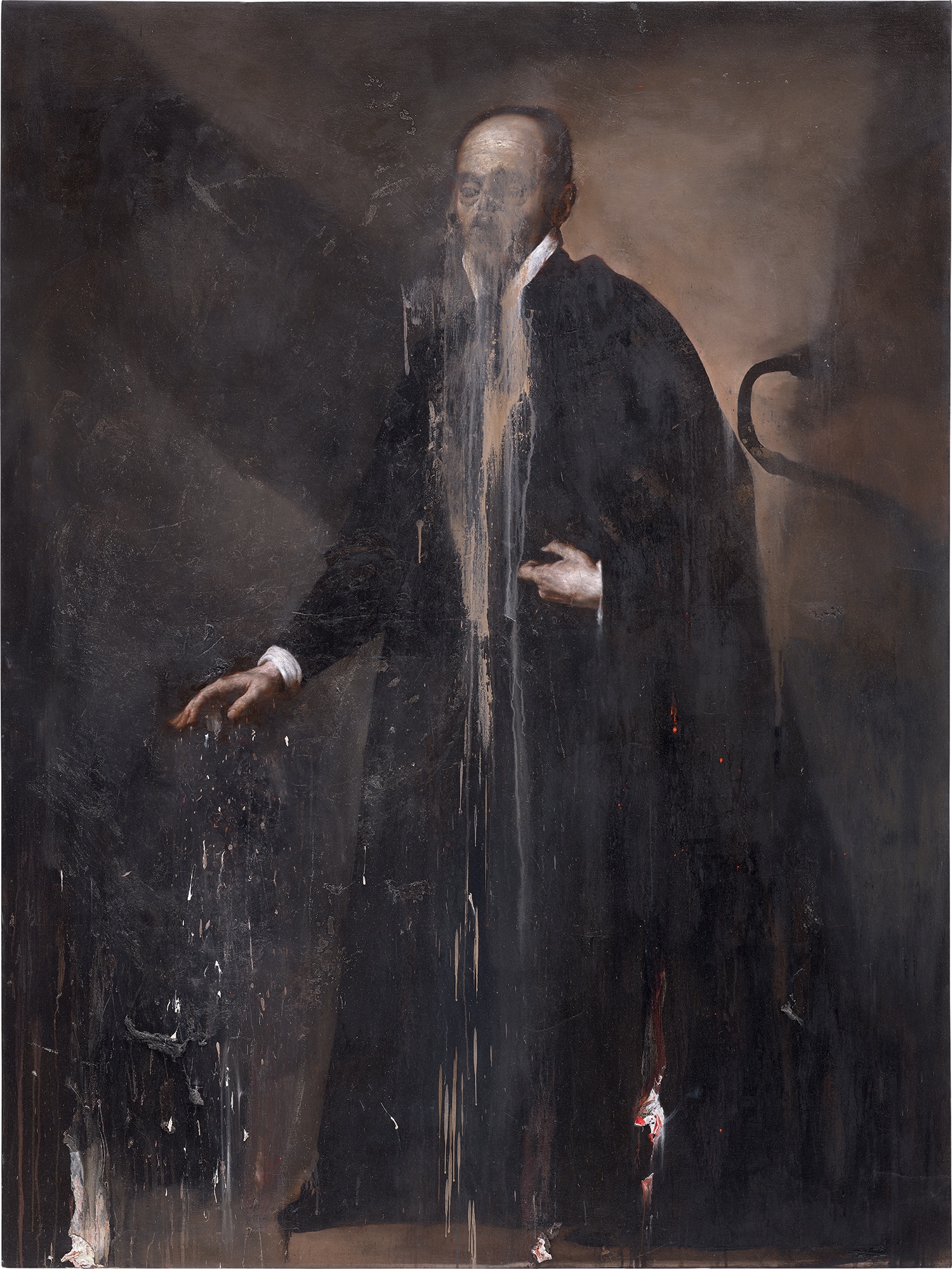
Nicola Samorì
Rigor Vitae, 2007
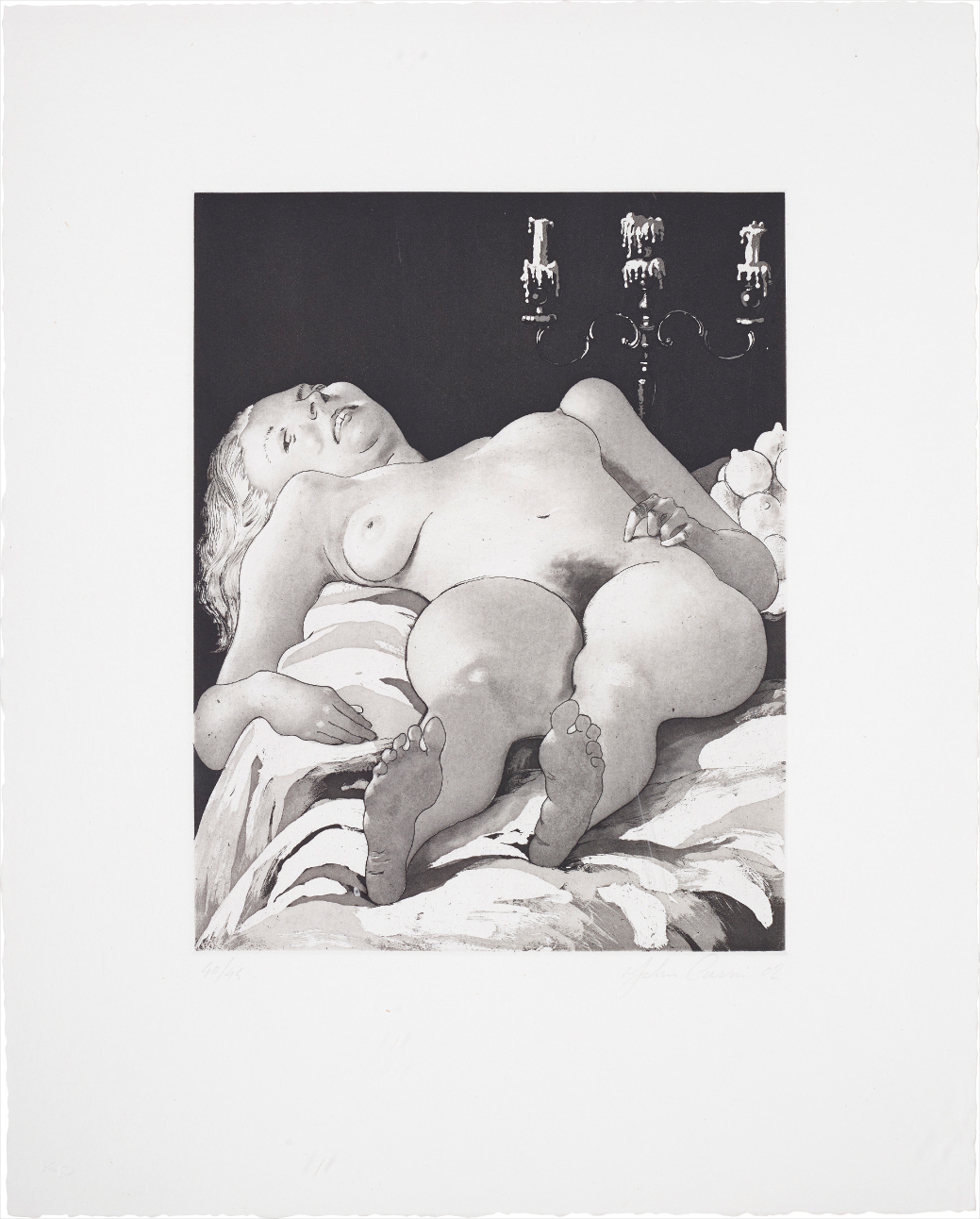
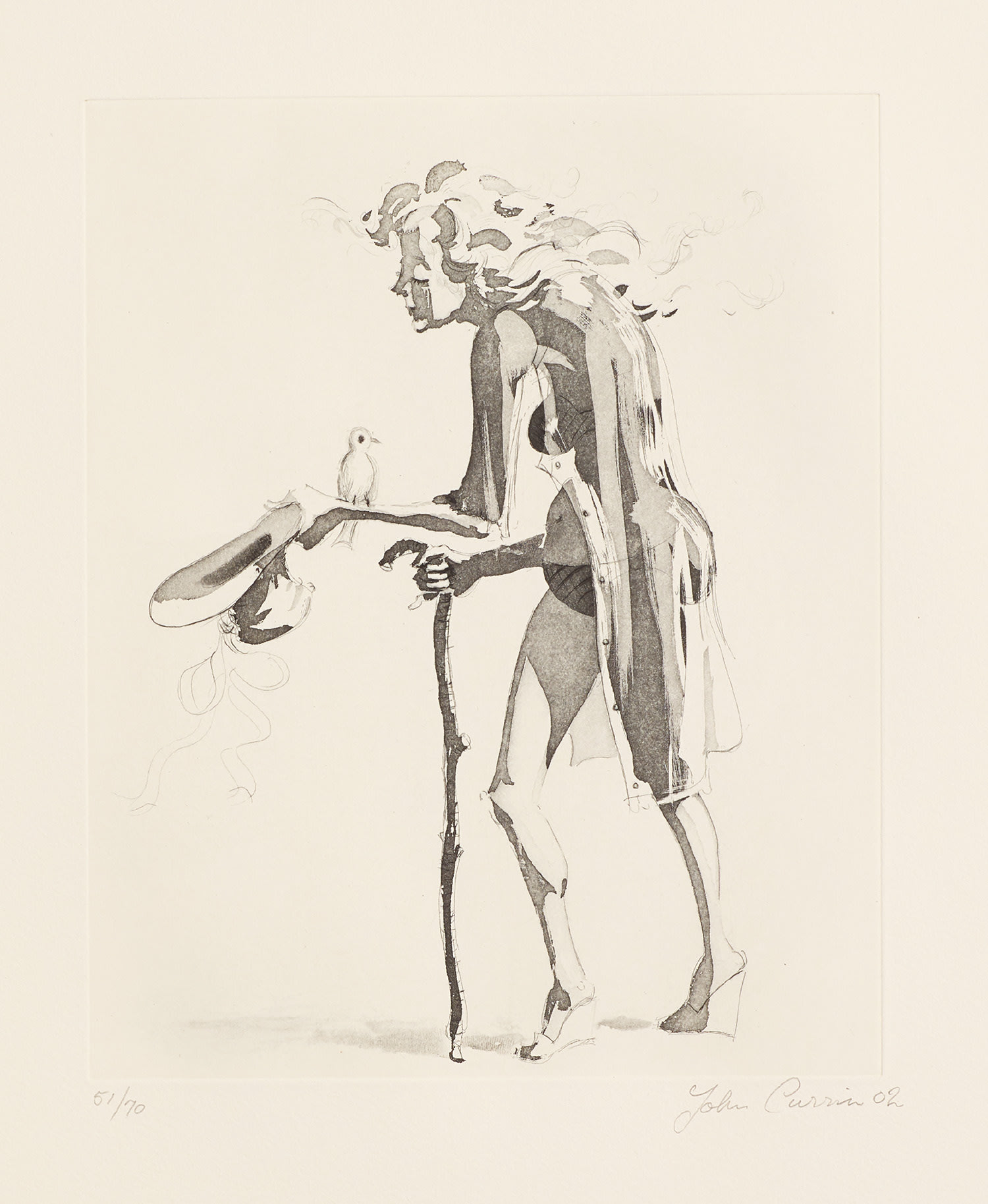
Working in New York and trained at Yale, Currin developed a practice that draws openly on Northern European portraiture and Mannerist figuration, particularly the elongated, porcelain figures of Cranach the Elder and the social precision of Dutch genre painting. His canvases achieve a surface quality that mimics the glazing techniques of the fifteenth and sixteenth centuries while placing his subjects in situations that are unmistakably, sometimes uncomfortably, contemporary. The tension between those two registers is exactly where the work lives. Currin is well represented on The Collection, and spending time with his paintings means reckoning with just how much technical and conceptual weight that historical conversation can carry.
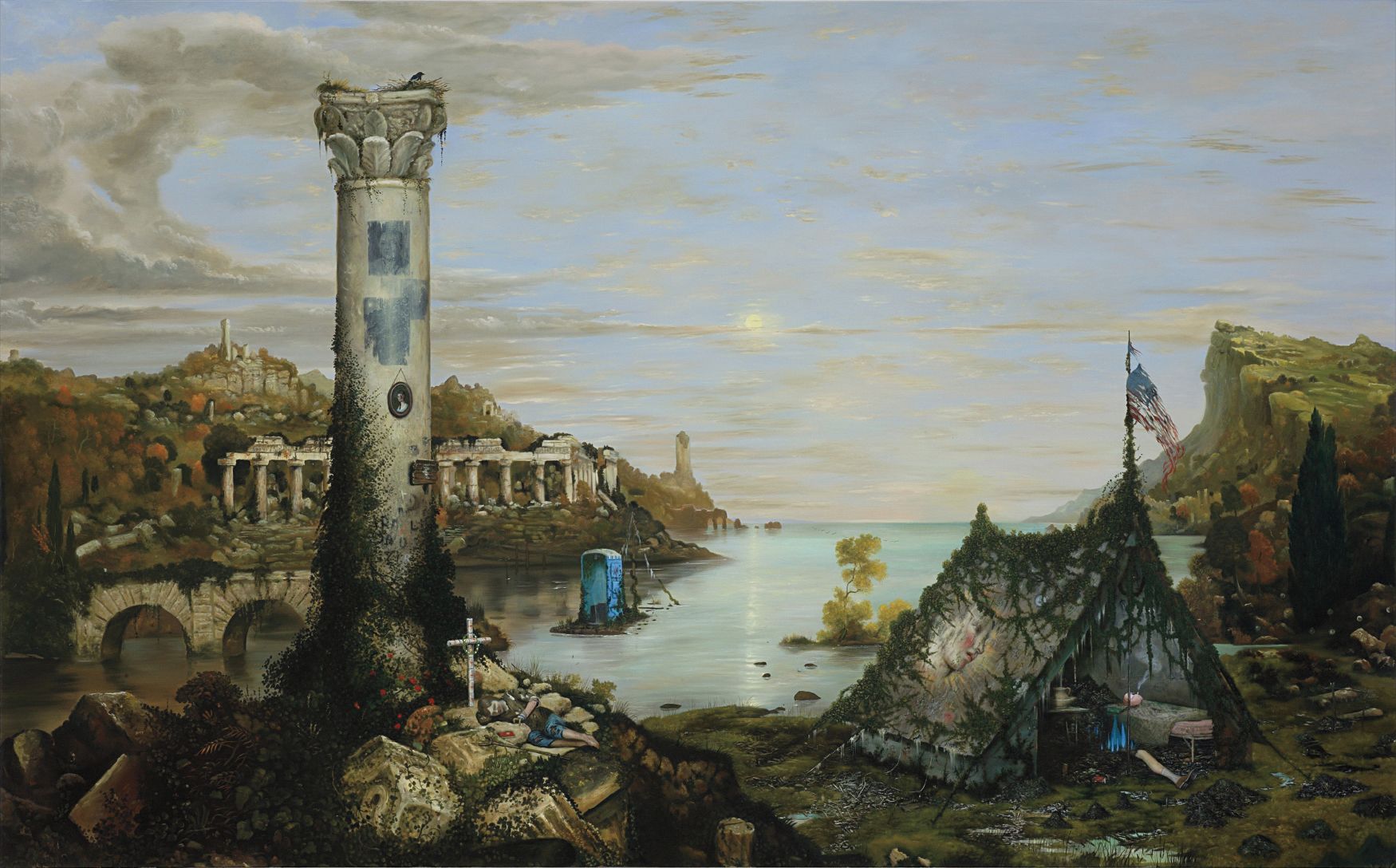
Ged Quinn works in a different register but is equally serious in his engagement with the pictorial traditions that preceded him. Based in Cornwall, Quinn builds large scale landscapes that quote directly from the conventions of seventeenth and eighteenth century European painting, particularly the tradition of the idealized landscape associated with Claude Lorrain and Nicolas Poussin. Into these serene and luminous settings he introduces elements of disruption, entropy, and dark humor that collapse the distance between then and now. His paintings ask what it means that we still recognize beauty in those old pictorial formulas even as the world those formulas were built to celebrate has long since dissolved.
Ged Quinn
The last game in town, 2005
The works available on The Collection give a real sense of how Quinn uses historical quotation not as decoration but as an argument about time itself. Nicola Samorì brings perhaps the most visceral approach to this inheritance. The Italian painter works with a range of historical techniques including oil on alabaster and linden wood panel, materials that connect him directly to the material conditions of Renaissance and Baroque painting. But Samorì does not simply use these materials to achieve a period effect.
He subjects the painted surface to processes of erosion, scraping, and destruction that transform the image even as it is being made. The result is a kind of painting that looks simultaneously ancient and wounded, as though the figures are in the process of being recovered from or returned to darkness. His single work on The Collection rewards close looking precisely because it operates across registers that are centuries apart. What unites painters working in this tradition, despite the considerable differences in their individual approaches, is a commitment to the idea that painting has a memory and that this memory is an active resource rather than a burden.
The Old Masters were themselves synthesizers, drawing on classical sculpture, Byzantine gold grounds, and the technical innovations of their immediate predecessors. When Rubens painted his great mythological machines, he was already in conversation with a tradition that stretched back further than his own lifetime. Contemporary painters who engage that tradition are not stepping outside the present but extending a chain of thinking that has never actually broken. The cultural significance of this practice extends beyond painting itself.
In an era saturated with images produced at industrial scale and consumed in fractions of a second, the deliberate slowness of engagement with historical technique carries its own critical charge. These are painters who are insisting that some things require duration, that looking at a Caravaggio for an hour teaches you something that looking at it for three seconds does not, and that the act of making a painting is itself a form of sustained attention that the culture at large is increasingly reluctant to practice. That is a quiet kind of radicalism, but it is radicalism nonetheless. For collectors, works that engage seriously with Old Master influence offer something rare: they are embedded in a conversation that is genuinely long.
They ask to be understood not only in relation to their moment but in relation to centuries of accumulated thinking about what painting can do and why it matters. That is, ultimately, what makes this territory so endlessly alive. The old paintings are not finished speaking, and the best contemporary painters know it.