Obsessive Repetition
Yayoi Kusama
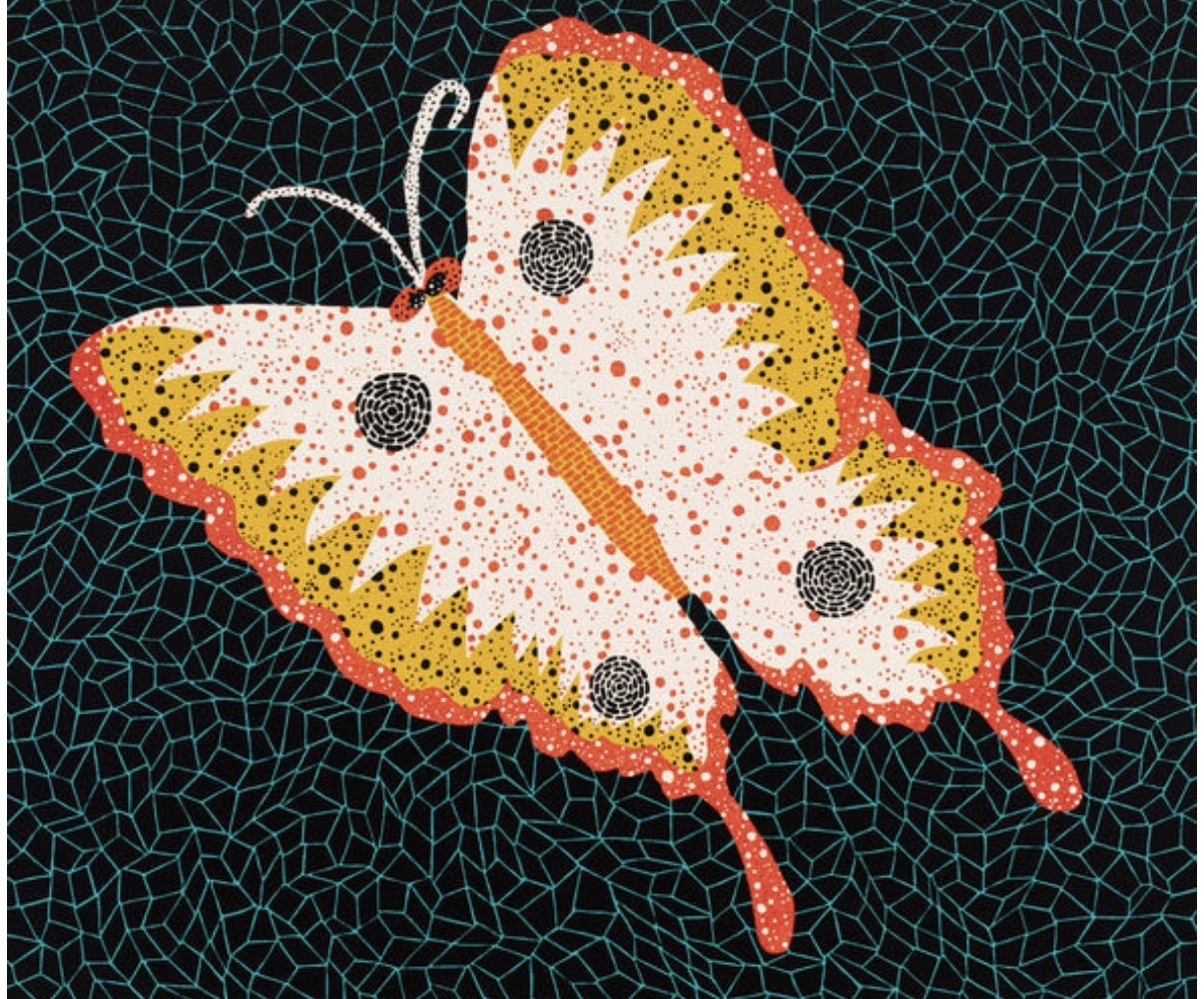
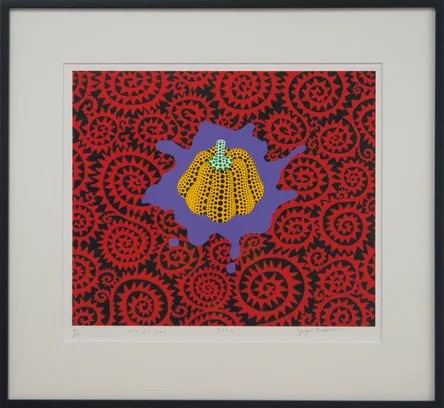
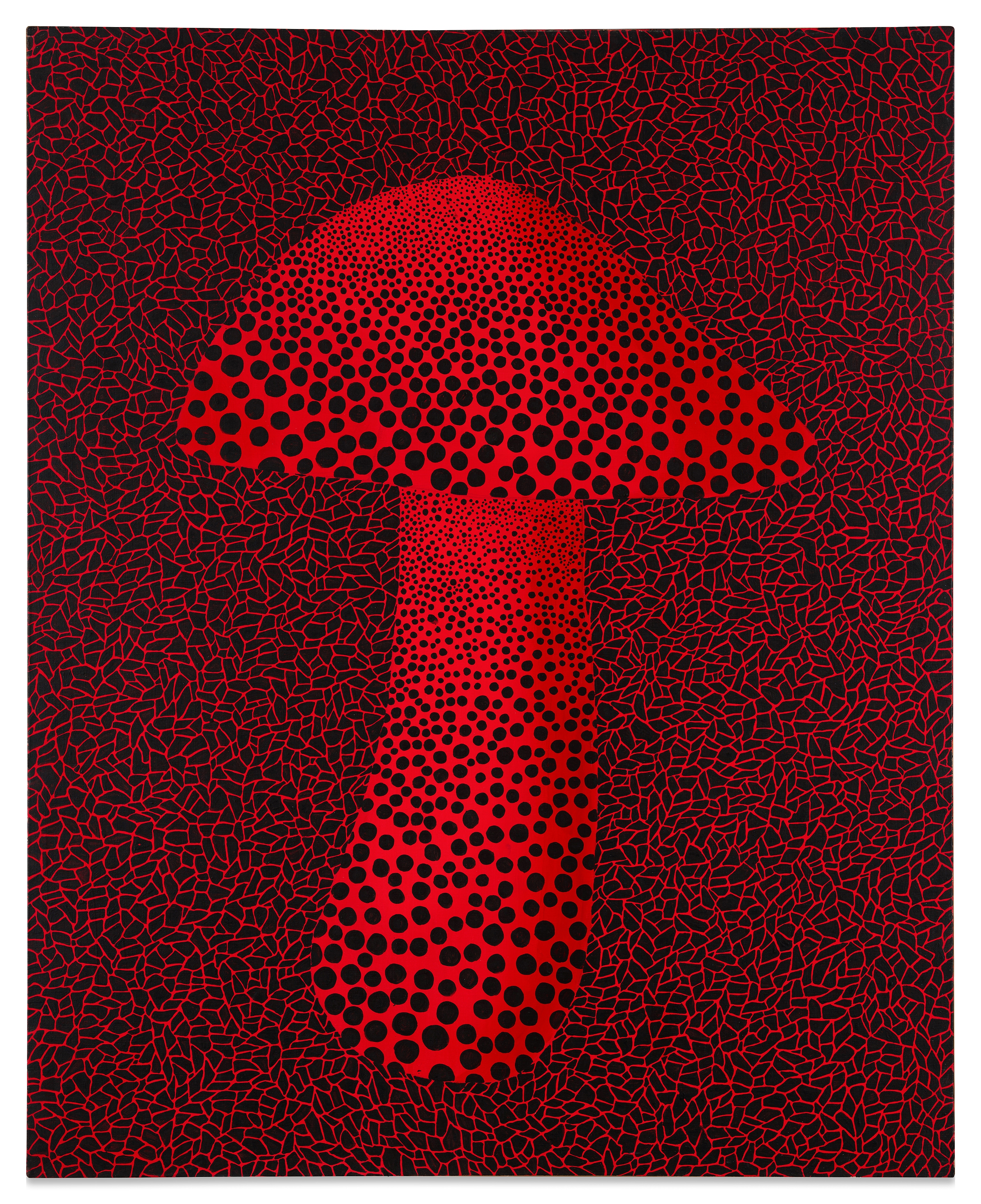
Mushroom, 1980
Artists
The Dot, The Loop, The Infinite Return
There is something almost paradoxical about collecting work rooted in obsessive repetition. The art is, by its very nature, about surrender, about the dissolution of the individual mark into something larger and more consuming. And yet to own such a work is to hold that surrender still, to frame it on your wall and live inside its rhythm. Collectors who are drawn to this area often describe it in terms that sound more like meditation than acquisition.
The work does something to a room that is difficult to articulate and nearly impossible to ignore. What makes repetitive and pattern driven practice so compelling to live with is precisely what makes it demanding in the studio. These are not works that resolve themselves quickly. They build pressure.
Yayoi Kusama
Mushroom, 1980
A single dot or a single stroke means almost nothing. Ten thousand of them, accumulated with intention and discipline, become something that feels genuinely earned. Many collectors speak of returning to these works daily and finding something different each time, not because the work has changed but because they have. That quality of inexhaustibility is rare in contemporary art, and serious collectors recognize it.
Separating a good work from a great one in this category requires attention to density, tension, and what might be called internal necessity. A great work of obsessive repetition should feel as though the pattern could not have been otherwise. There should be a sense that the artist had no choice, that the accumulation of marks was as inevitable as breathing. Works that feel decorative or merely systematic tend to flatten over time.
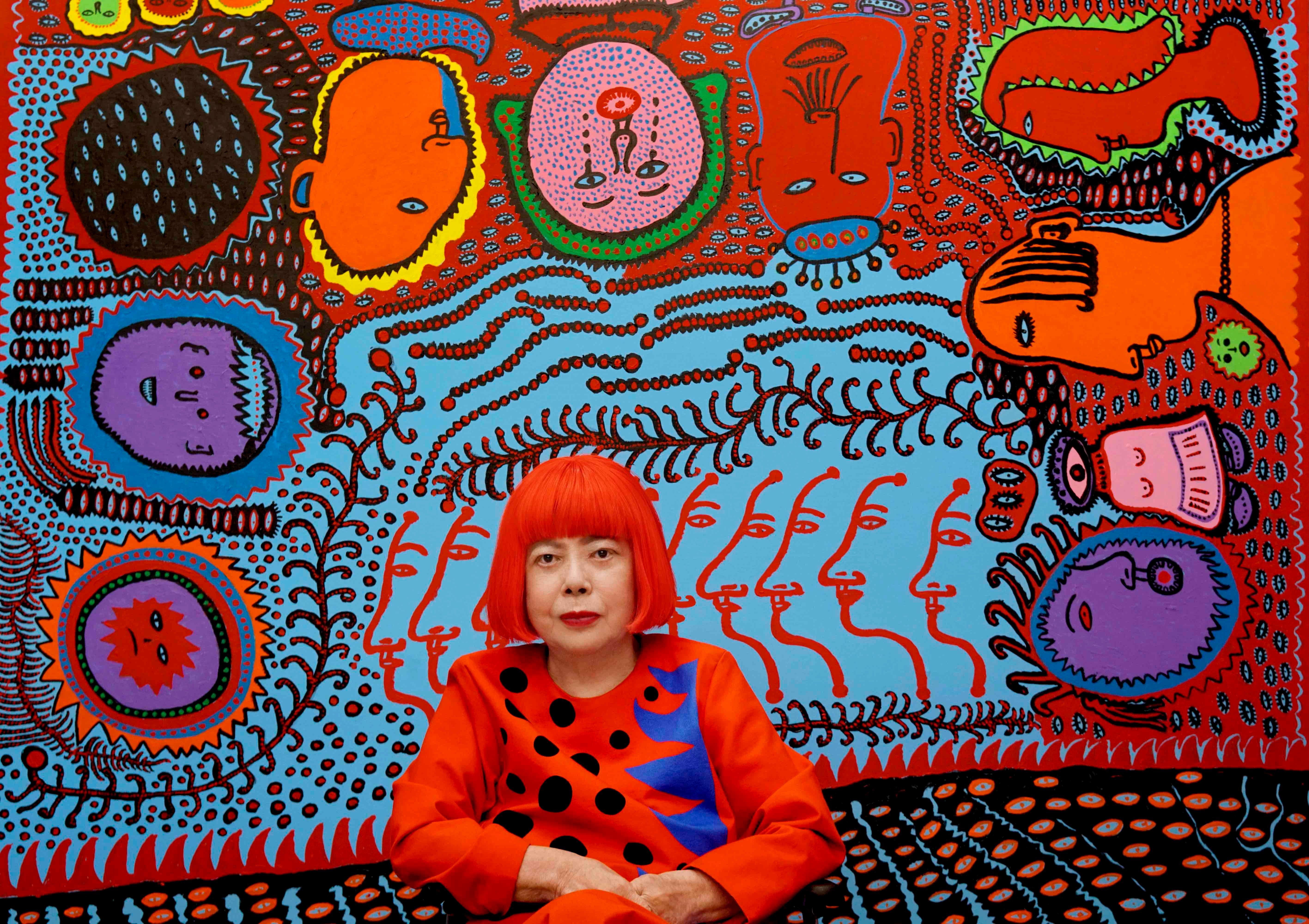
The ones that endure carry within them a palpable psychic charge, something that tells you the making of this object cost the artist something real. Scale matters too, though not in the way people assume. A small, intensely worked piece can outperform a large but diffuse one every time. Yayoi Kusama is the defining figure in this conversation, and her presence on The Collection reflects the depth of collector interest in her work.
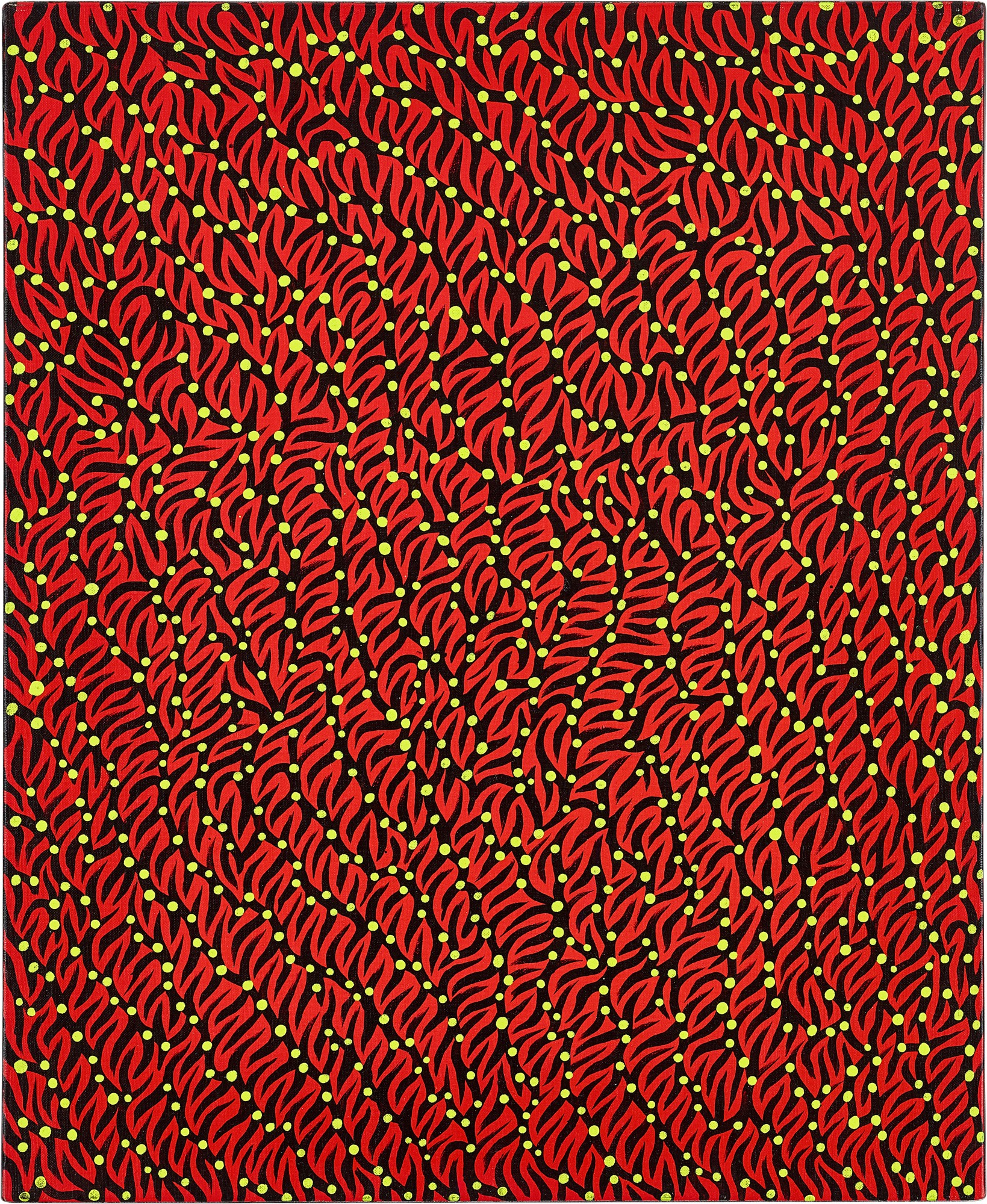
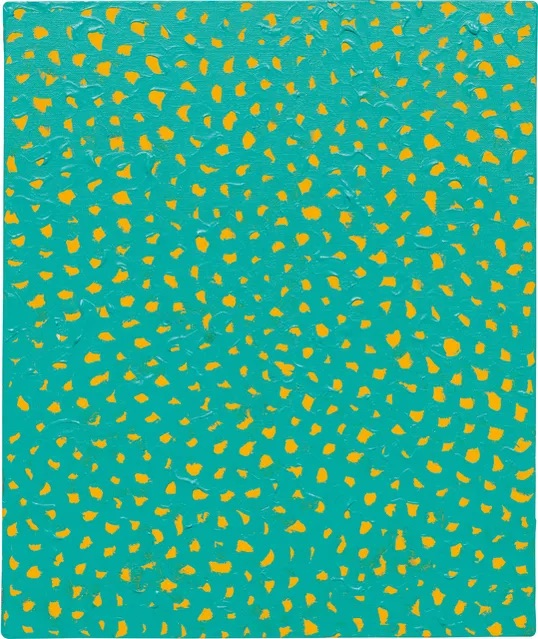
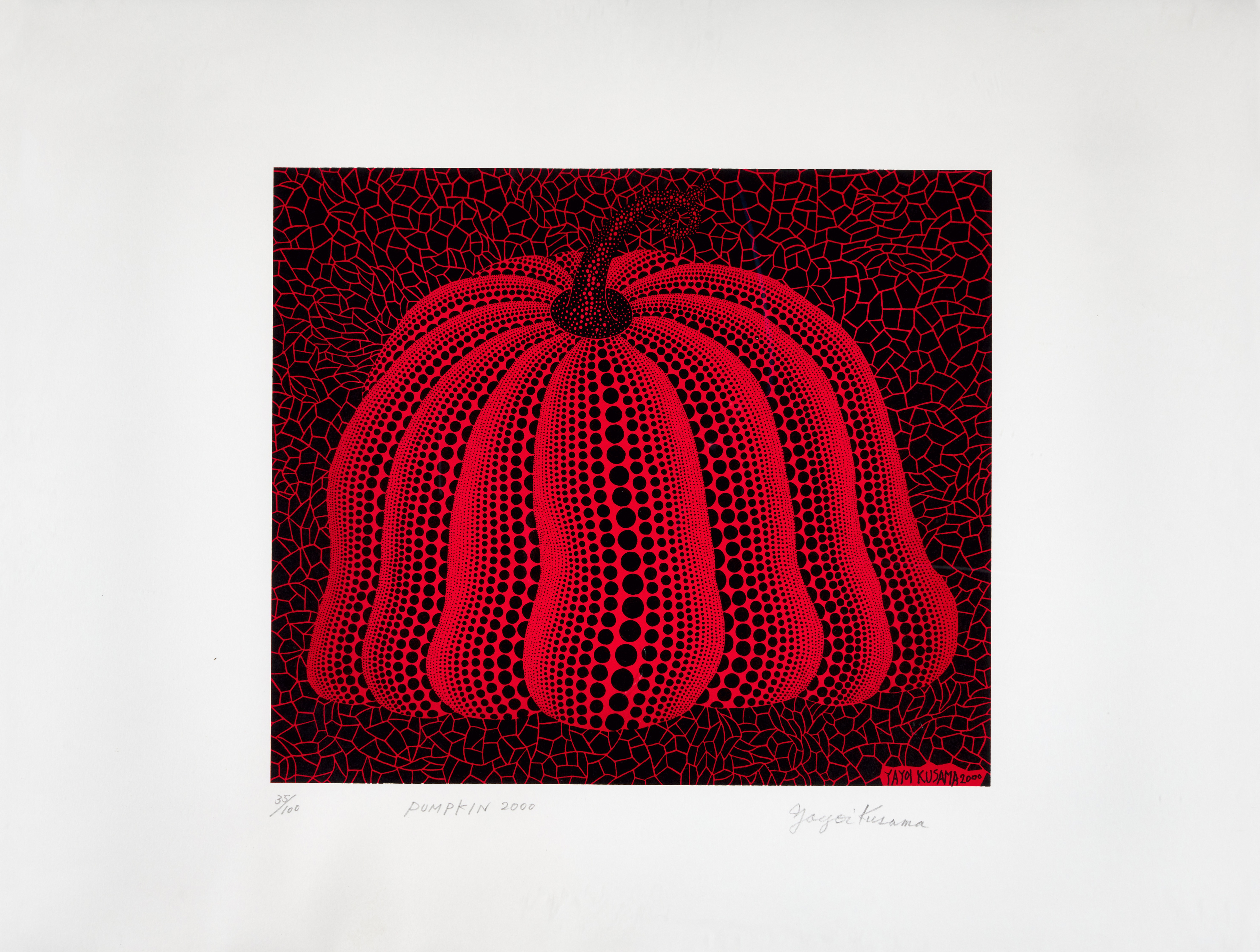
Kusama began articulating her Infinity Net paintings in New York in the late 1950s, works of extraordinary density in which arching loops of paint accumulate across the canvas until the surface vibrates and the eye loses its footing. Her pumpkin works and her dot fields came later, and together this body of practice has proven to be among the most culturally resonant of the twentieth and twenty first centuries. What distinguishes a strong Kusama from a merely desirable one is the quality of that accumulation, the sense that each mark was placed in full consciousness of every mark before it. Her works on paper from the 1960s remain particularly sought after among serious collectors for precisely this reason.
For collectors looking beyond the most established names, there is genuine vitality in younger and less recognized artists working in this territory. Pacita Abad, the Filipino artist who died in 2004, has been the subject of significant institutional reappraisal in recent years, and her trapunto paintings with their dense textile patterning reward sustained looking in ways the market is only beginning to acknowledge. Artists in the tradition of Agnes Martin, who approached repetition through restraint rather than accumulation, continue to inspire a generation of painters who work with line and interval as primary material. Within communities of practice connected to East Asian calligraphic traditions, there are painters working today whose names are not yet widely known in Western markets but whose rigorous engagement with the repeated mark is producing work of real consequence.
At auction, works anchored in obsessive repetition have performed with remarkable consistency across market cycles. Kusama's auction results have been extraordinary, with major canvases achieving eight figure sums at the leading houses. What is more interesting from a collecting perspective is the relative stability of the secondary market for works in this area even during periods of broader correction. Pattern and repetition seem to function as a kind of psychological safe harbor for collectors, and that emotional relationship tends to sustain prices in ways that more trend dependent practices do not.
Works acquired in the 1990s and early 2000s at what then seemed like ambitious prices have in many cases become the most defensible investments in entire collections. Practical considerations matter significantly in this category. Because so much of the value in repetitive work is located in the surface, condition is not merely important, it is everything. A scratch, a loss, or a restoration in a densely worked Kusama net painting does not simply reduce value in a proportional way.
It can break the internal logic of the entire composition. When considering works in this area, always request full condition reports and ultraviolet examination, and do not hesitate to ask for the conservation history in detail. Works on paper require particularly careful attention to light exposure and framing, as the cumulative effect of even low level UV over time can shift the tonal relationships that give the work its power. On the question of editions versus unique works, the answer depends entirely on what you are trying to achieve as a collector.
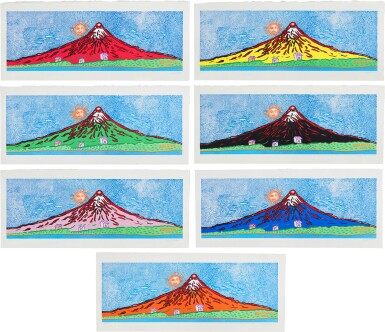
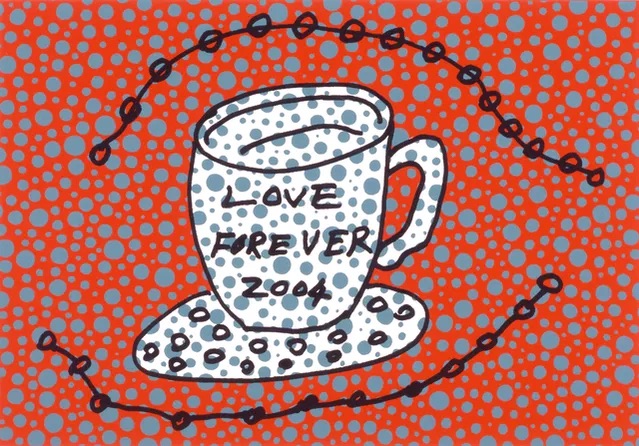
Kusama's editioned works, including prints, sculptures, and certain collaborative objects, have an enormous public presence and remain accessible entry points into one of the defining bodies of work in contemporary art. But the unique paintings and drawings are where the deepest collecting relationships form. If you are speaking with a gallery about a work in this category, ask specifically about the period of making and its relationship to the broader body of practice from that moment. Ask whether the work has been exhibited and where.
Ask about the artist's own relationship to repetition, whether it functions as process, as therapy, as spiritual practice, or as formal investigation. The answer will tell you a great deal about how the work was made and, more importantly, what it will continue to give you over years of living with it.