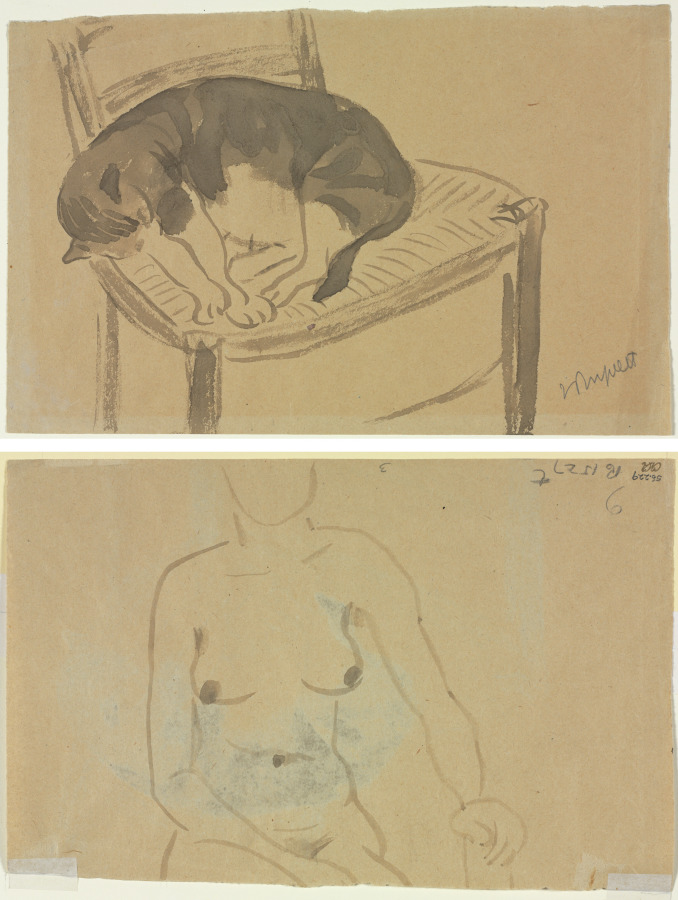
New Zealand
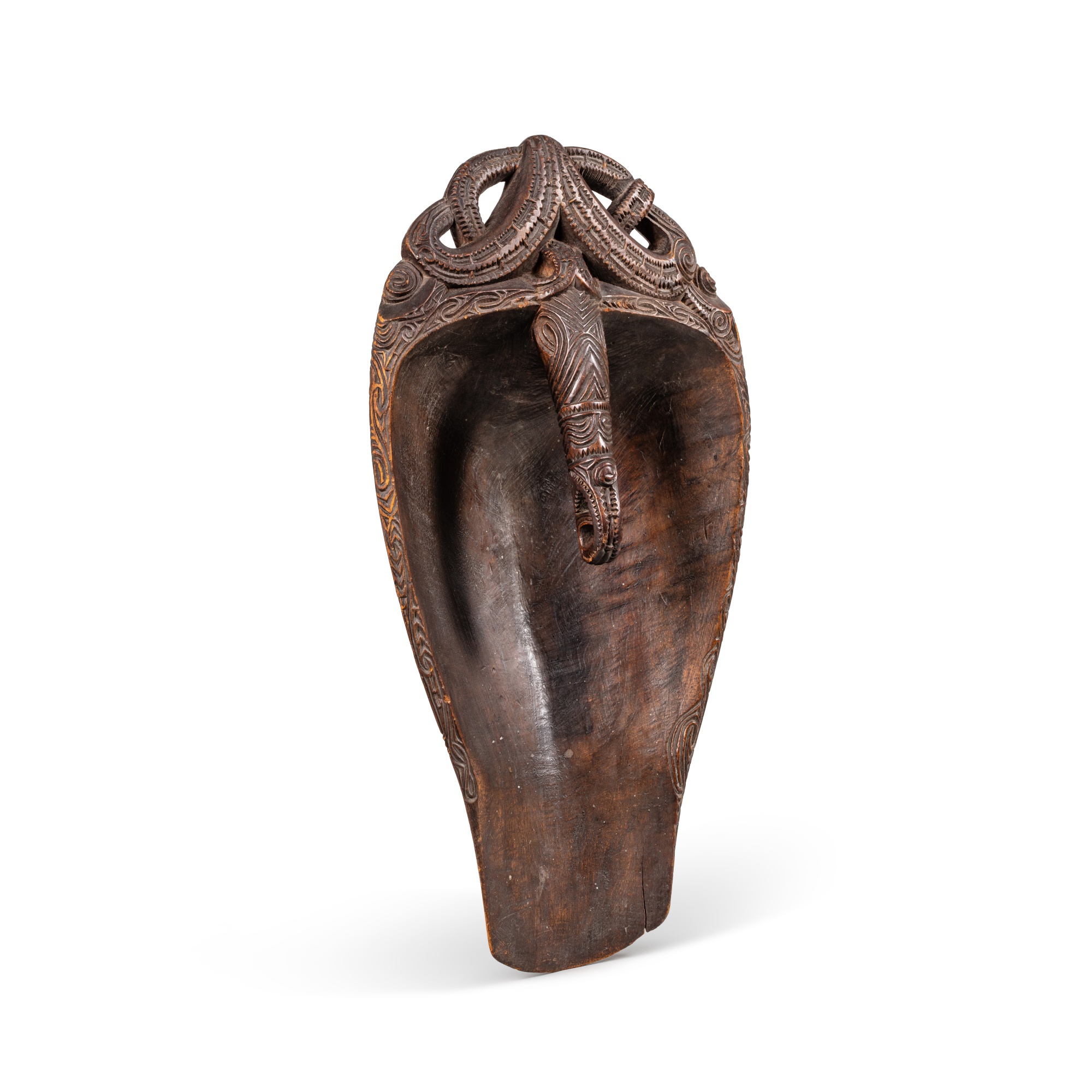
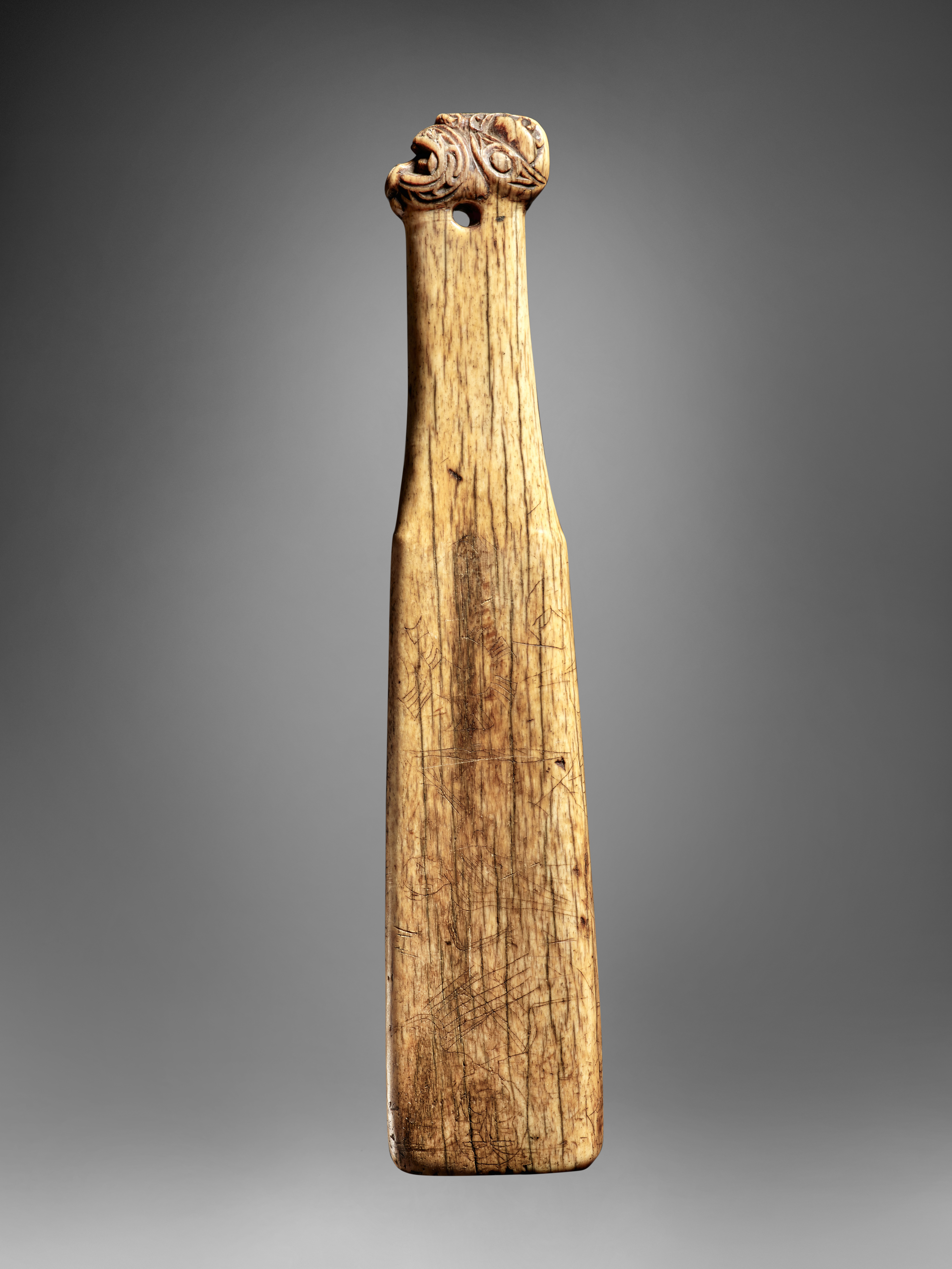
Ecope tiheru, Maori, Nouvelle-Zélande
Maori thieru Canoe Bailer, New Zeland
Aotearoa's Art World Has Arrived Everywhere
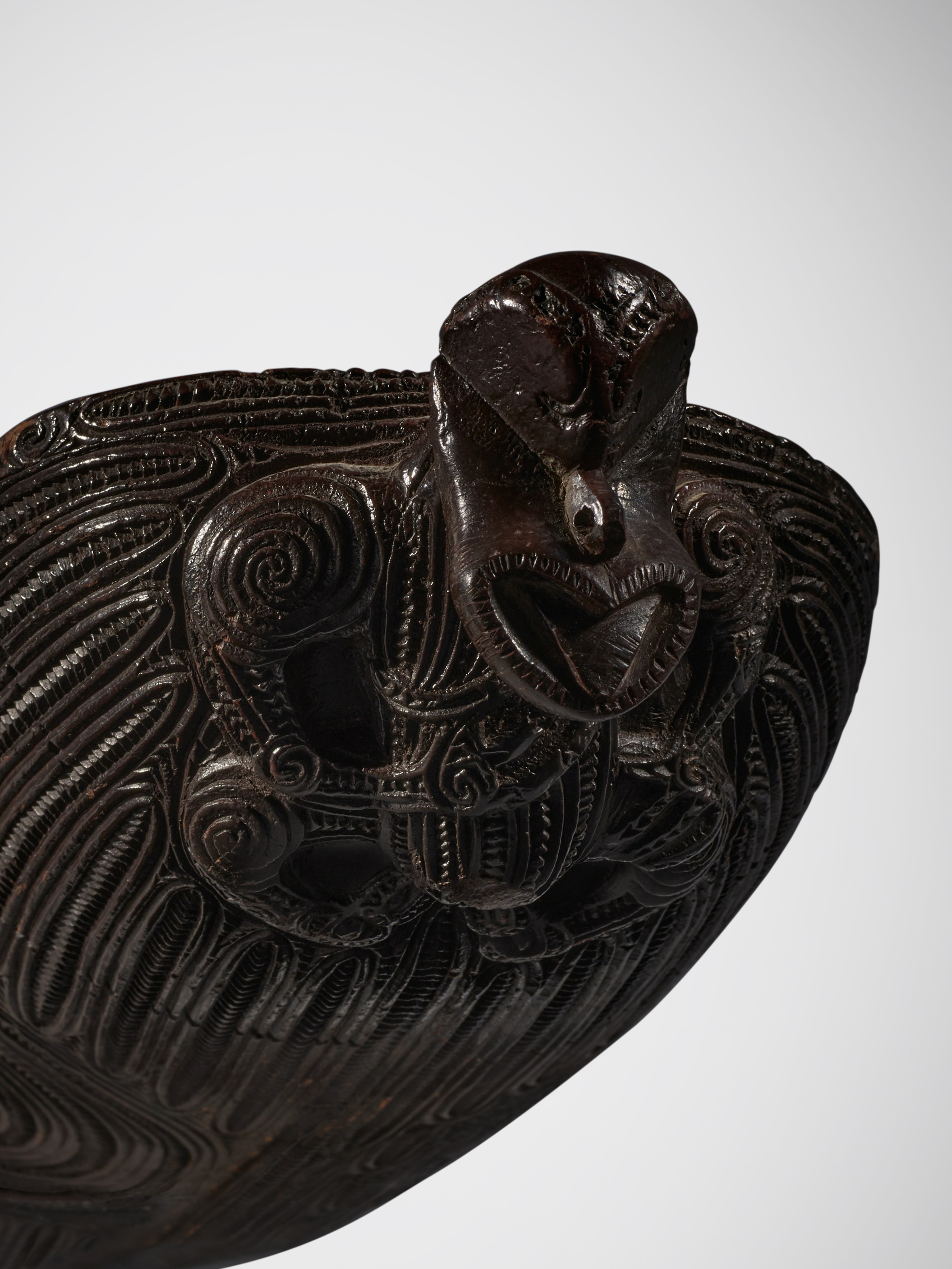
When a carved Māori treasure box, its surfaces worked with the kind of sustained intention that makes European decorative art look almost casual, appeared at a major Paris auction house in recent years, the room paid attention in a different way than it might have a decade ago. The bidding was not polite. Collectors from Auckland, London, and New York were competing for the same object, and the result confirmed something that curators in Wellington had been saying quietly for some time: the global appetite for art from Aotearoa New Zealand, both its indigenous traditions and its contemporary practitioners, has shifted from niche enthusiasm to genuine market conviction. The depth of that shift becomes clear when you look at what institutions have been acquiring.
Te Papa Tongarewa in Wellington has long held one of the world's most significant collections of Māori taonga, but the conversation has moved well beyond national custody. The Metropolitan Museum of Art, the British Museum, and the Musée du quai Branly in Paris all hold important examples of Māori material culture, including adzes, pendants, weapons, and cloaks, and curators at those institutions have been reconsidering how those objects are framed, lit, and labelled. The question of who gets to tell these stories, and in which language, is very much alive in current museum practice. Among the objects that consistently attract serious collector attention are the carved weapons and ornaments that demonstrate the extraordinary technical and conceptual sophistication of Māori craft traditions.
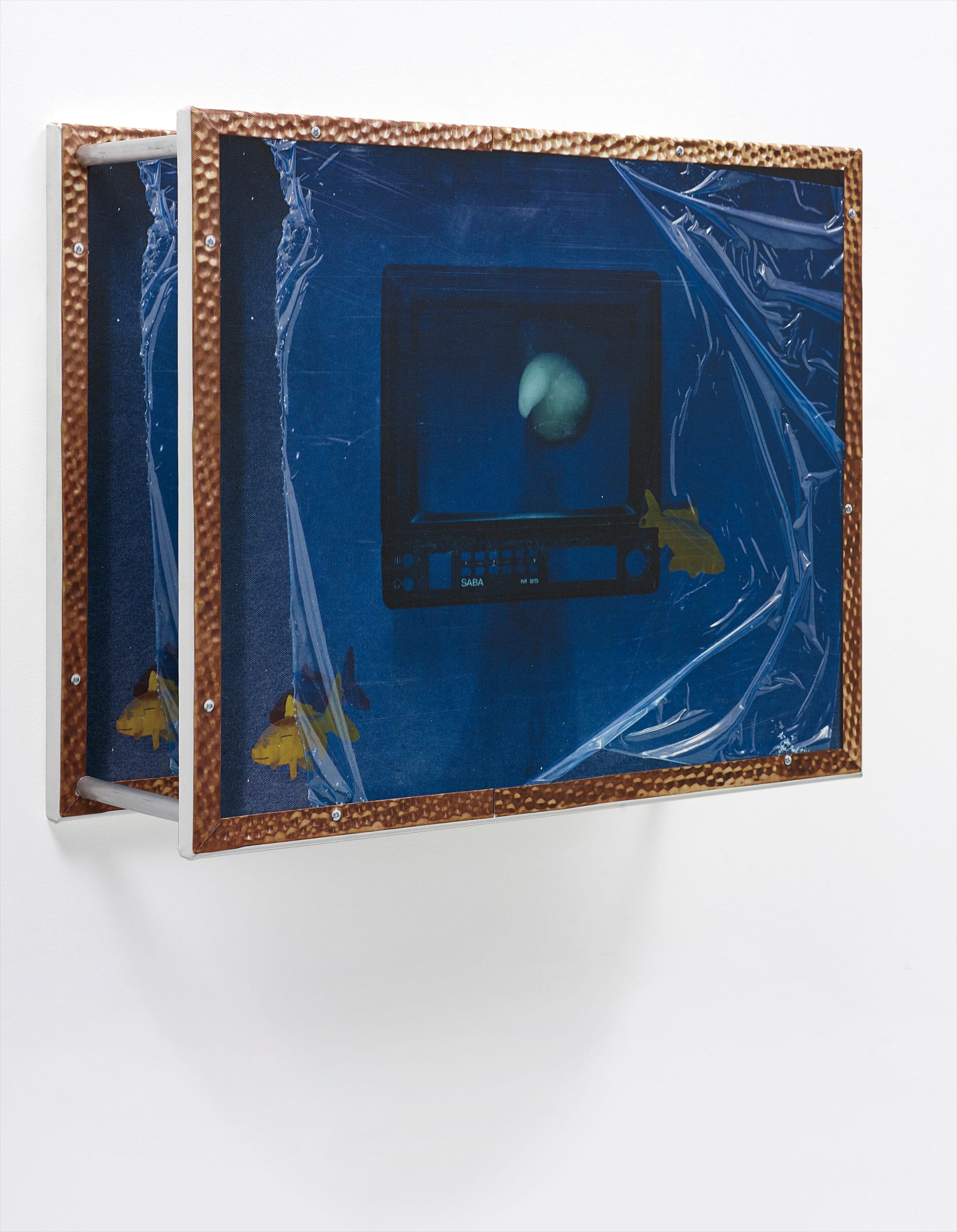
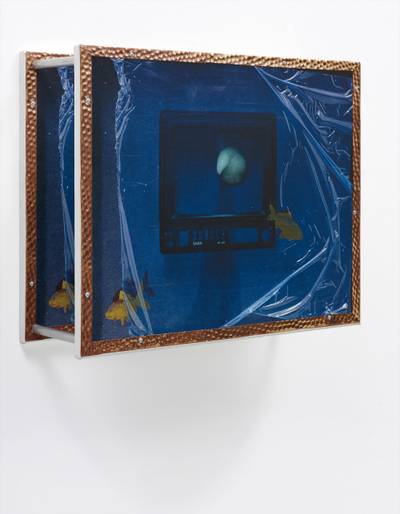
Simon Denny
Multimedia Aquarium 4: Stupor
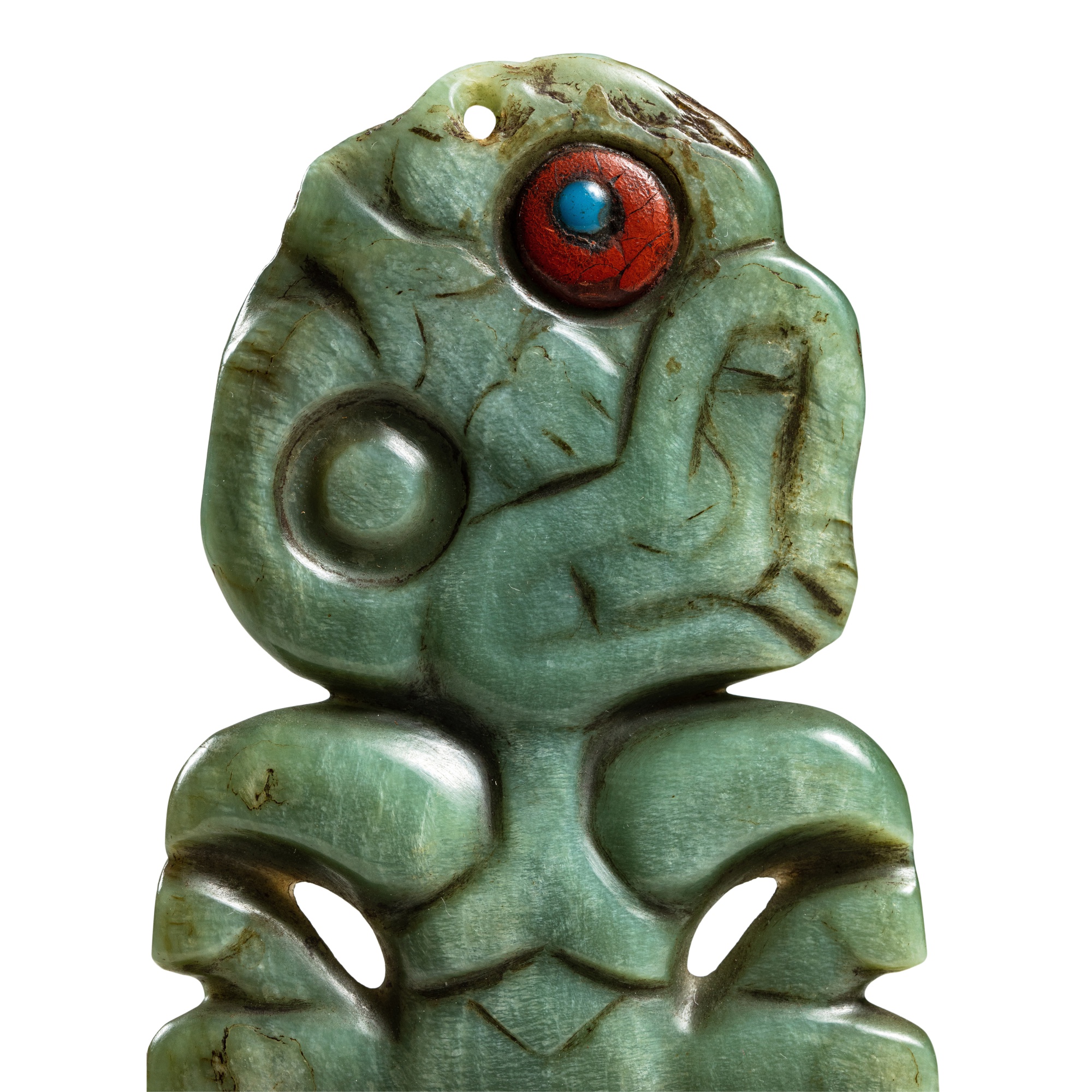
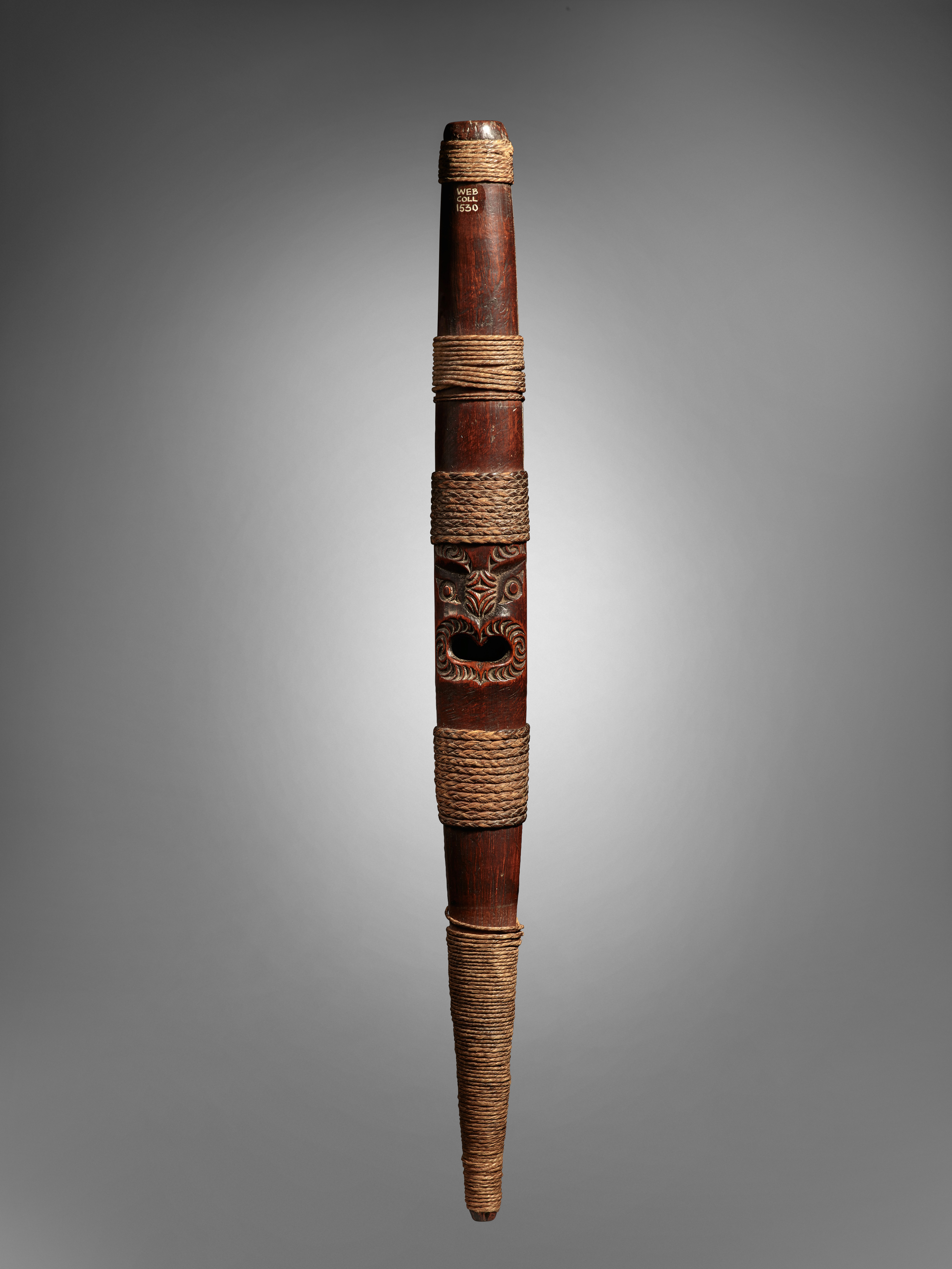
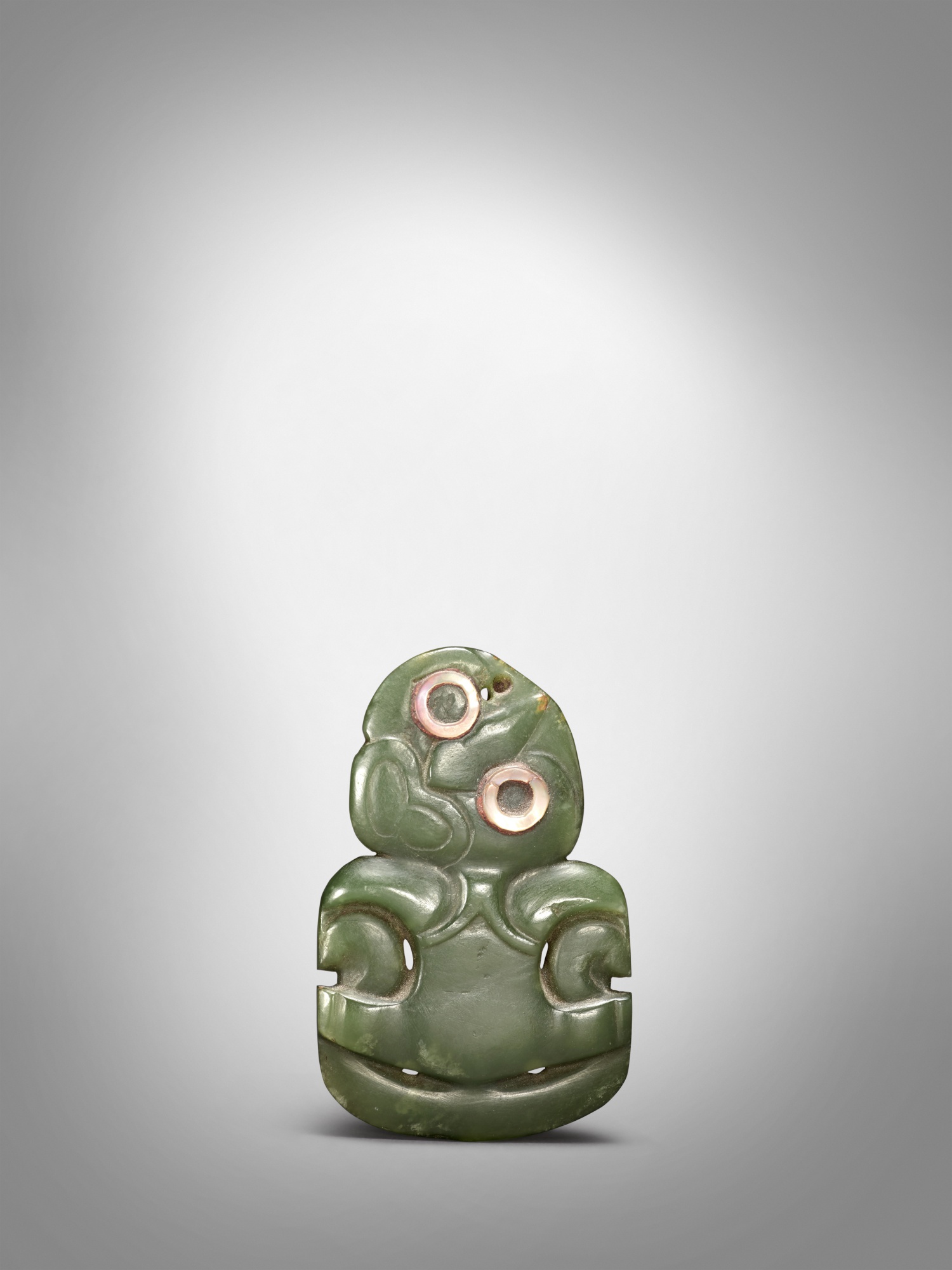
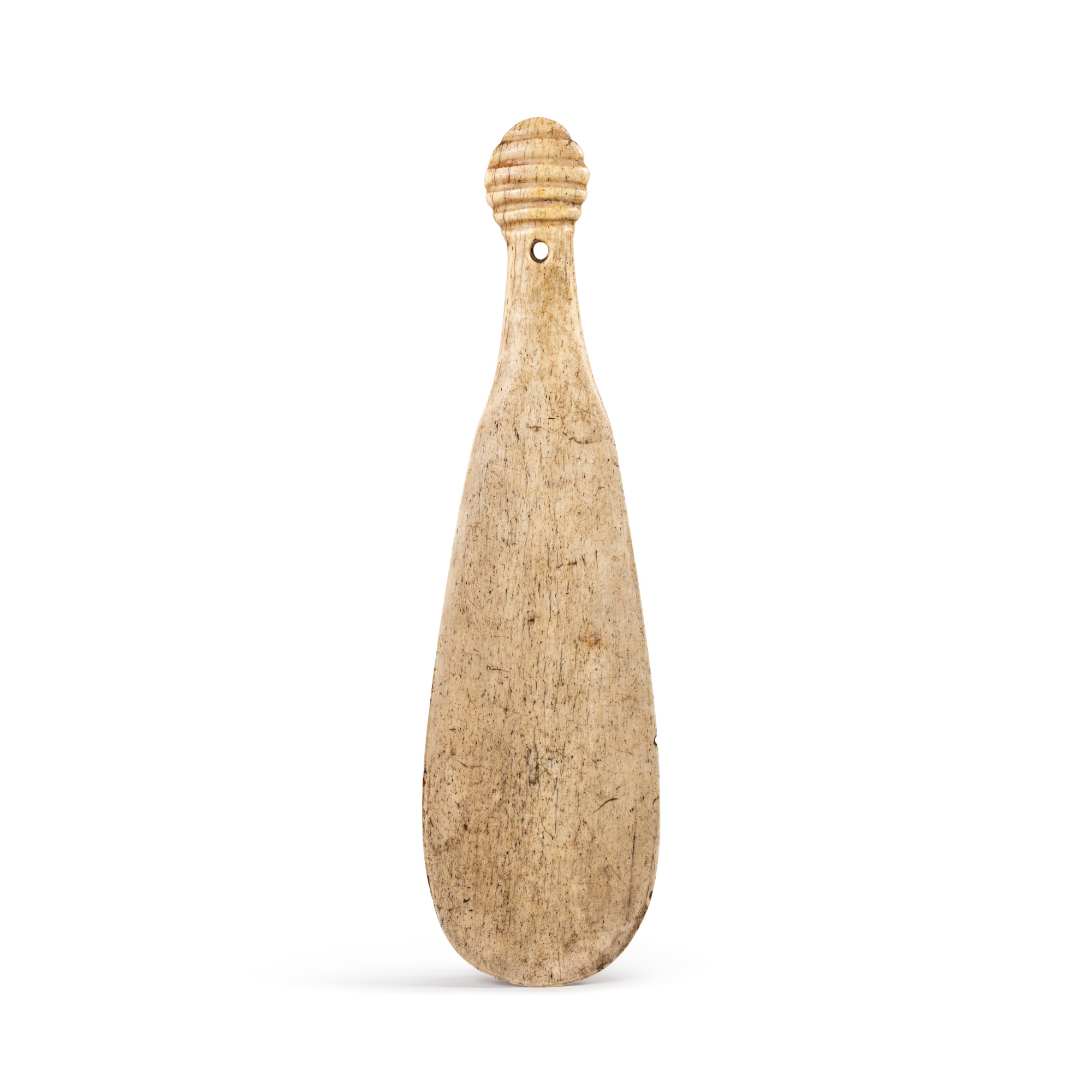
A massue patuki or a kotiate club is not simply an artifact; it encodes genealogy, rank, and cosmological understanding into its very form. When these pieces appear at auction, whether through Sotheby's Paris, Christie's, or the specialist tribal art markets, they routinely exceed their estimates in ways that suggest buyers understand they are acquiring concentrated meaning as much as beautiful objects. Hei tiki pendants, those compact and intensely worked greenstone figures, have become among the most recognised forms in the global tribal art market, and fine examples in nephrite command prices that reflect their rarity and the increasing scrutiny around provenance. On the contemporary side, Simon Denny is probably the most internationally prominent New Zealand artist working today, and his presence on The Collection is well deserved.
Denny, who represented New Zealand at the Venice Biennale in 2015 with his installation Secret Power, has built a practice around the aesthetics of corporate power, data infrastructure, and technological ideology. His work sits comfortably in conversations with artists like Hito Steyerl and Trevor Paglen, and major institutions including MoMA and the Serpentine have engaged seriously with what he makes. His auction results have been solid and his critical standing continues to grow as the themes he explores, surveillance, platform capitalism, the visual language of power, feel more urgent with every passing year. Charles Méryon occupies an entirely different register, but his connection to New Zealand is a fascinating strand in the history of the country's cultural representation.
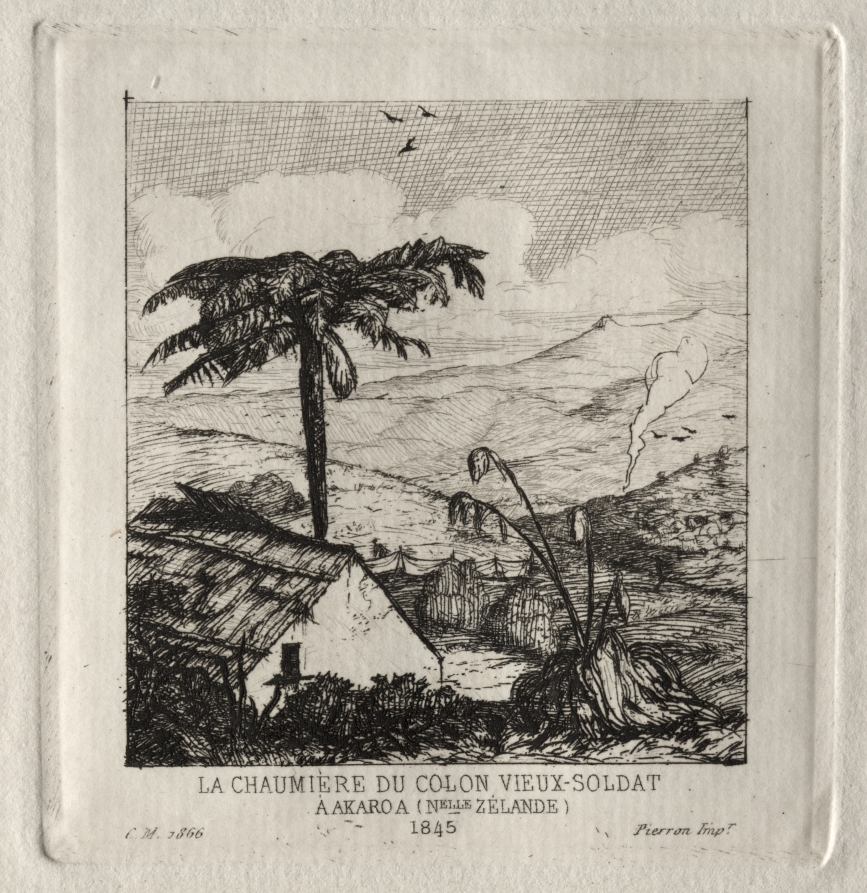
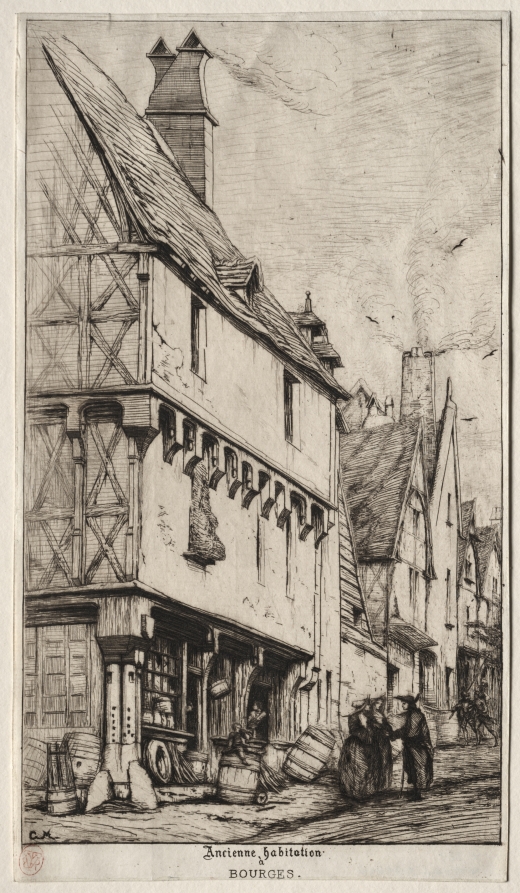
Charles Méryon
The Old-soldier Settler's Hut at Akaroa, 1845, 1866
The French etcher spent time in the Pacific in the 1840s as a naval officer before his eyesight deteriorated and he turned to printmaking, producing his famous series of Paris views. His earlier Pacific works, including images made during his time in New Zealand waters, are sought by collectors interested in the intersection of European Romanticism and colonial encounter. They are documents as much as artworks, and their market is sustained by both print specialists and historians of the Pacific. C.
F. Goldie, whose 1911 portrait of a Māori elder appears on The Collection, remains one of the most contested figures in New Zealand art history. His meticulous oil portraits of Māori subjects were celebrated in his lifetime and then subjected to sharp critical revision as postcolonial scholarship developed. More recently, the conversation has grown more nuanced.
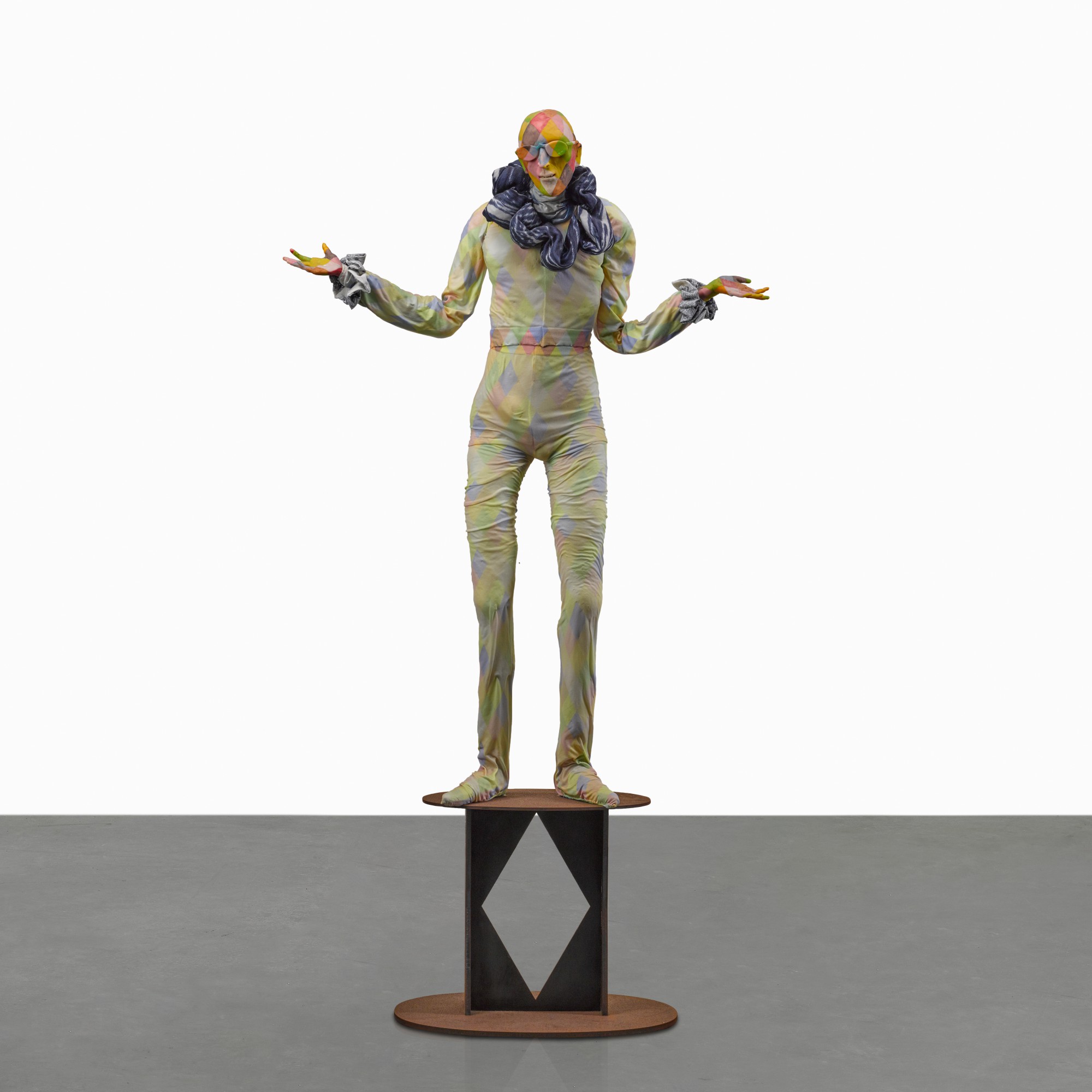
Francis Upritchard
Mandrake, 2013
Goldie's paintings are now understood as complex objects that tell us things about both the painter's Orientalist assumptions and the dignity and agency of his sitters, many of whom chose carefully how they would be seen. At auction in New Zealand, Goldie works regularly achieve record prices for local artists, with major paintings selling well into the hundreds of thousands of New Zealand dollars at Webb's and International Art Centre. Francis Upritchard brings a very different energy to the contemporary conversation. Her figurative sculptures, with their strange elongated bodies and handmade textiles, have been shown at the Venice Biennale, the Wellcome Collection, and galleries across Europe and the United States.
Upritchard, who is based in London but maintains strong ties to the New Zealand art world, works in a space between folk tradition, existential comedy, and material obsession. Her practice has attracted serious museum interest, and her secondary market, while still developing, shows the kind of steady appreciation that suggests institutional confidence rather than speculative heat. Hiroshi Sugimoto's connection to New Zealand in the context of The Collection points toward how the country and its surrounding Pacific world appear as subject matter for artists working globally. Sugimoto's seascape photographs, made across decades and across oceans, carry a meditative weight that collectors find endlessly compelling.
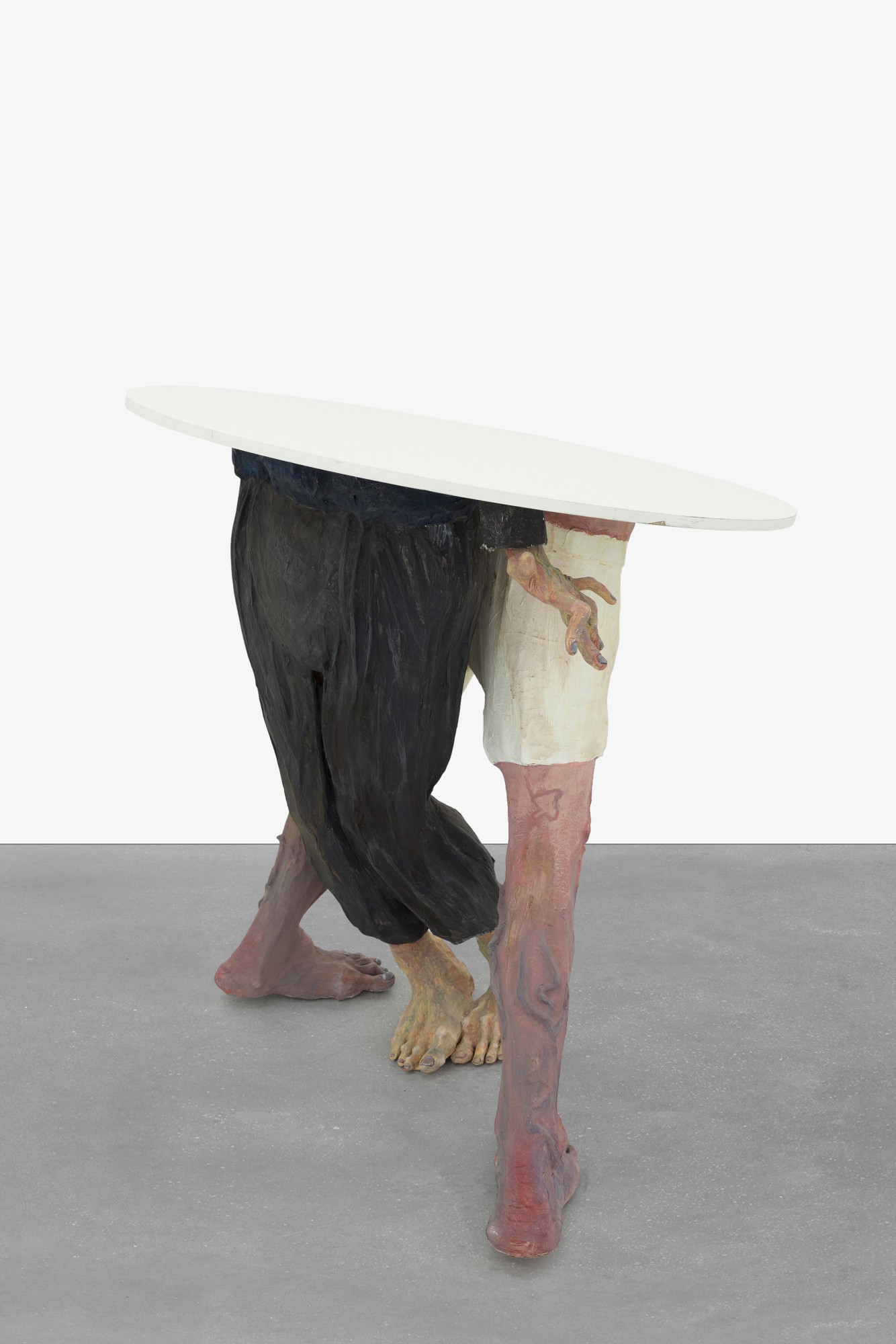
Stuart Middleton
Sad Sketches 1, 2014
Stuart Middleton and Kevin Coventry represent the kind of dedicated local practice that sustains any healthy art ecosystem, and their presence alongside international names reflects the genuine range of what New Zealand produces. The critical writing that has most shaped the current conversation comes from scholars like Nicholas Thomas, whose work on Pacific art and colonial exchange is essential reading, and from the curatorial teams at Auckland Art Gallery Toi o Tāmaki, whose exhibition programming has been consistently ambitious. Publications including the New Zealand journal Art New Zealand and international outlets like Third Text have given the field serious analytical space. What feels genuinely alive right now is the intersection of indigenous cultural revitalisation and contemporary art practice, a meeting point where collectors who pay attention are finding some of the most urgent and formally inventive work being made anywhere in the world.