Modernist Architecture
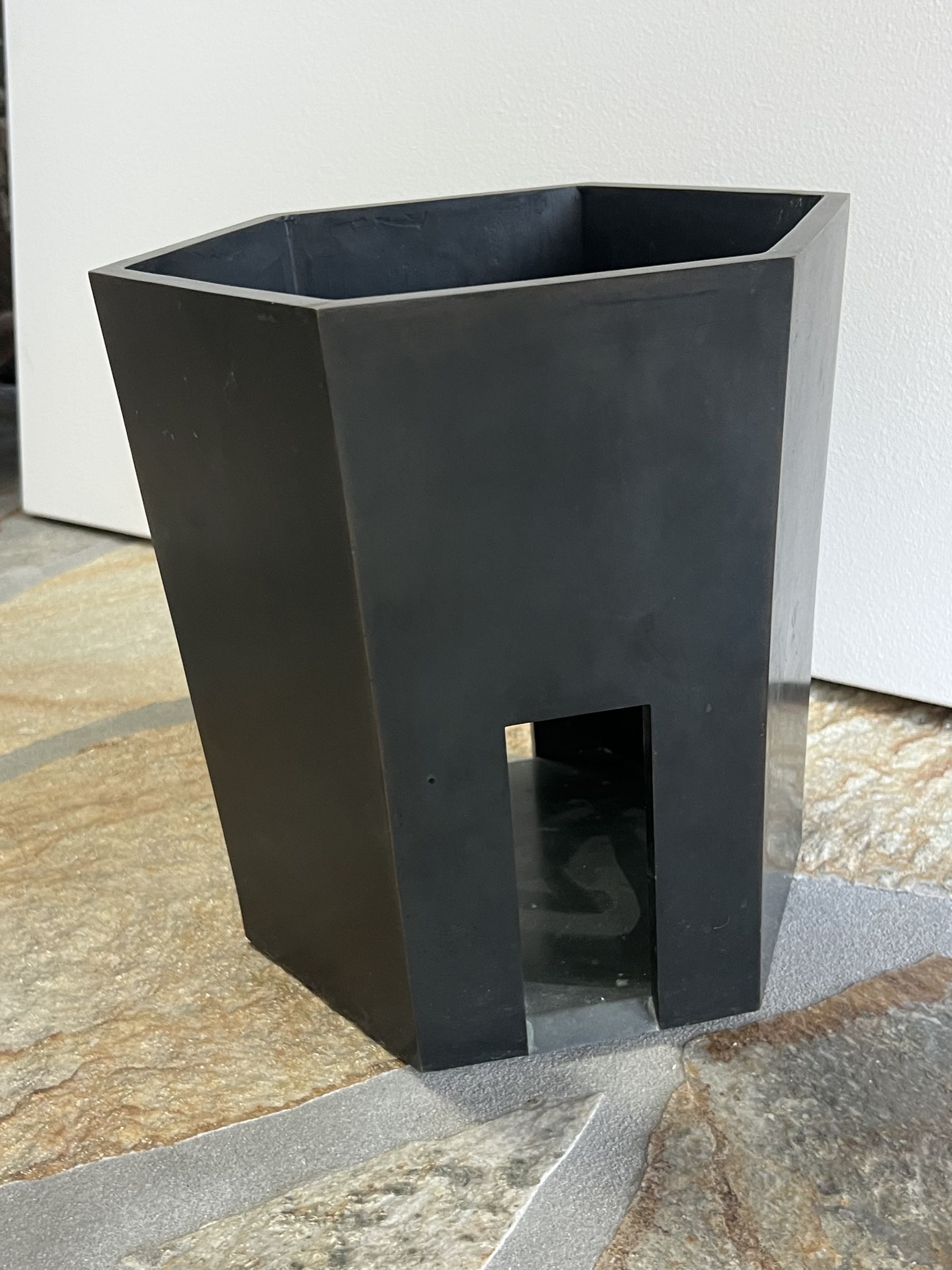
René Burri
In the Ministry of Health, Rio de Janeiro, Brazil
The Building as Subject, Not Background
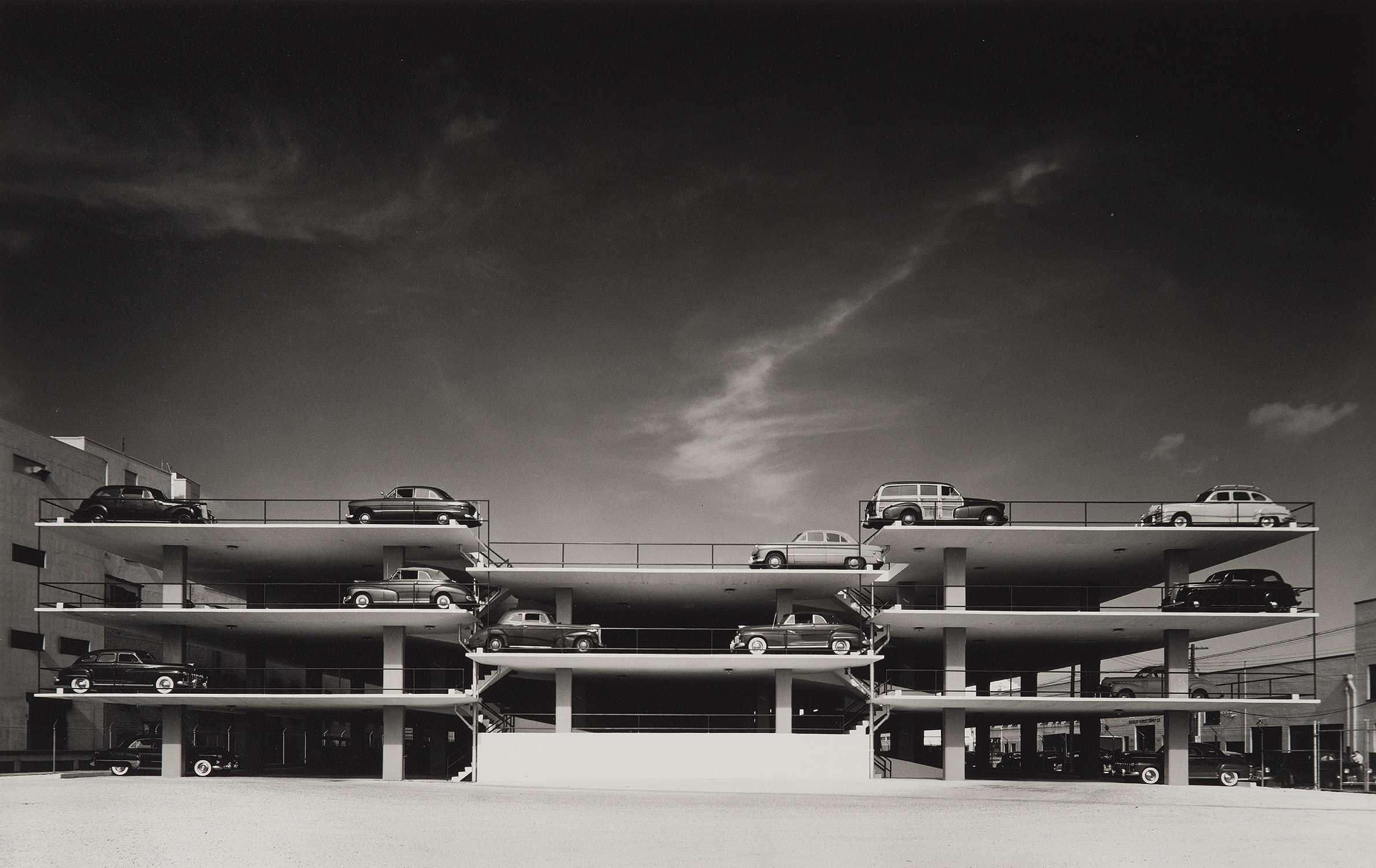
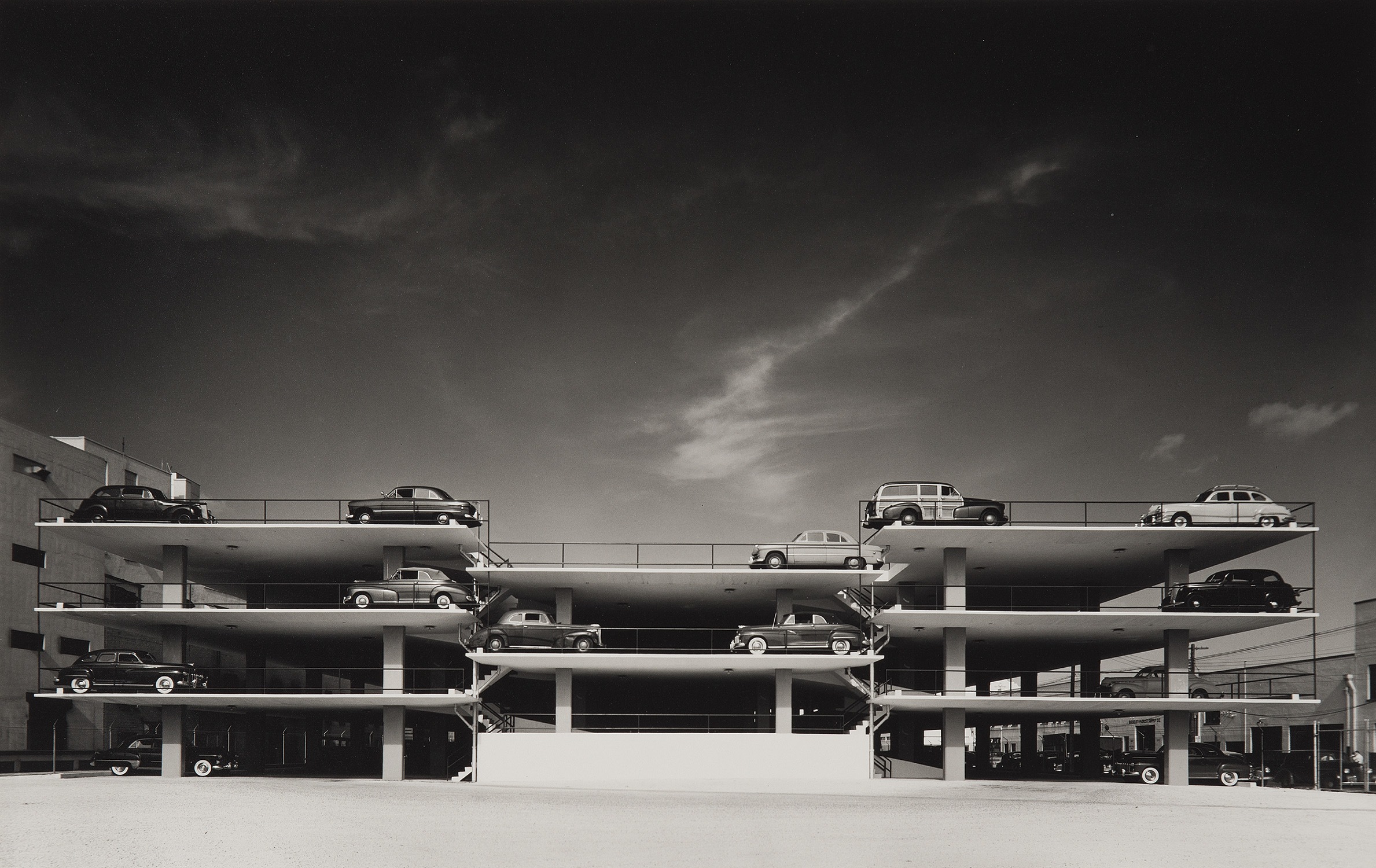
When Sotheby's offered a large format Ezra Stoller print of the TWA Flight Center at JFK in recent years, bidders pushed it well past estimate. The image, made in 1962 shortly after Eero Saarinen's death, captured the terminal mid gleam, its swooping concrete forms almost biological, as if architecture had briefly learned to breathe. The result told you something useful: the market for photographs of modernist buildings is no longer driven by nostalgia or historical documentation. It is driven by a genuine reckoning with what those structures meant, and what it costs us that so many are gone.
That shift in valuation is inseparable from a broader cultural conversation that has been gathering force for at least a decade. Institutions from the Art Institute of Chicago to the Centre Pompidou have staged major retrospectives examining twentieth century architecture not through blueprints and scale models but through the eyes of photographers who spent careers circling these buildings, waiting for the right light, the right human presence, the right angle of shadow. The building stops being backdrop and becomes subject. It is a distinction that has reshaped an entire collecting category.
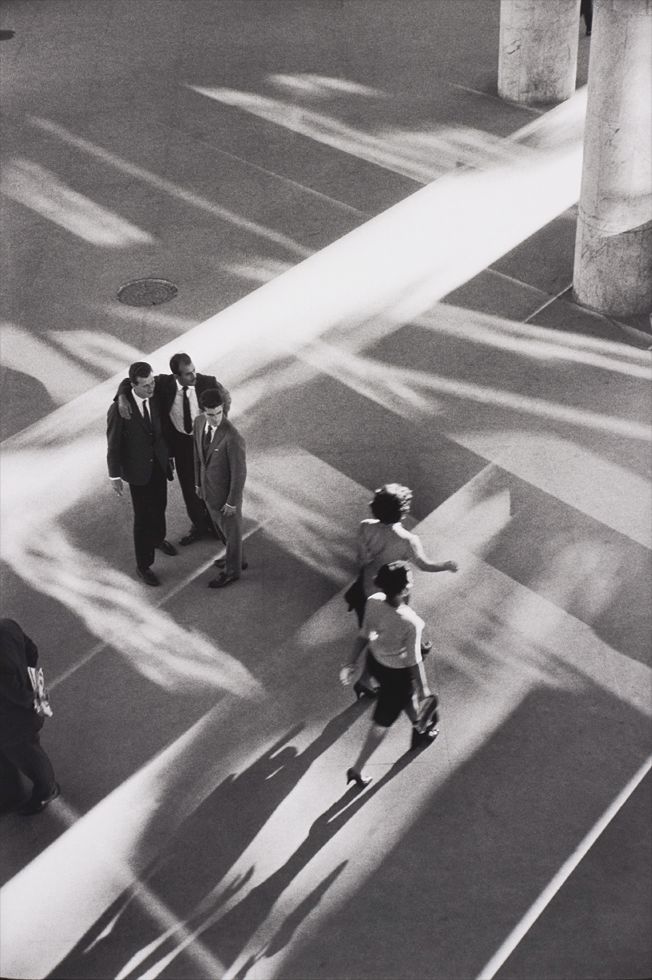
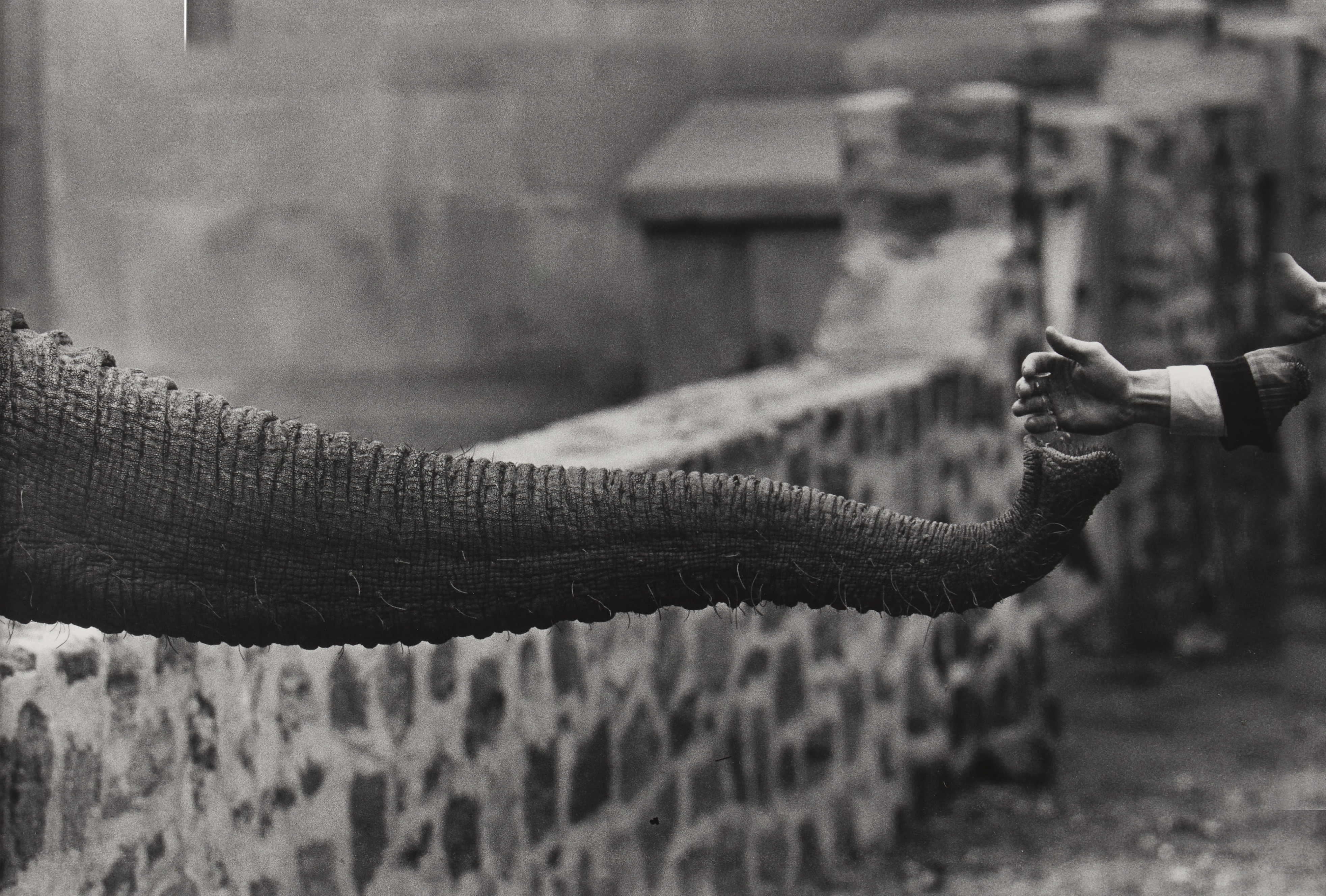
René Burri
In the Ministry of Health, Rio de Janeiro, Brazil
René Burri, best known for his iconic images of Che Guevara, was also a tireless documenter of modernist urbanism. His photographs of Niemeyer's Brasília, made during the city's construction and early years, carry a particular tension: utopia caught in the act of becoming real, already beginning to complicate the dreams of its designers. Those images trade well at auction and are held by serious institutions including the Museum of Modern Art, which has long treated architectural photography as a distinct and serious discipline rather than a footnote to the built record. Burri's work on The Collection offers an entry point into this conversation that rewards looking slowly.
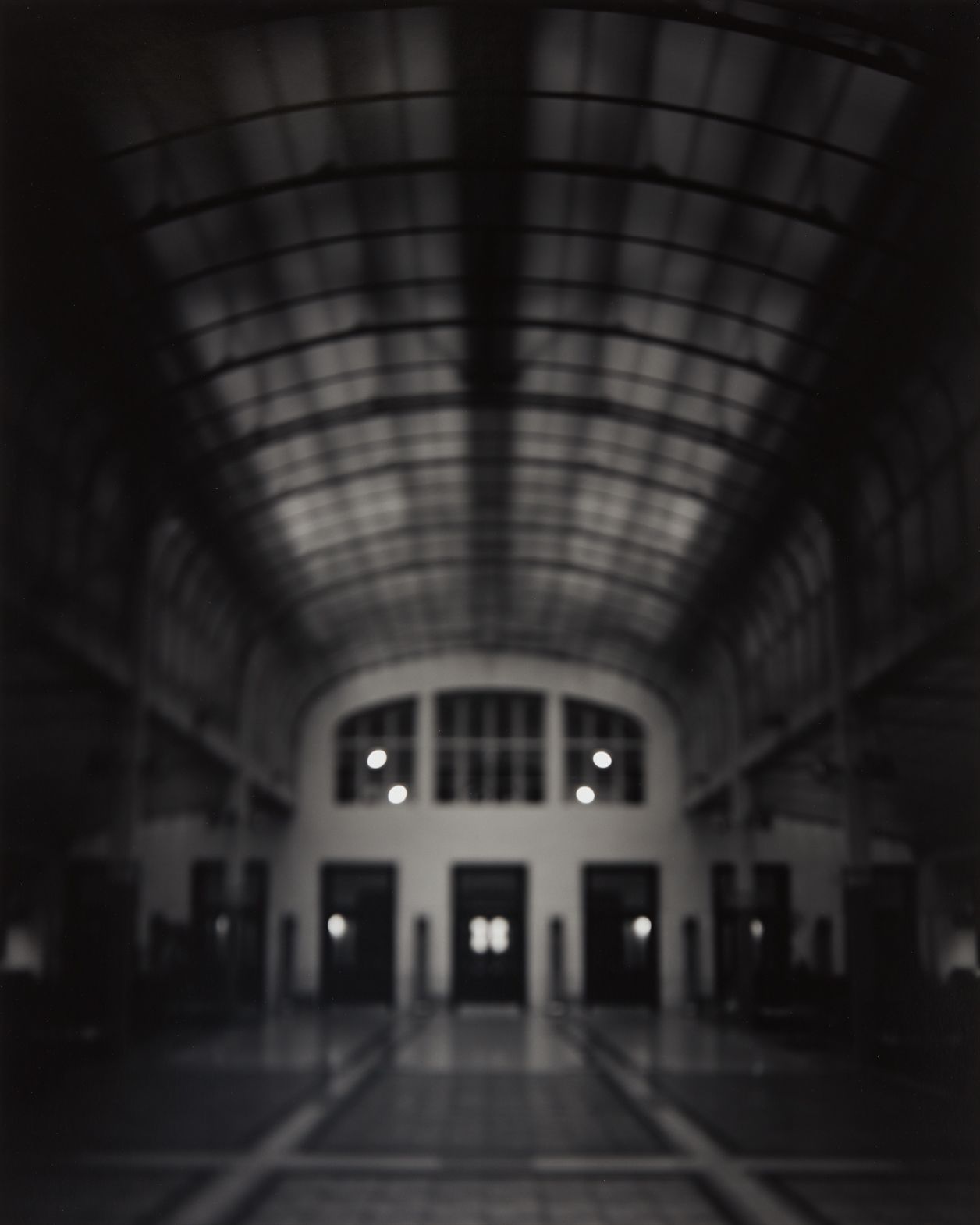
Hiroshi Sugimoto occupies a different position entirely. His long exposure theater photographs and his more recent architectural series approach buildings with the same meditative remove he brings to seascapes and dioramas. Time is always his actual subject. When he photographs the architecture of Richard Neutra or the glass surfaces of modernist curtain walls, what you feel is duration, the sense that the building has been observed long enough to reveal something the architect never consciously put there.
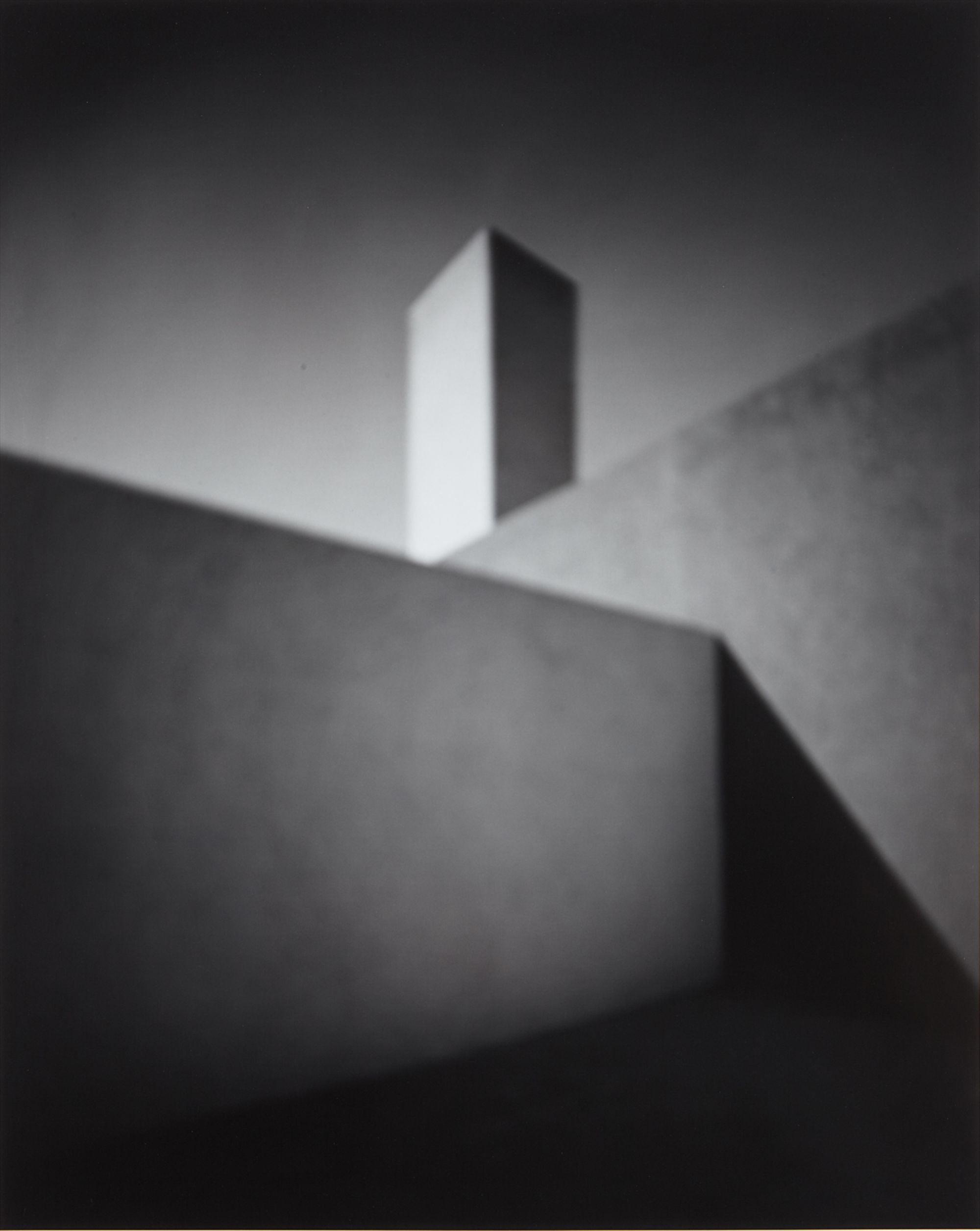
Hiroshi Sugimoto
Barragan House
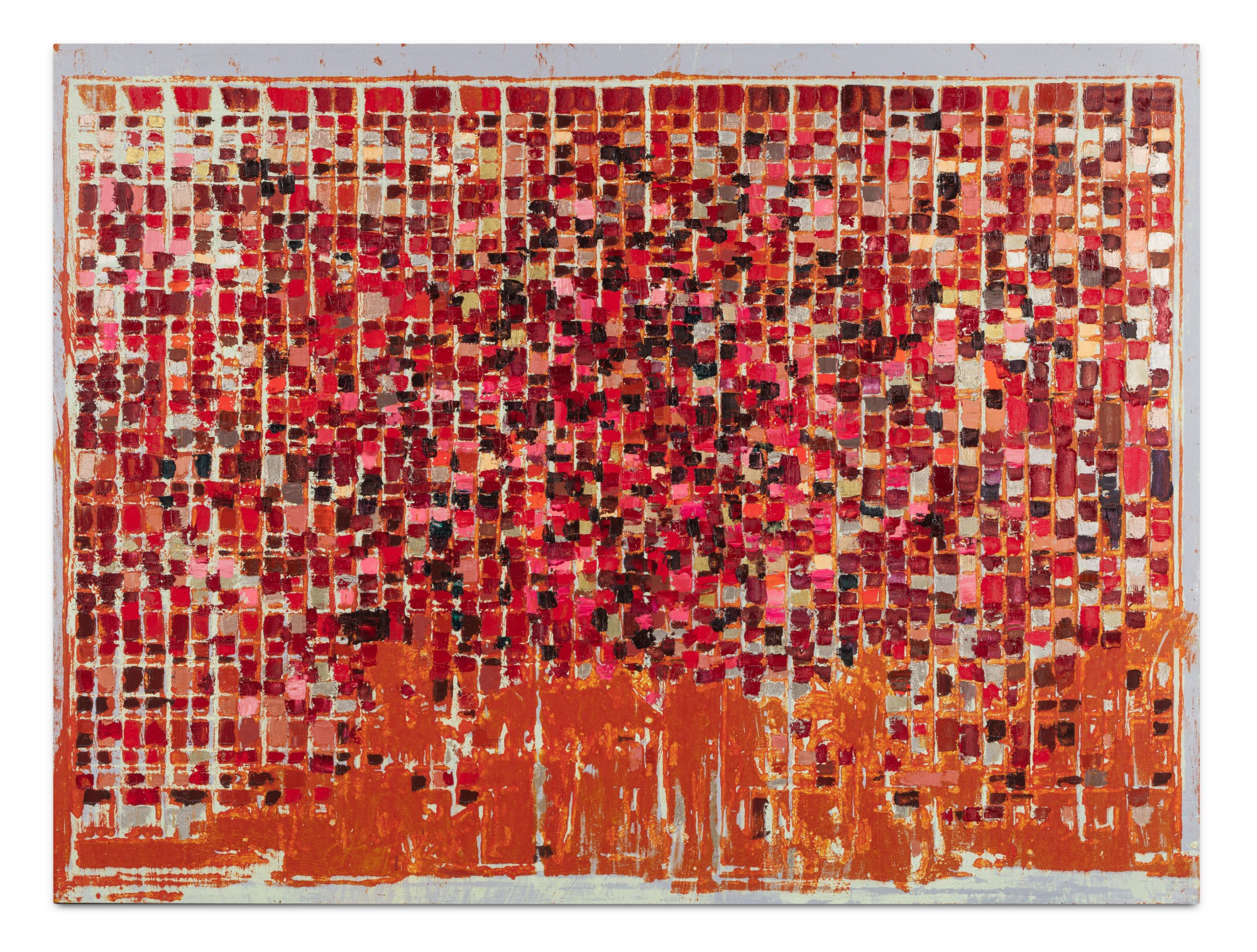
His prints command serious prices at Christie's and Phillips, where buyers understand they are acquiring not just an image but a philosophical position. Well represented on The Collection, Sugimoto's work anchors the more contemplative end of this market. Enoc Pérez works in a register that feels entirely different and yet addresses the same obsessions. His large scale paintings of modernist buildings, based on photographic sources and executed with a transfer technique that leaves the surface trembling between image and abstraction, became a serious collecting proposition through the 2000s and have only grown more significant.
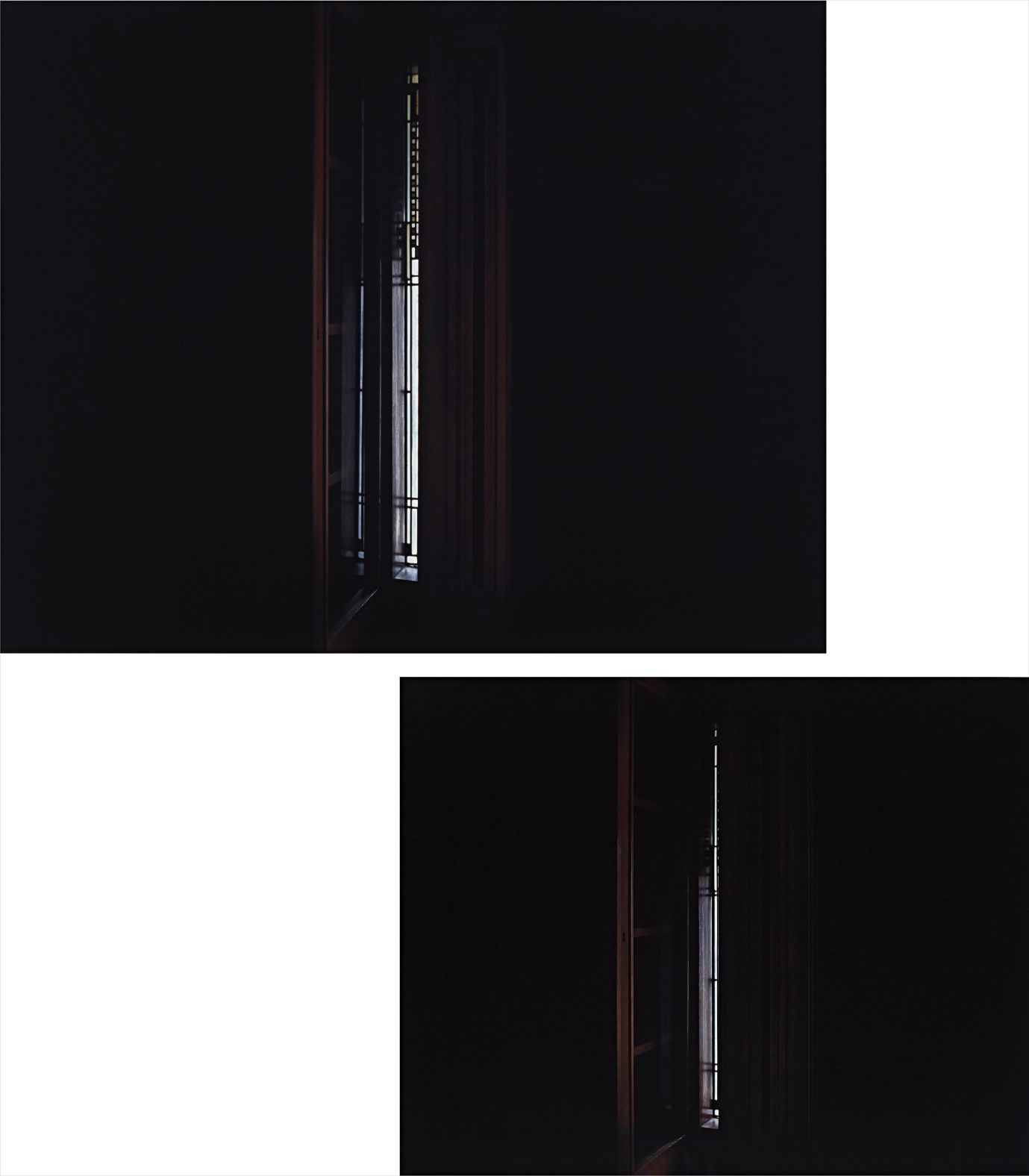
Shows at James Cohan Gallery in New York and at institutions in Europe established him as a painter who was not simply celebrating these structures but mourning them, glamorizing them, and interrogating the politics of modernism all at once. His work on The Collection sits comfortably alongside the photographers in this category because he shares their fundamental question: what does it mean to look at a building as though it were a portrait. Luisa Lambri brings yet another sensibility. Her photographs of interiors by figures like Oscar Niemeyer, Carlo Scarpa, and Rudolf Schindler focus on windows, light sources, and the zones where architecture and atmosphere become indistinguishable.
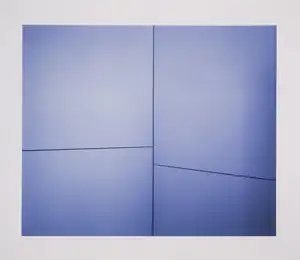
Luisa Lambri
Untitled (Haus am Horn, c)
There is a feminist undercurrent to her practice, a refusal to produce the heroic exterior view that most architectural photography defaults to. She has shown extensively at institutions including the Tate Modern and the Museum of Contemporary Art in Los Angeles, and her work has been collected by the Guggenheim and the Walker Art Center. Critically, she has attracted the attention of writers like Lynne Tillman and scholars working at the intersection of architecture and gender, which has given her market a strong institutional underpinning that sustains long term value. Günther Förg is perhaps the most restless figure in this constellation.
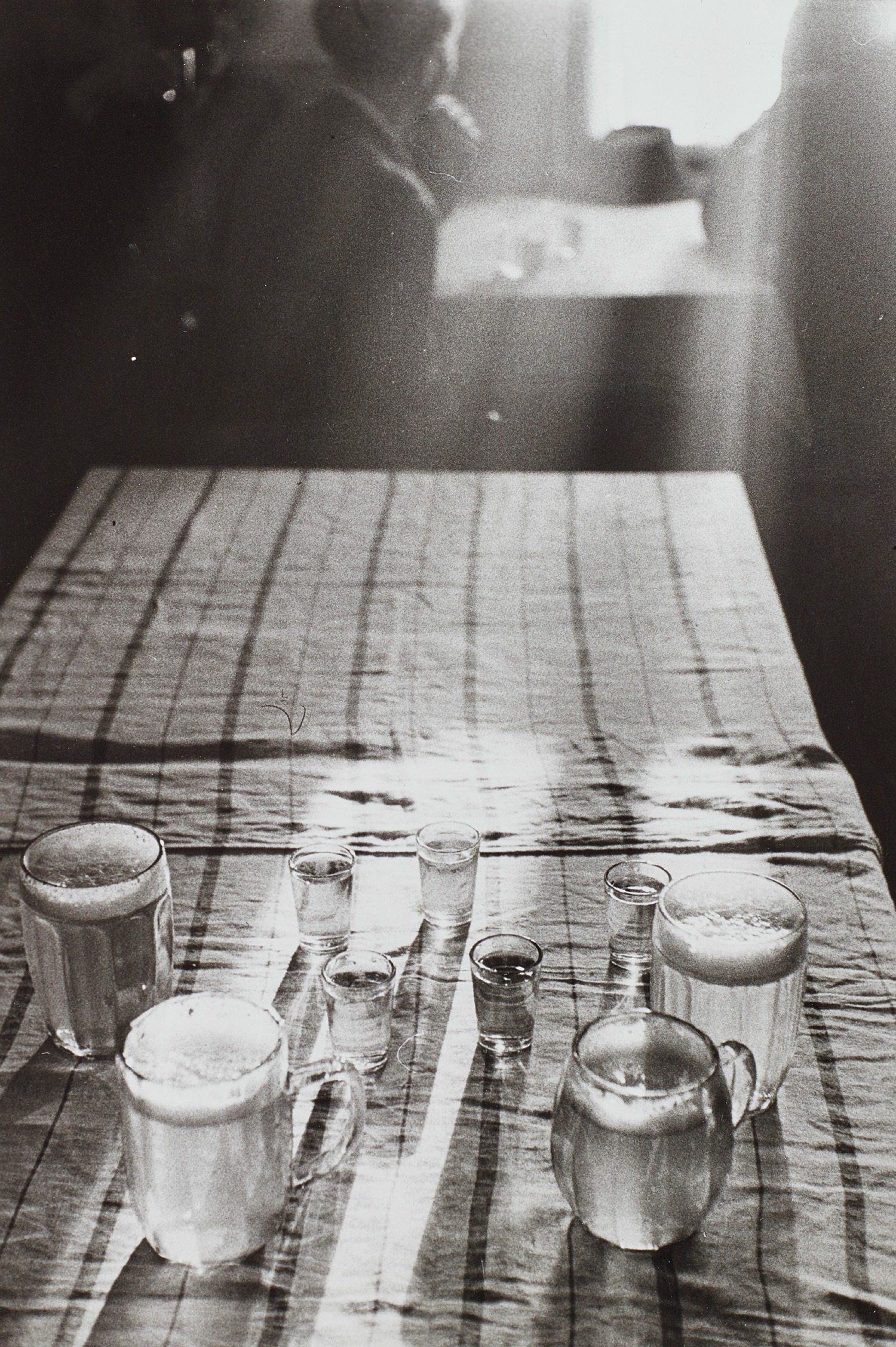
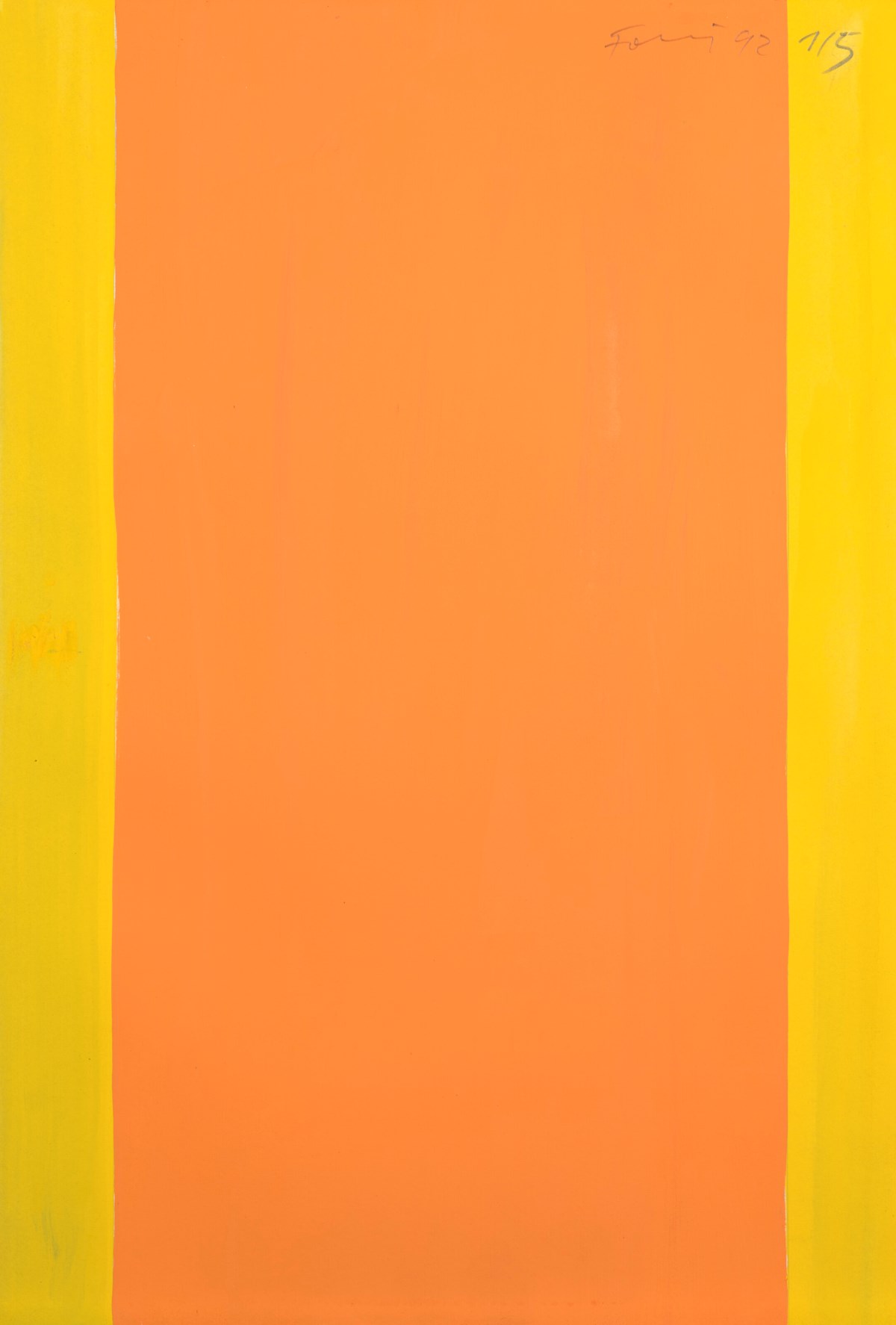
His photographs of modernist buildings in Europe, particularly the Brutalist and rationalist structures he visited repeatedly through the 1980s and 1990s, were always one strand of a practice that also included painting and sculpture. The photographs have gained independent stature since his death in 2013, with prices climbing steadily at auction and retrospective attention from the Schirmer/Mosel publications that have long championed his legacy. His work asks you to hold photography and painting in mind simultaneously, which is exactly the kind of critical complexity that museum curators and committed collectors find irresistible. The critical writing around this field has sharpened considerably.
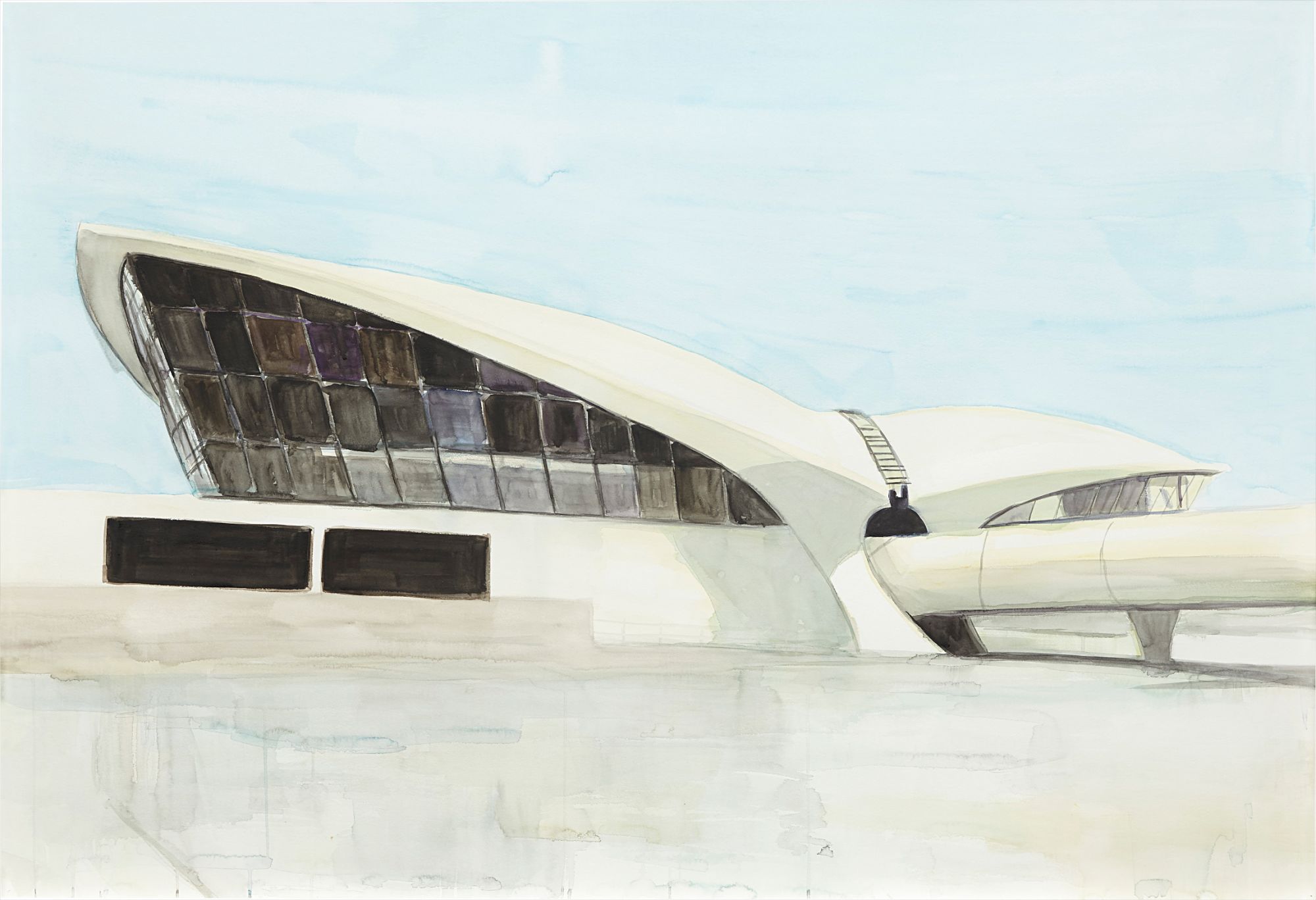
Enoc Pérez
TWA Terminal, Kennedy Airport
Publications like Log and Any, both out of the architecture world, increasingly speak to readers who collect art. Frieze and Artforum have run substantive features examining how contemporary artists engage with the modernist built environment not as heritage to be preserved but as a field of ideological inquiry. Writers like Mark Wigley and Sylvia Lavin have helped frame the critical terms that auction specialists and gallery directors now reach for when contextualizing work in this category. What feels alive right now is the intersection of this photographic and painterly tradition with questions about climate, infrastructure, and the future of cities.
Younger artists are arriving with a more complicated relationship to the modernist canon, neither reverent nor dismissive but genuinely curious about what those buildings promised and who they failed. The market has not fully priced in this next generation yet, which is where the real opportunity sits. The canonical figures, Stoller, Sugimoto, Lambri, Förg, are established. The conversation they opened is still very much in progress.