Kenyan Artist
Wangechi Mutu
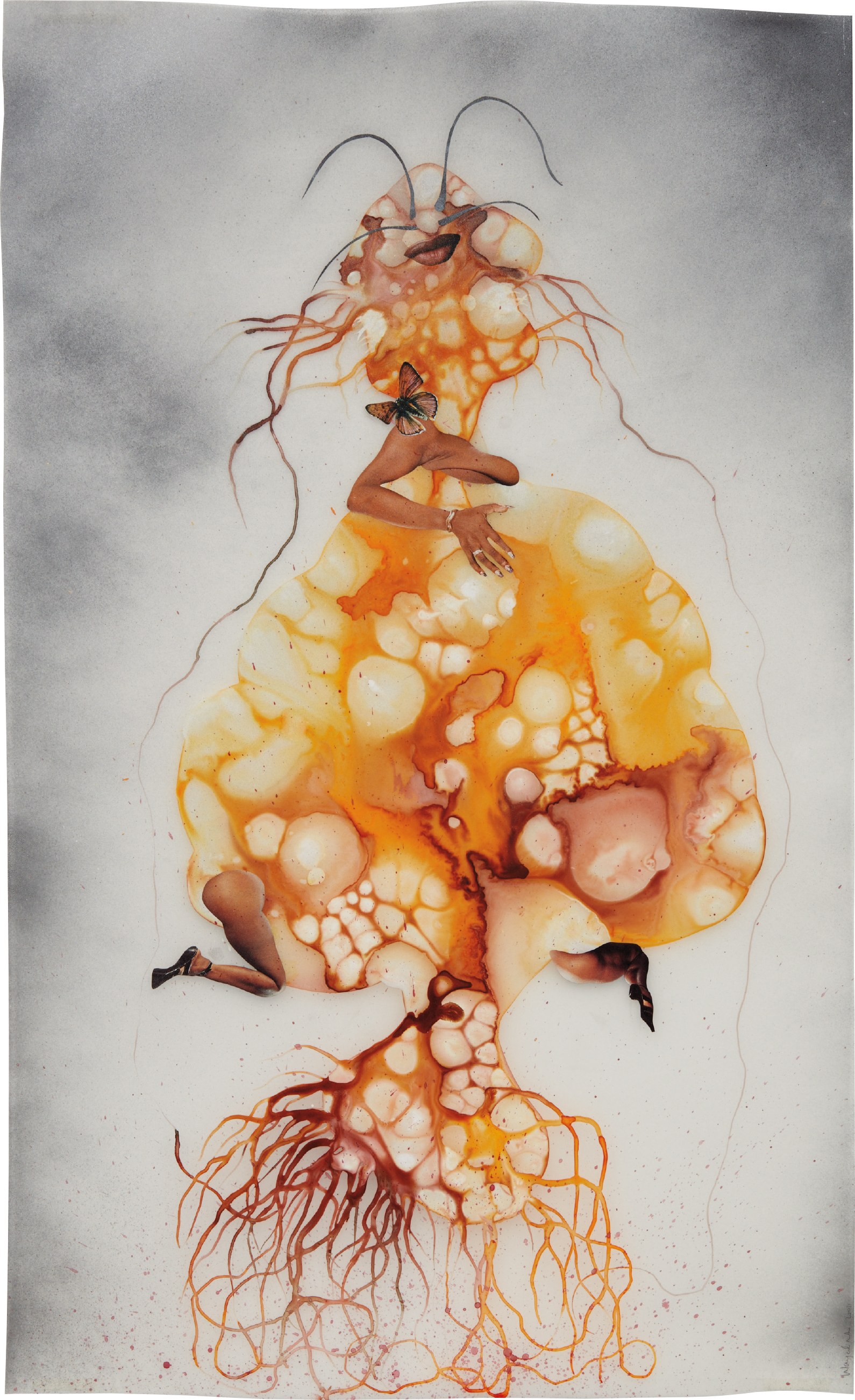
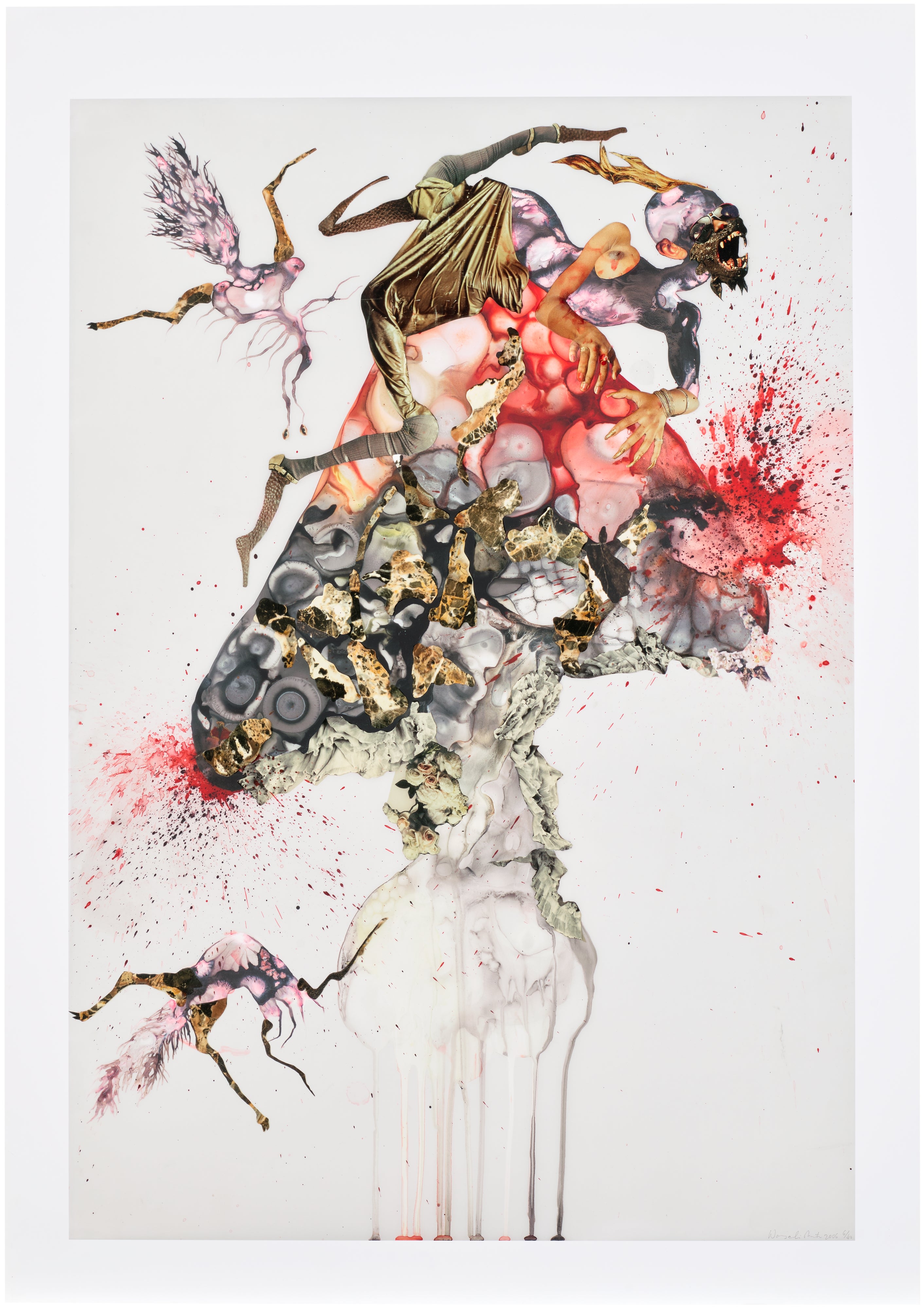
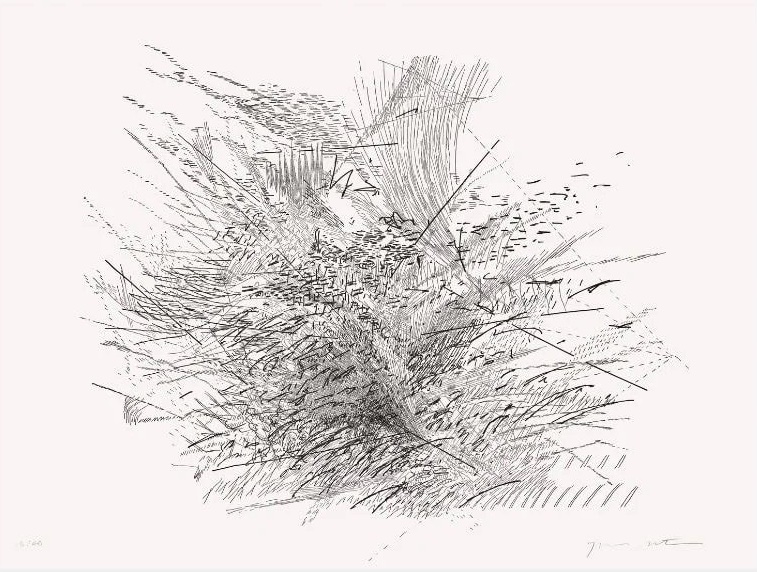
Heeler Xvi, 2016
Artists
Kenyan Art Is Rewriting the Global Canon
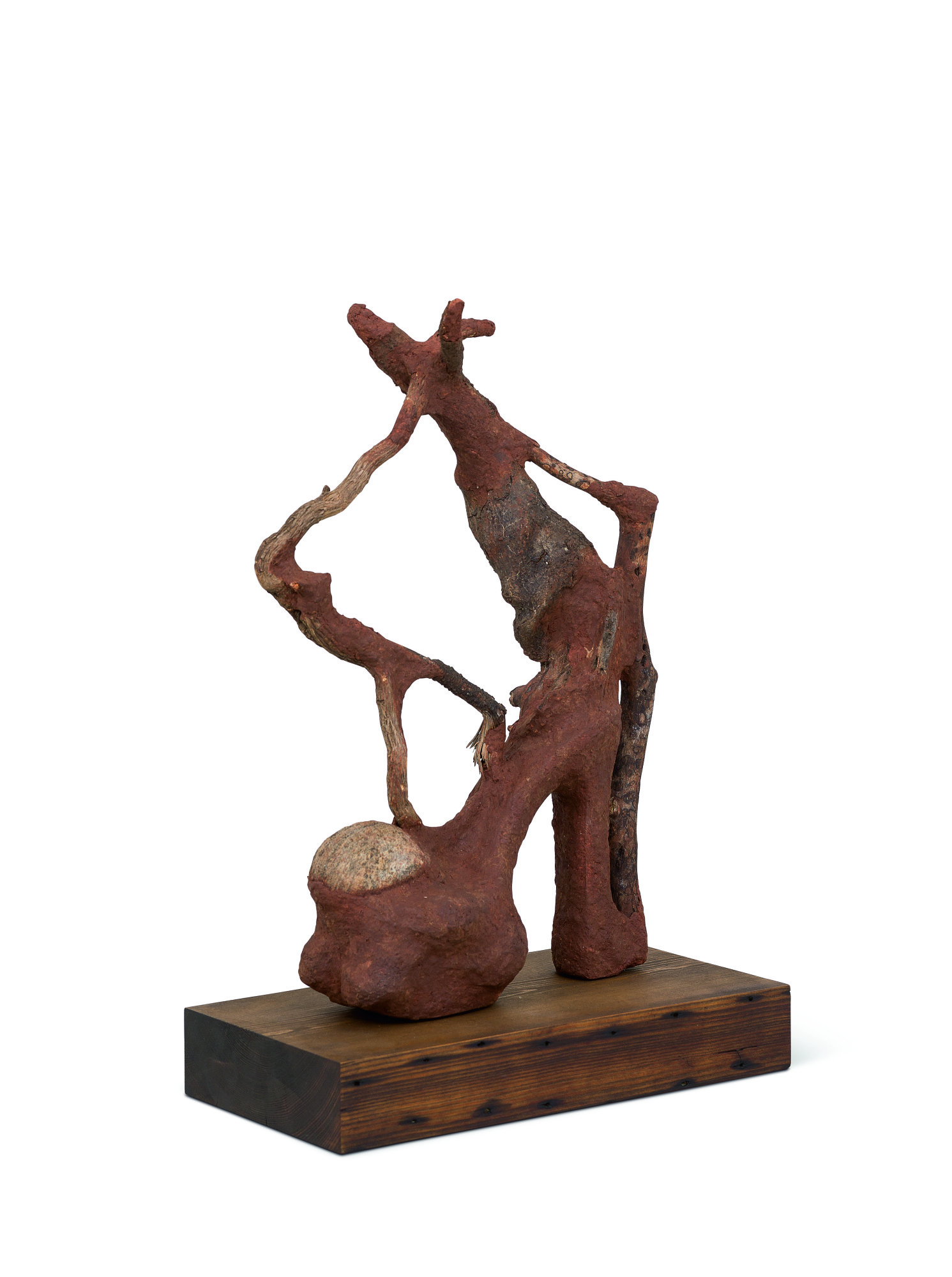
When Wangechi Mutu's sculpture 'In Two Canoes' sold at Christie's for well above its estimate, it was not a surprise to anyone who had been paying close attention. It was confirmation. The global art market had spent years circling the work of artists from East Africa with cautious admiration, and now it was moving with conviction. That moment crystallized something collectors and curators had sensed for a while: the conversation around Kenyan art was no longer peripheral.
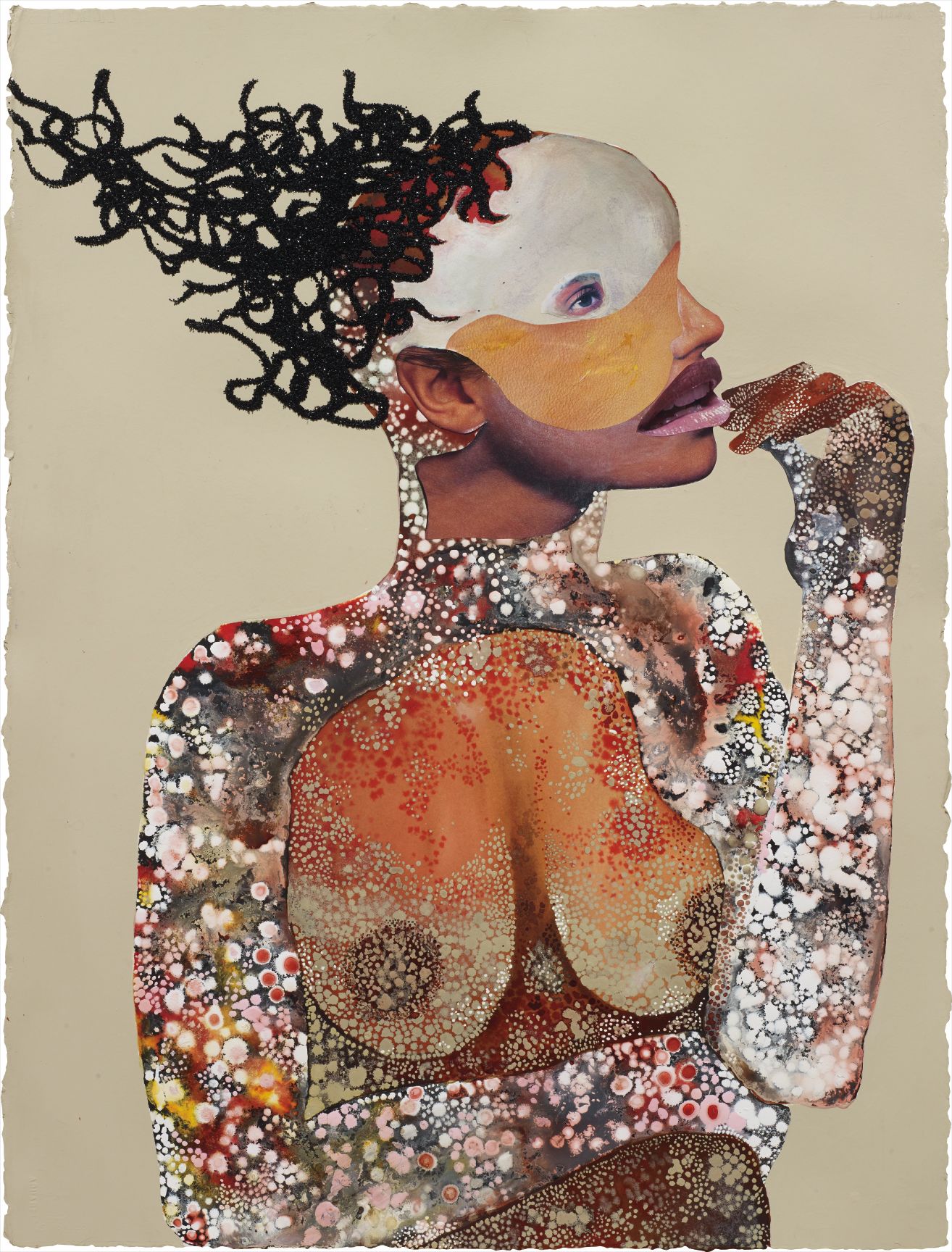
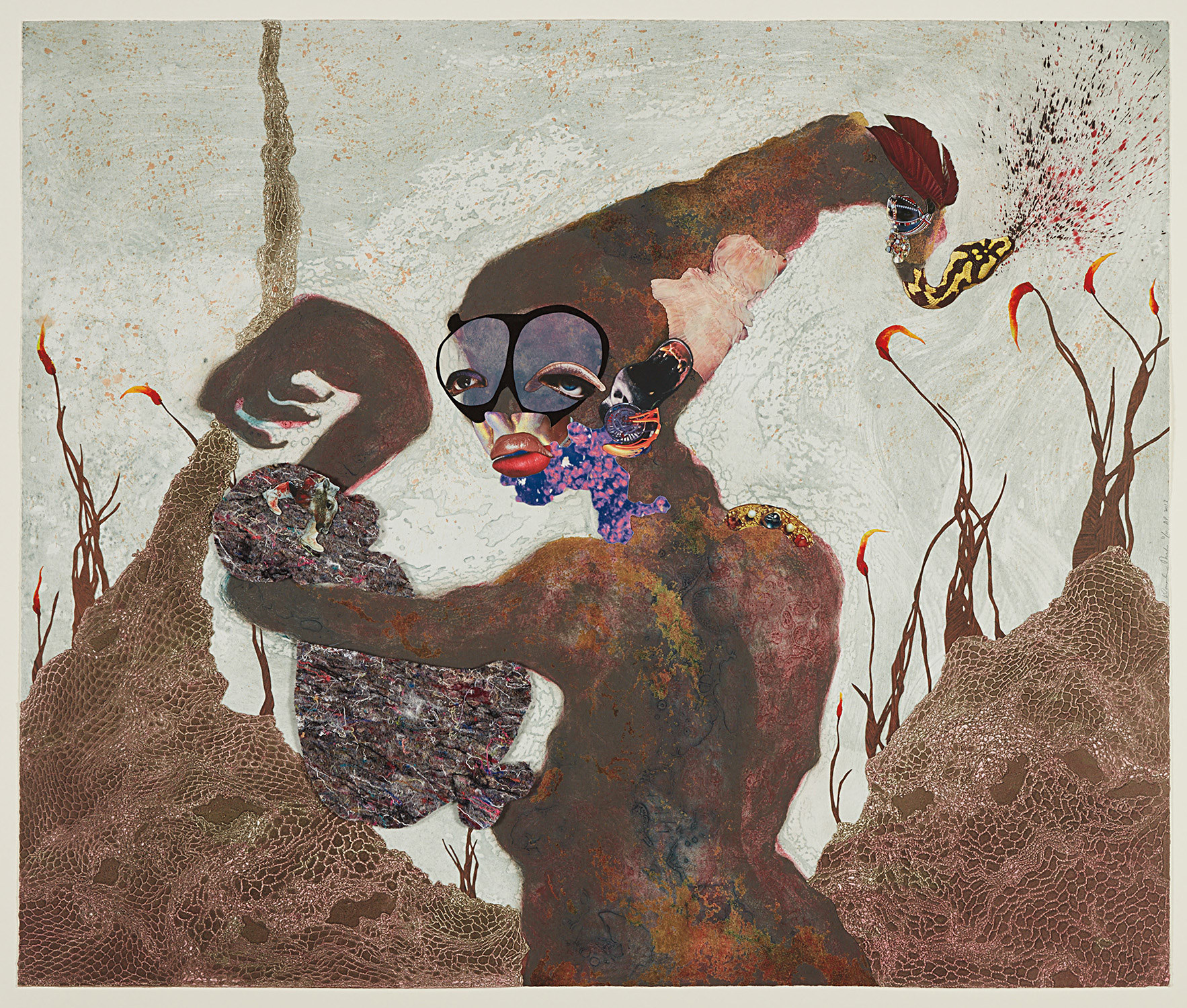
It had moved to the center of the room. Wangechi Mutu is the name that anchors any serious discussion of contemporary Kenyan art in the international arena. Born in Nairobi and trained at the Cooper Union and Yale, Mutu operates in a register that is simultaneously deeply rooted in East African iconography and entirely fluent in the language of global contemporary art. Her collage and sculpture work draws on Kikuyu cosmology, Afrofuturist sensibility, ecological anxiety, and the long history of violence done to Black women's bodies.
Wangechi Mutu
Heeler Xvi, 2016
The result is an aesthetic that feels unlike anything else. She is well represented on The Collection, and for good reason: her work rewards sustained looking in a way that very few artists working today can match. Museum institutions have been falling over themselves to catch up with what the market already knew. The Metropolitan Museum of Art commissioned four large scale bronze sculptures from Mutu in 2019, installing them in the niches of its Fifth Avenue facade that had stood empty for over a century.
The gesture was loaded with meaning. The Met was not simply acquiring work; it was making a statement about whose vision belongs on the walls, literally and symbolically, of Western culture's most prominent institutions. That commission generated enormous critical attention and introduced Mutu's practice to audiences far beyond the contemporary art world. The New Museum mounted a major solo exhibition of her work, 'Wangechi Mutu: A Beautiful Suffering,' which traveled internationally and helped consolidate her critical reputation in the mid 2000s.
More recently, the Nasher Sculpture Center and institutions across Europe have continued to exhibit her three dimensional work, reflecting a broader institutional appetite for the sculptural turn in her practice. What was once understood primarily through the lens of her extraordinary collages is now being reconsidered as a cohesive and ambitious body of work that spans drawing, video, performance, and monumental sculpture. Each medium enriches the others, and serious collectors understand that acquiring any part of this practice is acquiring access to a singular artistic intelligence. The critical writing around Kenyan art and Mutu specifically has grown considerably more sophisticated over the past decade.
Scholars like Okwui Enwezor, whose curatorial vision shaped Documenta 11 in 2002 into a landmark reassessment of global art histories, helped build the intellectual framework within which artists like Mutu could be understood on their own terms rather than through a comparative Western lens. Publications including Frieze, Art in America, and the more academically oriented Third Text have all published substantial critical assessments of her work and of the broader East African contemporary art scene. The journal Nka, devoted to contemporary African art, has been indispensable in providing sustained critical attention that major art publications have often been slow to offer. Auction results have tracked this critical momentum closely.
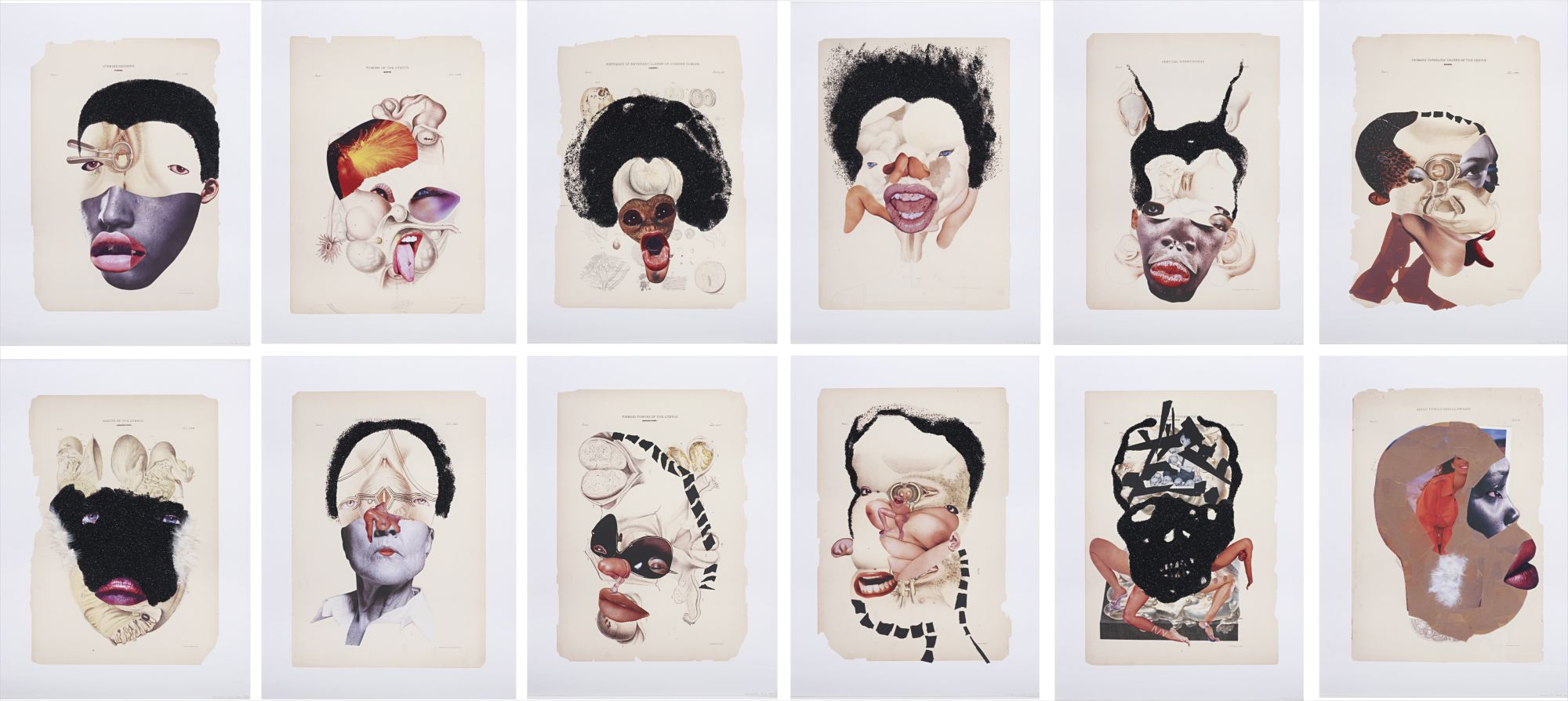
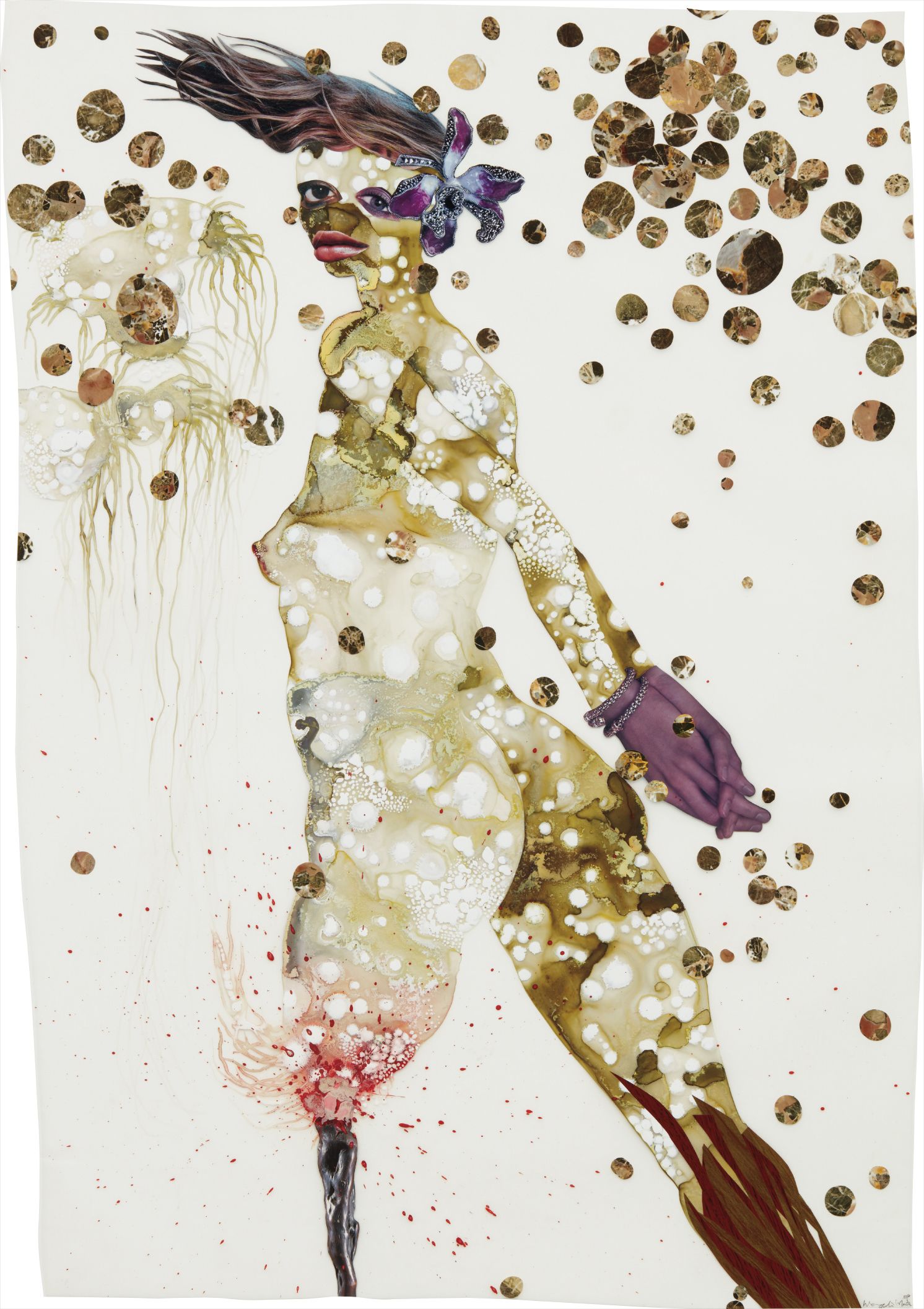
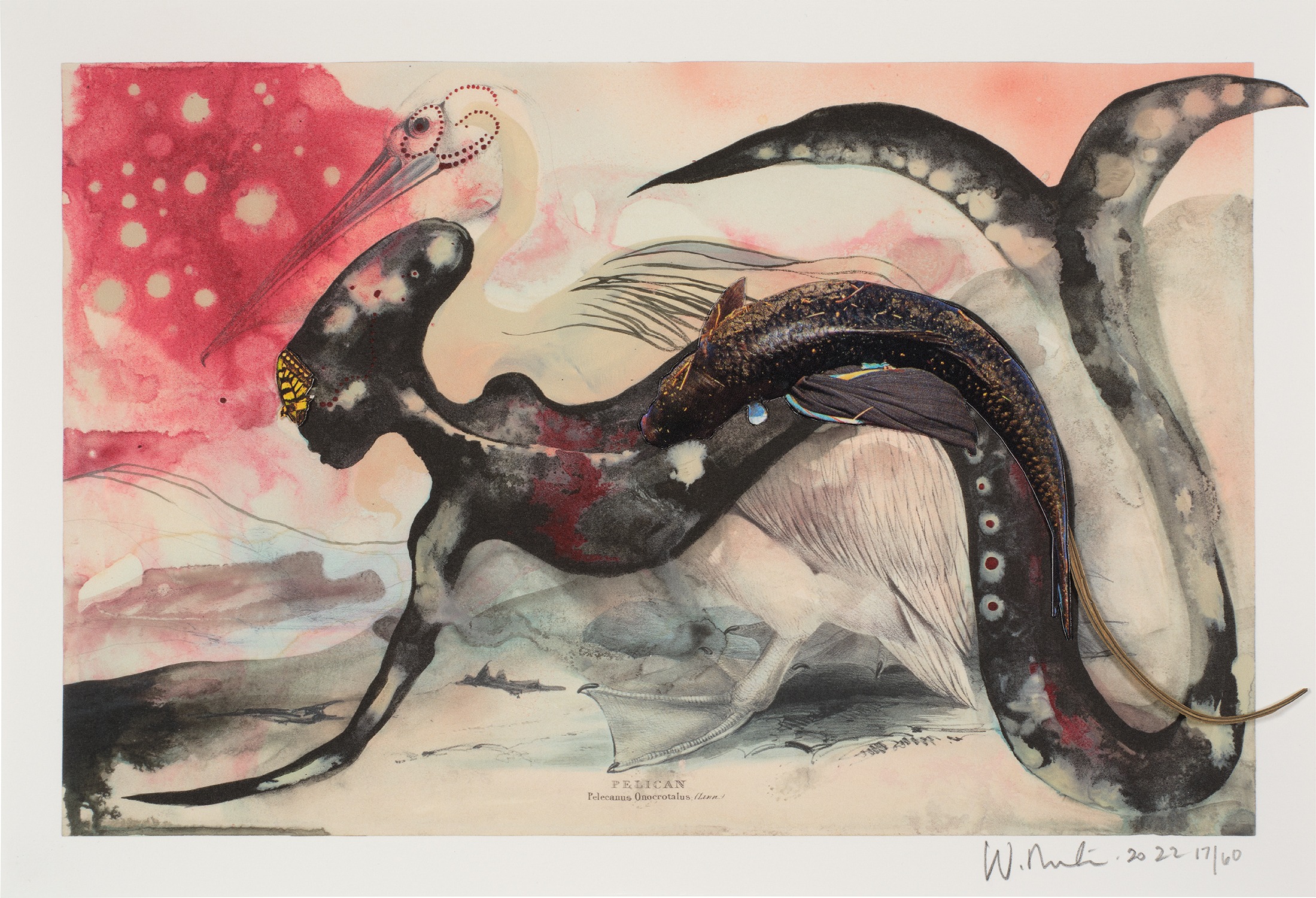
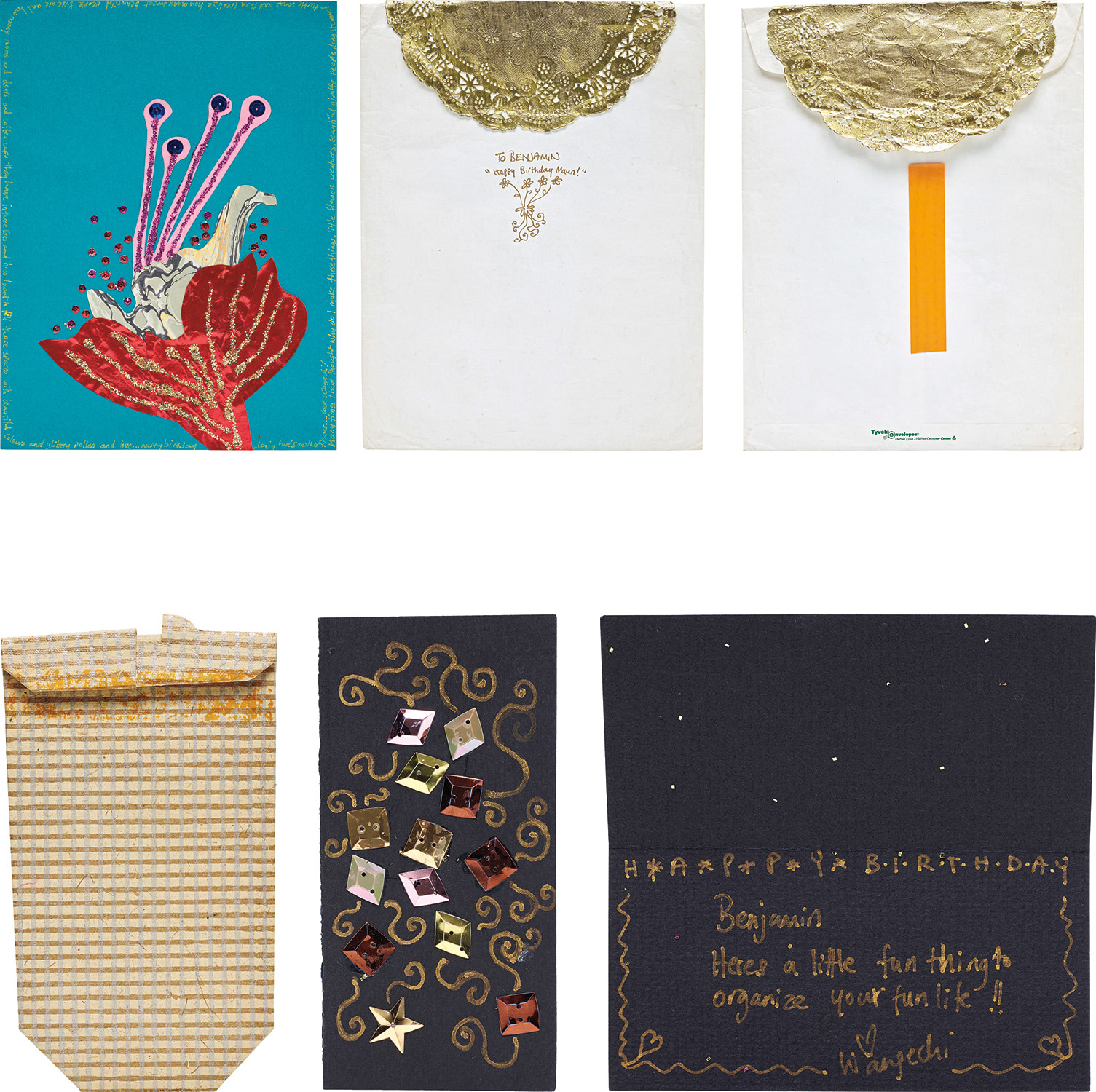
Mutu's works on paper, which were already sought after in the early 2000s, have seen dramatic appreciation as her institutional profile has grown. Her mixed media collages from the Creature series, combining magazine imagery with ink, plant fiber, and fur, now routinely surpass their presale estimates at the major houses. Christie's, Sotheby's, and Phillips have all noted increased collector competition for her work, and the buyer geography has broadened considerably. It is no longer primarily American and European collectors driving prices upward.
African collectors, Middle Eastern institutions, and Asian buyers have all entered the conversation, which is both a market signal and a cultural one. What institutions are collecting here tells its own story. The Smithsonian's National Museum of African Art has deep holdings in this area. The Zeitz Museum of Contemporary Art Africa, which opened in Cape Town in 2017, represents perhaps the most significant institutional development on the continent in recent memory, and its collection and programming have helped shift the center of gravity for African contemporary art southward and outward simultaneously.
When a museum of that ambition opens with a commitment to collecting and exhibiting living artists from across the continent, it changes what is possible for artists, collectors, and the critical discourse alike. The energy right now feels genuinely alive in ways that are hard to manufacture. There is a generation of younger Kenyan artists working in Nairobi whose practices are beginning to attract international attention, building on the visibility that artists like Mutu have created. The Nairobi art scene has its own institutions, residencies, and collector base that operate with increasing sophistication.
That local infrastructure matters enormously because it creates conditions where artistic risk is supported rather than just exported for consumption elsewhere. The most exciting development may be the growing sense that Nairobi itself is becoming a site of critical production, not just artistic production. For collectors, the calculus here is relatively straightforward. Work by Wangechi Mutu sits in a category of near universal institutional validation, meaning that the question is no longer whether the market will continue to recognize its importance but whether opportunities to acquire it will continue to appear.
The secondary market for her most significant works is competitive and will only become more so. The broader category of Kenyan contemporary art offers a wider range of entry points, and collectors who are paying attention to what is emerging from Nairobi now are likely to find themselves well positioned. The global art world has learned to pay attention when East Africa speaks. The smart money is listening.