Figurative Style
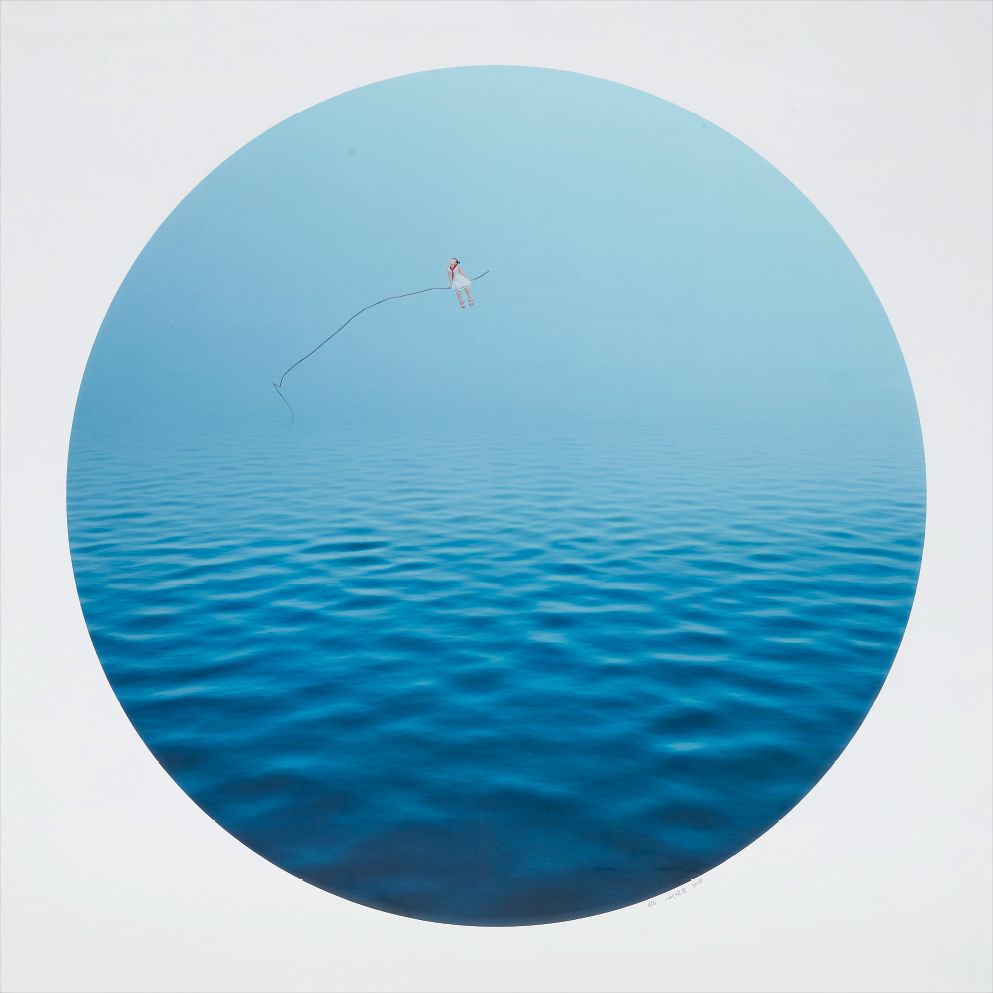
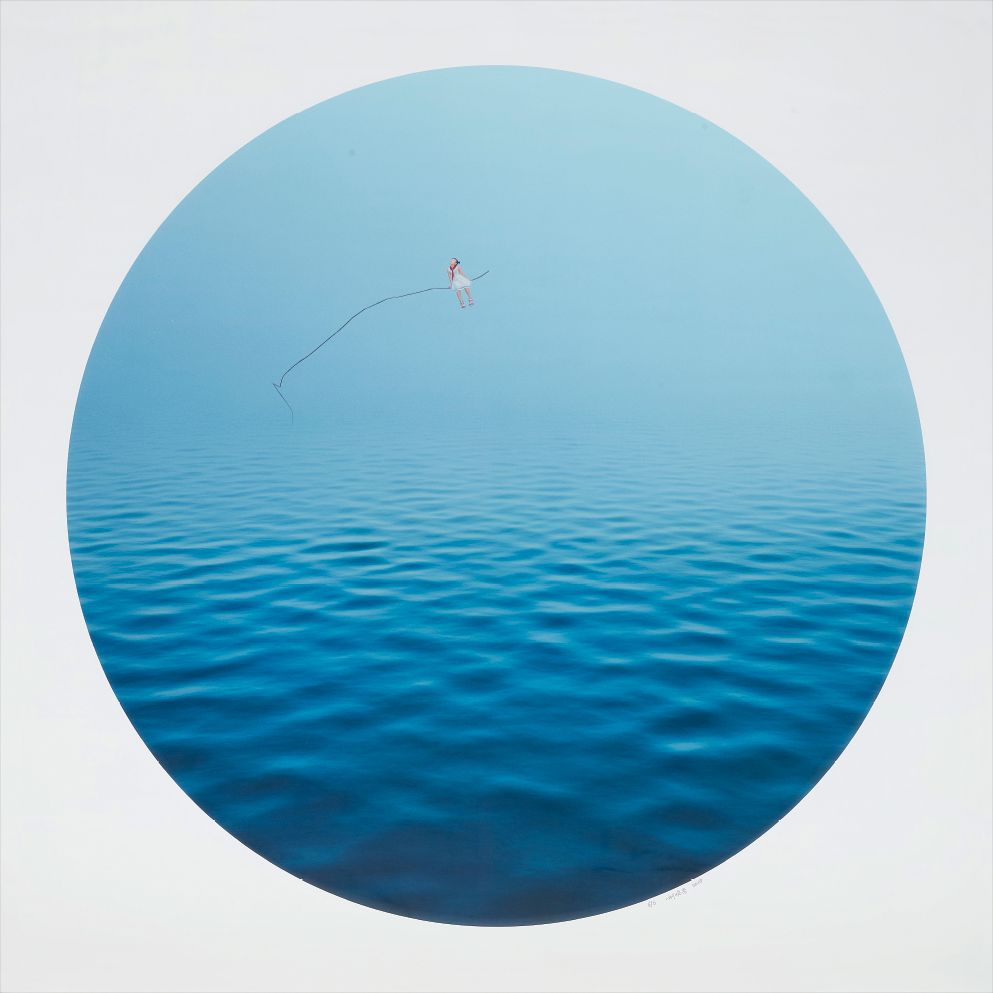
Liu Xiaofang
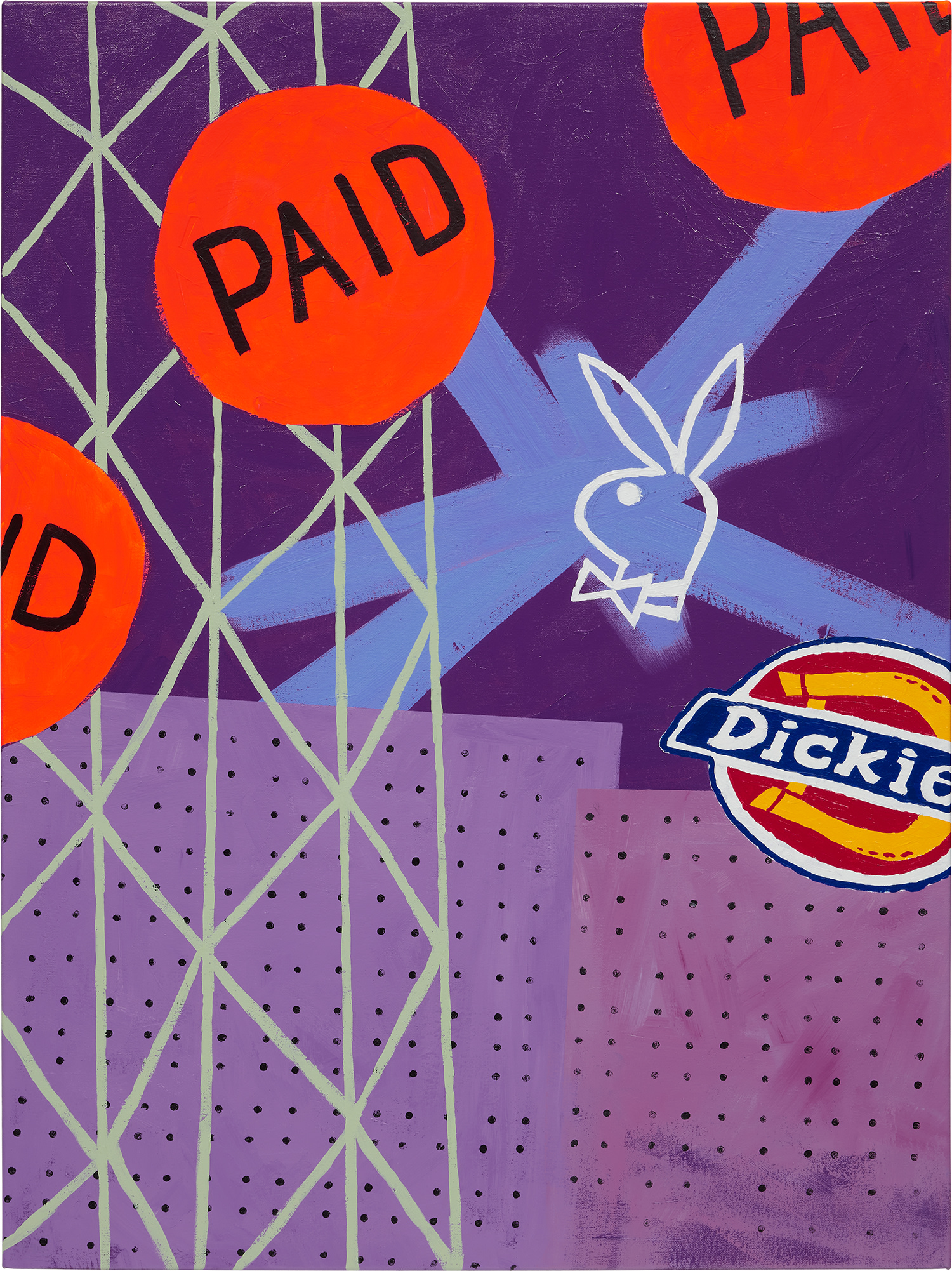
I remember 07, 2010

The Human Form Never Goes Out of Style
There is something almost defiant about figurative art. In an era that has repeatedly declared the death of painting, the obsolescence of representation, and the triumph of the purely conceptual, the figure keeps returning, keeps insisting on its own necessity. It is the oldest conversation in art history and somehow still one of the most alive. To collect figurative work is to participate in something that stretches from the cave walls at Lascaux to the studios of artists working right now.
The roots of figurative art are, of course, coterminous with the roots of art itself. Ancient Egyptian tomb paintings, Greek vase decoration, Renaissance altarpieces: all of them organised meaning around the human body. But the modern understanding of figurative style as a distinct category, as something that could be chosen rather than simply assumed, emerged in the twentieth century as abstraction became a genuine alternative. When painters in the early 1900s began dismantling representation entirely, the artists who remained committed to the figure did so with a new kind of consciousness.
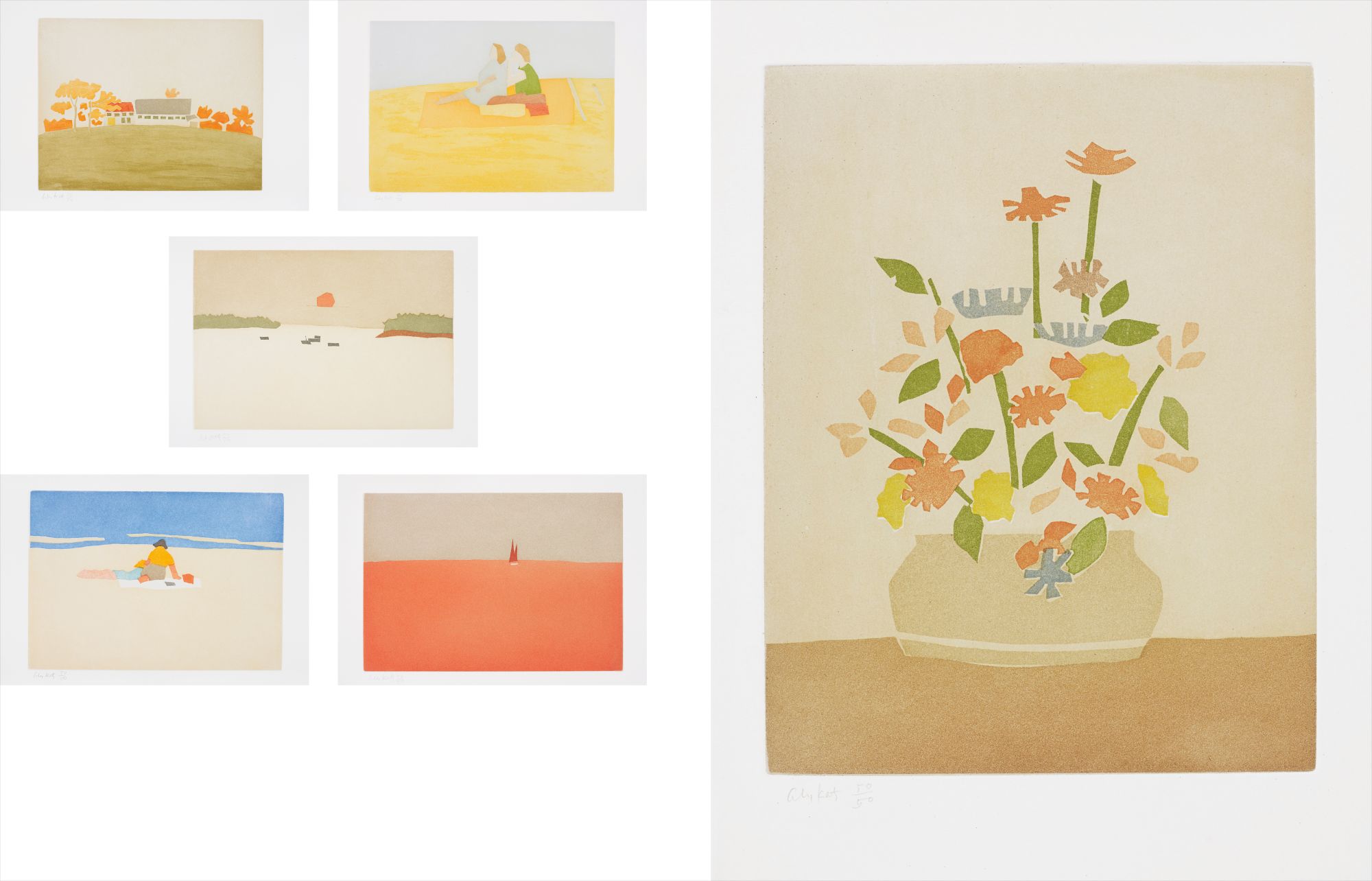
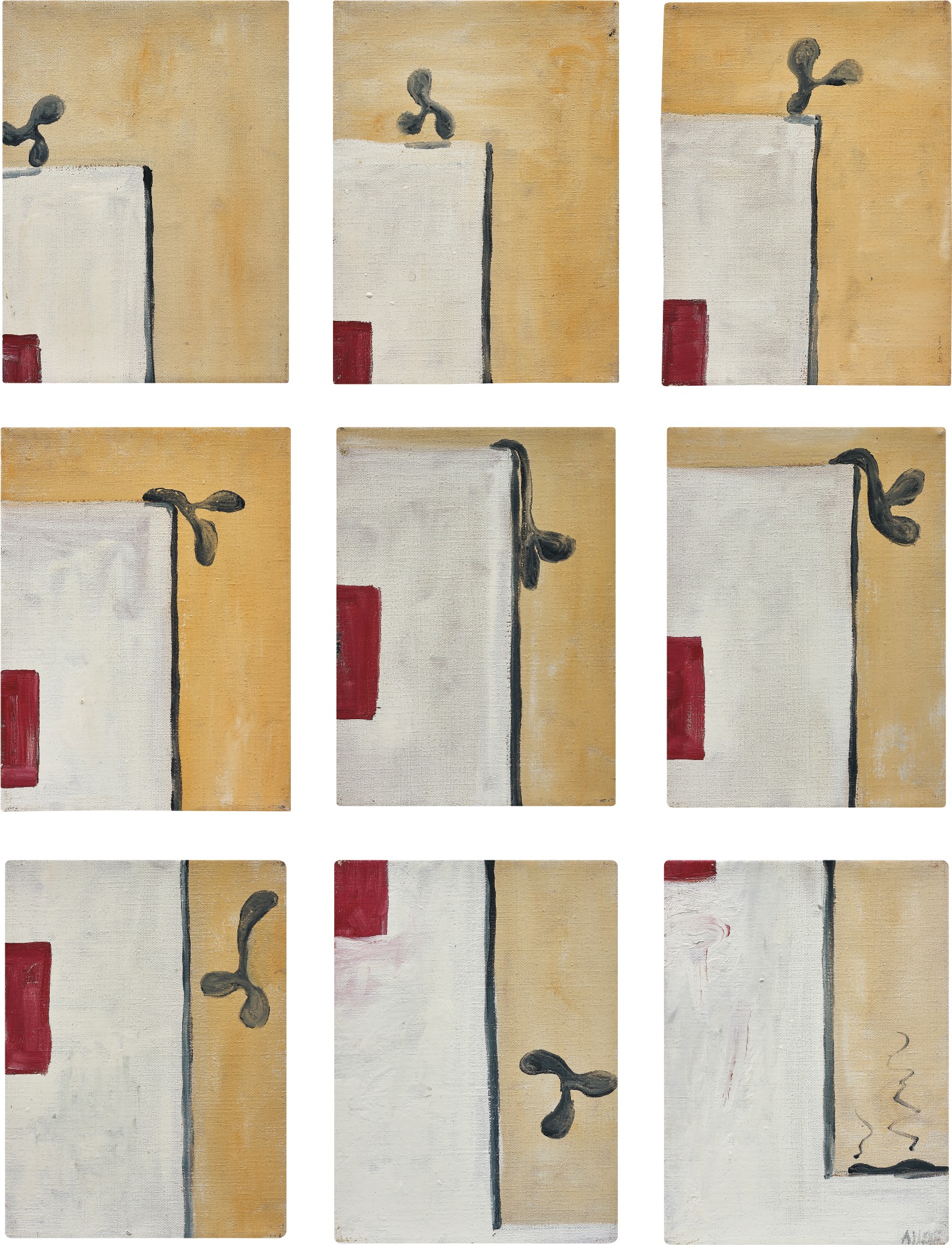
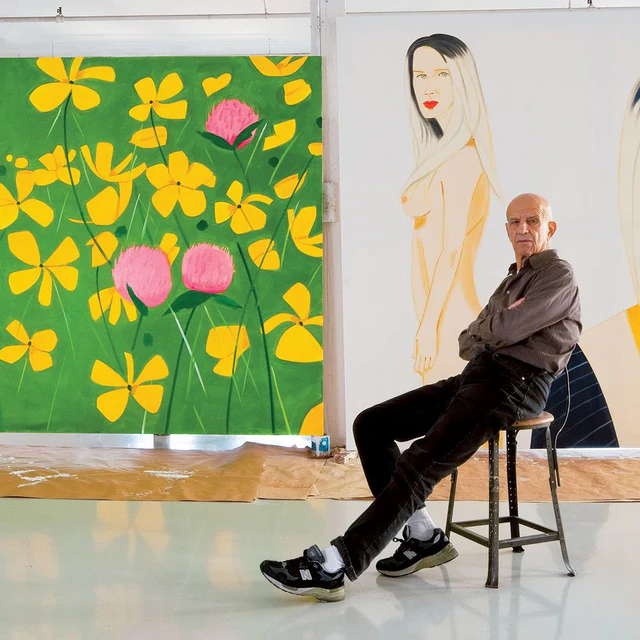
Alex Katz
Small Cuts
Figuration became a position, not just a habit. The mid century witnessed a particularly rich tension. Abstract Expressionism dominated critical discourse in New York through the 1950s, and yet artists like Alex Katz were quietly developing a figurative language that absorbed the lessons of abstraction without abandoning the subject. Katz began showing in the late 1950s and 1960s at a moment when figuration was considered almost retrograde by the avant garde establishment.
His large, flat, cool portraits and group scenes turned out to be extraordinarily influential, anticipating the graphic sensibility that would define so much of what came after. His work on The Collection demonstrates exactly why he remains essential: the economy of means, the confidence of the silhouette, the way a face becomes simultaneously intimate and monumental. Across the Atlantic, the figurative tradition never entirely lost its footing. L.
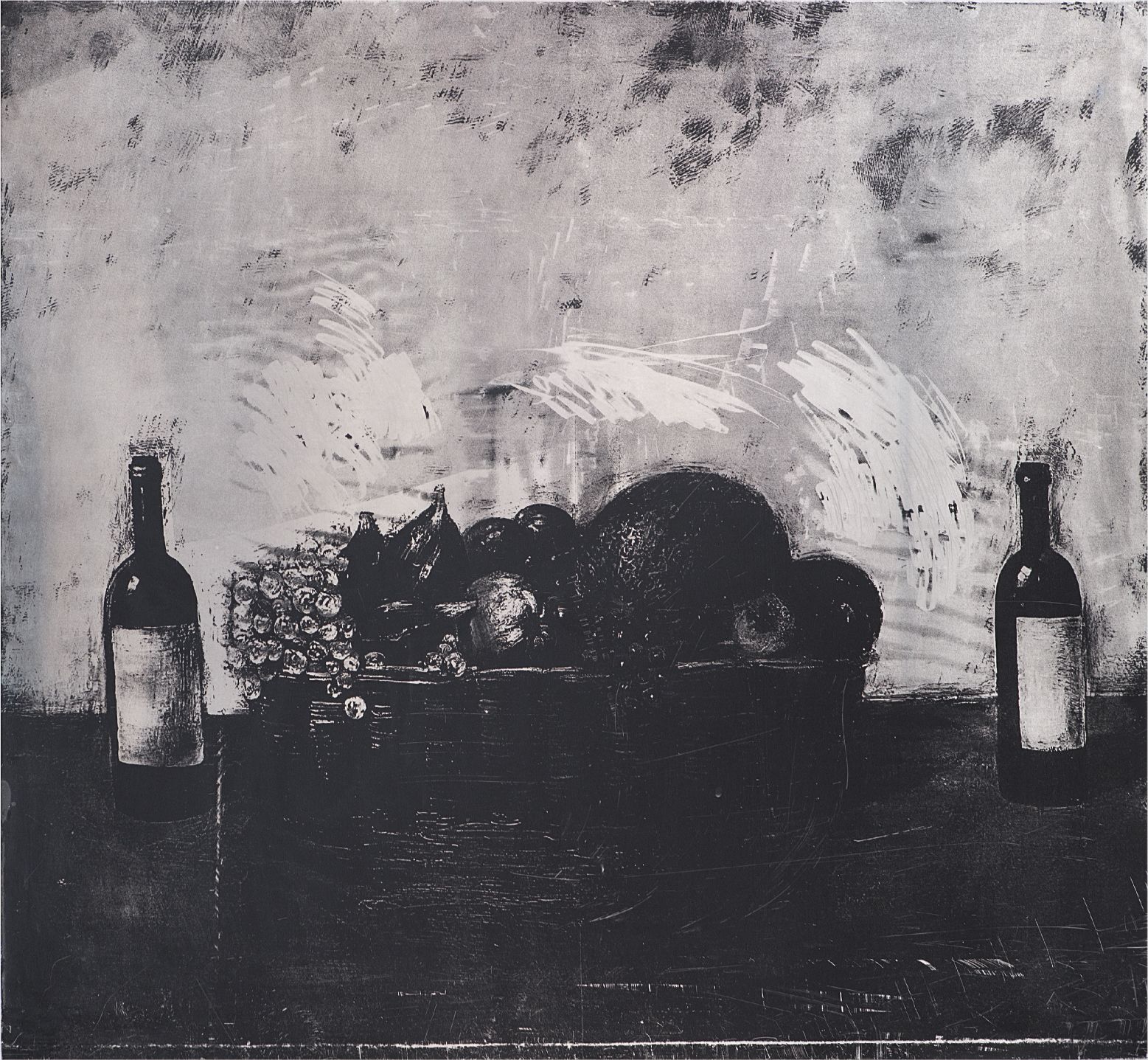
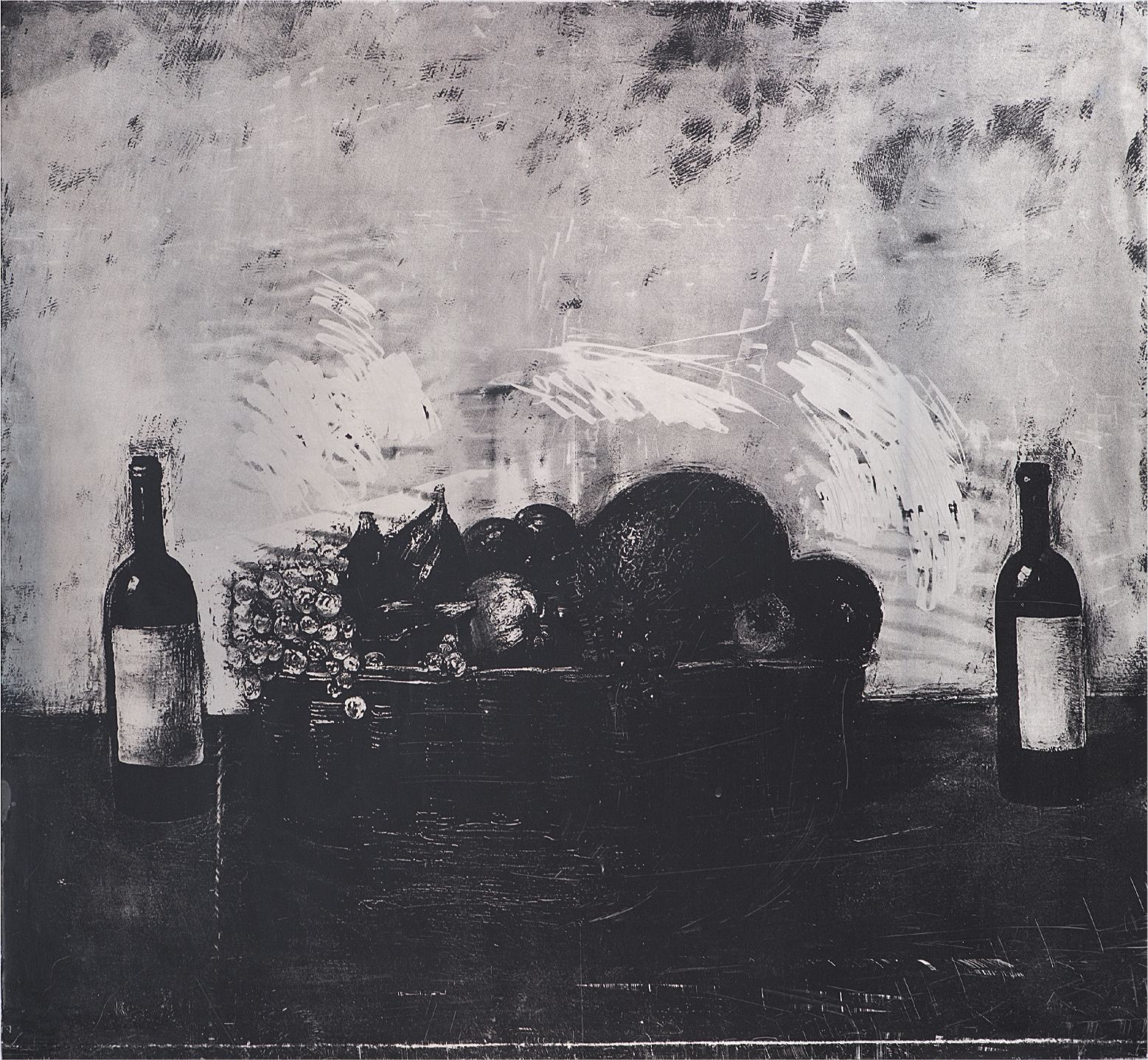
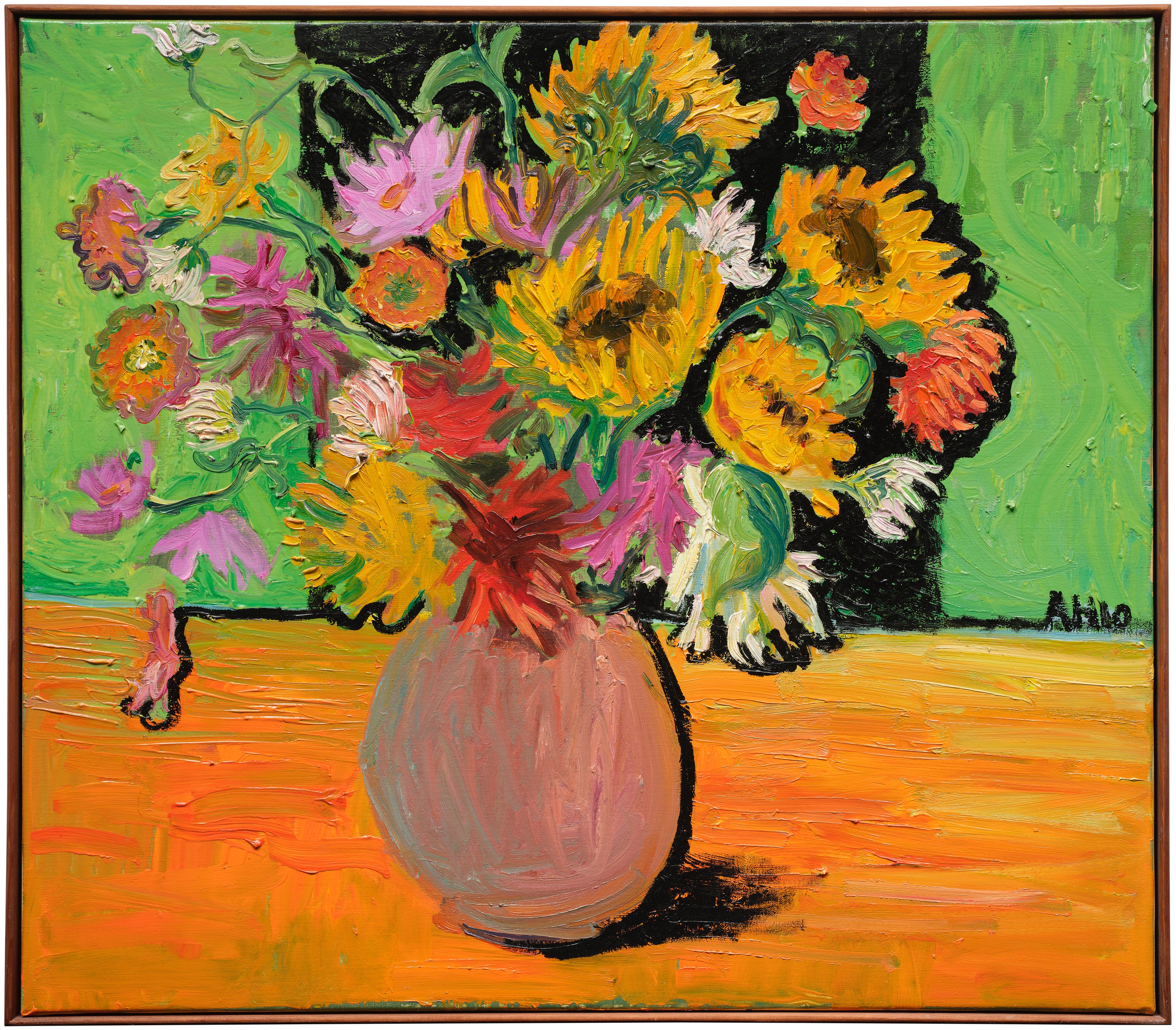
Kostya Totibadze
Wine and Fruits
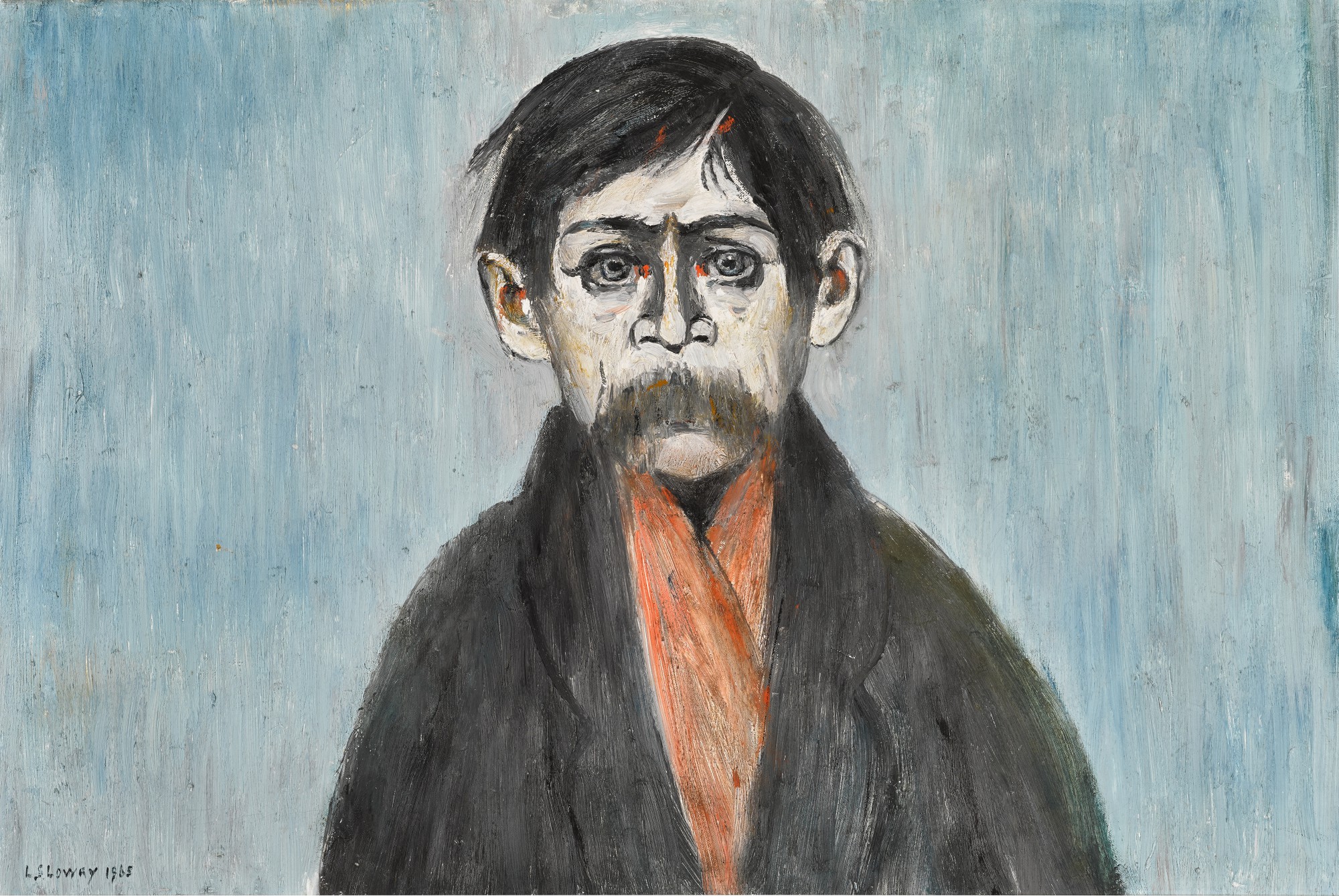
S. Lowry was painting the industrial landscapes of northern England populated by his matchstick figures throughout the first half of the twentieth century, building a body of work that was long patronised by the London art establishment and is now recognised as genuinely singular. His figures are not portraits in any conventional sense; they are social documents, notations of working life that carry enormous emotional weight precisely because of their apparent simplicity. The works by Lowry available on The Collection carry that quality of observation, the feeling of a world rendered with both affection and unflinching honesty.
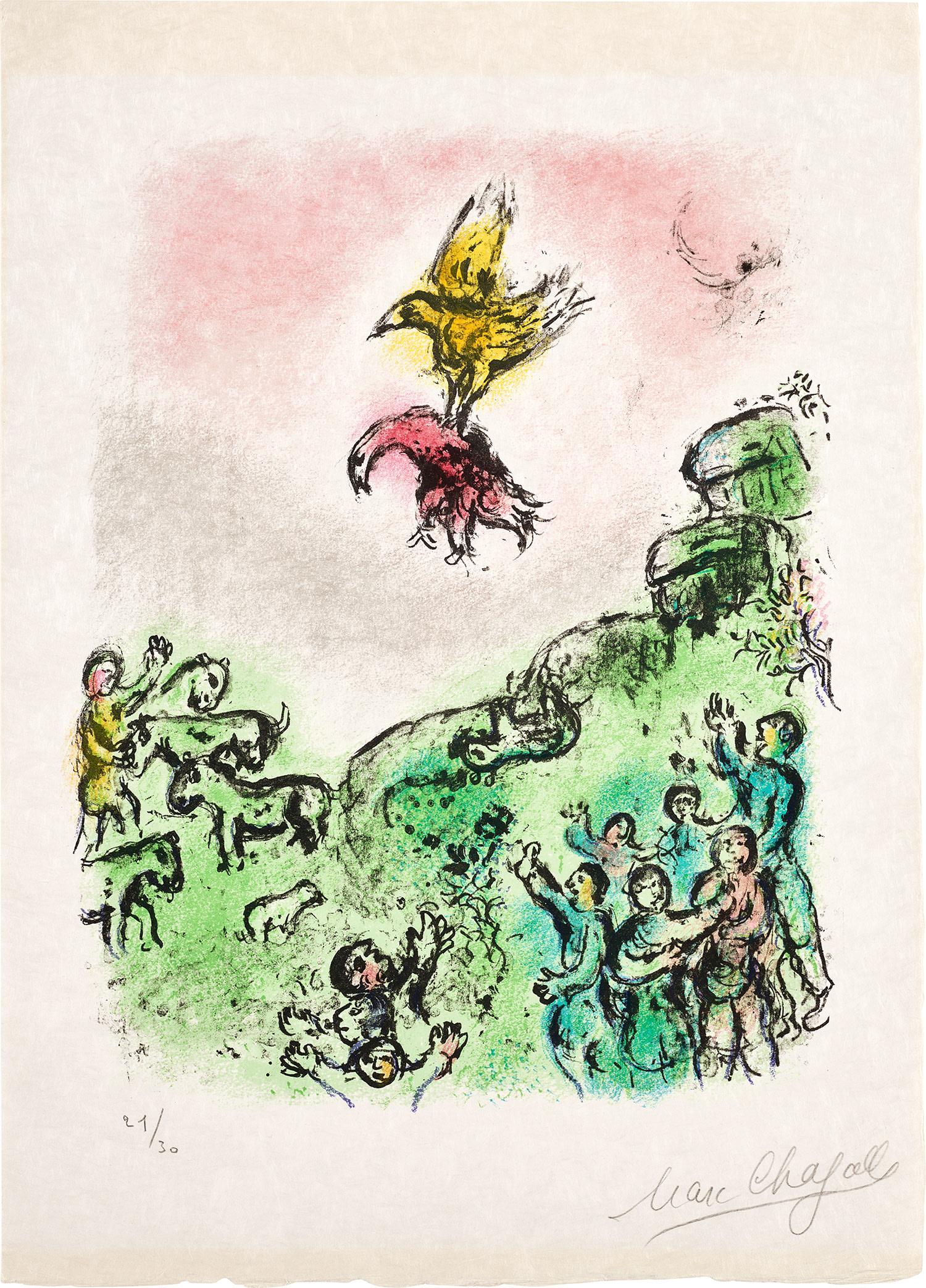
Marc Chagall occupied a very different figurative territory, one shaped by Eastern European Jewish folklore, by the shock of early twentieth century Paris, and by a personal symbolism so consistent it became its own visual language. Chagall's figures float, embrace, carry violins and flowers through skies that defy gravity and logic. His work is a reminder that figuration has never been obligated to realism. The figure can be a vessel for myth, for memory, for states of feeling that have no equivalent in the observable world.
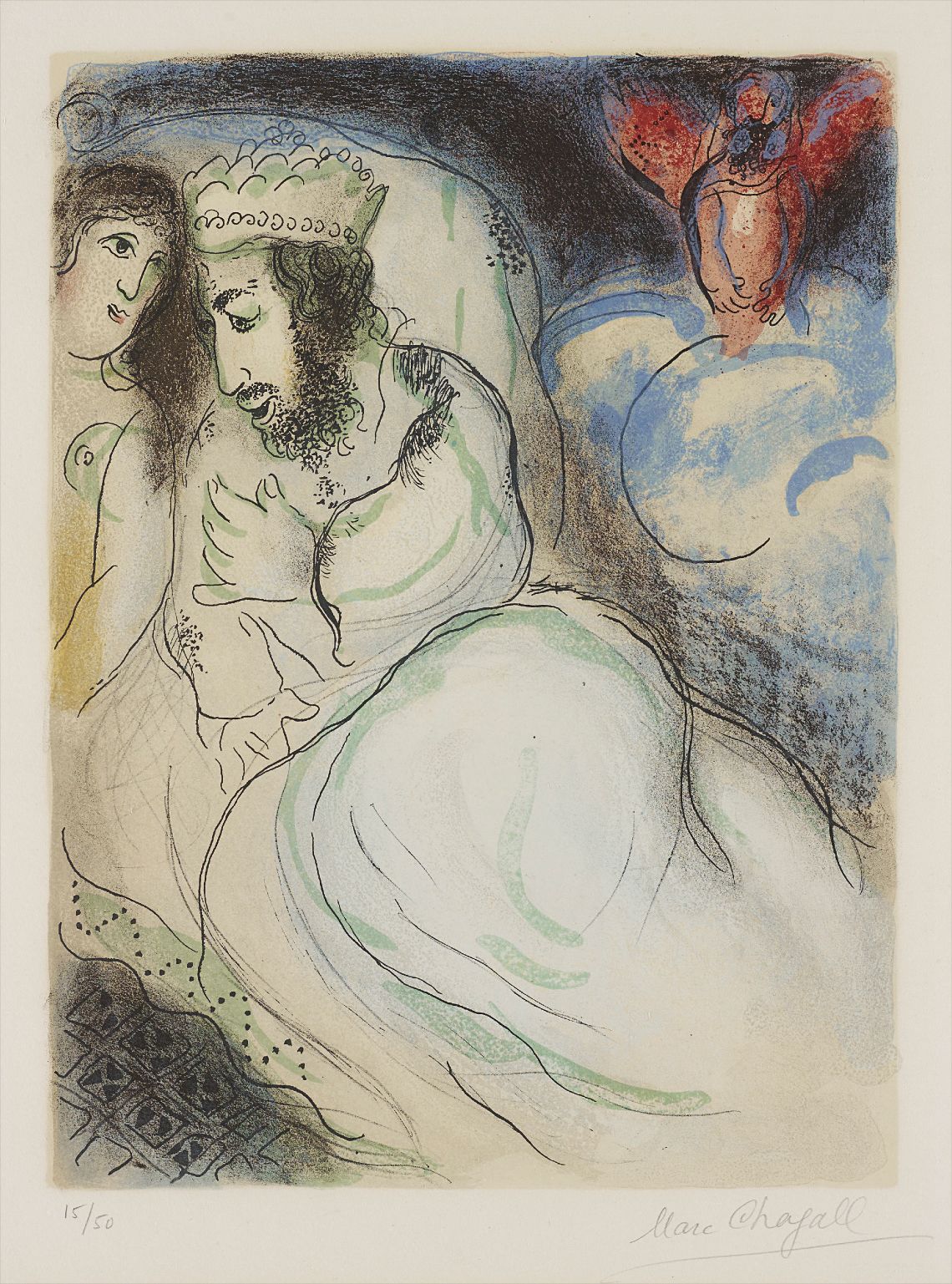
Marc Chagall
Sara et Abimélech, from Dessins pour La Bible
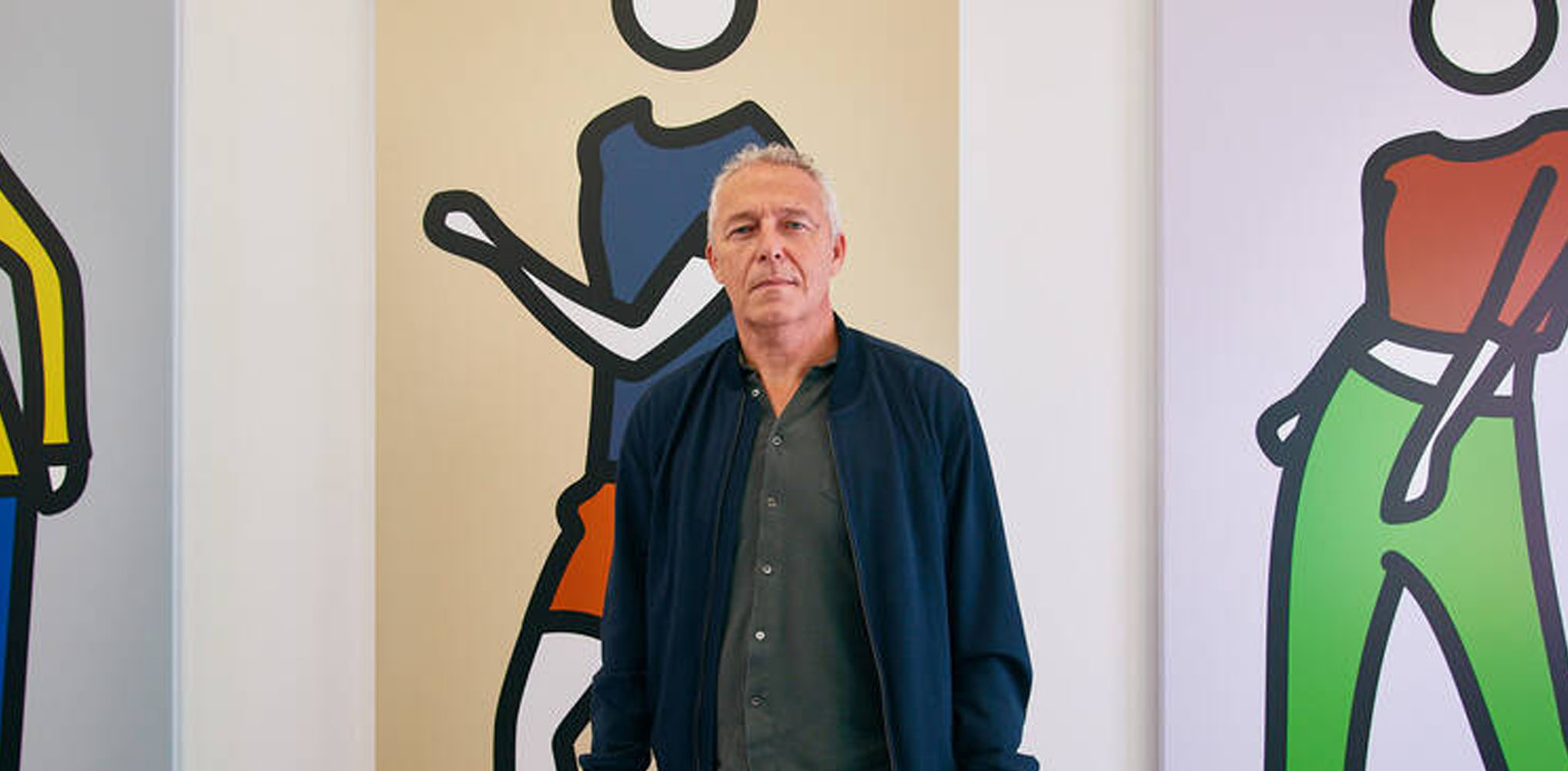
The Chagall works represented on The Collection bring that dreamlike quality directly into conversation with more grounded contemporary approaches, and the contrast is illuminating. Julian Opie arrived in the 1990s with a vocabulary that felt genuinely new while remaining clearly in dialogue with the long history of portraiture. His reduction of the human form to essential lines, the black outline containing flat zones of colour, drew on everything from ancient Egyptian profile portraits to LCD displays to the visual grammar of traffic signage. Opie is fascinated by what minimum information is needed for recognition, and his figures hover at that threshold in a way that is conceptually rigorous and immediately seductive.
David Hockney, whose commitment to figuration across seven decades has been unwavering, similarly demonstrated that the figure could absorb new technologies and new contexts without losing its fundamental power. His experiments with the iPad produced works that were both playful and deeply serious as investigations of how we see. The figurative tradition also opened itself to photography as the twentieth century progressed. Annie Leibovitz and David LaChapelle each approached the photographic figure in ways that drew on the staging and psychological intensity of painted portraiture.
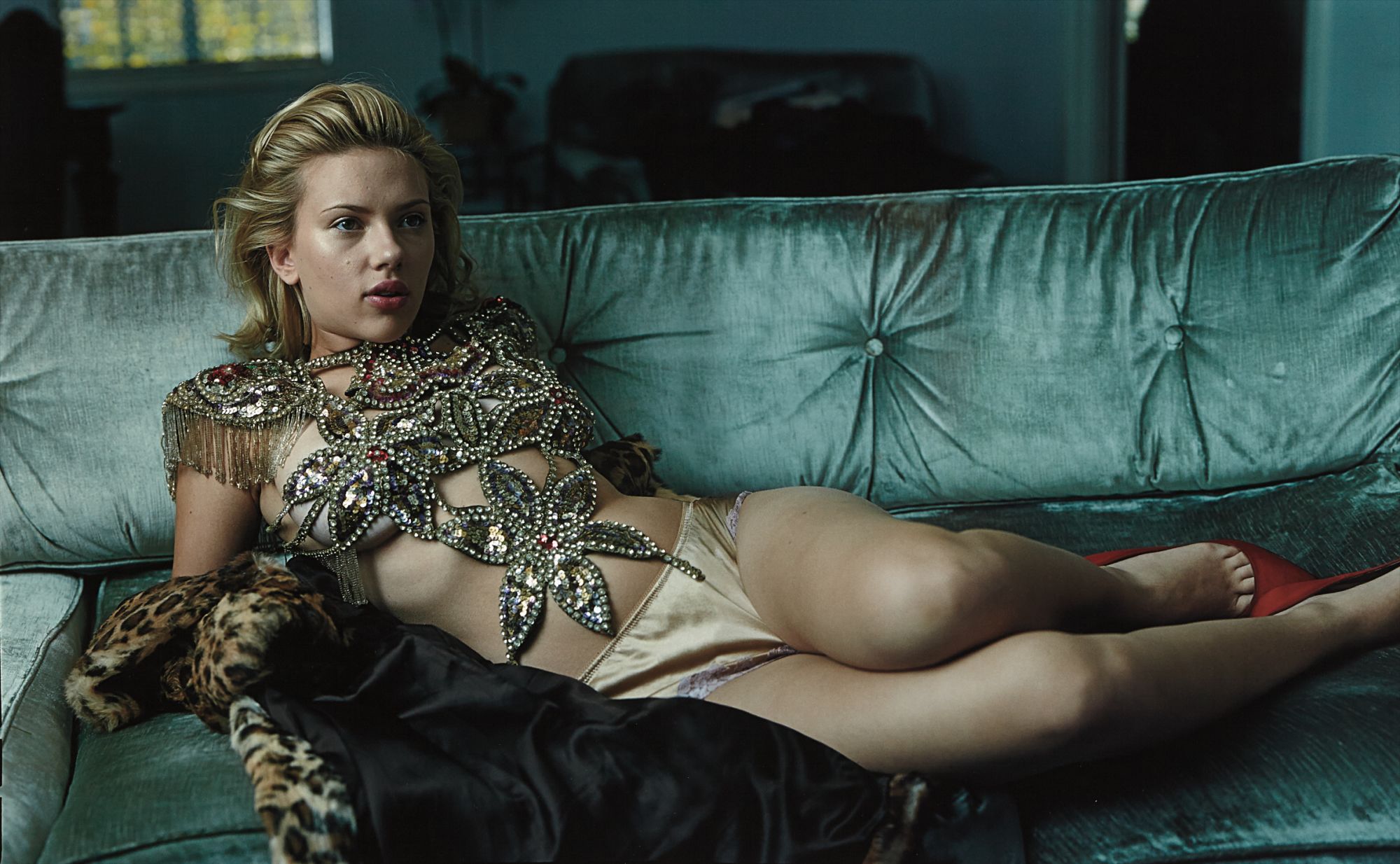
Annie Leibovitz
Scarlett Johansson
LaChapelle in particular constructed images of such theatrical density that they invite the same slow looking as a Baroque canvas. Ellen von Unwerth brought a very different sensibility, one rooted in the snapshot aesthetic and an unguarded intimacy that made her figures feel caught rather than posed. Gavin Bond's portraiture, meanwhile, has worked in the space between celebrity and psychological truth, a lineage that connects directly to the grand tradition of painted portrait commissions. Technically, what unites figurative art across its many registers is a commitment to the body as a generator of meaning.
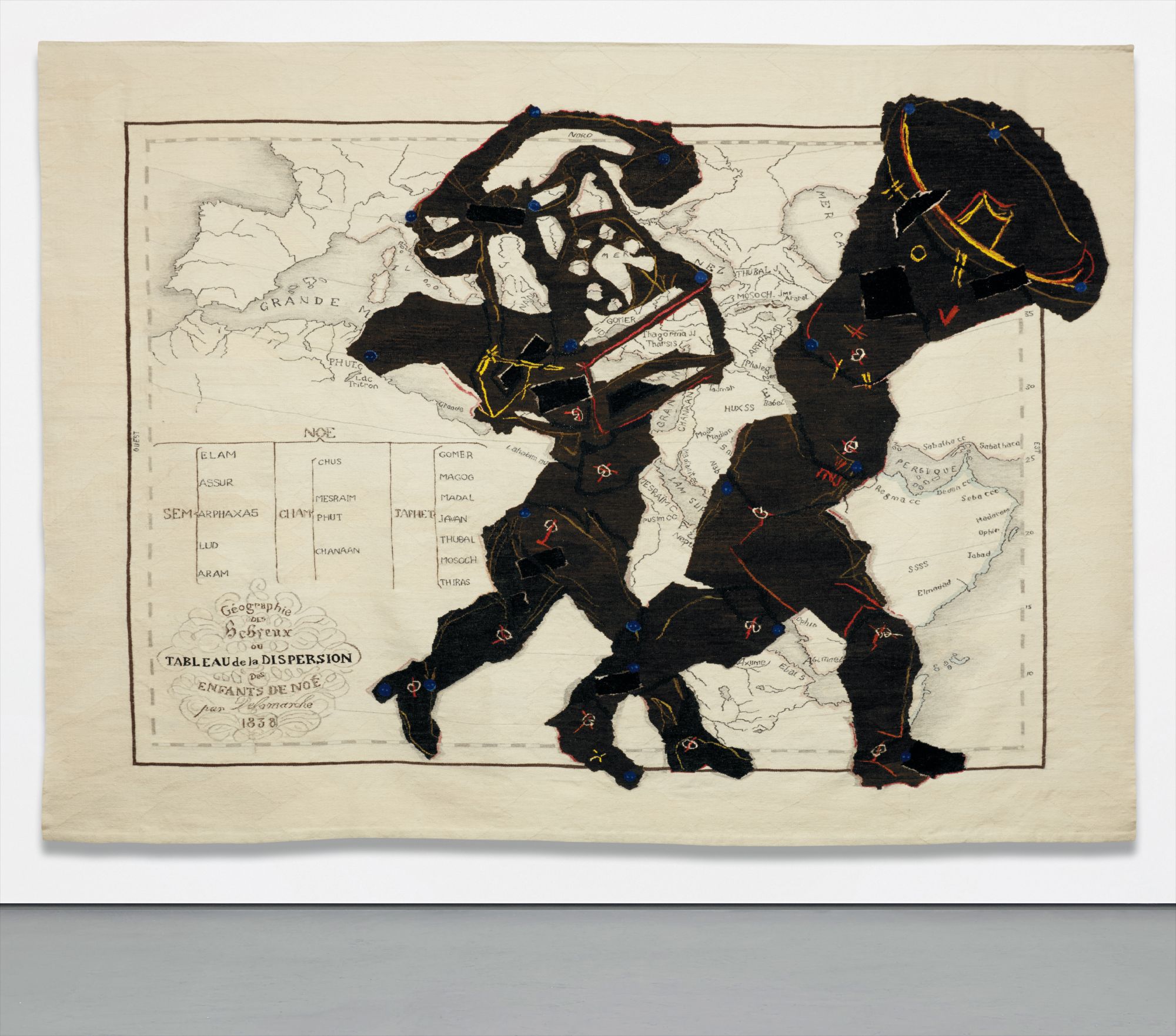
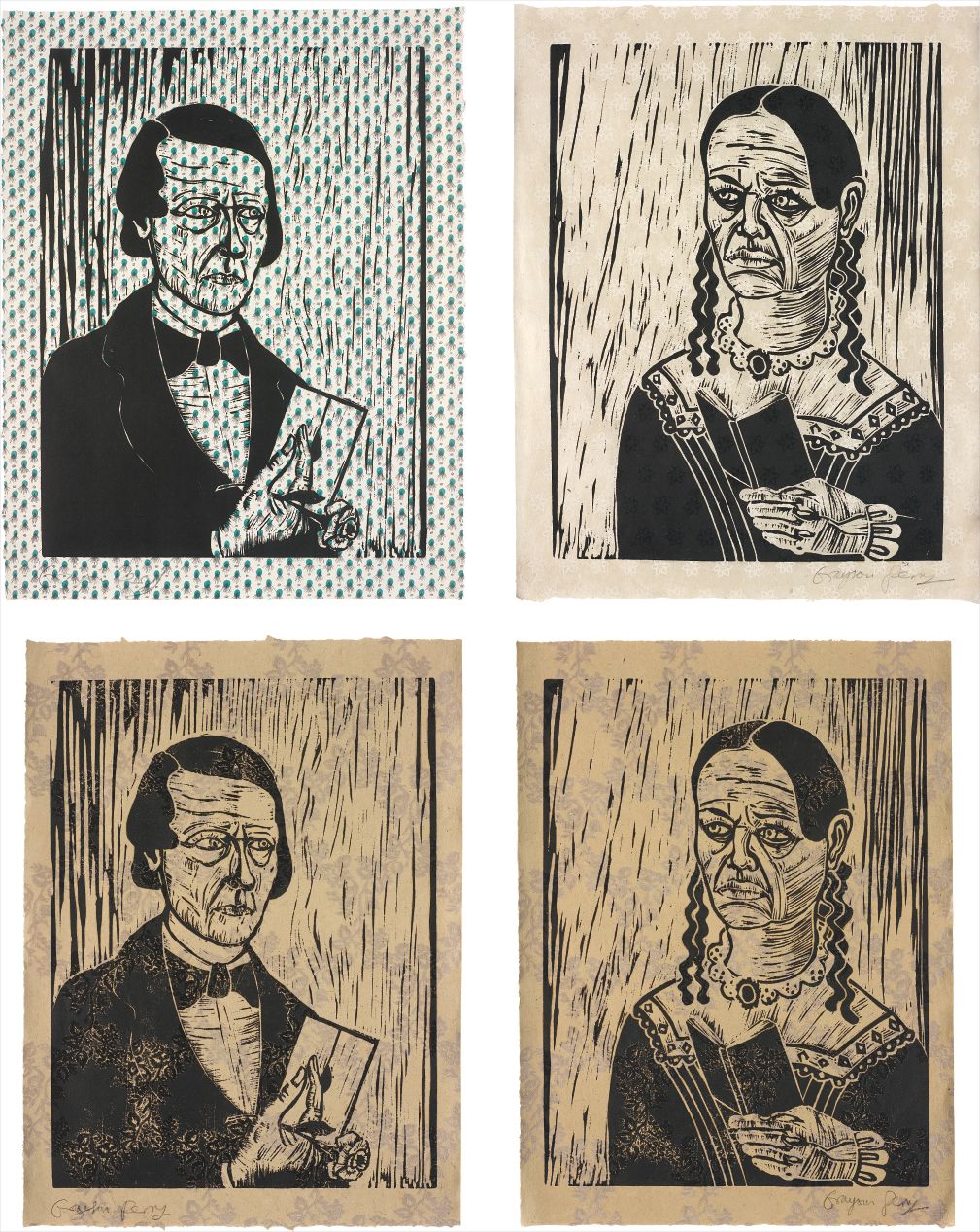
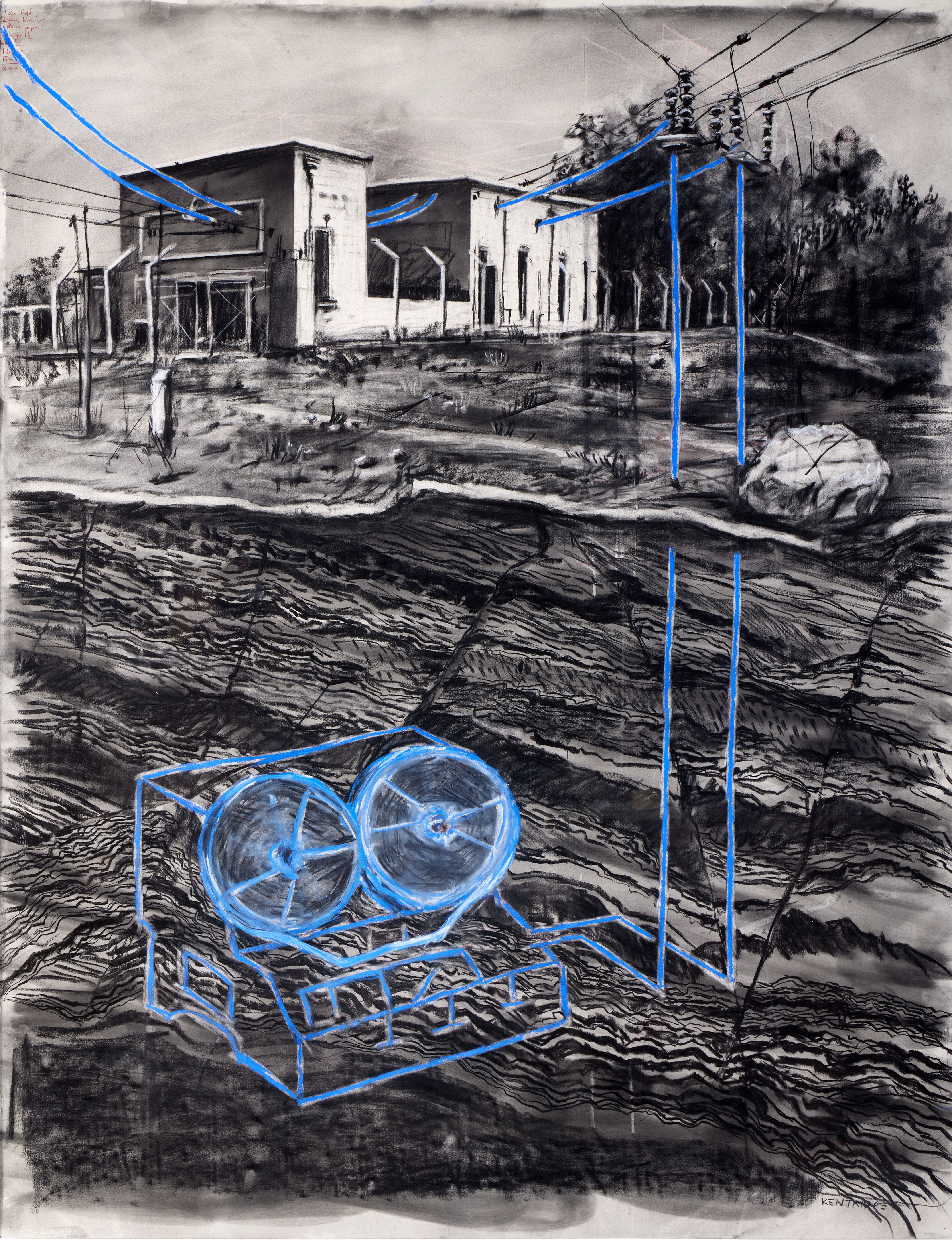
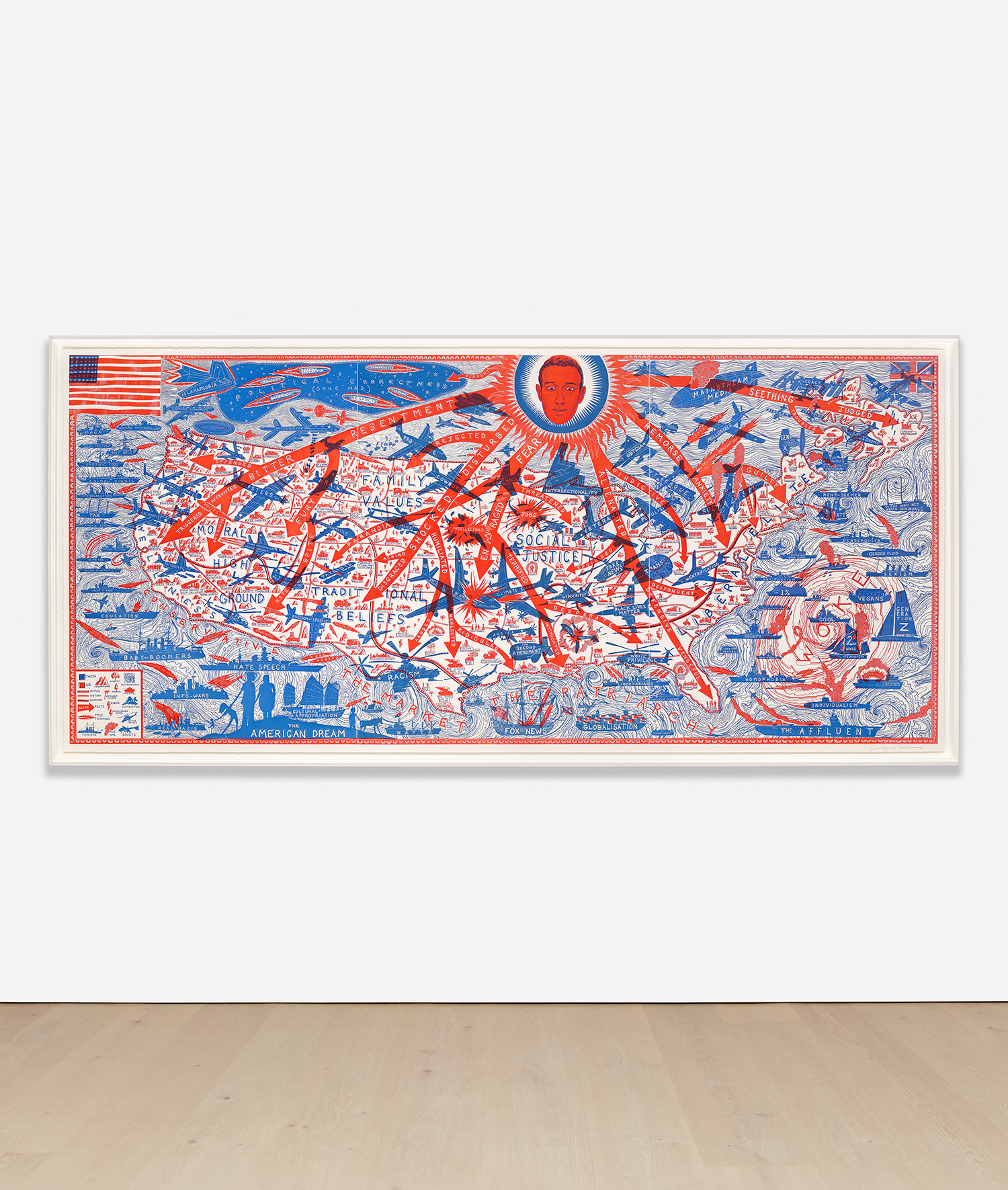
Whether the approach is Grayson Perry's tapestries and ceramics, where figures carry dense layers of social satire and personal narrative, or William Kentridge's charcoal drawings in which figures emerge and are erased in a continuous meditation on history and erasure, or Wayne Thiebaud's sun drenched Californian subjects rendered with an almost confectionery palette, the figure is always doing something beyond simply being present. It is always a site where the artist's concerns concentrate and become visible. Younger artists on The Collection extend this conversation in compelling directions. Louise Giovanelli works with a painterly technique of extraordinary refinement, building surfaces of almost uncanny luminosity.
Pam Evelyn brings a gestural energy to the figure that sits comfortably in the lineage of British painting while feeling entirely her own. Os Gêmeos bring the figurative traditions of Brazilian street art into dialogue with a surrealist imagination that is entirely their own construction. Kostya Totibadze connects contemporary Russian painting to a long folk tradition. Each of these artists is doing what the best figurative work always does: using the body to say something that only the body can say.
The durability of figurative art is not simply a matter of market taste or collector conservatism. It reflects something more fundamental about how human beings make and receive meaning. We are wired to read faces, to find ourselves in other bodies, to understand the world through the stories that figures enact. Figurative art is where that instinct meets the full force of artistic intelligence, and the results, across centuries and cultures and media, never stop being worth looking at.