Expressionist Color
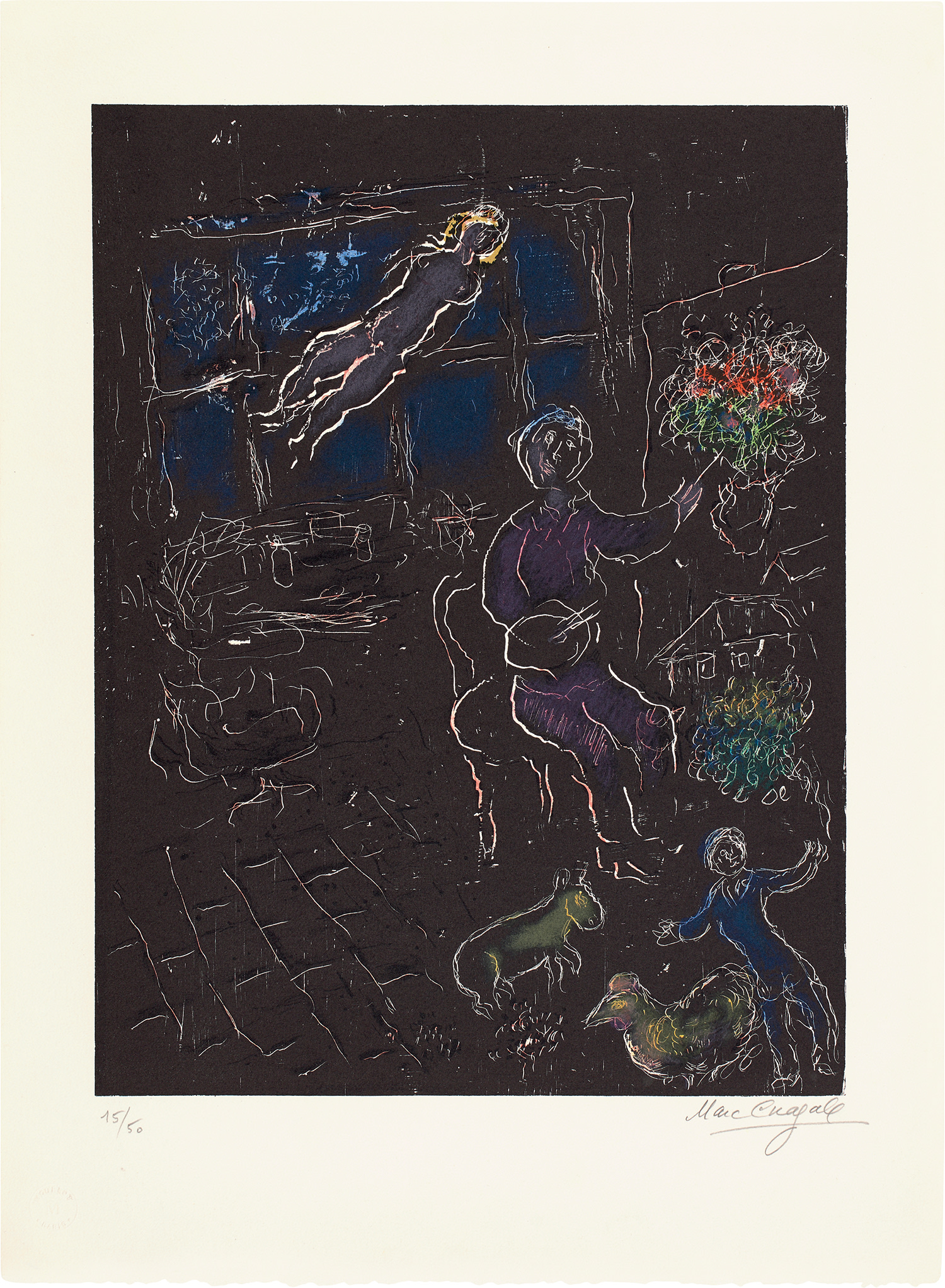
Marc Chagall
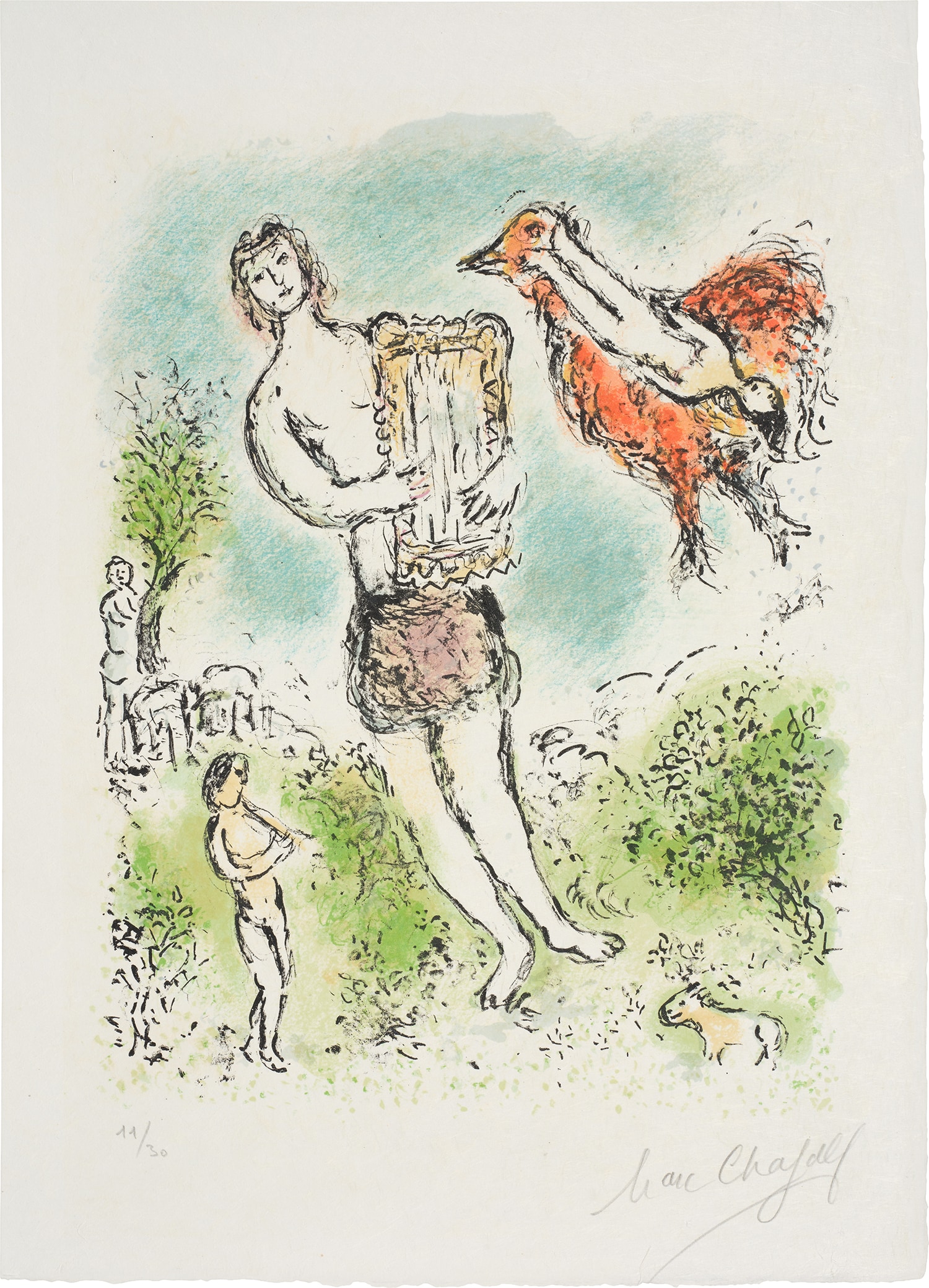
L'Atelier de nuit (The Night Workshop) (M. 961)
Color as Confession: Expressionism's Relentless Now
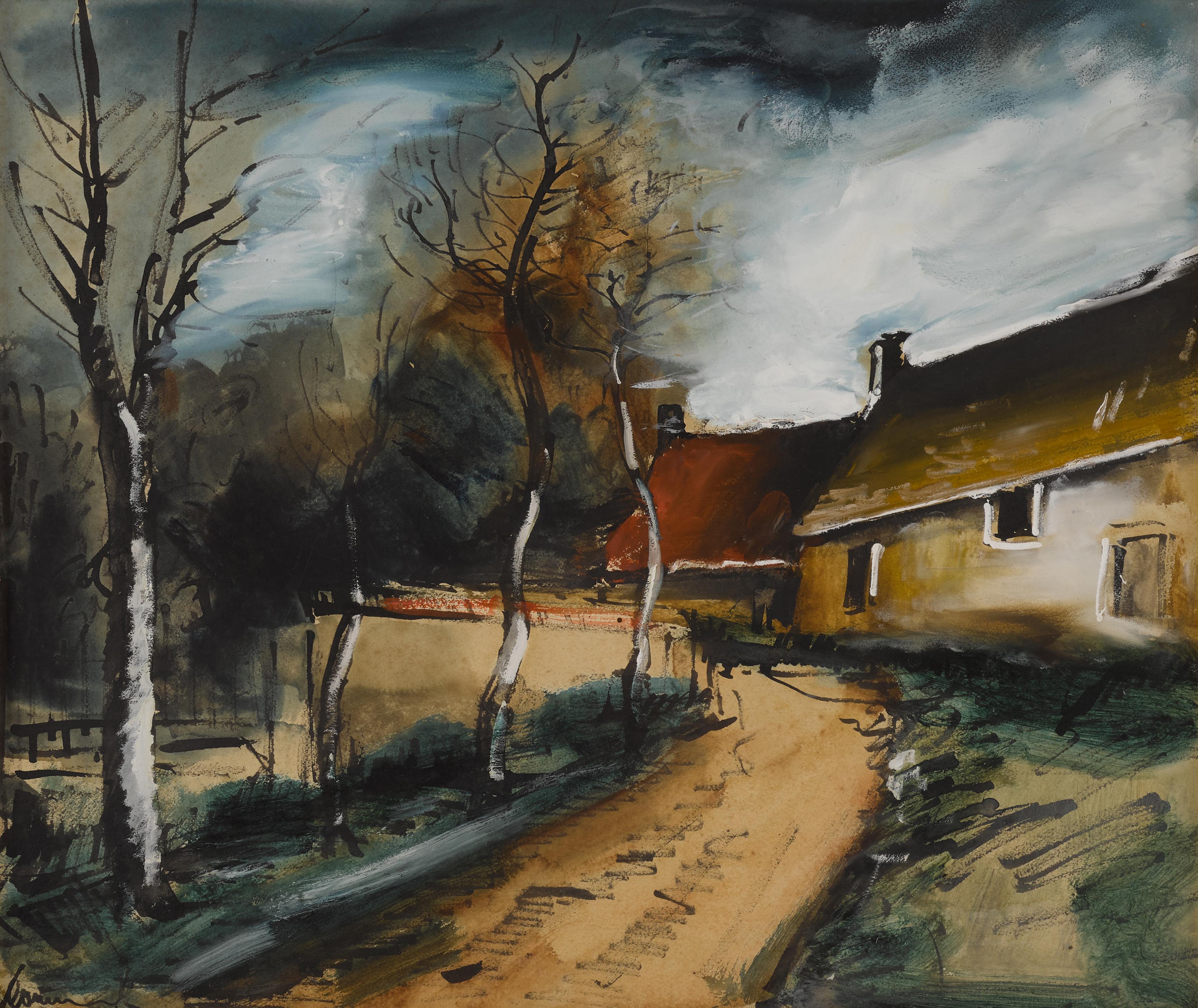
When a Maurice de Vlaminck landscape sold at Christie's Paris for well above its high estimate in a recent Impressionist and Modern Art evening sale, the room understood something important. It was not simply nostalgia talking. The bidding reflected a genuine conviction that the raw, unmediated force of Fauvist and Expressionist color remains one of the most emotionally legible languages in the history of Western art. In a market often dominated by blue chip abstraction and contemporary spectacle, the continued appetite for works defined by chromatic intensity and psychological urgency speaks to something deeper than fashion.
The critical rehabilitation of color as a primary expressive vehicle rather than a decorative afterthought has gathered momentum across institutions and publications over the past several years. The Museum of Modern Art's long term commitment to contextualizing early twentieth century European modernism within broader emotional and political frameworks has helped shift the conversation. Similarly, the Tate Modern's exhibitions exploring the roots of figuration and the body have created space for reassessing artists like Vlaminck, whose legacy once seemed settled but now invites fresh scrutiny. When curators start asking why certain paintings feel so urgent, the answer keeps pointing back to color choices made with something close to desperation.
Marc Chagall
L'Atelier de nuit (The Night Workshop) (M. 961)
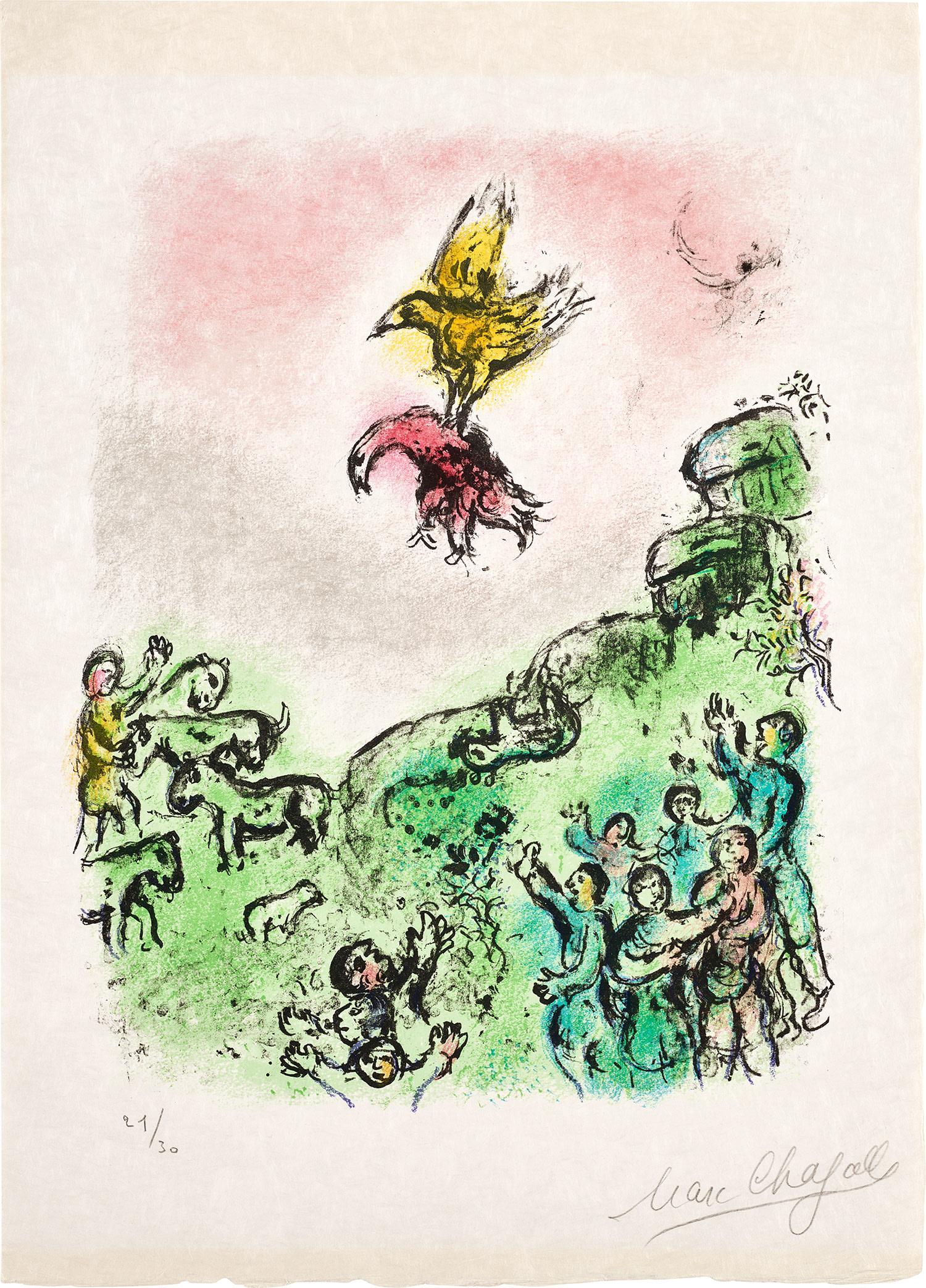
Maestros like Marc Chagall complicate any simple reading of Expressionism as a purely anguished movement. Chagall's chromatic world is one of the most distinctive in all of modern art, a space where cobalt blue nights carry floating figures and where the village of Vitebsk becomes a mythological landscape rendered in greens and reds that seem to arrive from dreams rather than from observed nature. The major retrospective organized by the Musée National Marc Chagall in Nice, which traveled and generated significant critical discussion, reminded visitors that his colorism was not simply poetic whimsy but a sophisticated theological and emotional grammar developed over decades. Auction results for his works continue to reflect this understanding, with strong pieces regularly achieving eight figure results at the major houses.
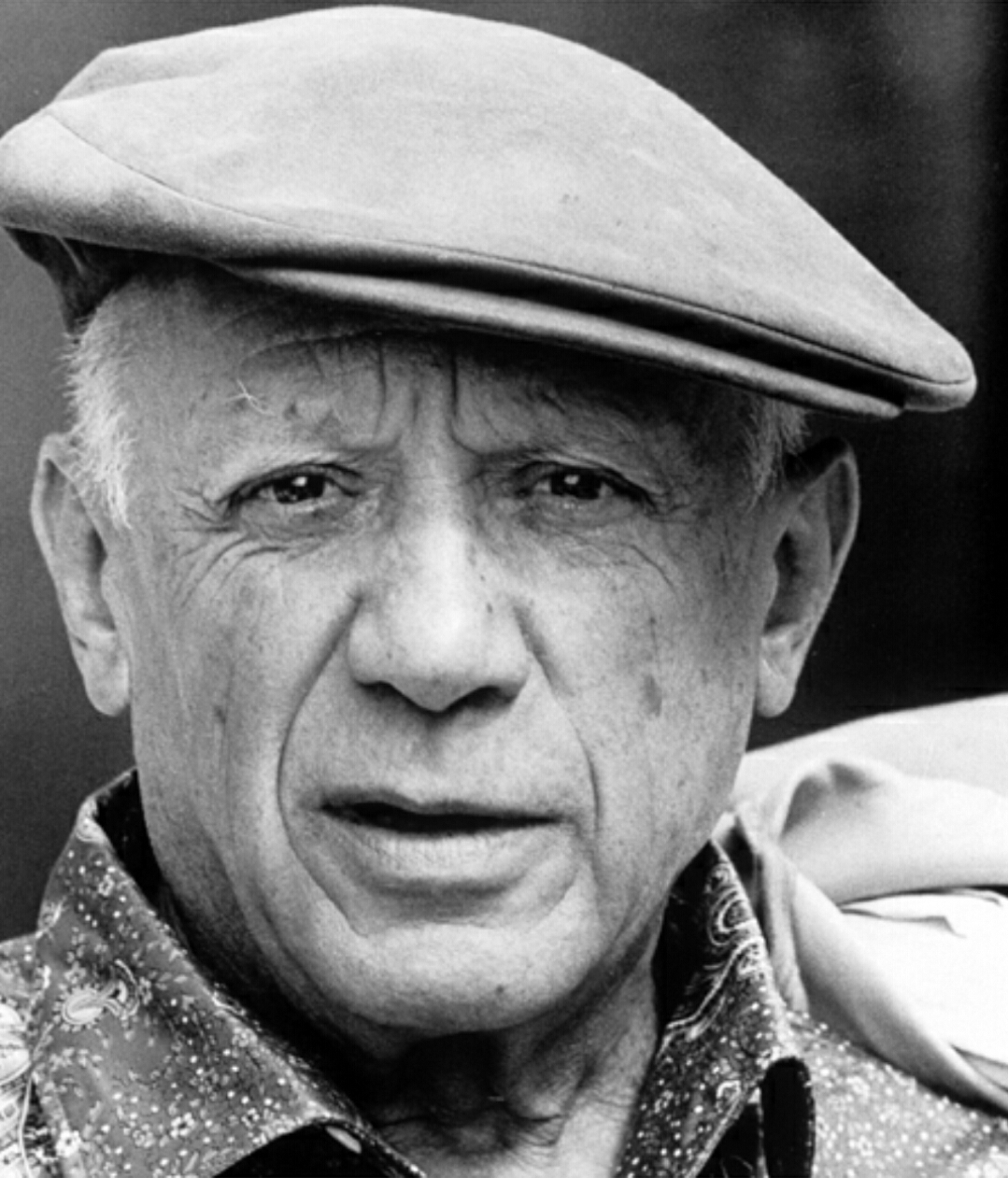
Picasso's relationship to Expressionist color is a more contested chapter. Though he resists easy categorization within Expressionism proper, his presence in any discussion of color as psychological force is unavoidable. His Rose Period and the emotionally loaded canvases of the early 1900s established a template for how pigment could carry biographical weight. At auction, major Picasso works command prices that skew any direct comparison, but the insight his presence offers is about context: collectors who live with Picasso understand intuitively what Vlaminck or Chagall were reaching toward when they treated color as confession rather than description.
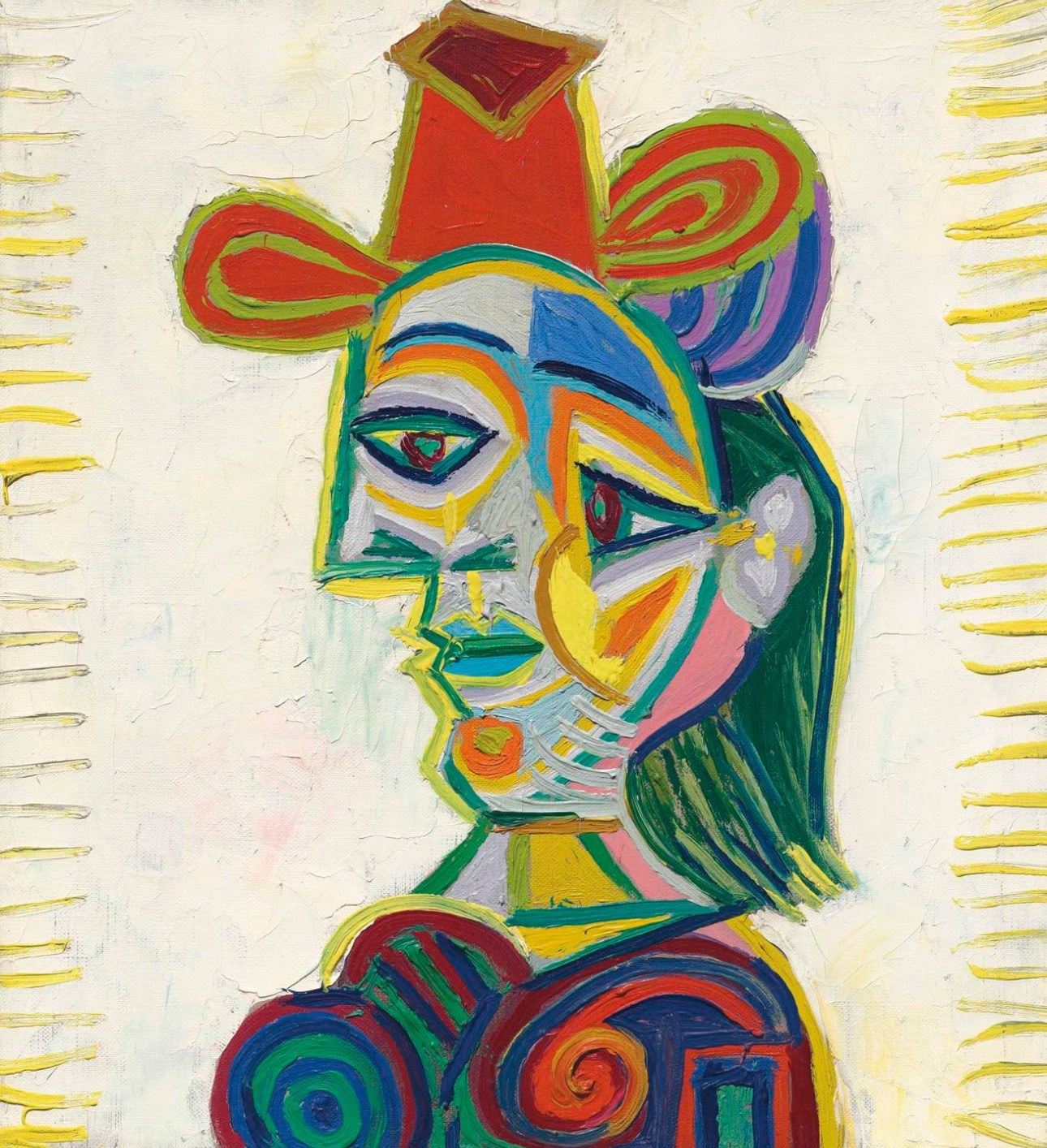
Pablo Picasso
Buste De Femme (Dora Maar), 1938
The works on The Collection that include Picasso sit comfortably alongside the Expressionist sensibility precisely because that sensibility was always in conversation with him. The critical conversation is being shaped by a generation of writers who are impatient with formalism as the only framework. Critics associated with publications like Frieze, Apollo, and the Burlington Magazine have increasingly placed emotional and phenomenological questions at the center of serious art writing. What does this color do to a body standing before it?
What does it demand or withhold? These questions feel newly urgent. Curator Pepe Karmel's writing on early modernism and the role of subjective experience in shaping pictorial space has been influential, as has the work of scholars reexamining the German and French avant gardes without the heavy scaffolding of Cold War era teleology. The result is a field that feels open in ways it has not for some time.
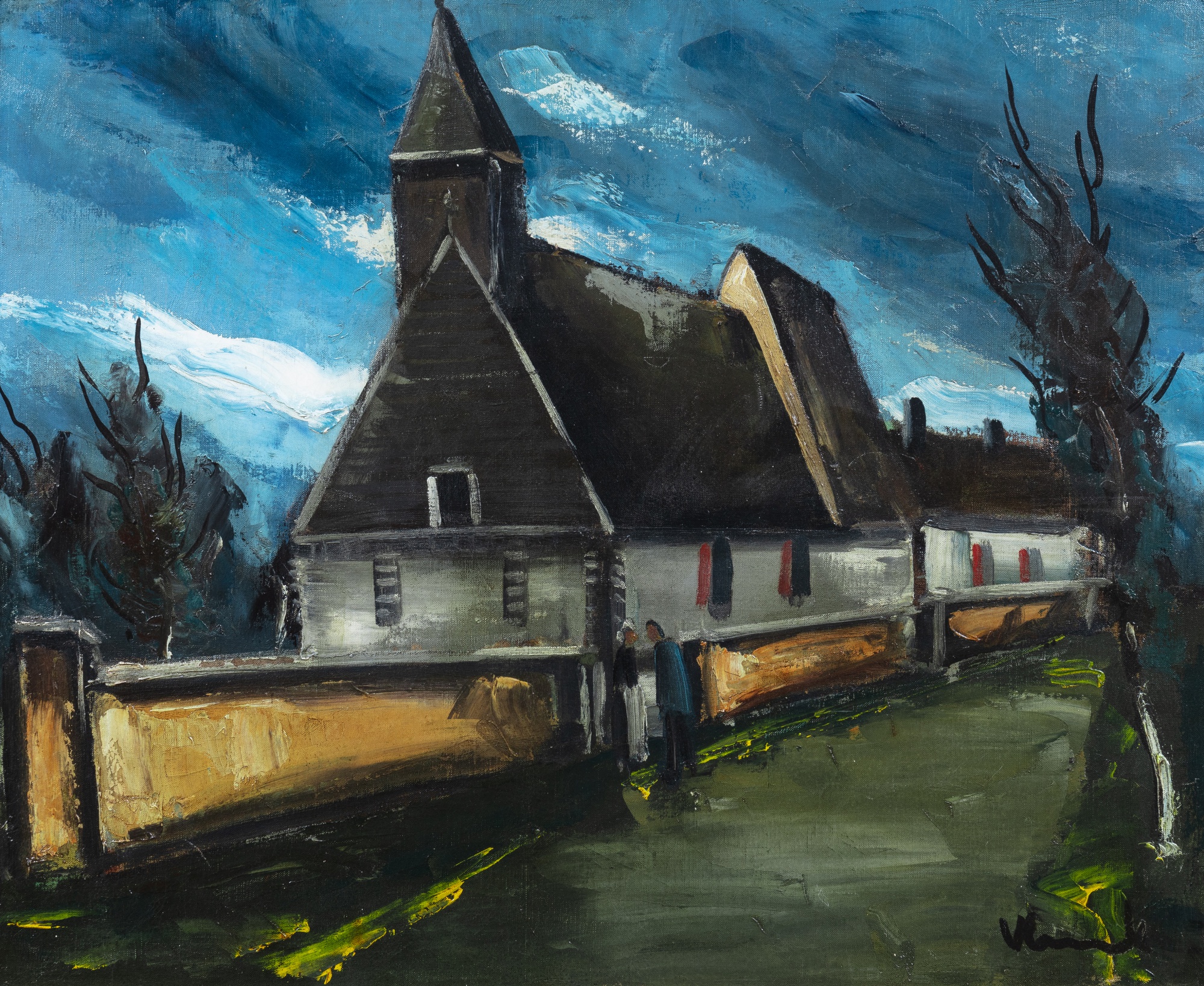
Maurice de Vlaminck
Château et Eglise de Ledenix (environs d'Oloron Sainte-Marie), 1925
Institutional collecting signals are worth watching carefully. The Städel Museum in Frankfurt and the Kunstmuseum Basel have both made strategic acquisitions in the past decade that emphasize the emotional and social dimensions of Expressionist work rather than treating these pieces simply as period documents. American institutions, including the Art Institute of Chicago and the Metropolitan Museum of Art, have deepened their interpretive programming around Expressionist color, placing these works in dialogue with contemporary painters who acknowledge the lineage openly. When museums spend money on interpretation and rehang galleries rather than simply acquiring, they are telling you where intellectual energy is actually flowing.
Vlaminck deserves particular attention in this moment. For decades his reputation suffered from an oversimplification, reduced to a Fauvist footnote and then largely left there. But the thunderous, almost violent skies in his later landscapes and the raw chromatic clashes of his earlier period now read very differently to collectors who have spent years with color field painting and gestural abstraction. He is the kind of artist whose full force arrives sideways, unexpectedly, when you stop comparing him to Matisse and start listening to what the paintings themselves are insisting on.
The market has not fully caught up with the critical reassessment, which means there is real opportunity for collectors paying attention. Chagall's works on The Collection represent an invitation to sit with one of the twentieth century's most singular colorists at close range. The blue that recurs throughout his mature work is almost impossible to describe without sounding reductive. It is a blue that carries folklore and grief and transcendence simultaneously.
It rewards the kind of sustained looking that a private collection makes possible in ways that a museum wall, no matter how excellent, rarely can. Where is the energy heading? There is a growing seriousness around the idea of emotional legibility as a genuine critical virtue rather than a concession to accessibility. Writers and curators who once kept sentiment at arm's length are beginning to ask whether that posture cost us something.
The Expressionist tradition, with its insistence that color is not neutral and that paint can carry lived experience, now looks less like a historical episode and more like a permanent argument about what art is for. The collectors who grasp this, and who act on it, are building collections that will read as prescient rather than conservative.