Decorative Vessel
Unknown
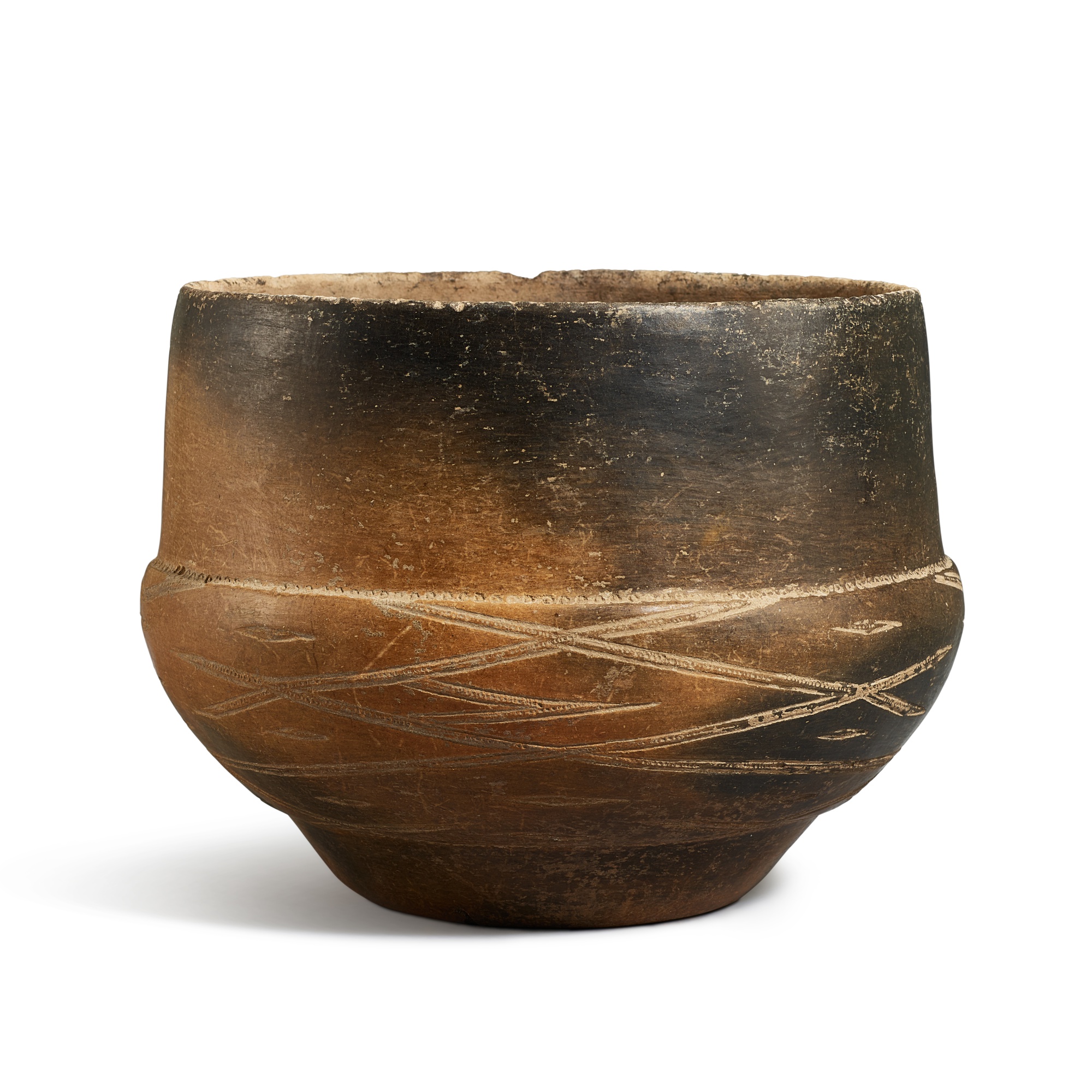
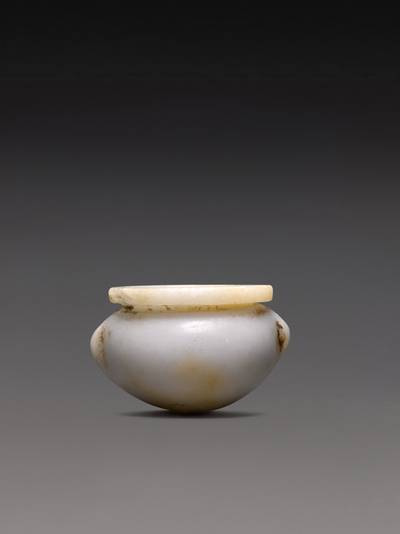
A large grey pottery bowl with engraved designs, Probably Zhaobaogou culture, 5th - 4th millennium B.C. 或為趙寶溝文化 刻紋灰陶盌

The Vessel Holds More Than You Think
There is something almost unreasonable about how much a ceramic vessel can ask of a room. It sits quietly on a shelf or a plinth, it makes no demands, and yet collectors who have lived with exceptional pieces will tell you the same thing: the object pulls at your attention in ways that larger, louder works simply do not. The decorative vessel occupies a strange and privileged position in the collecting world, existing at the intersection of function and pure aesthetic ambition, carrying centuries of human intention in its walls. For many collectors, acquiring one is the beginning of an obsession that reshapes how they see everything else.
What draws people to vessels in the first place is often the quality of presence they generate at a human scale. Unlike a painting, which addresses you frontally and at a distance, a vessel invites circumnavigation. You move around it, you notice how glaze pools at a foot rim or breaks across a shoulder, how a form that looks simple from one angle reveals unexpected tension from another. Collectors who prioritize livability in their collections consistently return to ceramics and vessels because they reward the kind of slow, repeated looking that daily life actually allows.
A Longquan celadon gu-shaped vase,
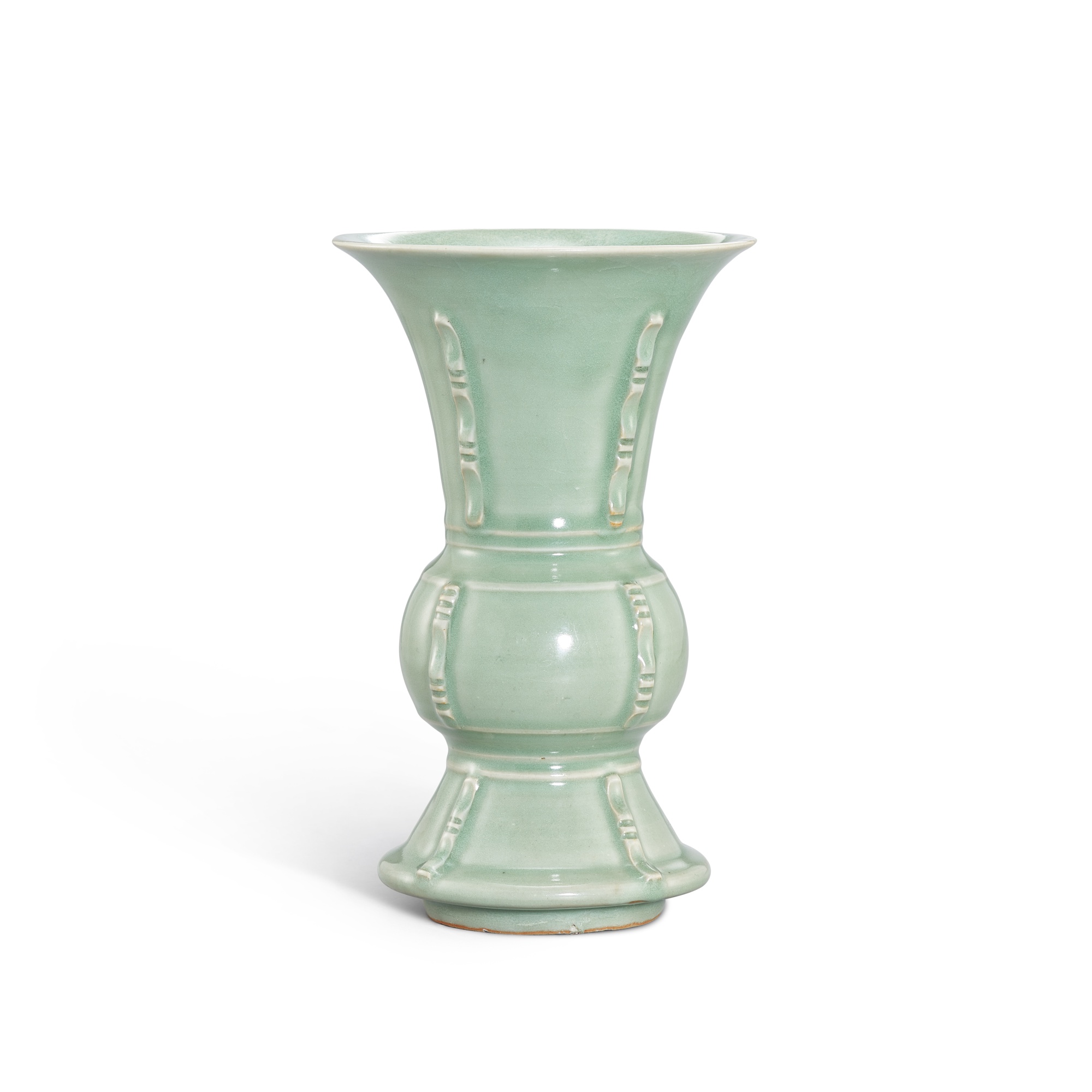
A Longquan celadon gu-shaped vase, Yuan dynasty 元 龍泉青釉花出戟觚
A great vessel changes with the light, with the season, with your mood. Separating good from great in this category requires understanding that form and glaze are inseparable from intention. In Chinese ceramics particularly, the relationship between technical achievement and restrained artistic vision is the central drama. A Longquan celadon piece, for instance, earns its reputation not through decoration but through the almost impossible depth of its glaze, that grey green that seems to hold light inside it rather than reflect it back.
The oil spot bowl tradition pursued something similar through entirely different chemistry, creating metalite constellations across dark grounds through precise control of iron oxide in reduction firing. When you encounter a rare white rimmed oil spot bowl, what you are really looking at is the record of an artist understanding exactly how far they could push a material before it became something else entirely. Condition is, as always, a determining factor, but collectors new to this area sometimes misunderstand what condition means for historical vessels. A Song dynasty piece that has survived intact for nine hundred years carries its age honestly.
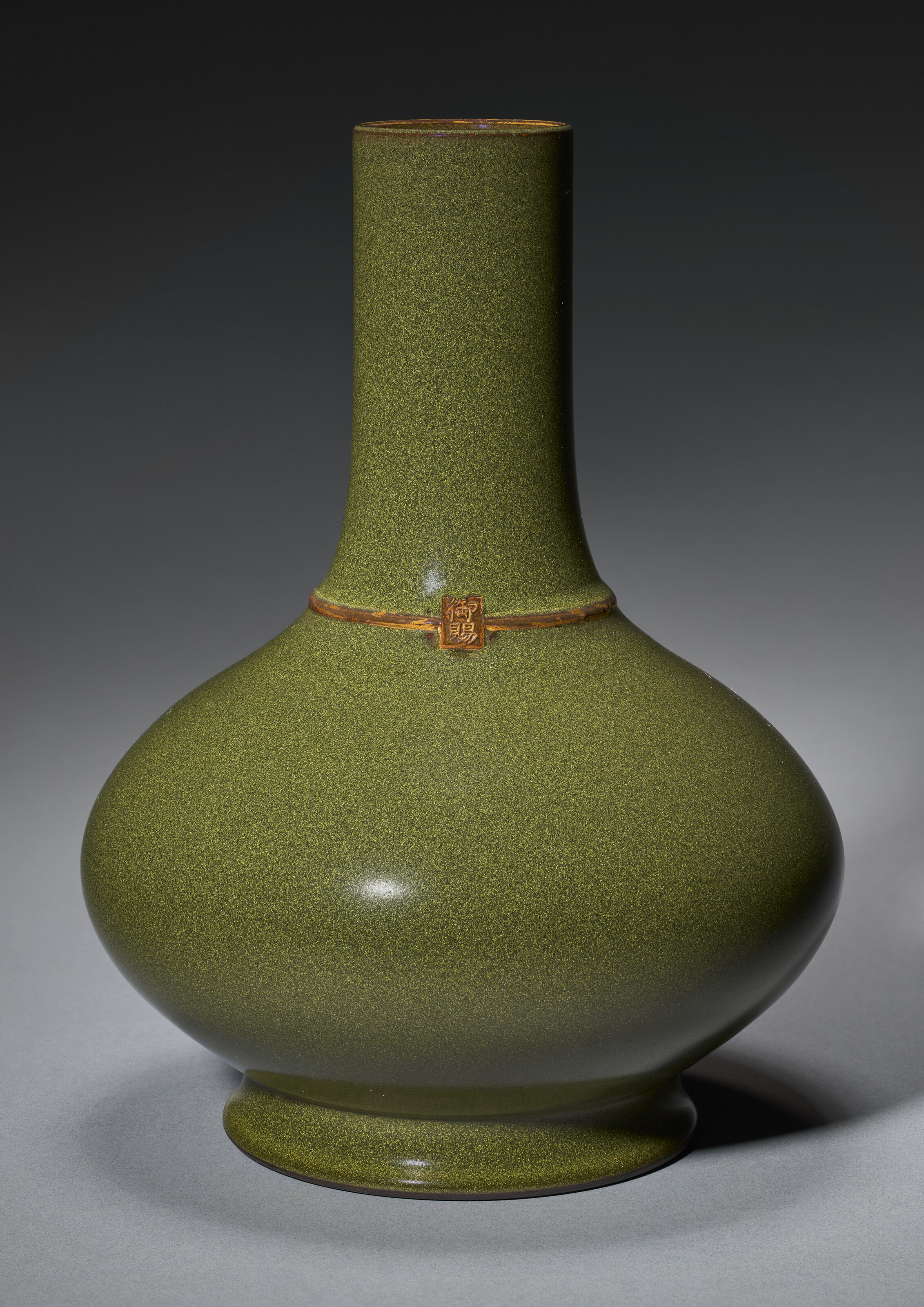
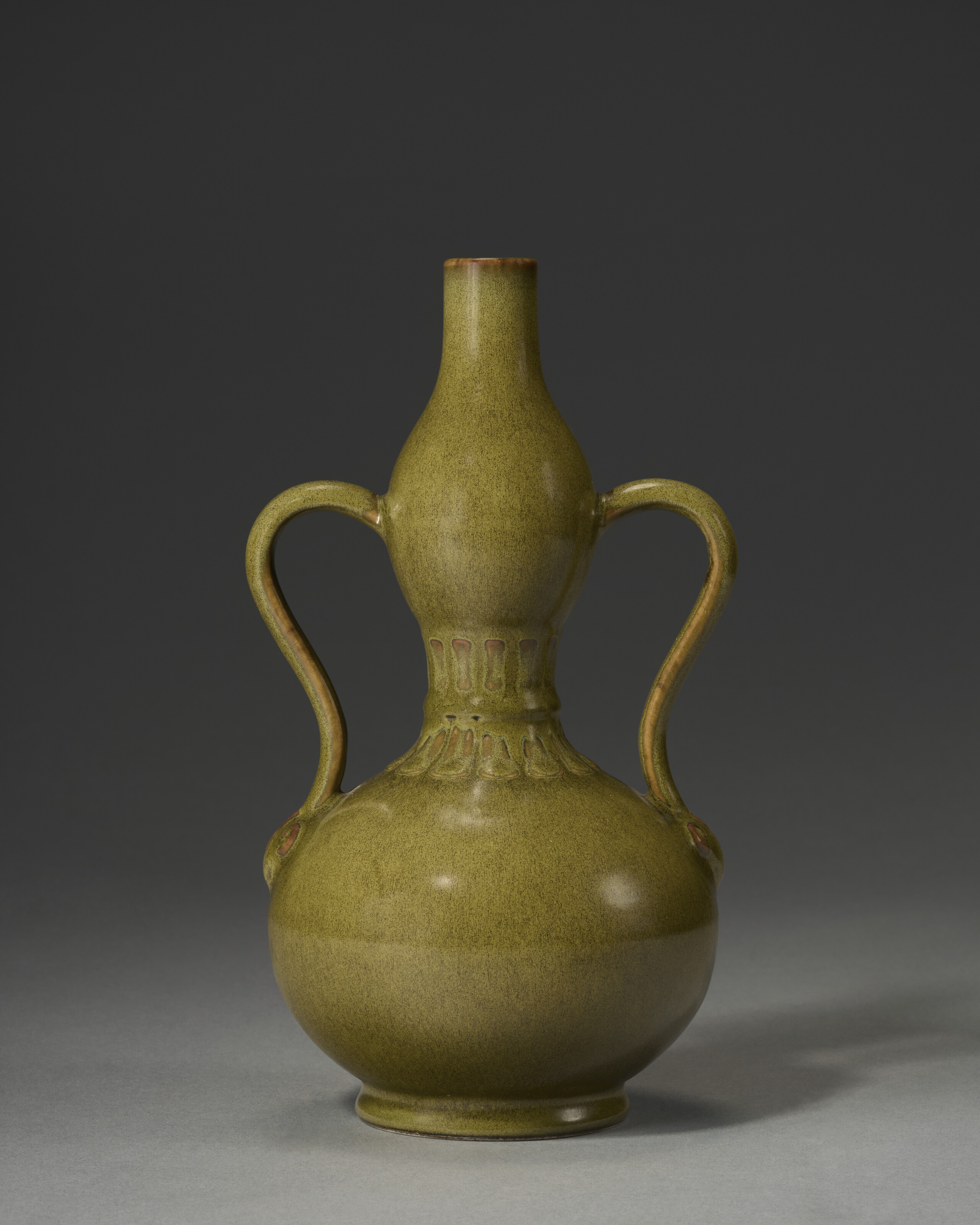
An Exceptionally Rare Teadust-glazed Bottle Vase
QIANLONG IMPRESSED SEAL MARK AND OF THE PERIOD (1736-1795)
The question is not whether a piece shows its history but whether it has been compromised in ways that undermine its integrity. Hairline cracks that have been filled and disguised are a significant concern. Restored rims on pieces where the rim is central to the design, as with the barbed narcissus bowl form associated with Jun ware, fundamentally change what you are looking at. Always ask a dealer directly about restoration, and if possible commission independent thermoluminescence testing on pieces attributed to significant periods.
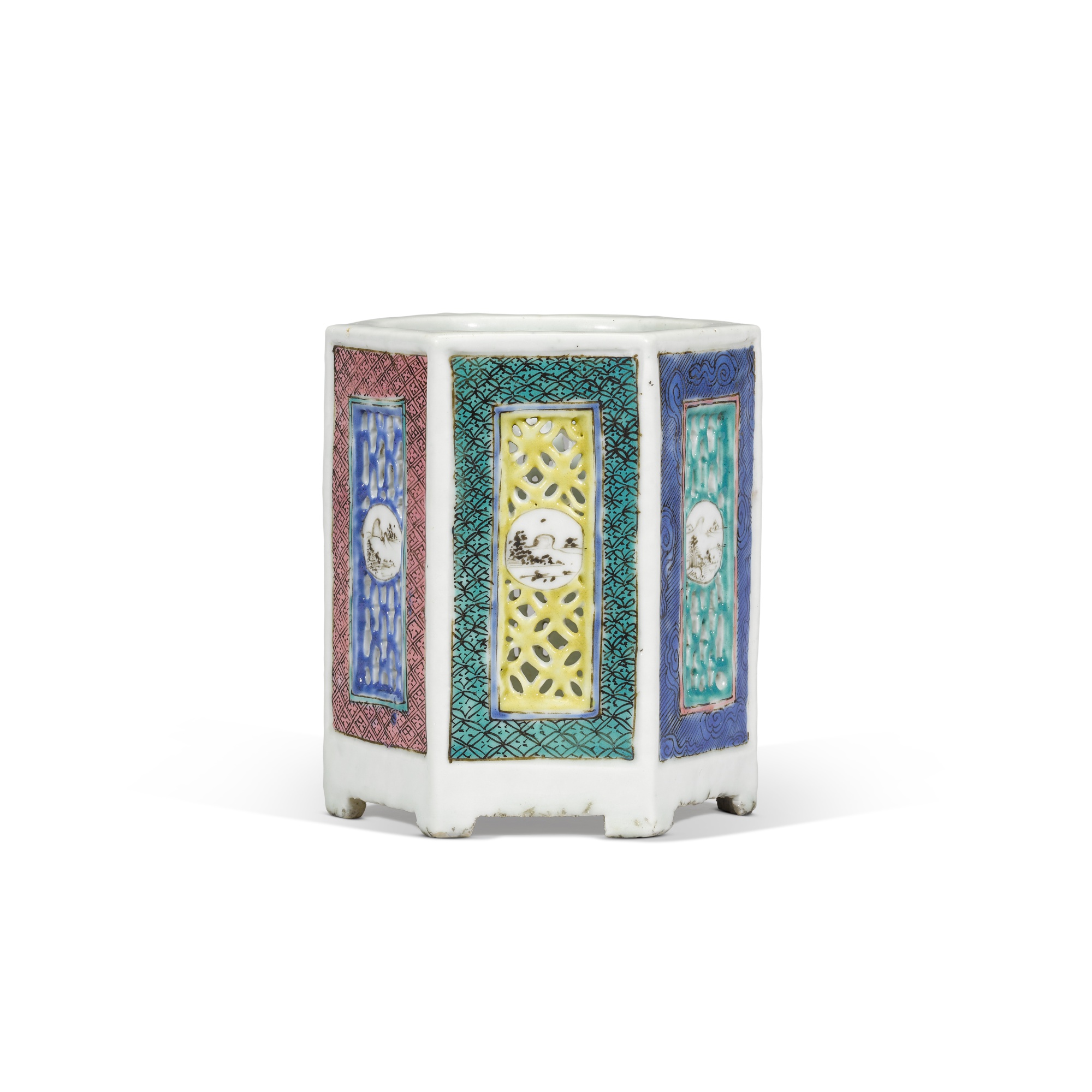
The strongest value propositions in this space consistently involve pieces where scholarly consensus is clear and auction provenance is traceable. Pieces that have appeared in major institutional sales, Christie's important Chinese ceramics auctions or Sotheby's equivalent, carry a paper trail that both validates attribution and tends to stabilize secondary market performance. The Doucai tradition, with its precise overglaze enamels on underglaze blue, represents a category where exceptional pieces command serious prices precisely because the technical bar for a successful piece is extraordinarily high. A Doucai jardinière featuring egrets and a lotus pond, where the drawing maintains its fineness and the enamel palette retains its original intensity, is the kind of work that appreciates consistently because the supply of genuinely fine examples is genuinely finite.
A marbled clay stemcup,
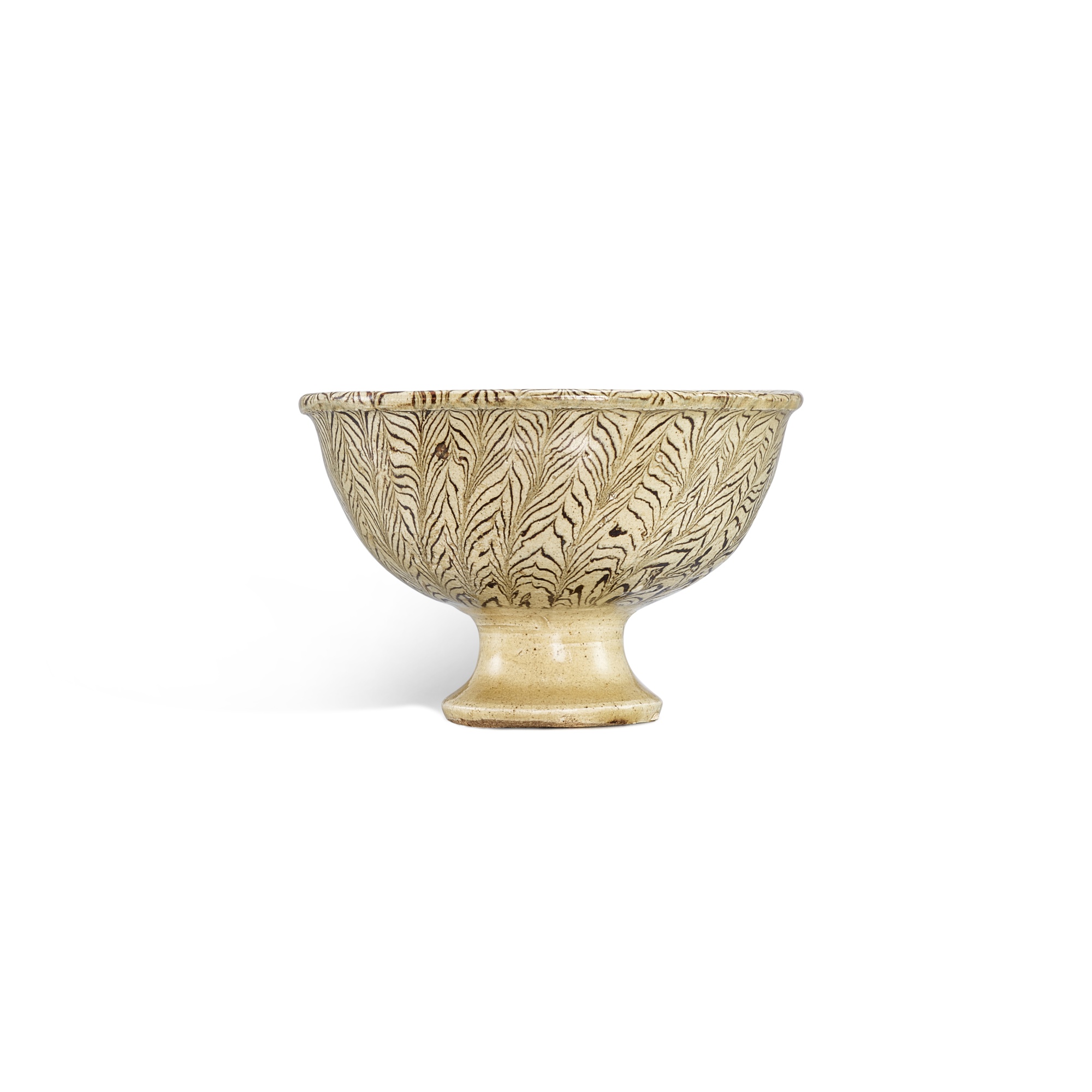
A marbled clay stemcup, Song dynasty 宋 絞胎高足盃
There is also real opportunity in areas that auction houses have historically treated as secondary but which serious collectors and scholars increasingly recognize as among the most sophisticated ceramic traditions anywhere. Cizhou ware, the northern Chinese stoneware tradition known for its bold painted decoration and sgraffiato techniques, spent decades undervalued relative to the court traditions it ran alongside. A Cizhou white glazed sgraffiato peony jar represents a tradition of vigorous, confident mark making that looks startlingly contemporary and yet is rooted in northern Song and Jin dynasty craft. These pieces remain accessible relative to their art historical importance, which is exactly the kind of misalignment that experienced collectors look for.
Sassanian silver, Egyptian anhydrite vessels, and early Near Eastern forms represent an adjacent opportunity that fewer ceramics focused collectors explore. The Egyptian anhydrite miniature cosmetic vessel exists in a category where authenticity documentation is critical and where museum deaccessions and old European collections represent the most reliable sourcing. These pieces appeal to collectors who think across civilizations rather than within single traditions, and they hold their value because the community of serious buyers is knowledgeable and stable rather than trend driven. For display, the instinct to group vessels is often worth resisting.
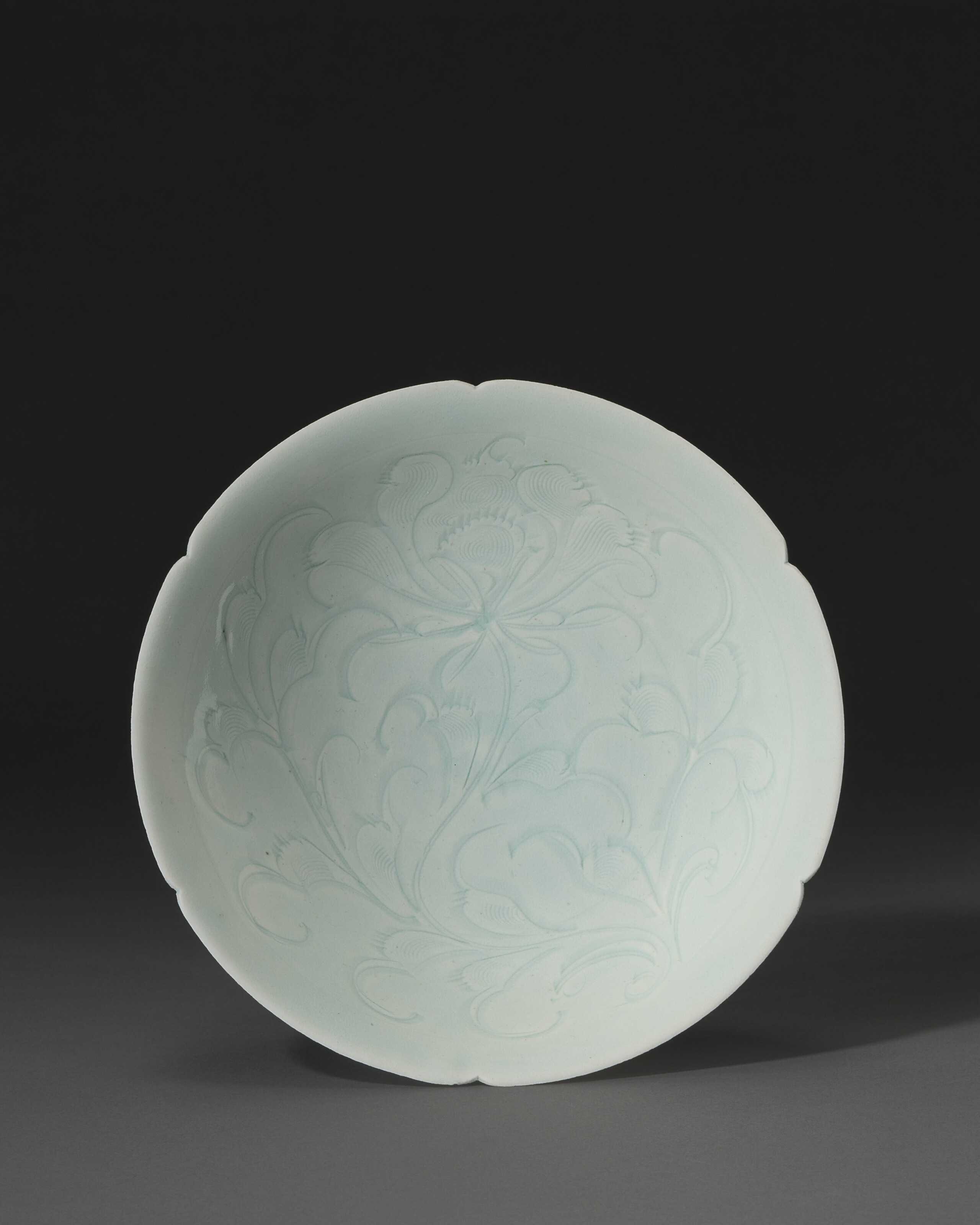
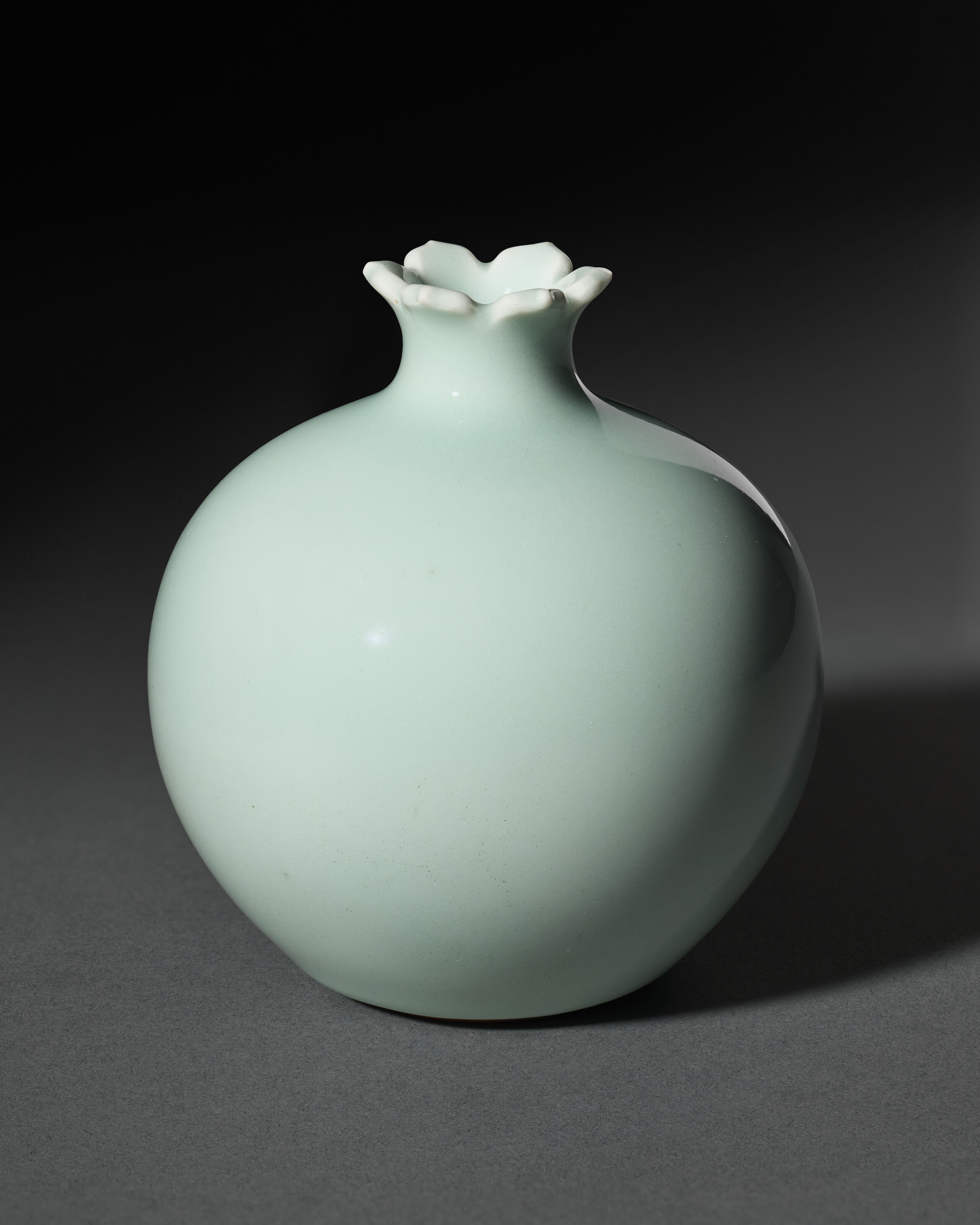
A Carved Qingbai Foliate Bowl
NORTHERN SONG DYNASTY (AD 960-1127)
A single exceptional piece given genuine space and light will tell you far more about itself than it can when competing for attention. Consider the direction and quality of light at different times of day before committing to a position, since celadon glazes and oil spot surfaces read completely differently in morning and evening light. If you are acquiring pieces with covers, always store the covers with the pieces and document their relationship photographically. Covers that become separated from their vessels lose a significant portion of their market value and, more importantly, a significant portion of their meaning.
The practical conversation to have with any gallery or dealer involves three questions. Ask for the complete provenance record, not just the most recent sale. Ask specifically what restoration if any has been carried out and request that any answer be put in writing. And ask the dealer where they believe the piece sits within the known body of comparable works, not because you need to defer to their opinion but because the quality and confidence of the answer tells you a great deal about how well they know what they are selling.
A vessel that has been properly understood by the person offering it is almost always a better acquisition than one that simply looks right.