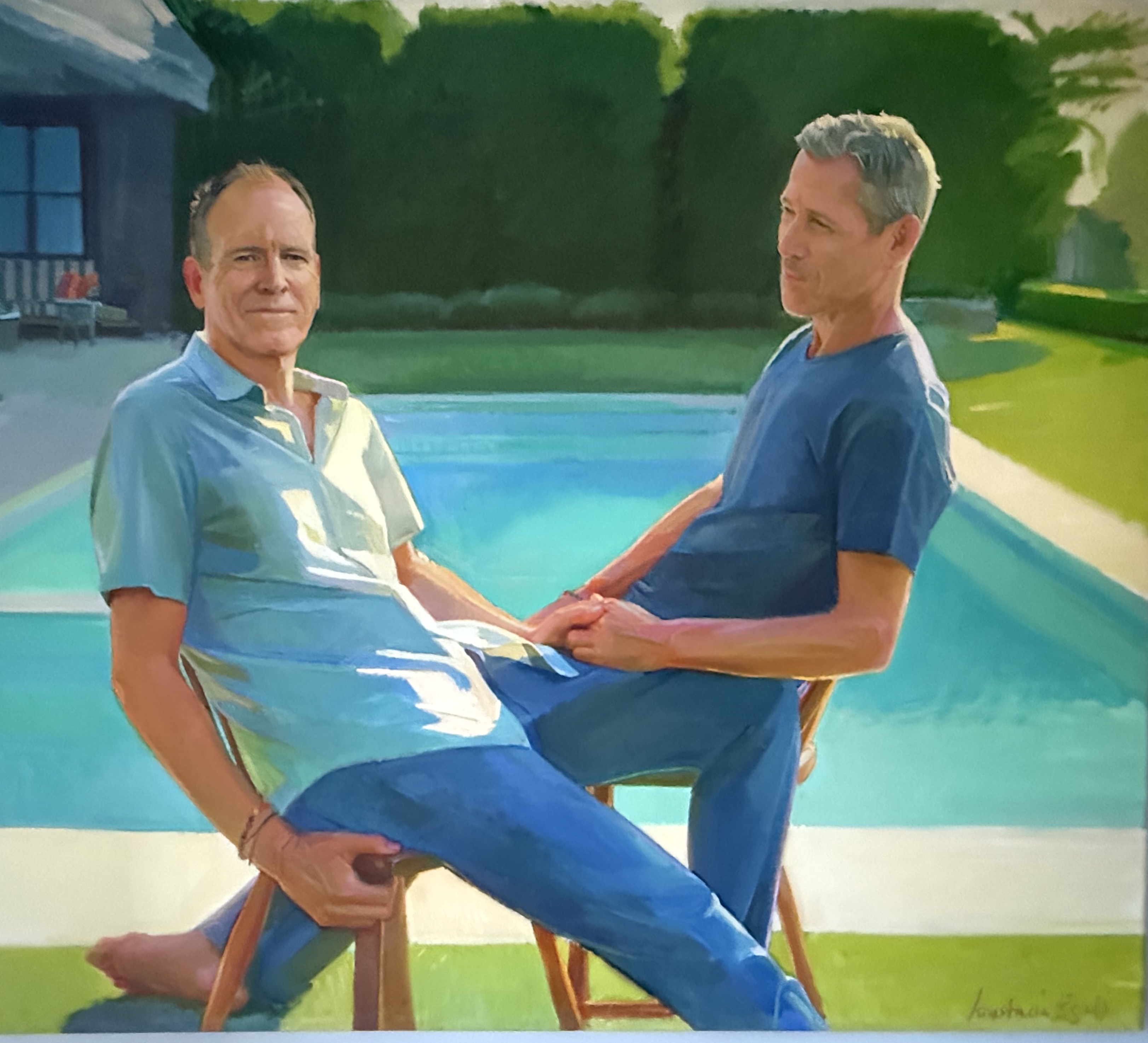
Celebrated Contemporary Master
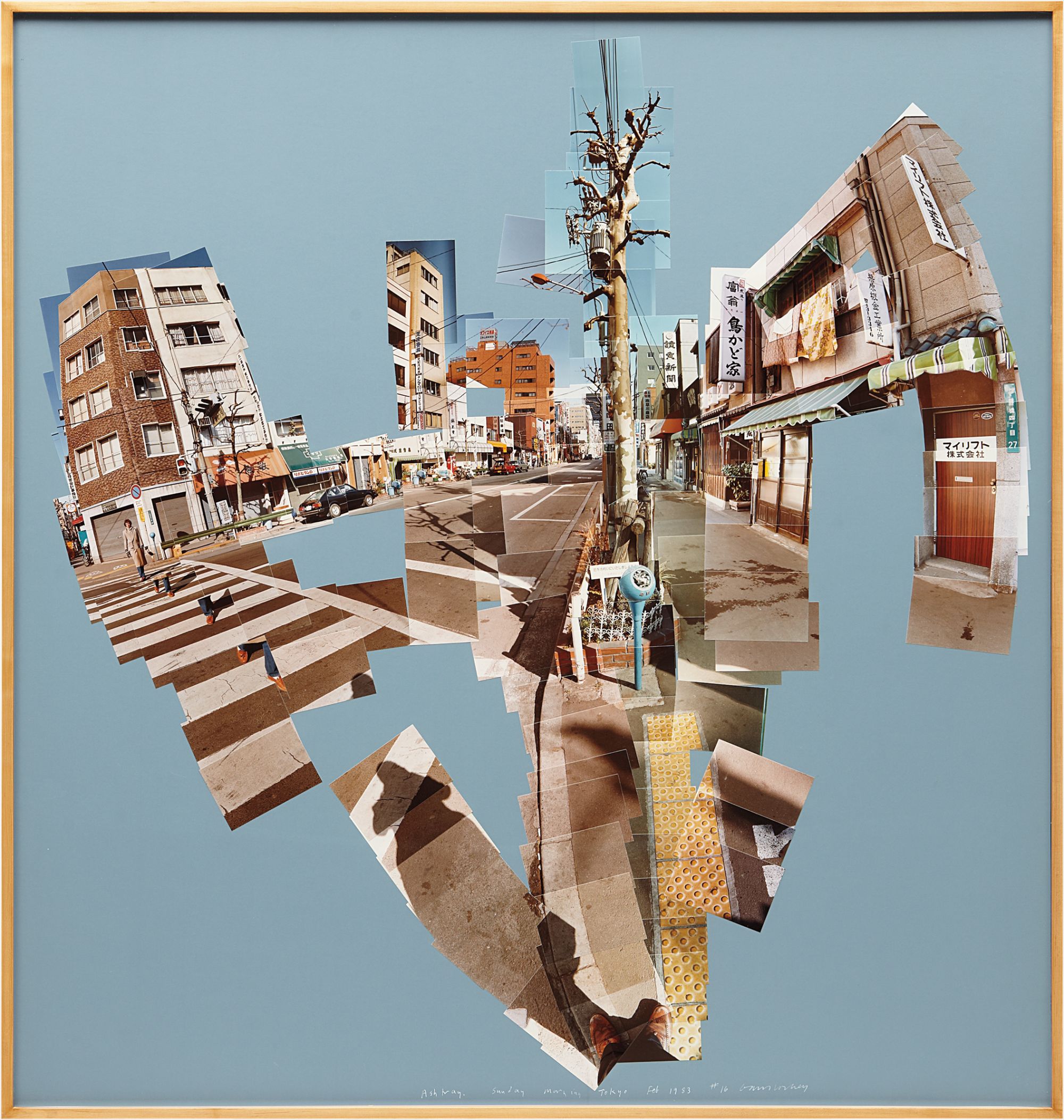
David Hockney
Ashtray, Sunday Morning Tokyo, Feb.
Artists
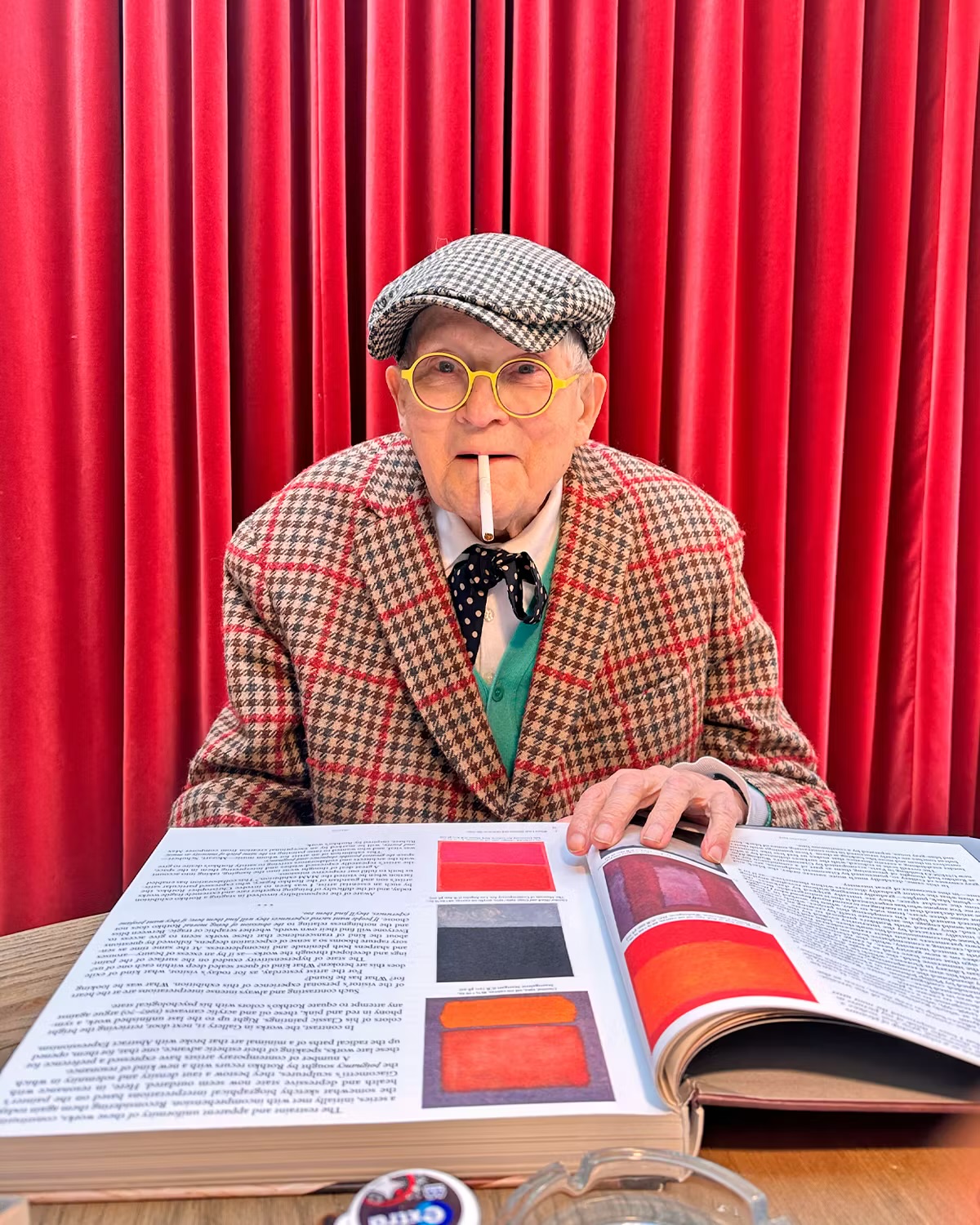
Living With Greatness: The Case for Celebrated Masters
There is a particular quality of attention that comes with sharing your home or office with a work by an artist who has genuinely changed how we see the world. It is not the satisfaction of ownership alone, though that is part of it. It is something closer to a sustained conversation, the sense that the work keeps giving back, keeps shifting slightly depending on the light or your mood or what you had for breakfast. Collectors who have lived with work by a true contemporary master often describe this quality in almost the same terms, regardless of the artist or the medium.
The work holds. It does not exhaust itself. This is ultimately what separates a master from a merely successful artist. The market has a way of sorting this out over time, but experienced collectors develop an instinct for it earlier.
David Hockney
Ashtray, Sunday Morning Tokyo, Feb.
You are looking for coherence across a body of work, a vision so distinctly formed that you could identify the hand without a label. You are also looking for works that sit outside the safe center of an artist's production, pieces that were made when something was genuinely at stake. The comfortable retrospective survey print has its place, but the works that appreciate in both monetary and emotional value tend to be those where you can feel the artist pushing against something. David Hockney is perhaps the clearest example of this principle in action.
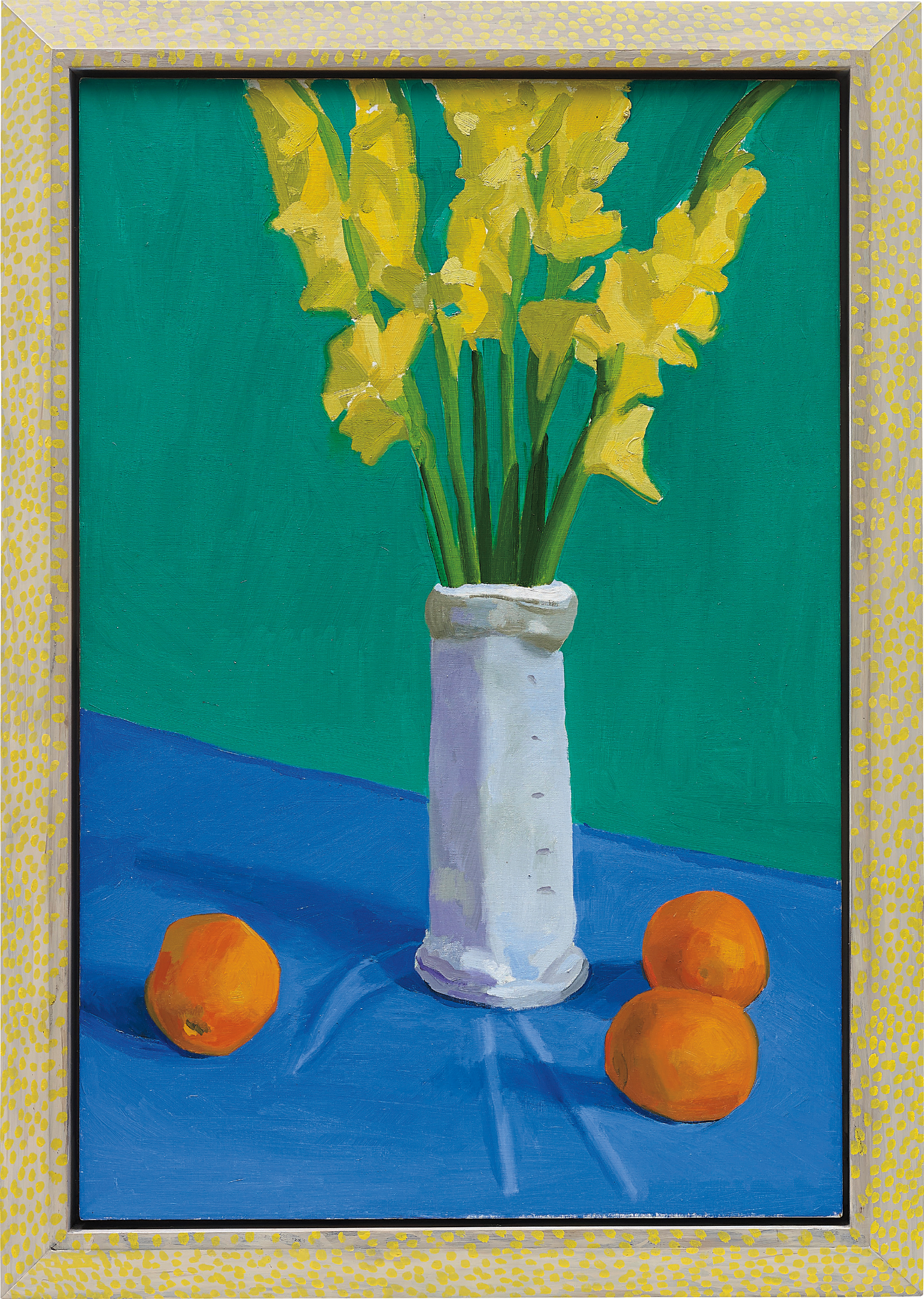
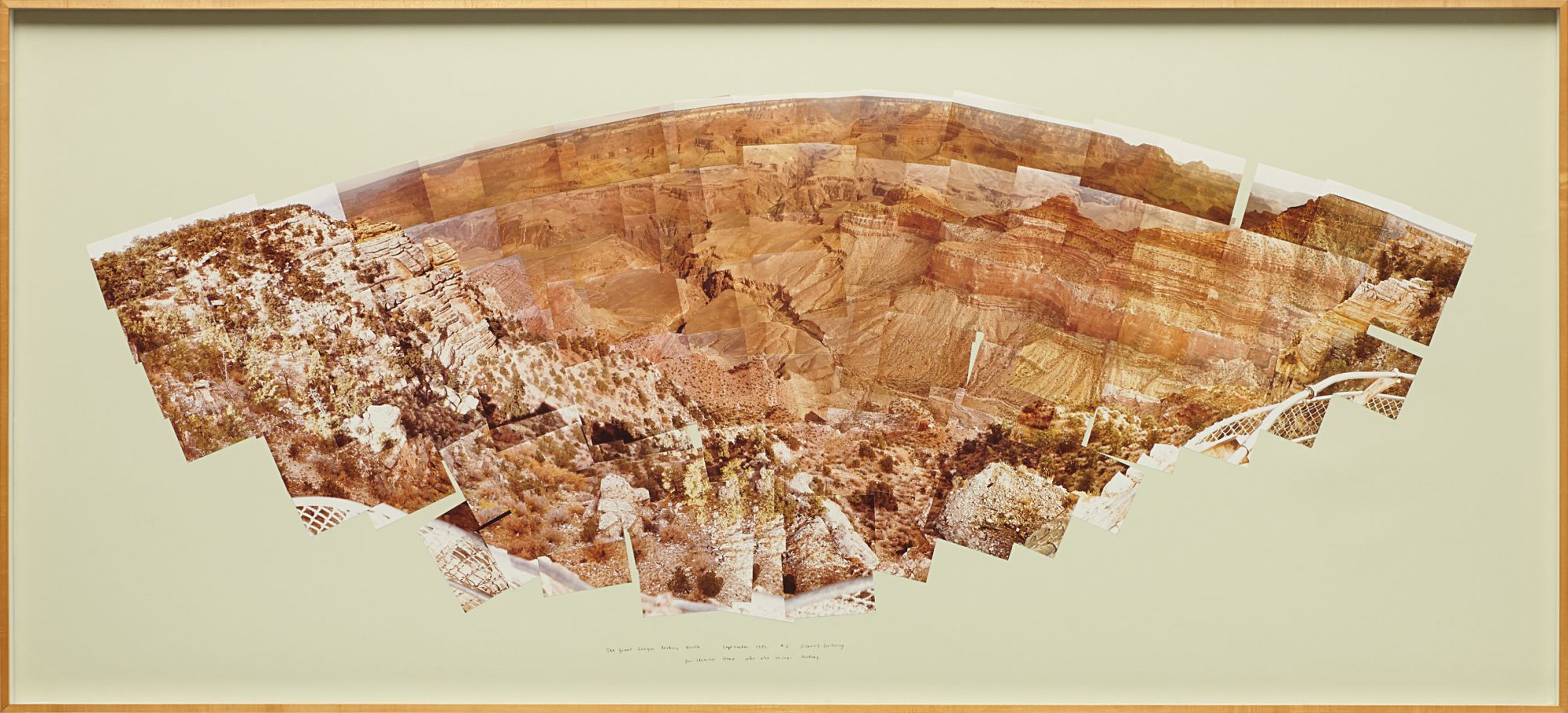
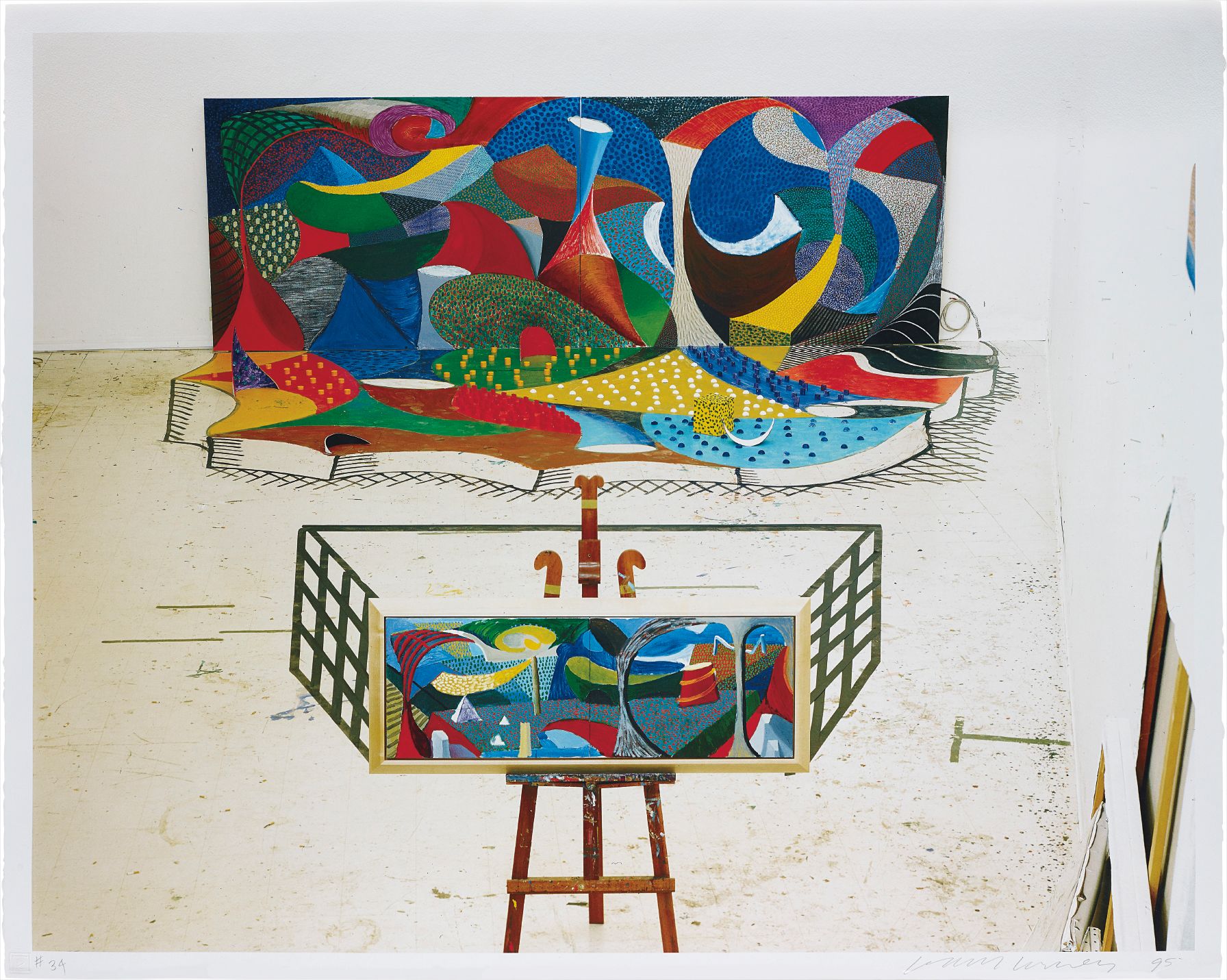
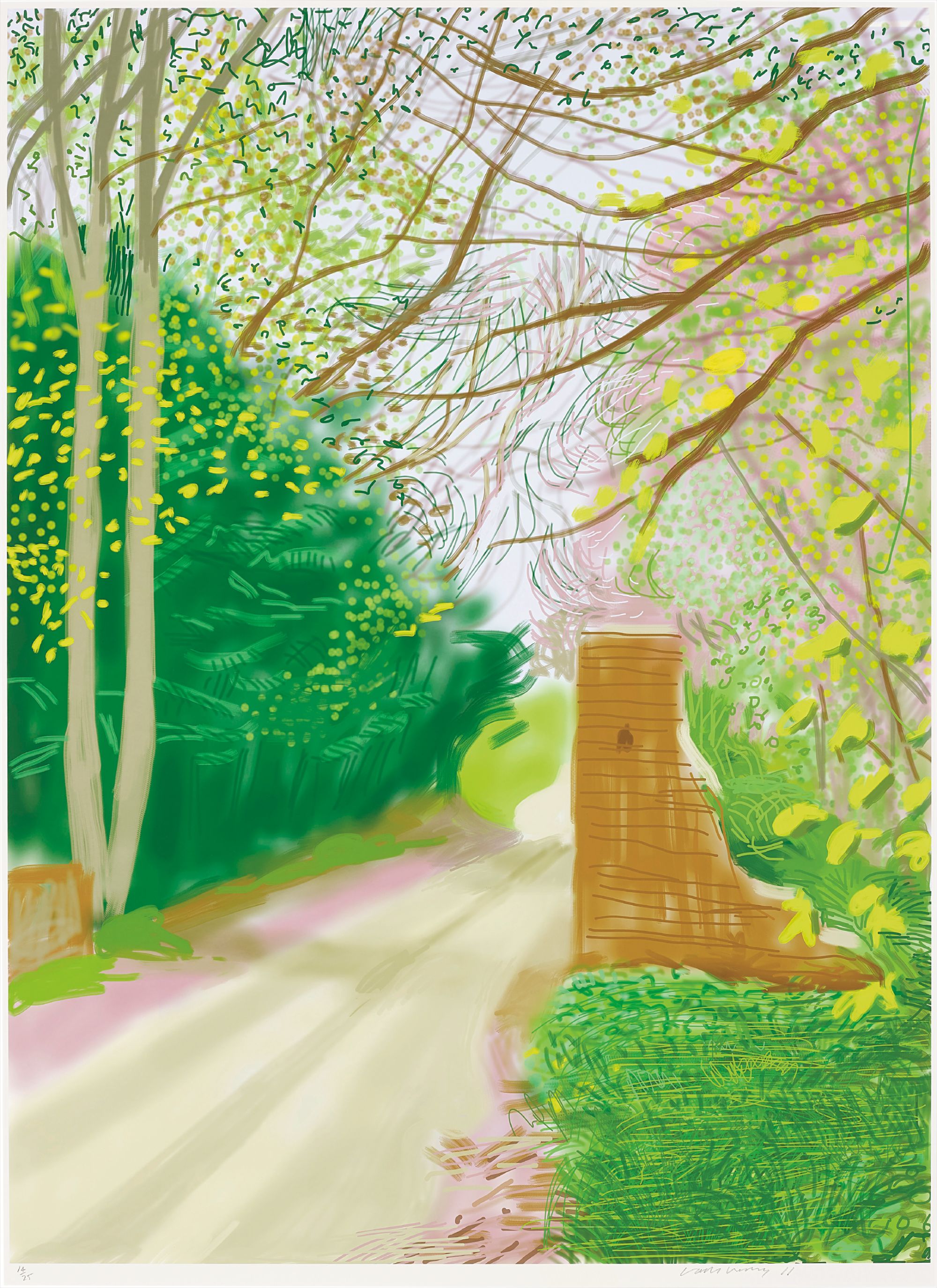
His career has moved through so many phases and mediums that lesser critics have sometimes mistaken his restlessness for inconsistency. In fact it is the opposite. Whether you are looking at one of his swimming pool canvases from the late 1960s and early 1970s, his photographic joiners of the 1980s, or the monumental Yorkshire landscapes that dominated his late career, the sensibility is unmistakable and irreducible. Hockney is well represented on The Collection, and the range of his work available reflects just how expansive his practice has been over seven decades.
For collectors, this breadth is both an opportunity and a responsibility: knowing where a specific work sits within his arc matters enormously to understanding its significance. When assessing any work by a celebrated master, provenance and exhibition history carry real weight. A painting or print that appeared in a significant institutional survey, the Tate retrospective, a major MoMA showing, a landmark gallery exhibition at the time of its creation, carries a kind of cultural endorsement that matters to future buyers and to the integrity of your own collection. Catalogue entries, correspondence with galleries, and documented conservation history all contribute to what advisors sometimes call the biography of an object.
Ask for all of it. A reputable gallery should be able to provide detailed provenance without hesitation, and any reluctance here is worth noting. Editions deserve careful thought in this category. Many celebrated masters have produced prints and multiples of extraordinary quality, and for collectors who want to live with a significant artistic intelligence at a more accessible price point, a well chosen edition can be deeply satisfying.
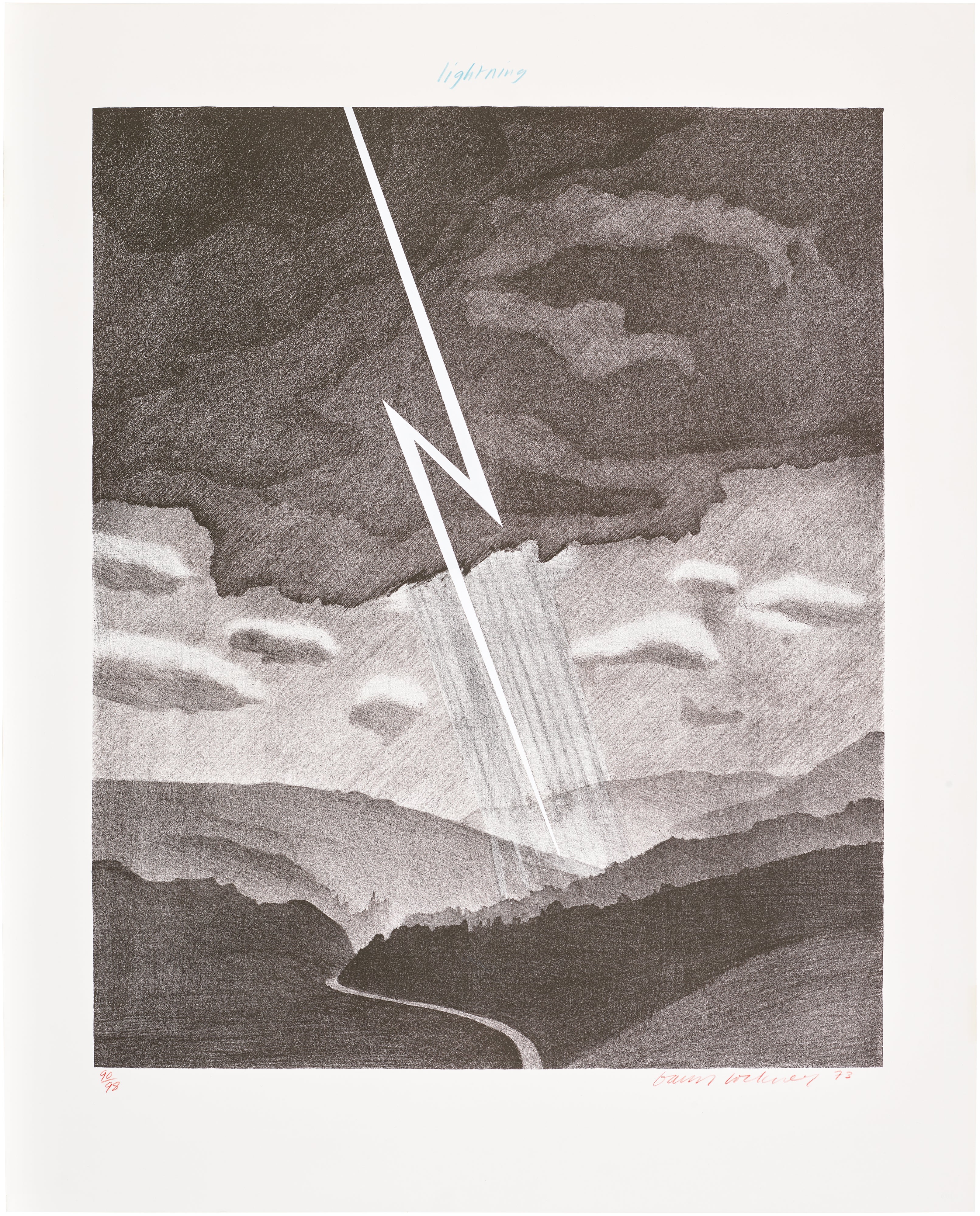
However, the edition size matters, as does whether the artist was closely involved in proofing and production. A small edition lithograph that Hockney worked on directly with the printer at Gemini G.E.L.
in Los Angeles is a fundamentally different proposition from a large offset reproduction authorized late in a career. Learn to ask specific questions: Was the artist present during printing? What is the total edition size including artist proofs? Are there known impressions in major institutional collections?
The secondary market for work by artists of this stature is active and well documented, which is both reassuring and clarifying. Major auction results for Hockney have been extraordinary in recent decades, with his 1972 canvas Portrait of an Artist (Pool with Two Figures) achieving just over 90 million dollars at Christie's New York in 2018, making him at that moment the most expensive living artist sold at auction. That headline figure matters less than the consistency of demand across the broader market, where his prints, drawings, and works on paper have shown remarkable stability. Works that might have seemed modestly priced ten or fifteen years ago now attract serious competition, which underlines a familiar lesson: the window for acquiring significant work at reasonable cost tends to be shorter than collectors expect.
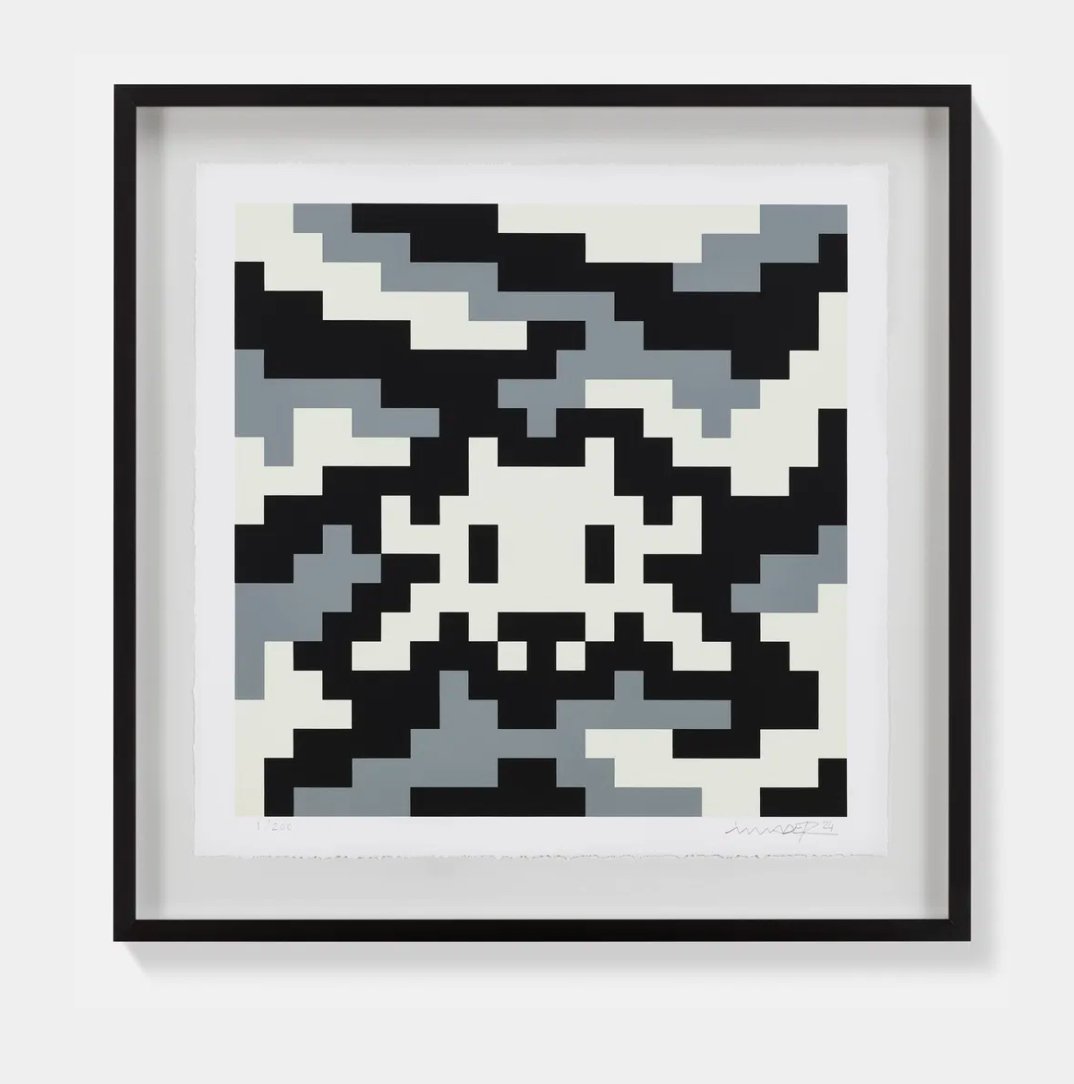
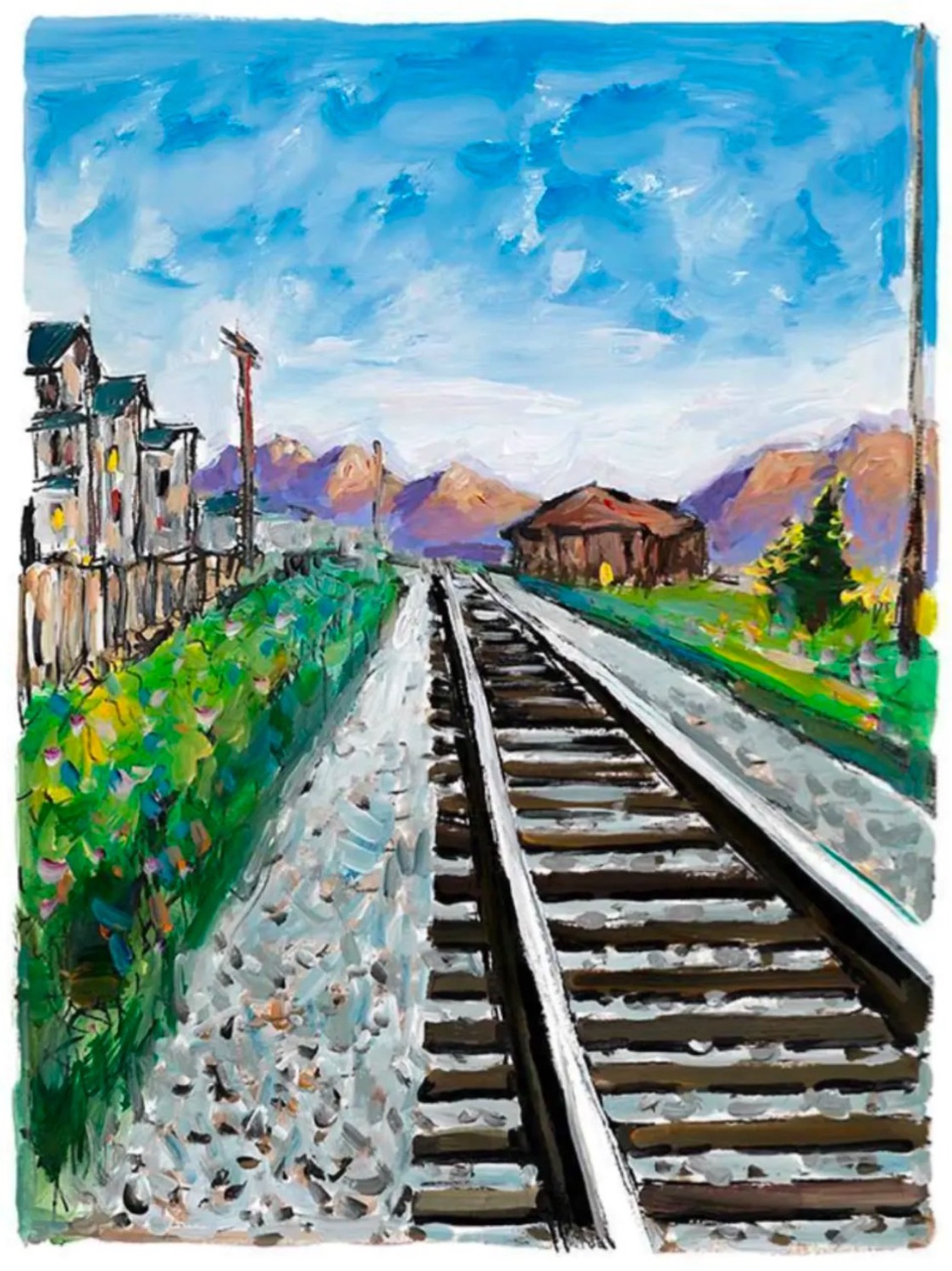
For those whose budgets invite entry at the more accessible end of the primary or secondary market, this is also a good moment to watch artists who are building toward a similar kind of sustained vision without yet commanding the prices that recognition eventually brings. Painters working seriously with landscape and perception, artists interrogating digital and analog image making, those exploring queer identity and domestic space with the same unflinching confidence that Hockney brought to his early work in those areas, these are the directions where attentive collectors have historically found the most rewarding long term acquisitions. The criteria remain the same: look for coherence, distinctiveness, and evidence of genuine risk taking. On the practical side, works on paper and large format prints require thoughtful display and conservation.
UV protective glazing is not optional for anything light sensitive, and humidity control matters more than many collectors initially realize. For paintings, particularly those with heavy impasto or mixed media, consult a conservator before hanging in a room with significant temperature fluctuation. When you acquire something significant, build a relationship with a conservator early, before there is a problem, so that you understand the work's specific vulnerabilities. This kind of stewardship is part of what it means to collect seriously, and it also protects the value you have invested.
Ultimately, collecting work by celebrated contemporary masters is an act of sustained engagement with the visual culture of your own time. The financial dimension is real and worth understanding clearly. But the collectors who report the deepest satisfaction from this area are almost always those who bought because something stopped them, because a work demanded their attention and kept it. That quality of stopping, of being genuinely arrested by something, is the most reliable guide you have.
Trust it, then do your homework.