African Modernism
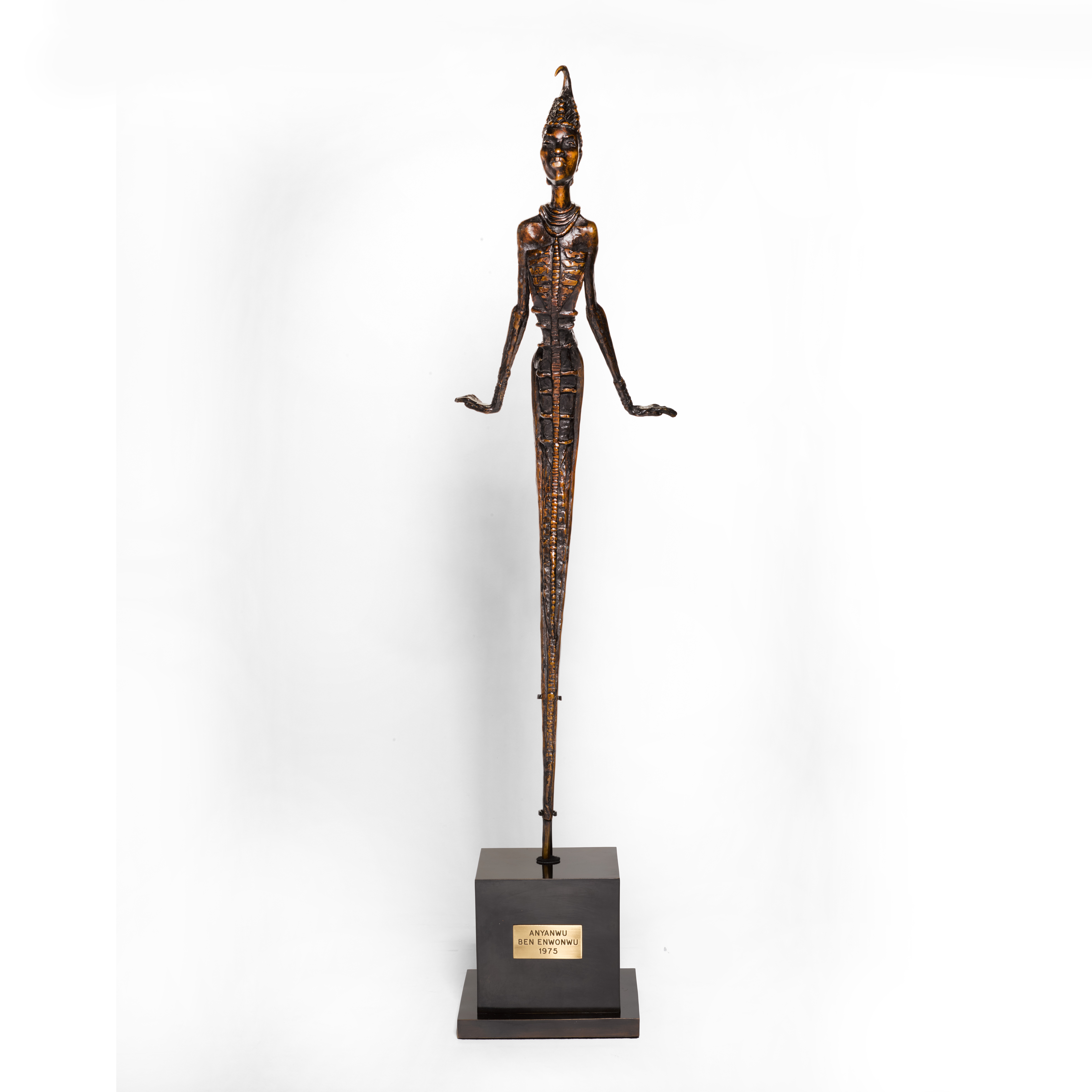
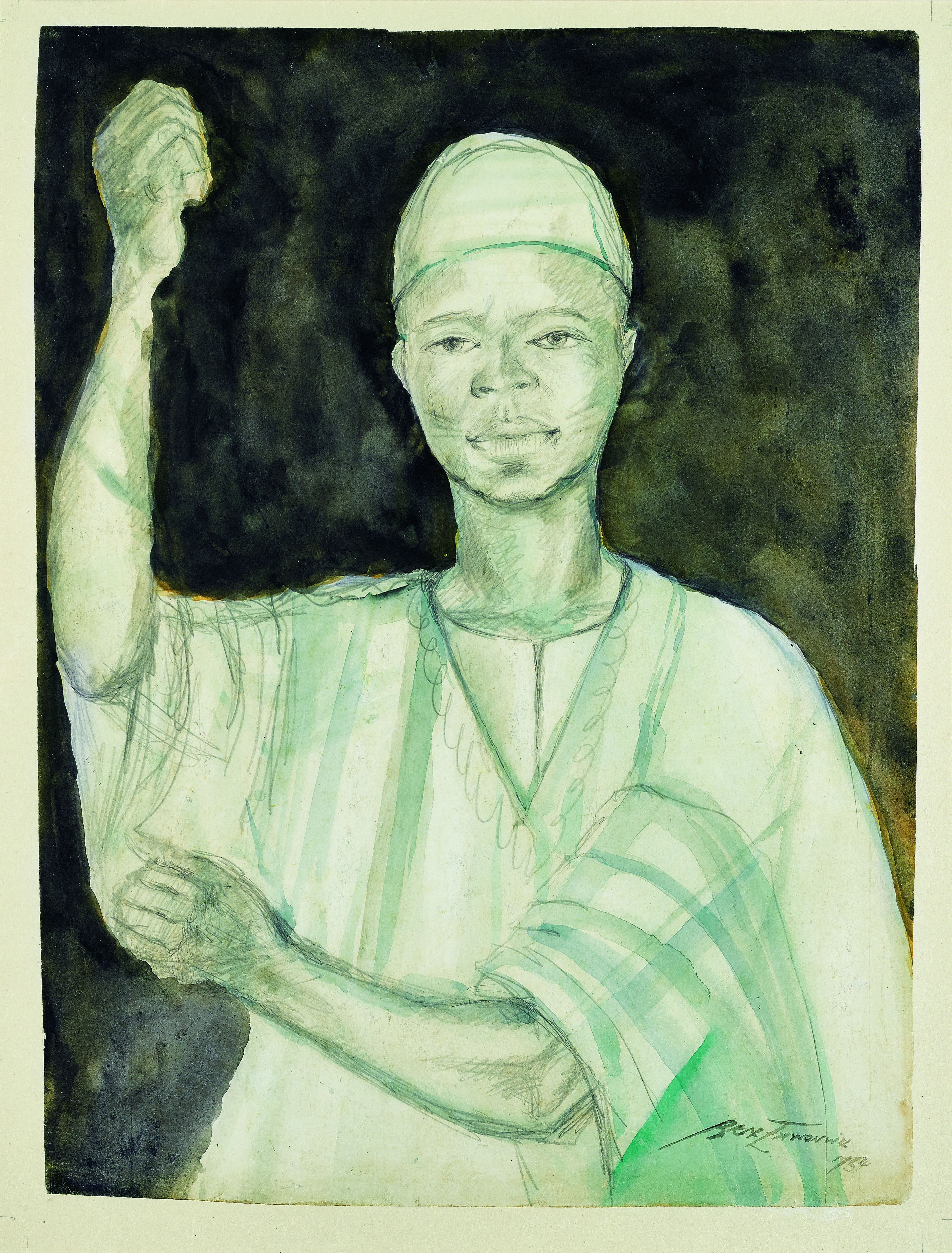
Ben Enwonwu
Anyanwu
The Continent That Rewrote Modern Art
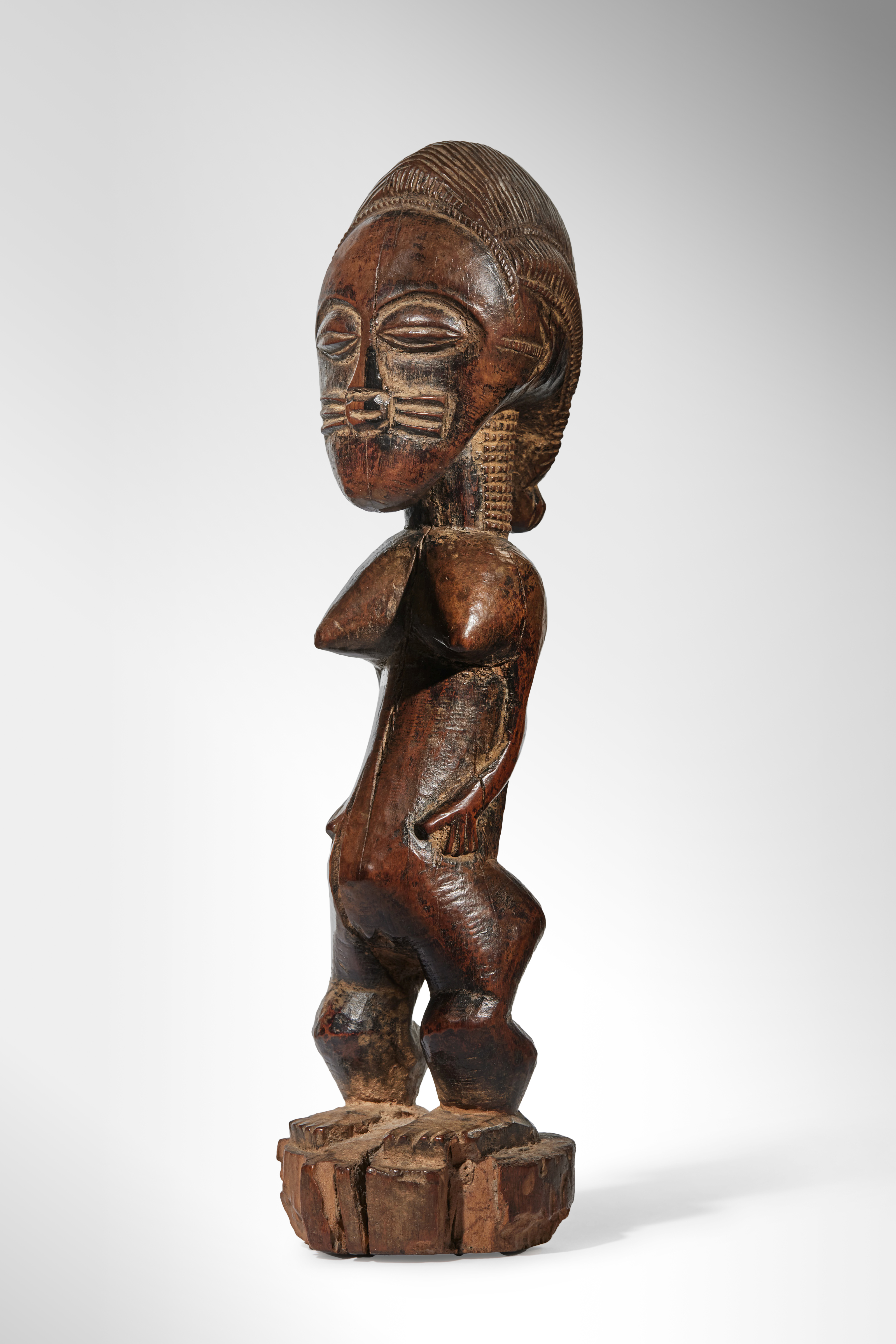
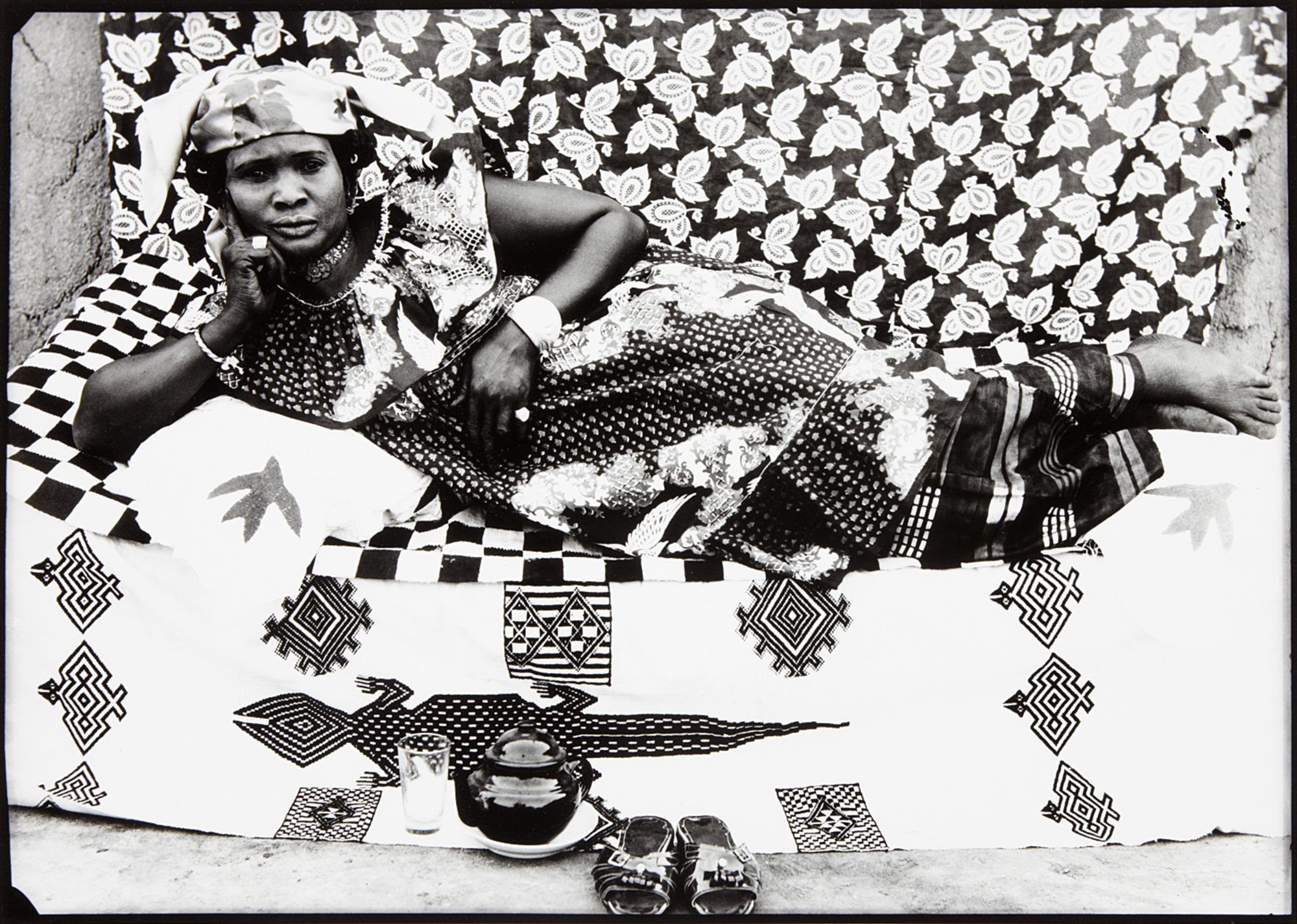
There is a particular quality of attention that comes over collectors when they encounter a great work rooted in African modernism. It is not the distanced appreciation one might bring to a museum vitrine. It is something more like recognition, a sense that the object has been waiting. Whether it is the charged stillness of a Baule figure from Côte d'Ivoire or a large format portrait by Seydou Keïta in which the sitter meets your eye across seven decades, these works carry a presence that reorganizes a room.
Collectors who live with them consistently describe the same phenomenon: the work does not recede into the wall. It remains in conversation. What draws serious collectors to this area now is a convergence of long overdue institutional attention and genuine scarcity of the best material. The major survey exhibitions of the past decade, from the Barbican's landmark Africa State of Mind in 2019 to the sustained programming at institutions like the Smithsonian and the Musée du Quai Branly, have shifted the conversation without fully resolving it.
Ben Enwonwu
Anyanwu
The market has responded, but unevenly, and that unevenness is precisely where opportunity lives. Collectors who can read quality across the full spectrum, from precolonial ceremonial objects to mid century painting and photography to contemporary conceptual work, are finding that the categories speak to each other in ways that make for genuinely extraordinary collections. Understanding what separates a good work from a great one in this space requires letting go of the habit of treating African art as a single category. A Bamana zoomorphic mask made for the Korè association in Mali and a painting by Ben Enwonwu completed in Lagos in the 1960s are both African modernism in the broadest sense, but they ask entirely different questions of the collector.
For ceremonial objects, provenance and integrity of surface are paramount. Masks and figures that retain their original patina, that show evidence of actual ritual use rather than decorative production for the export market, occupy a different order of significance. For the modernist painters and photographers, the question shifts to historical position: where does this work sit in the artist's development, and does it reflect the period of maximum creative tension? Ben Enwonwu is perhaps the clearest case study in how dramatically the market can revalue an artist when the scholarship catches up to the work.
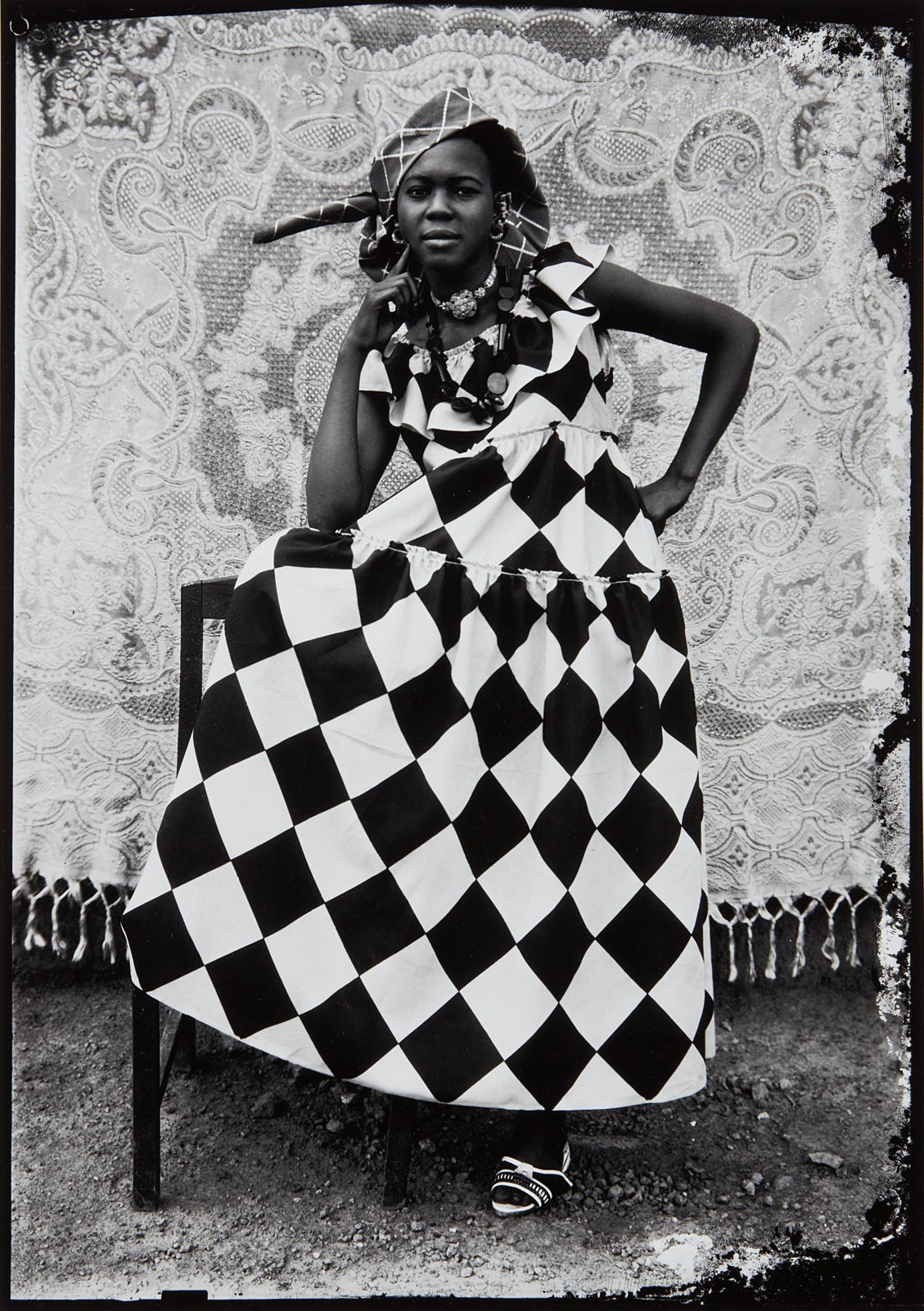
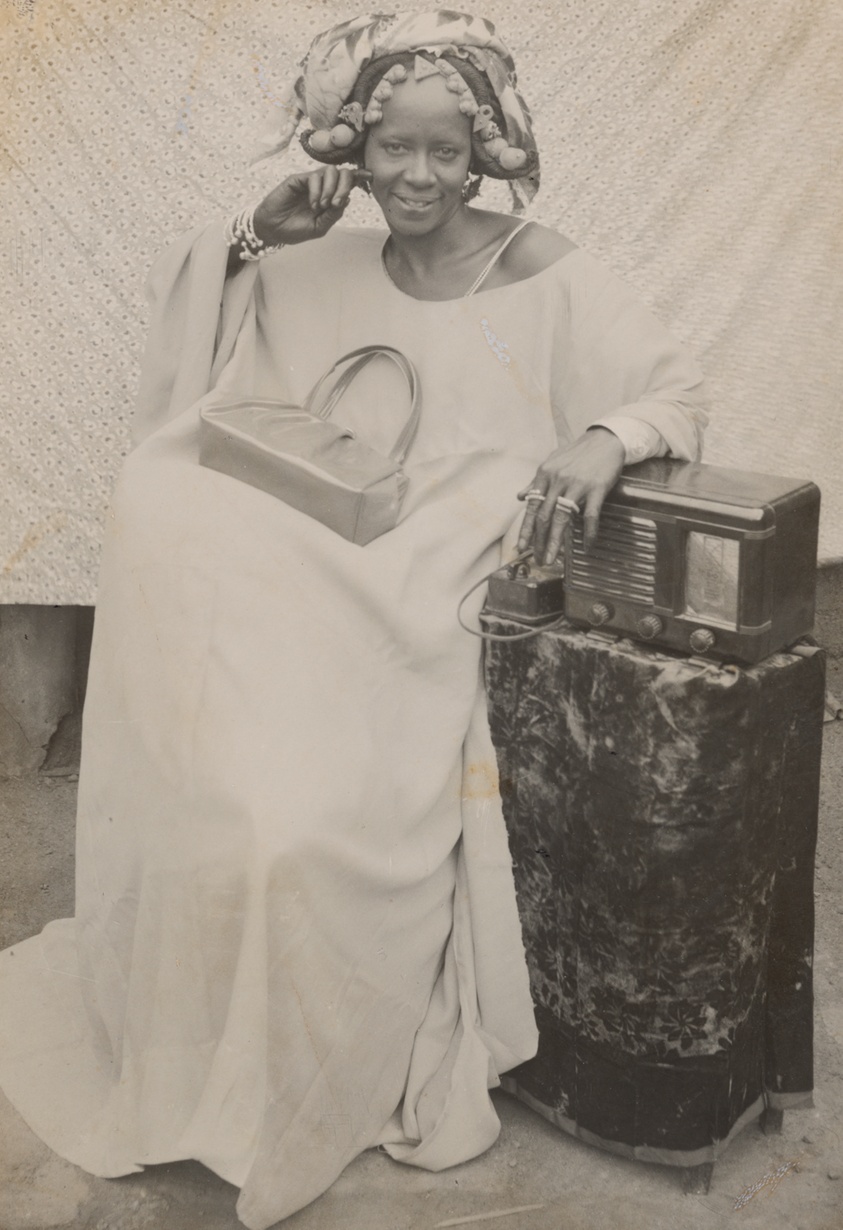
Seydou Keïta
Seydou Keïta
His painting Tutu, which generated extraordinary auction results when a version appeared at Bonhams London in 2018, brought global attention to a figure who had been underappreciated outside Nigeria for decades. Enwonwu worked at the intersection of Igbo aesthetic traditions and a thoroughly internationalist modernism, studying at the Slade and exhibiting across Europe, yet his most powerful work remained rooted in a specifically Nigerian consciousness. Works from his mature period in the 1960s and 1970s represent serious collecting territory, and they remain far more accessible than comparable works by his Western contemporaries. Seydou Keïta occupies a similarly singular position, though photography as a medium brings its own set of market considerations.
Keïta operated his portrait studio in Bamako from the late 1940s through the 1970s, producing an archive of images that only entered the international art world in the 1990s through the efforts of curators like André Magnin. The estate has worked carefully to manage editions, and understanding exactly which edition series you are acquiring matters enormously for long term value. Later large format prints produced under estate authorization carry different weight than earlier smaller prints. The question to ask any gallery or dealer is simple and direct: from which negative is this printed, by whom, in what year, and how many exist in this edition.
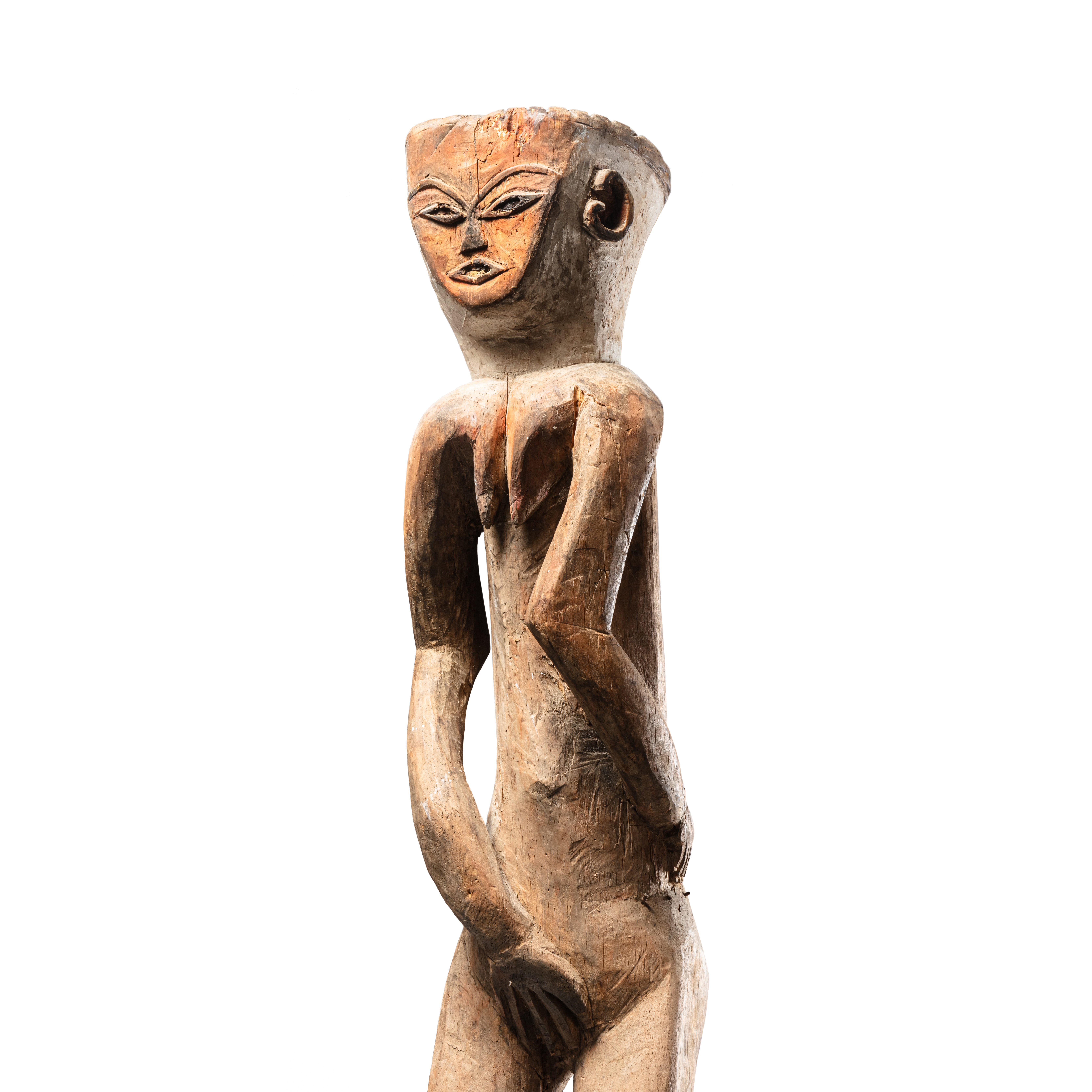
Collection Marcel Lehmann-Lefranc
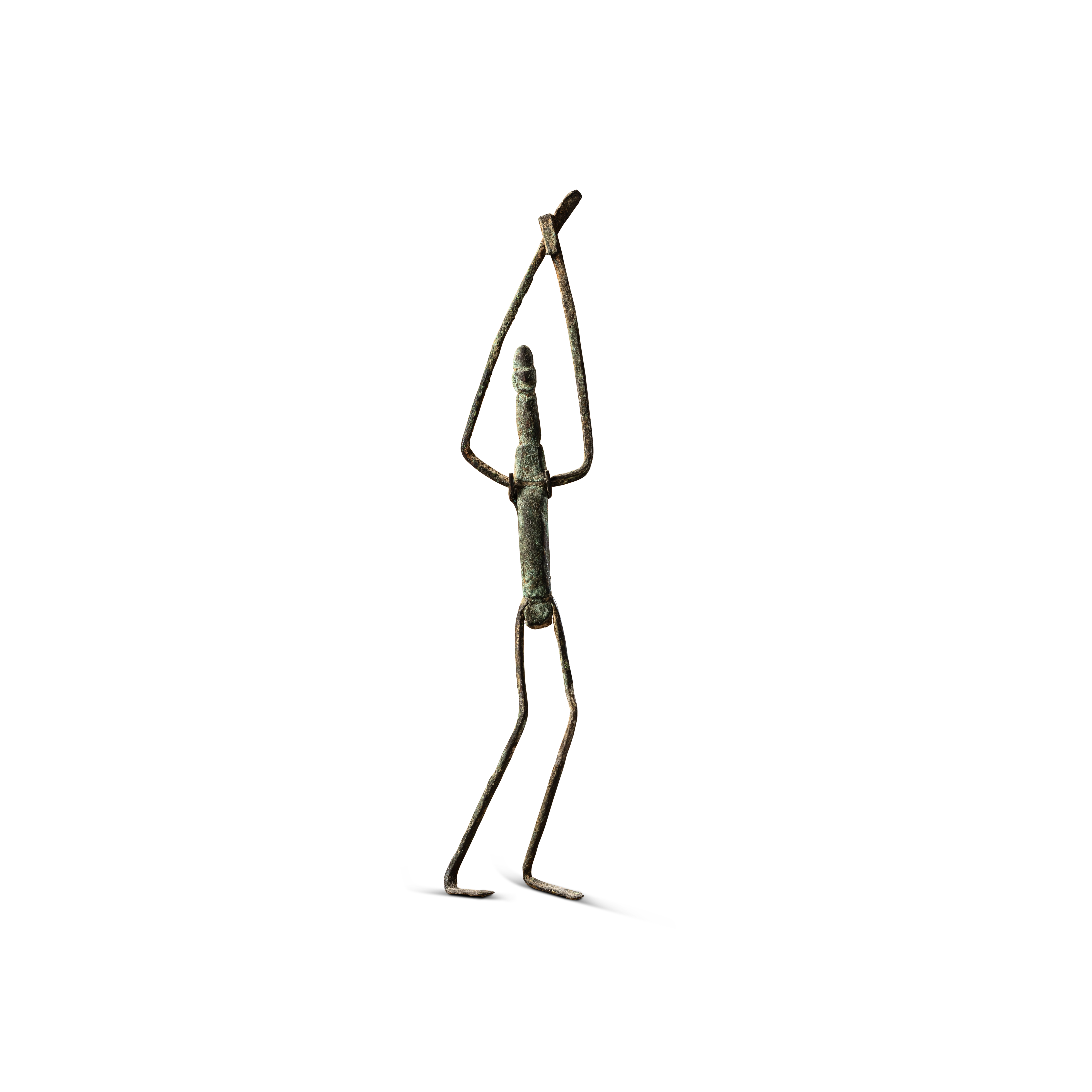
Statue, Vuvi, Gabon
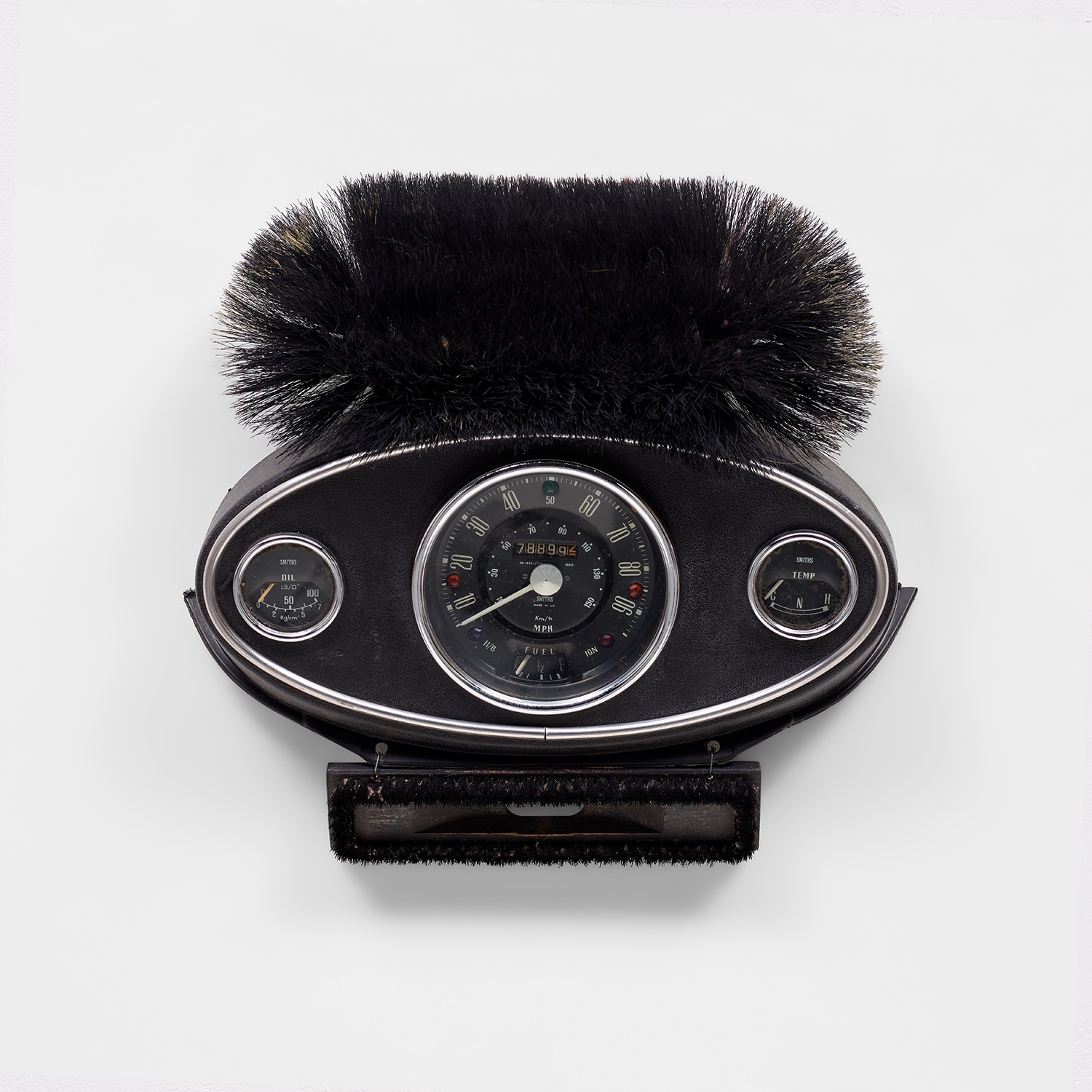
The answers will tell you everything. Romuald Hazoumè represents the contemporary end of this spectrum and demonstrates why the category rewards collectors who think across generations. Working from his base in Porto Novo, Benin, Hazoumè transforms the detritus of West African consumer culture, particularly plastic fuel canisters, into ceremonial mask forms that are simultaneously a critique of globalization and a deeply serious engagement with the masking traditions of his region. His work entered major institutional collections after his inclusion in Documenta 12 in 2007, and the secondary market for his sculptures has strengthened considerably since.
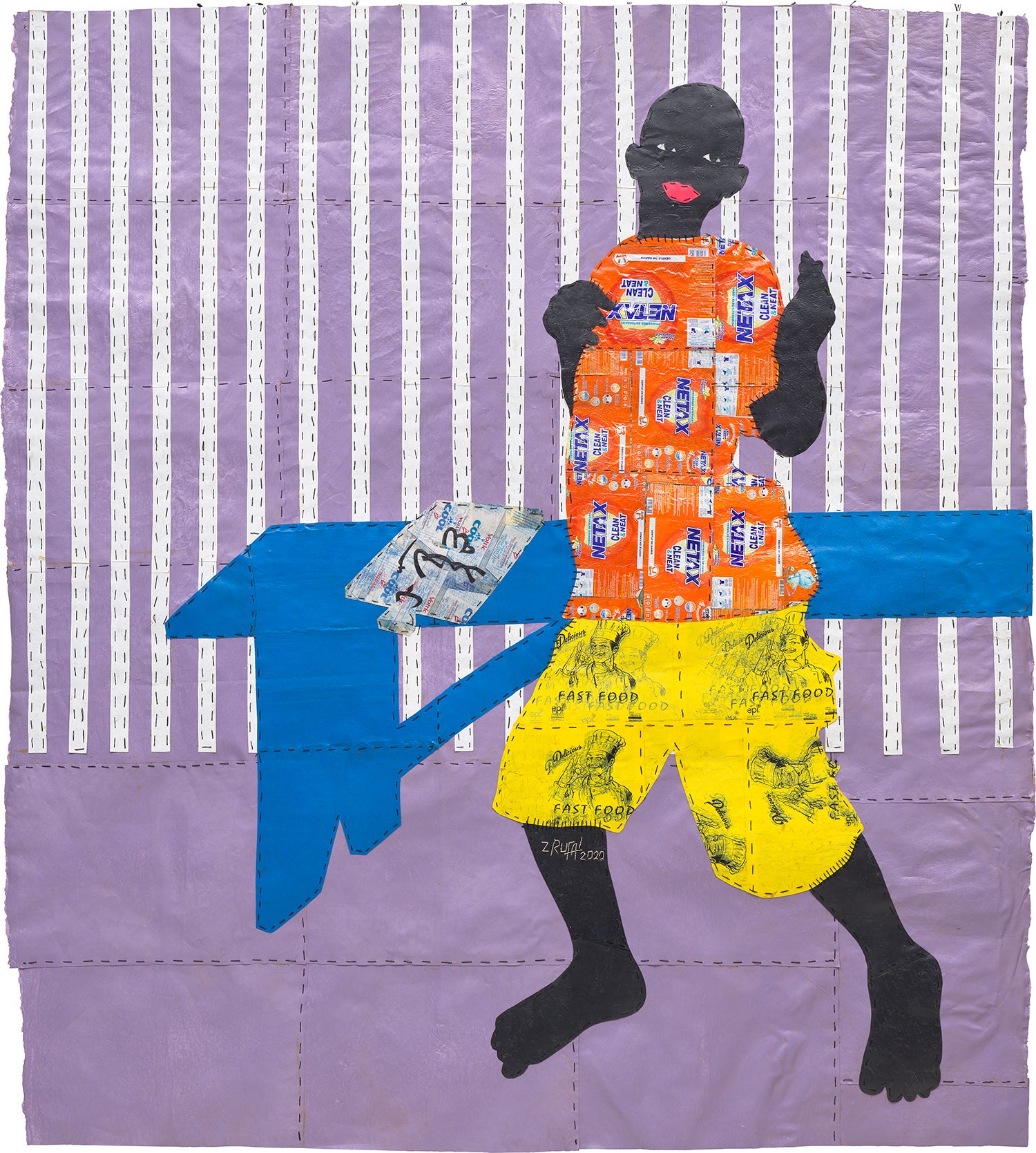
What makes Hazoumè a compelling long term hold is the coherence of his vision: the work does not date because its subject matter, extraction, postcolonial circulation, the persistence of ritual, remains urgently contemporary. For collectors interested in emerging positions, Rufai Zakari is a name worth sitting with. The Ghanaian painter brings a layered approach to figuration that acknowledges both local visual traditions and the broader currents of contemporary painting without being reducible to either. There is a generation of West African painters working right now who are receiving serious attention from galleries in London, New York, and Lagos simultaneously, and the window in which their work is both available and relatively affordable is closing faster than most collectors realize.
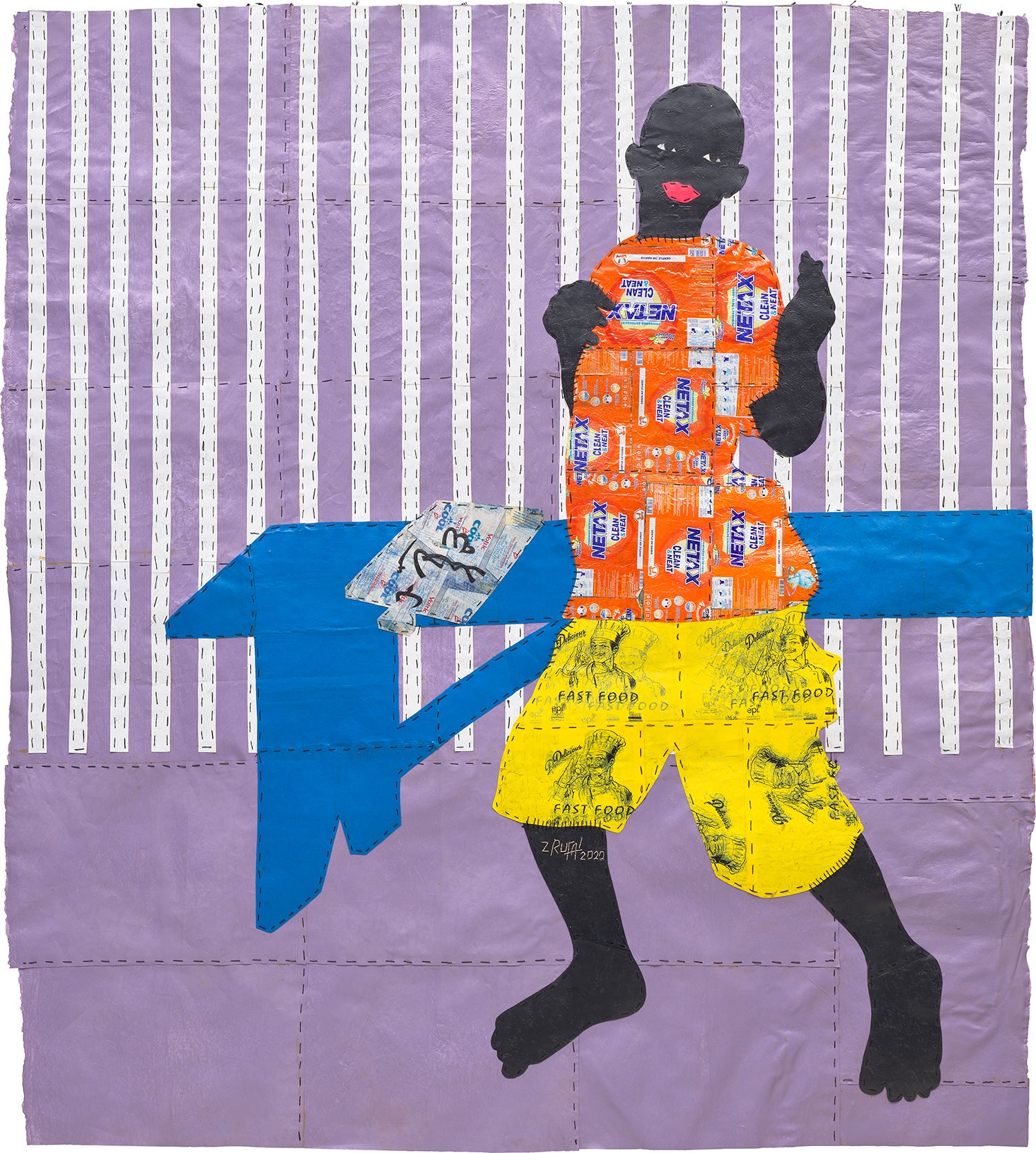
Rufai Zakari
Alhamdulillah (Grateful), 2021
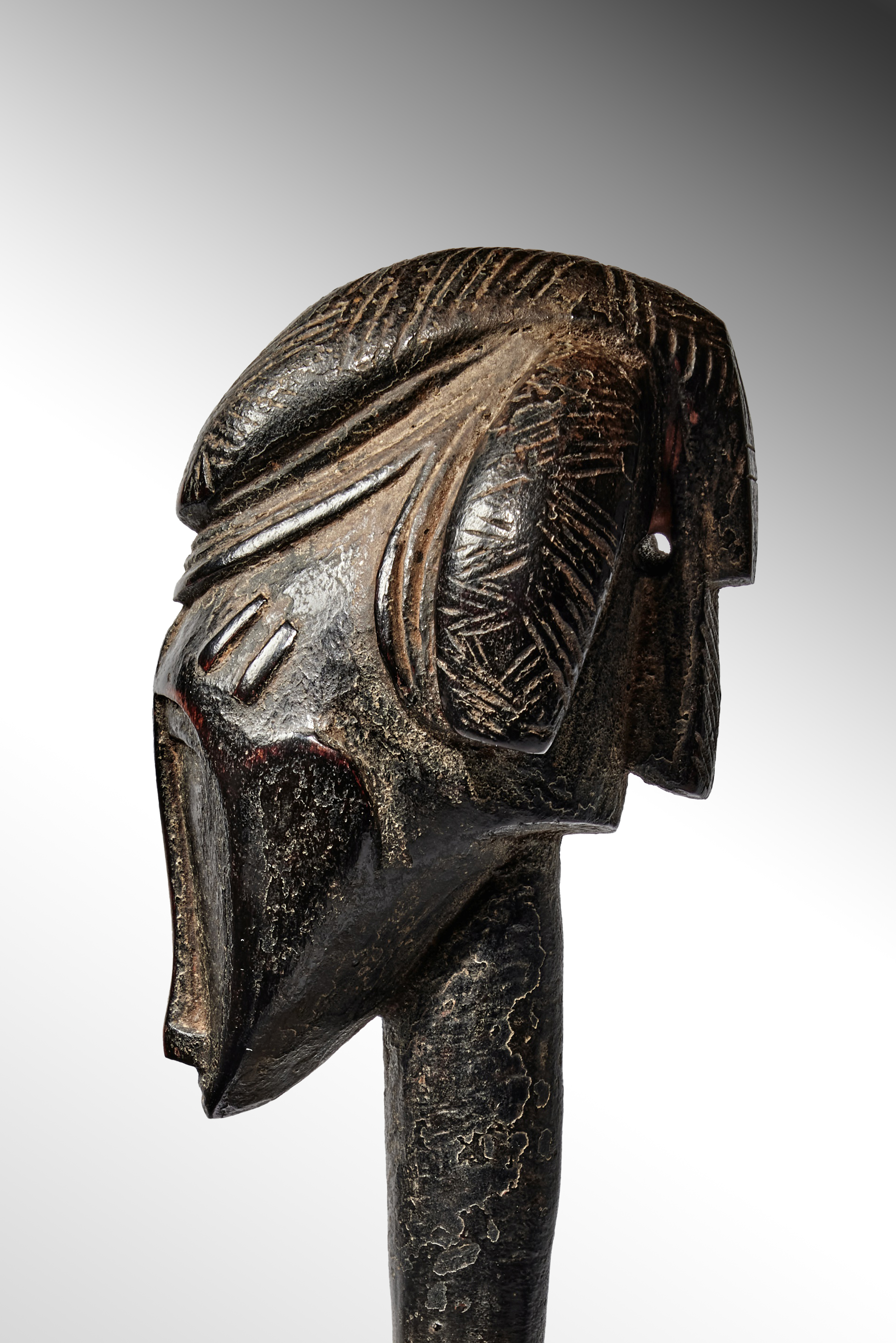
The moment when institutional interest and market pricing align is brief, and it tends to be visible only in retrospect. On the question of traditional objects, including the Senufo bird figures made for the Poro association and the Guro heddle pulleys of Côte d'Ivoire, the collecting advice is frankly more cautious. The field has been complicated by decades of uneven documentation, and the regulatory environment around cultural patrimony is tightening across West and Central Africa. This does not mean the category is closed to new collectors, but it does mean that provenance research is not optional.
Works with clear collection histories predating 1970, the year the UNESCO Convention came into force, occupy a legally and ethically cleaner position. Galleries specializing in this material should be able to provide documentation without hesitation, and any reluctance to do so is itself meaningful information. The practical reality of displaying these works is worth discussing plainly. Ceremonial objects made from wood, fiber, and organic pigments are sensitive to humidity fluctuation in ways that Western painting on canvas generally is not.
Climate controlled environments matter, and direct sunlight is more damaging than collectors sometimes appreciate. Many of the photographers working in this tradition, Keïta among them, produced work intended to be held and shared, not hung in perpetuity under strong light. Framing with UV protective glazing is a minimum standard. The reward for this care is a collection that genuinely deepens over time, works that accumulate meaning the longer they are lived with, and a body of material that the market has by no means finished discovering.