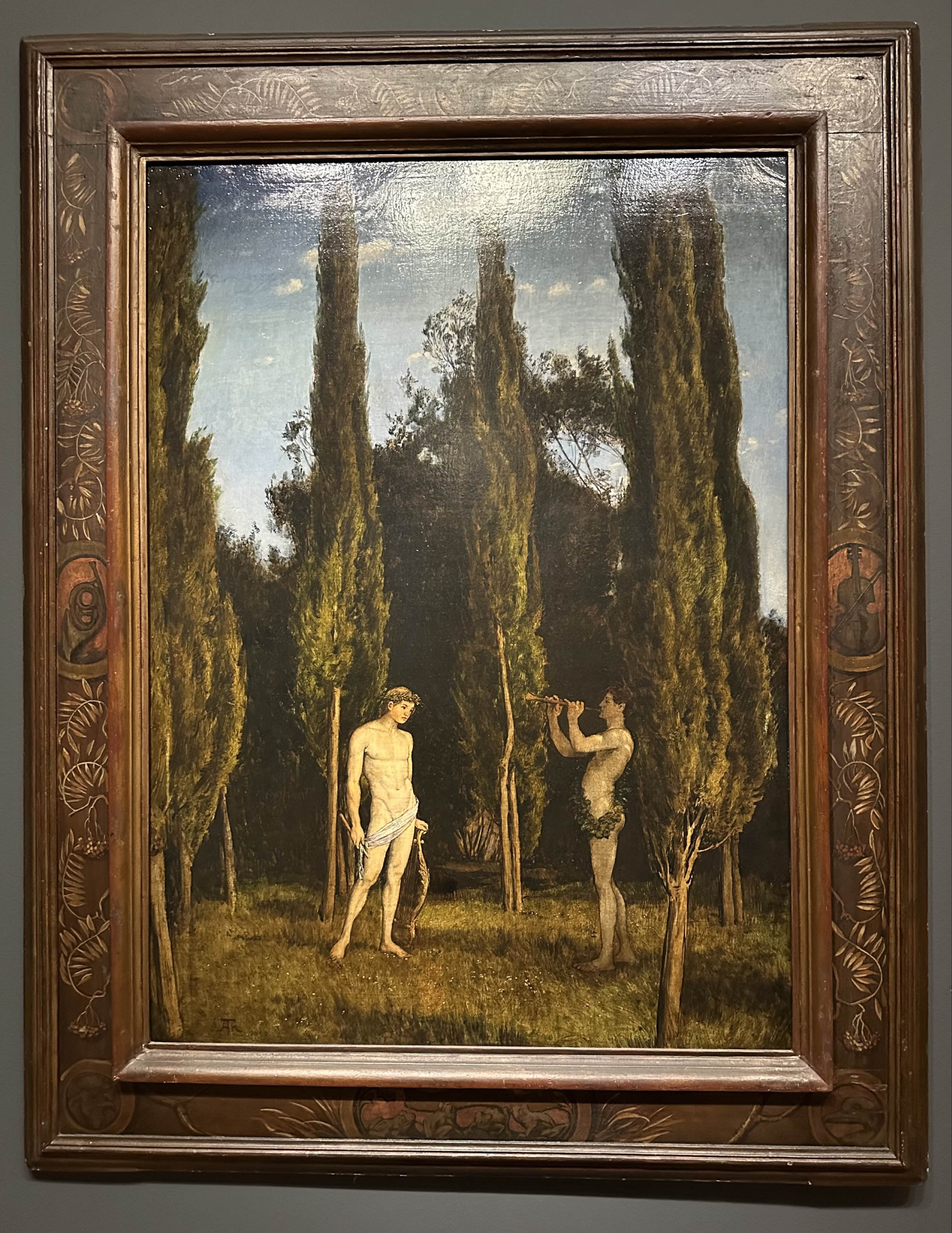
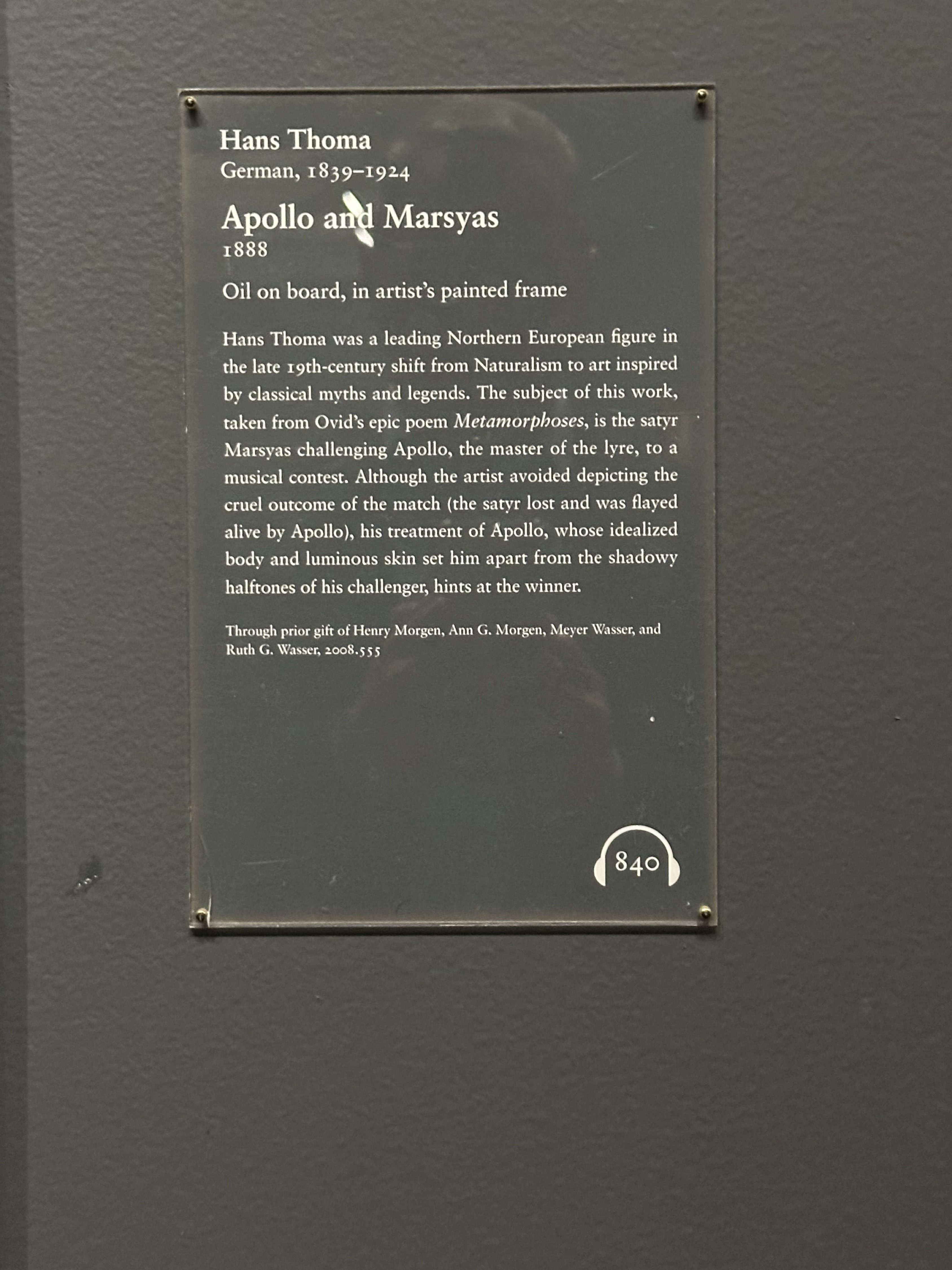
Apollo and Marsyas
1888
Hans Thoma was a leading Northern European figure in the late r9th-century shift from Naturalism to art inspired by classical myths and legends. The subject of this work, taken from Ovid's epic poem Metamorphoses, is the satyr Marsyas challenging Apollo, the master of the lyre, to a musical contest. Although the artist avoided depicting the cruel outcome of the match (the satyr lost and was flayed alive by Apollo), his treatment of Apollo, whose idealized body and luminous skin set him apart from the shadowy halftones of his challenger, hints at the winner.
- Medium
- Oil on board in artist's painted frame
- Location
- Art Institute of Chicago, Chicago, IL
Est. Current Value
More by Hans Thoma
Spotted works by Hans Thoma
Artists in conversation
Hans von Marées
German · b. 1837
Von Marées painted idealized nude male figures in lush, timeless grove and pastoral settings with a deeply classical and mythological atmosphere, directly paralleling Böcklin's depiction of laurel crowned musicians among cypress trees. His triptychs of Arcadian figures share the same fusion of naturalistic landscape with Greco Roman idealism seen in Der Wettgesang.
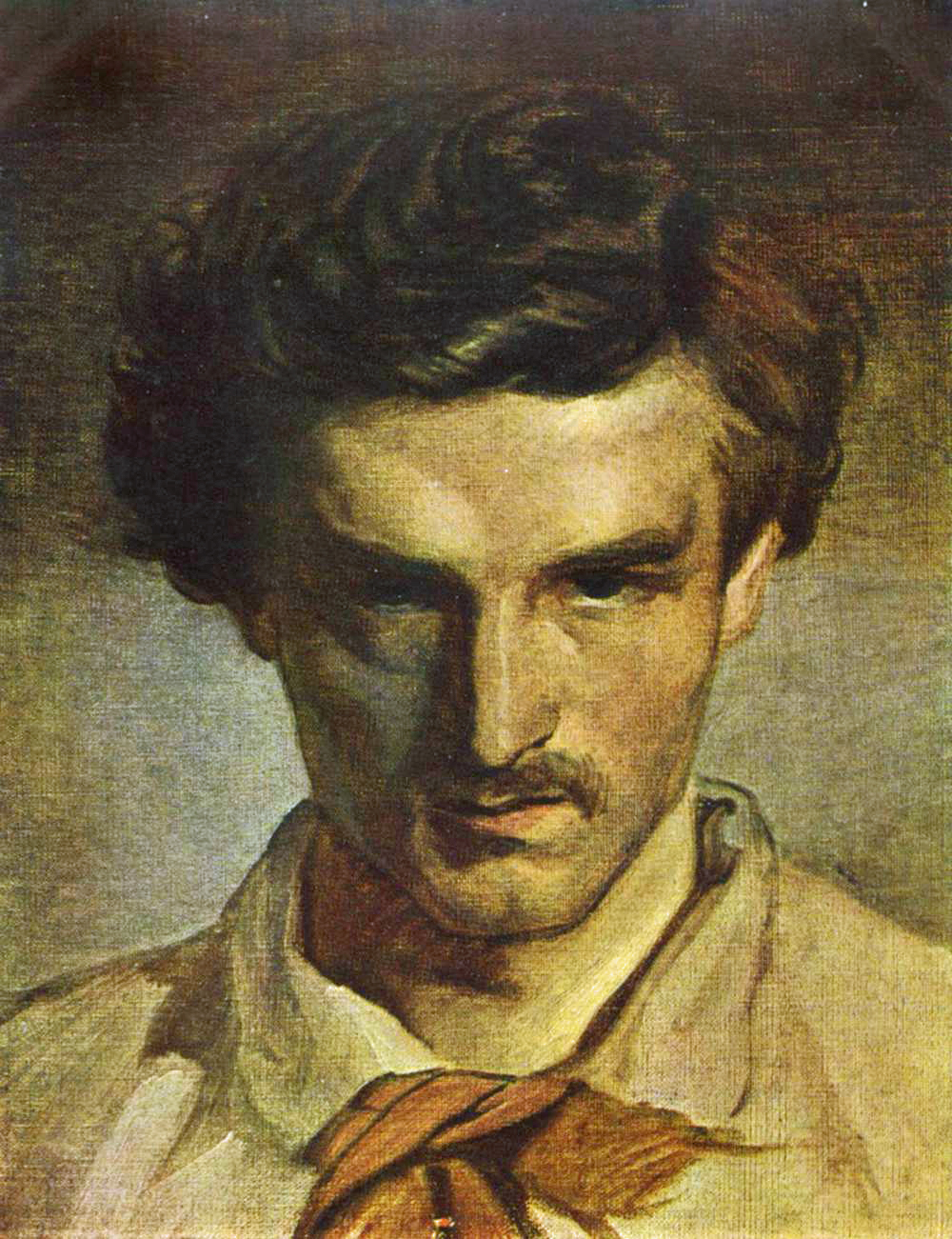
Anselm Feuerbach
German · b. 1829
Feuerbach was Böcklin's direct contemporary and rival who painted idealized classical figures in serene pastoral and mythological settings using rich oil technique, with works like his Iphigenie series sharing the same brooding, dreamlike antiquity and lush natural atmosphere of Der Wettgesang. Both artists sought to revive the spirit of ancient Greece through deeply romantic figurative painting.
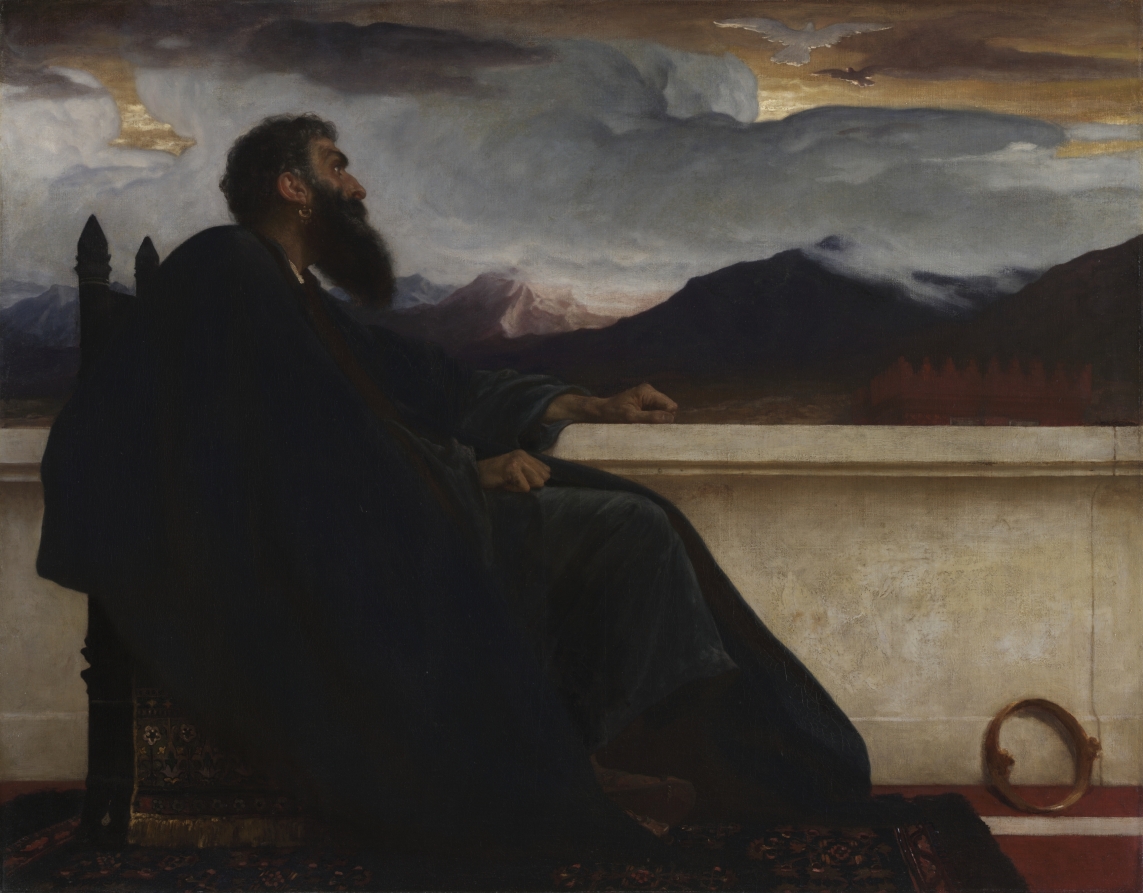
Frederic Leighton
British · b. 1830
Leighton created oil paintings featuring idealized classical figures in serene outdoor grove settings engaged in musical and poetic activities drawn from Greco Roman mythology, closely mirroring the mood, subject matter, and technical refinement of Der Wettgesang. His works such as A Music Lesson and Greek Girls Playing at Ball share Böcklin's fusion of lush naturalistic landscape with mythological figuration.
Start the Discussion
Request access to join the discussion