Join The Collection to save, track, and explore works like this.

Anthony van Dyck — Mary, Lady van Dyck, née Ruthven
Anthony van Dyck

Mary, Lady van Dyck, née Ruthven

1640

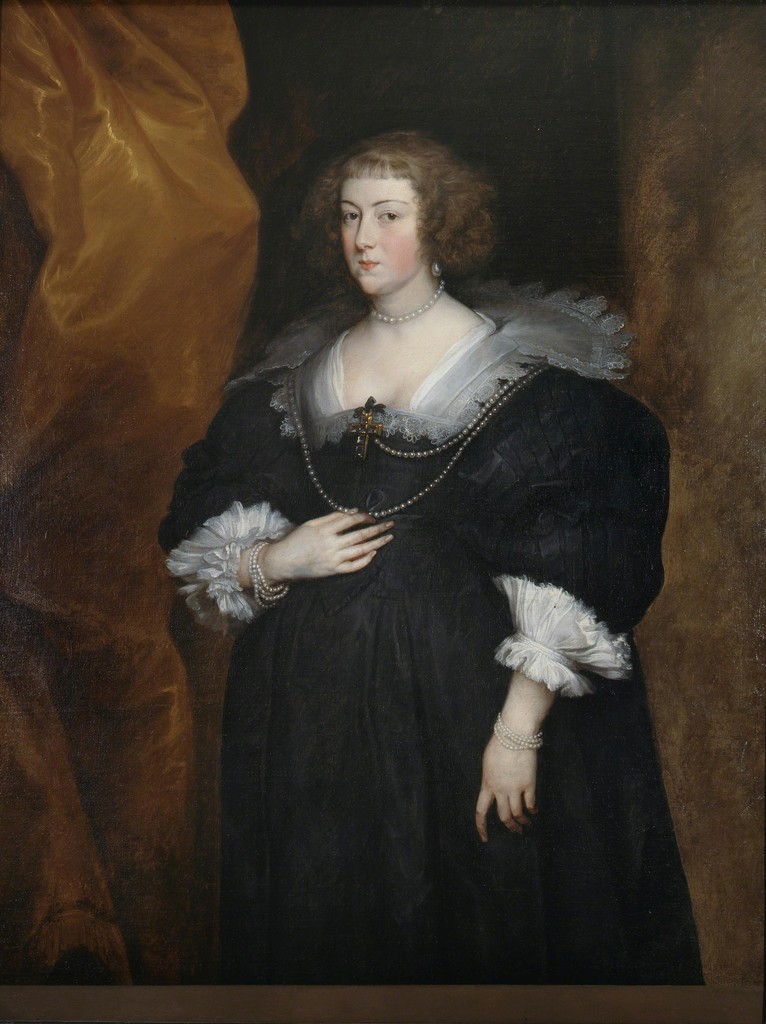
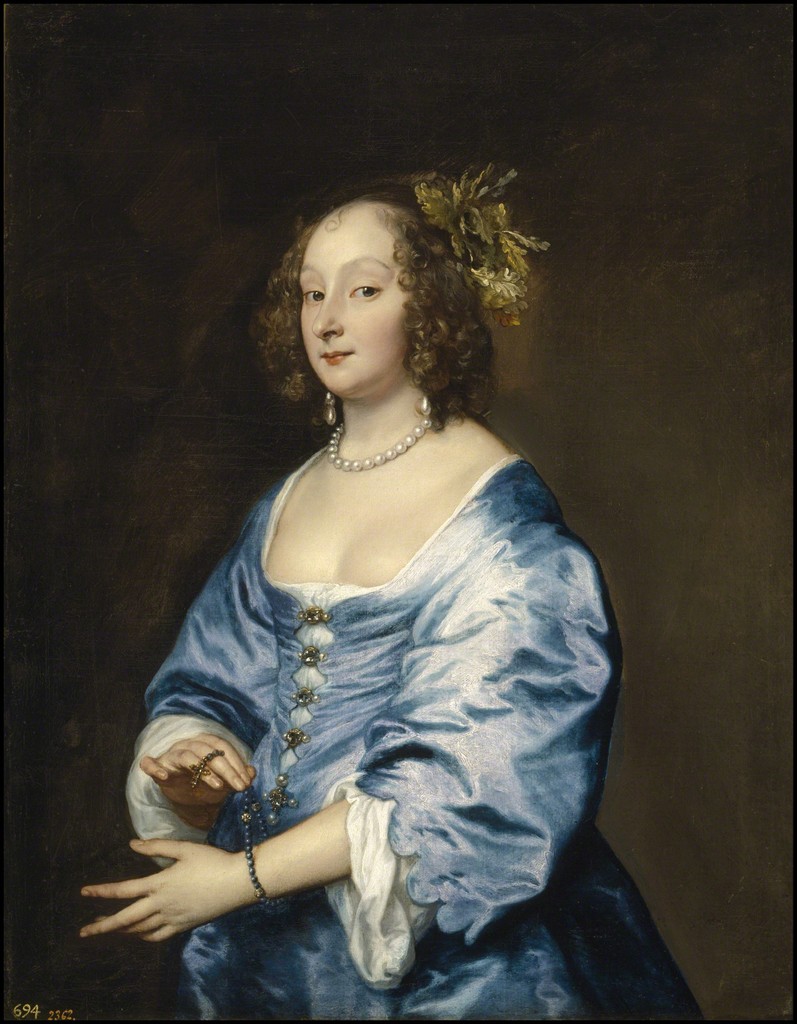
Painted in 1640, the final year of Anthony van Dyck's life, this intimate yet commanding portrait of Mary Ruthven, the artist's own wife, stands among the most personally charged works of his celebrated career. She is rendered with a quiet authority, her gaze direct and composed, her costume and bearing reflecting both aristocratic refinement and genuine psychological presence. The handling of silk, lace, and flesh reveals the full command of a painter at the height of his powers, with a luminosity in the skin tones and a tenderness in the treatment of the sitter that distinguishes this canvas from the more ceremonial portraits of his court commissions. That van Dyck chose to paint his wife with such intimacy and technical devotion lends the work an emotional gravity rare in seventeenth-century portraiture. Mary Ruthven came from a distinguished Scottish family, serving as a lady-in-waiting to Henrietta Maria, Queen of England, before her marriage to van Dyck in 1640. The portrait thus carries layers of biographical significance, functioning simultaneously as a record of social standing, a declaration of marital affection, and a demonstration of artistic mastery. Van Dyck's signature presence within the work, painting the person closest to him in the final months of his life, transforms what might otherwise be a formal commission into something closer to a private statement. The composition balances grandeur with restraint, qualities that define the very best of his English period. The work belongs to the permanent collection of the Museo Nacional del Prado in Madrid, and its appearance at The Frick Collection represents a rare opportunity to encounter it outside an institutional setting. For collectors who engage seriously with the canon of Baroque portraiture, this painting offers an exceptional point of contact with van Dyck at his most accomplished and most human.

Medium
Oil on canvas
Signed
Yes
Location
The Frick Collection, New York, NY

Start the Discussion

Request access to join the discussion

Spotted works by Anthony van Dyck

About this work

Anthony van Dyck, Mary, Lady van Dyck, née Ruthven, 1640

Painted in 1640, the final year of Anthony van Dyck's life, this intimate yet commanding portrait of Mary Ruthven, the artist's own wife, stands among the most personally charged works of his celebrated career. She is rendered with a quiet authority, her gaze direct and composed, her costume and bearing reflecting both aristocratic refinement and genuine psychological presence. The handling of silk, lace, and flesh reveals the full command of a painter at the height of his powers, with a luminosity in the skin tones and a tenderness in the treatment of the sitter that distinguishes this canvas from the more ceremonial portraits of his court commissions. That van Dyck chose to paint his wife with such intimacy and technical devotion lends the work an emotional gravity rare in seventeenth-century portraiture. Mary Ruthven came from a distinguished Scottish family, serving as a lady-in-waiting to Henrietta Maria, Queen of England, before her marriage to van Dyck in 1640. The portrait thus carries layers of biographical significance, functioning simultaneously as a record of social standing, a declaration of marital affection, and a demonstration of artistic mastery. Van Dyck's signature presence within the work, painting the person closest to him in the final months of his life, transforms what might otherwise be a formal commission into something closer to a private statement. The composition balances grandeur with restraint, qualities that define the very best of his English period. The work belongs to the permanent collection of the Museo Nacional del Prado in Madrid, and its appearance at The Frick Collection represents a rare opportunity to encounter it outside an institutional setting. For collectors who engage seriously with the canon of Baroque portraiture, this painting offers an exceptional point of contact with van Dyck at his most accomplished and most human.

Medium
Oil on canvas
Year
1640
Signed
Hand-signed by the artist
Seen at
The Frick Collection, Manhattan, United States

More works by Anthony van Dyck

Collected by

Cleveland Museum of Art