Library of Black Lies
2016
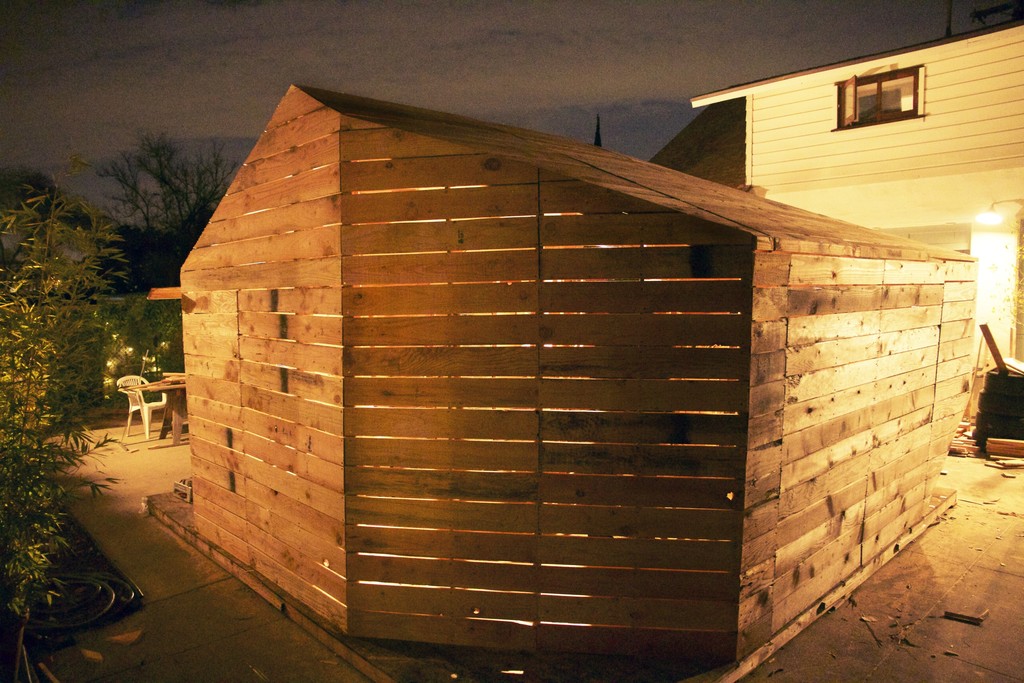
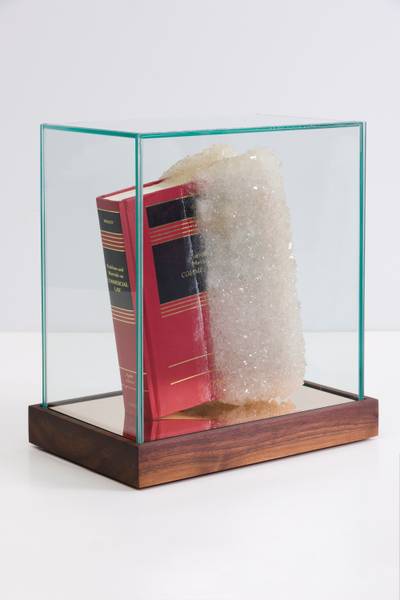
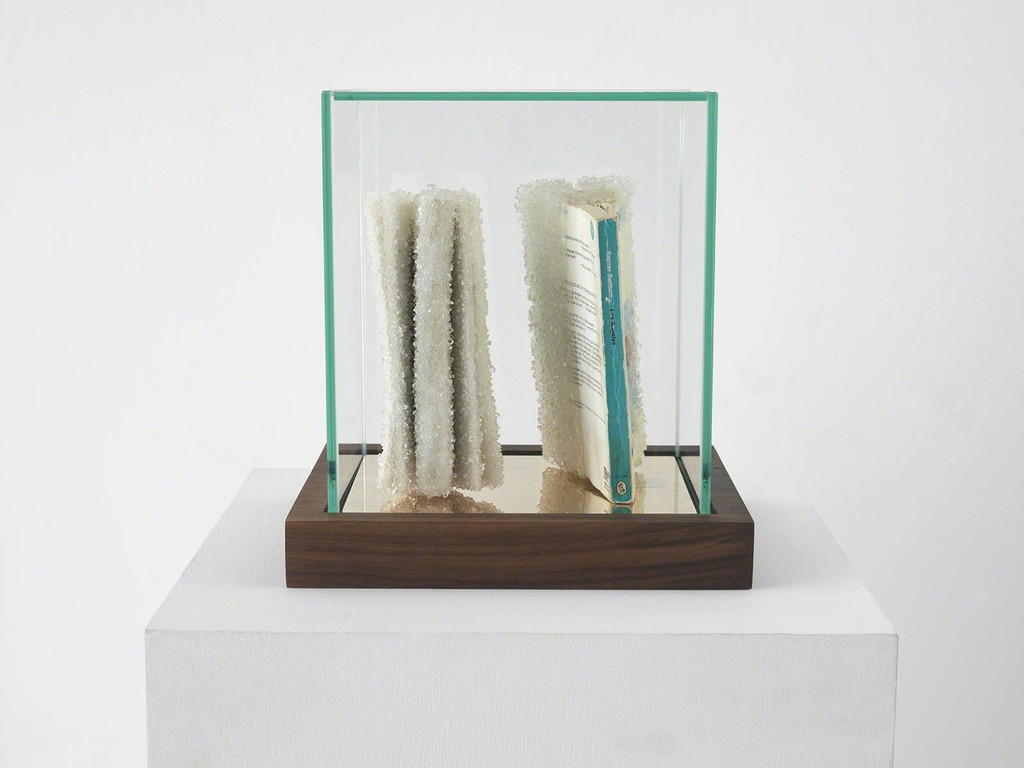
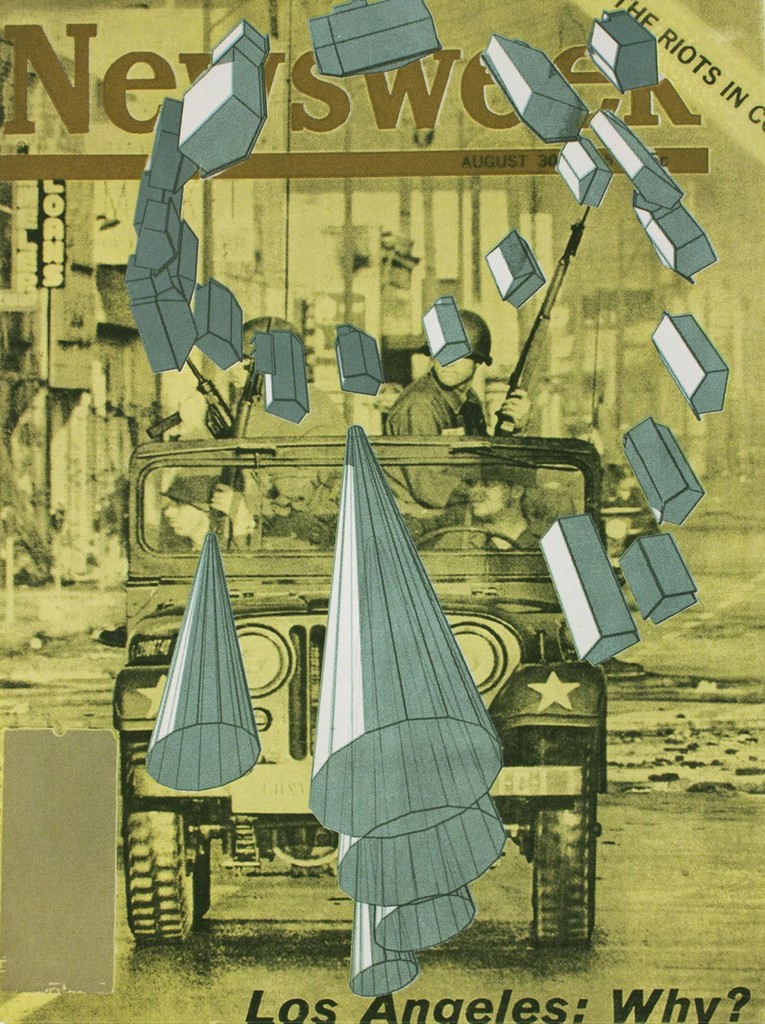
Library of Black Lies presents itself as a full architectural environment, an immersive room-scaled construction in which wood, mirror, glass, mylar, newspaper, hardbound books, sugar crystals, a lighting fixture, and an audio component converge into a single, unsettling proposition about knowledge, deception, and the institutional framing of truth. Measuring nearly five meters on each side and standing over two and a half meters tall, the work surrounds the viewer in layered reflective surfaces and accumulated printed matter, creating an experience that is simultaneously archival and hallucinatory. The sugar crystals introduce an element of organic transformation, implying that what has been preserved here is also, quietly, in the process of dissolving. Developed through a close collaboration between Arceneaux and architect John K. Chan of Formation Association, the piece draws on both visual art and spatial design to interrogate the library as a symbol of authority. Libraries have long functioned as monuments to sanctioned knowledge, their ordered shelves conferring legitimacy on whatever they contain. Arceneaux exploits that cultural weight deliberately, populating this constructed space with materials that destabilize confidence in any single narrative. The audio component deepens the installation's temporality, embedding sound within a structure that already operates through fragmentation and misdirection. Now on view at the Mona Bismarck American Center, Library of Black Lies represents the kind of rigorous, politically engaged practice that defines Arceneaux's broader body of work. The piece is signed, and its scale and material complexity make it a significant acquisition opportunity for a collector committed to installation art that operates at the intersection of history, architecture, and cultural critique.
- Medium
- Wood, mirror, glass, mylar, newspaper, hardbound books, sugar crystals, lighting fixture, audio component
- Overall
- Signed
- Yes
- Spotted At
- Gallery · Mona Bismarck American Center
Start the Discussion
Request access to join the discussion