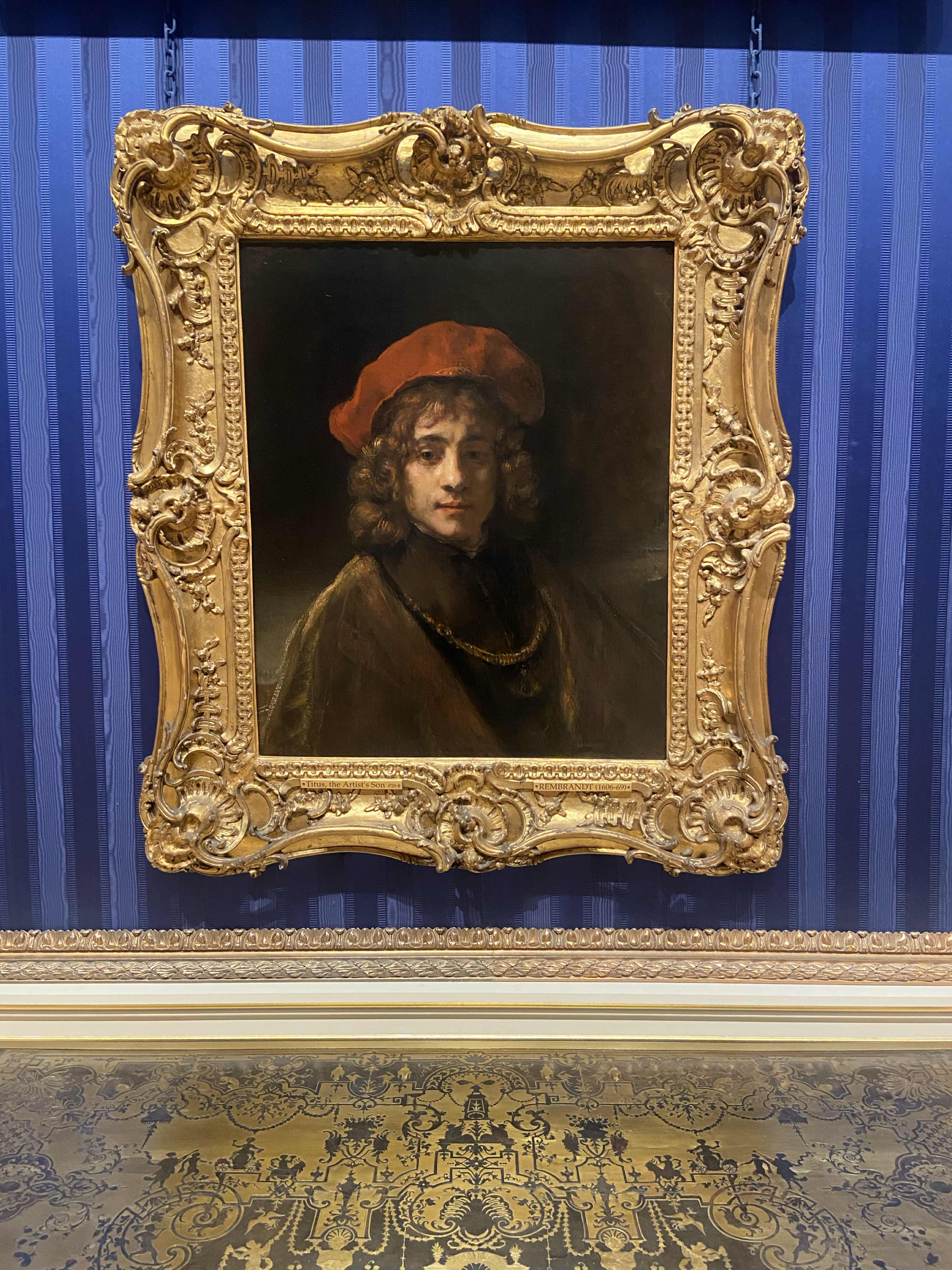
Titus, the Artist's Son
Rembrandt van Rijn painted this intimate and deeply personal portrait of Titus who was his beloved son and one of his most frequent models during the 1650s and 1660s. The young man is depicted wearing a characteristically Dutch red beret and a richly textured cloak adorned with a gold chain, rendered with the master's signature loose and expressive brushwork. Collectors prize this work for its emotional warmth and psychological depth, qualities that distinguish Rembrandt's portraits of family members from his commissioned works. The painting represents a rare opportunity to acquire a masterpiece that bridges the personal and artistic legacy of one of the greatest painters in Western art history.
- Medium
- Oil on canvas
More by Rembrandt van Rijn
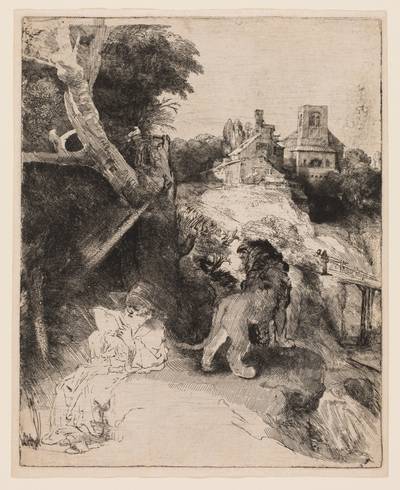
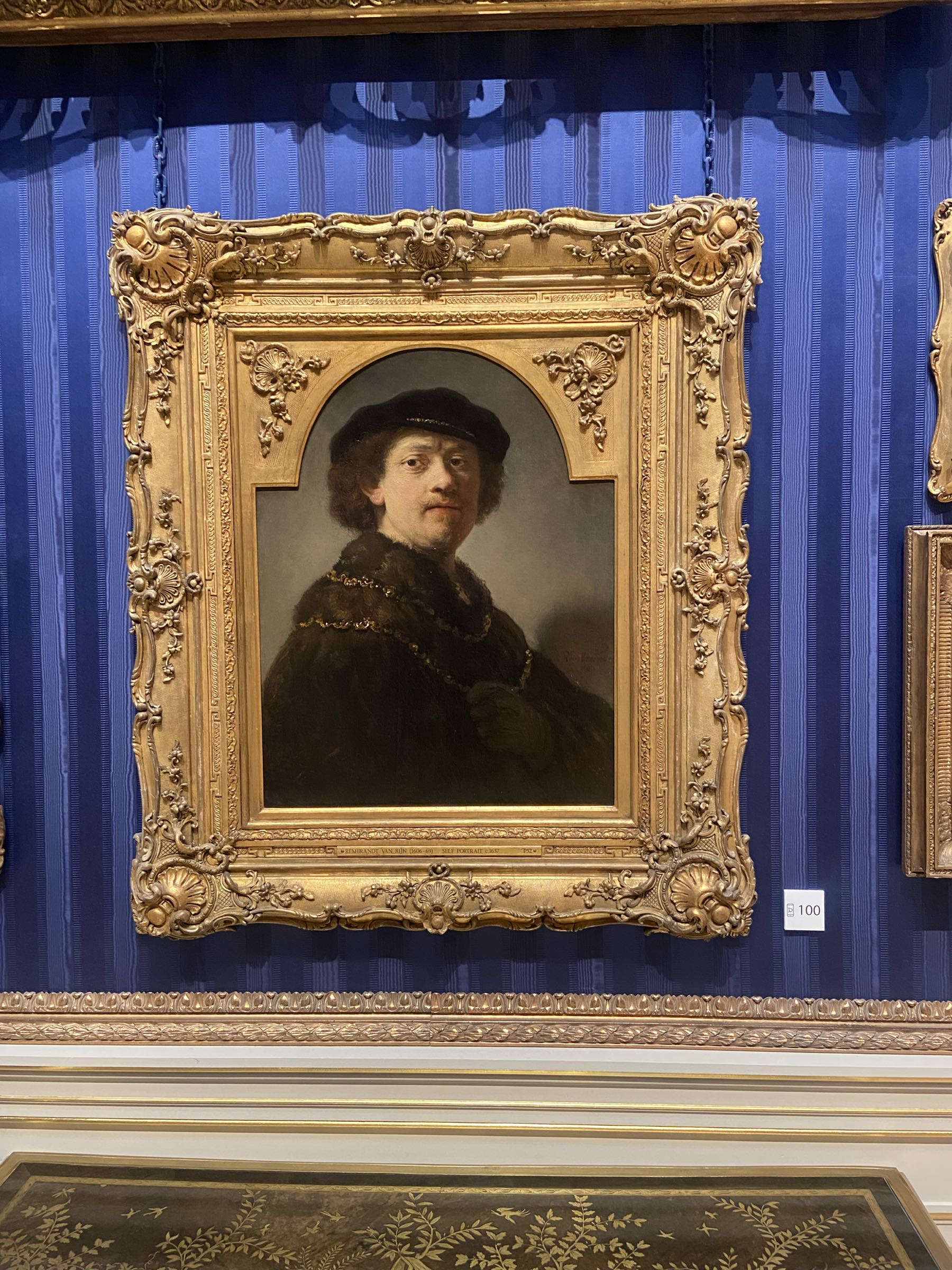
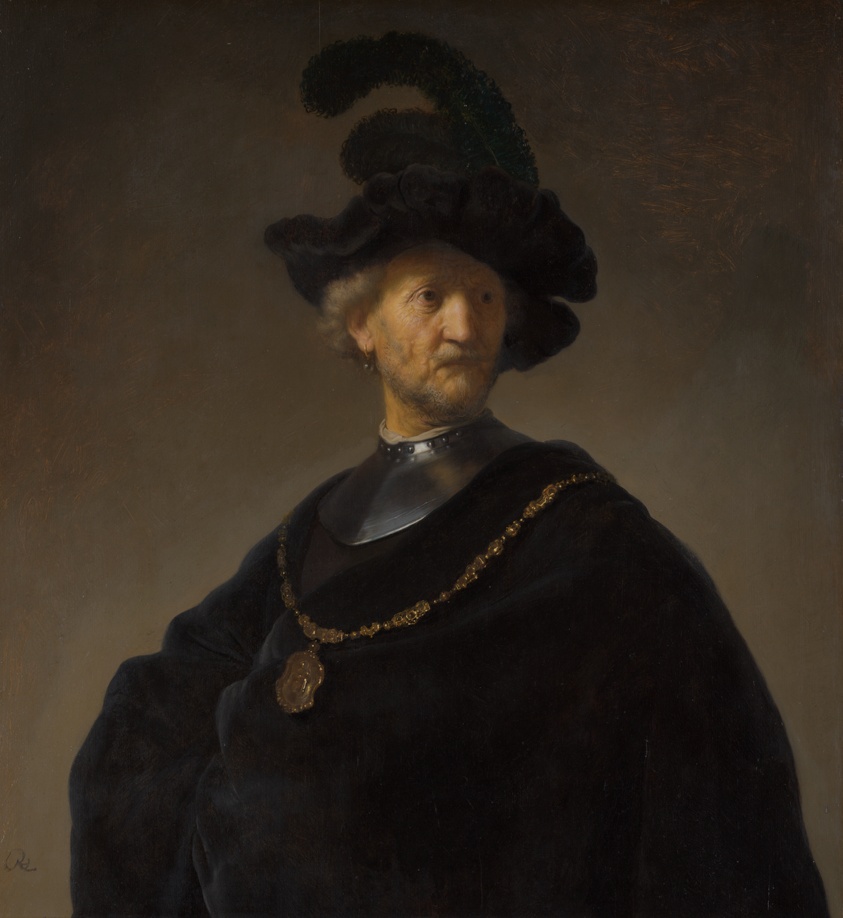
Spotted works by Rembrandt van Rijn
Artists in conversation
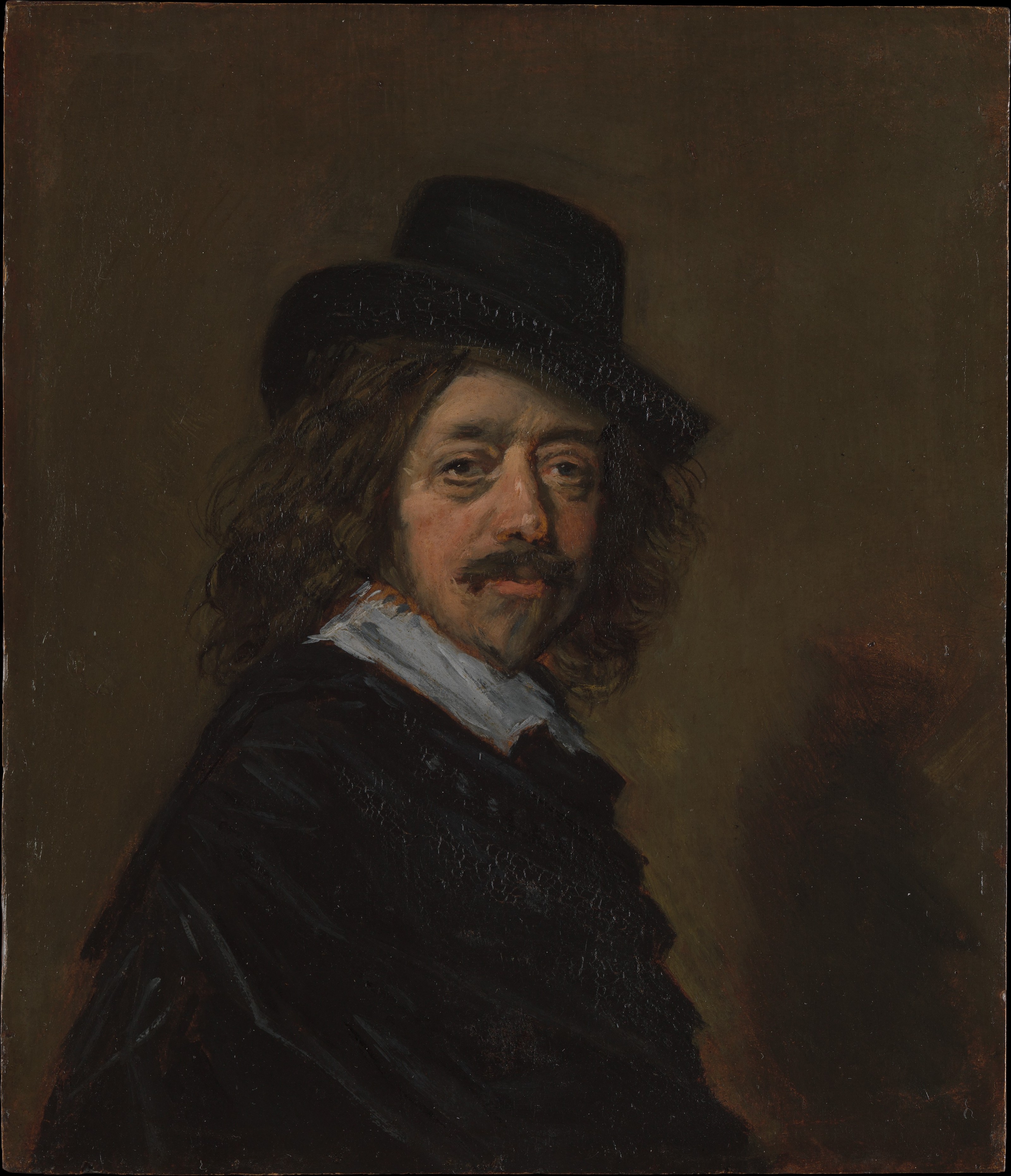
Frans Hals
Dutch · b. 1582
Hals was a contemporary Dutch Golden Age master who painted intimate male portraits with loose expressive brushwork and psychological immediacy, qualities that directly parallel Rembrandt's portrait of Titus. His handling of textured clothing, warm flesh tones, and characterful headwear in works like Boy with a Skull closely mirrors the emotional directness and painterly technique seen here.
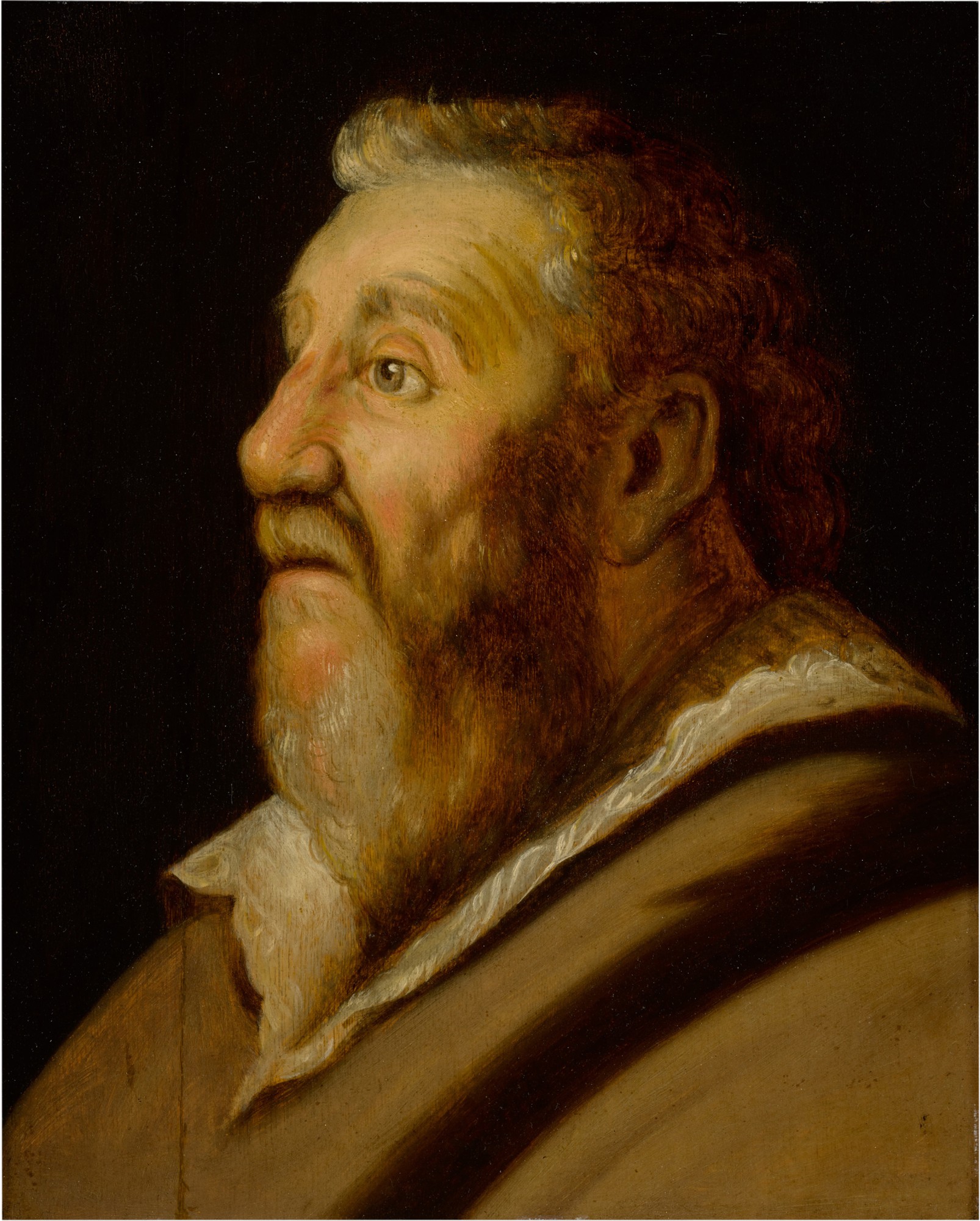
Jan Lievens
Dutch · b. 1607
Lievens was a close associate and early collaborator of Rembrandt who shared his deep use of chiaroscuro, richly rendered fabrics, and intimate psychological portraiture of young subjects in Dutch Baroque oil painting. His portraits of young men in period dress with warm directional lighting are virtually the closest stylistic parallels to this specific portrait of Titus.
Carel Fabritius
Dutch · b. 1622
As a direct pupil of Rembrandt, Fabritius absorbed the master's intimate portraiture style, warm tonal palette, and psychologically nuanced approach to depicting individual subjects with softly rendered costume details. His surviving portraits demonstrate the same emotional warmth and loose brushwork that make the portrait of Titus so distinctive.
Start the Discussion
Request access to join the discussion