Yukimasa Ida
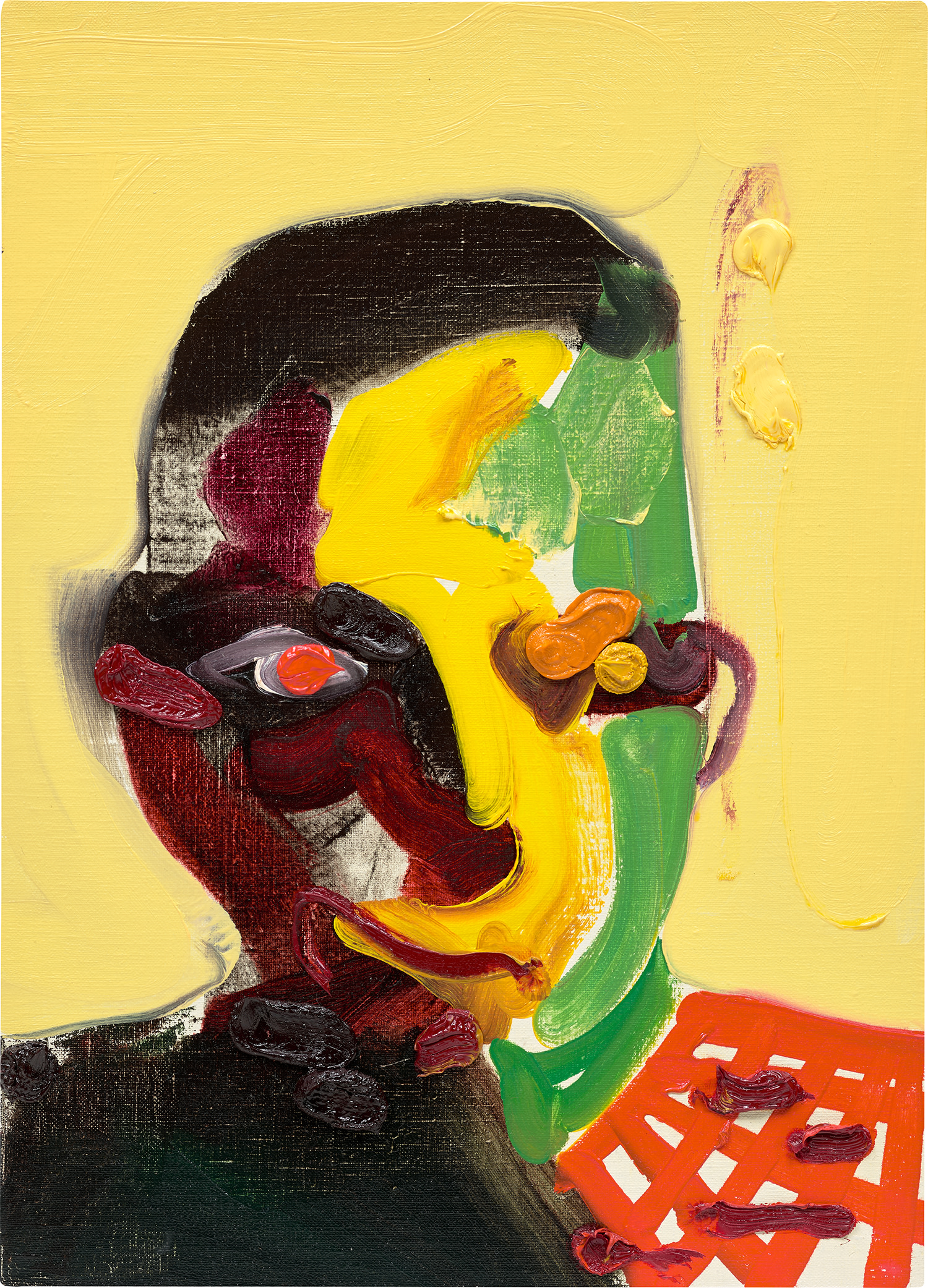
Yukimasa Ida Paints the Feeling Alive
Artist Spotlight · The Collection Editorial
Something shifted in the international contemporary art conversation around 2020 and 2021, when a cluster of paintings by Tokyo based artist Yukimasa Ida began circulating with unusual velocity among collectors in Asia, Europe, and North America. The works were impossible to ignore: faces dissolving into storms of pigment, figures caught mid gesture as if the canvas itself could not hold still long enough to contain them. Galleries in Hong Kong and beyond took notice, and the kind of quiet, urgent word of mouth that precedes genuine market momentum began to build. Ida, born in Japan in 1975, had been working with fierce dedication for years, but this period felt like an arrival.
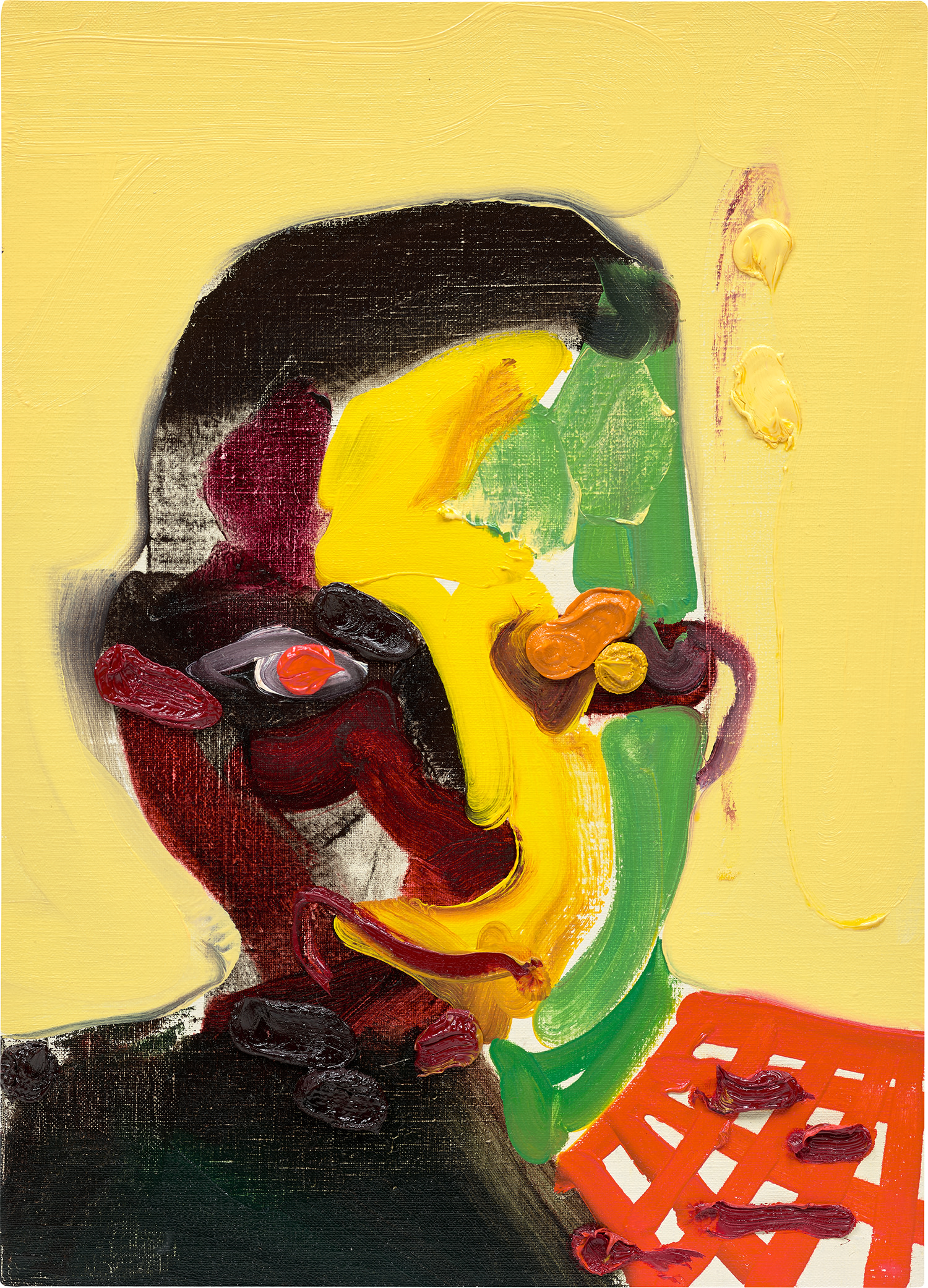
Yukimasa Ida
End of today 11/19 2020 Self portrait, 2020
Ida grew up in Japan during a decade when the country's visual culture was in a state of productive tension, absorbing the legacies of postwar Western painting while simultaneously reasserting the vitality of its own artistic traditions. The influence of manga, of ukiyo e's flattened drama, of Japanese calligraphy's expressive line, all found their way into the formation of a sensibility that would later distinguish Ida from many of his contemporaries working in gestural figuration. He came of age as an artist at a moment when painters like Neo Expressionists in Germany and New York were being reassessed and celebrated again, and Ida absorbed those lessons without ever becoming a mere disciple of any single tradition. His formation was genuinely cross cultural, and that hybridity became one of his greatest strengths.
What defines Ida's mature practice is a quality of controlled urgency that is extraordinarily difficult to sustain. He works in oil on canvas primarily, building surfaces through layered, spontaneous mark making that reads as immediate even when the underlying compositional thinking is clearly sophisticated. His brushwork carries the energy of someone painting against time, yet his works never feel careless. The recurring subject of the human face and the fragmentary figure gives his paintings an emotional anchor, a reason to care about all that chromatic turbulence.
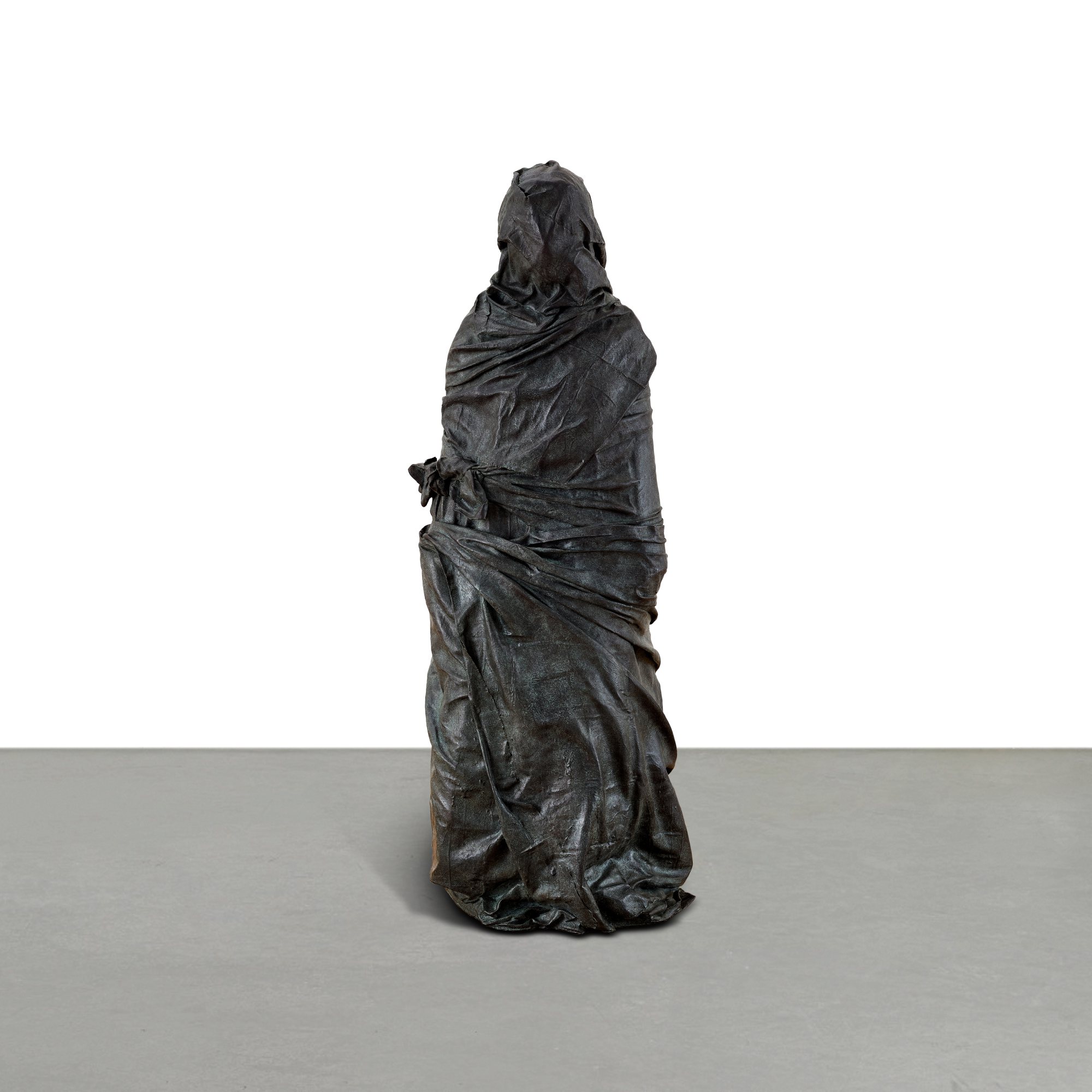
Yukimasa Ida
Venus 維納斯, 2019
Viewers often describe the experience of standing before an Ida canvas as something closer to hearing music than to looking at a picture, a comparison the work genuinely earns. Among his most discussed works is the ongoing series of paintings bearing the title "End of Today," several of which were completed during 2020 and 2021. These works, including a self portrait dated November 2020 and another from April 2021, feel deeply rooted in the specific psychological atmosphere of that period while transcending it entirely. The self portrait as a genre has a history stretching from Rembrandt through Egon Schiele to Maria Lassnig, and Ida enters that lineage with full awareness of the weight it carries.
His portraits of named individuals, including works titled "Owen," "Gabriel Sindorf," and the evocative "Cigarette Girl" and "Miko," suggest a practice of intimate attention, of looking hard at specific human beings and then releasing that attention into paint with something approaching abandon. The 2019 bronze work titled "Venus" demonstrates that Ida's sculptural thinking runs parallel to his painting, expanding the range of his formal investigations beyond the canvas. From a collecting perspective, Ida represents precisely the kind of artist whose moment has genuine staying power rather than the kind that fades after a single auction season. His work sits at a productive intersection: gestural enough to appeal to collectors who love the tradition of expressive mark making, figurative enough to carry emotional content that keeps works compelling over years of living with them.
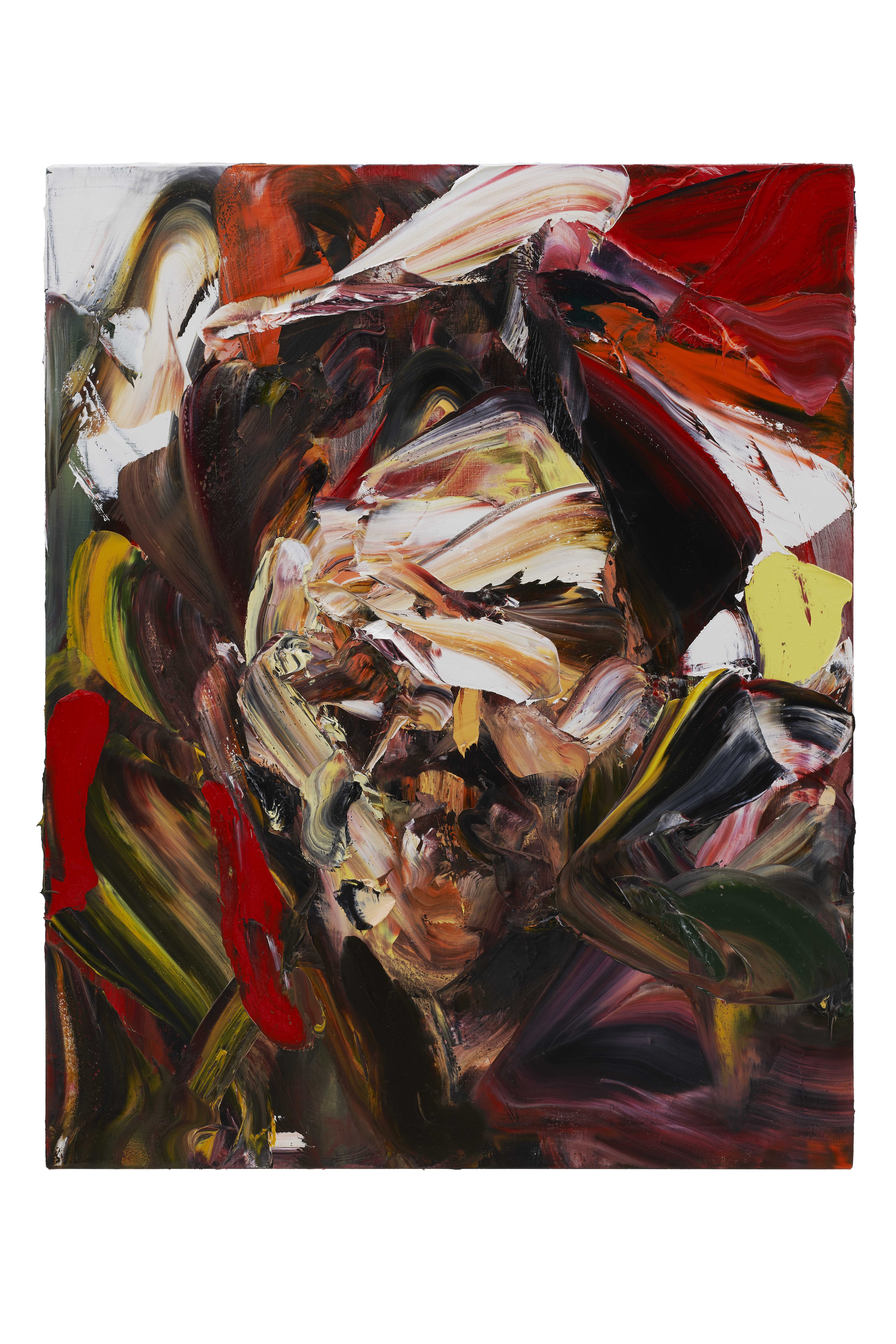
Yukimasa Ida
Owen, 2023
The titles that reference specific dates and named subjects give individual works a particularity that elevates them above generic expressionism into something more like a painted diary of genuine human encounters. Collectors who acquire works from this period are acquiring not just objects but a record of a practice finding its full voice. The market for artists working in this vein, including figures such as Cecily Brown, Francesca Mollett, and the late Cy Twombly in a different register, has demonstrated sustained collector interest across multiple market cycles. Within the broader context of contemporary painting, Ida belongs to an international generation of artists who returned to figuration and gestural painting not out of nostalgia but out of a conviction that the body and the face remain the most potent sites of meaning in visual art.
His closest artistic relatives include painters such as Dana Schutz, whose fractured figurative surfaces carry comparable emotional density, and the Korean painter Minyoung Kim, as well as earlier reference points like Georg Baselitz and Jean Michel Basquiat, whose raw mark making liberated a generation of painters from the anxiety of appearing too direct. What distinguishes Ida within this company is the specifically Japanese dimension of his sensibility, a quality of restraint coexisting with expressiveness, an aesthetic tension that feels genuinely his own rather than borrowed or performed. The legacy Yukimasa Ida is building is one that will be understood more fully with time, as is true of most artists whose work is genuinely alive in the present tense. What can be said with confidence now is that his paintings address something permanent about human experience, the desire to be seen, the difficulty of being known, the way a face can hold an entire emotional universe, and they do so with a technical command that gets better with each body of work.
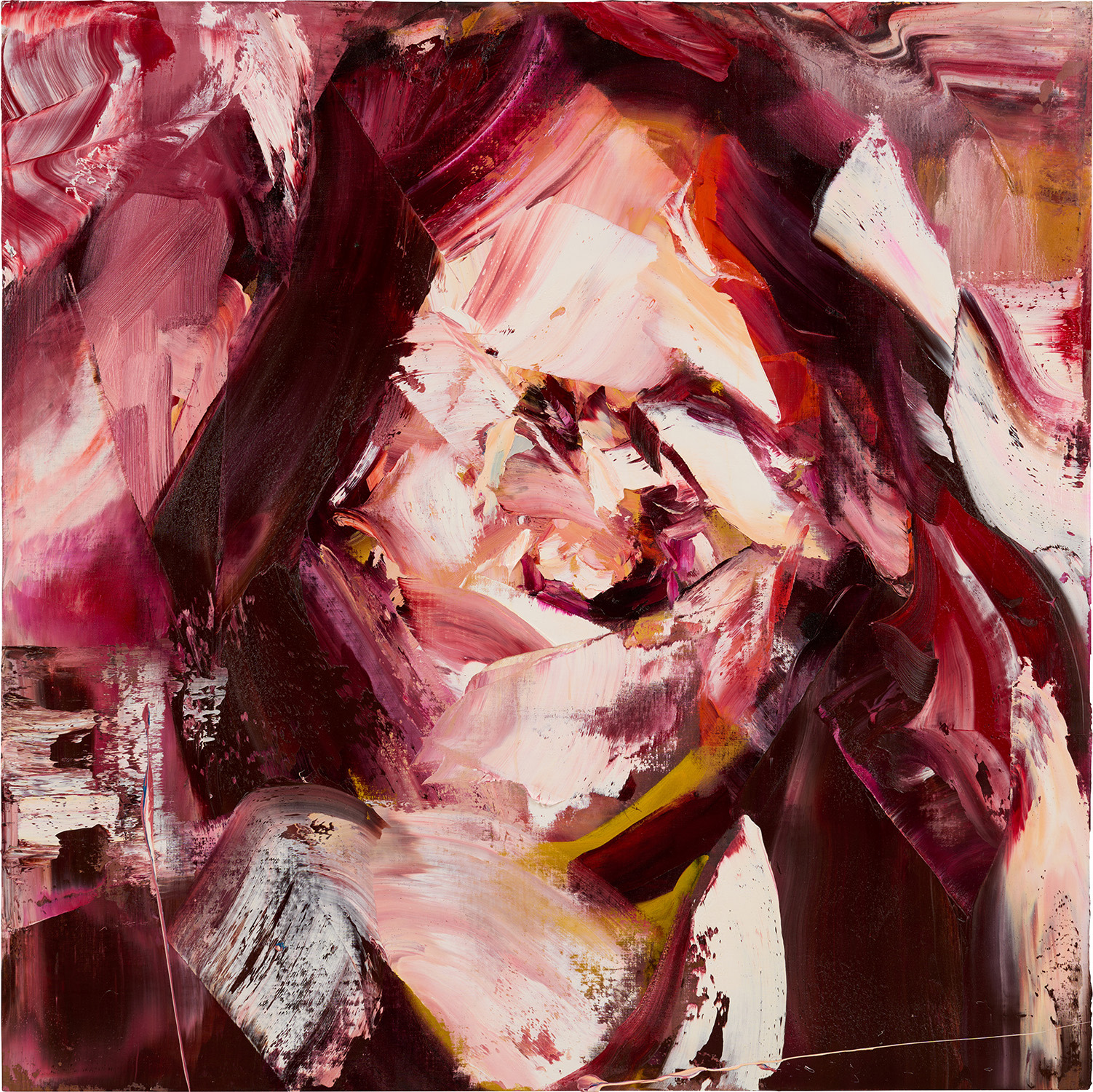
Yukimasa Ida
Gabriel Sindorf, 2018
For collectors and institutions seeking to understand where painting is going in the twenty first century, Ida is an essential figure to know. His canvases are not comfortable objects. They ask something of the viewer, a willingness to stay with uncertainty, to find meaning in the space between the recognizable and the dissolved. That quality is rare, and it is what separates artists who matter briefly from those who continue to matter.