Thomas Lawrence
5
Works
1
Followers
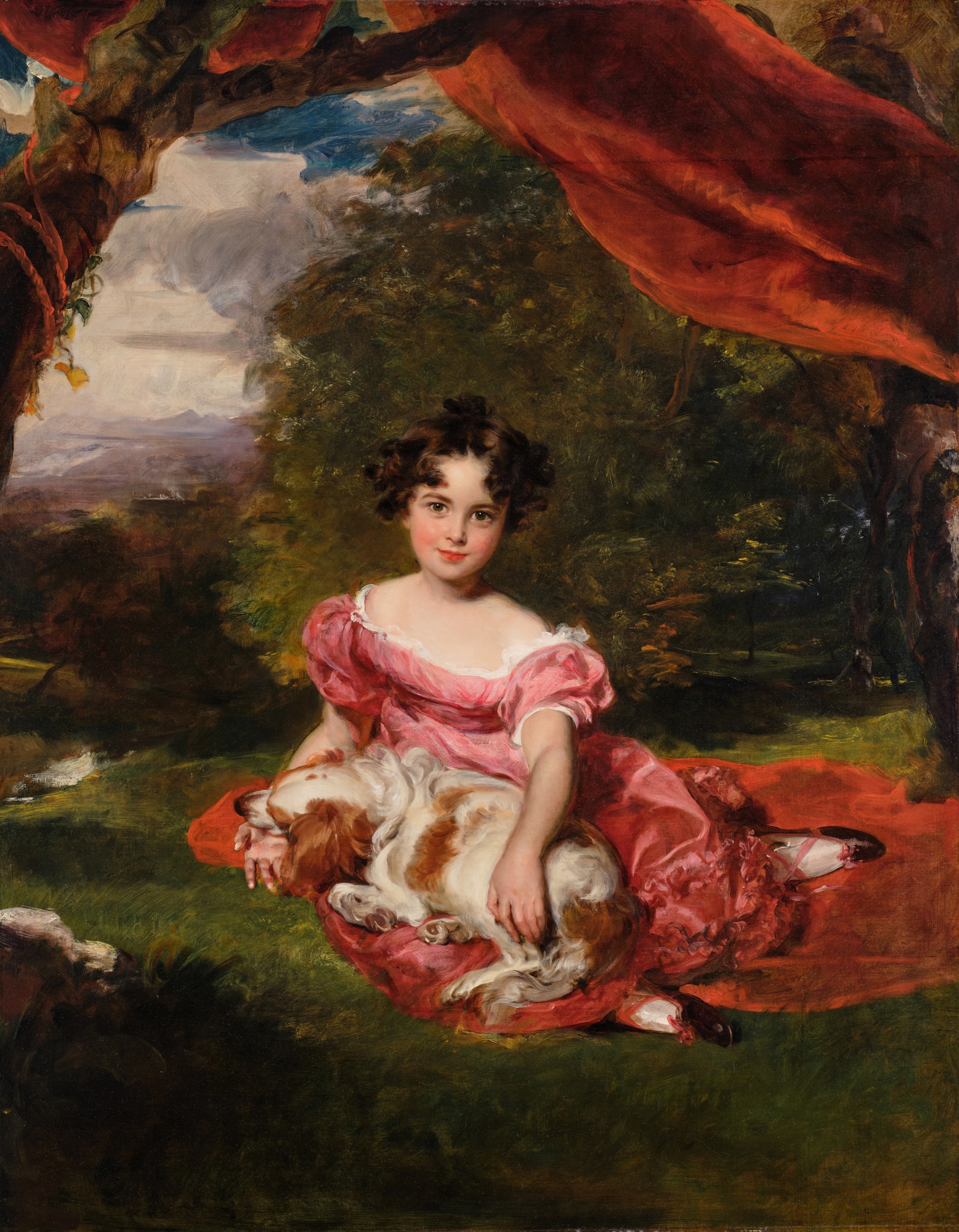
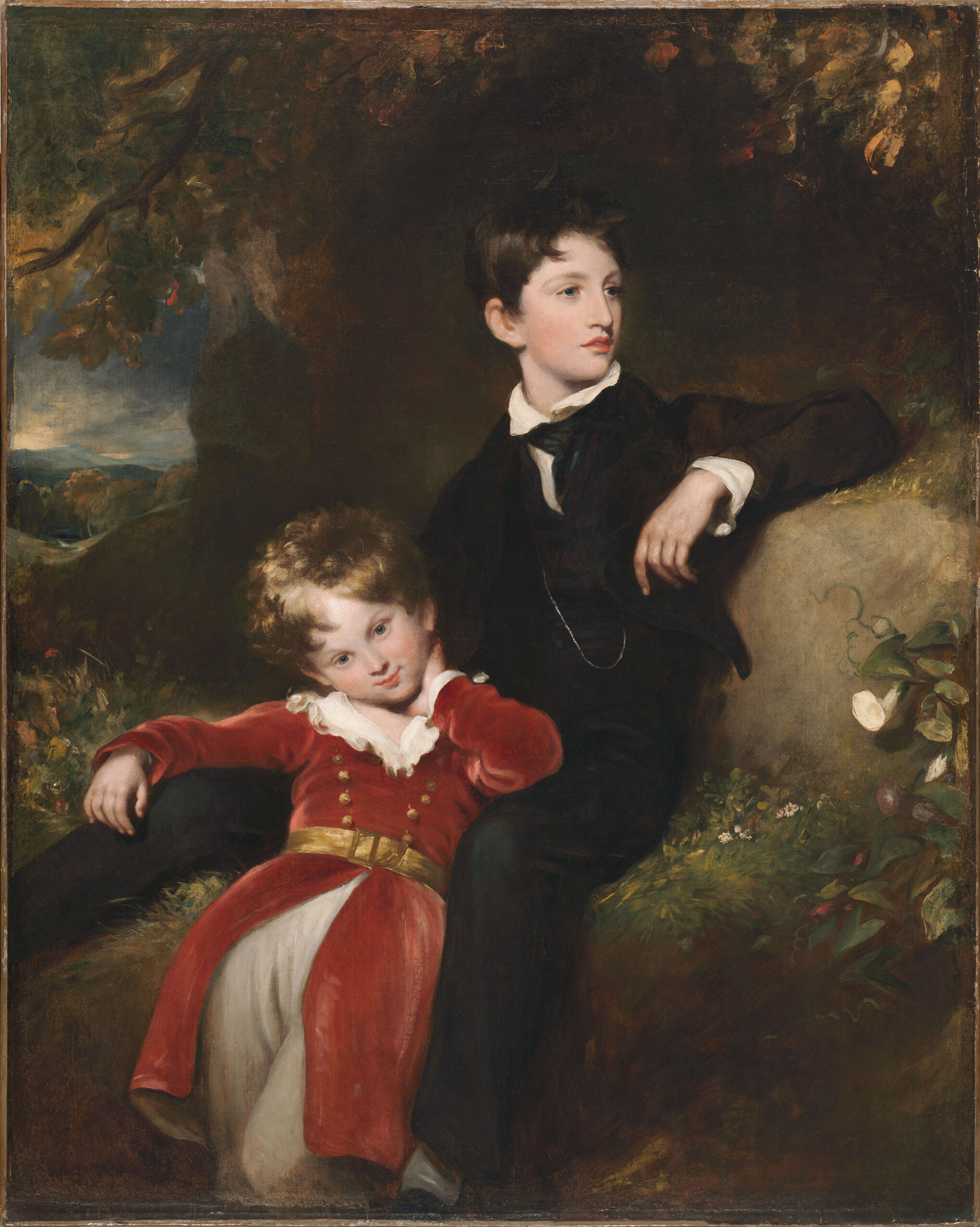
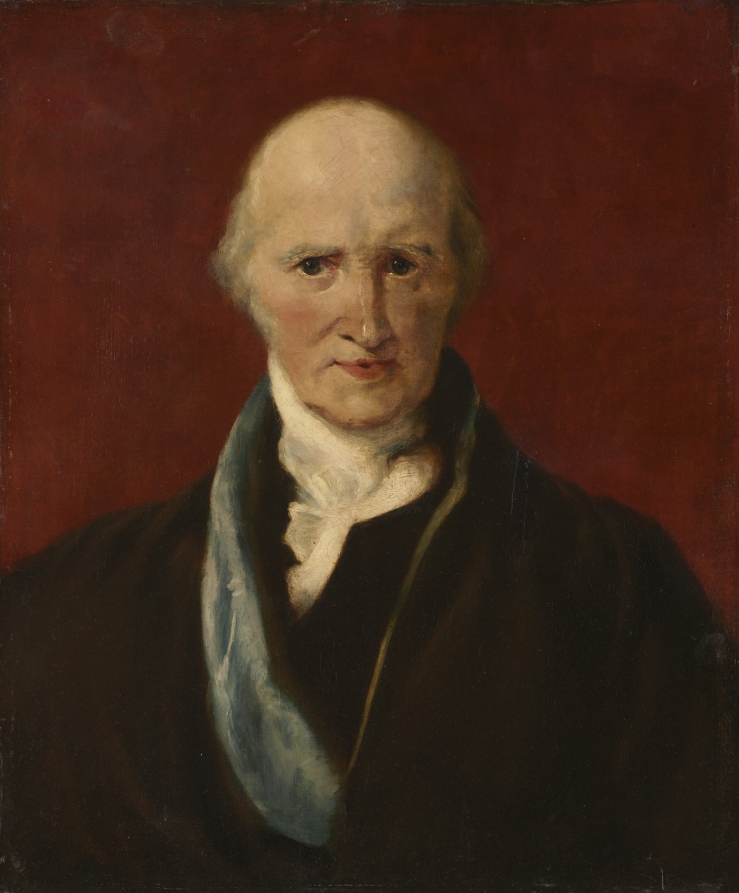
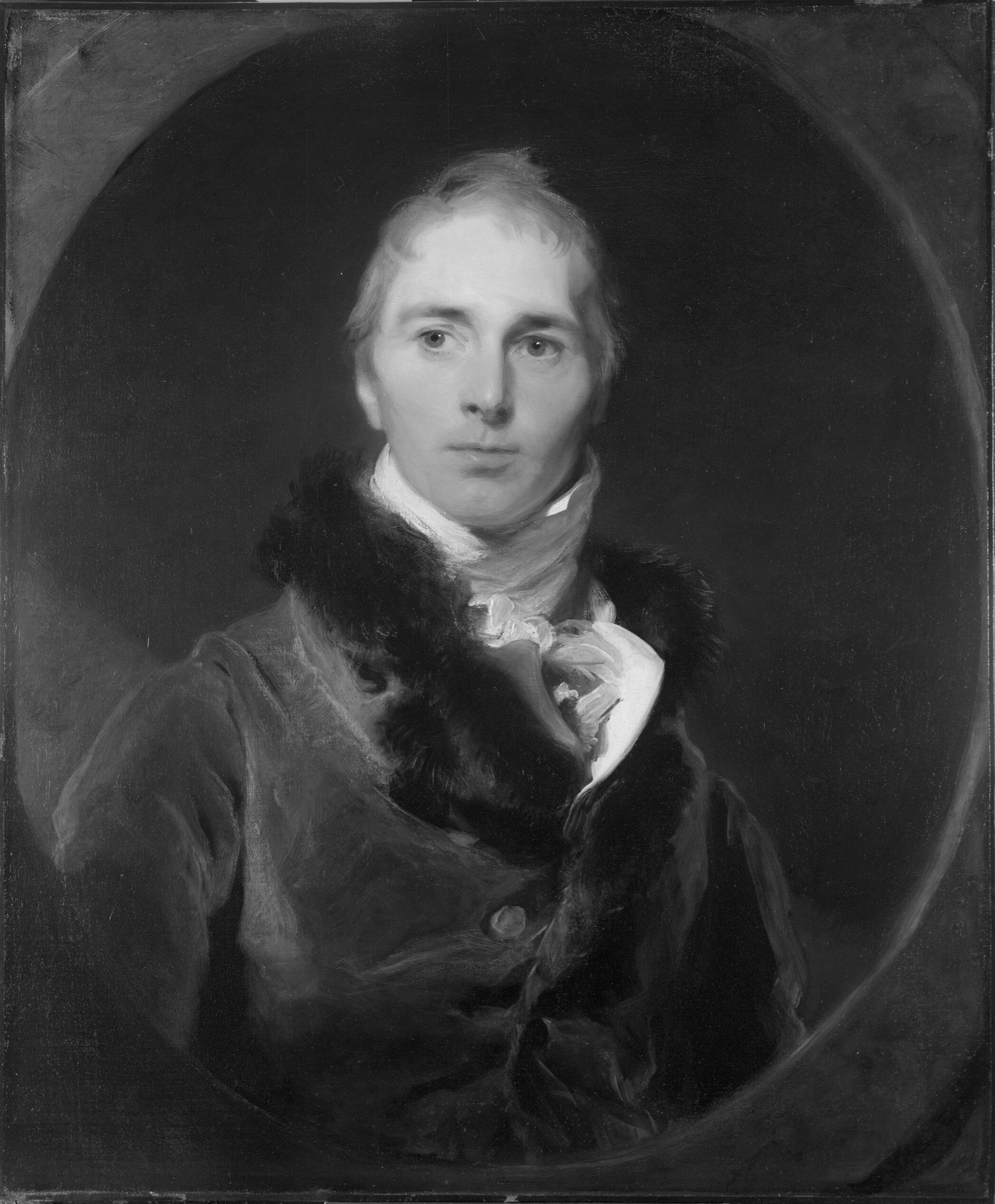
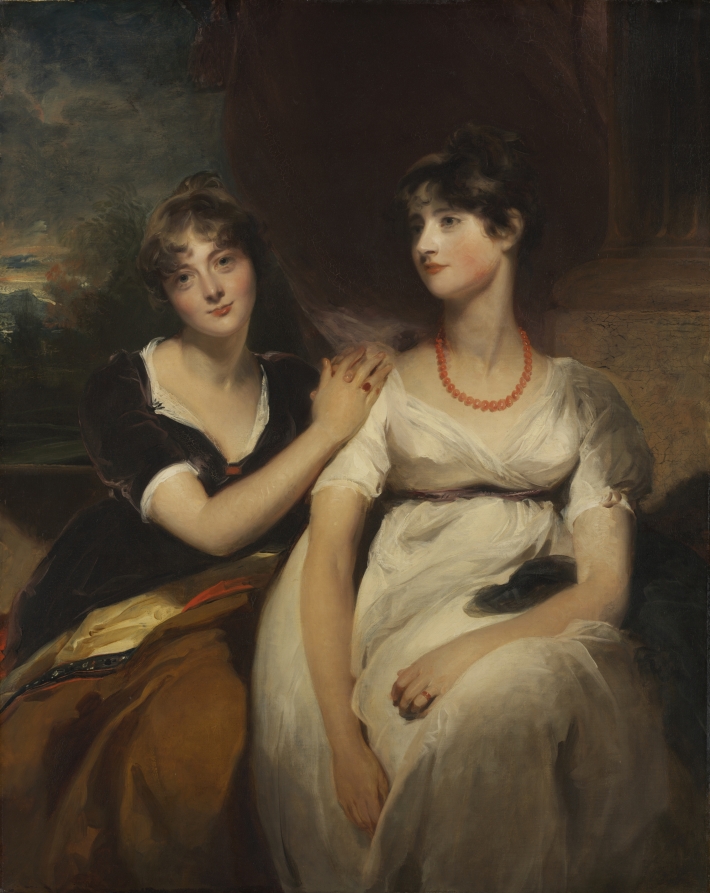
Sir Thomas Lawrence was one of the most celebrated British portrait painters of the late 18th and early 19th centuries, renowned for his glamorous and psychologically penetrating depictions of royalty, aristocracy, and prominent figures of the Regency era. Born in Bristol, Lawrence was a child prodigy who began his professional career as a portraitist at the exceptionally young age of ten. By eighteen, he had established himself in London, and in 1792, at just twenty-three, he succeeded Sir Joshua Reynolds as Principal Painter to King George III. His meteoric rise was fueled by his extraordinary technical virtuosity, his ability to capture both the physical likeness and inner character of his sitters, and his mastery of rich, fluid brushwork that gave his paintings a luminous, almost romantic quality. Lawrence's style combined the grandeur of the Grand Manner tradition with a more intimate, emotionally resonant approach to portraiture. His brushwork was notably free and expressive, with shimmering silks, velvets, and furs rendered with bravura technique. Among his most famous works are his portraits of Pope Pius VII, the actress Sarah Siddons, and the ambitious series of portraits of European monarchs and military leaders who defeated Napoleon, commissioned by the Prince Regent (later George IV) for the Waterloo Chamber at Windsor Castle. This series, which includes portraits of Tsar Alexander I, the Duke of Wellington, and numerous other dignitaries, represents one of the most significant diplomatic portrait commissions in European art history. Lawrence was knighted in 1815 and elected President of the Royal Academy in 1820, cementing his position as the preeminent British artist of his generation. His influence extended throughout Europe, where he was celebrated for bringing a new vitality and psychological depth to the portrait tradition. Despite his professional success, Lawrence's personal life was marked by financial difficulties due to his extravagant lifestyle and complicated romantic entanglements. His legacy endures as the bridge between 18th-century British portraiture and the more romantic sensibilities of the 19th century, and his works remain highlights of major museum collections including the National Portrait Gallery in London, the Royal Collection, and the Metropolitan Museum of Art.
Artists in conversation