Sanford Robinson Gifford

Sanford Robinson Gifford

American(July 10, 1823 – 1880)

24

Works

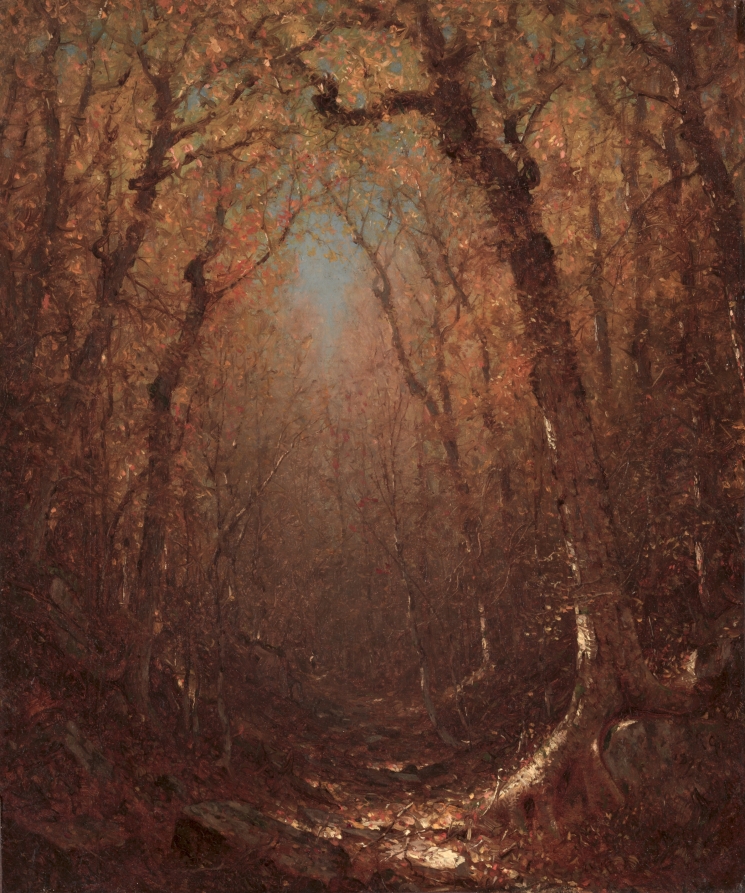
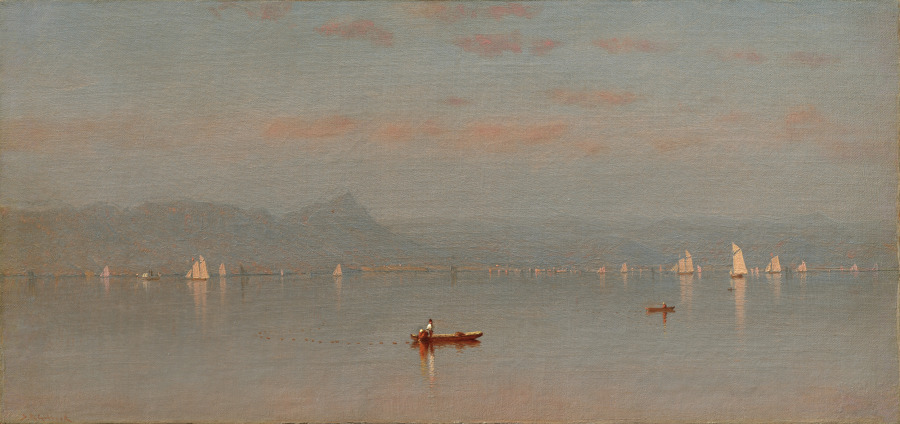
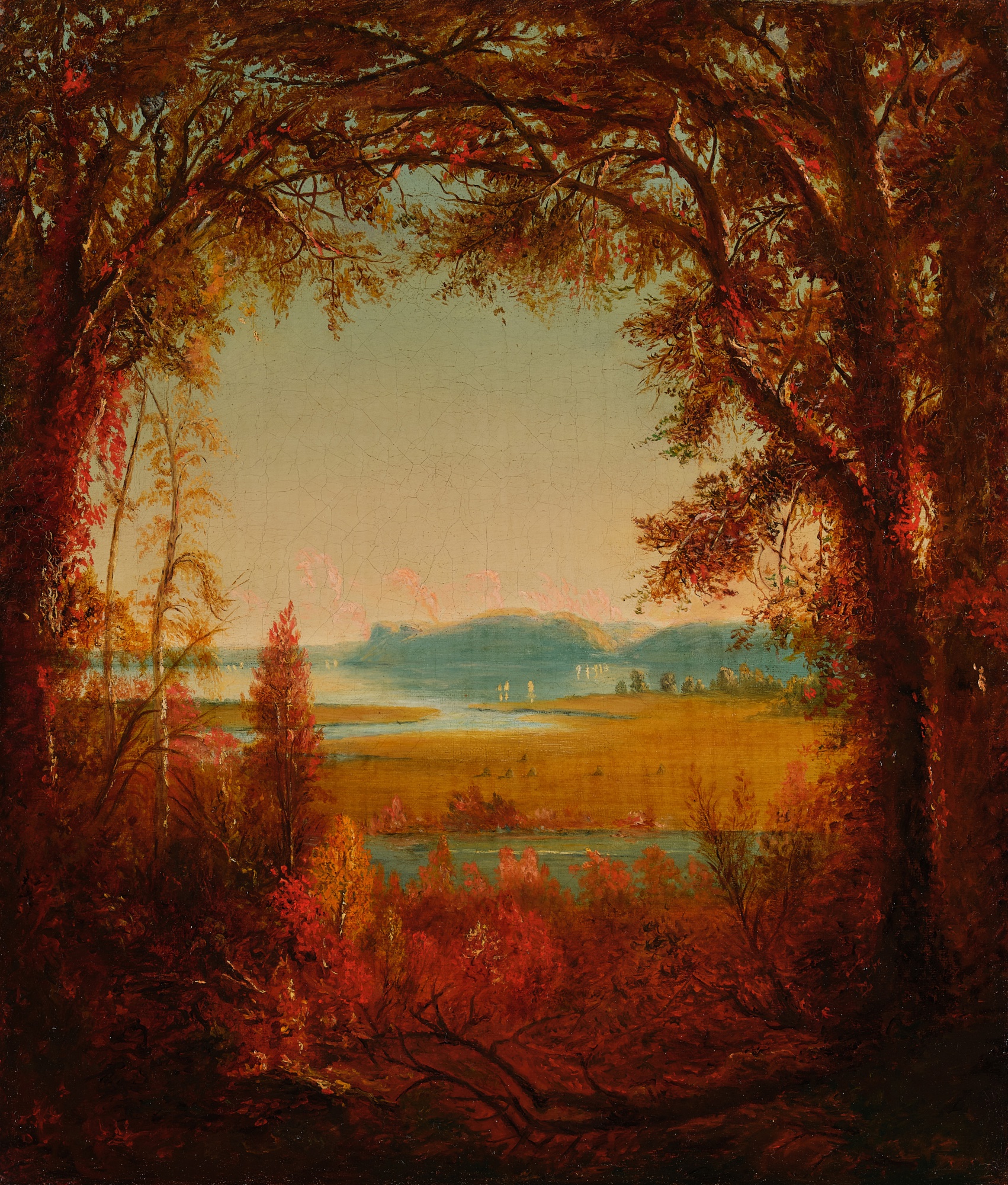
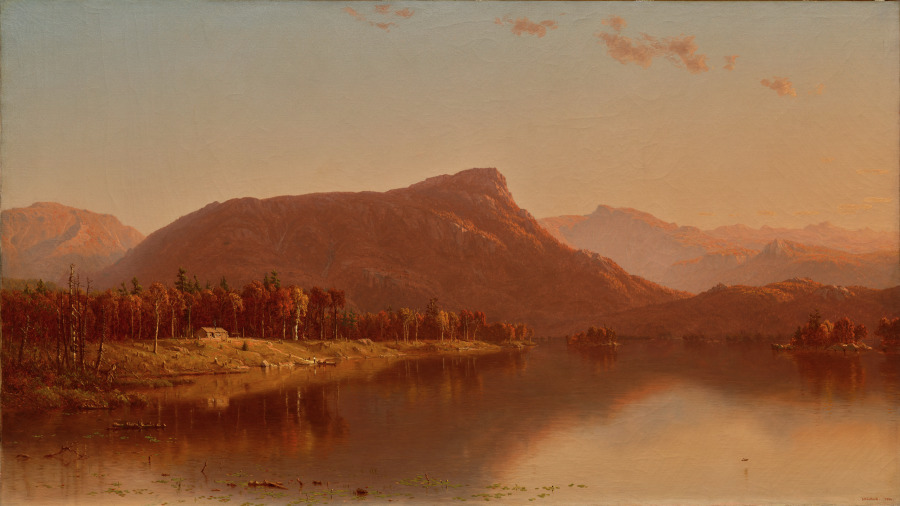
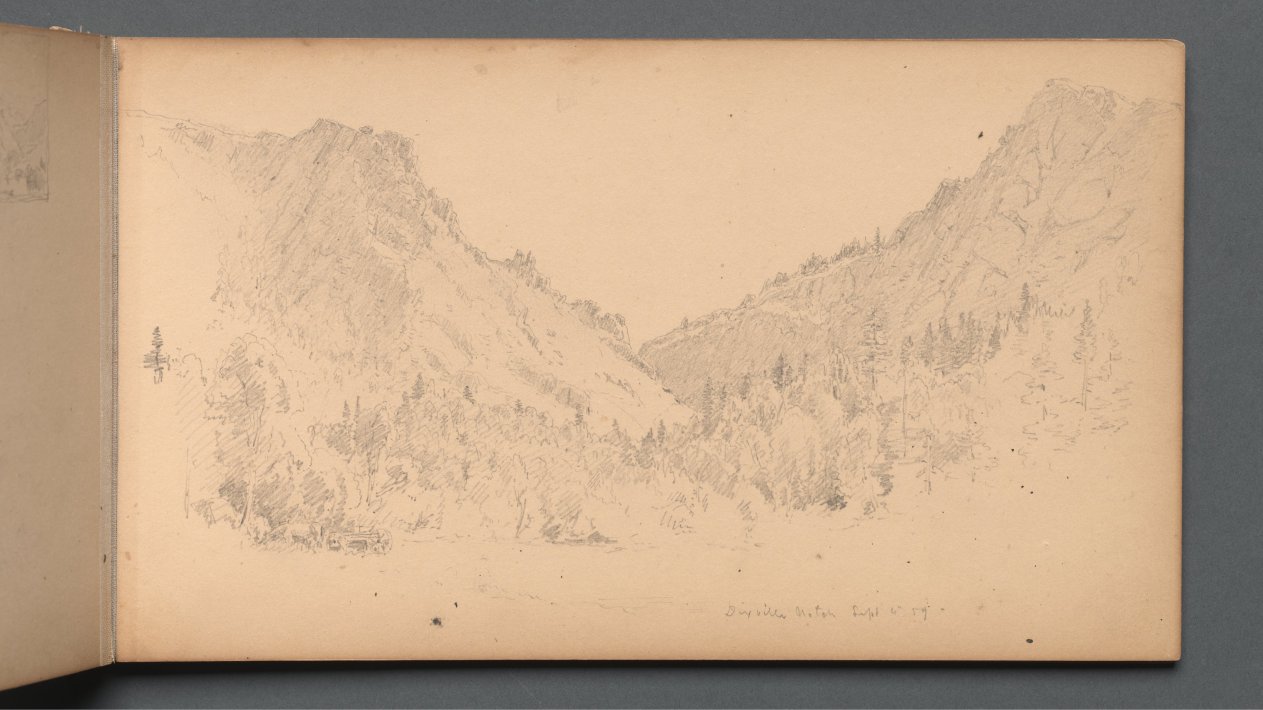
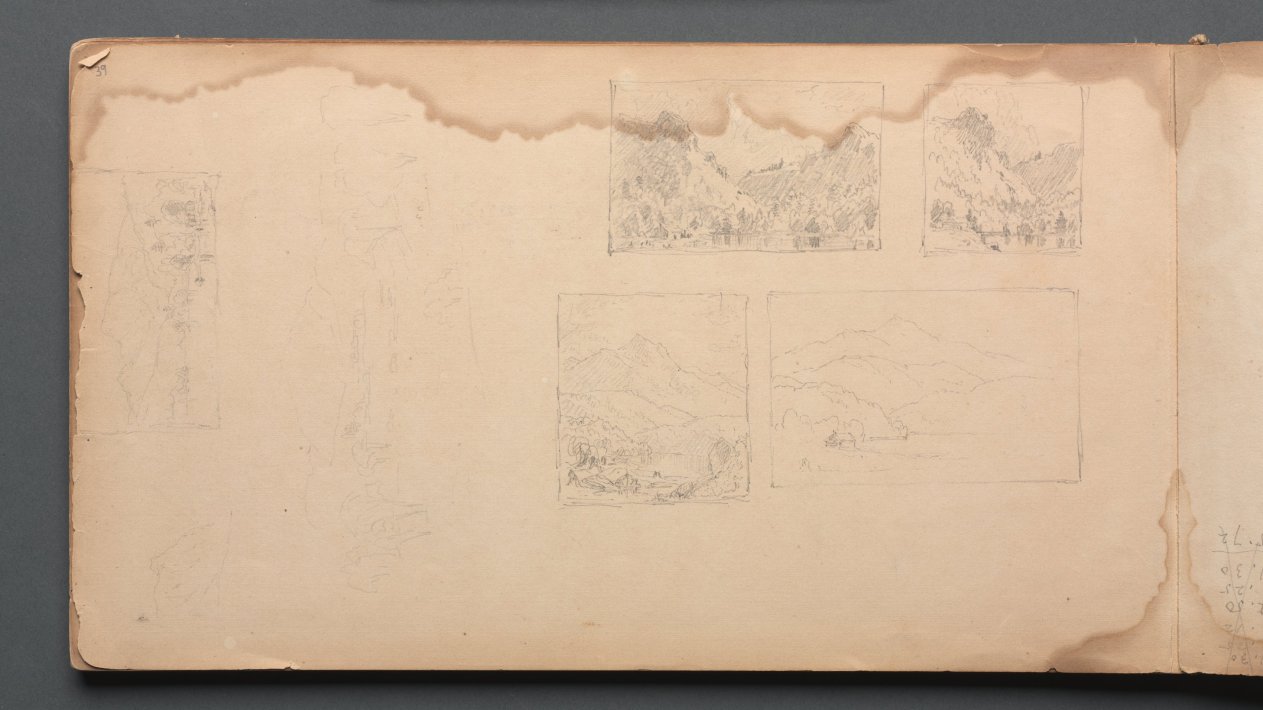
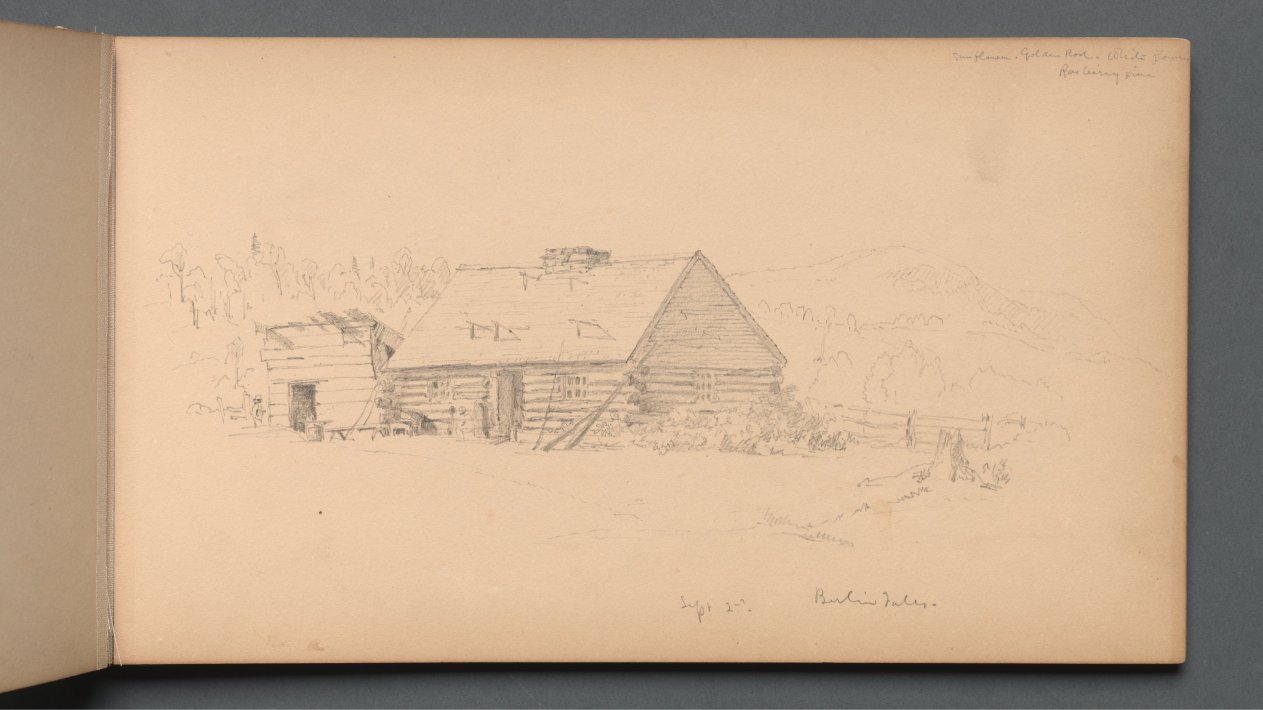
Sanford Robinson Gifford was a leading American landscape painter and a prominent member of the Hudson River School, though he is often associated with its second generation known as the Luminists. Born in Greenfield, New York, Gifford developed a distinctive approach to landscape painting characterized by his masterful treatment of atmospheric light and air. His works are distinguished by their warm, golden tonalities and hazy, luminous quality that seems to suffuse entire compositions with a transcendent glow. Unlike some of his contemporaries who emphasized dramatic topographical detail, Gifford focused on capturing ephemeral effects of light at specific times of day, particularly during sunrise and sunset, creating what critics have termed "air paintings" for their emphasis on atmosphere over solid form. Gifford traveled extensively throughout his career, drawing inspiration from the American wilderness, Europe, and the Middle East. His major works include "Kauterskill Falls" (1862), "A Gorge in the Mountains" (1862), and "Hunter Mountain, Twilight" (1866). He served in the Union Army during the Civil War, an experience that influenced his later work. His paintings of the Catskill Mountains, Lake George, and the White Mountains became iconic representations of the American landscape. Gifford was particularly drawn to coastal and mountain scenes where he could explore the interplay of light, water, and atmosphere. His trips to Europe and the Near East in the 1850s and 1860s resulted in notable works depicting Italian lakes, the Parthenon, and Egyptian monuments. Gifford was highly respected during his lifetime, elected to the National Academy of Design in 1854, and was a central figure in New York's artistic community. His work represents a transitional moment in American landscape painting, moving from the more literal representations of early Hudson River School painters toward the more poetic and atmospheric approach of Luminism. Following his untimely death from malarial fever in 1880 at age 57, a major memorial exhibition at the Metropolitan Museum of Art in 1881 featured over 160 of his works, cementing his reputation as one of America's foremost landscape painters. Today, his paintings are held in major American museums including the Metropolitan Museum of Art, the National Gallery of Art, and the Smithsonian American Art Museum.

Spotted by

Artists in conversation

Get the App