Rodney Graham
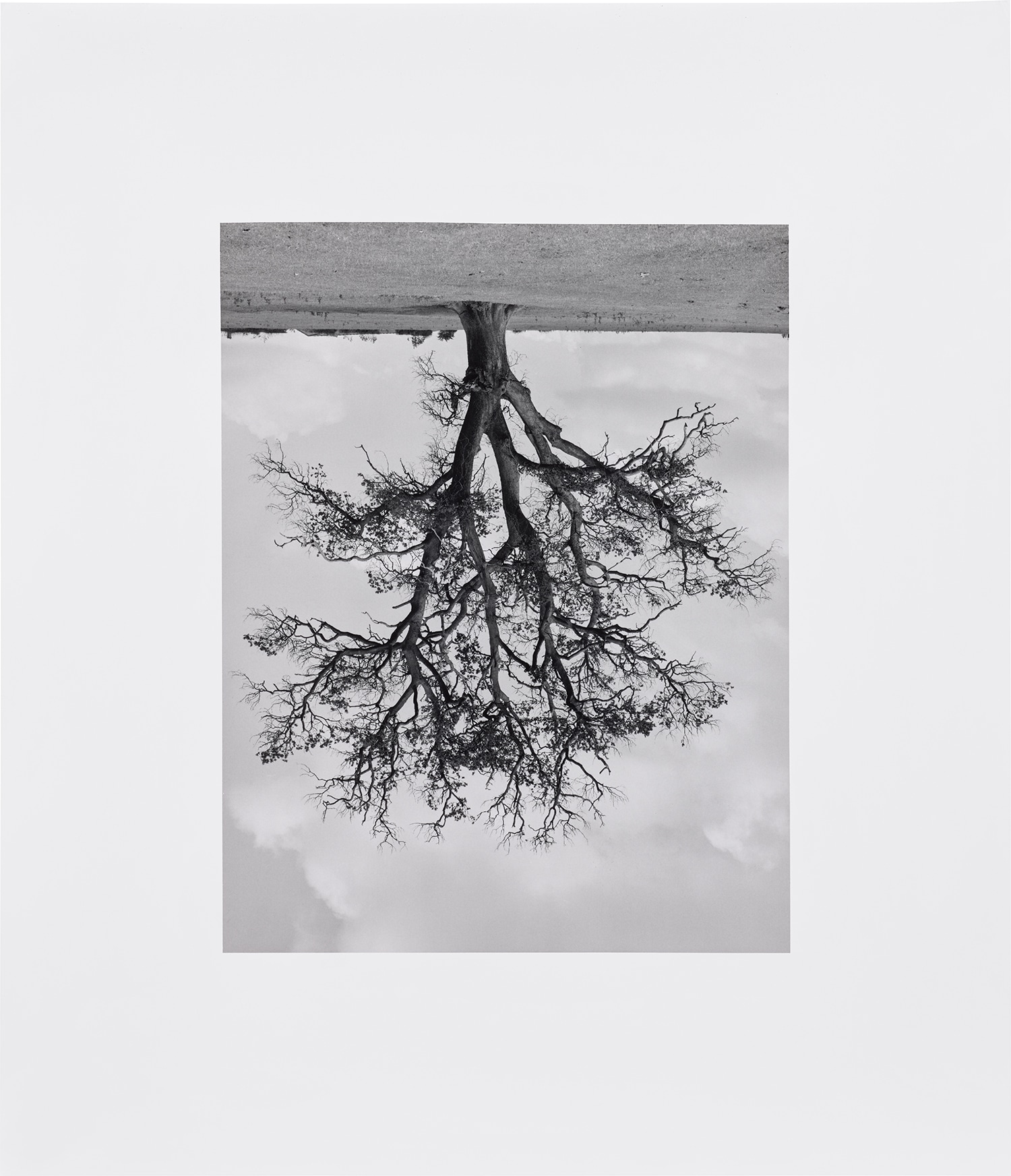
Rodney Graham, The Eternal Loop Maker
Artist Spotlight · The Collection Editorial
In the months following Rodney Graham's death in October 2022, the art world paused to take stock of a career that had quietly, persistently redefined what conceptual art could feel like. Warm where its predecessors were cold, witty where they were austere, and deeply human where they might have been merely clever, Graham's practice across five decades had produced a body of work that rewarded both the scholar and the daydreamer. Major institutions from the Museum of Contemporary Art in Los Angeles to the Art Gallery of Ontario honored his contribution, and the market responded with renewed attention to his photographs, lightboxes, and film installations. The consensus was clear: Graham had been one of the essential artists of his generation, and collectors who had recognized that early were sitting with something genuinely irreplaceable.
Rodney Graham
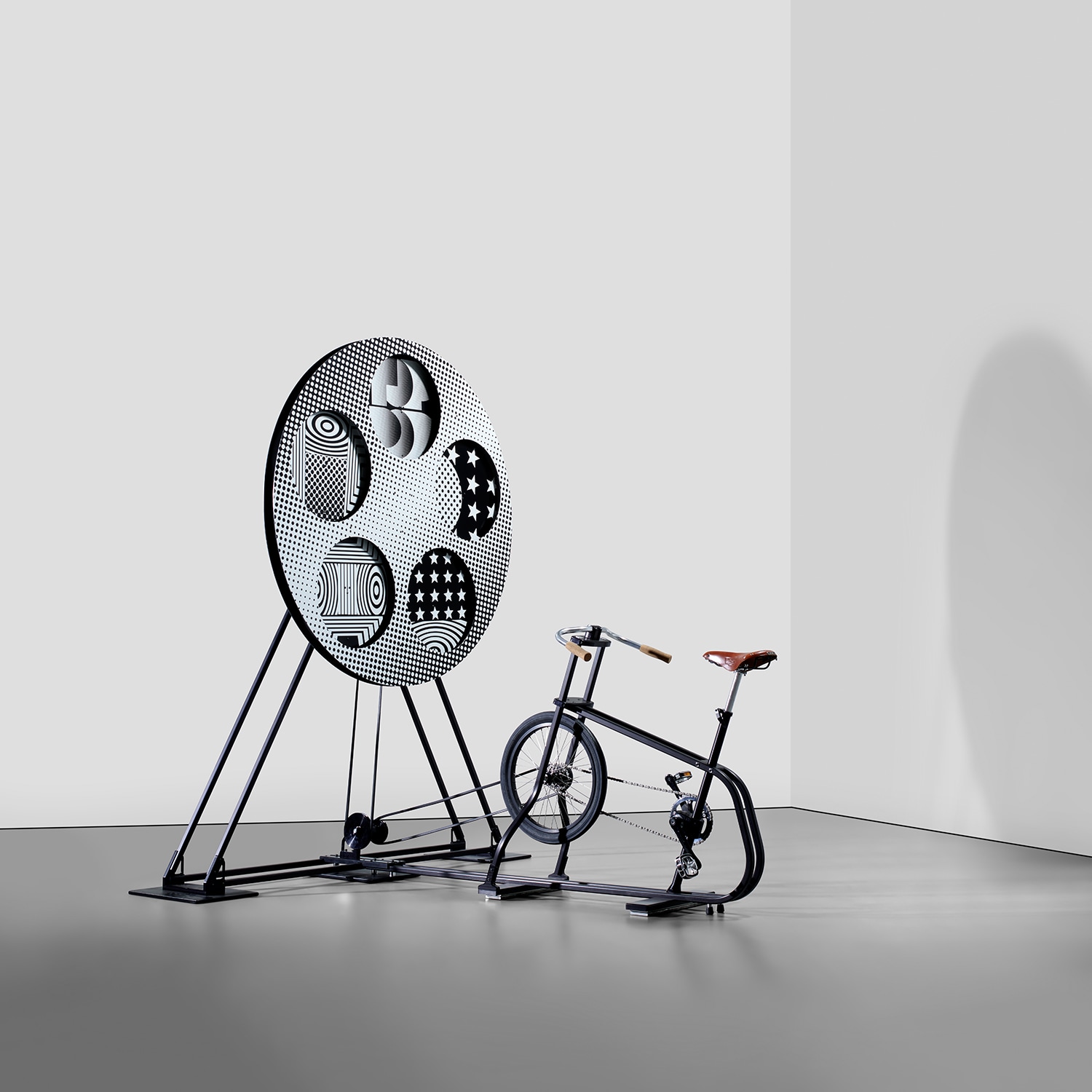
Mini Rotary Pyscho Opticon, 2008
Graham was born in Abbotsford, British Columbia, in 1949, and came of age in a Vancouver that was still finding its cultural footing. He studied at the Vancouver School of Art and later at the University of British Columbia, where he encountered the intellectual currents that would shape his entire practice. The city itself mattered enormously. Vancouver in the 1970s was a place where a certain kind of rigorous, photo based conceptualism was taking root, nurtured by artists and thinkers who believed that images could carry philosophical weight without sacrificing formal beauty.
Graham absorbed all of this and then quietly went his own way, developing a sensibility that was at once more literary, more musical, and more self deprecating than much of what surrounded him. The movement that formed around Graham and his peers, now widely known as the Vancouver School, included Jeff Wall, Ian Wallace, and Ken Lum, among others. This loose grouping of artists shared a commitment to large scale photography as a serious artistic medium, and to the idea that pictures could engage with history, power, and representation in ways that painting had perhaps exhausted. Graham's contribution to this conversation was singular.
Rodney Graham
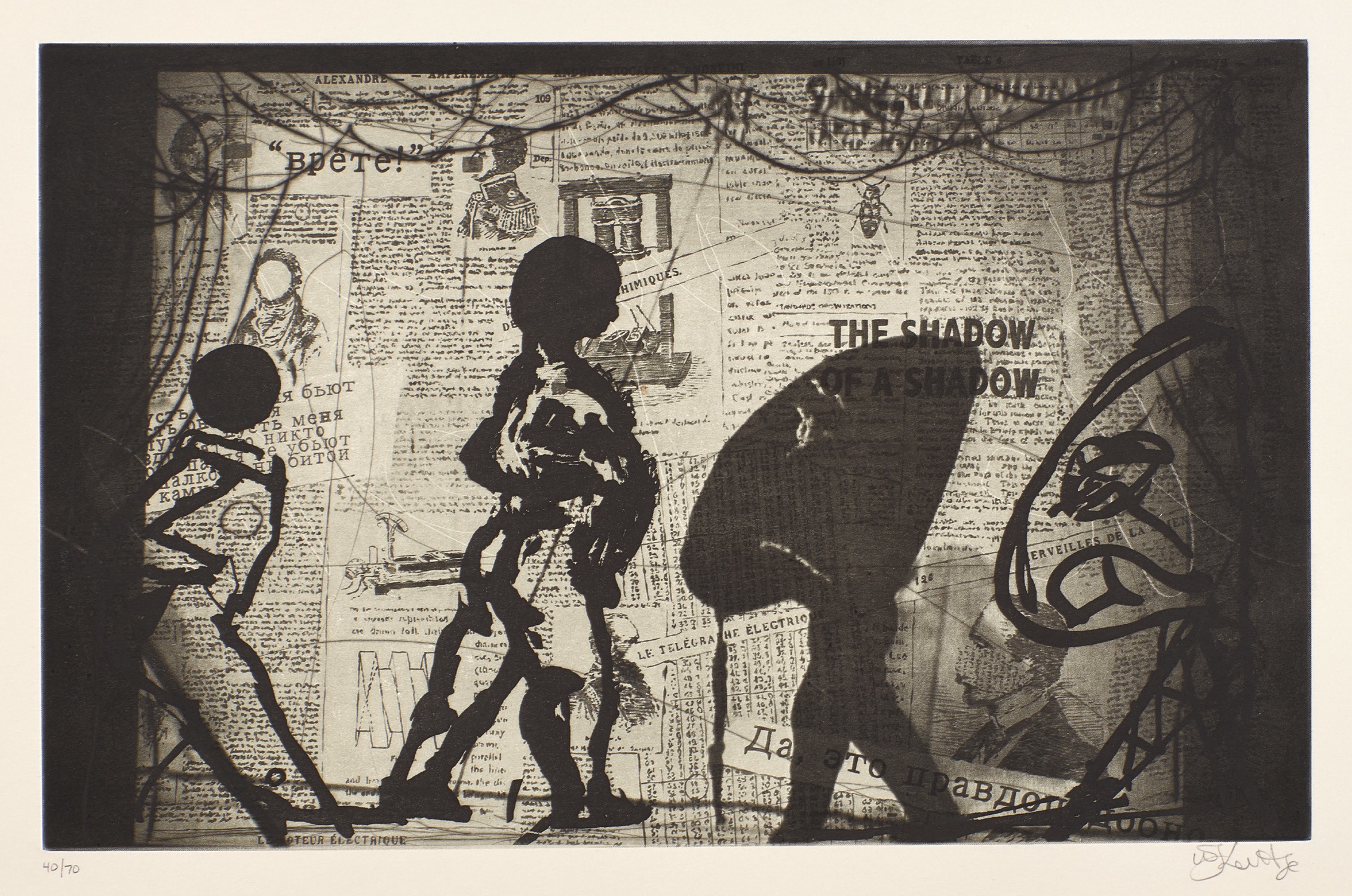
Meissonier with my thumb-print
While Wall constructed elaborate cinematic tableaux and Lum interrogated cultural identity, Graham turned his lens on loops, reversals, and the strange persistence of the past. His early text based works engaged directly with literature, particularly the writing of Sigmund Freud and Lewis Carroll, finding in their structures a set of obsessive formal games that he would play for the rest of his life. The breakthrough that brought Graham to international attention was the film installation Vexation Island, presented at the Venice Biennale in 1997, where it served as Canada's official contribution. The work is a looped 35mm film in which Graham himself, dressed as an eighteenth century sailor, is knocked unconscious by a falling coconut, only to wake and repeat the sequence again and again without end.
The piece is at once a meditation on colonial narrative, a slapstick comedy, and a formal inquiry into the nature of cinema and repetition. It is also genuinely pleasurable to watch, which was always part of Graham's strategy. He believed that conceptual rigor and sensory delight were not opposing forces, and Vexation Island proved the point with elegant, deadpan grace. Throughout the 1990s and 2000s, Graham developed a remarkable body of photographic work, most notably his series of large format lightboxes in which he portrayed himself in elaborate period costumes and settings.
Rodney Graham
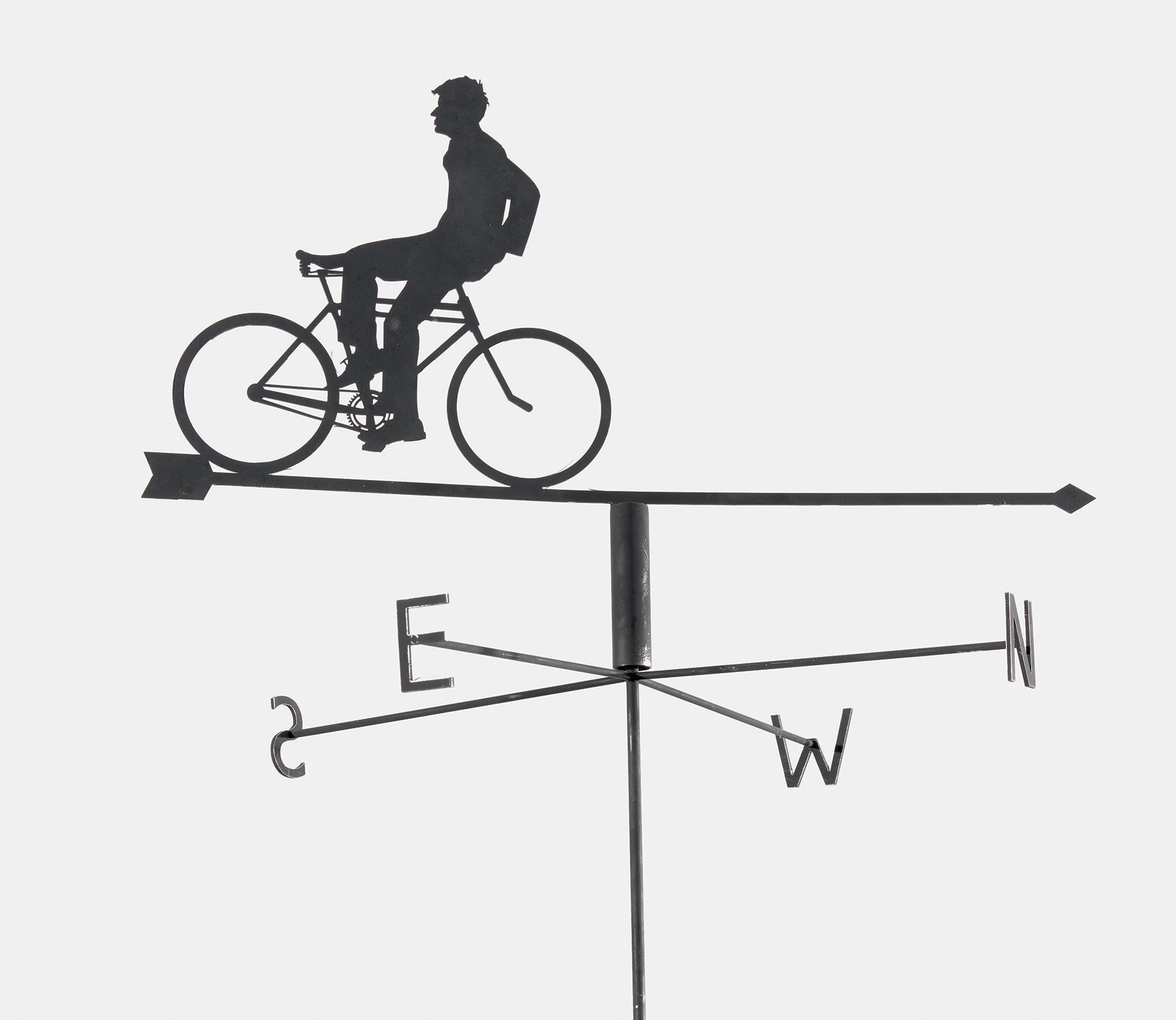
Weather Vane
Works like Cactus Fan, which places Graham in the guise of a romantic figure beneath a vast desert plant rendered in glowing, transmounted color, exemplify his ability to collapse historical time into a single luminous image. His Gelatin silver prints, including the quietly majestic Oxfordshire Oak, Bandford Fall and the Oak Trees, Red Bluff series, reveal another dimension of his practice entirely: a patient, almost nineteenth century relationship with landscape and light. These works owe a clear debt to the history of European photography and to the Romantic tradition in painting, and Graham wore those debts openly, as a form of homage rather than influence to be obscured. His sculptural objects, such as the Mini Rotary Psycho Opticon of 2008, a kinetic construction assembled from bicycle components, aluminium, and steel, brought his fascination with loops and mechanical repetition into three dimensions with characteristic wit.
Graham's engagement with music was equally serious and equally playful. He performed under the name the Rodney Graham Band, releasing records that occupied a strange and appealing territory between art project and genuine pop song. The music video installation A Little Thought extended this interest into the gallery, presenting Graham as a kind of accidental rock star, performing with evident relish while the work interrogated the very conventions of the music video form. His screenprint A Glass of Beer, printed in colors on mirror, continues this thread of self portraiture and art historical citation, positioning Graham within a lineage that runs from Flemish genre painting through to the mirror as conceptual device.
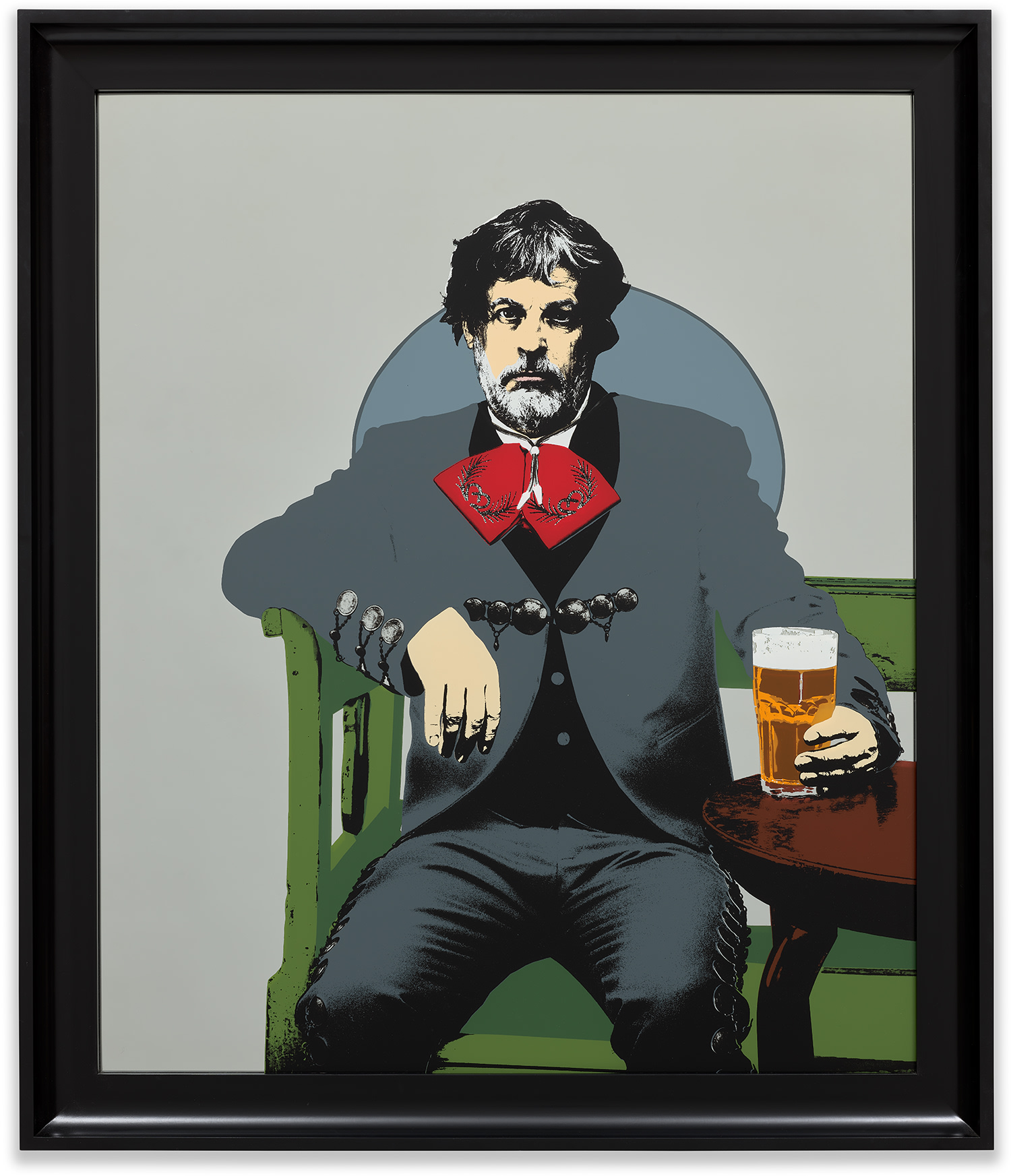
Rodney Graham
A Glass of Beer
Throughout all of this, the artist himself remained the central character: self deprecating, erudite, and always willing to be the butt of the joke. For collectors, Graham's work offers a range of entry points that is genuinely unusual for an artist of his stature. His multiples and editions, including works such as Weather Vane in black enameled stainless steel and the Meissonier with My Thumbprint etching, co published by Donald Young Gallery in Chicago and Christine Burgin Gallery in New York, allow collectors at various levels of engagement to participate in his practice. His larger photographic lightboxes and film installations have been acquired by major institutions and private collections worldwide, and they retain the quality that defines the best of his work: they improve on repeated viewing.
The more time you spend with a Graham, the more you find. Auction appearances of his key photographic works have drawn consistent interest from European and North American collectors alike, reflecting his standing in both markets. Graham's place in art history is secure, and it is a place he earned through genuine originality rather than through institutional support alone. He showed at Documenta in Kassel, at the Venice Biennale, and at major museums on multiple continents, and he did so while maintaining a practice that was genuinely driven by curiosity rather than careerism.
The artists with whom he is most productively compared, among them Jeff Wall, Cindy Sherman, and Stan Douglas, each share his commitment to photography as a vehicle for complex ideas, and each has attracted serious collector attention over the long term. Graham belongs comfortably in that company, and his wit and warmth give him a distinct character within it. His legacy is that of an artist who made thinking feel like pleasure, and who proved, again and again, that a loop can be a kind of love letter to the world.
Explore books about Rodney Graham