Richard Deacon
Richard Deacon: Sculpture That Breathes and Bends
Artist Spotlight · The Collection Editorial
“I think of myself as a fabricator. The making is the thinking.”
Richard Deacon
In the spring of 2014, Tate Britain mounted a substantial survey of Richard Deacon's work that drew widespread critical admiration and reminded the art world why this quietly revolutionary sculptor remains one of Britain's most vital creative forces. The exhibition gathered works spanning four decades, tracing the arc of a practice defined by restless curiosity and an almost philosophical devotion to the act of making. For those who encountered Deacon's sinuous, large scale forms for the first time in those galleries, the experience was genuinely disorienting in the best possible sense: here was sculpture that seemed to be in the middle of becoming something, caught in a state of gorgeous, open ended transformation. Born in Bangor, Wales in 1949, Deacon grew up moving between different parts of Britain before finding his artistic footing through a rigorous formal education.
Richard Deacon
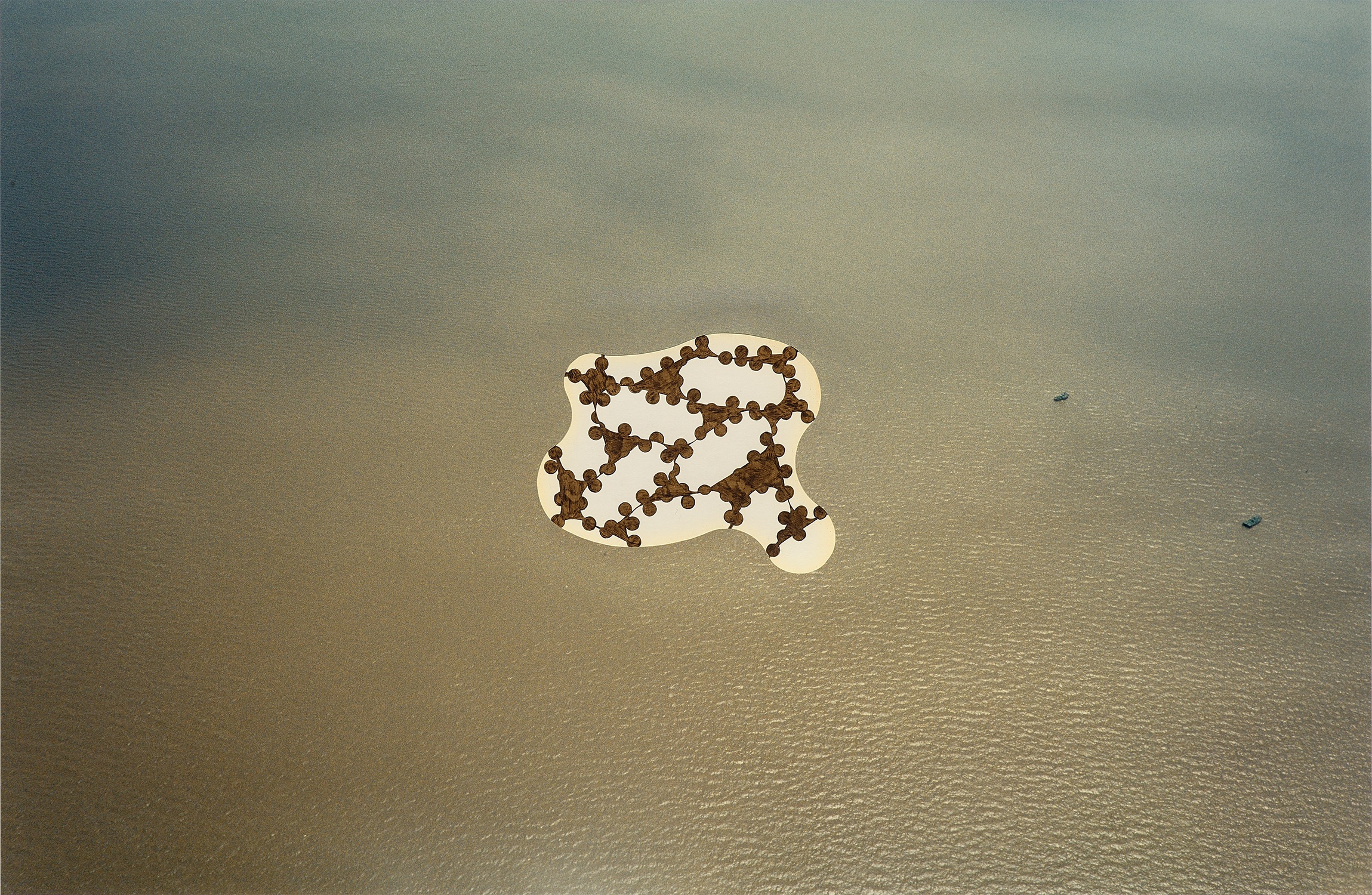
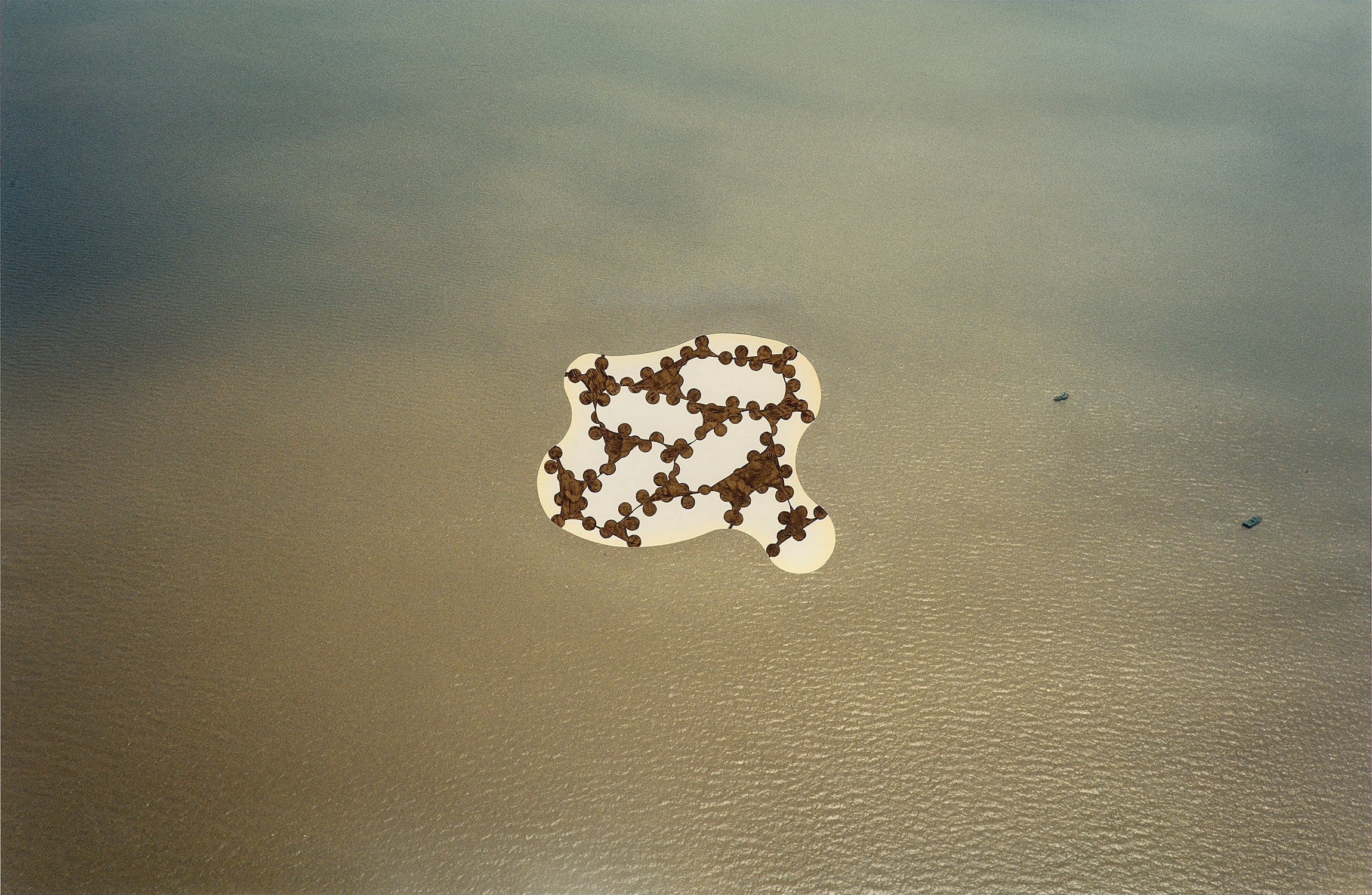
La Plata No 1
He studied at Somerset College of Art, then at Saint Martin's School of Art in London, and later at the Royal College of Art, completing his studies in the early 1970s. These were years when British sculpture was in ferious conversation with itself, grappling with the legacy of Anthony Caro, the provocations of Arte Povera arriving from Italy, and the conceptual challenges emanating from New York. Deacon absorbed all of it without being overwhelmed by any single influence, developing instead a deeply personal relationship with the question of what sculpture could honestly do. A pivotal period came when Deacon spent time in New York in the mid 1970s, where he encountered the work of artists wrestling with language, perception, and the phenomenology of objects.
The experience deepened his interest in the relationship between a sculpture and its viewer, between the skin of an object and the space it displaces. By the early 1980s, back in London and working with increasing ambition, he had arrived at the approach that would define his mature practice: laminating wood into sweeping curves, bending galvanized steel into elegant loops, and joining industrial materials with a frankness that made the process of fabrication central to the meaning of the work. Nothing was concealed. The screws, the rivets, the seams: all of it was offered up openly, almost generously.
Richard Deacon
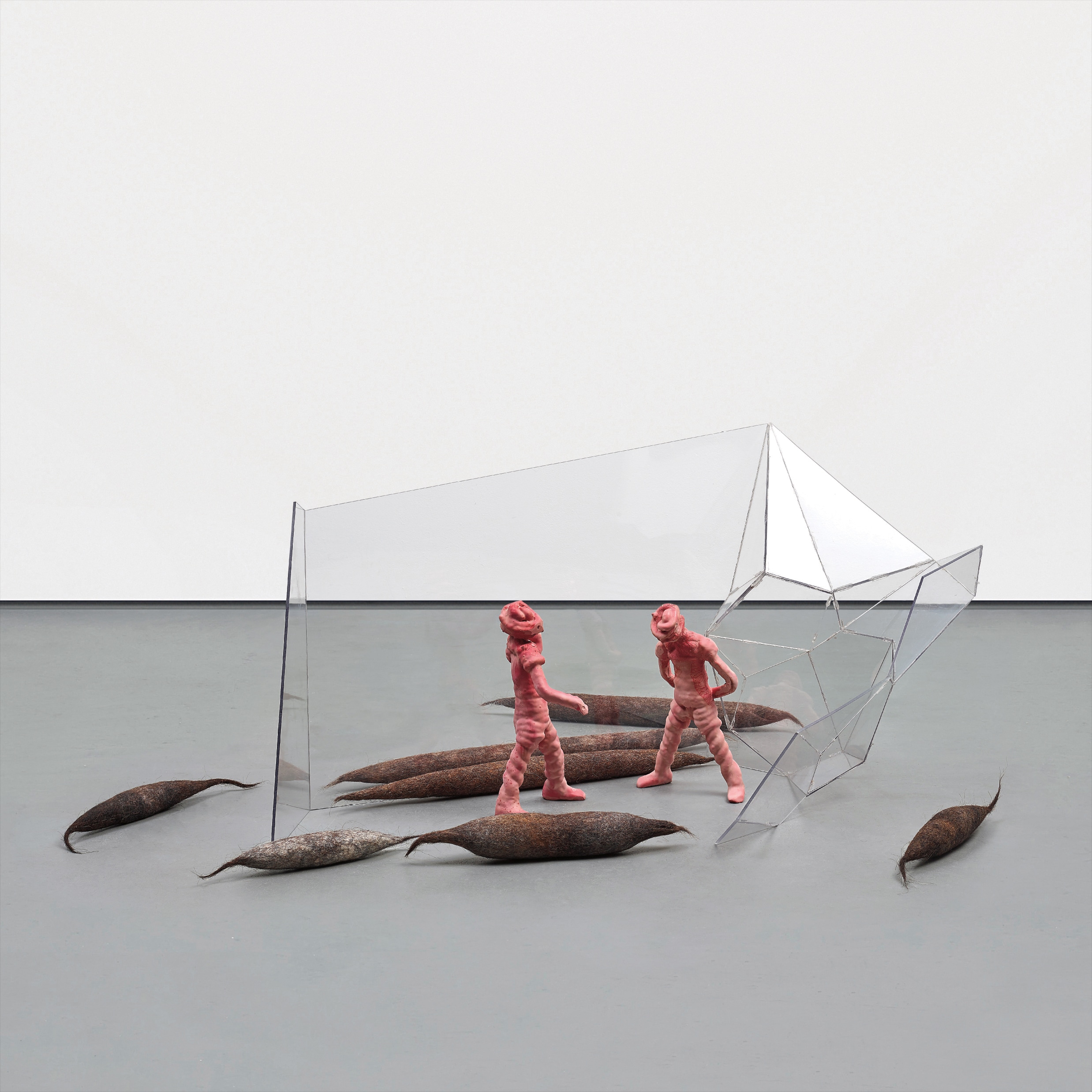
Them and Us (X), 1995
Deacon was a central figure in what became known as the New British Sculpture movement, a loose grouping that emerged around 1980 and also included Tony Cragg, Bill Woodrow, Anish Kapoor, and Alison Wilding, among others. These artists shared an interest in everyday and industrial materials, in sculpture that engaged with the world rather than retreating from it into pure formalism. What distinguished Deacon within this company was his particular gift for biomorphic form: his sculptures suggested bodies, organs, ears, and mouths without ever literally depicting them. They occupied space with a kind of creaturely intelligence, as though they had arrived at their final shape through something resembling instinct.
The Turner Prize in 1987 confirmed his standing, bringing broader public attention to a practice that had already earned deep respect within the international art community. Among the works that define Deacon's achievement, the Alphabet series merits particular attention. Works such as Alphabet R from 2013 and Alphabet T from 2014, rendered in stainless steel and powder coated stainless steel respectively, demonstrate his continuing ability to find expressive richness within apparently simple formal constraints. The letterforms provide a starting point, a kind of conceptual permission, but what Deacon makes of them is entirely his own: voluminous, airy structures that invite the eye to travel around and through them.
Richard Deacon
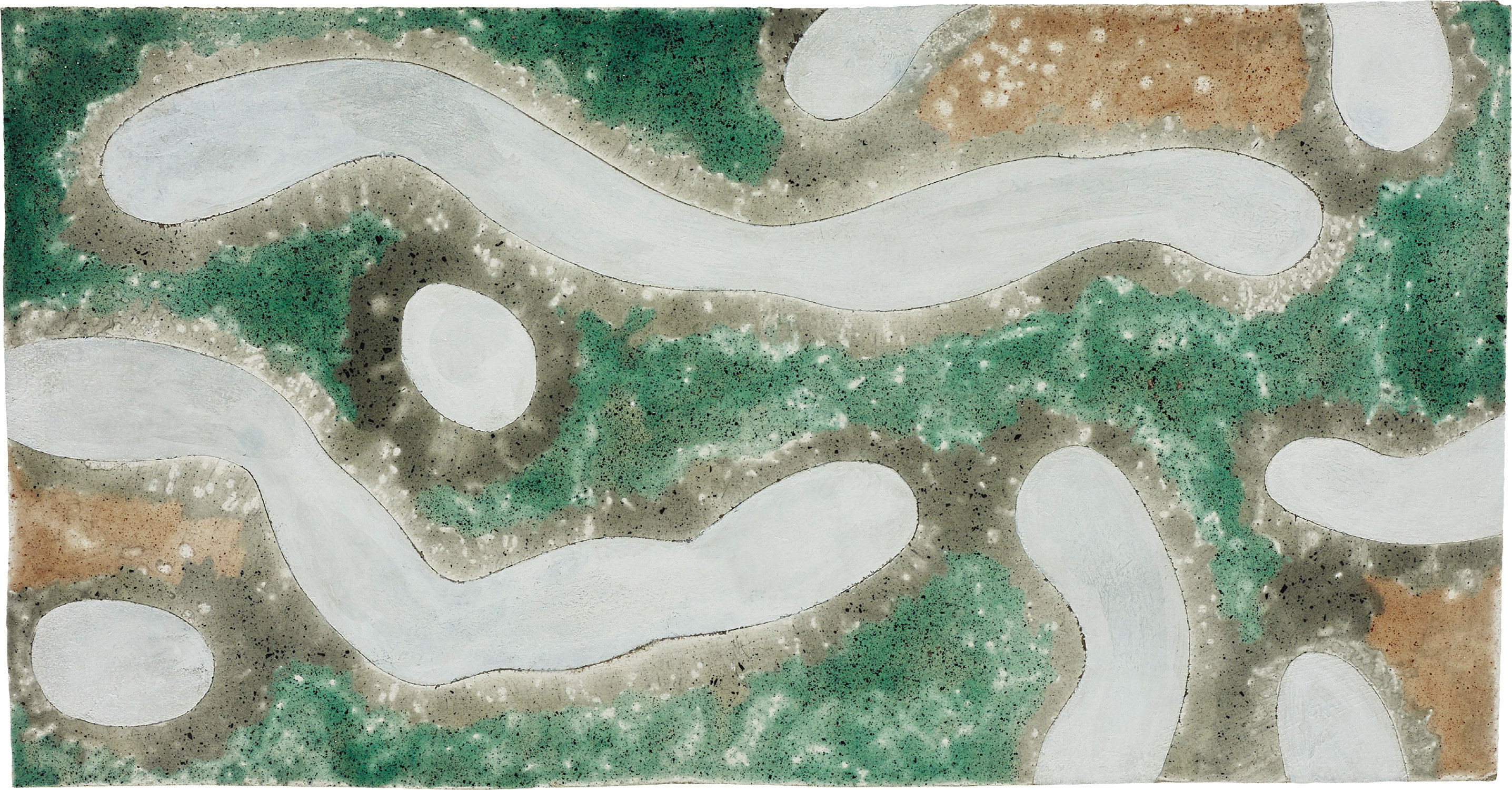
Change Of State #2, 2019
The Change of State works from 2019 signal that even after four decades, Deacon's appetite for material investigation remains undimmed, pushing into new territories of surface and colour. Coat from 1990 and Band of Gold in fibreglass and bronze represent earlier chapters in this ongoing conversation, works in which the handmade quality of the surfaces carries enormous emotional weight. From a collecting perspective, Deacon occupies an enviable position. His work is held in major public collections internationally, including Tate, the Museum of Modern Art in New York, and the Centre Pompidou in Paris, which lends any acquisition in the secondary market a clear and reassuring institutional context.
Collectors are drawn to the works on paper and smaller editioned pieces as much as to the monumental sculptures, and Deacon has been thoughtful about working across scales and media throughout his career. The chromogenic prints, such as La Plata No 1, reveal a different register of his visual intelligence: intimate, layered, and unexpectedly tender. For a collector entering his work for the first time, these offer a compelling point of entry into a practice that rewards sustained attention. Deacon represented Britain at the Venice Biennale, a moment that placed his work in direct dialogue with the international sculptural conversation of his moment.
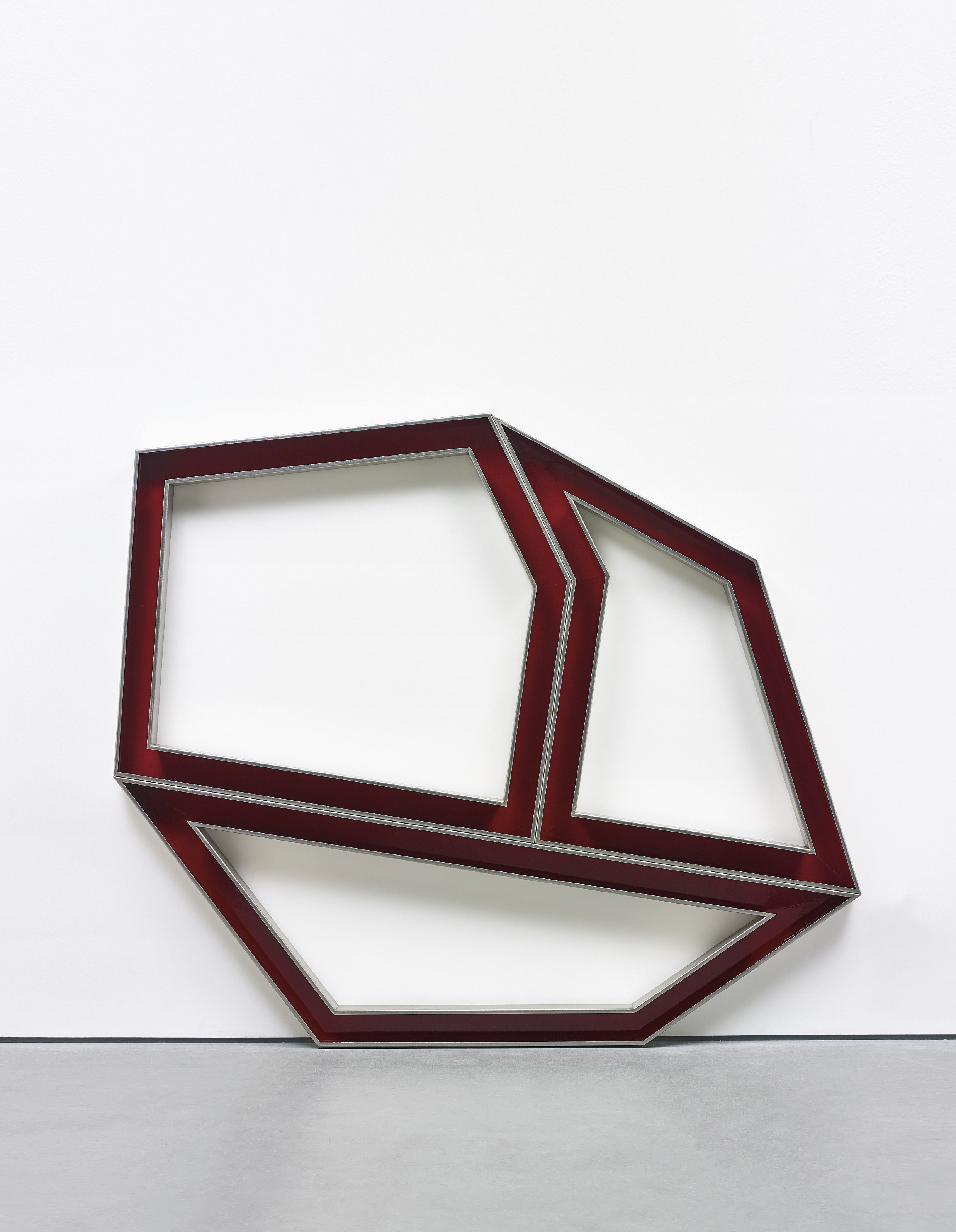
Richard Deacon
Alphabet T, 2014
Comparisons with contemporaries such as Tony Cragg, Anish Kapoor, and the American sculptor Martin Puryear are instructive, as all share an interest in the expressive and philosophical possibilities of fabricated form. But Deacon's particular register, his insistence on revealing the labour of making, his affection for the curve and the loop, his sense that a sculpture should hold open rather than foreclose interpretation, these qualities are entirely his own. Younger sculptors working today with industrial materials, from Monika Sosnowska to Huma Bhabha, owe something to the conceptual and material territory that Deacon helped open. What matters most about Richard Deacon, in the end, is the generosity of his art.
His sculptures do not demand submission or admiration in a cold, distant sense. They invite participation, circling, looking again. They ask the viewer to consider how things come into being, how matter acquires meaning, how form can carry feeling without resorting to narrative or symbol. In a cultural moment that often values the immediately legible above all else, Deacon's patient, cumulative, endlessly inventive practice stands as a quiet but powerful argument for the rewards of sustained looking.
For collectors and institutions, for curators and students, for anyone who has stood before one of his great curving forms and felt something shift in their understanding of what sculpture can be, his work remains as alive and as necessary as ever.
Explore books about Richard Deacon
Richard Deacon
Lynne Cooke
Richard Deacon: Sculpture 1987-1993
James Lingwood
Richard Deacon
Peter Schjeldahl
Richard Deacon: Sculpture and Drawings
Museum of Modern Art
Richard Deacon
catalogue raisonné editors