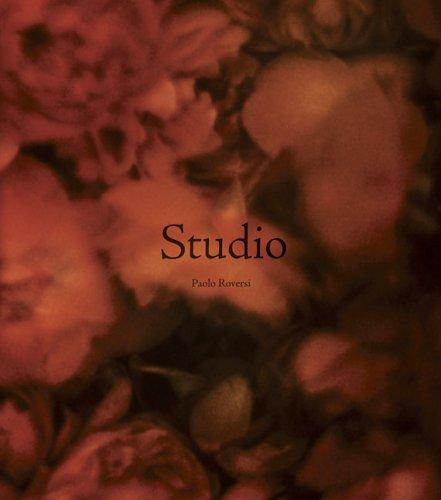
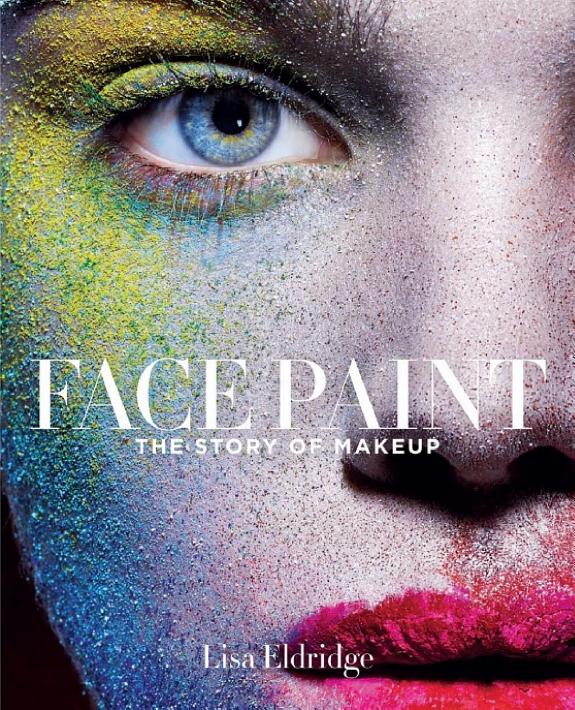
Paolo Roversi
Paolo Roversi, Painting Light With Film
Artist Spotlight · The Collection Editorial
“I try to photograph the soul, not just the face. I want to capture something that goes beyond the surface.”
Paolo Roversi, Interview Magazine
In the autumn of 2023, the Grand Palais Immersif in Paris welcomed visitors into a world suspended between memory and dream. The occasion was a landmark retrospective celebrating Paolo Roversi's five decades of image making, an event that confirmed what the fashion and fine art worlds have long understood: that Roversi is not simply a photographer but a poet of light, a figure whose work transcends the commercial contexts in which it was born and arrives, fully formed, as something closer to painting. The exhibition drew audiences who moved through his large format prints in near silence, the way one might move through a chapel. That quality of stillness, of reverence, is entirely appropriate.
Paolo Roversi
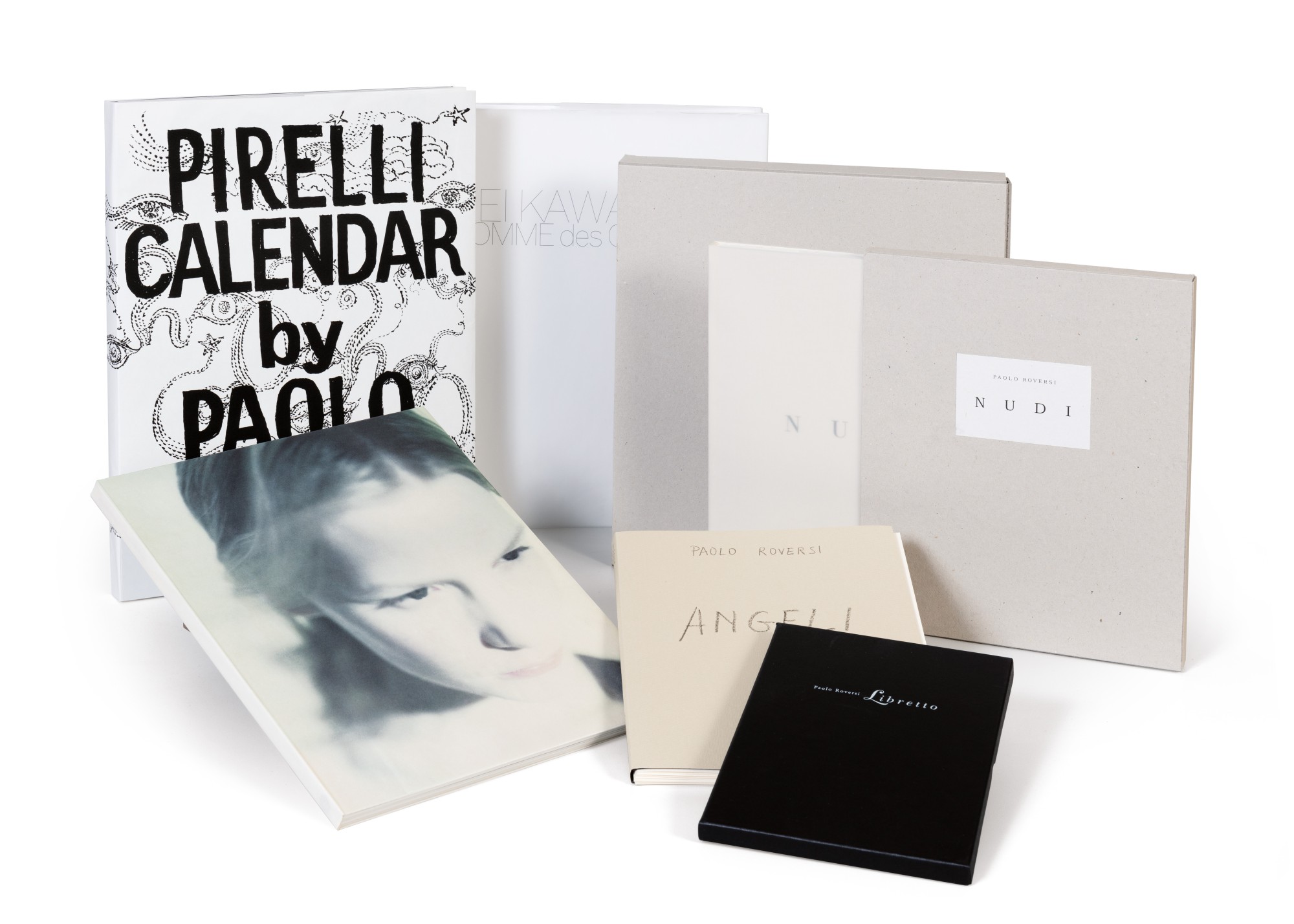
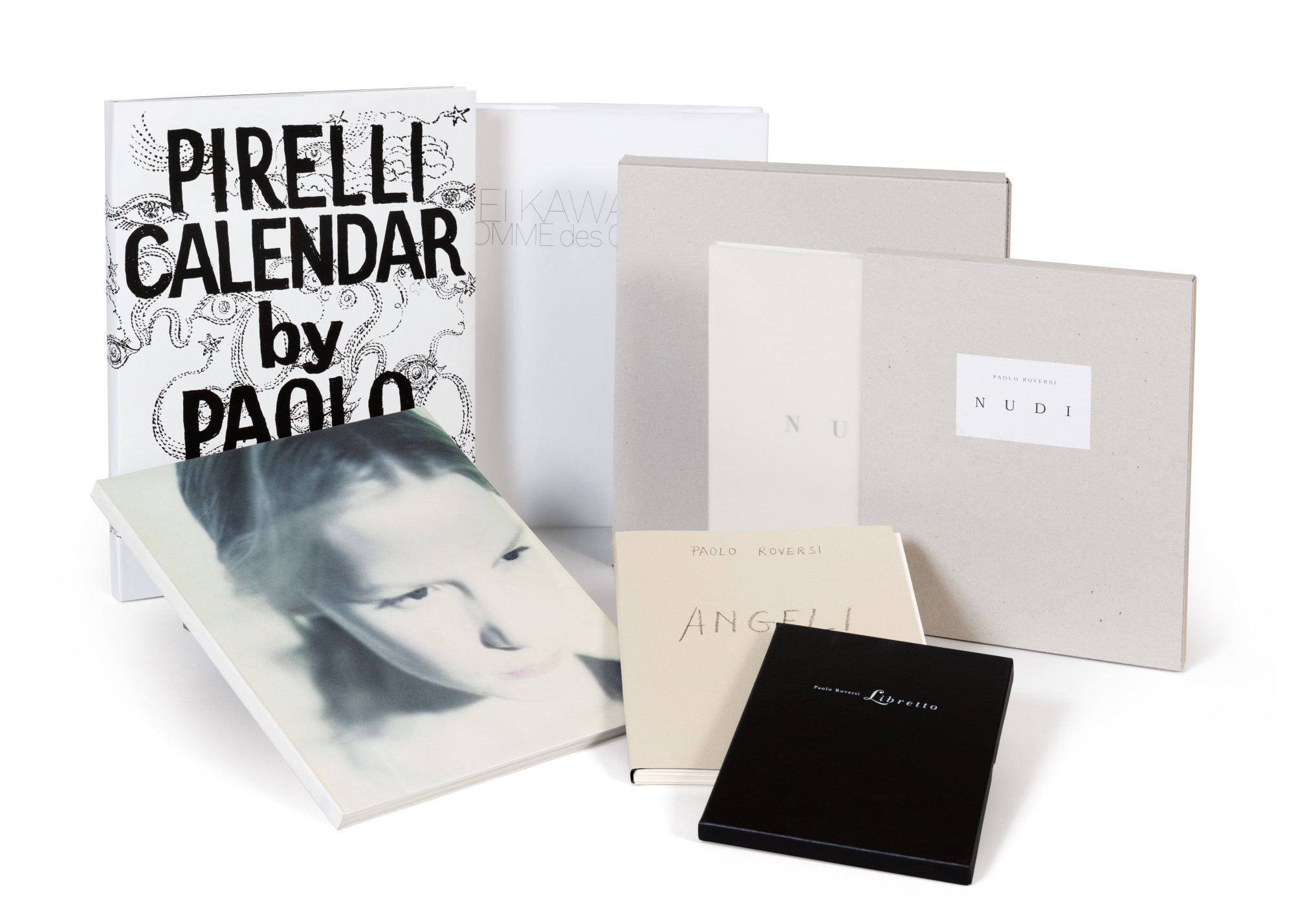
(books) a selection of 7 iconic books
Roversi was born in Ravenna, Italy, in 1947, a city whose Byzantine mosaics and golden light are woven into the very fabric of Italian visual culture. He came to photography not through formal training but through the self directed curiosity of a young man enchanted by images. He began as a portrait photographer in Ravenna during the late 1960s before moving to Paris in 1973, a city that would become his permanent home and the center of his creative life. Paris in the early 1970s was alive with possibility for photographers, and Roversi apprenticed himself to the British photographer Laurence Sackman, learning the craft through proximity and practice rather than institution.
That self taught quality never left him. It gave his eye a freedom that more formally trained photographers sometimes lack. His early career in Paris brought him into the orbit of the French fashion press, and by the late 1970s he was shooting regularly for magazines including Depeche Mode and Per Lui. But the defining turning point came in 1980, when Roversi acquired an 8x10 large format Polaroid camera.
Paolo Roversi
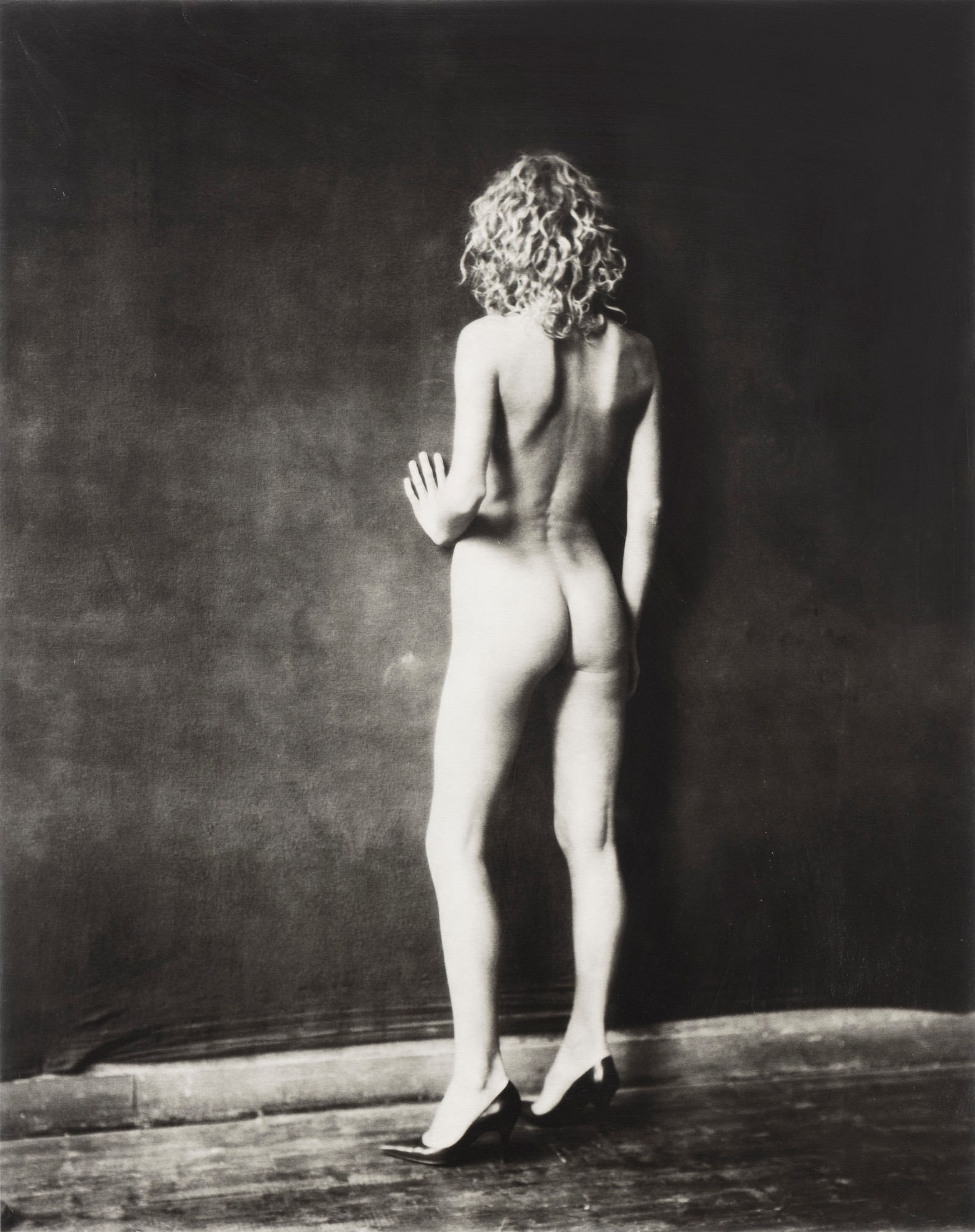
Eva, Studio rue des Martyrs, Paris, 2002
The decision to work with this cumbersome, slow, and unpredictable instrument was an act of deliberate artistic commitment. Where other photographers were embracing speed and volume, Roversi chose patience and singularity. Each frame required minutes of preparation, mutual trust between photographer and subject, and an acceptance of the unexpected. The Polaroid process introduced blur, grain, color shifts, and luminous halation into the image, effects that Roversi did not try to correct but instead cultivated into a visual language entirely his own.
“Photography for me is a way of touching something that is intangible, something that cannot be said with words.”
Paolo Roversi, British Journal of Photography
Through the 1980s and 1990s, his reputation grew steadily among the most adventurous editors and designers in fashion. He developed profound and enduring creative relationships with Yohji Yamamoto, Rei Kawakubo, and later Christian Dior, Valentino, and Romeo Gigli, collaborators who shared his conviction that fashion photography could carry genuine emotional and artistic weight. His work for Romeo Gigli, including the now celebrated Kirsten images made in London in 1988, showed a photographer operating at the intersection of fashion and portraiture with complete confidence. His pictures from this period do not feel like advertisements or editorial assignments.
Paolo Roversi
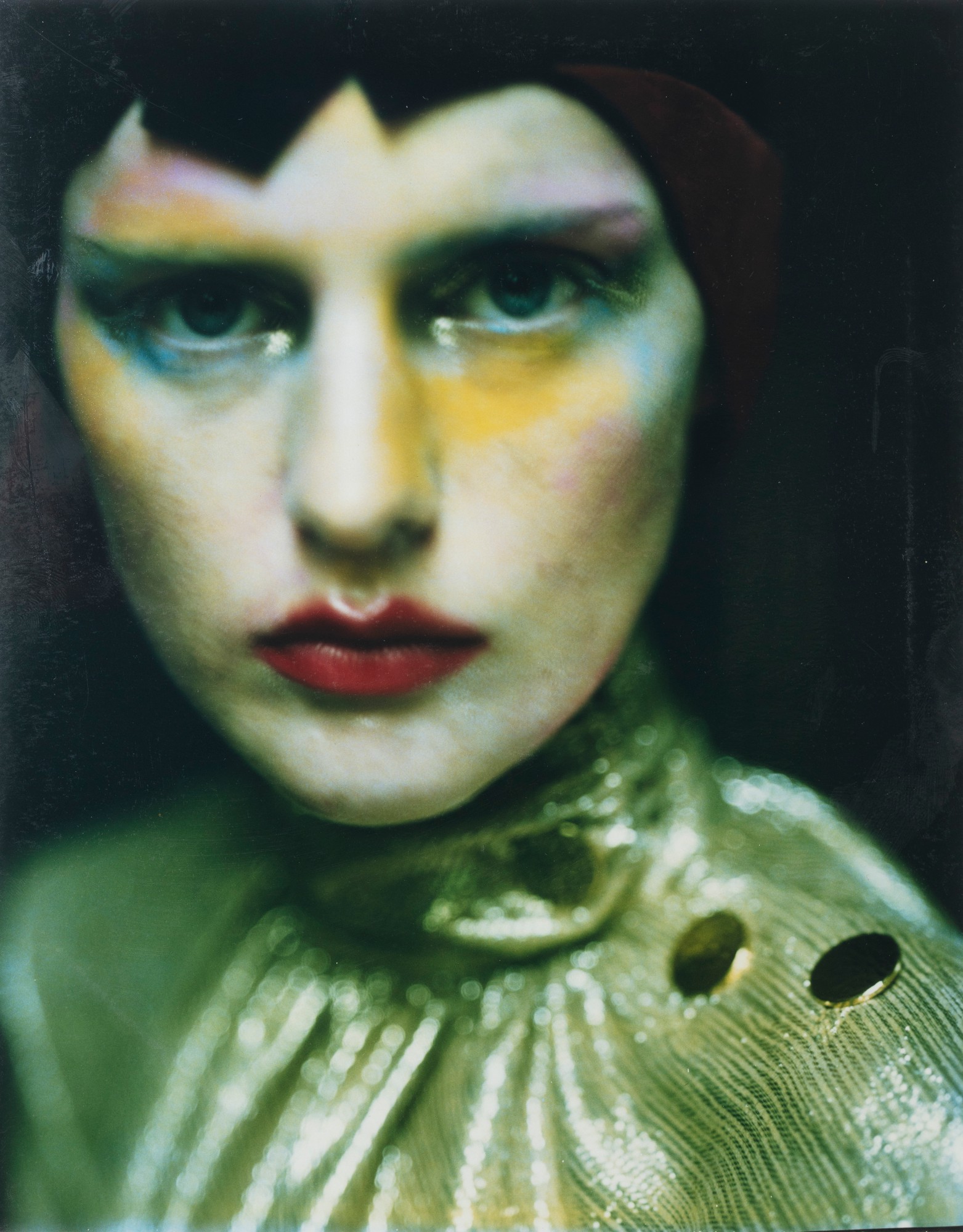
Stella, For Vogue Italy, Paris 1999
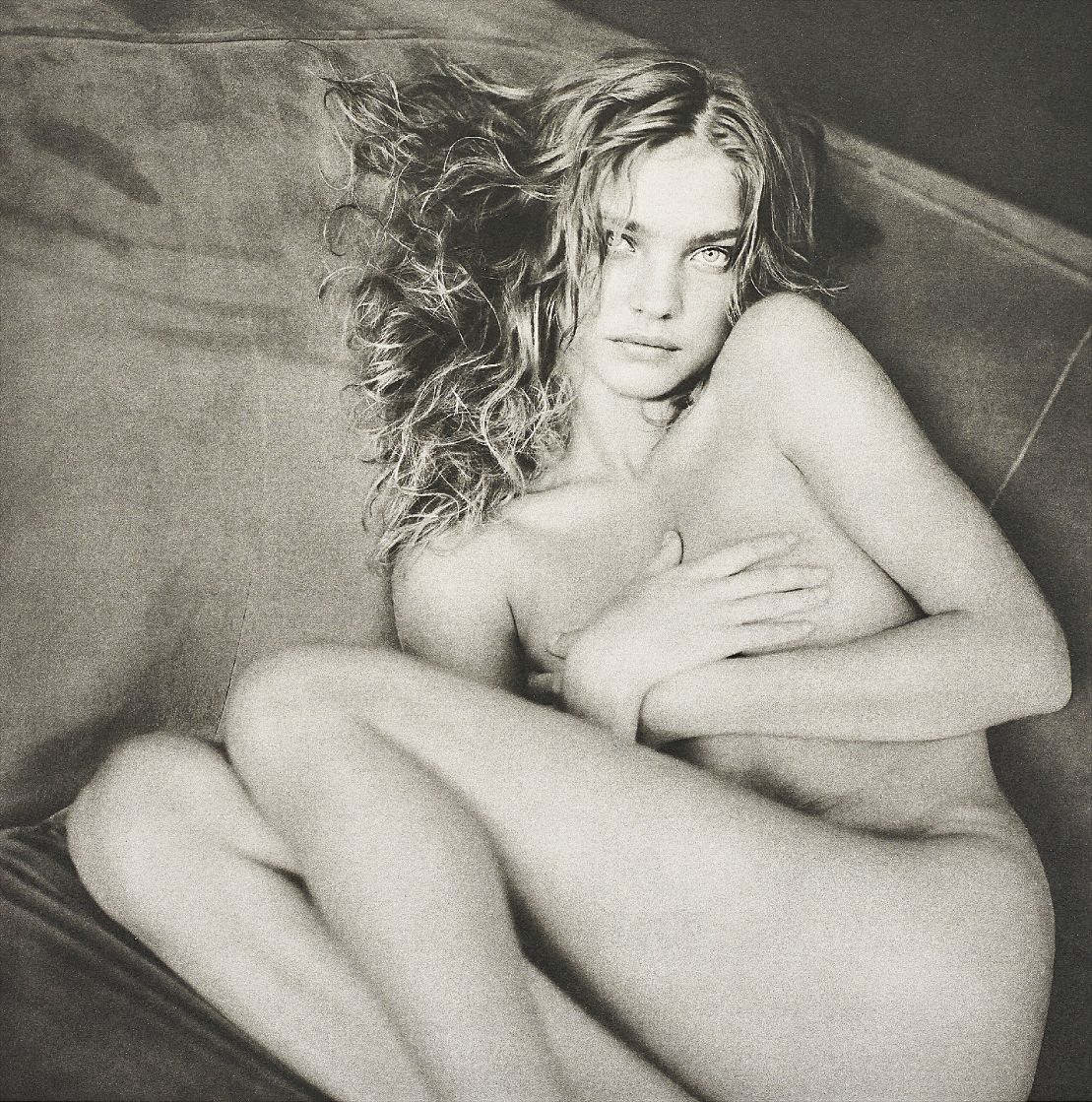
They feel like correspondences between two people, intimate and unhurried. Among the works that collectors and curators return to most frequently is the series featuring Natalia Vodianova, shot across multiple sessions at his studio on the rue Paul Fort in Paris. These images, including Natalia, Studio Luce, rue Paul Fort from 2009 and the work created for Egoiste in 2003, demonstrate Roversi's mastery of what might be called contemplative portraiture. The light in these pictures does not describe so much as it suggests.
Edges dissolve. Skin becomes luminous. The subject appears to exist in a space outside ordinary time. His portrait Eva, Studio rue des Martyrs, Paris, 2002, a pigment print mounted on aluminium and available through The Collection, carries that same suspended quality: a face emerging from and returning into light, simultaneously present and elusive.
Paolo Roversi
Natalia, Paris, Studio 9 rue Paul Fort
His images of Kate Moss, created in Paris and New York during 1993 for publications including Harper's Bazaar and for Cerruti, are among the most reproduced and celebrated fashion photographs of the decade. That they continue to command serious collector attention thirty years later speaks to their staying power as images rather than merely as documents of a cultural moment. In the secondary market, Roversi's prints have found a firmly established collecting audience. His works appear regularly at Phillips, Christie's, and Sotheby's, where signed, titled, and numbered prints from his Polaroid period attract competition from both photography specialists and collectors drawn primarily from the contemporary art world.
The market recognizes a clear hierarchy of desirability: early Polaroid originals and carefully editioned pigment prints with documented provenance, particularly those accompanied by artist labels or blind stamps, are the most sought after. Works made in small editions, such as the Natalia print numbered 1 of 17 with the accompanying artist label, represent the category of Roversi collecting that most rewards careful attention. His books, including the 2018 monograph Natalia, are considered essential reference works and are collected in their own right. Within the broader history of photography, Roversi occupies a position that invites comparison with a small number of peers who similarly elevated fashion work into a fine art practice.
His closest artistic relatives include Sarah Moon, whose soft focus color work shares his interest in reverie and feminine interiority, and Deborah Turbeville, who brought an equally literary and melancholic sensibility to fashion imagery during the same decades. One might also look to the painterly aspirations of early pictorialist photographers, to the soft focus romanticism of Edward Steichen's earliest work, to understand the tradition Roversi is working within and simultaneously extending. Unlike photographers whose reputations are tied primarily to the commercial world, Roversi has always maintained a fine art practice and a museum profile that position him unambiguously as a serious artist. What makes Roversi matter in the present moment is not nostalgia but relevance.
At a time when images are produced and consumed at a speed that approaches the meaningless, his commitment to slowness, to the single frame, to the irreplaceable encounter between photographer and subject, reads as a principled and even radical artistic position. The works available through The Collection represent an opportunity to live with images that ask something of their viewer, that reward patience and sustained looking. Roversi has spent more than fifty years building a body of work that refuses to be consumed quickly. That body of work, luminous and particular and entirely his own, is one of the great achievements in the history of the photographic medium.
Explore books about Paolo Roversi