Martin Wong
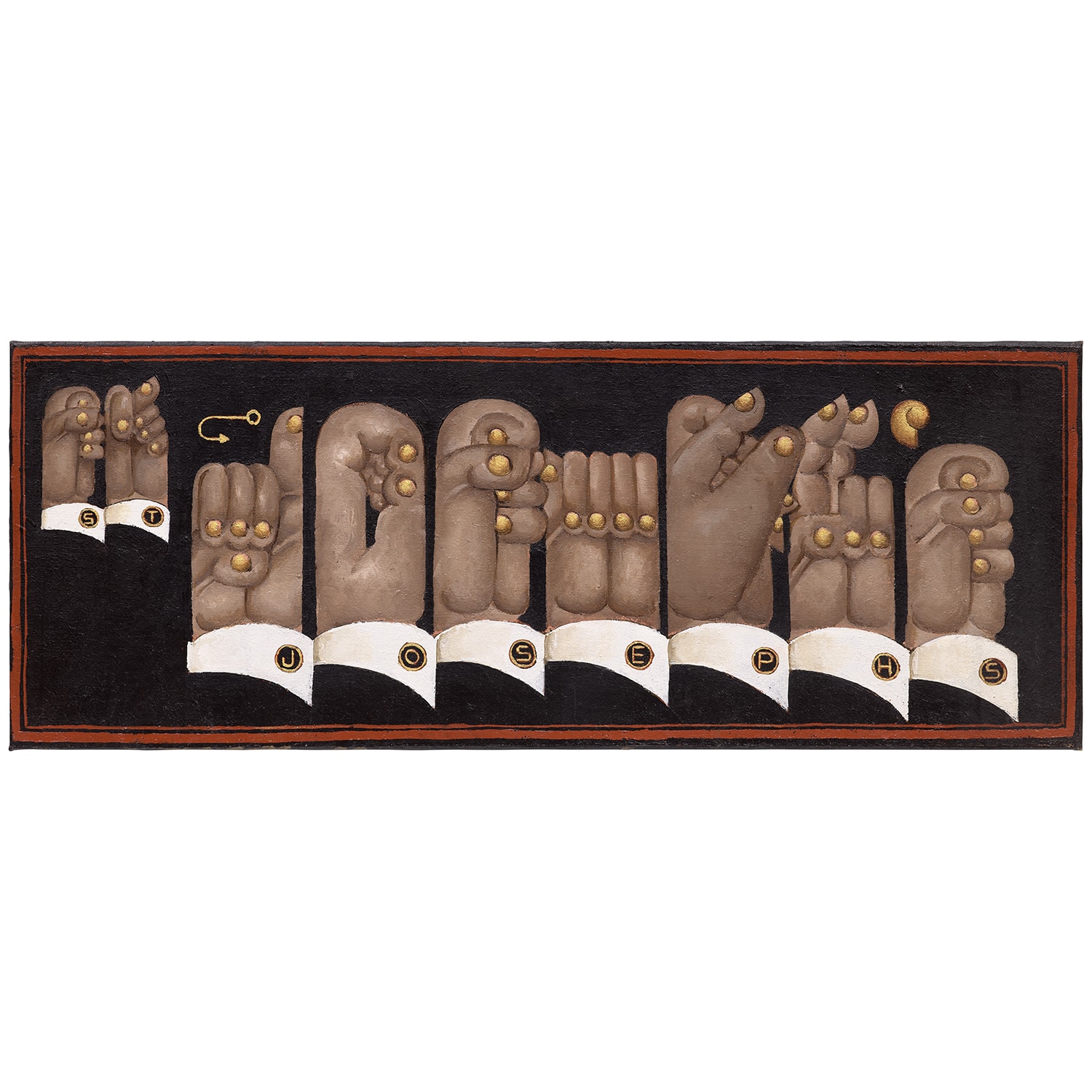
Martin Wong, Poet of the Streets
Artist Spotlight · The Collection Editorial
There is a moment, standing before a Martin Wong painting, when the Lower East Side of New York City in its rawest, most luminous form comes flooding back. Not the neighborhood as it exists today, softened by renovation and real estate, but the place as it was during the 1970s and 1980s: tenement walls scarred with tags, bodegas casting warm light onto cracked sidewalks, young men leaning against stoops with the particular gravity of people who have seen too much and still chosen to stay. Wong saw all of this, and he painted it with a tenderness and precision that no camera could replicate. Decades after his death in 1999, his work continues to find new audiences, and institutions and collectors are recognizing what a singular and irreplaceable record he left behind.
Martin Wong
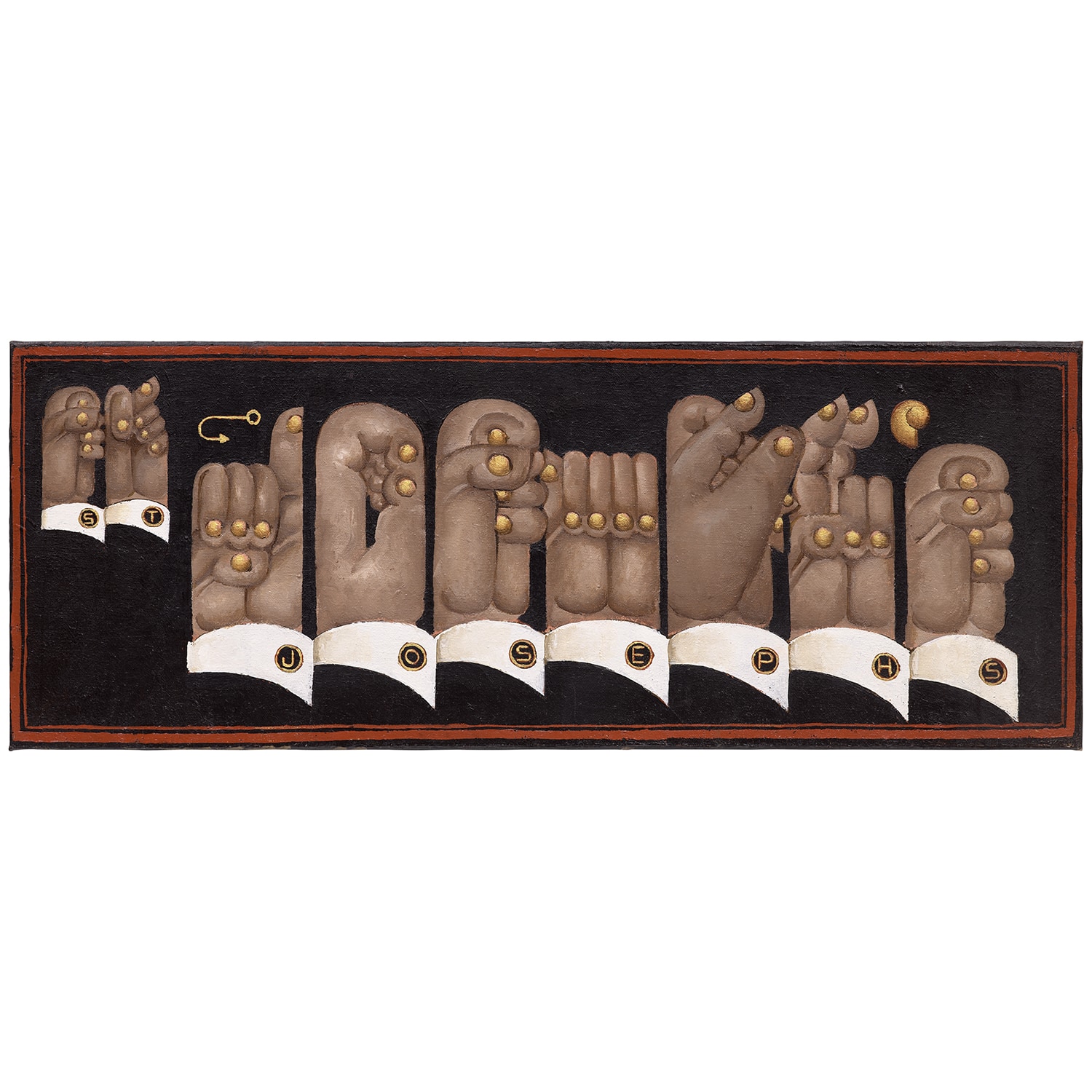
St. Joseph's, 1988
Martin Wong was born in San Francisco in 1946, and his early life carries the texture of an artist forming quietly, away from the centers of art world attention. He was largely self taught as a painter, which gave his work a directness and an idiosyncratic confidence that formal training might have smoothed away. He arrived in New York City in the early 1970s, settling in the Lower East Side at a time when the neighborhood was defined by economic hardship, immigrant communities, and an extraordinary cultural energy that few outsiders recognized. For Wong, it was not a place to document from a distance.
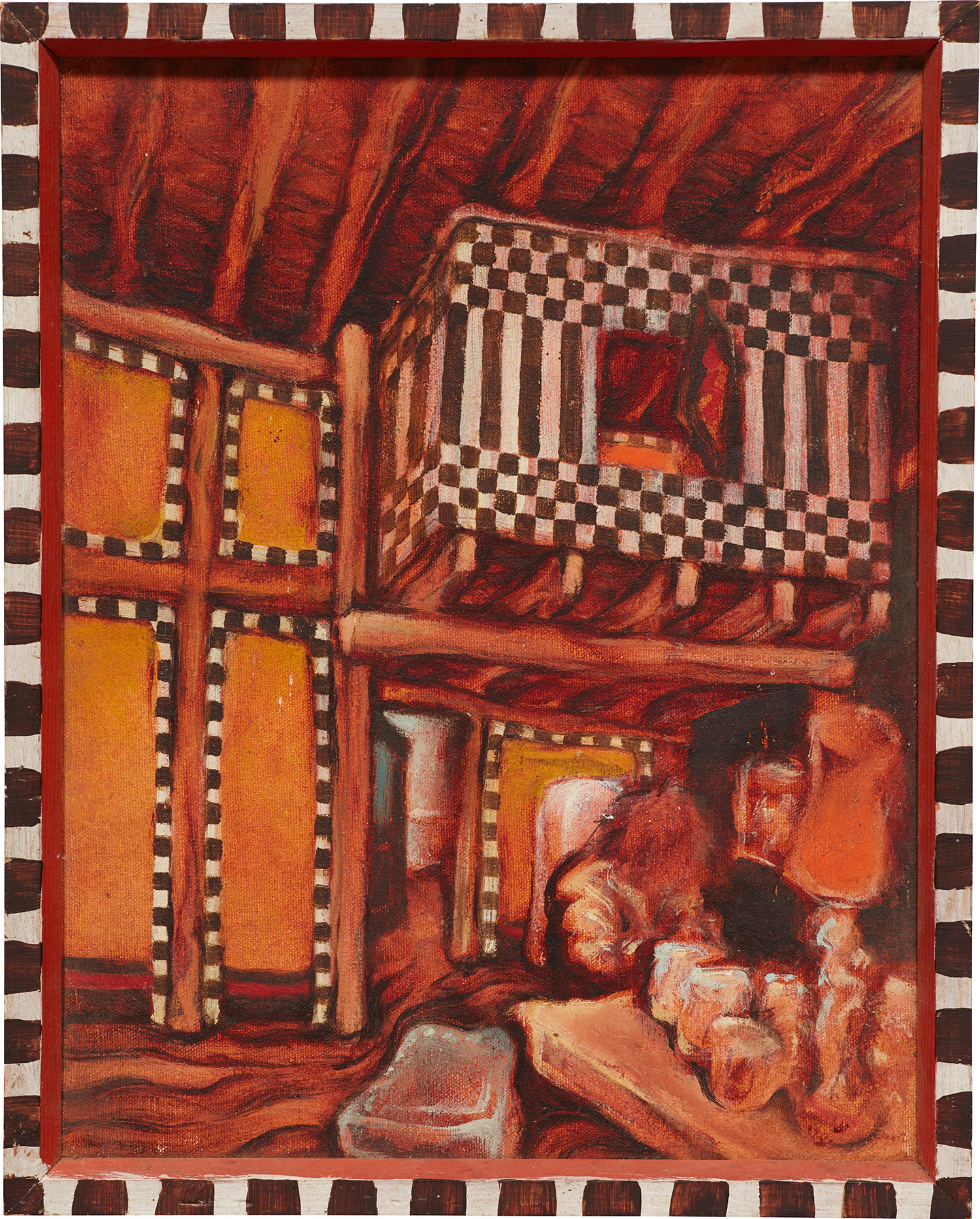
It was home. His artistic development unfolded in deep communion with his surroundings. Wong was not merely an observer of the Lower East Side; he was embedded within it, forming genuine relationships with his neighbors, with Latino community members, with punk musicians and poets, and crucially, with the young graffiti writers who were transforming the city's surfaces into an unofficial gallery. His early work from the mid 1970s, such as the remarkable WACO Studio Loft from 1975, shows his eye already fully formed: intimate interiors rendered with architectural precision, figures absorbed in the textures of daily life, light falling through windows onto surfaces that feel both documentary and dreamlike.
Martin Wong
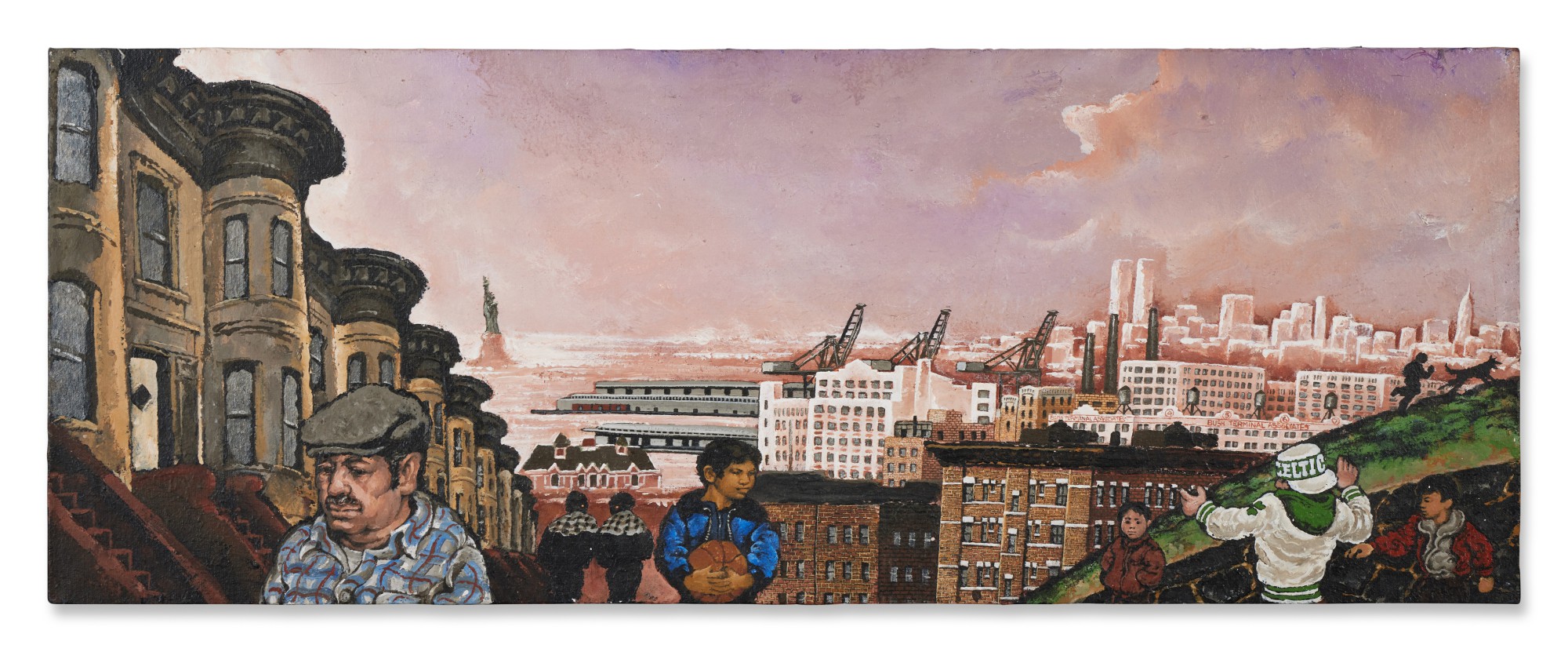
Sunset Park Panoramic , 1985
The artist's painted frame on that work is itself a statement, collapsing the boundary between the artwork and the world it depicts. By the early 1980s, Wong had found the full register of his voice. Works like Son of Sam Sleeps and Sergio Smoking a Cigarette And Thinks About All That Happened Two Nights Ago, both from 1983, demonstrate his extraordinary gift for narrative compression. These are paintings that function almost like short stories, their titles long and literary, their imagery dense with implication.
Wong understood that a person smoking a cigarette in a particular posture, in a particular room, at a particular moment, could contain an entire world of feeling. His figures carry psychological weight without melodrama. The Sunset Park Panoramic from 1985 scales this intimacy outward into something panoramic and civic, a sweeping view of a Brooklyn neighborhood rendered with the same attention to human presence and architectural character that defines his smaller works. And St.
Martin Wong
WACO Studio Loft, 1975
Joseph's from 1988, along with El Caribe and Mandala from the same year, shows a mature artist at the height of his powers, moving fluidly between the devotional, the communal, and the quietly ecstatic. One of the most remarkable aspects of Wong's practice was his work as a collector and archivist alongside his painting. He amassed an extensive collection of graffiti art and related ephemera, recognizing in the graffiti movement a creative force of enormous historical importance at a time when most of the mainstream art world dismissed it. He donated this archive to the Museum of the City of New York, an act of genuine generosity and intellectual seriousness that ensured the historical record of that moment would be preserved.
Wong understood that he was living through something that would not come again, and he responded not only by painting it but by saving it. His friendship and collaboration with graffiti artists gave his own paintings an authenticity that distinguishes them from the work of outside observers painting the city during the same period. For collectors, Wong presents a genuinely compelling and still relatively accessible opportunity. His work sits at the intersection of several significant art historical currents: the tradition of urban realist painting with its roots in the Ashcan School, the narrative and figurative tendencies that persisted through the postwar period as a counter to abstraction, and the specific downtown New York cultural scene of the 1970s and 1980s that also produced Jean Michel Basquiat, Keith Haring, and Kenny Scharf.
Martin Wong
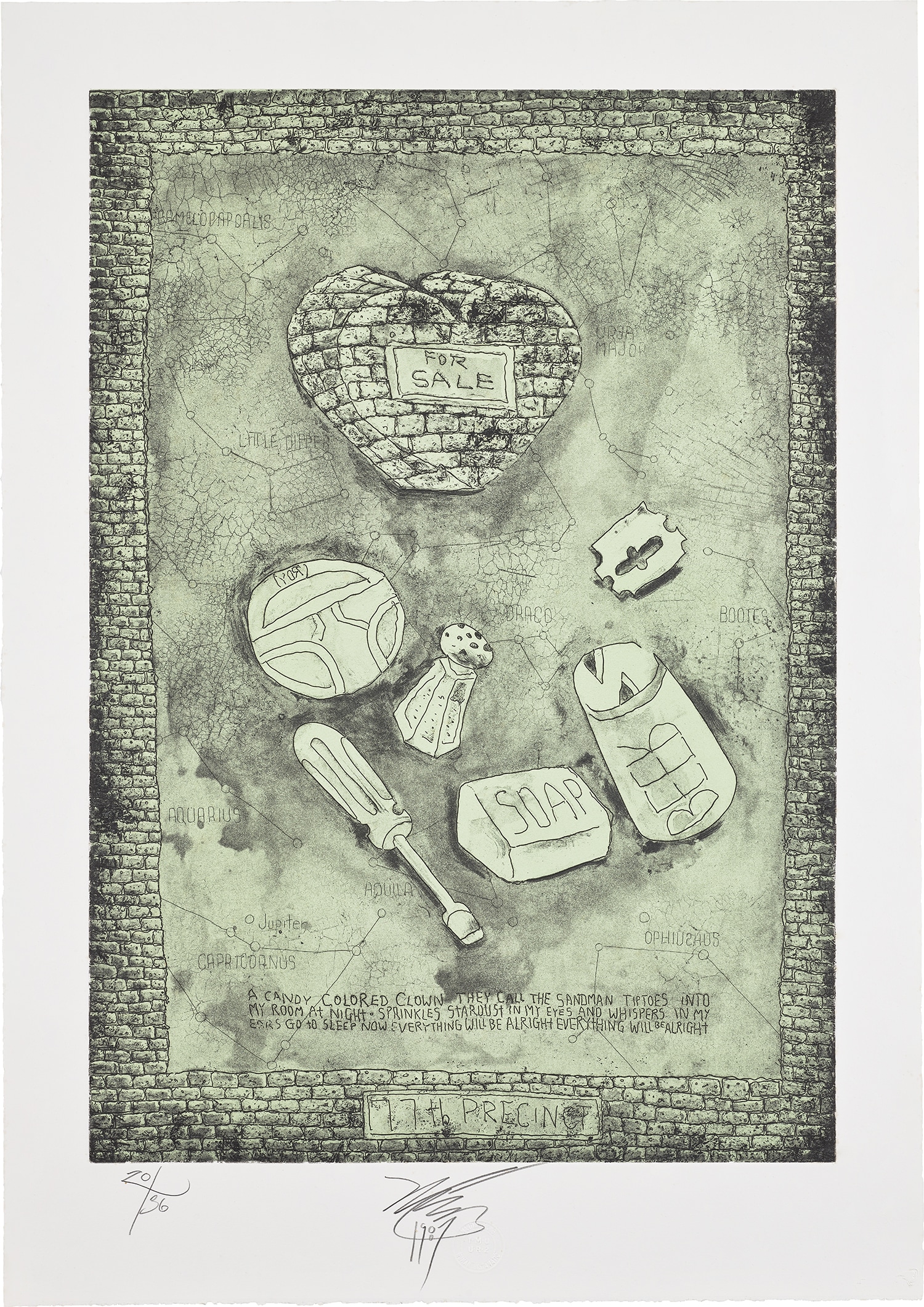
77th Precinct
Wong was a contemporary and in certain ways a kindred spirit to those artists, though his mode was quieter, more sustained, and perhaps more deeply rooted in place. Collectors drawn to the work of those figures, or to artists like Red Grooms or Jane Dickson who also painted New York's vernacular landscapes with affection and rigor, will find in Wong a painter of comparable seriousness and considerably more intimacy. His etchings, including the 77th Precinct aquatint, offer an additional dimension of his practice and represent an accessible point of entry for collectors building across media. Wong's legacy is one that grows more significant as the distance from his moment increases.
The Lower East Side he painted is largely gone, replaced by a neighborhood his subjects would barely recognize. That transformation makes his canvases not simply aesthetic objects but historical documents of irreplaceable value. He recorded a community with love and without condescension, and he did so at a level of technical and psychological sophistication that places him among the most important American urban painters of his generation. Museums, scholars, and collectors are increasingly arriving at this conclusion together, and the works available now represent a genuine opportunity to engage with an artist whose full importance is still being understood.
To own a Martin Wong painting is to hold a piece of a city that existed in a specific window of time, seen through the eyes of someone who loved it completely.