Manolo Valdés
Manolo Valdés: Master of Memory and Material
Artist Spotlight · The Collection Editorial
When the monumental bronze heads of Manolo Valdés lined the median of Park Avenue in New York, passersby stopped mid stride to take in their serene, commanding presence. That 2010 public installation, which brought his large scale sculptures to one of the most trafficked corridors in the world, felt like a coronation for an artist who had spent decades building one of the most quietly radical practices in contemporary art. Valdés is the rare figure who moves between painting, printmaking, and sculpture with equal authority, and whose work feels both timeless and urgently present every time it appears in the world. Manolo Valdés was born in Valencia, Spain in 1942, coming of age during the long shadow of the Franco dictatorship.
Manolo Valdés
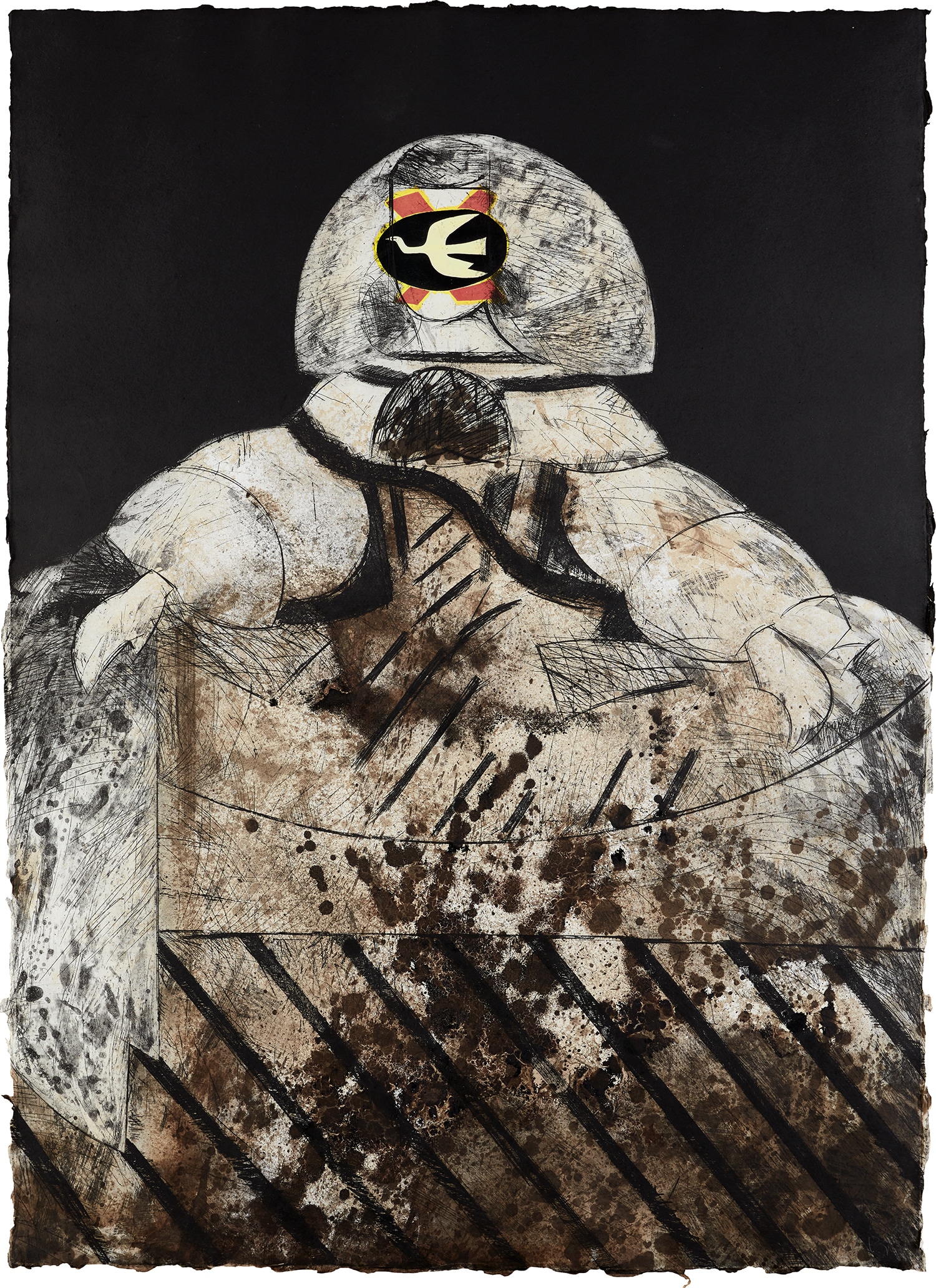
Infanta II
That political climate was not merely backdrop but formative pressure, shaping a generation of Spanish artists who understood that culture could be resistance. As a young man, Valdés studied at the School of Fine Arts in Valencia, and in 1964 he co founded the legendary collective Equipo Crónica alongside Rafael Solbes and Juan Antonio Toledo. The group used Pop idioms and appropriation as a form of social critique, taking the visual language of consumer culture and turning it against the regime's propaganda and the numbing of public life. That early commitment to art as a form of reckoning with history and image would never leave him.
After the dissolution of Equipo Crónica following the death of Solbes in 1981, Valdés embarked on a solo career that transformed his practice in profound ways. Where Equipo Crónica had been deliberately collective and polemical, his individual work became more meditative, more personal, and more formally adventurous. He began looking deeply at the history of Western painting, not to quote it ironically as so many of his contemporaries did, but to enter into a genuine dialogue with it. Velázquez, Matisse, Rubens, and Picasso became not sources to pillage but conversation partners across centuries.
Manolo Valdés
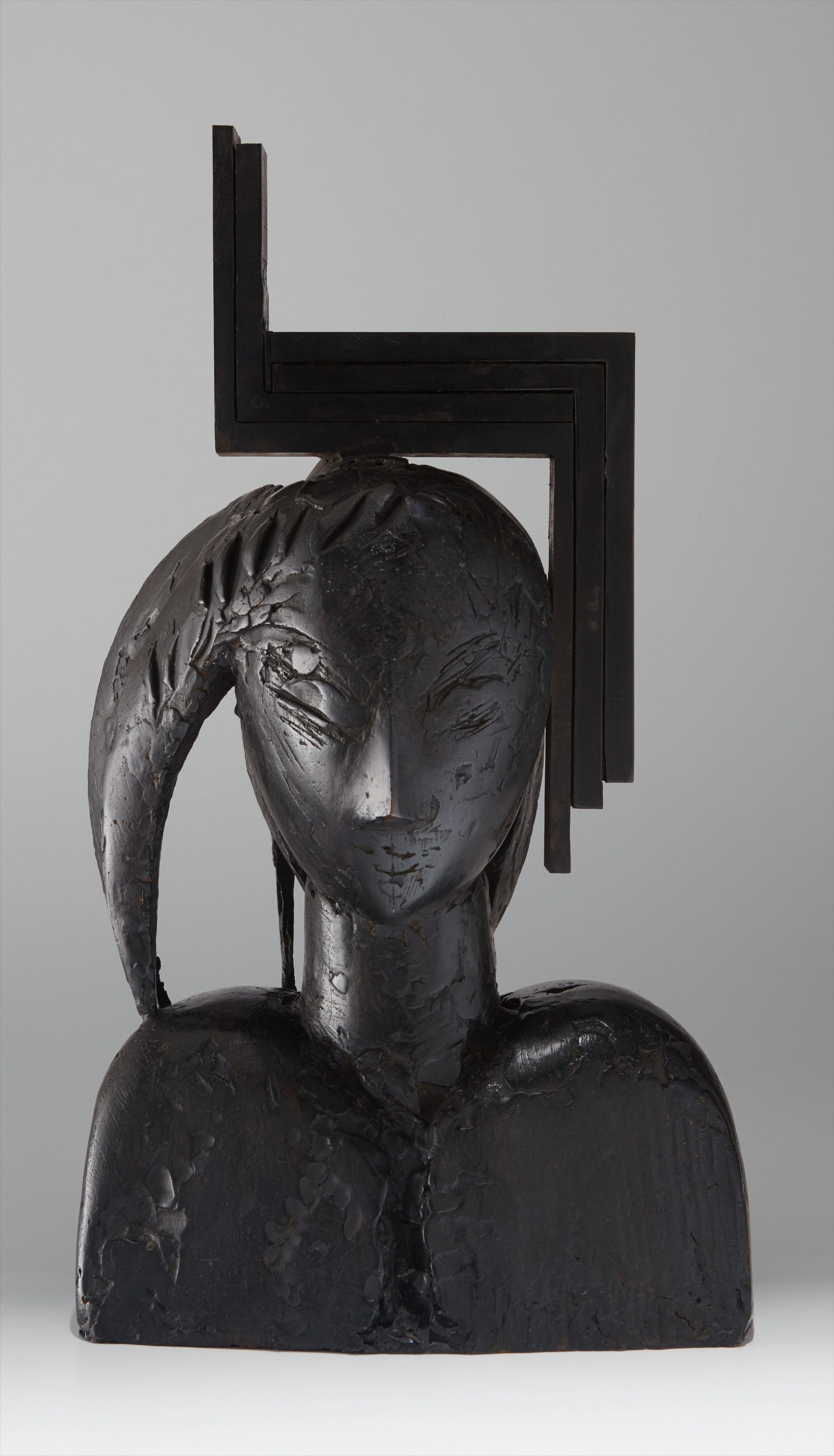
Ivonne II, 2002
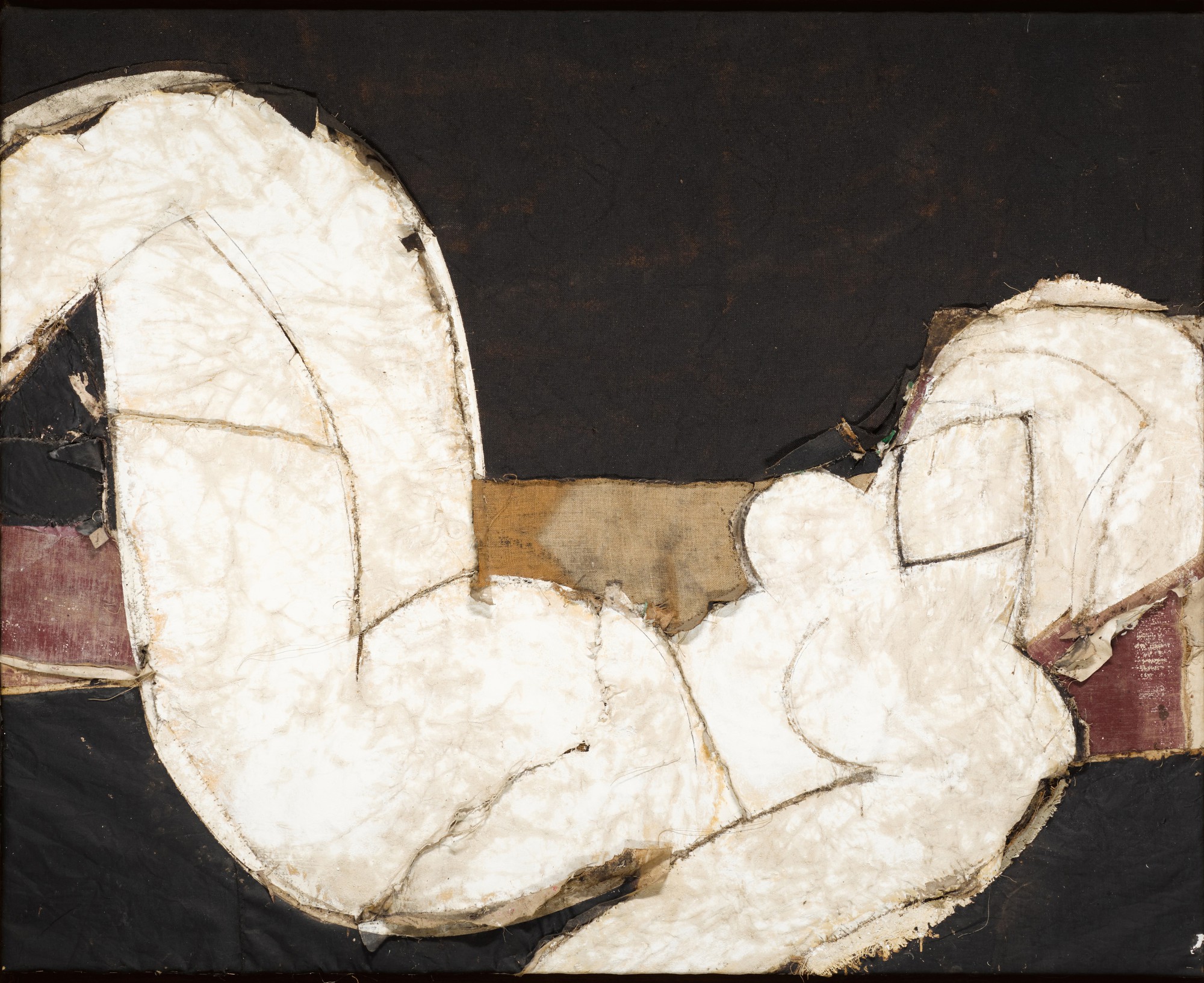
This approach placed him in a rare lineage of painters who treat art history as a living material. The surfaces Valdés works on are as expressive as anything he places upon them. His preference for burlap as a ground is one of the most recognizable and meaningful choices in his oeuvre. Rough, humble, and associated with labor and utility, the burlap carries its own history into every work.
He builds upon it with oil paint, collage, sand, twine, tape, and fabric, creating surfaces of extraordinary physical richness. A work like "Sombrero con Fondo Blanco y Cinta Negra" from 1995, with its oil, burlap collage, and sand, exemplifies how material and image become inseparable in his hands. The hat, a recurring motif drawn from the history of portraiture, floats on a surface that itself seems to breathe. Similarly, "Las señoritas de Avignon" from 1989, which takes Picasso's revolutionary composition as its starting point, demonstrates how Valdés can inhabit a canonical image and make it entirely his own through the sheer physicality of his making.
Manolo Valdés
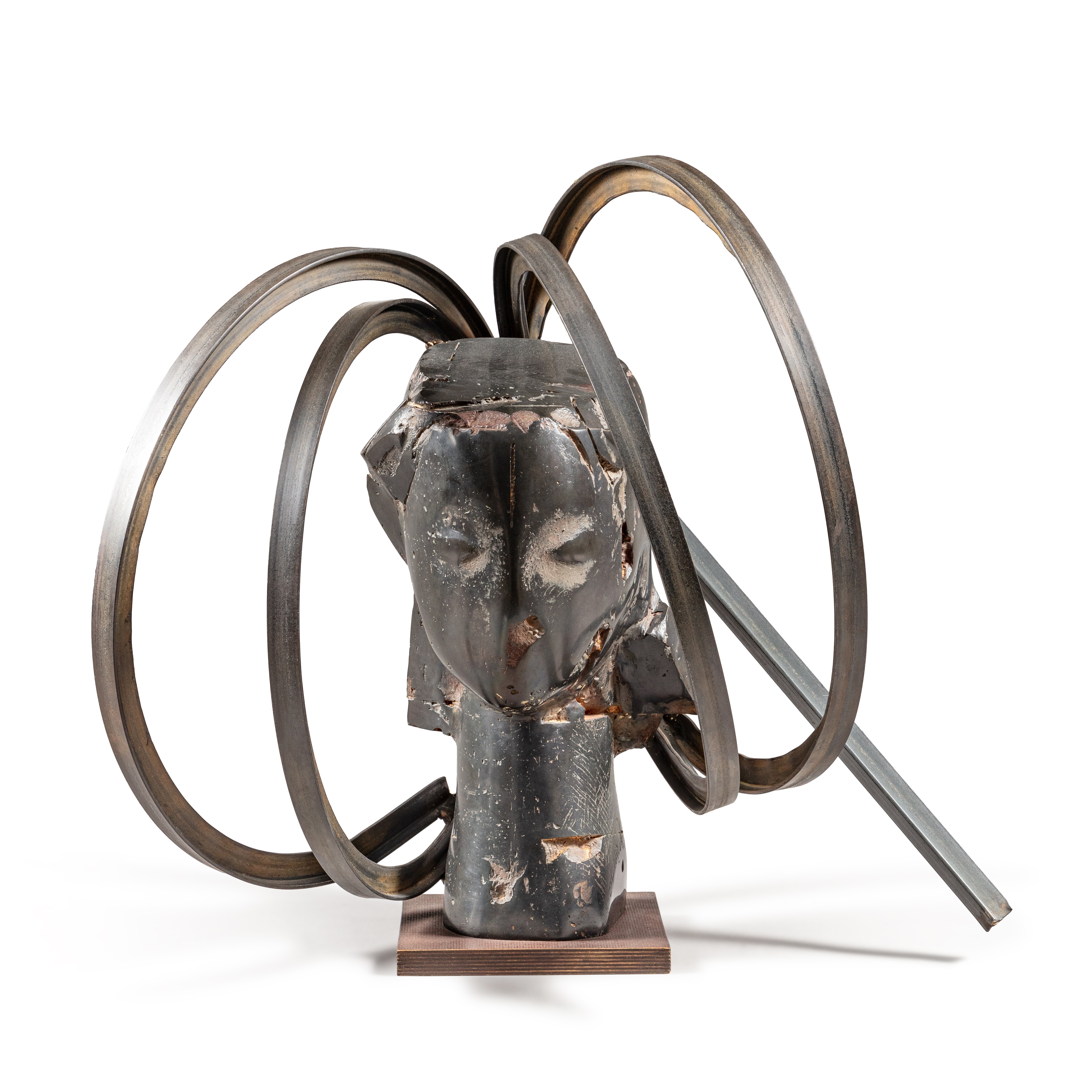
Sienna, 2007
His sculptures carry the same sensibility into three dimensions. Works like "Ivonne II" and "Katia II," both in bronze with green patina, and "Sienna" in bronze with black patina, present female figures rendered with a monumental simplicity that recalls ancient portraiture while remaining unmistakably contemporary. The patinas are not decorative choices but emotional ones, giving each work a quality of age and permanence that speaks to Valdés's abiding interest in how images survive and transform across time. The heads and busts, many of them on a grand scale, have a meditative stillness that commands space in both intimate gallery settings and sweeping outdoor environments.
They have appeared in major public spaces across Europe and the Americas, building a body of civic sculpture that is quietly remarkable in its reach. For collectors, the appeal of Valdés is both aesthetic and intellectual. His works reward sustained attention in a way that few contemporary artists can match. A collector who lives with one of his burlap paintings discovers new things in the surface every year, as the light shifts or the work settles further into the wall.
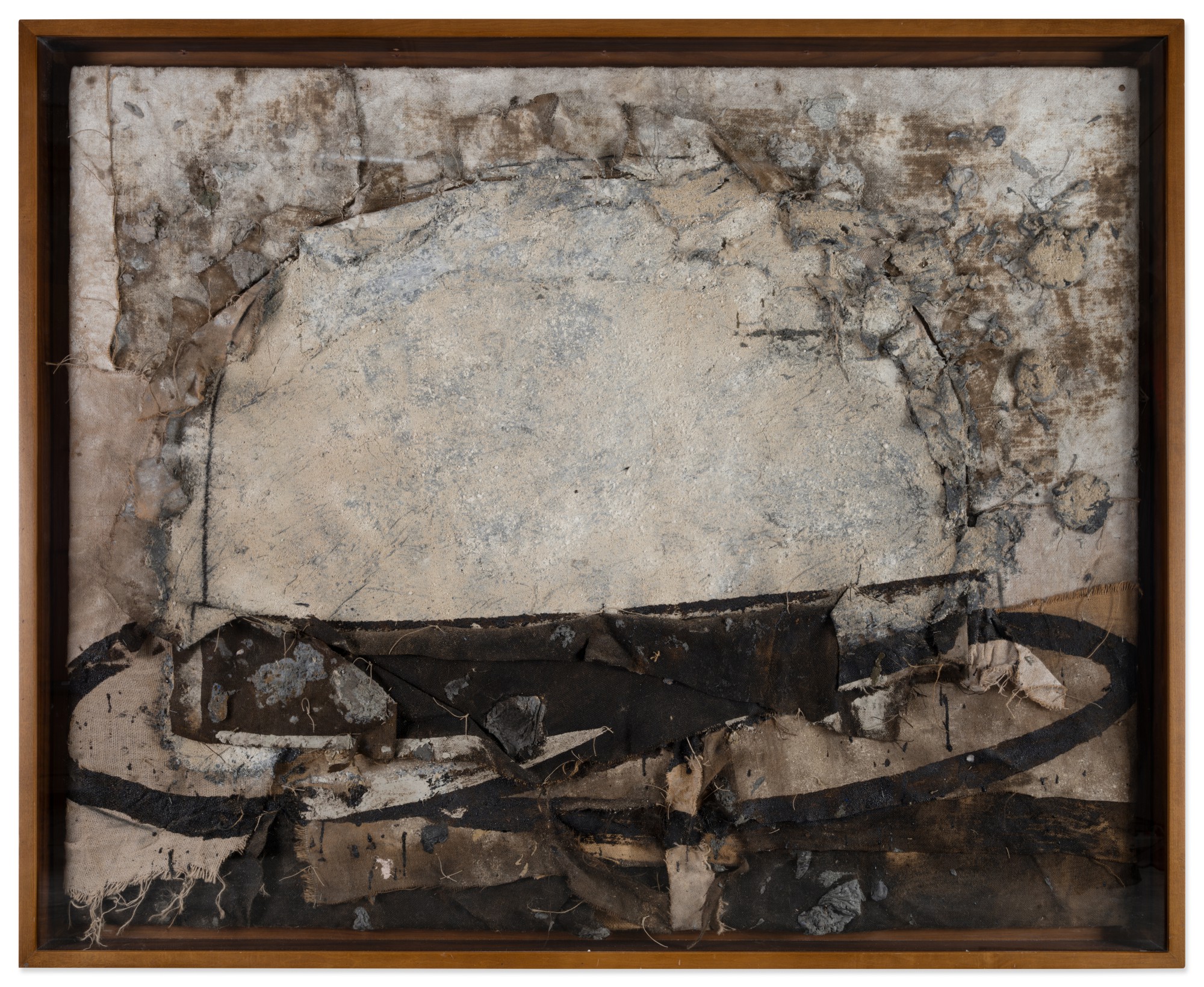
Manolo Valdés
Sombrero con Fondo Blanco y Cinta Negra, 1995
His prints, including etchings and aquatints with unique collage elements such as the "Infanta II" and "Paolo 1" series, offer an entry point that is accessible without being a compromise. Each print carries the marks of the hand, with collage elements making every impression distinct, and they demonstrate his mastery of the graphic arts as a parallel and equally serious practice. Collectors who have followed his career from early in his solo practice have seen steady appreciation in both critical regard and market value, with major works appearing at auction houses including Christie's and Sotheby's and finding strong results among collectors who value depth of practice over market trend. Within the broader context of art history, Valdés occupies a singular position.
He shares with Georg Baselitz and Anselm Kiefer a commitment to painting that carries historical weight and refuses easy consumption, though his relationship to tradition is warmer and more embracing than either of those German artists. His use of appropriation connects him to the Pictures Generation and to artists like Mike Bidlo, but where that movement was often analytical or cool, Valdés is sensual and celebratory. He is perhaps closest in spirit to the Spanish tradition itself, sharing with his great compatriots a willingness to look unflinchingly at the past and find in it something vital and alive. The legacy of Manolo Valdés is still being written, which is itself a remarkable thing to say of an artist born in 1942.
His work is held in the permanent collections of major institutions including the Reina Sofía in Madrid, the Museum of Fine Arts in Houston, and the Brooklyn Museum, among many others. Yet there is a sense among those who follow his career closely that his full recognition is still catching up with the ambition and achievement of the work itself. The sheer material intelligence of his paintings, the civic generosity of his public sculptures, and the quiet depth of his prints represent a body of work that speaks to fundamental questions about how we look at images, how tradition becomes the ground for originality, and how the humblest materials can carry the weight of history. For collectors who seek art that offers more the longer they live with it, Valdés remains one of the most rewarding figures working today.
Explore books about Manolo Valdés