Lucien Clergue
Light, Shadow, and the Eternal Form
Artist Spotlight · The Collection Editorial
“Photography is the only language that can be understood anywhere in the world.”
Lucien Clergue
There is a photograph by Lucien Clergue that stops you completely. A woman's body emerges from the surf of the Camargue, water streaming across her skin, the wet sand beneath her catching the Mediterranean light at an angle so precise it seems almost impossible. The image is neither purely sensual nor purely formal. It is both at once, and the tension between those two qualities is what defines one of the great bodies of work in twentieth century photography.
Lucien Clergue
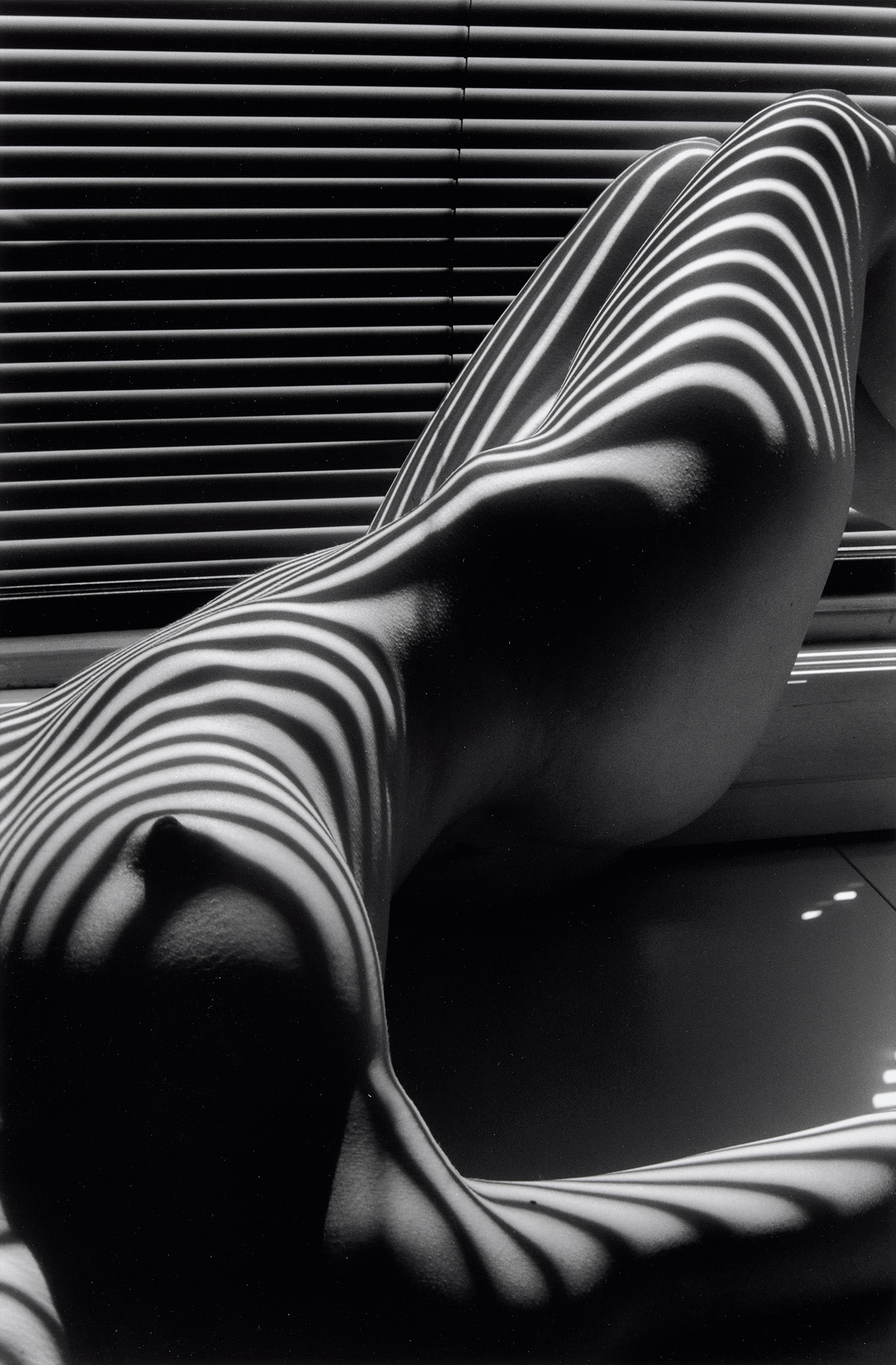
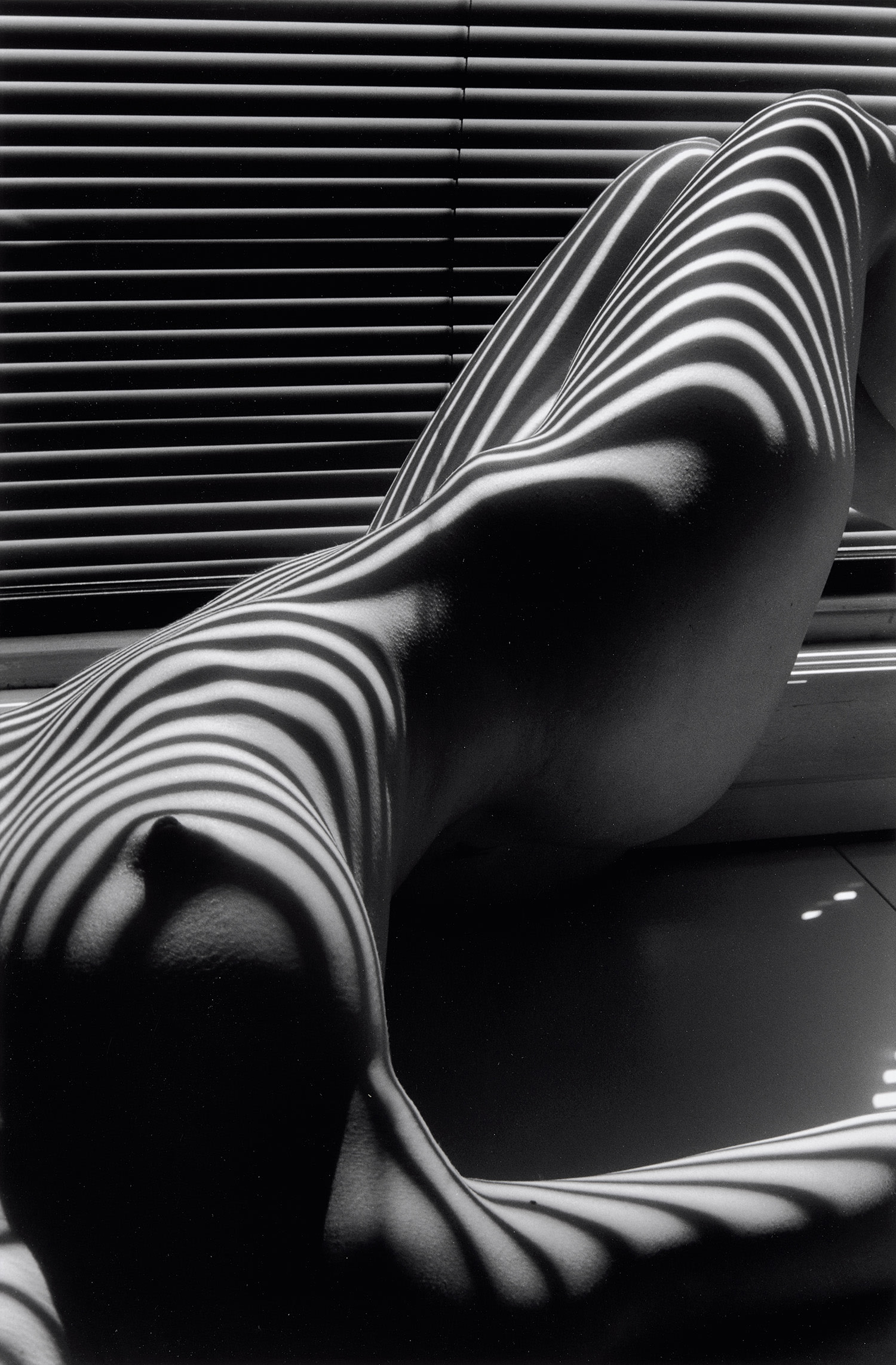
Zebra Nude, New York
Clergue spent decades making pictures like this one, images that insist on being looked at slowly, that reward patience, and that remind us why photography, when practiced with genuine vision, belongs in the same conversation as painting and sculpture. Lucien Clergue was born in Arles in 1934, and the city never really left him. Growing up in wartime Provence, he witnessed the bombing of Arles in 1944, an experience that left a deep mark on his sensibility and drew him toward subjects of survival, beauty, and endurance. His mother died when he was still a teenager, and he later spoke of the natural world of the Camargue as a space where he could process grief and discover something luminous even in difficulty.
The flamingos, the horses, the salt marshes, the corridas at the Roman amphitheatre: these were not merely picturesque subjects for Clergue. They were the landscape of his interior life. His early encounter with Pablo Picasso, which began in 1953 when the young Clergue approached the master at a bullfight in Arles, proved transformative in ways that extended far beyond simple mentorship. Picasso recognized in Clergue a rare visual intelligence and became a genuine champion of his work.
Lucien Clergue
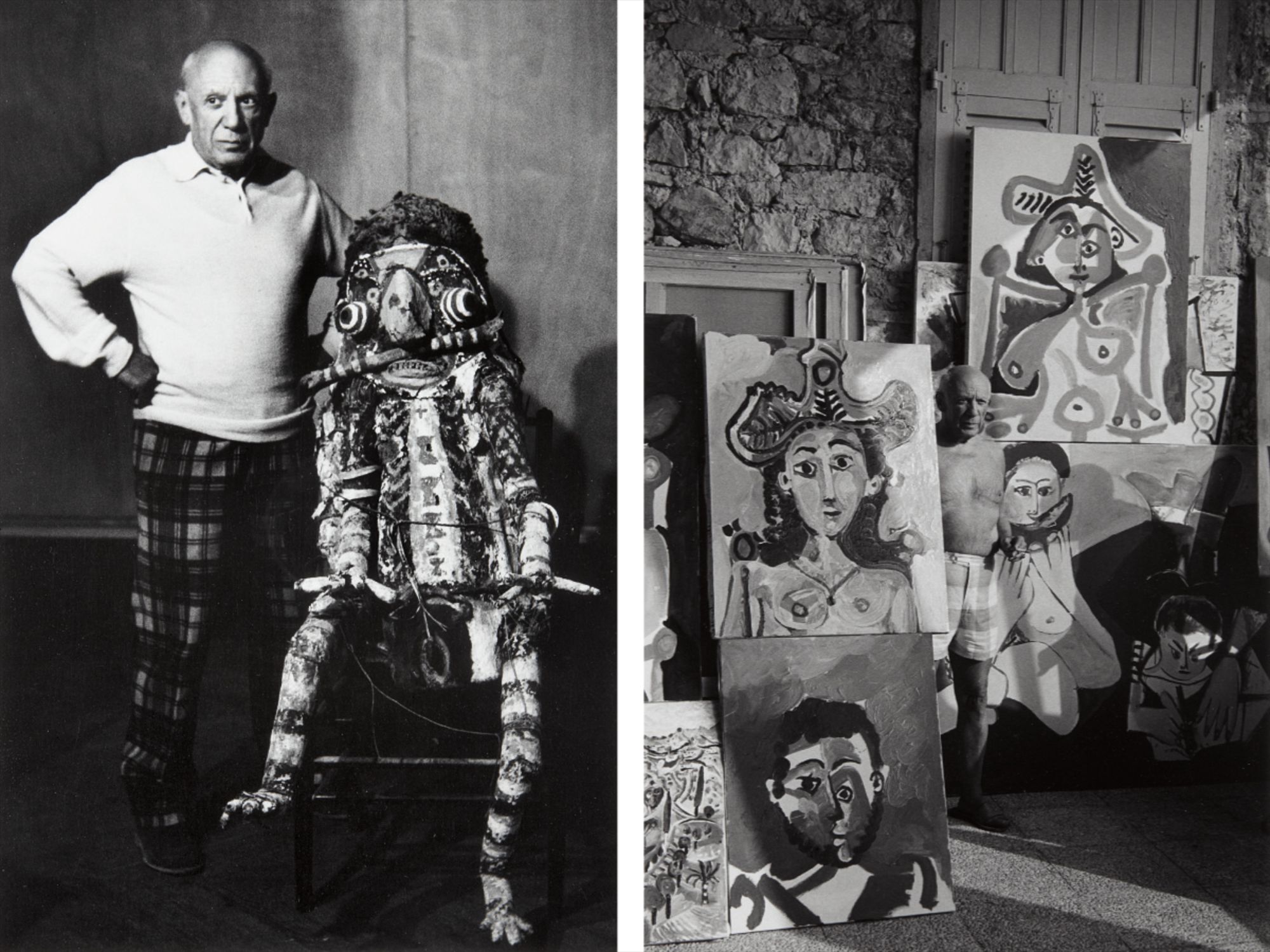
Selected images of Picasso
The friendship, which lasted until Picasso's death in 1973, gave Clergue extraordinary access to one of the defining artistic figures of the century, and the resulting body of portraits stands as an invaluable historical document. But the relationship also gave Clergue something more intangible: the confidence to believe that photography could carry the same conceptual and aesthetic weight as any other medium. Picasso's advocacy helped open doors in the French cultural establishment that had long been closed to photographers. Clergue's artistic development can be traced through three great thematic threads that he returned to across his entire career.
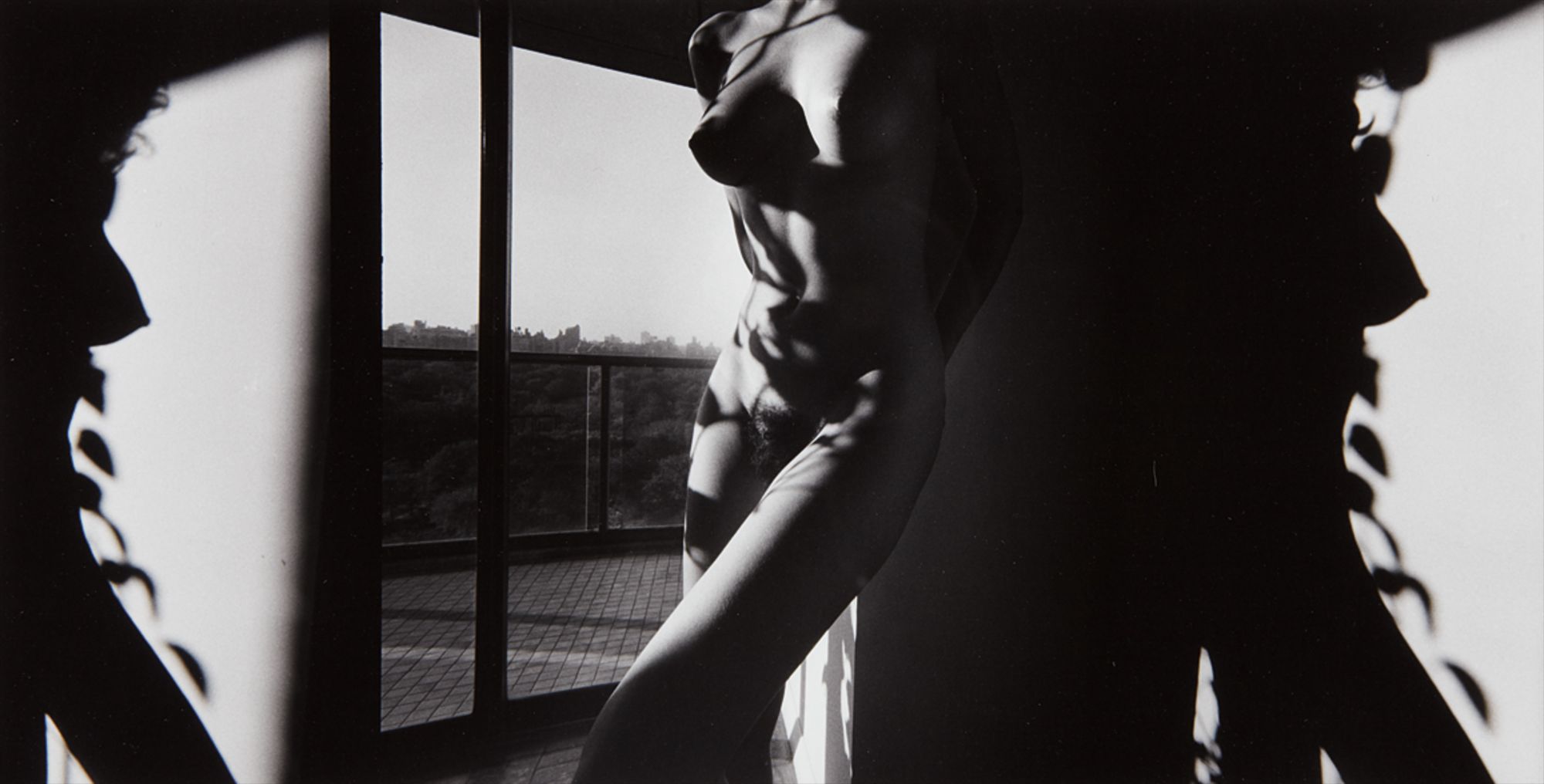
The first is the Camargue itself, its wild horses and flamingos captured with a naturalist's precision and a poet's sense of the ineffable. The second is the bullfight, the corrida of the Camargue and Arles, rendered in gelatin silver prints of tremendous kinetic energy, the torero and the bull locked in a choreography of mortal intensity. The third, and perhaps the most celebrated, is the female nude. Beginning in the 1950s and continuing for decades, Clergue developed a visual language for the body that drew on the formal traditions of classical sculpture while rooting everything in the texture of the natural world.
Lucien Clergue
Selected images
Sand, water, reeds, light: these became his studio. Among the works that collectors and curators return to most consistently, the nude studies made in locations across France and the United States stand out for their sustained inventiveness. Works such as "Nu de l'été de la Garde Freinet," printed in 1971, demonstrate his mastery of gelatin silver printing and his ability to find abstraction within the figurative. The print from that period has a quality of warmth and precision that speaks to Clergue's darkroom craft, an area in which he was deeply invested throughout his life.
Similarly, the "Zebra Nude, New York" series reveals a conceptual playfulness that sits alongside the more meditative Camargue work, showing a photographer willing to push his language into new registers without losing the essential lyricism that made his earliest pictures so compelling. His portraits of Picasso, represented on The Collection by gelatin silver prints from what are among the most sought after documentary works in twentieth century photography, offer a different dimension of Clergue's practice. To have had sustained, intimate access to Picasso at work, in conversation, in repose, is to have been present at a singular moment in art history, and Clergue's images of his friend carry both the warmth of genuine affection and the visual precision of a serious artist. These prints are collected not merely as historical artifacts but as photographs with their own formal authority.
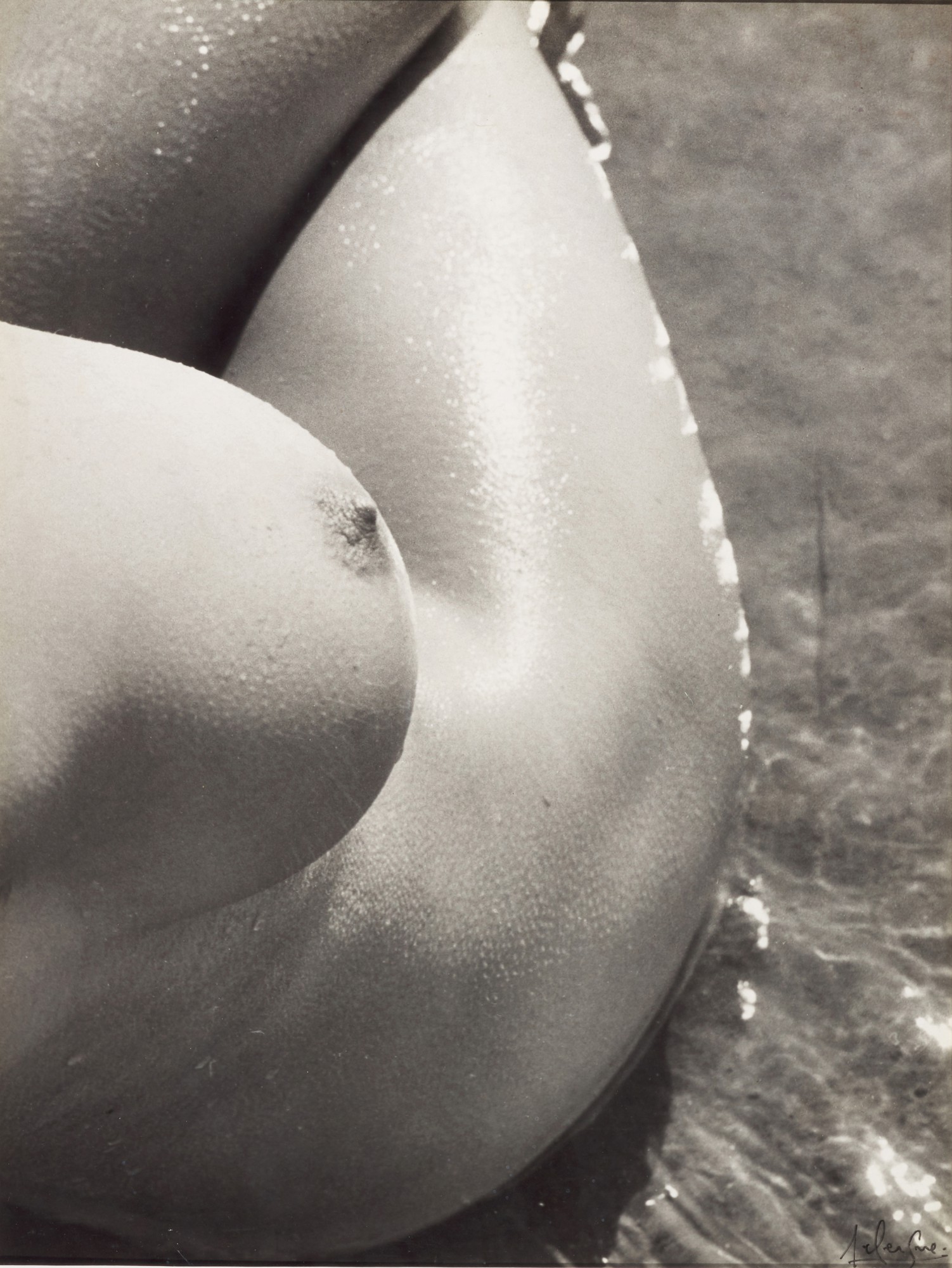
Lucien Clergue
Le Sein (Etude de Nu)
In the collecting market, Clergue's work has attracted steady and serious attention, particularly in France, where his legacy is bound up with the broader story of photography's institutional recognition. He cofounded the Rencontres d'Arles photography festival in 1970, alongside the writer Michel Tournier and the art historian Jean Maurice Rouquette, and the festival remains one of the most important annual events in the international photography world. That founding act alone would secure his place in the history of the medium, but it is his pictures, not his institutional achievements, that sustain collector interest. Gelatin silver prints from the 1960s and 1970s, particularly the nude studies and the Camargue landscapes, represent the strongest area of his market.
Later prints, made under the artist's supervision and carrying his authentication, offer collectors an accessible point of entry into a significant body of work. To place Clergue within art history is to understand the particular position of French photography in the decades after the Second World War. He worked in a tradition that included Henri Cartier Bresson and Willy Ronis, but his concerns were less documentary than theirs. He was closer in spirit to Edward Weston in his treatment of the nude and to minor White in his investment in formal abstraction, though he remained resolutely French in his sensuality and his attachment to a specific landscape.
His election to the Académie des Beaux Arts in 2006, the first photographer ever to receive that honor, was both a personal triumph and a symbolic moment for the entire medium. Lucien Clergue died in Nîmes in November 2014, but the work has not dated. If anything, the distance of a decade has clarified just how sustained and coherent his vision was. In a moment when photography as an art form commands serious prices and serious critical attention, Clergue looks more and more like one of its essential figures: a man who understood that the camera was an instrument capable of genuine poetry, and who spent sixty years proving it with pictures that hold the light.
Explore books about Lucien Clergue
Lucien Clergue: Photographs
Lucien Clergue
Lucien Clergue
Jean-Luc Sideleau
Lucien Clergue: Erotique
Lucien Clergue
Lucien Clergue: Autoportrait
Lucien Clergue
Lucien Clergue: The Sea and Sensuality
Michel Nuridsany
Lucien Clergue: A Retrospective
Various Contributors