Loló Soldevilla
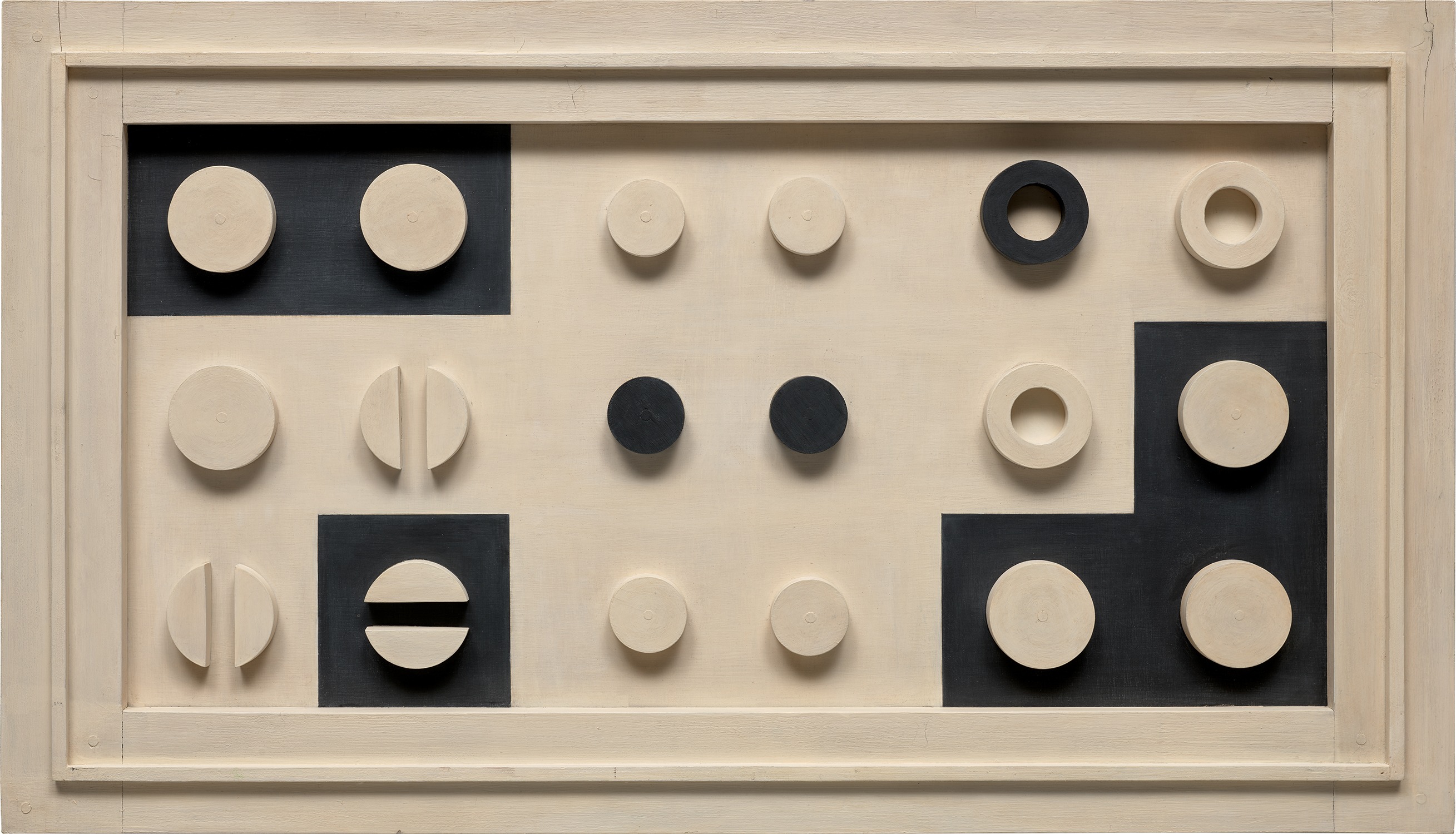
Loló Soldevilla, Cuba's Radiant Geometric Visionary
Artist Spotlight · The Collection Editorial
There is a particular kind of justice in watching an artist long overlooked by the international mainstream finally receive the recognition she always deserved. In recent years, as major institutions across the United States and Europe have turned their attention to the rich histories of Latin American abstraction, the name Loló Soldevilla has emerged with increasing urgency. Her works, with their luminous geometric precision and electric chromatic intelligence, feel startlingly alive today, speaking directly to a contemporary sensibility that prizes rigor and joy in equal measure. Soldevilla was not simply a participant in the story of Cuban modernism.
Loló Soldevilla
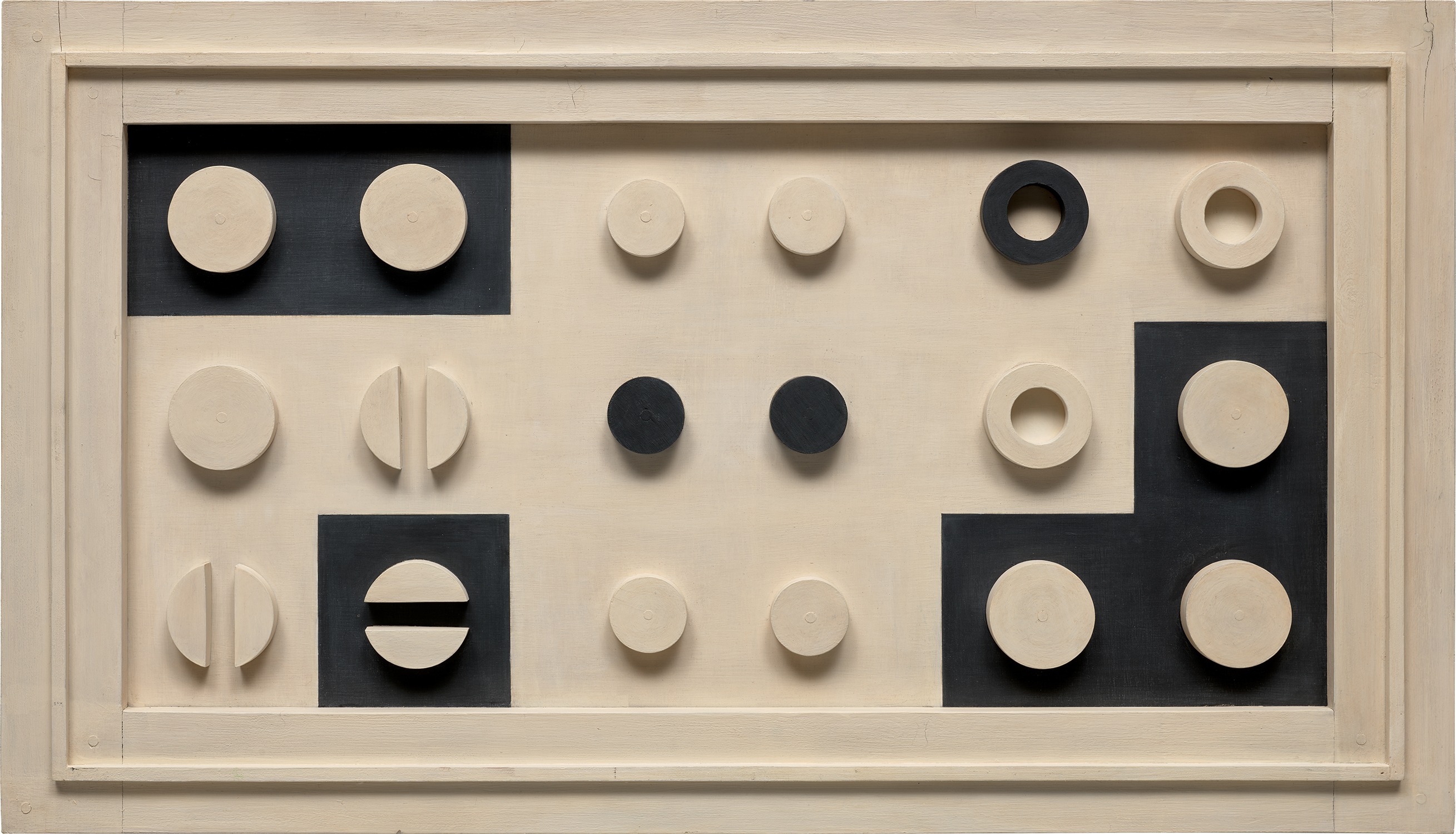
Sin título, 1955
She was one of its principal architects. Dolores Soldevilla Nieto was born in Cuba in 1901, and her early life unfolded against the backdrop of a nation still finding its cultural footing in the first decades of the twentieth century. Like many Cuban intellectuals and artists of her generation, she understood that the path to a truly modern artistic identity would require direct engagement with the European avant garde. She made her way to Paris, that enduring crucible of twentieth century art, where she immersed herself in the ferment of postwar geometric and Concrete art.
In Paris she encountered the ideas and practices of artists working in the tradition of Theo van Doesburg, Max Bill, and the broader Constructivist legacy, movements that insisted on the sovereignty of form, color, and composition as ends in themselves rather than as vehicles for representation. The Paris years were transformative in the deepest sense. Soldevilla was not merely a student absorbing influences at a respectful distance. She was an active participant in avant garde circles, engaging with the intellectual and aesthetic debates that shaped the European postwar moment.
Loló Soldevilla
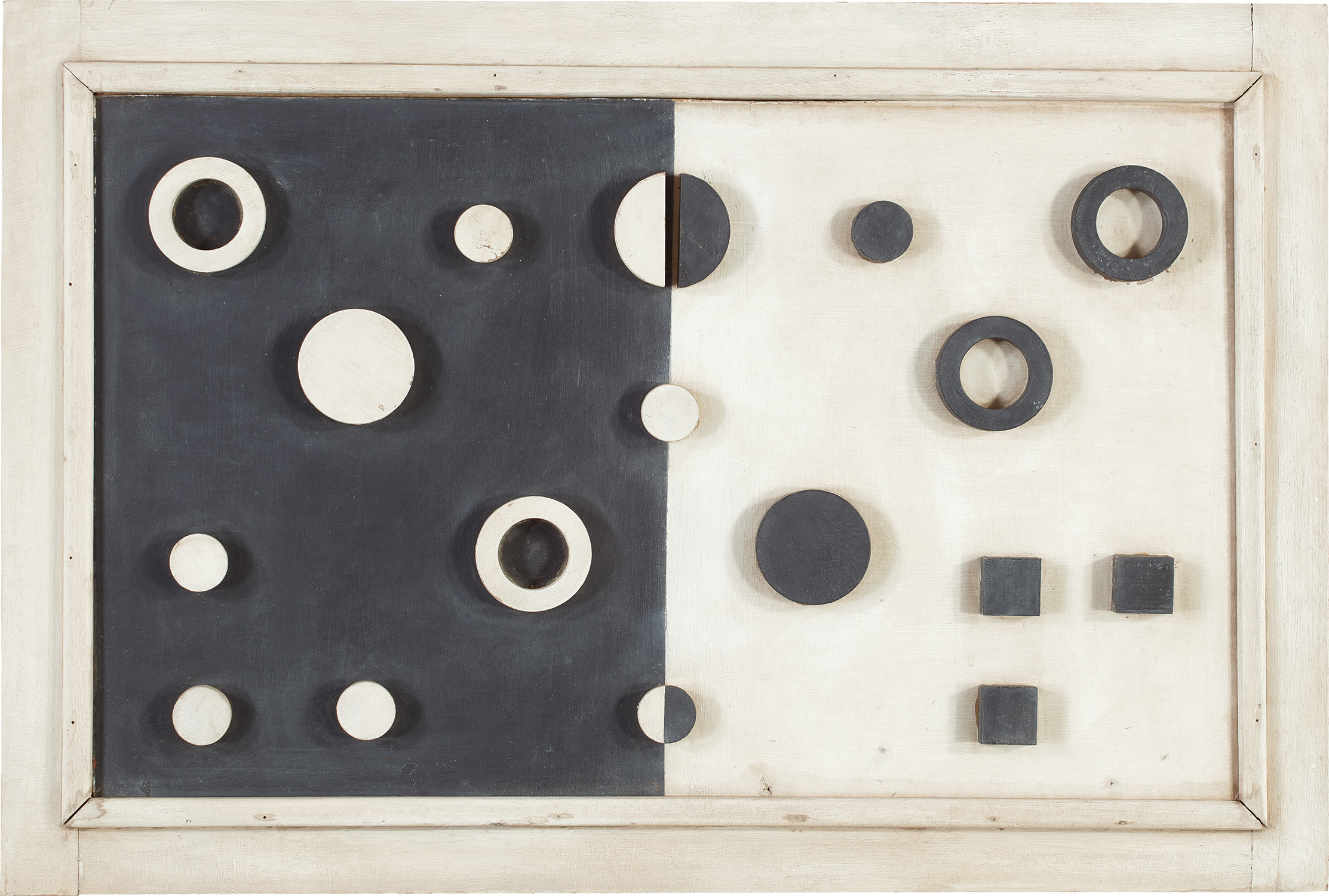
Firmamento no. 3, 1958
The discipline she absorbed there, the commitment to geometry as a universal language and to color as a force with its own emotional logic, became the foundation of everything she would go on to create. When she returned to Havana in the early 1950s, she carried with her not only a refined visual vocabulary but also an evangelical sense of mission: abstract art had to be planted, nurtured, and championed in Cuba, and she was prepared to do that work. In 1953, Soldevilla co founded the Galería Color Luz in Havana, and in doing so she created one of the most important cultural spaces in the history of Cuban art. The gallery was not merely a commercial venue.
It functioned as a laboratory, a meeting place, and a platform for artists who believed in the transformative power of abstraction. At a moment when figurative and nationalist aesthetics still dominated much of the Cuban art world, Color Luz offered an alternative vision, one that connected the island to international currents without surrendering its own vitality. The gallery introduced Cuban audiences to Concrete and kinetic tendencies while simultaneously providing local artists with a space to develop and exhibit work that pushed against inherited conventions. Soldevilla's own paintings from this period represent some of the most compelling achievements in Cuban modernism.
Loló Soldevilla
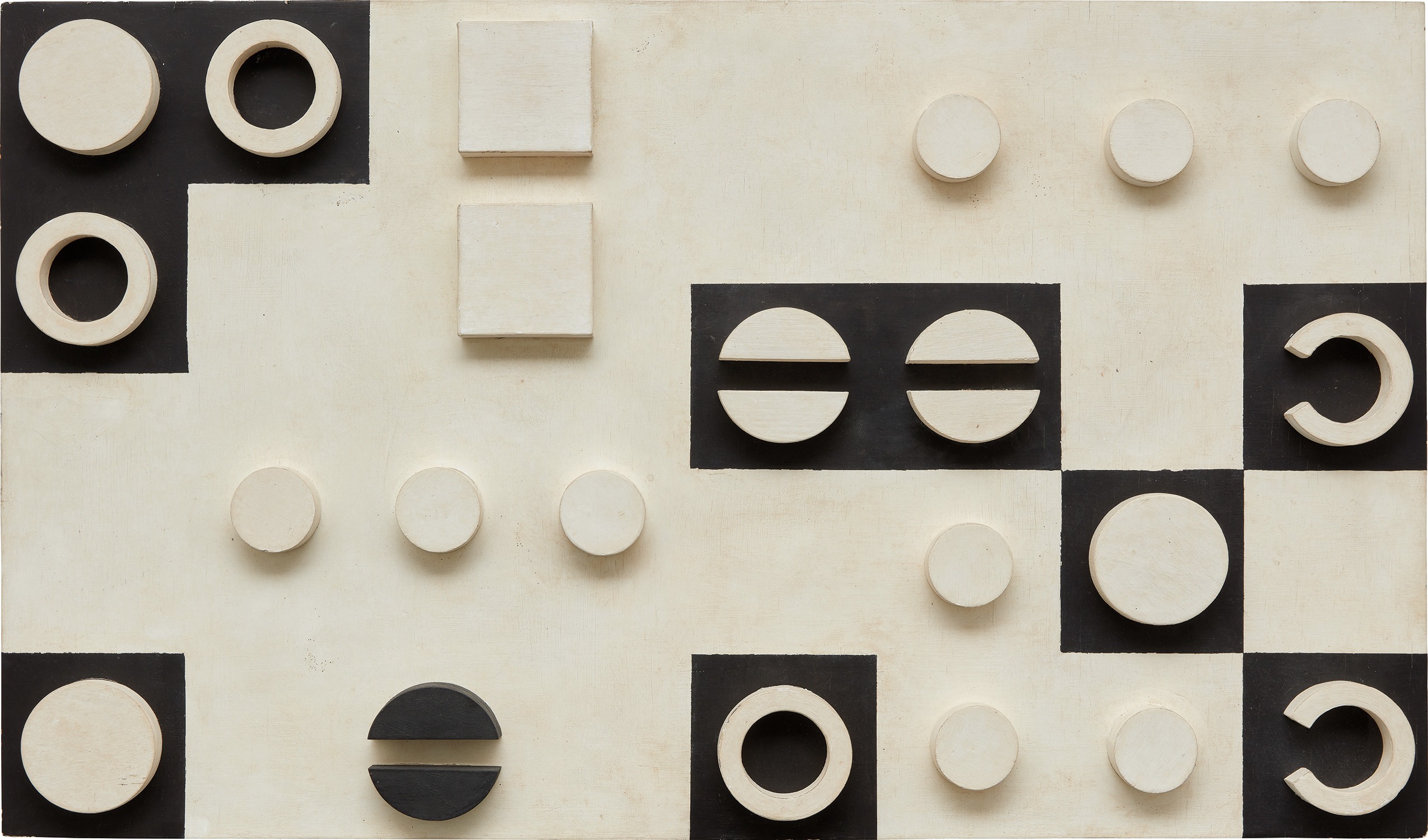
casein on wood, 1955
Works such as Sin título from 1955, rendered in oil on wood, demonstrate her mastery of geometric composition, with forms arranged in relationships of tension and harmony that feel both mathematically considered and deeply intuitive. Firmamento no. 3, dated 1958, extends this language into something almost celestial, its title gesturing toward cosmic scale while its visual means remain resolutely earthbound in their precision. The casein on wood works from the mid 1950s reveal her willingness to explore different material surfaces as active participants in the construction of meaning.
Even a work like Las flores de Emile Zola, with its evocative literary title, channels its references through a geometric sensibility that refuses sentimentality in favor of structured feeling. Across all of these works, color is never decorative. It is structural, purposeful, and alive. For collectors, Soldevilla represents a remarkable opportunity at a compelling moment in the market for Latin American modernism.
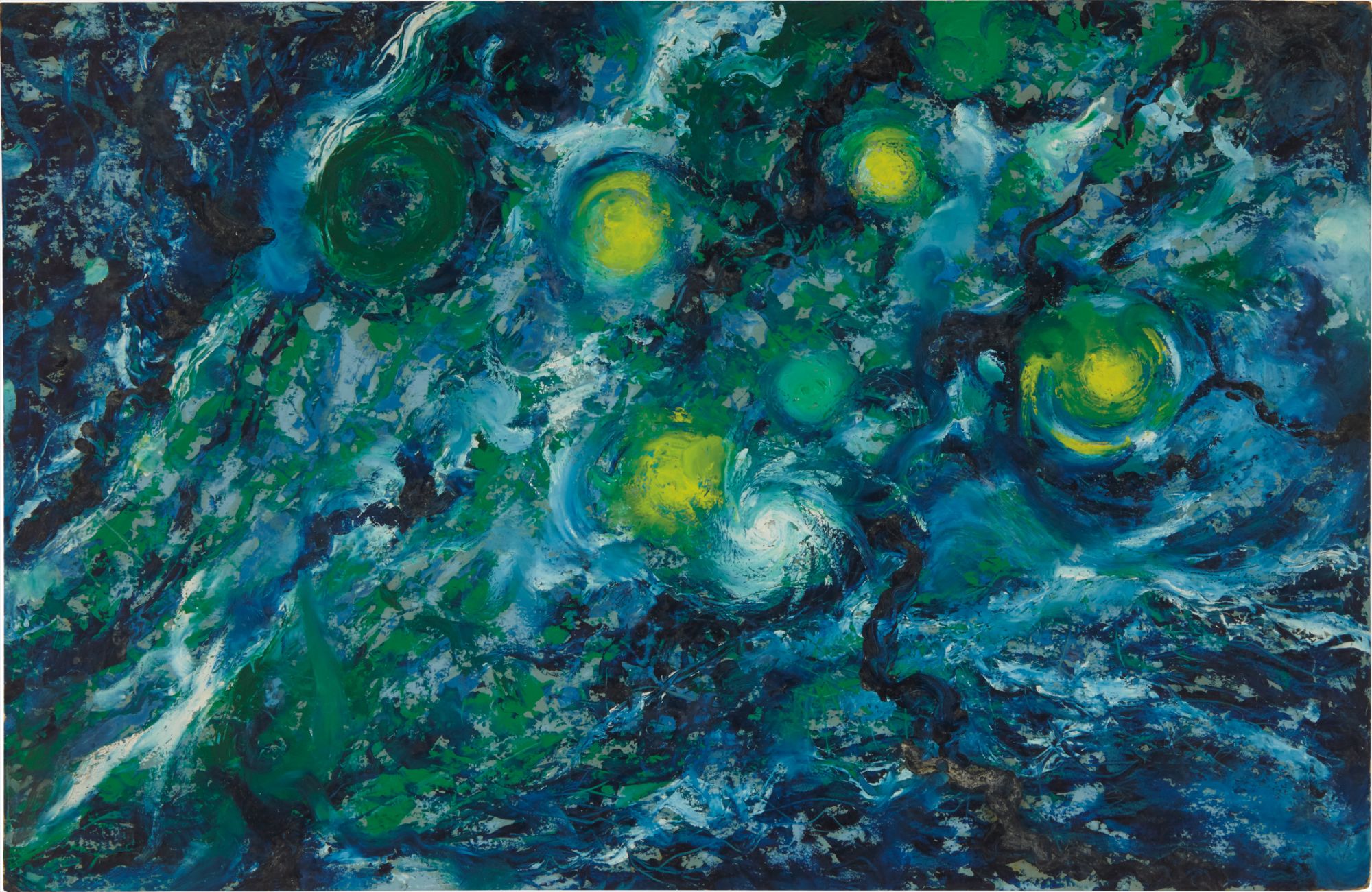
Loló Soldevilla
Las flores de Emile Zola
Her work has historically been undervalued relative to her male contemporaries and relative to her actual significance within the canon, a situation that is actively correcting itself as scholarly and institutional attention increases. Works on wood, her favored support, carry a particular material warmth that distinguishes them from the cooler surfaces associated with European Concrete painting. Collectors drawn to the geometric abstraction of artists such as Jesús Rafael Soto, Alejandro Otero, and Carmen Herrera will find in Soldevilla a figure of comparable importance whose practice bears direct and rewarding comparison to those more widely recognized names. The density of her historical significance relative to her current market position makes her an artist whose work rewards both passionate engagement and considered acquisition.
Placing Soldevilla within the broader history of twentieth century art clarifies just how central she was to a network of ideas and practices that stretched across continents. Her work belongs to the international Concrete art tendency that found distinct expressions in Brazil through the São Paulo school, in Venezuela through the kinetic movement, and in Argentina through the Asociación Arte Concreto Invención. Within Cuba, she stands alongside figures such as Pedro de Oraá and Salvador Corratgé as a founder of the abstract tradition. Yet she also occupies a unique position as both practitioner and institution builder, a rare combination that places her in conversation with figures like Anni Albers or Lygia Clark, artists for whom making and organizing were inseparable acts of cultural commitment.
The legacy of Loló Soldevilla is still being fully understood, and that process of understanding is one of the genuine pleasures of engaging with her work today. She spent decades ensuring that abstract and experimental art had a home in Cuba, and the works she left behind carry the weight of that conviction without ever feeling didactic or burdened. They are, above all, paintings of extraordinary sensory intelligence, works that reward sustained looking with the particular satisfaction that comes when structure and feeling achieve perfect accord. To encounter a Soldevilla is to be reminded that geometric abstraction at its finest is not cold or cerebral but warm, generous, and inexhaustibly human.