Klara Lidén
Klara Lidén Transforms the Everyday Into Freedom
Artist Spotlight · The Collection Editorial
When the Moderna Museet in Stockholm brought together a focused survey of Klara Lidén's practice, something remarkable happened in the galleries. Visitors who arrived expecting conventional art objects found themselves inside a living argument about space, ownership, and what it means to inhabit a city on your own terms. That experience, of having your assumptions quietly overturned, is precisely what Lidén has been orchestrating since she first emerged from Stockholm in the early 2000s, and it is why her work continues to feel so urgently necessary in an art world that sometimes mistakes novelty for radicalism. Lidén was born in Stockholm in 1979 and grew up inside a culture that prizes both social order and a certain quiet intensity of feeling.
Klara Lidén
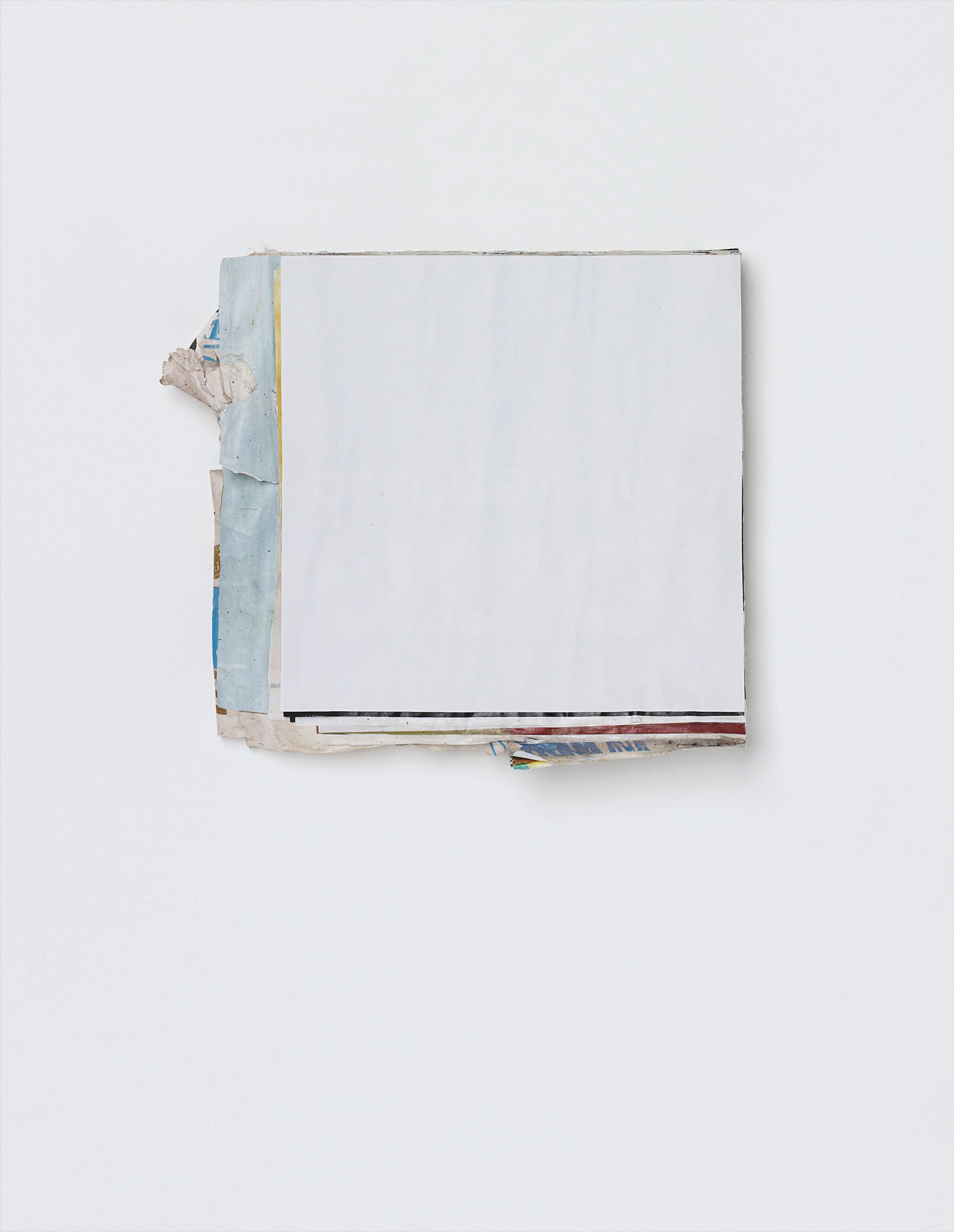
Ich brauch Mas
She studied at the Royal Institute of Art in Stockholm before relocating to New York, a city whose infrastructure of forgotten surfaces, torn posters, and discarded furniture would become the raw material of her most celebrated works. The move was not simply geographical. It represented a shift into a more expansive field of possibility, a place where the gap between public and private, between sanctioned behavior and genuine expression, was wide enough to work inside. Her formation was shaped by performance traditions, by the legacy of artists who understood the city as both canvas and antagonist, and by a genuine restlessness that refuses to be domesticated.
Her artistic development traces a consistent obsession with what gets left behind. Early performance works saw Lidén moving through urban environments in ways that were deliberately excessive, cycling furiously through city streets, transforming her own apartment into a kind of athletic obstacle course. These pieces documented on video carry an almost unbearable charge of physical commitment. They are not performances in the theatrical sense but acts of sustained, almost meditative intensity, closer in spirit to the Fluxus tradition or to the body art of the 1970s than to anything that might be called spectacle.
Klara Lidén
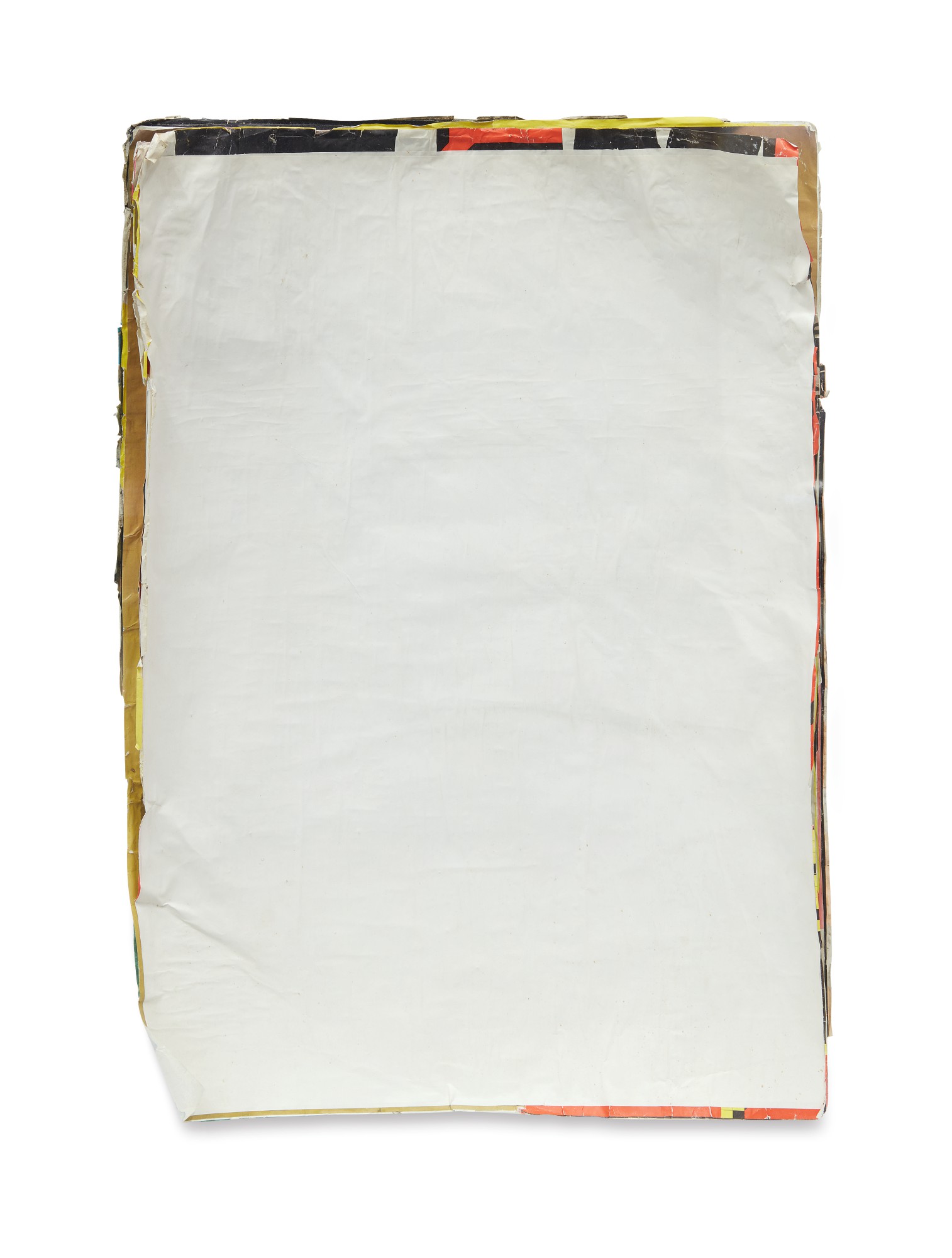
Untitled (Poster Painting), 2007
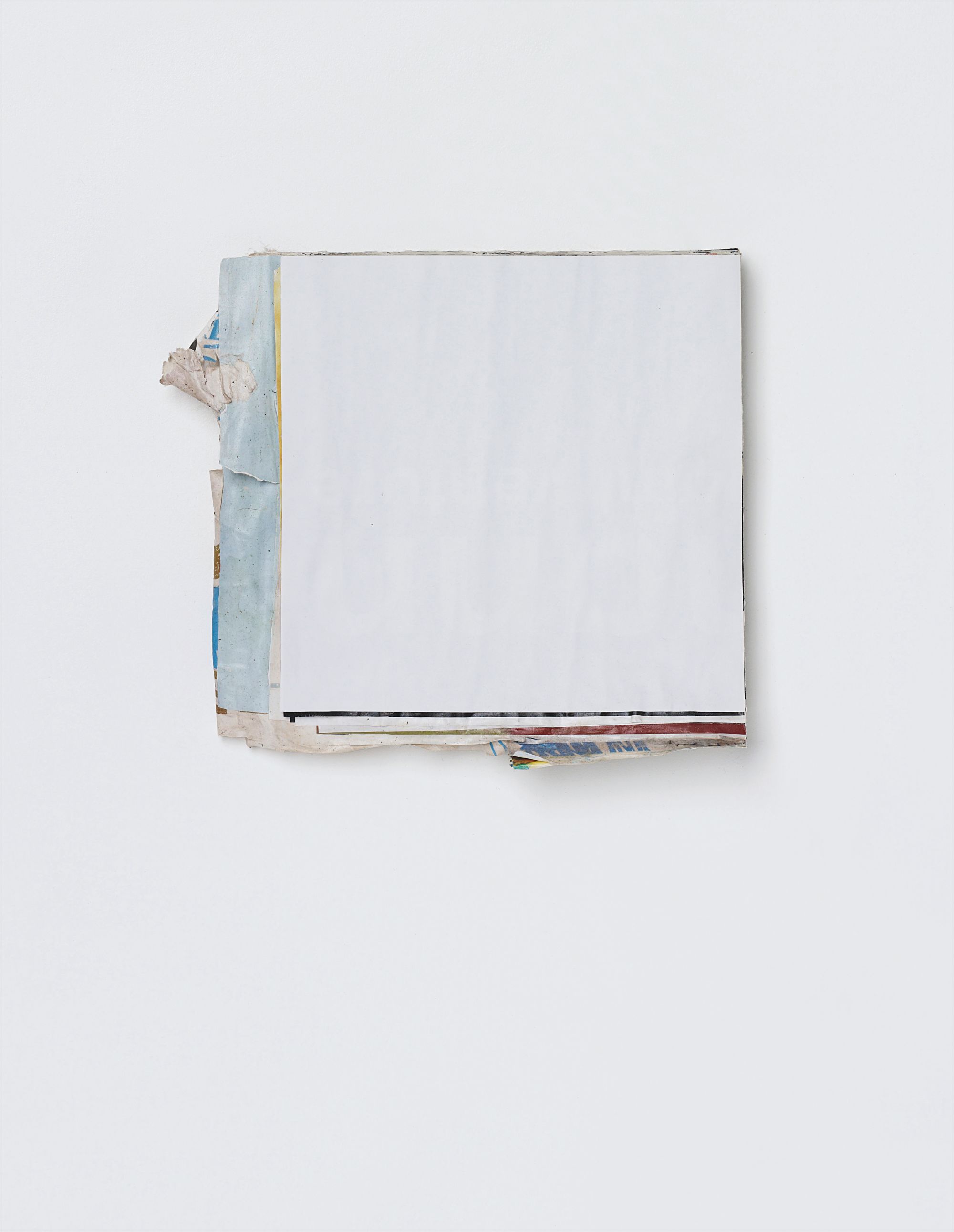
The work insists that the artist's own body is the first and most honest material available. The poster paintings represent one of the most distinctive contributions Lidén has made to contemporary practice. Works such as Untitled (Poster Painting) from 2007 and related pieces made from found posters, blank poster paper, and wheat paste occupy a fascinating position between painting, sculpture, and urban intervention. Lidén collects the layered accretions of city walls, the torn and overlapping announcements that no one commissioned and no one officially maintains, and brings them into the gallery as evidence of a parallel aesthetic life that cities produce without meaning to.
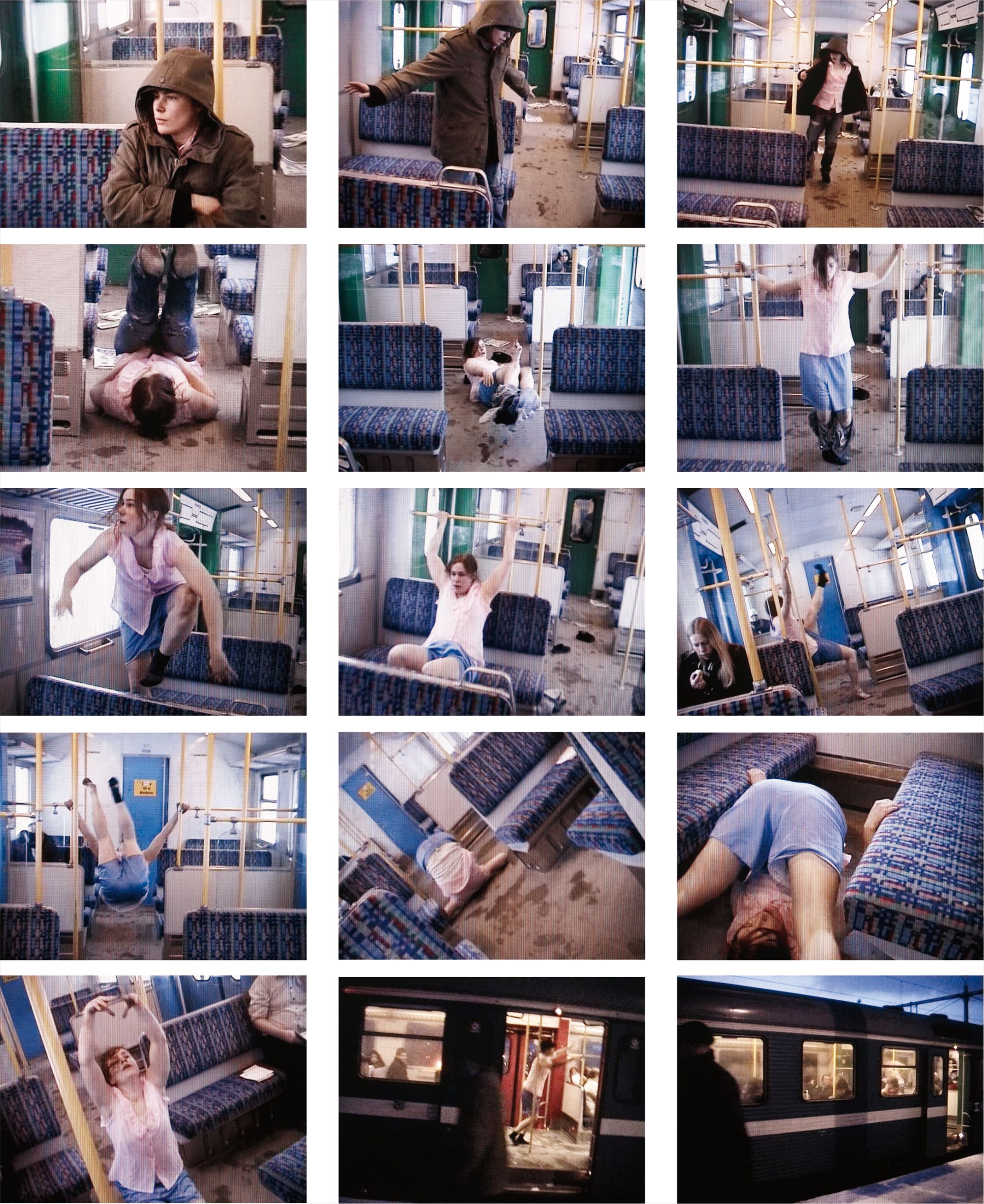
These works do not simply document that life; they extend it, giving the accidental beauty of the street a formal home without stripping it of its essential wildness. A 2008 work in found posters and wheat paste carries the street's logic directly into the collector's hands. The video piece Paralyzed stands as one of her most discussed works. Shot with the raw immediacy that characterizes her entire approach to the moving image, it captures a state that is both physical and psychological, a body suspended between action and stillness in a way that resonates far beyond its literal subject.
Klara Lidén
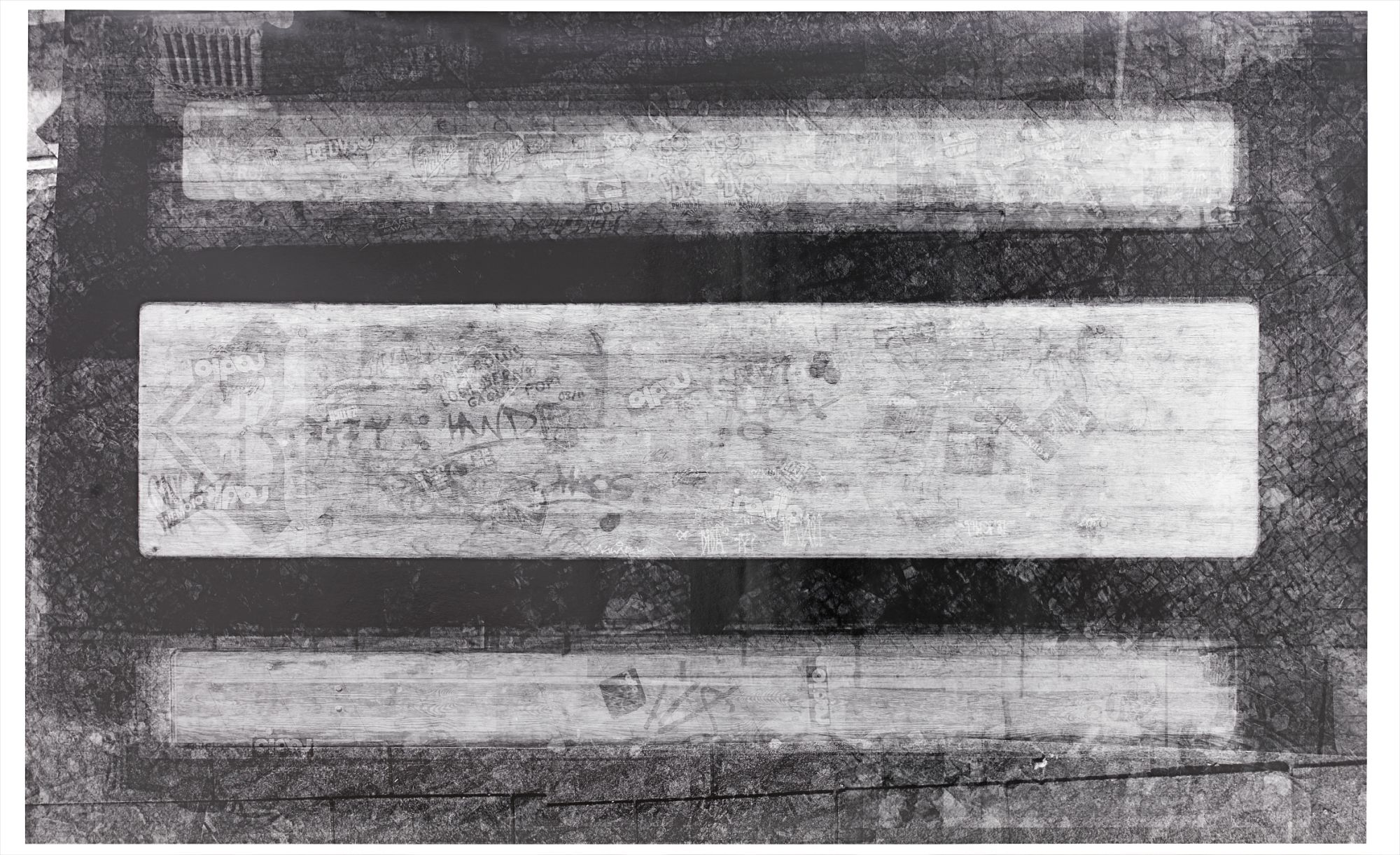
Bierbank
The work belongs to a lineage that includes early video art by artists such as Bruce Nauman and Vito Acconci, artists who understood the camera not as a recording device but as a collaborator in acts of self examination. Lidén shares with those predecessors a willingness to make herself genuinely uncomfortable, to push past the moment when most artists would stop and call the work complete. For collectors, Lidén's work offers something increasingly rare in the contemporary market: a practice built on absolute conviction rather than market positioning. Her materials, found posters, collaged paper, adhesive, CD fragments, inkjet prints, speak to an aesthetic rooted in the real conditions of urban life rather than in the production logic of the studio commodity.
A 2009 work in collaged paper, adhesive, and CD is a perfect example of how she elevates discarded materials into objects of genuine complexity and beauty. A 2011 inkjet print demonstrates her ability to move fluently between media while maintaining the same intellectual and emotional consistency throughout. Works like Bierbank and Ich brauch Mas show the range of her engagement with found objects and the way she charges ordinary things with new meaning through displacement and context. Within the broader landscape of contemporary art, Lidén sits in productive conversation with a generation of artists who came of age questioning the separation between art and life.
Klara Lidén
Paralyzed
Her work shares sensibilities with that of Kader Attia, whose practice engages with the wounds and repairs of urban and colonial history, and with artists such as Danh Vo, who also works with fragments and found materials to produce objects of great resonance from seemingly modest means. She is part of a tradition that includes Gordon Matta Clark's surgical interventions in architecture and the social sculpture ideas of Joseph Beuys, though her voice is entirely her own: wry, physical, politically alert, and never preachy. Galleries including Reena Spaulings Fine Art in New York and Galerie Neu in Berlin have championed her work and helped establish her international profile. What makes Lidén matter now, perhaps more than at any previous moment, is precisely the quality of attention her work demands.
In an era of frictionless experience and frictionless consumption, she insists on friction. She insists that the city is a contested space, that bodies are political, and that the materials we overlook are often the most honest record of how we actually live. Collectors who bring her work into their lives are not simply acquiring objects of aesthetic value, though the objects are genuinely beautiful and formally rigorous. They are acquiring a perspective, a way of seeing the walls and streets and surfaces of daily life as charged with meaning and worthy of the most serious artistic attention.
That perspective, once absorbed, is very difficult to lose.