
Juan de Valdés Leal
1
Works
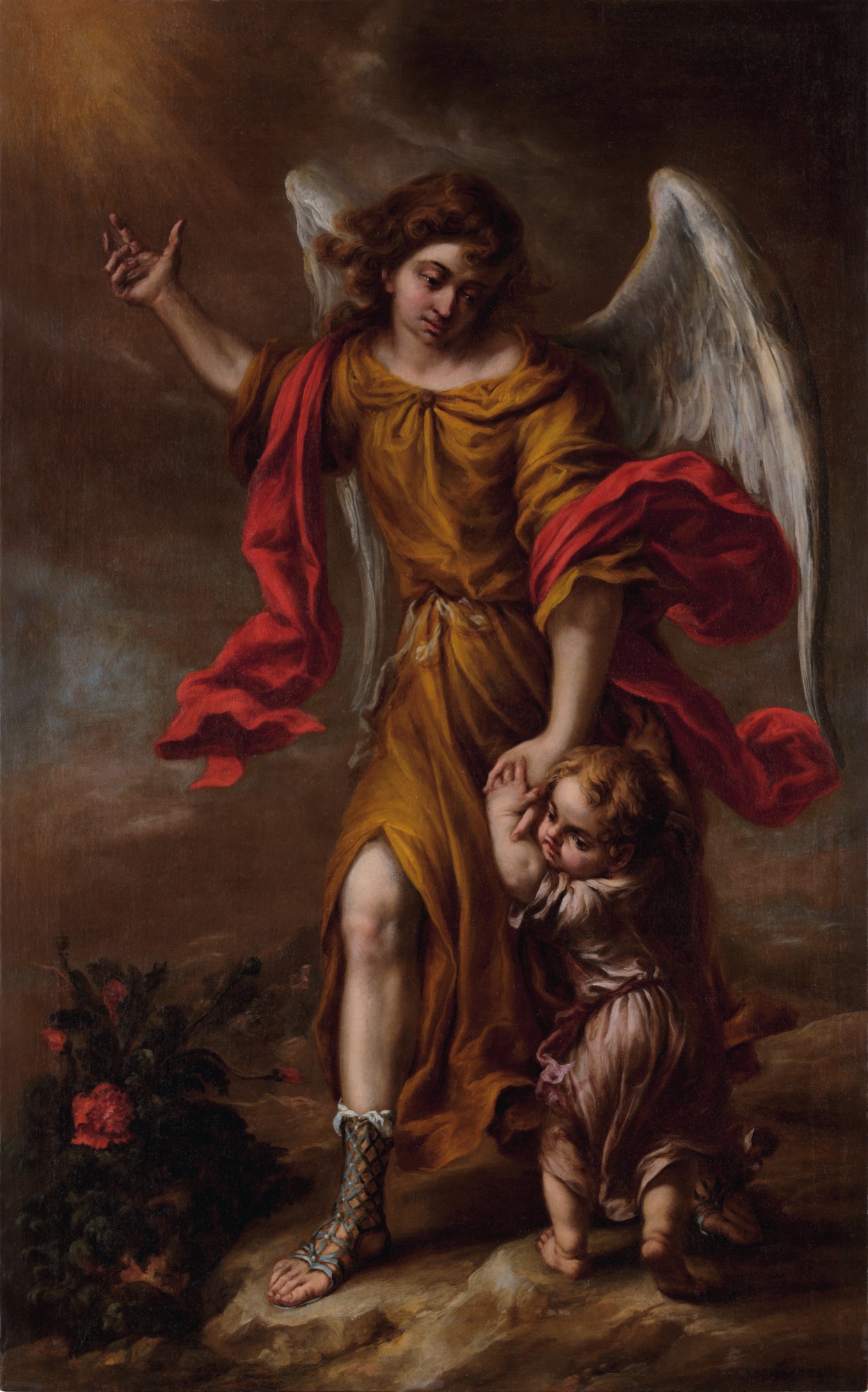
Juan de Valdés Leal was a Spanish Baroque painter and engraver, renowned for his dramatic and intensely emotional religious works that exemplified the Spanish Golden Age. Born in Seville, he trained under Antonio del Castillo in Córdoba before returning to Seville, where he became one of the most important painters of his generation alongside Bartolomé Esteban Murillo. Valdés Leal co-founded the Seville Academy of Art in 1660 with Murillo and served as its president. His work is characterized by vigorous brushwork, bold compositions, intense chiaroscuro, and a theatrical approach to religious subject matter that often emphasized themes of mortality, vanitas, and spiritual transformation. Valdés Leal is perhaps best known for his two extraordinary allegorical paintings, "In Ictu Oculi" (In the Blink of an Eye) and "Finis Gloriae Mundi" (The End of Worldly Glory), created in 1672 for the Hospital de la Caridad in Seville. These macabre masterpieces, which depict decomposing corpses and the transience of earthly power, represent some of the most powerful vanitas imagery in Western art. The works were commissioned by Miguel de Mañara for a charitable institution and were designed to remind viewers of mortality and the importance of Christian charity. His other significant works include altarpieces, devotional paintings, and historical scenes that demonstrate his mastery of complex multi-figure compositions and dramatic narrative. While often compared to his contemporary Murillo, Valdés Leal developed a distinctly different aesthetic, more dynamic, emotionally charged, and less idealized. His palette favored strong contrasts and his figures possessed a restless energy that set him apart from the serene classicism of other Sevillan painters. Beyond painting, he was also an accomplished engraver and produced important works in this medium. His influence extended through his teaching and his role in establishing Seville's artistic institutions. Today, his work is preserved in major museums including the Prado in Madrid, the Hermitage in St. Petersburg, and numerous churches throughout Andalusia, where his powerful vision of Baroque spirituality continues to captivate viewers.
Artists in conversation