Jose Dávila
Jose Dávila Holds Everything Together Beautifully
Artist Spotlight · The Collection Editorial
In the spring of 2023, visitors to a major institutional survey of contemporary Latin American sculpture found themselves pausing longer than expected in front of a José Dávila assemblage: a slab of raw concrete held aloft by nothing more than a taut ratchet strap, a bolt, and what appeared to be sheer willpower. The work did not tremble, but it made you feel as though it might. That productive anxiety, the sense that equilibrium is both achieved and perpetually threatened, is the emotional signature of one of Mexico's most intellectually rigorous and visually arresting artists working today. Dávila has spent three decades developing a practice that transforms industrial hardware and monumental stone into meditations on faith, physics, and the modernist dream.
Jose Dávila
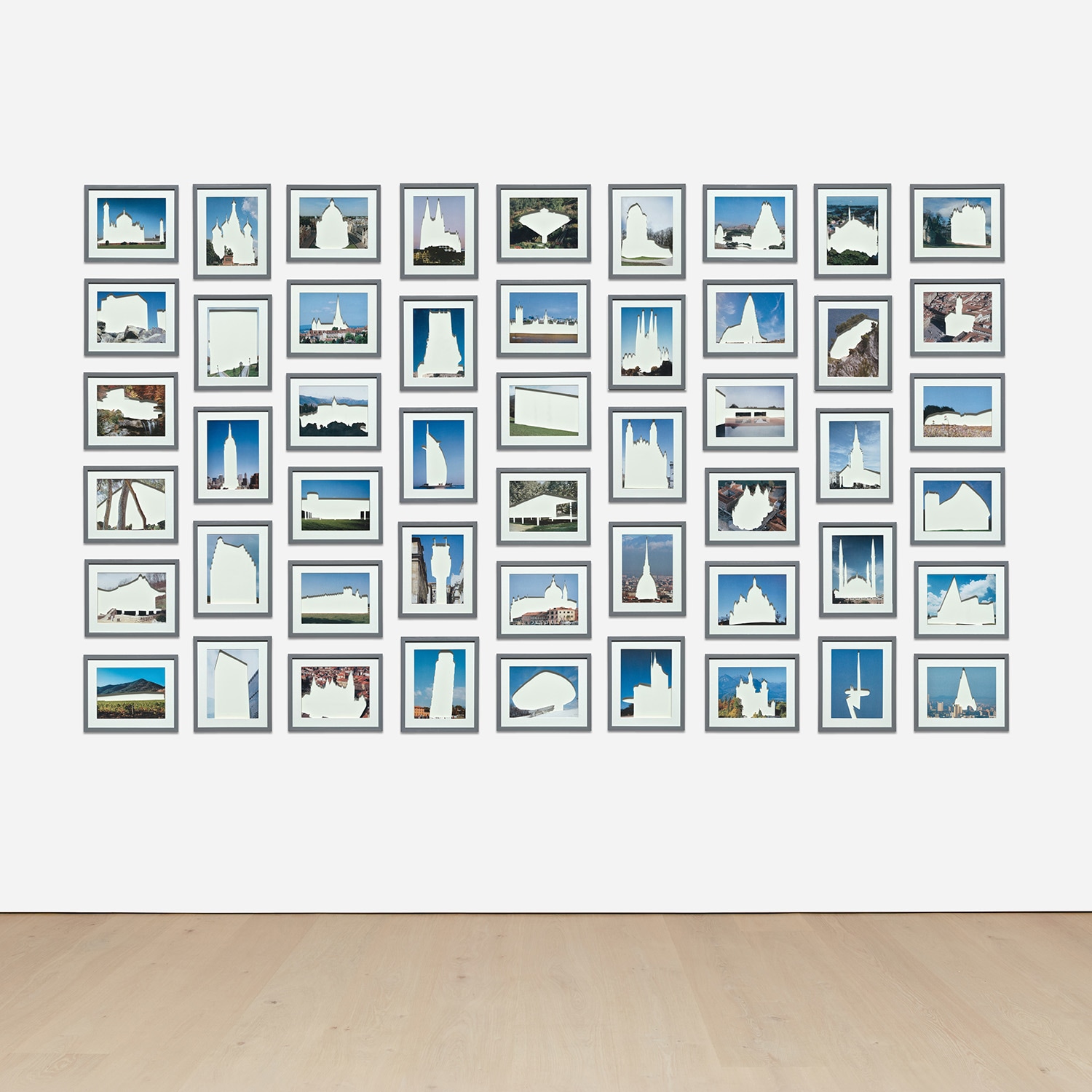
Buildings You Must See Before You Die
Born in Guadalajara in 1974, José Dávila came of age in a city with deep ties to Mexican muralism and a robust tradition of public art. Guadalajara shaped his sense of scale and his instinct that art should occupy space with conviction rather than apology. He studied at the Instituto Tecnológico y de Estudios Superiores de Occidente, where his formation bridged design thinking and fine art, giving him a structural literacy that would later become central to his practice. That dual grounding in the functional and the aesthetic is visible in everything he makes: his works know how buildings behave, how materials bear weight, how forces negotiate with one another across a surface or a void.
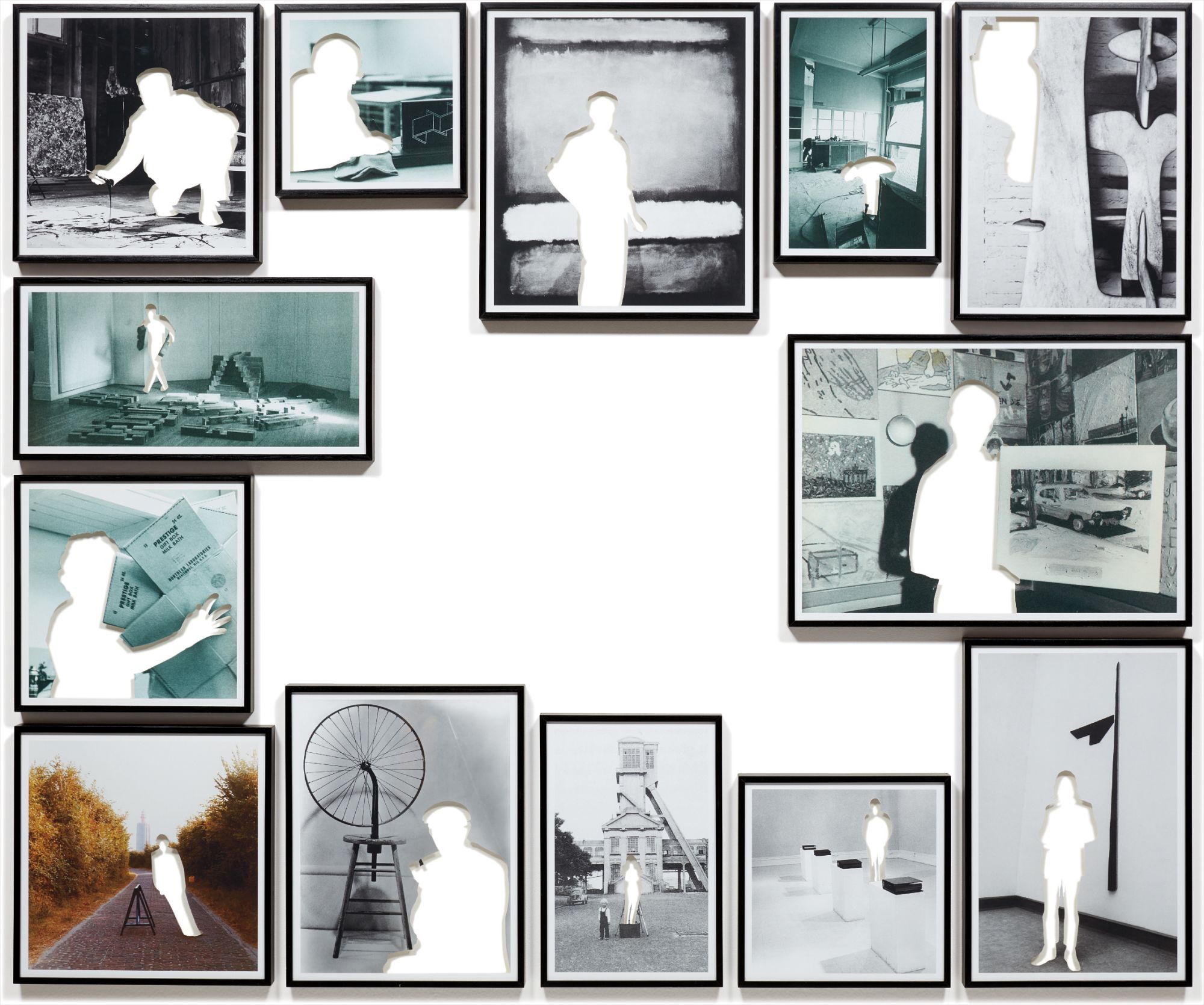
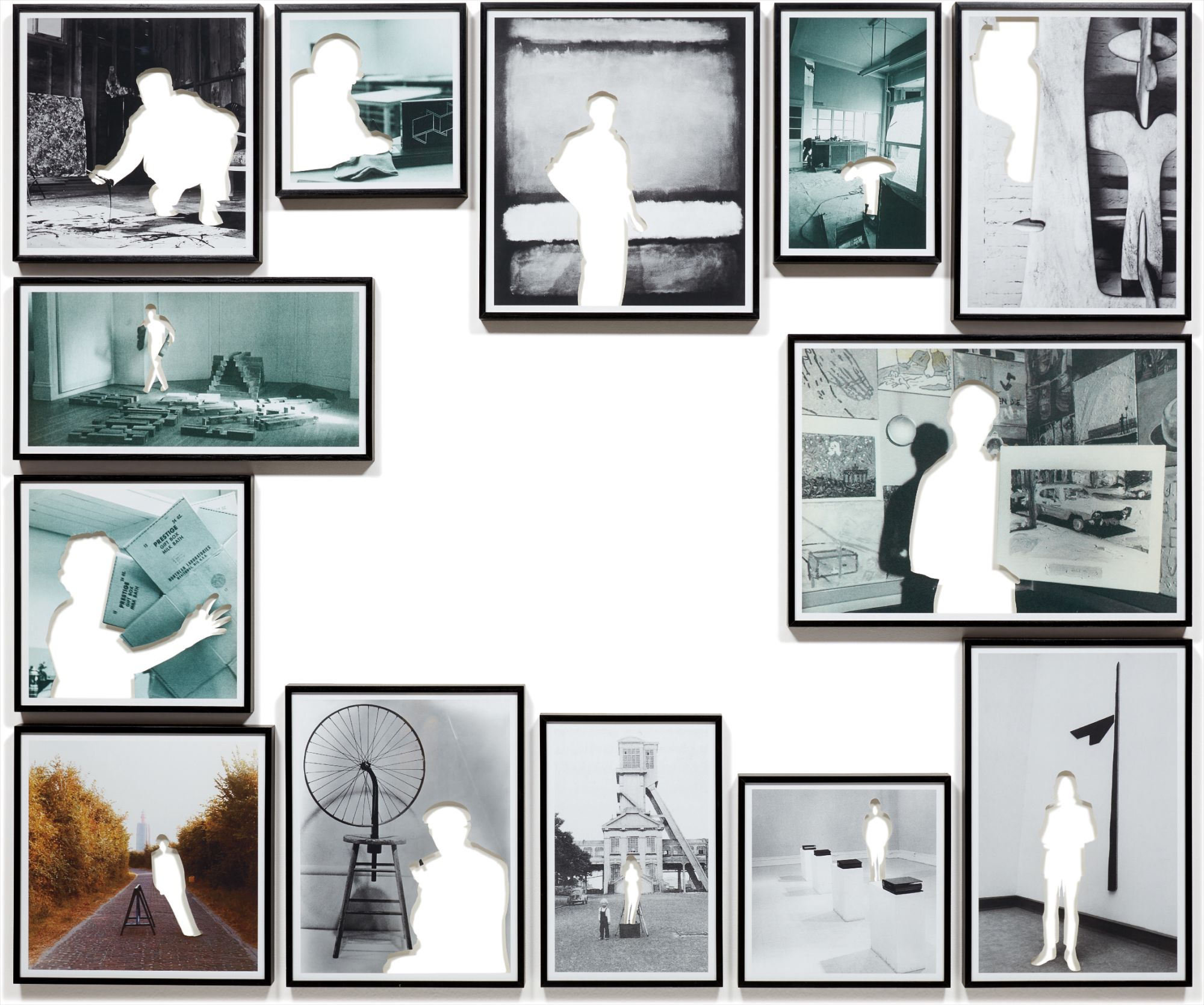
Dávila's early work engaged photography and printmaking with a conceptual edge, exploring how images of architecture and landscape could be cut, layered, and reframed to question what we assume we are seeing. His archival pigment print series such as Topologías, produced in multiple parts beginning around 2011, demonstrated an already sophisticated interest in seriality and fragmentation. These works, composed of photographs parsed into grids or sequences, ask the viewer to reconstruct meaning from distributed information, a strategy borrowed as much from conceptual photography as from the modular logic of minimalist sculpture. The prints established Dávila as an artist for whom medium was never a boundary but always a proposition.
Jose Dávila
Topologies of identity
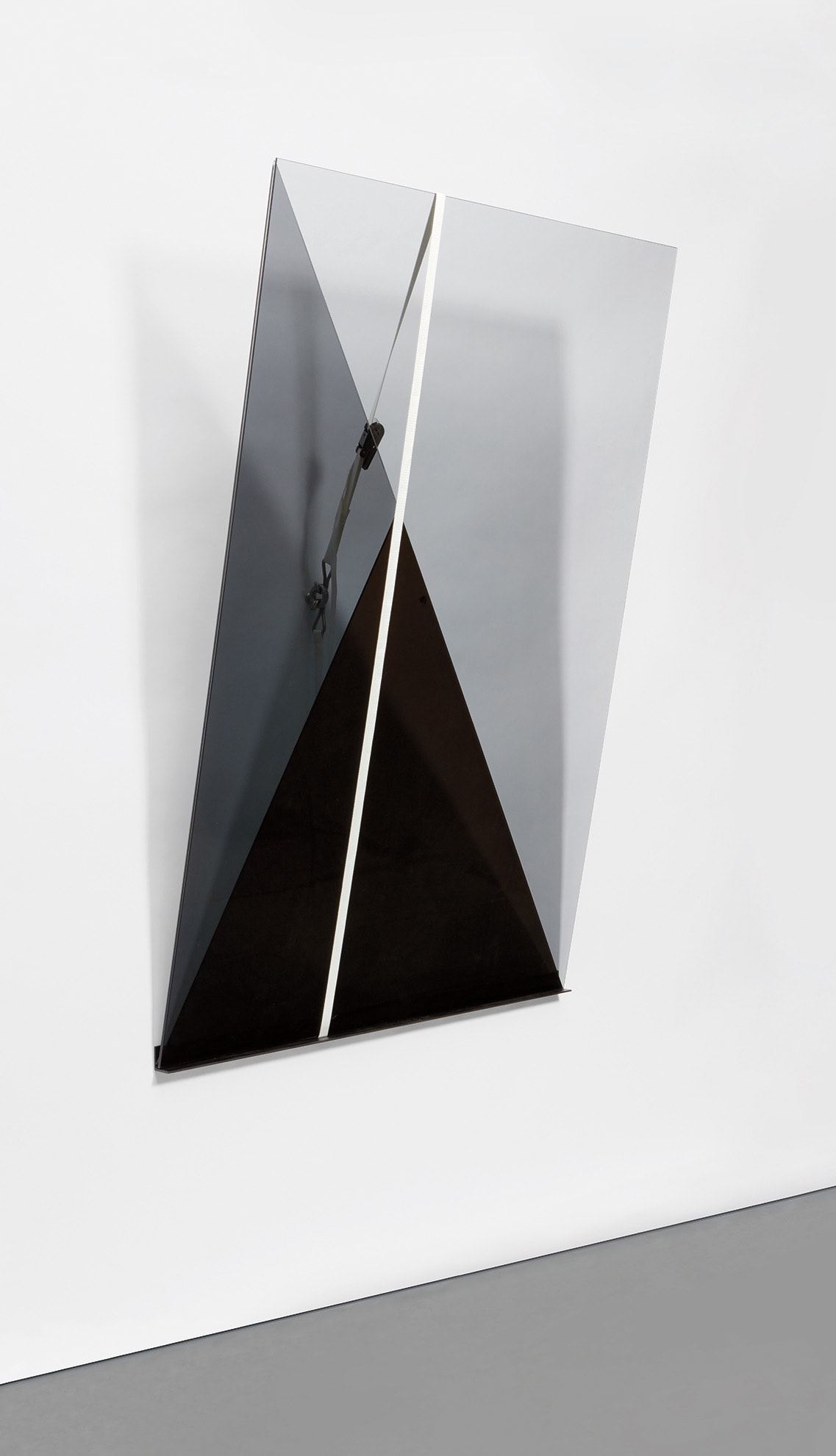
The pivot toward three dimensional work deepened his reputation internationally. Works such as the 2017 piece combining a metal base, smoked glass, an eye bolt, and a ratchet strap brought his formal concerns into literal, gravitational space. Here the strap does not merely secure the glass: it argues with it, compresses it, and in doing so creates a relationship that feels almost tender in its precariousness. These assemblages nod clearly to the sculptural language of Richard Serra, to the floor pieces of Carl Andre, and to the stacked geometries of Donald Judd, yet they introduce a vulnerability those forebears rarely permitted.
Where minimalism often projected authority and permanence, Dávila inserts doubt and contingency. His homage to Josef Albers, the 2015 enamel on stainless steel and wire work titled Homage to the Square, performs a similar act of affectionate revision: it acknowledges the canon while gently destabilizing it. The range of Dávila's output is part of what makes him so rewarding to collect and to study. Buildings You Must See Before You Die, a suite of fifty pigment prints each featuring a carefully placed cut out, transforms architectural photography into something simultaneously playful and elegiac.
Jose Dávila
metal base, smoked glass, eye bolt and ratchet strap, 2017
The cut outs create literal absences where the buildings' most recognizable features once were, inviting the viewer to complete the image from memory or imagination. Conjunto habitacional, realized in ninety ceramic parts, scales that interest in architecture down to the domestic and the handmade, constructing a fragmented urban landscape that feels both monumental and intimate. Paisaje topográfico, presented as a triptych, extends his engagement with landscape and representation into territory that is part survey, part poetry. Across all of these works, the through line is consistent: Dávila is always asking what holds things together and what happens when that holding is made visible.
The market for Dávila's work has grown steadily and with purpose. Collectors drawn to rigorous conceptual practices with strong visual impact have recognized that his work occupies a genuine and defensible position within contemporary sculpture and photography. His presence at the Museo Jumex in Mexico City, one of Latin America's most important private collecting institutions, reflects the esteem in which he is held domestically. International biennial participation has extended that recognition to audiences in Europe and beyond, situating his practice alongside artists such as Bosco Sodi, Monika Sosnowska, and Gabriel Orozco, each of whom navigates the space between material weight and conceptual lightness with comparable seriousness.
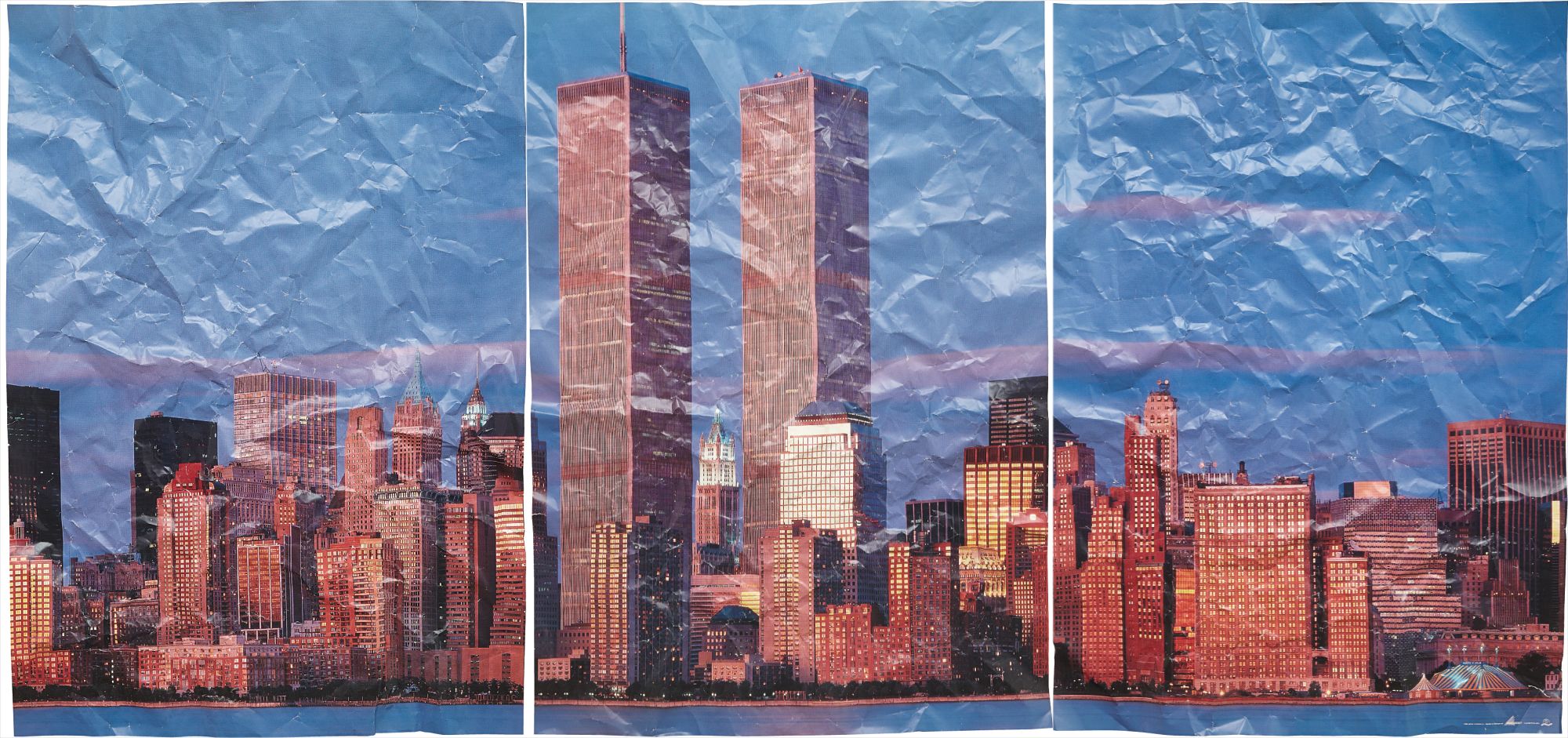
Jose Dávila
Paisaje topográfico (Tríptico)
For collectors entering his work, the smaller edition prints and the modular ceramic pieces offer accessible points of entry, while the large scale assemblages represent the full ambition of his vision. What Dávila offers art history is a genuinely generative argument with modernism rather than a mere quotation of it. He loves the grammar of minimalism, the proportions of International Style architecture, the severity of concrete and steel, but he refuses to let those loves become nostalgia. By introducing the ratchet strap, the eye bolt, the balloon generated mark, the cut out, he reminds us that every structure we admire was once just a set of forces in negotiation, and that the negotiation never entirely concludes.
There is something deeply humanist in this position, a belief that tension is not failure but condition, that balance is not given but made and remade. As Dávila's profile continues to grow on the international stage, the opportunity to engage with his work feels both timely and important. His practice addresses questions that are not going away: how we live with structures, how structures live with us, how much weight any system can bear before it requires rethinking. These are aesthetic questions, yes, but they are also social and architectural ones, and the fact that Dávila can hold all of those registers simultaneously without losing the pleasure of the object is a rare achievement.
To collect him is to invest in a practice that rewards sustained attention, that grows in meaning over time, and that holds, beautifully, against gravity.