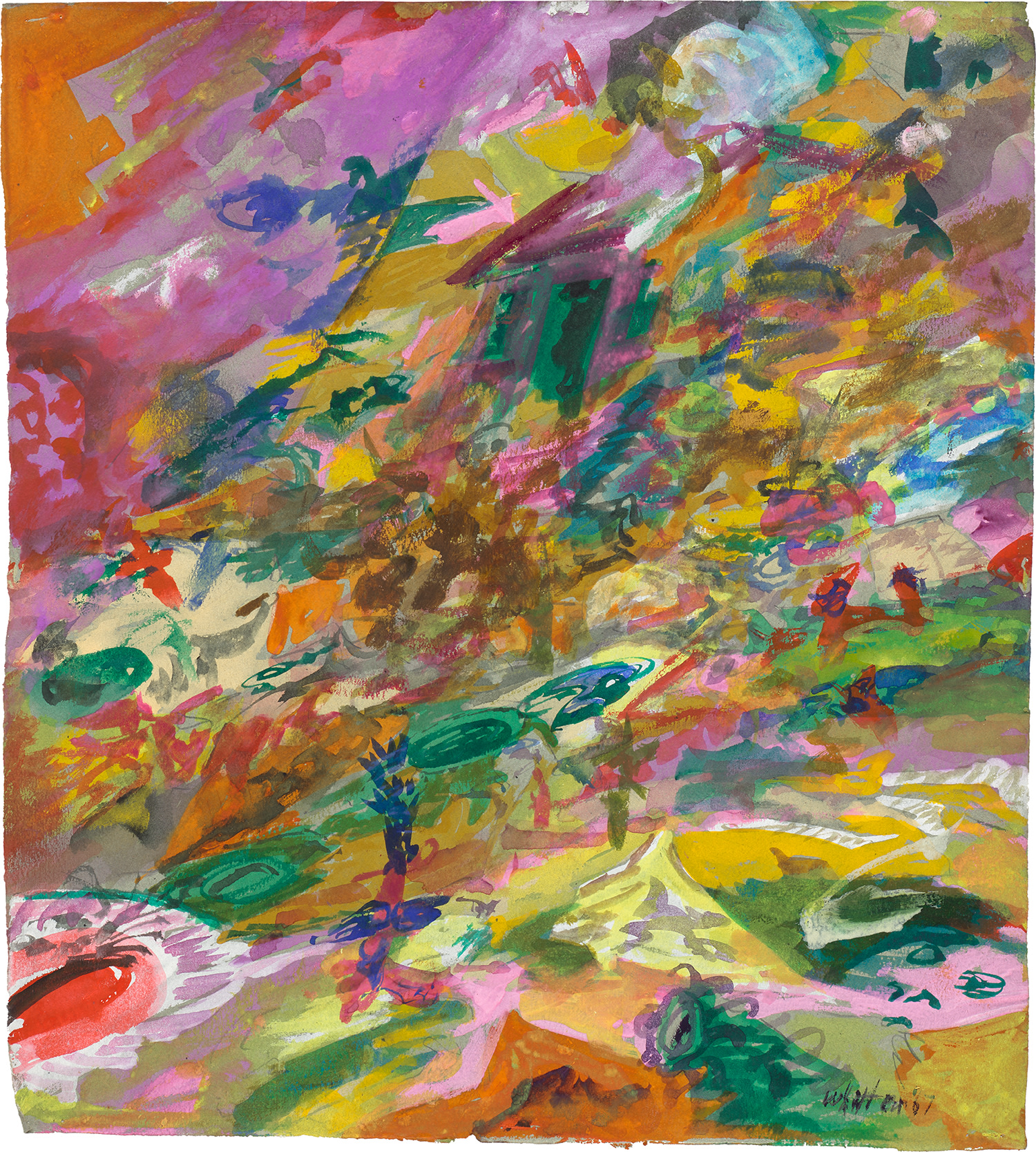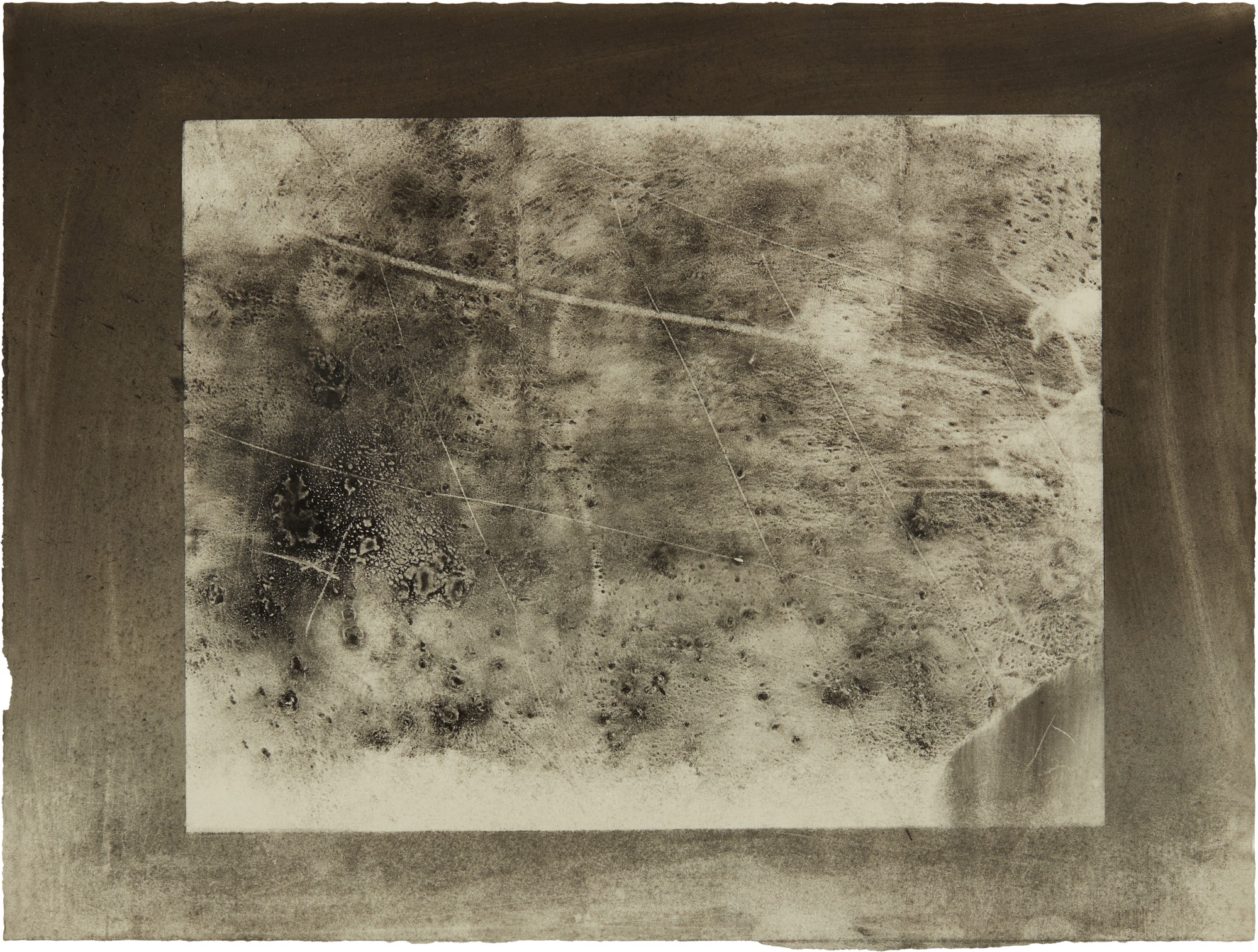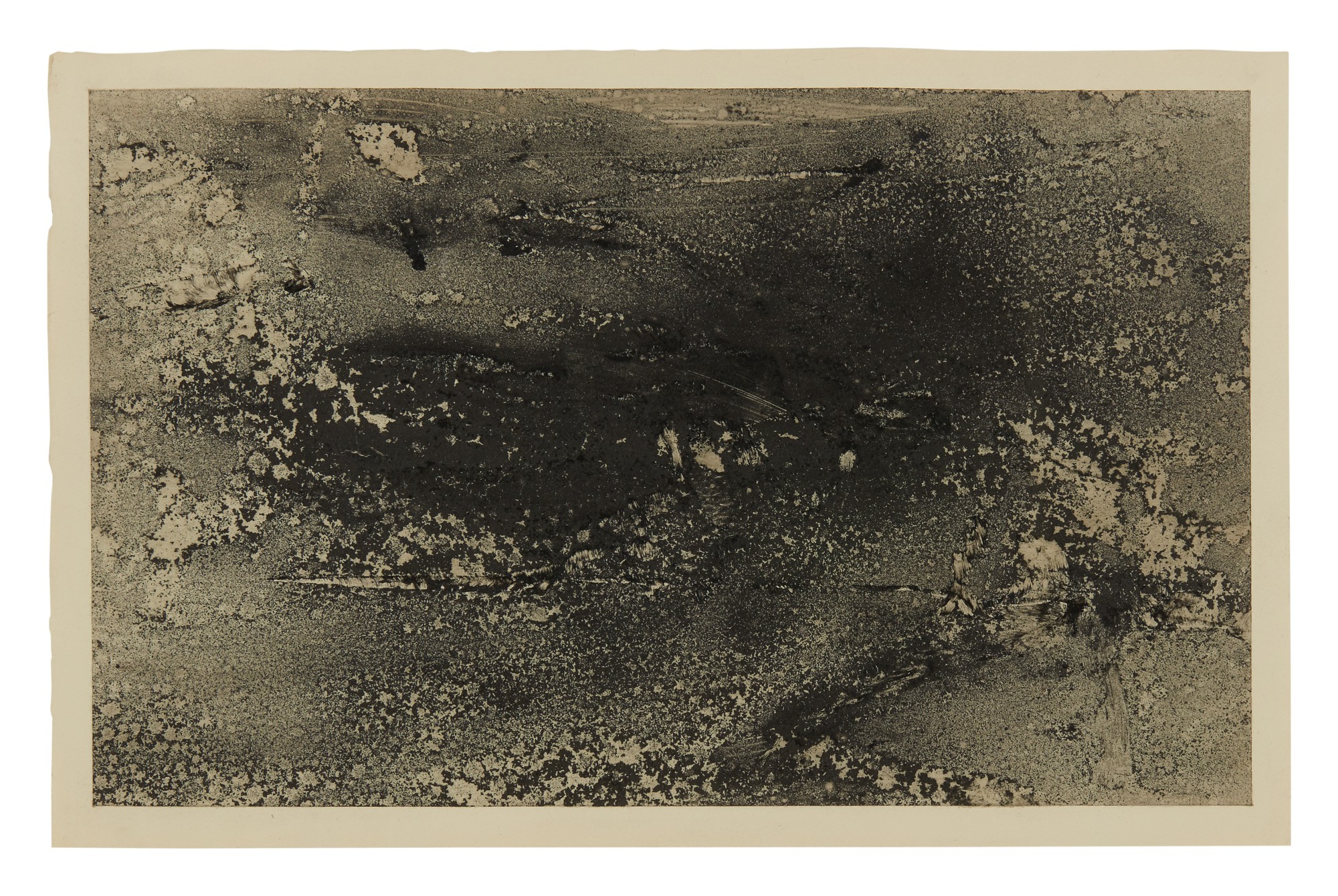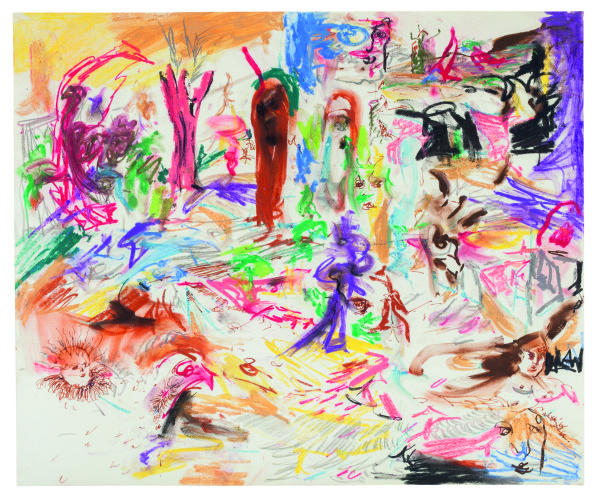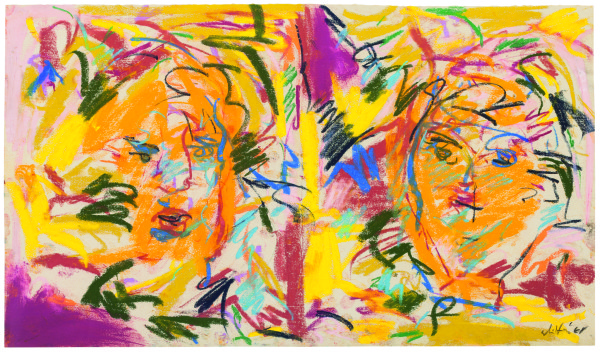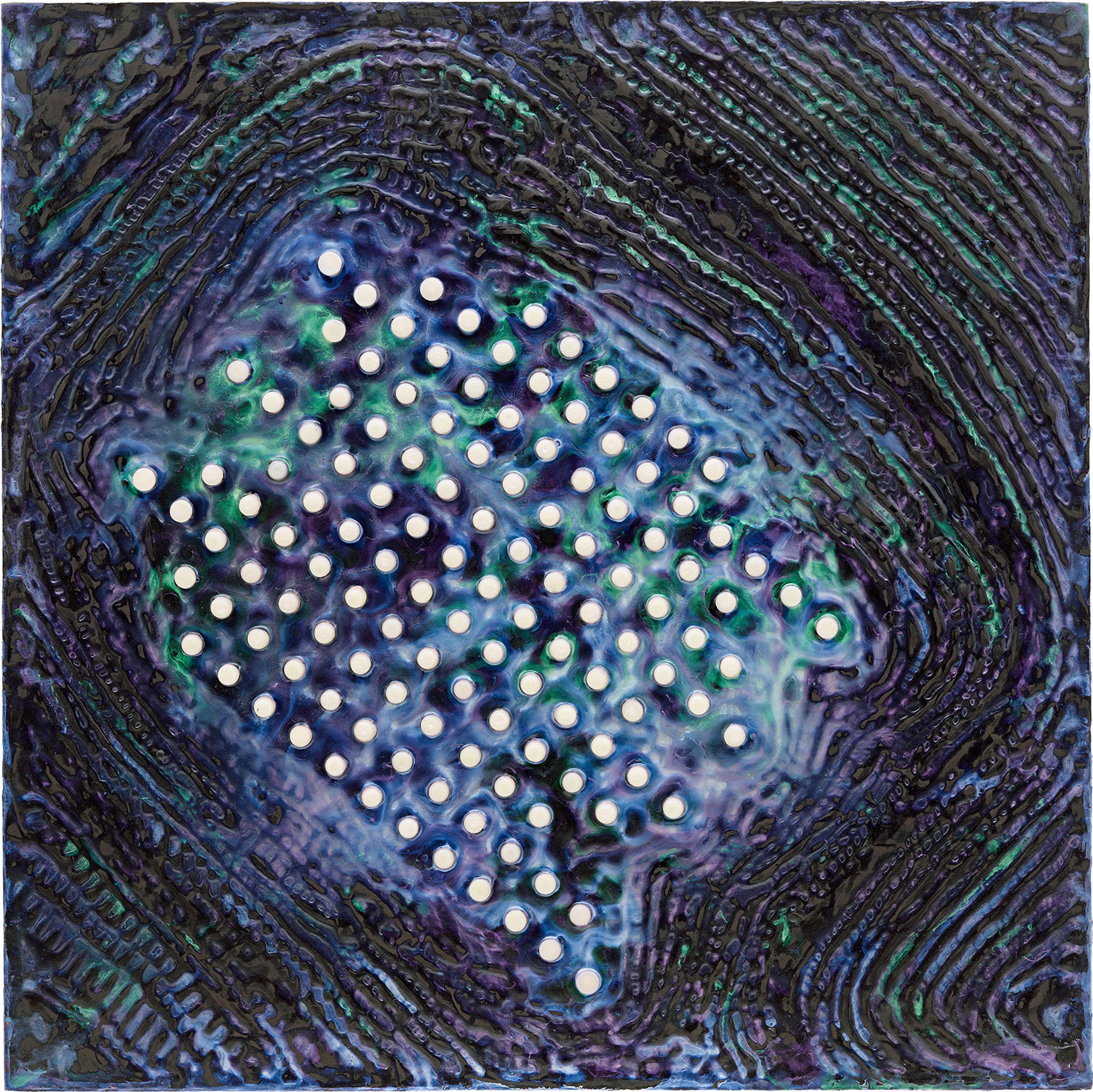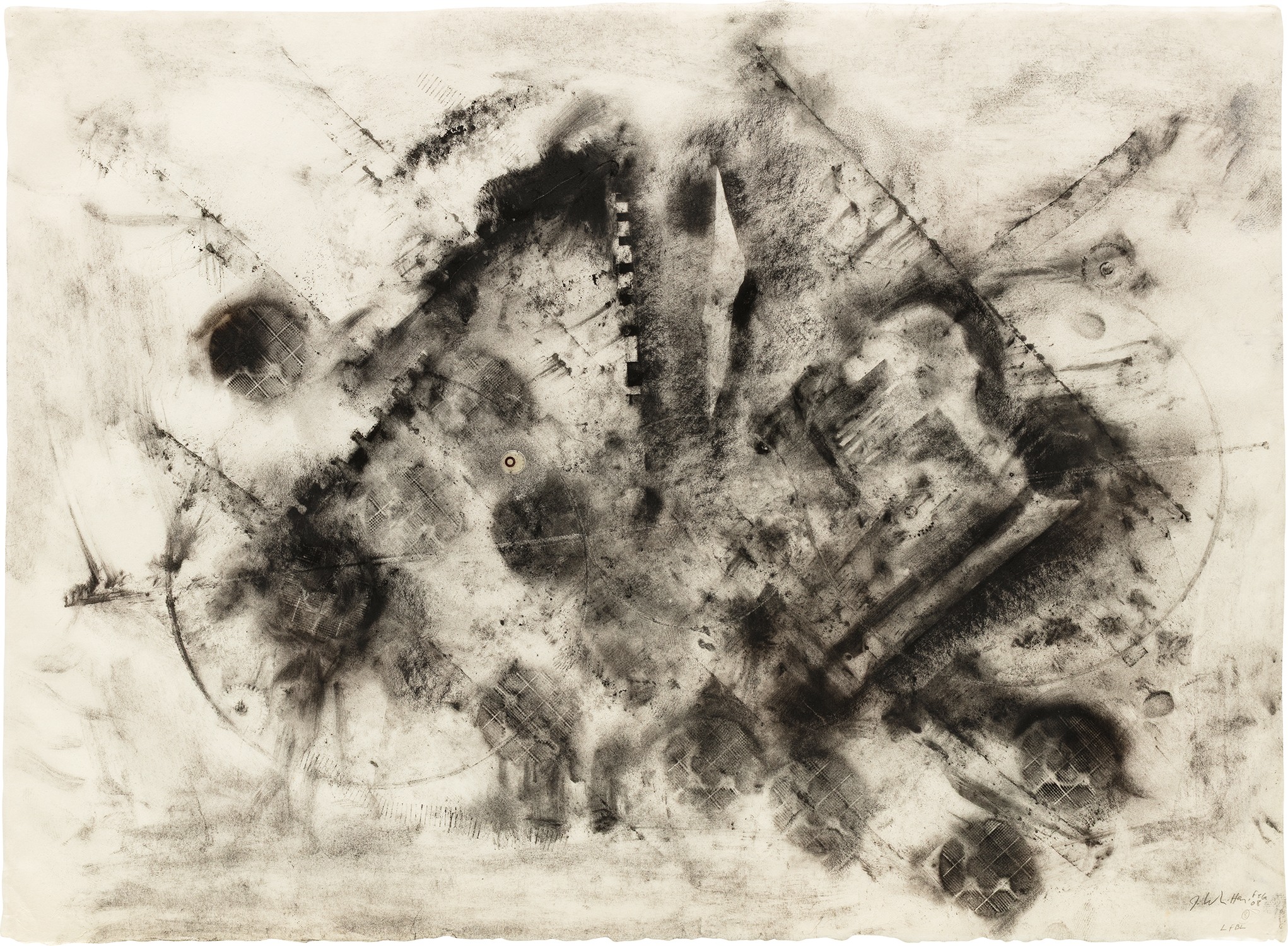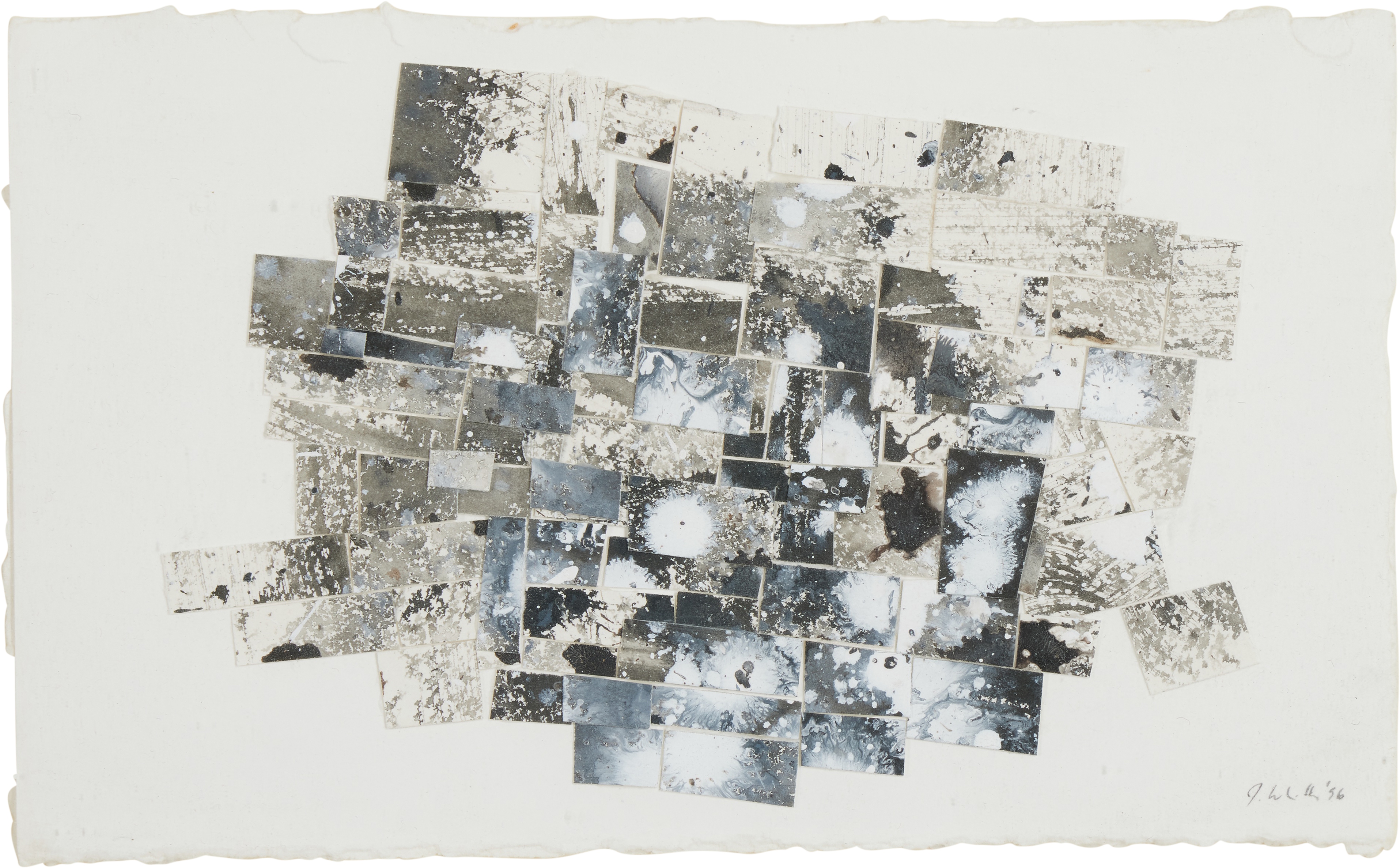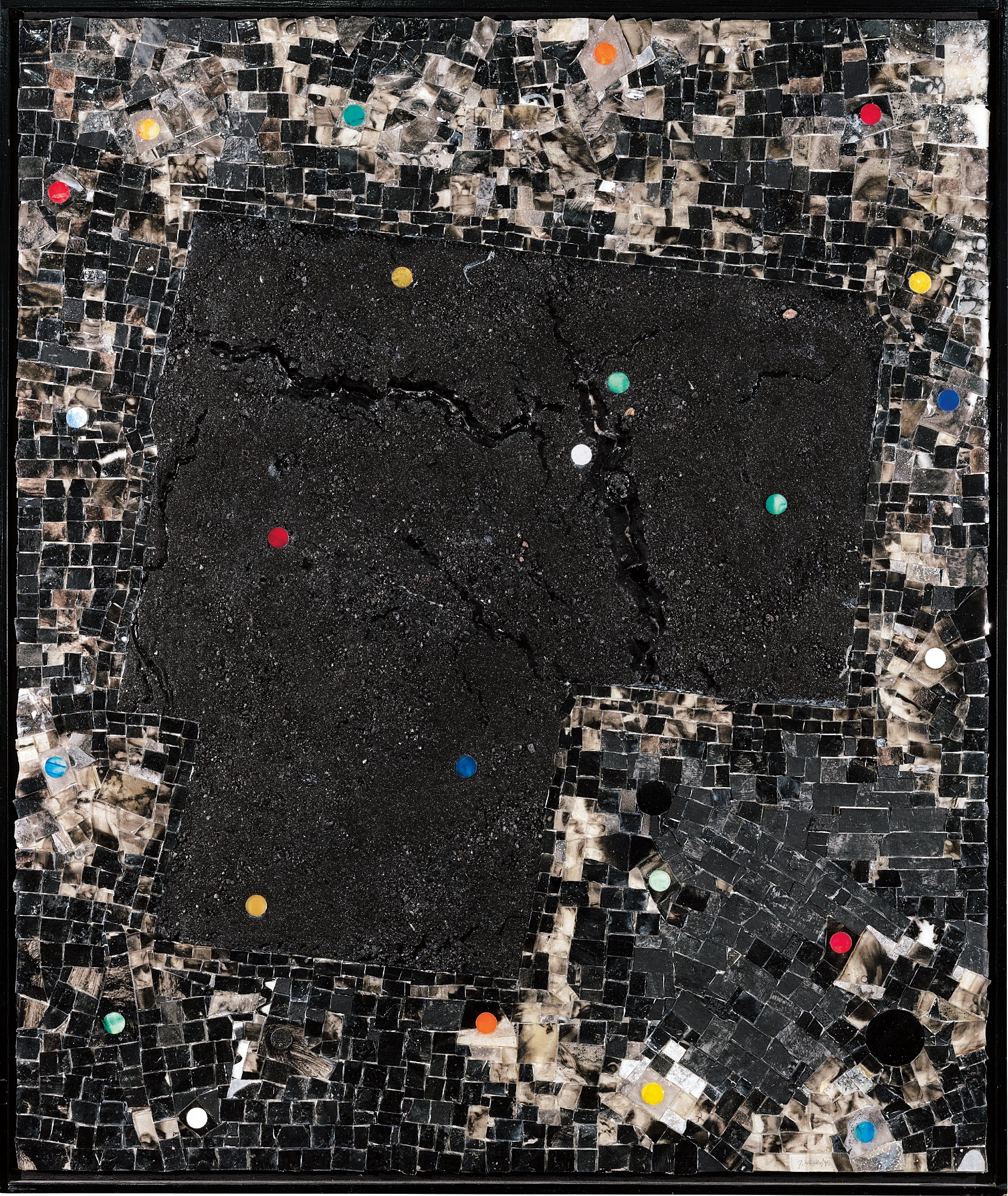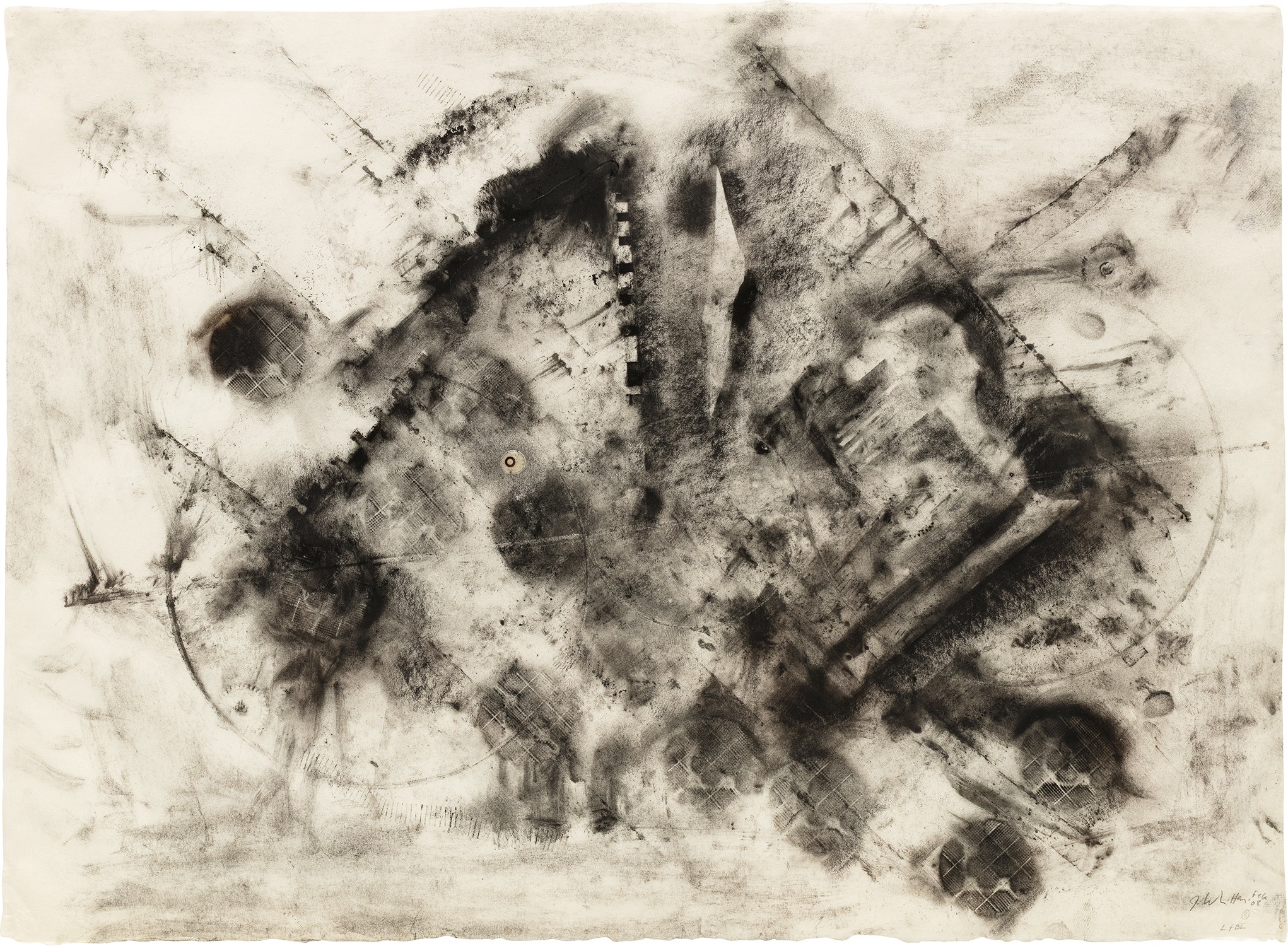
When the Baltimore Museum of Art mounted its landmark retrospective of Jack Whitten's work, visitors encountered something genuinely surprising: a body of painting that seemed to have been made by an artist from the future. Spanning five decades of restless invention, the exhibition revealed a practitioner who had been quietly rewriting the rules of abstraction since the 1960s, working in relative obscurity compared to his market profile today, yet producing canvases and works on paper of extraordinary ambition and originality. The Museum of Contemporary Art in Los Angeles followed with its own major survey, and together these two institutions made the case definitively: Whitten was not a footnote to American abstraction. He was one of its essential authors. Jack Whitten was born in 1939 in Bessemer, Alabama, a steel town shaped by industrial labor and the deep structures of the American South. He came of age during the civil rights movement and was, by his own account, profoundly marked by that era, having been present at demonstrations and having absorbed the moral urgency of the struggle for Black freedom into his very sense of what art could and should accomplish. He arrived in New York in 1960, enrolling at Cooper Union, and quickly found himself in the orbit of the Abstract Expressionists whose ambitions towered over the city's cultural life. He studied with Hans Hofmann, an encounter that shaped his understanding of pictorial space and color as forces in themselves rather than vehicles for representation. New York in the 1960s was a crucible of competing ideas about what painting could be, and Whitten absorbed them all while refusing to be absorbed by any single tendency. He was close to artists like Romare Bearden and maintained friendships across the generation of painters who were wrestling with the legacy of Abstract Expressionism and the challenges posed by Minimalism and conceptual art. What distinguished Whitten from the beginning was his determination to solve painting's problems through material invention rather than theoretical argument. He was, at his core, a maker: someone for whom the physical encounter between tool, pigment, and surface was the primary site of meaning. The breakthrough came in the early 1970s, when Whitten began developing a suite of handmade tools that would allow him to apply and work paint in entirely new ways. He used rakes, squeegees, and, memorably, an Afro comb, dragging these instruments across the wet surface of canvases to create dense, striated fields that shimmered with internal light. Works like Rib Series No. 1 and Rib Series No. 2, both from 1971 and executed in acrylic on canvas, exemplify this period with remarkable clarity. The surface of each painting bears the trace of its own making: lines of force running through the picture plane like geological strata, recording the gesture of the tool and the resistance of the paint in equal measure. Dispersal No. 6, also from 1971 and made with dry pigment on paper, shows how this investigative energy extended beyond canvas into works on paper that have their own distinct character and fragility. Over the following decades, Whitten's practice evolved with a consistency of purpose that belied its apparent restlessness. His work from the 1970s and 1980s, including Alpha Group III from 1975 and Her Majesty's Angle from 1980, demonstrates his deepening command of acrylic as a medium capable of extraordinary surface complexity. Acrylic allowed him to build up skins of paint, to cut and embed material, to treat the painted surface almost as a form of weaving or mosaic construction. By the 1990s, with works like Broken Grid VII from 1996, he had begun incorporating collage elements and Sumi ink, expanding his vocabulary still further. His later paintings, the so called Slab works and the mosaic series, saw him pressing acrylic into sheets that could be sliced and arranged into shimmering, tesserae like compositions that addressed history, memory, and the Black experience with extraordinary directness and formal beauty. The work that may best illuminate Whitten's later thinking is Looking For Bin Laden No. 8, Second Set, from 2008, a work made with toner and collage on rice paper. It reflects the political and philosophical preoccupations that animated his final decades: the fractures of American geopolitical life, the violence of history, the way the past recurs in the present. Yet even in this charged territory, Whitten's formal intelligence never flags. The surface is a thing of intricate beauty even as its content unsettles, and that tension, between sensory pleasure and moral weight, is the signature of his greatest work. A Gift to Ornette, a watercolor from 1967 dedicated to the jazz iconoclast Ornette Coleman, points to another dimension of Whitten's intellectual life: his profound engagement with jazz, not as metaphor but as structural model, as a way of thinking about improvisation, tradition, and rupture all at once. For collectors, Whitten represents one of the most rewarding figures to engage with at any level of the market. His works on paper, including the Dispersal series and the Organic Series, offer access to his investigative mind at a scale and price point distinct from his major canvases, yet they are by no means minor works. They are complete statements, full of the same formal intelligence and material sensitivity as anything he made on canvas. Collectors who have built meaningful collections of postwar American abstraction have increasingly recognized that any serious account of that tradition is incomplete without Whitten, and the institutional attention he received in his final years has clarified his place in art history without diminishing the intimacy and surprise that his work still delivers in person. Within the broader story of American abstraction, Whitten stands in productive relation to artists like Sam Gilliam, Frank Bowling, and Norman Lewis, painters who were working at the intersection of formal innovation and Black cultural experience during the same decades. Like them, he was sometimes read primarily through the lens of identity and then corrected into the canon of formalism, as if these were incompatible. His great achievement was to make clear that they never were: that the history carried in his materials, the memory embedded in his surfaces, and the formal daring of his compositions were aspects of a single, unified vision. He died in January 2018, having seen his reputation reach a richly deserved peak. The work he left behind is inexhaustible, and those who live with it are still discovering what it knows.