Hiro: The Eye That Remade Beauty
Artist Spotlight · The Collection Editorial
There is a photograph taken on July 16, 1969, that stops time. At 9:32 in the morning, as Apollo 11 lifts from the earth and begins its maiden voyage to the moon, Hiro is there with his camera, bearing witness to one of the defining moments of the twentieth century. The resulting dye transfer print is not simply a document of a rocket launch. It is a composition of almost supernatural calm, the kind of image that makes you feel the weight of human ambition and the terrifying silence of space in equal measure.
Hiro
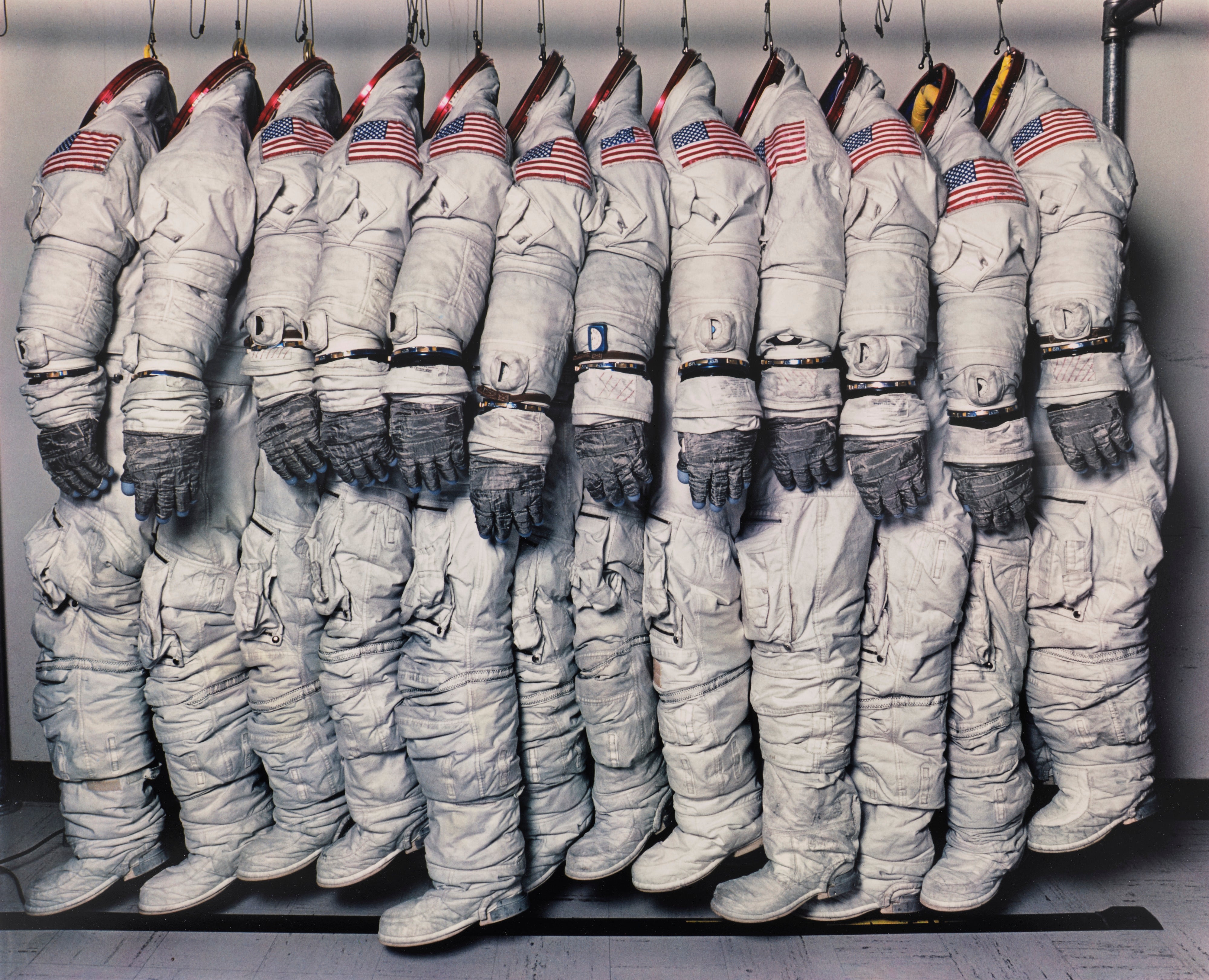
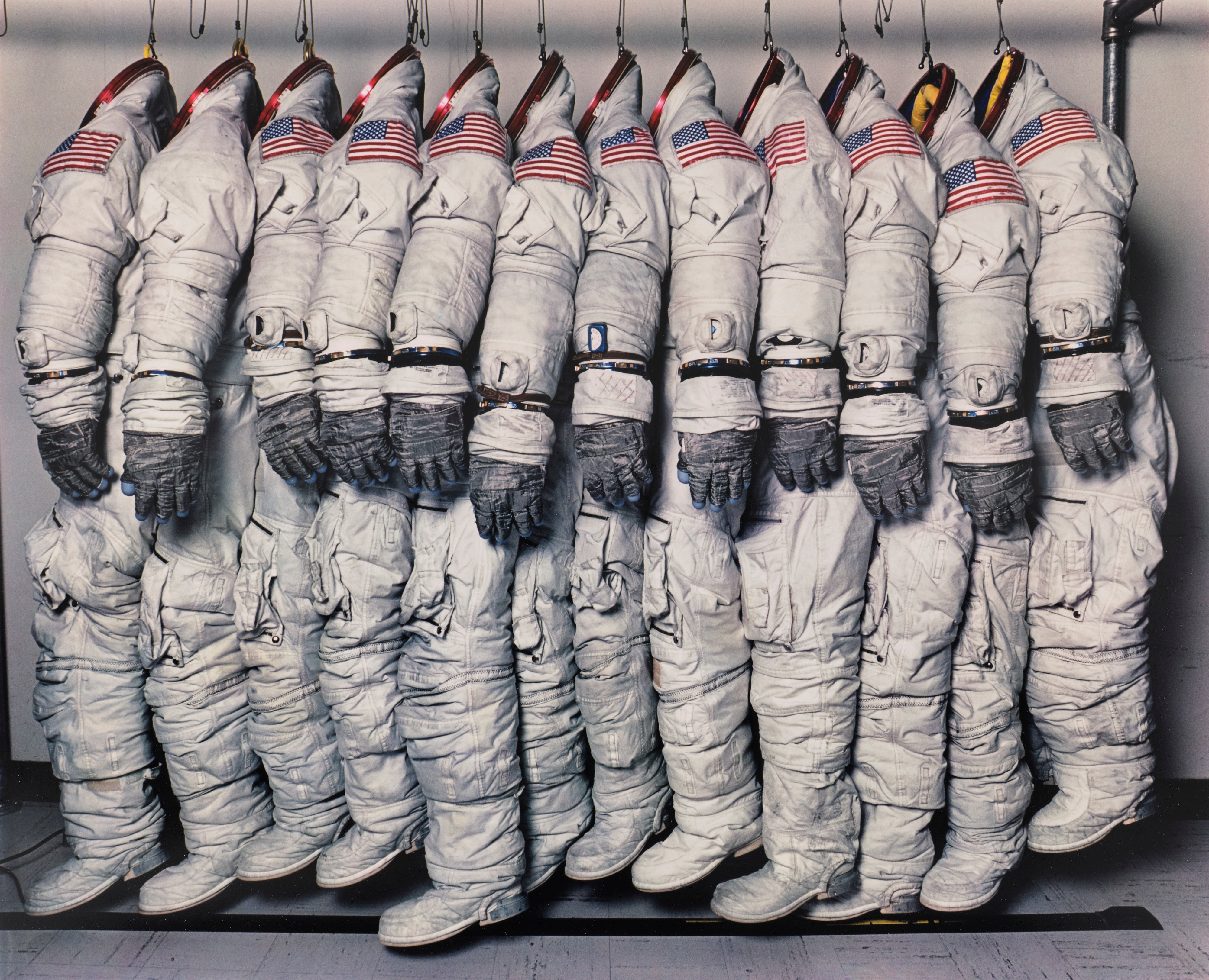
Apollo Spaceflight Training Suits, Houston, Texas, June 27
That Hiro brought the same precision and emotional intelligence to this scene that he brought to a couture gown or a jeweled cuff speaks to the extraordinary range and discipline of a photographer who spent decades reshaping what commercial and fine art photography could aspire to be. Yasuhiro Wakabayashi was born in Shanghai in 1930 to Japanese parents, a circumstance that immediately placed him between worlds and cultures in ways that would come to define his artistic sensibility. He spent his formative years moving across continents, eventually arriving in the United States as a young man with little money, almost no English, and an absolute determination to learn photography from the best possible source. He found that source in Richard Avedon, whose studio he joined in the early 1950s as an assistant.
Working alongside one of the century's great portraitists gave Hiro a rigorous education in the grammar of the photograph: the relationship between light and form, the tension between the spontaneous and the controlled, and the idea that every element within the frame is a decision and a responsibility. His years with Avedon led directly to what would become one of the most celebrated partnerships in the history of American magazine photography. Alexey Brodovitch, the legendary art director of Harper's Bazaar, recognized in Hiro a sensibility that was both technically fearless and visually radical. Through the late 1950s and into the 1960s, Hiro became one of the defining visual voices of the magazine, working alongside art director Marvin Israel to produce images that remain startling in their originality.
Hiro
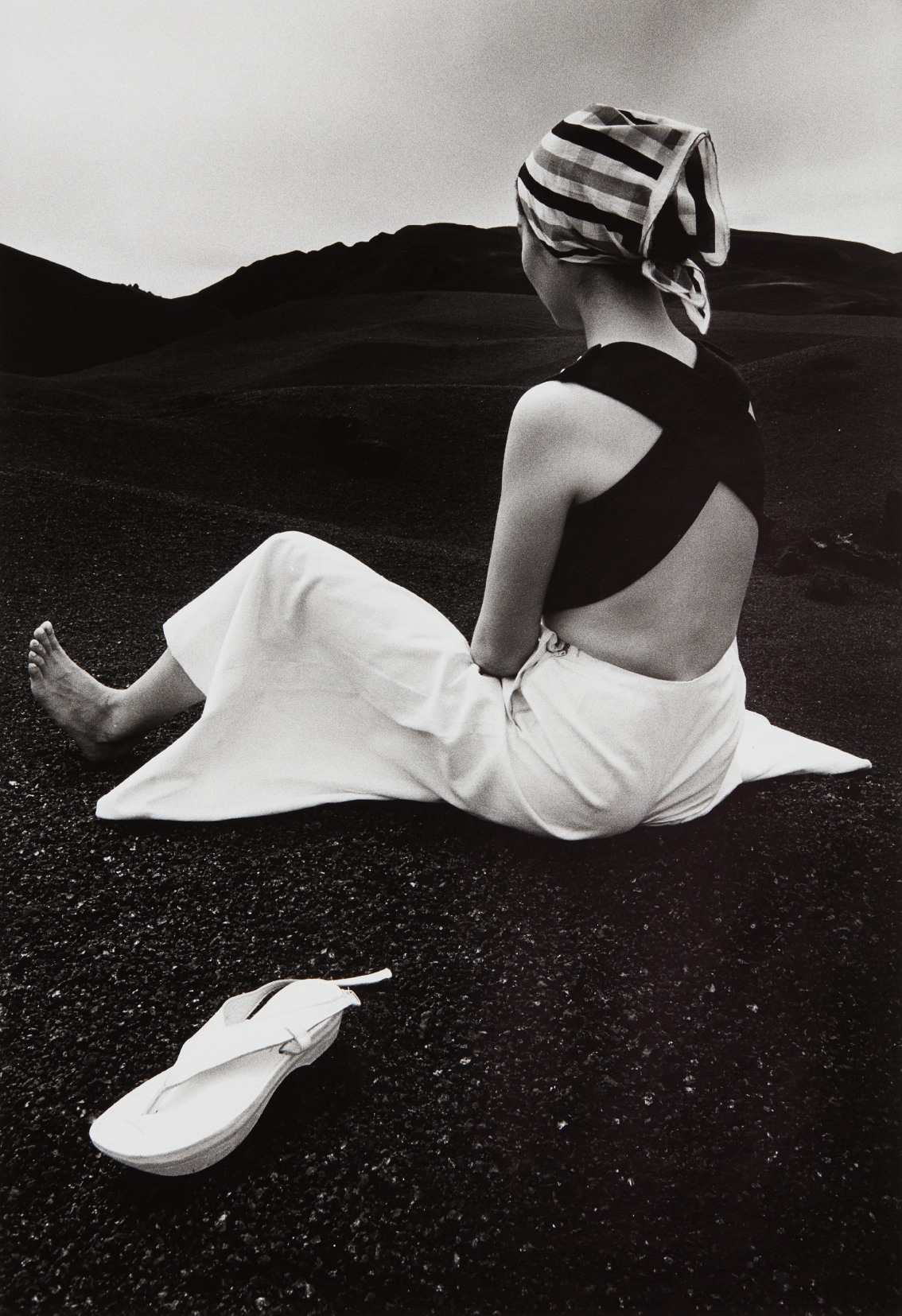
Akiko on the Black Lava of Hawaii
These were not photographs that illustrated fashion; they reimagined it, treating garments and accessories as elements in a larger visual argument about color, space, desire, and modernity. His work during this period helped establish Harper's Bazaar as the most visually ambitious fashion magazine in the world. What distinguishes Hiro from his contemporaries is the quality of attention he brought to every assignment, regardless of its ostensible subject. The dye transfer print of Apollo spaceflight training suits, made in Houston, Texas, and later printed in 1997, exemplifies this perfectly.
The suits are arranged with a sculptor's eye, their technological surfaces transformed by Hiro's lighting into something simultaneously austere and beautiful. Similarly, his gelatin silver print of Akiko on the black lava of Hawaii demonstrates his gift for finding the extraordinary within landscape, using the volcanic terrain as a graphic counterpoint to the human figure in a way that feels almost painterly in its ambition. A work such as Tilly Tizzani with Blue Scarf, rendered in the rich chromatic depth of dye transfer printing, reveals how thoroughly Hiro understood color as an emotional language, not merely a descriptive tool. And his portrait of poet Robert Penn Warren, made in Fairfield, Connecticut, in October 1978, shows that when Hiro turned his camera toward a face, he was equally capable of quiet, penetrating psychological intimacy.
Hiro
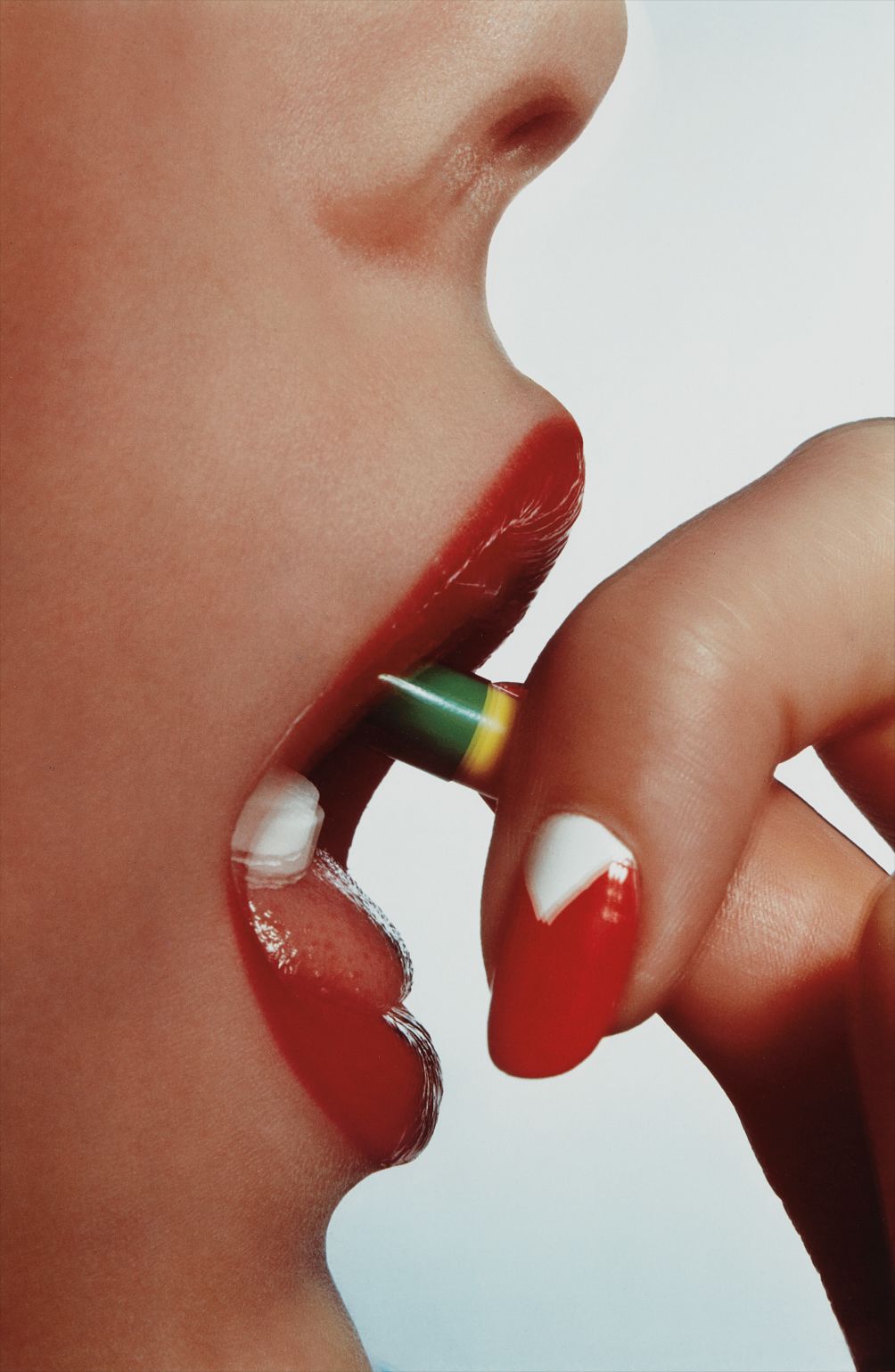
Popping Pills, New York City, May 4
The dye transfer process itself deserves particular attention in any discussion of Hiro's legacy. This labor intensive printing method, which builds color from successive layers of dye imbued gelatin, was largely abandoned by the commercial industry as Kodachrome and later digital processes became dominant. Hiro embraced it precisely because of its richness, its capacity to render color with a density and saturation that no other medium could match. His dye transfer prints have the presence of paintings; they hold light rather than simply reflecting it.
This commitment to the highest possible standard of craft is one reason that his work has aged so gracefully and why it continues to attract serious collectors who understand the relationship between process and meaning. In the auction market and among private collectors, Hiro occupies a position of quiet distinction. His work has been held in significant private collections for decades, often acquired by those with a deep understanding of twentieth century photography who recognized early that his commercial context did not diminish but rather concentrated his artistic ambition. Collectors drawn to the great American photographers of the postwar period, those who admire the formal rigor of Irving Penn or the charged elegance of Avedon at his best, will find in Hiro a sensibility that is entirely his own while remaining in profound dialogue with that tradition.
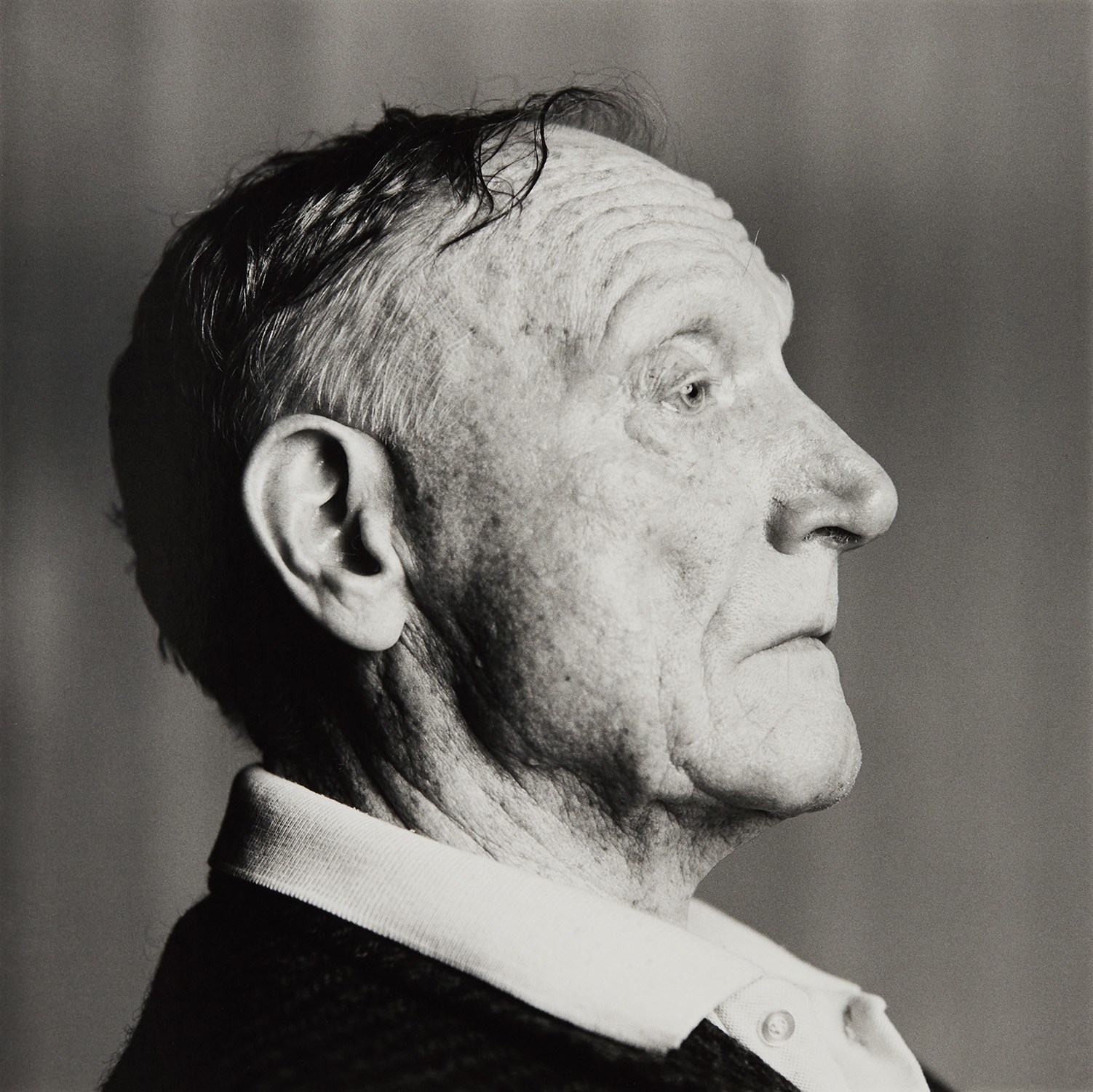
Hiro
Robert Penn Warren, poet, fairfield, CT, 10-13-78
His prints are rare, his dye transfers especially so, and the combination of rarity, technical distinction, and historical importance makes his work a compelling acquisition for any serious collection. To understand Hiro fully is to understand him within a wider conversation about what photography became in postwar America. He shares a commitment to formal perfection with Irving Penn, whose still life and portrait work for Vogue pushed commercial photography toward the condition of fine art. He shares with Avedon a belief that fashion can be a vehicle for genuine human drama.
But Hiro's particular synthesis, his ability to move with equal authority from the intimate portrait to the technological sublime, from the charged surface of a silk scarf to the exhaust plume of a Saturn V rocket, places him in a category that is essentially his own. He is not a fashion photographer who occasionally wandered into other territory. He is a photographer for whom every subject was an opportunity to see the world more clearly and render it more beautifully. Hiro's legacy today is that of an artist who understood that precision and poetry are not opposites but collaborators.
At a moment when the boundaries between fine art and commercial photography have never been more actively interrogated, his career offers a model of how those two territories can inhabit each other productively and without compromise. His images endure not because they documented a particular era of glamour or technological ambition, though they do that magnificently, but because they are grounded in a visual intelligence that transcends their moment of making. To encounter a Hiro print in person is to understand immediately that you are in the presence of someone who looked at the world with unusual care and gave that care an unforgettable form.
Explore books about Hiro