Halim Al-Karim
Halim Al-Karim: Beauty Emerging From the Veil
Artist Spotlight · The Collection Editorial
When the Smithsonian's Arthur M. Sackler Gallery mounted a survey of contemporary Middle Eastern art in the early 2000s, curators found themselves returning again and again to the work of Halim Al Karim, an Iraqi artist whose photographs seemed to do something photographs were not supposed to do: they refused to show you everything. In an era saturated with images demanding immediate, total comprehension, Al Karim was working in the opposite direction, pulling figures back behind layers of blur, silk, and light until what remained was not a portrait but a presence. That quiet, deliberate resistance to clarity has since become one of the most recognized and admired visual signatures in contemporary photography, earning Al Karim an international following among collectors, institutions, and fellow artists who understand that the most powerful images are sometimes the ones that withhold.
Halim Al-Karim
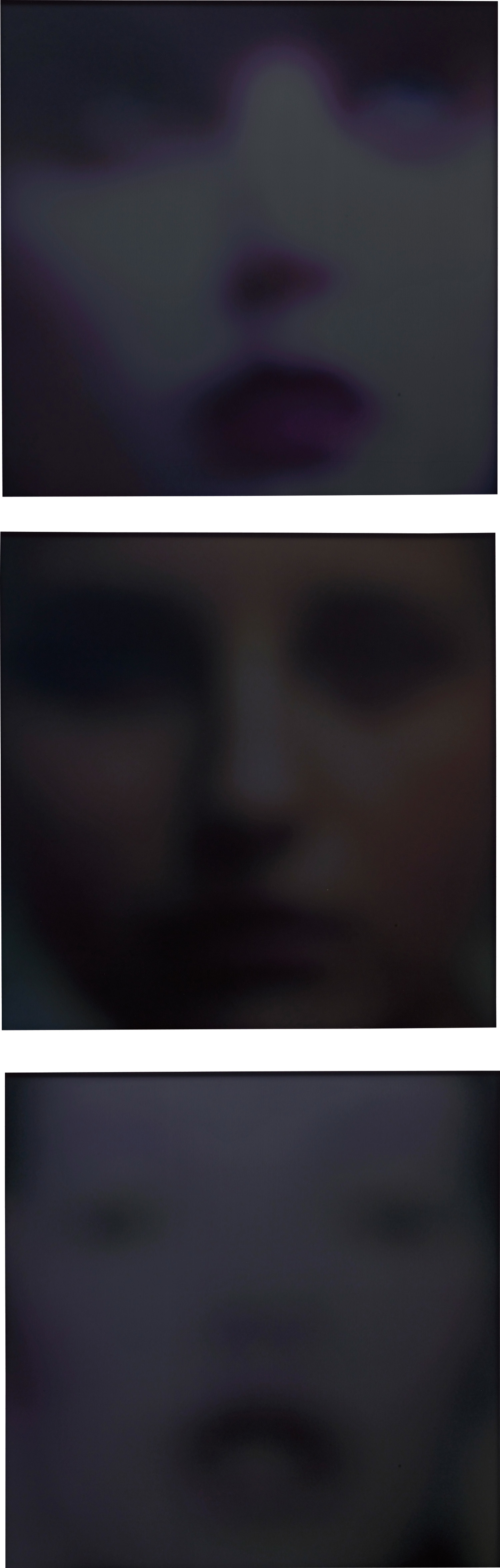
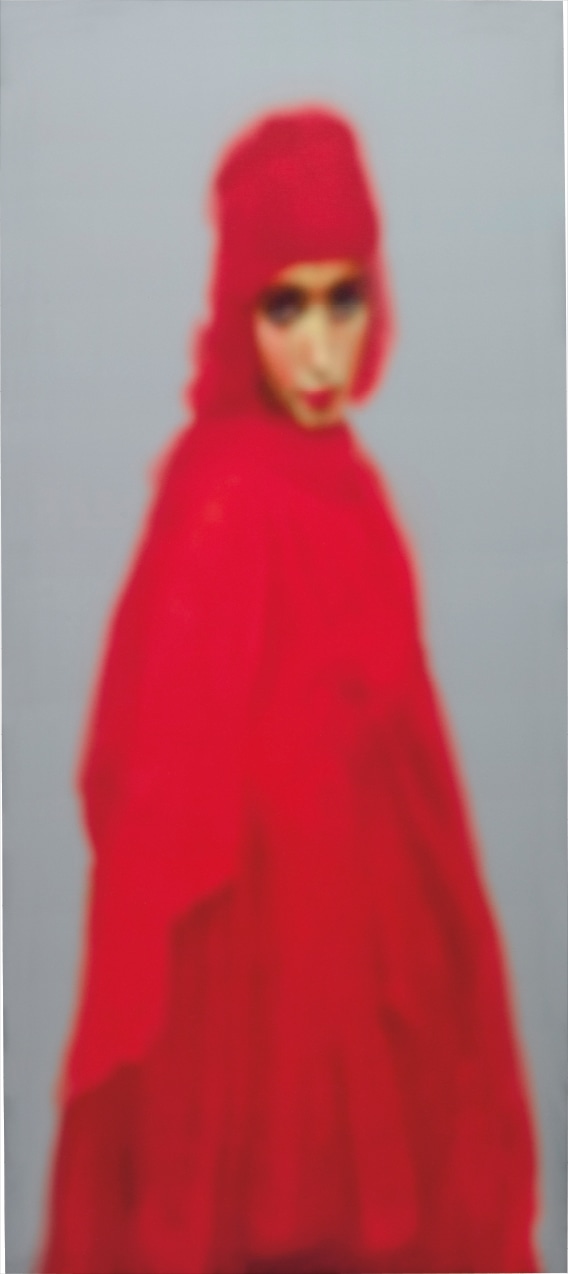
Goddess of Dubai, 2003
Halim Al Karim was born in Iraq in 1963, coming of age in a country of extraordinary ancient culture and, increasingly, volatile political tension. His formative years unfolded against the backdrop of shifting power, war, and the particular kind of hypervigilance that becomes second nature when public life is surveilled and private life is precious. That experience of concealment, of learning to guard one's inner world, would prove to be not merely biographical context but the very subject matter of his art. He eventually left Iraq and made his way to the United States, where he built a practice that drew from both worlds without being fully contained by either, occupying a creative space between East and West, between memory and the present tense.
In the United States, Al Karim developed a photographic process that is as conceptually rigorous as it is visually arresting. He has described working with long exposures and deliberate movement, techniques that pull the human figure out of sharp focus and into something closer to a dream state or a recollection. The results are images in which faces and bodies hover at the edge of recognition, familiar enough to invite emotional connection but obscured enough to demand interpretation. This approach drew immediate comparisons to the painterly tradition of Gerhard Richter, whose photo based blur paintings interrogated the relationship between photography and memory, as well as to the meditative figurative work of Bill Viola.
Halim Al-Karim
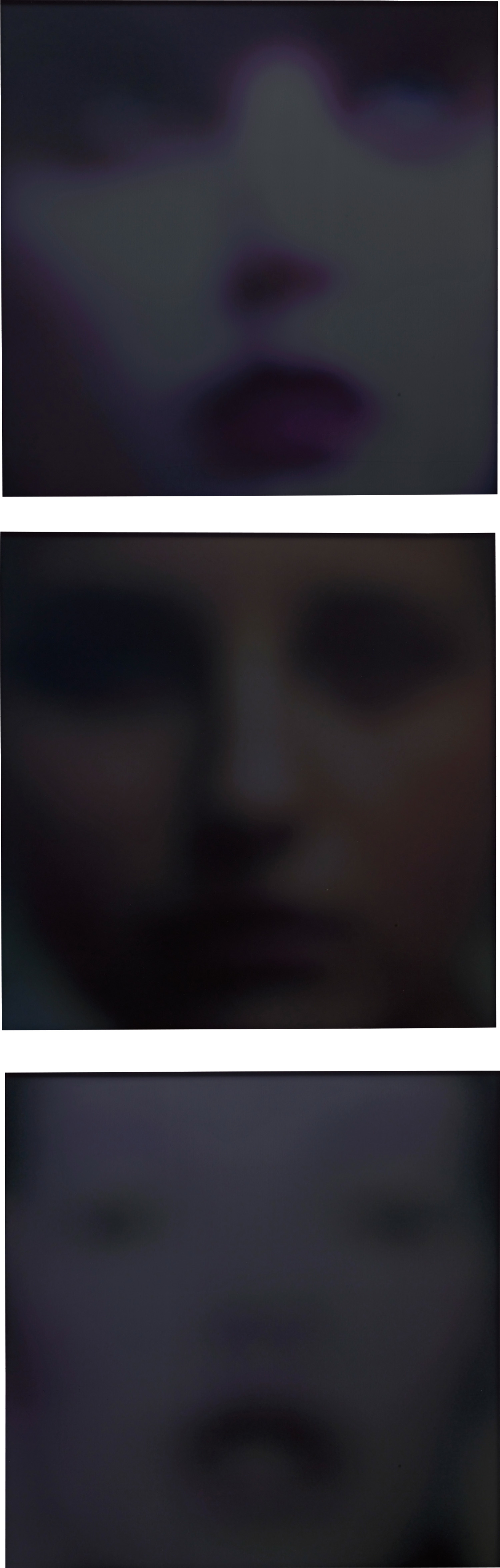
photographic print mounted to board, 2008
Yet Al Karim's imagery carries a cultural and geopolitical specificity that places it in a category entirely its own. Among his most celebrated works is the triptych titled Goddess of Dubai, created in 2003. Executed in silk and Lambda print on aluminium, the work presents a female figure suffused in golden light and gauze like softness, her form present but never fully surrendered to the viewer's gaze. The choice of silk as both a physical material and a conceptual layer speaks to Al Karim's sustained interest in the relationship between covering and revealing, between protection and erasure.
The triptych format reinforces the devotional quality of the image, echoing altarpieces and sacred icons from both Western and Islamic visual traditions. Goddess in Love, another triptych, and Hidden Goddess 9 from 2009 extend this sustained inquiry into the feminine archetype, transforming the photographic figure into something approaching myth. These works sit at a remarkable intersection of contemporary photography, feminist iconography, and Middle Eastern visual heritage. The Goddess series deserves particular attention from collectors and scholars alike because it represents a sustained body of thought rather than isolated images.
Halim Al-Karim
Goddess in Love (Triptych)
Al Karim returns to the goddess figure not as a fixed symbol but as an evolving question about visibility, divinity, and the ways in which women have been simultaneously revered and concealed across cultures and centuries. The aluminium mounting he favors for many works adds a luminous, almost otherworldly quality to the prints, the metallic surface catching light in ways that give the images an internal glow. Collectors who have acquired works from this series report that the experience of living with them changes over time, the blurred figures seeming to shift or deepen depending on the light of a room and the mood of a moment. Within the broader landscape of contemporary photography, Al Karim occupies a position alongside artists such as Shirin Neshat, whose large scale photographs and films also interrogate identity and politics through the lens of Middle Eastern womanhood, and Lalla Essaydi, whose layered images of women inscribed with Arabic calligraphy similarly challenge Western assumptions about the veil and visibility.
Like these artists, Al Karim brings to his work a fluency in multiple visual languages, drawing on Persian miniature painting, Western art history, and the aesthetics of Islamic architecture without reducing any of these traditions to mere decoration. His work has been shown in galleries and institutions across the United States, Europe, and the Middle East, finding audiences in contexts as varied as blue chip contemporary art fairs and academic museum exhibitions focused on diaspora and identity. From a collecting perspective, Al Karim represents precisely the kind of artist whose market position and critical standing continue to reward long term attention. His prints on aluminium are produced in limited editions, and works from the early 2000s, particularly those from the Goddess series, have demonstrated consistent interest at auction and in private sale.
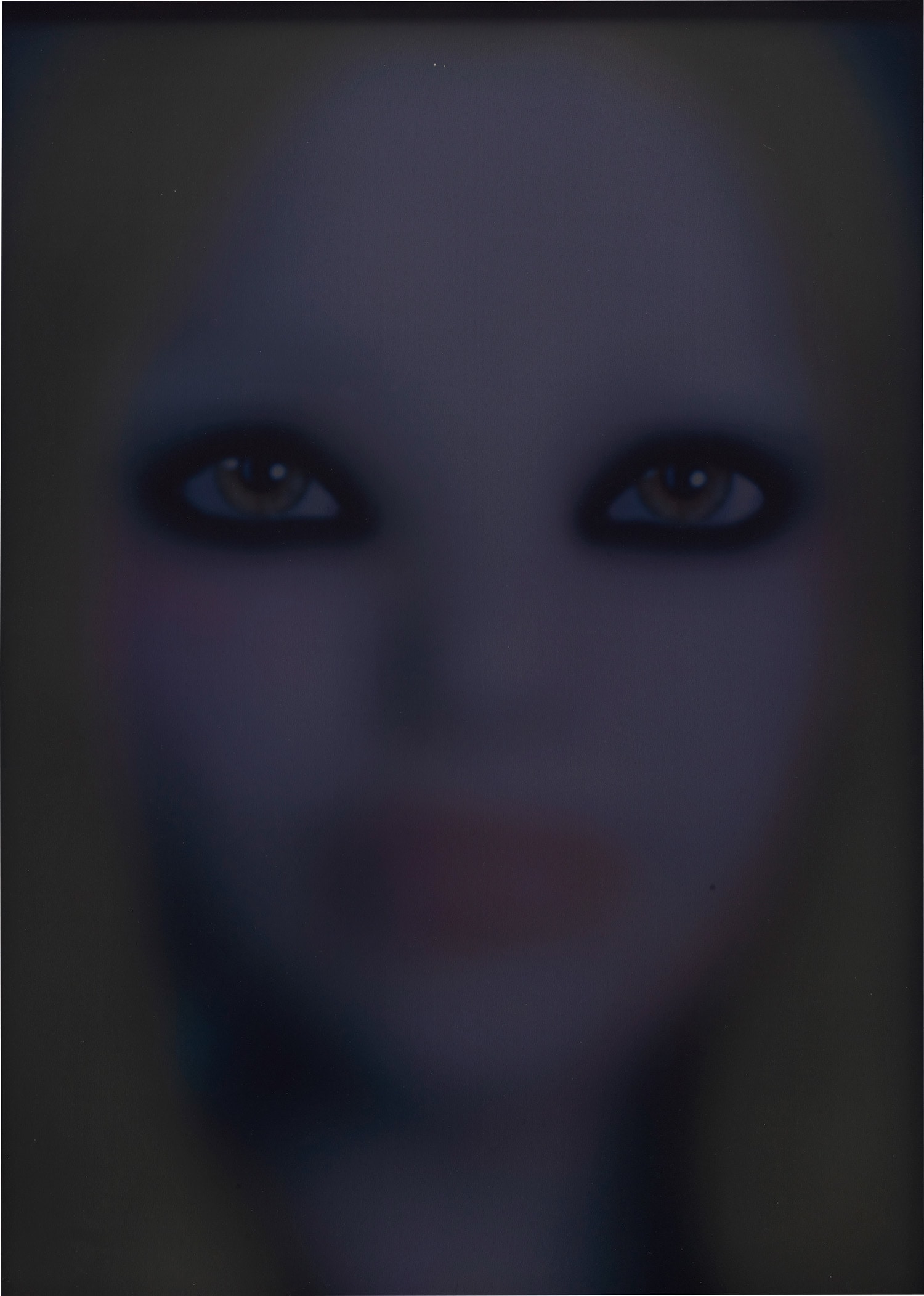
Halim Al-Karim
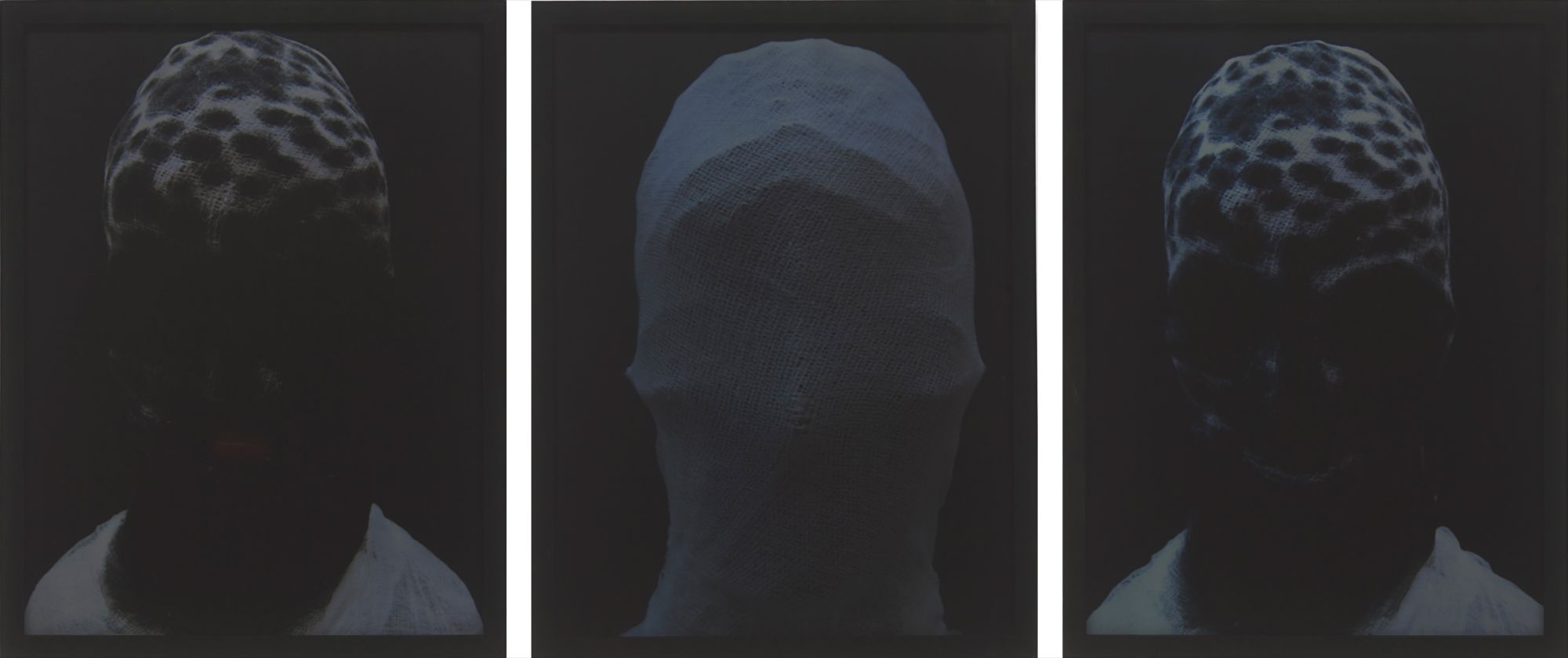
Hidden Goddess 9, 2009
Collectors entering his market now benefit from a body of work that is already historically grounded but continues to grow in critical and cultural relevance as conversations about displacement, identity, and the politics of seeing become ever more central to contemporary art discourse. The combination of strong material quality, conceptual depth, and biographical resonance makes his work an exceptionally compelling proposition for collectors building collections with both aesthetic ambition and intellectual substance. What makes Halim Al Karim indispensable to the story of contemporary art is the way his practice insists on complexity at a moment when complexity is under pressure. His blurred figures do not simplify the human experience of conflict and exile; they honor it by refusing easy resolution.
He has spent decades making images that ask the viewer to slow down, to look again, to sit with uncertainty as a form of understanding. In an art world that often rewards the immediately legible, his sustained commitment to the luminous unknown feels not like a limitation but like a form of grace. To collect his work is to commit to that same quality of attention, and the rewards of that commitment are lasting.
Explore books about Halim Al-Karim
Halim Al-Karim: The Iraqi Pioneer of Contemporary Art
Rasheed Araeen
Contemporary Iraqi Art: Halim Al-Karim and Modern Expressions
Nada Shabout
Halim Al-Karim: Minimalism and the Middle Eastern Vision
Michael Landy