Fred Eversley
“
Fred Eversley is a Light and Space artist known for his cast polyester resin lenses that refract and reflect light in complex patterns. His parabolic sculptures employ engineering precision and industrial materials to create optical phenomena. He was the first African American artist associated with the Light and Space movement and his work is held in the Smithsonian and LACMA.
No public artworks yet
Artists in conversation
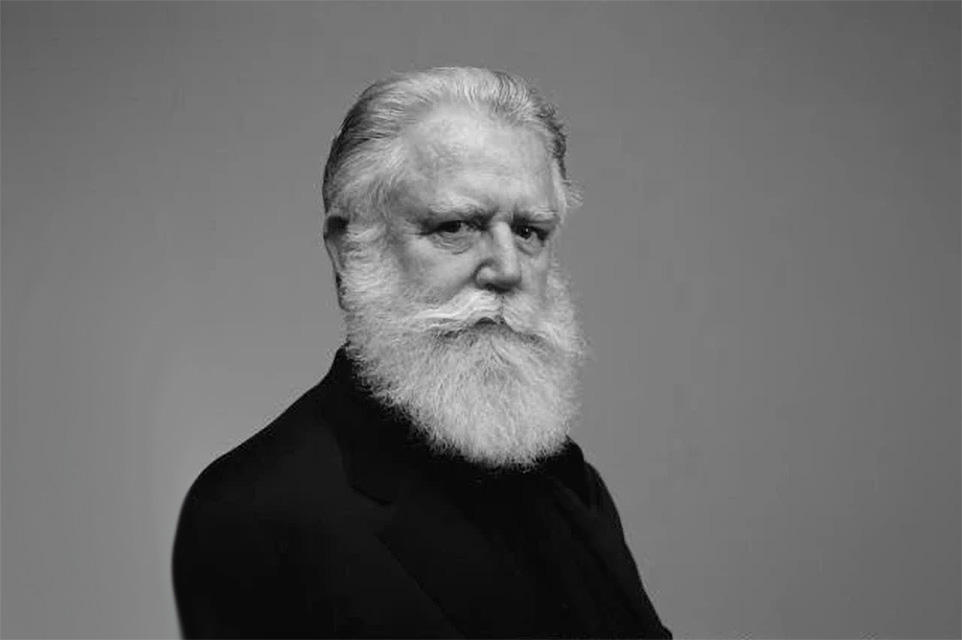
James Turrell
Turrell shares Eversley's deep investigation of light as a primary sculptural material, creating immersive perceptual environments that alter the viewer's experience of space and luminosity. Both artists are central figures of the Light and Space movement originating in Southern California.
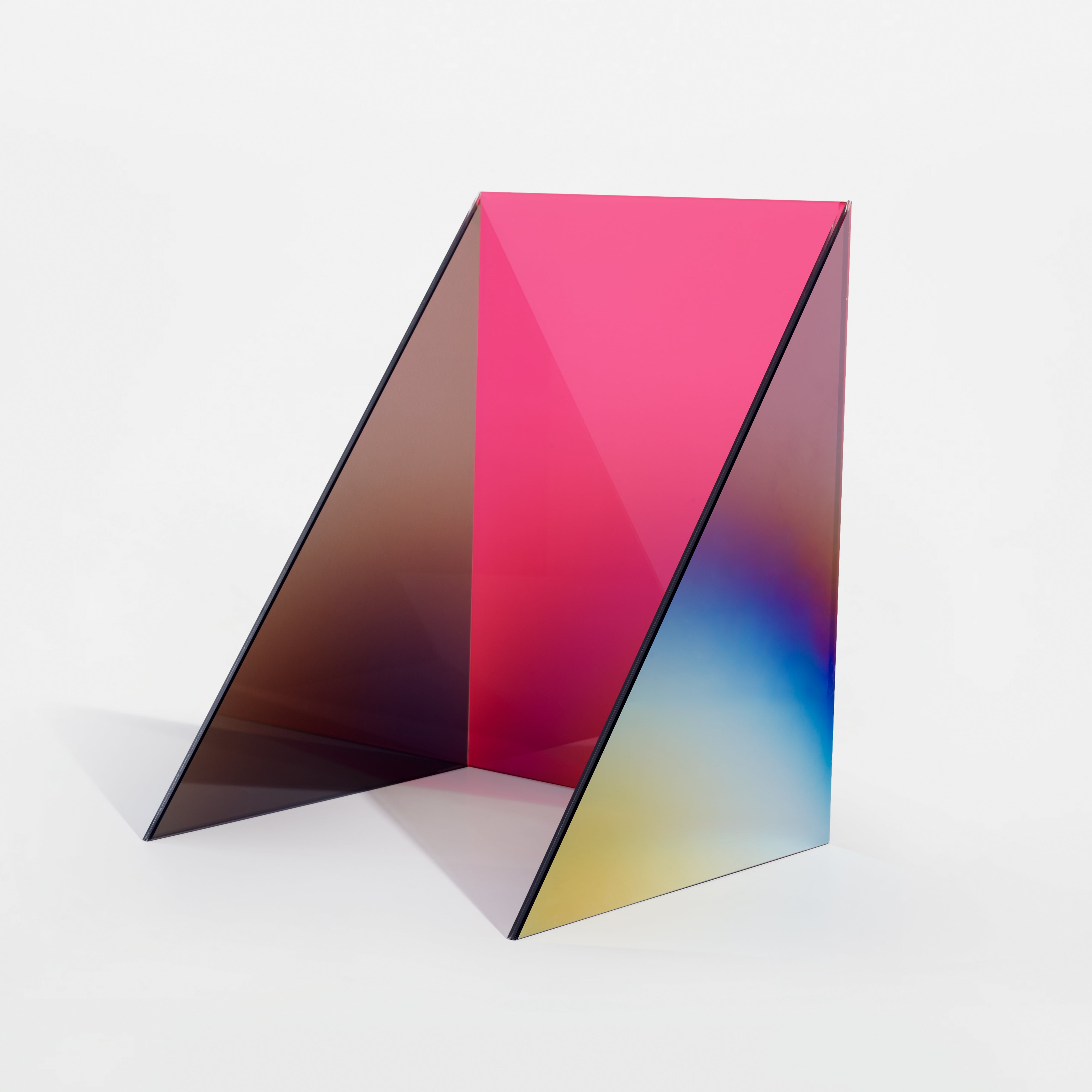
Larry Bell
Bell works with coated glass and vacuum deposition to produce objects that manipulate light through transparency, reflection, and refraction, closely paralleling Eversley's optical investigations in cast resin. Both artists apply industrial fabrication techniques to achieve precise phenomenological effects.

Peter Alexander
Alexander worked extensively with cast polyester and urethane resins to trap and diffuse light within translucent sculptural forms, placing him in direct aesthetic kinship with Eversley. His use of industrial casting materials to explore color and luminosity aligns closely with Eversley's parabolic lens sculptures.
Artists who inspired them

Robert Irwin
Irwin was a pioneering figure of the Light and Space movement whose investigations of perception and phenomenological experience provided a conceptual foundation that Eversley built upon in his own optical sculptures. Irwin's emphasis on the viewer's embodied encounter with light and space is a direct precursor to Eversley's practice.
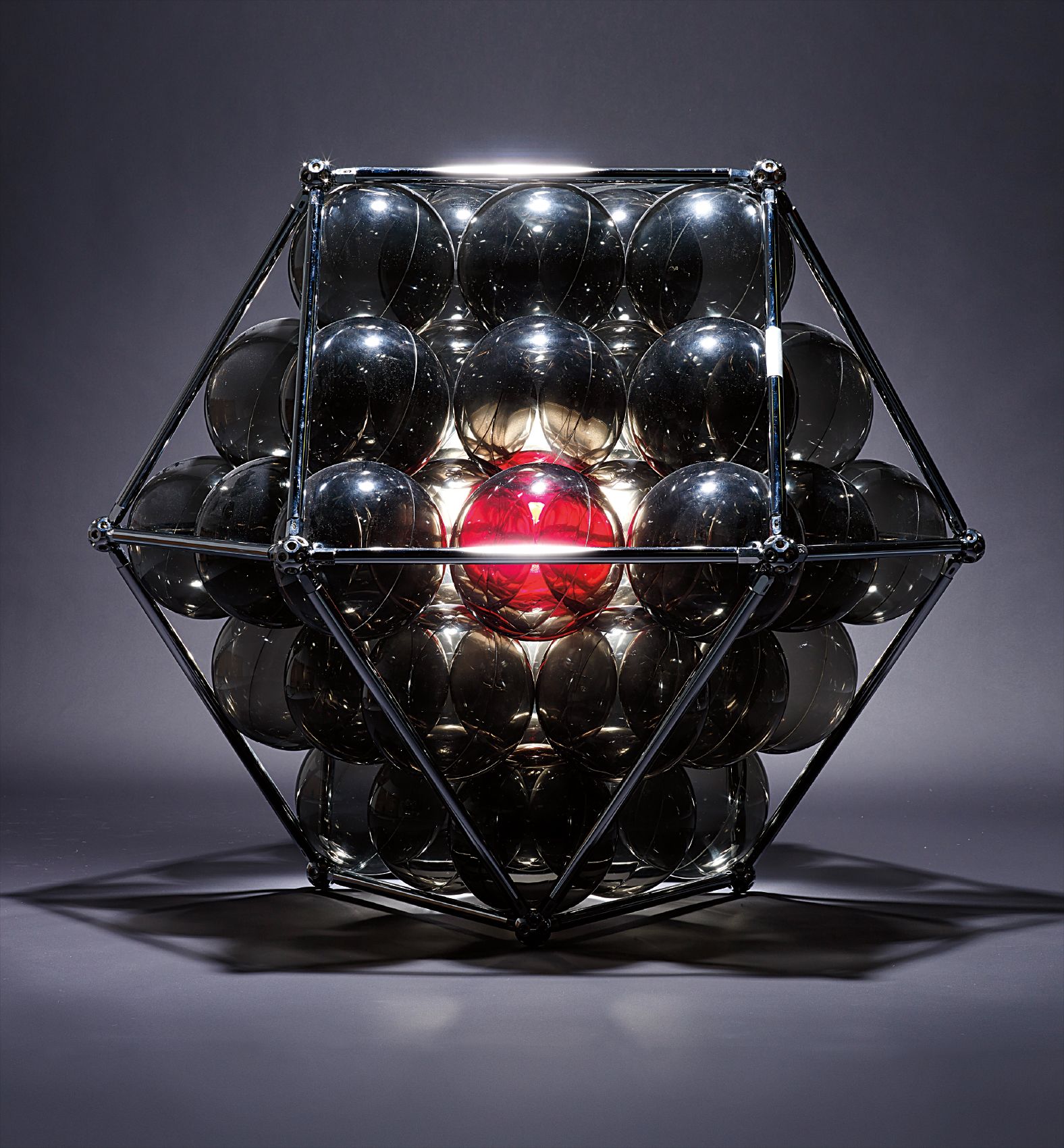
Buckminster Fuller
Fuller's integration of engineering principles and mathematical geometry into design and art deeply informed Eversley's approach to sculpting parabolic forms with aerospace level precision. Eversley drew explicitly on Fuller's philosophy that rigorous technical thinking and aesthetic vision are inseparable.
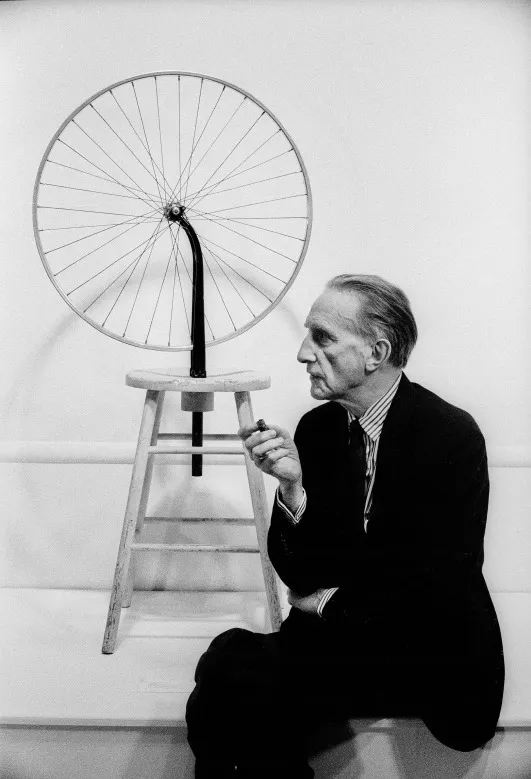
Marcel Duchamp
Duchamp's Rotoreliefs and optical spinning disk works introduced the idea of optics and motion as sculptural concerns, anticipating the kind of perceptual inquiry Eversley pursues through his lens forms. Duchamp's willingness to treat optical phenomena as legitimate artistic subject matter opened a path that Eversley extended into three dimensional industrial fabrication.