Franz West
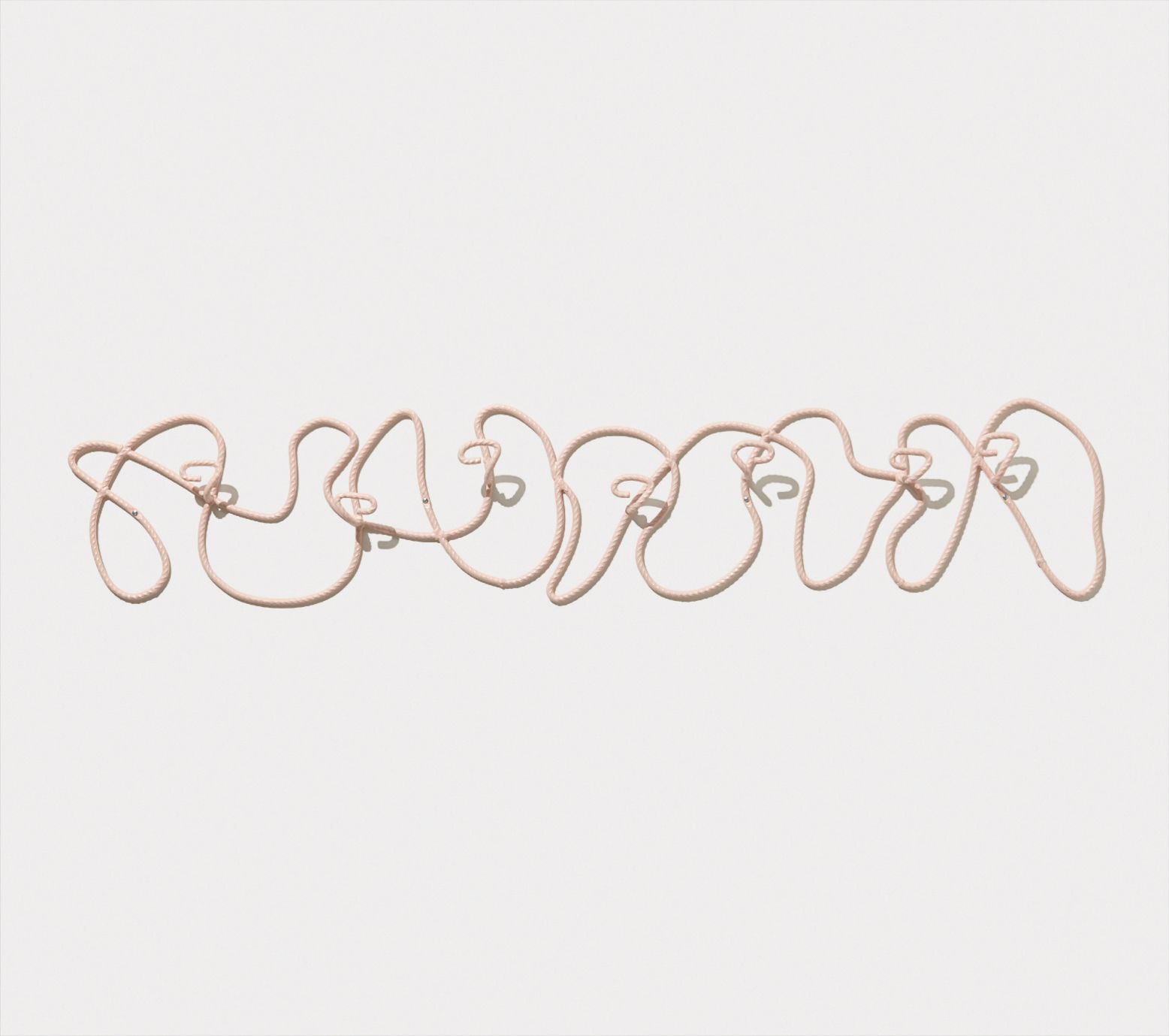
Franz West: Art Made To Be Touched
Artist Spotlight · The Collection Editorial
“I used to hope that my art would be a scream. On the contrary, it was like a blossom.”
Franz West, artist statement
Picture the Centre Pompidou in Paris, its vast white galleries animated by something unusual: visitors not standing at a respectful distance from the sculptures but picking them up, holding them, wearing them, sitting on them. This was Franz West in his element. The major retrospective the Pompidou dedicated to his work confirmed what those who had followed his career since the 1970s already knew: West was one of the most genuinely radical sculptors of his generation, a Viennese original who transformed the relationship between art object and human body into something tender, absurd, and deeply alive. West was born in Vienna in 1947, growing up in a city still scarred by the aftermath of the Second World War and crackling with the transgressive energy of the postwar avant garde.
Franz West
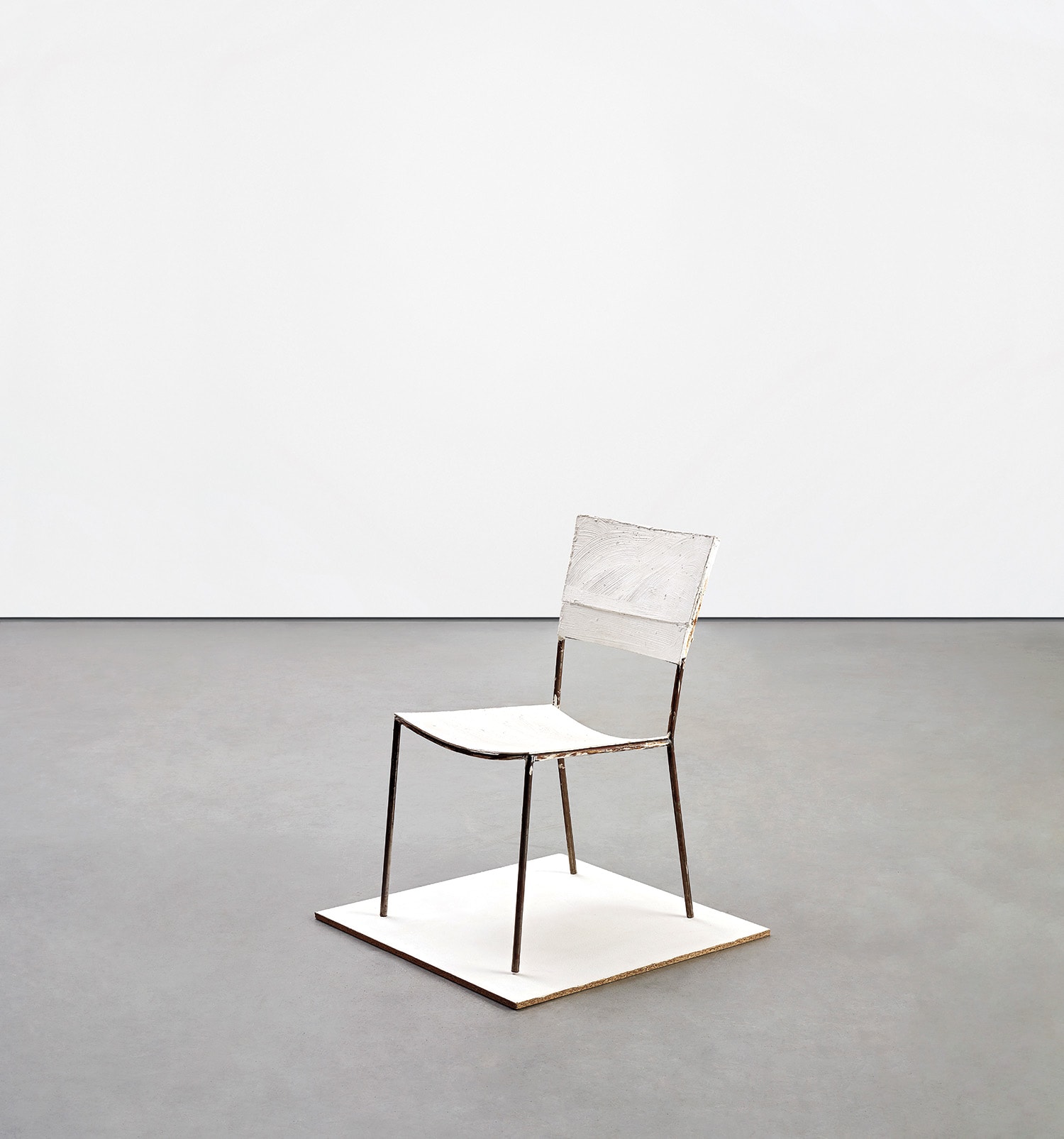
Naktstuhl
The Vienna of his formation was a city of Sigmund Freud's long shadow, of the Wiener Gruppe's literary provocations, and above all of Viennese Actionism, the confrontational movement led by figures such as Hermann Nitsch, Günter Brus, and Otto Muehl, who used the body as both medium and battlefield. West absorbed all of this, but where the Actionists tended toward violence and spectacle, he reached for something stranger and more intimate: humor, discomfort, usefulness, and a sly Dadaist wit that ran through everything he ever made. His early artistic development was largely self directed. West had a complicated relationship with formal education and spent much of the 1960s and early 1970s reading voraciously, particularly the writings of Sigmund Freud and the philosopher Ludwig Wittgenstein, whose ideas about language, meaning, and the limits of what can be said would echo throughout his practice.
He studied at the Academy of Fine Arts in Vienna only later in life, receiving his diploma in 1977. By then he had already developed the body of work that would define his legacy: the Paßstücke, or Adaptives, small irregular sculptures made from papier mâché, plaster, and wire, designed with no fixed orientation and no instructional title. Viewers were handed these objects and simply invited to do something with them. The Paßstücke are among the most conceptually audacious objects in postwar art history.
Franz West
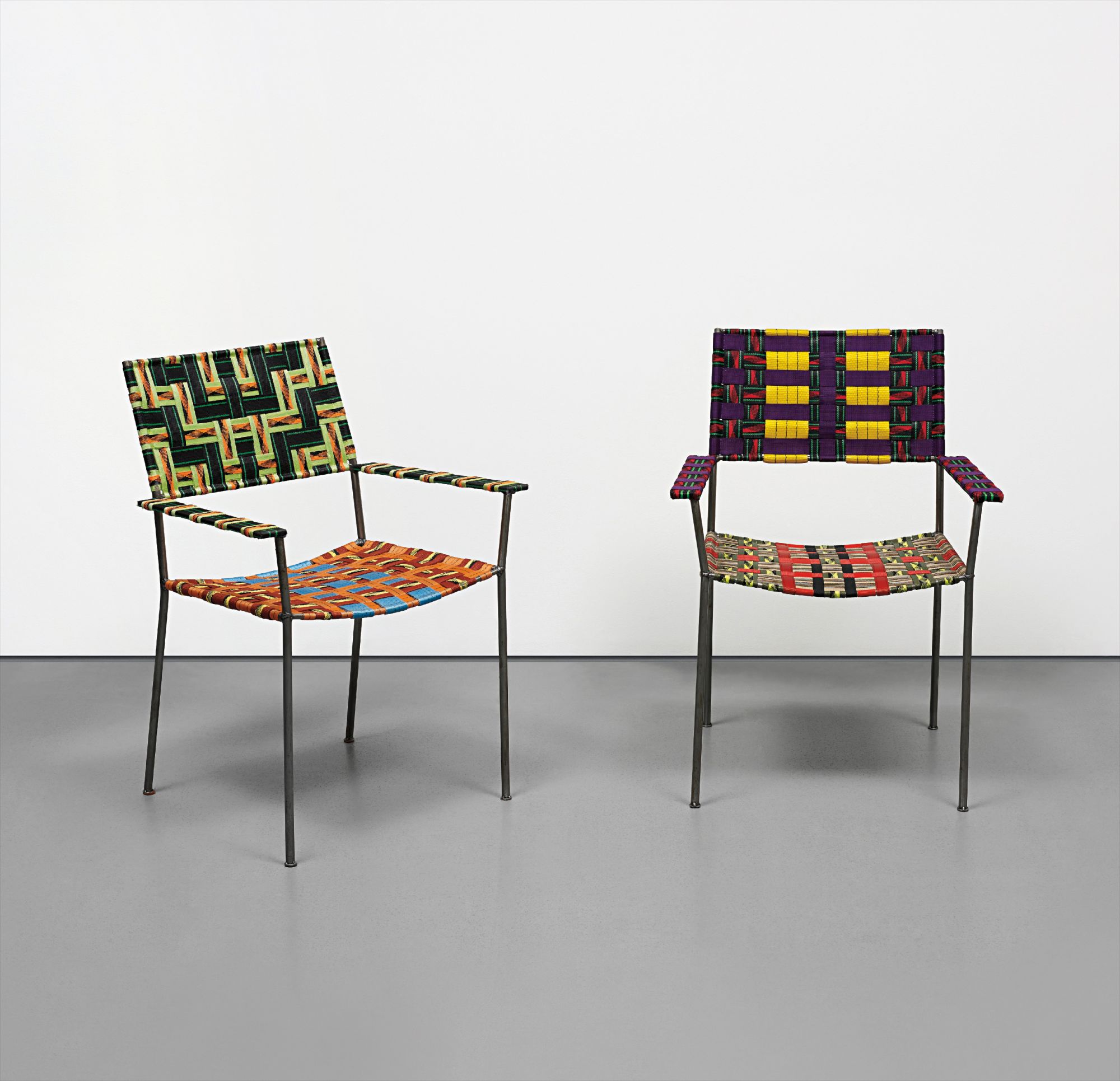
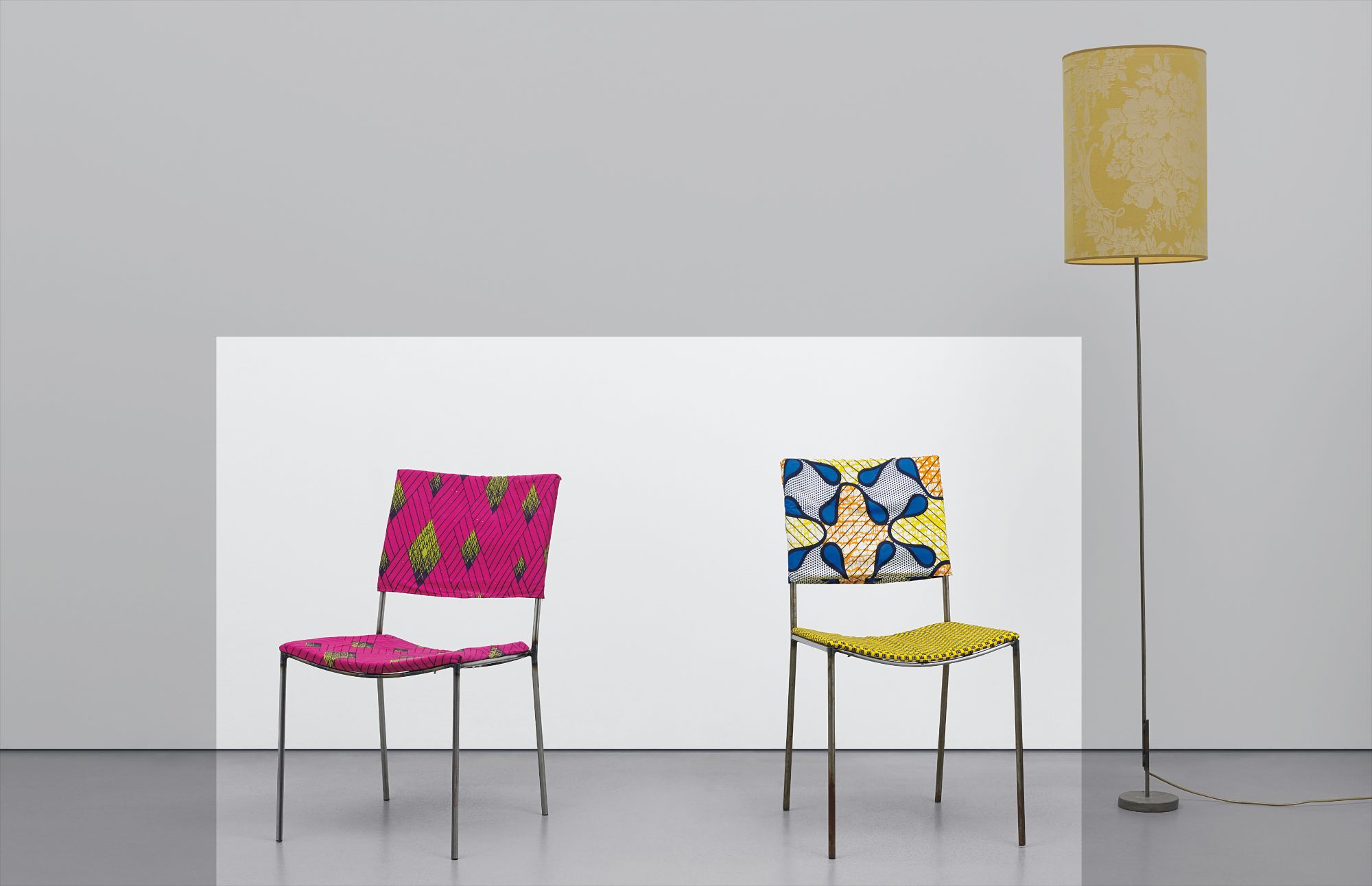
Two works: (i) Onkel Stuhl (Uncle Chair); (ii) Onkel Stuhl (Uncle Chair)
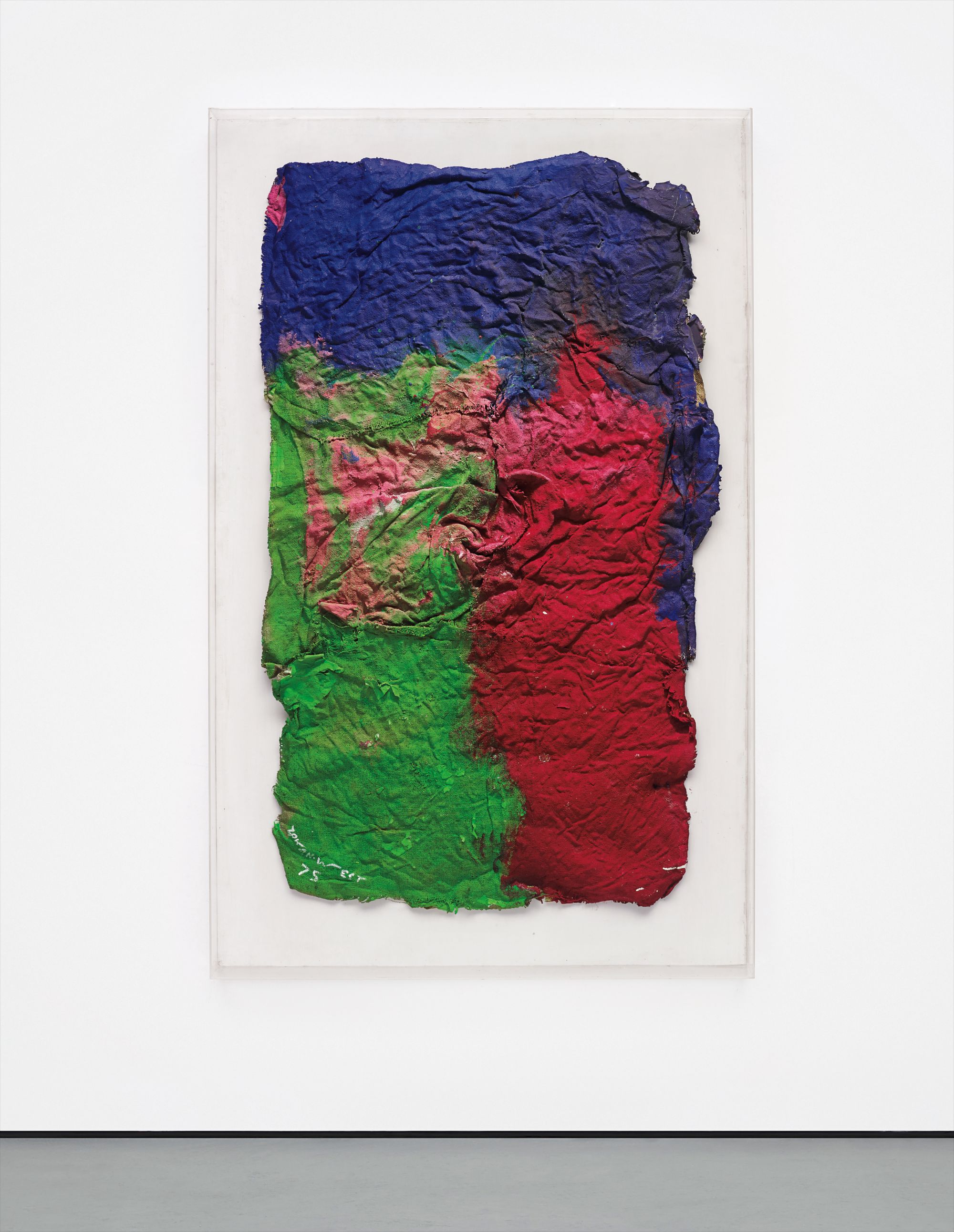
Works such as the 1975 Paßstück (Maske), made from painted resin and papier mâché, demanded a kind of bodily negotiation from the person holding or wearing them. They were not beautiful in any conventional sense. They were lumpy, provisional, almost ugly, and that was entirely the point. West drew on the aesthetics of Arte Povera, the Italian movement of artists including Jannis Kounellis and Mario Merz who elevated humble and discarded materials to the status of art, but he pushed that sensibility into a register that was specifically Viennese: therapeutic, psychoanalytically loaded, and laced with dark comedy.
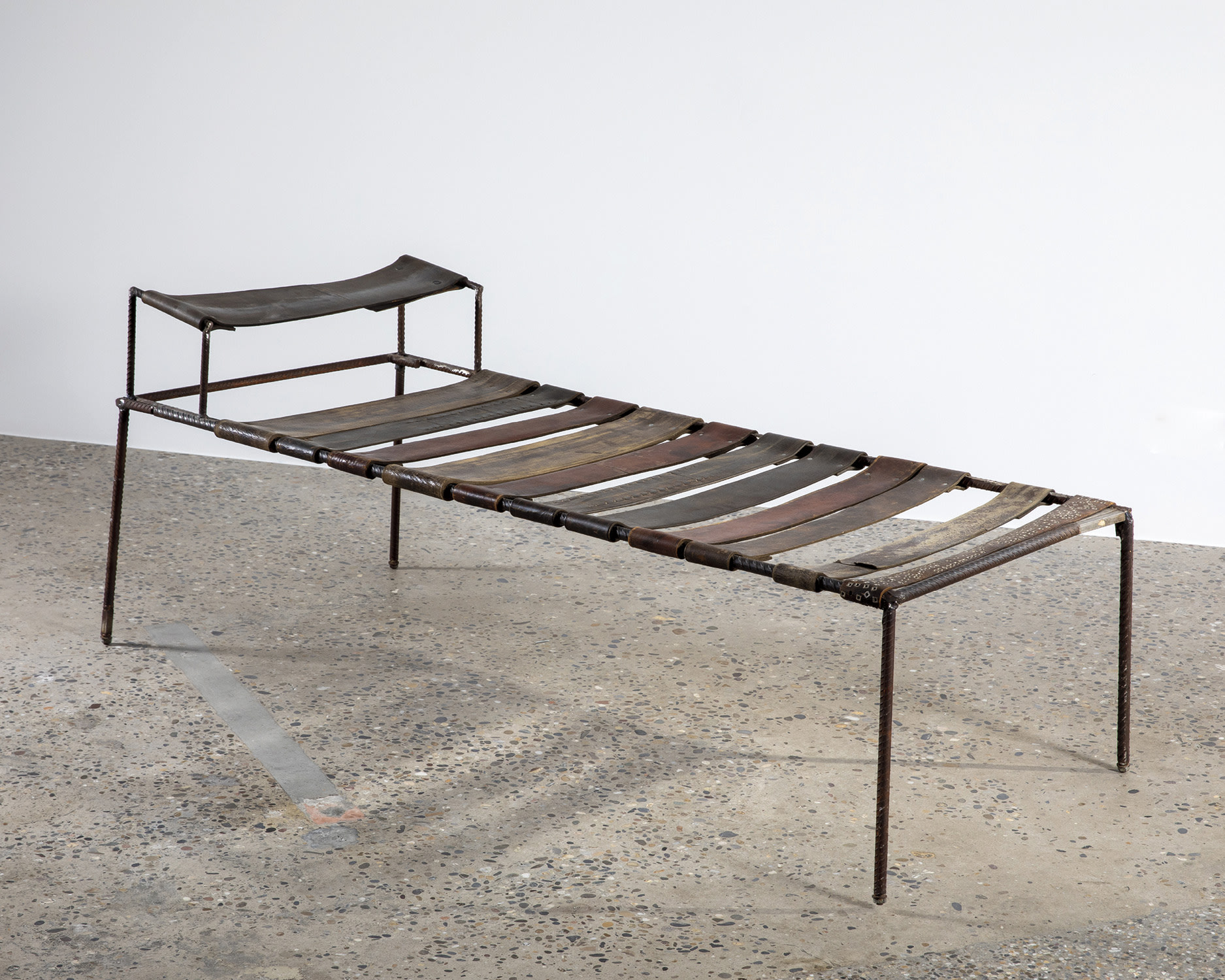
The body was not a vehicle for transcendence in West's work. It was awkward, mortal, and in need of props. Through the 1980s and 1990s, West's practice expanded dramatically in scale and ambition. He began producing the large, brightly painted furniture sculptures and lounge pieces that would become his other great signature, works that occupied a deliberate middle ground between art object and functional item.
Franz West
o.T. (Liege), 1991
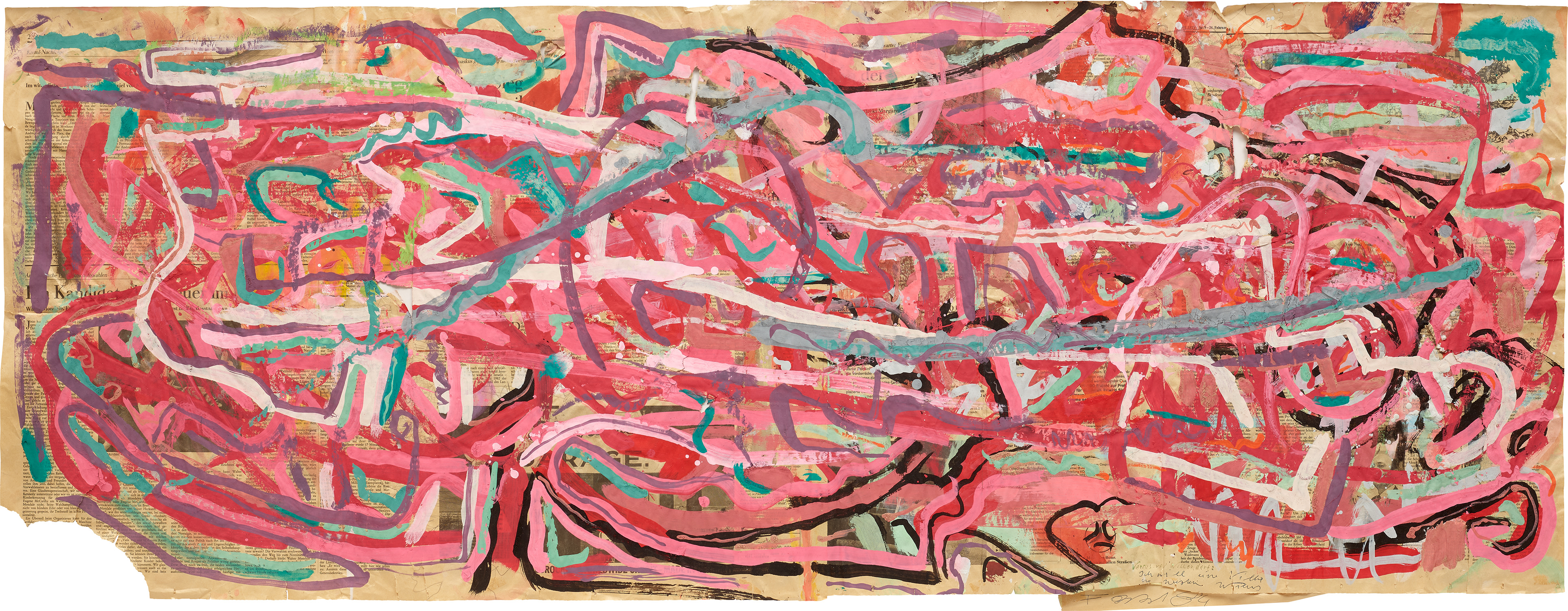
Visitors to galleries and museums were invited to sit on his chairs and sofas, transforming the white cube into something more like a social space. His 1984 work Venus von Willendorf: Ich will eine Villa im Westen Wiens, a gouache and collage on newspaper, shows how fluently he moved between sculpture and works on paper, weaving high art references, vernacular materials, and autobiographical fragments into a single field. By the time of his 1997 work Hangaround, a layered composition in acrylic, tape, and photo collage on newspaper, West had developed a visual language that was immediately recognizable and entirely his own. His later large scale works, including pieces such as Large Lamp from 2006, a commanding construction in steel, acrylic glass, and neon, demonstrated a confident command of industrial materials that never lost the handmade warmth of his earlier objects.
The 2007 work whose title reads as a quiet manifesto, I used to hope that my art would be a scream. On the contrary, it was like a blossom, stands as one of the most poignant statements in his entire body of work, a painted papier mâché sculpture that seems to breathe with self knowledge. For collectors, West presents a rich and varied field. His works span a remarkable range of materials and scales, from intimate works on paper and early papier mâché objects to monumental steel and neon installations.
Franz West
Venus von Willendorf: Ich will eine Villa im Westen Wiens, 1984
The early Paßstücke are considered cornerstone works of participatory art history and appear in the permanent collections of institutions including the Museum of Modern Art in New York and Tate in London, placing them in the company of the most significant sculptural achievements of the late twentieth century. Works on paper, including his newspaper collages and gouache pieces, offer a point of entry into his practice that reveals the breadth of his thinking beyond sculpture alone. The Pair of Artist's Chairs from 2012, made in acrylic, lacquer, epoxy resin, and stainless steel, represents West at his most accessible and most intellectually playful: beautiful objects that ask you to sit down and stop treating art as untouchable. His auction market has remained consistently strong, with major works achieving significant results at Christie's, Sotheby's, and Phillips, and institutional demand continuing to validate his place among the essential voices of his era.
West belongs to a generation of European artists who fundamentally rethought what sculpture could ask of a viewer. His affinities with Arte Povera connect him to Merz, Kounellis, and Alighiero Boetti. His interest in participation and social space anticipates artists such as Rirkrit Tiravanija and the broader Relational Aesthetics movement theorized by Nicolas Bourriaud in the late 1990s. At the same time, his psychoanalytic intensity and Viennese dark humor link him indelibly to the particular culture that produced him.
He was not a movement unto himself, but he was irreducible to any single movement, and that independence is part of what makes collecting his work so rewarding. West died in Vienna in 2012, but his work continues to grow in significance with each passing year. At a moment when the art world is rethinking questions of access, participation, and the boundaries between art and life, his practice feels not historical but urgently present. He spent decades insisting that art should be held, sat upon, worn, argued with, and laughed at, and in doing so he gave collectors and viewers something genuinely rare: permission to be fully human in the presence of art.
Featured Works
Explore books about Franz West
Franz West: A Retrospective
Peter Noever
Franz West: Sculptures, Paintings, Photographs
Thea Westreich Wagner, Kasper König
Franz West: Katalog Raisonné
Dieter Schwarz
Franz West: Psyche
Barbara Steiner, Cecilia Canziani
Franz West: Works and Documents
Franz West Foundation
Franz West: Paßstücke
Multiple authors
Franz West: Interviews and Writings
Franz West, Alex Farquharson
Franz West: Drawings
Markus Brüderlin