Francesca Woodman
Francesca Woodman: A Vision Forever Unfolding
Artist Spotlight · The Collection Editorial
“I am at that stage where the mirror is a hazy boundary.”
Francesca Woodman, notebooks
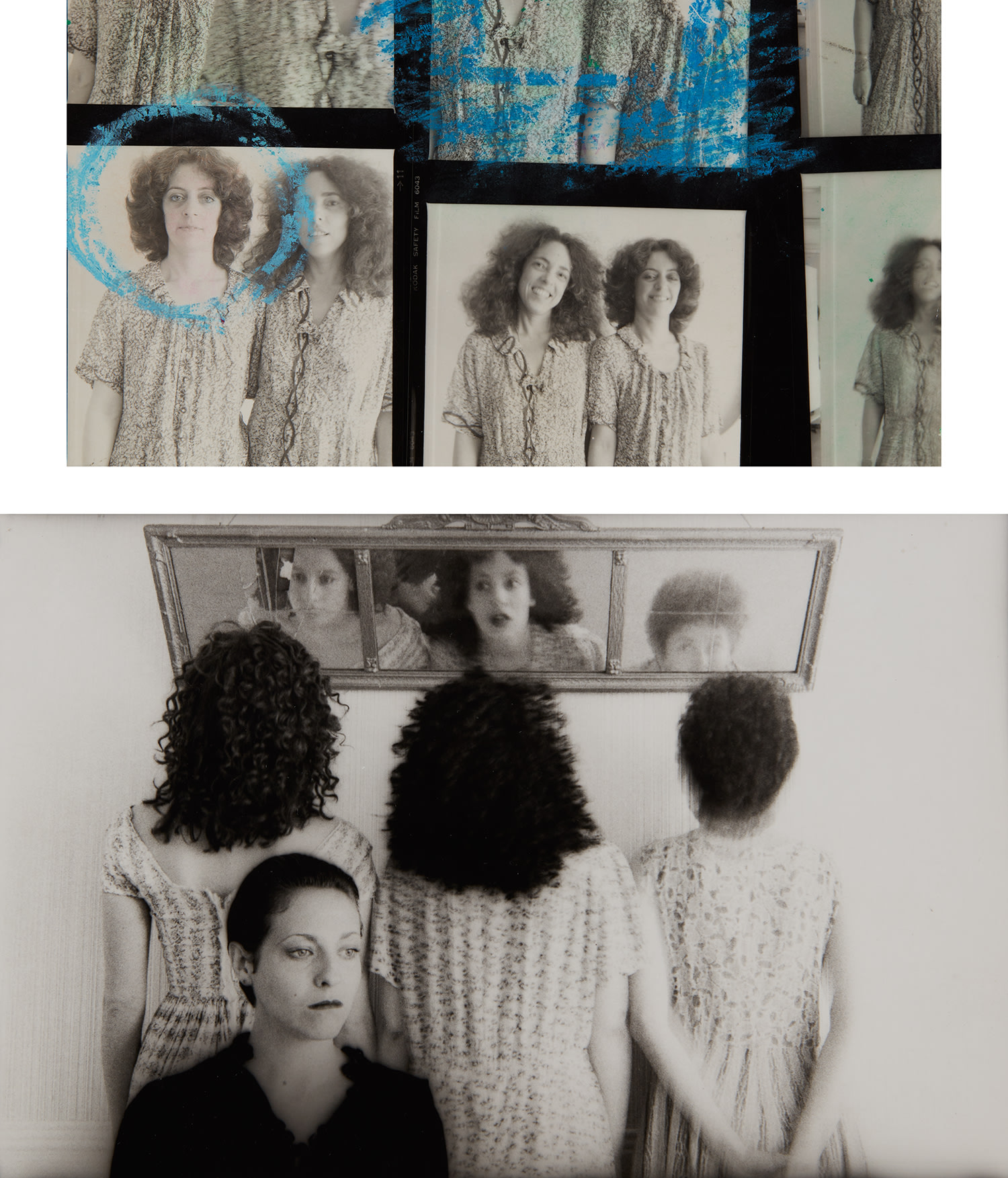
There is a moment in the Guggenheim Museum's landmark retrospective of Francesca Woodman's work when the scale of what she achieved in just a few short years becomes almost overwhelming. Her photographs line the walls with a quiet insistence, images of a young woman dissolving into wallpaper, merging with architecture, becoming part of the very surfaces she inhabited. That retrospective, which brought her work to international audiences with renewed force, confirmed something that collectors and curators had understood for decades: Woodman is not merely a cult figure or a tragic footnote in art history. She is one of the most formally rigorous and emotionally resonant photographers of the twentieth century.
Francesca Woodman
Selected Images
Francesca Woodman was born in Denver, Colorado in 1958 into a family for whom art was not an aspiration but a living, breathing reality. Her father George Woodman was a painter and photographer, and her mother Betty Woodman became one of the most celebrated ceramic artists in America. Growing up between Colorado and Italy, where the family spent extended periods, Francesca absorbed a European sensibility alongside an American restlessness. Italy in particular left its mark.
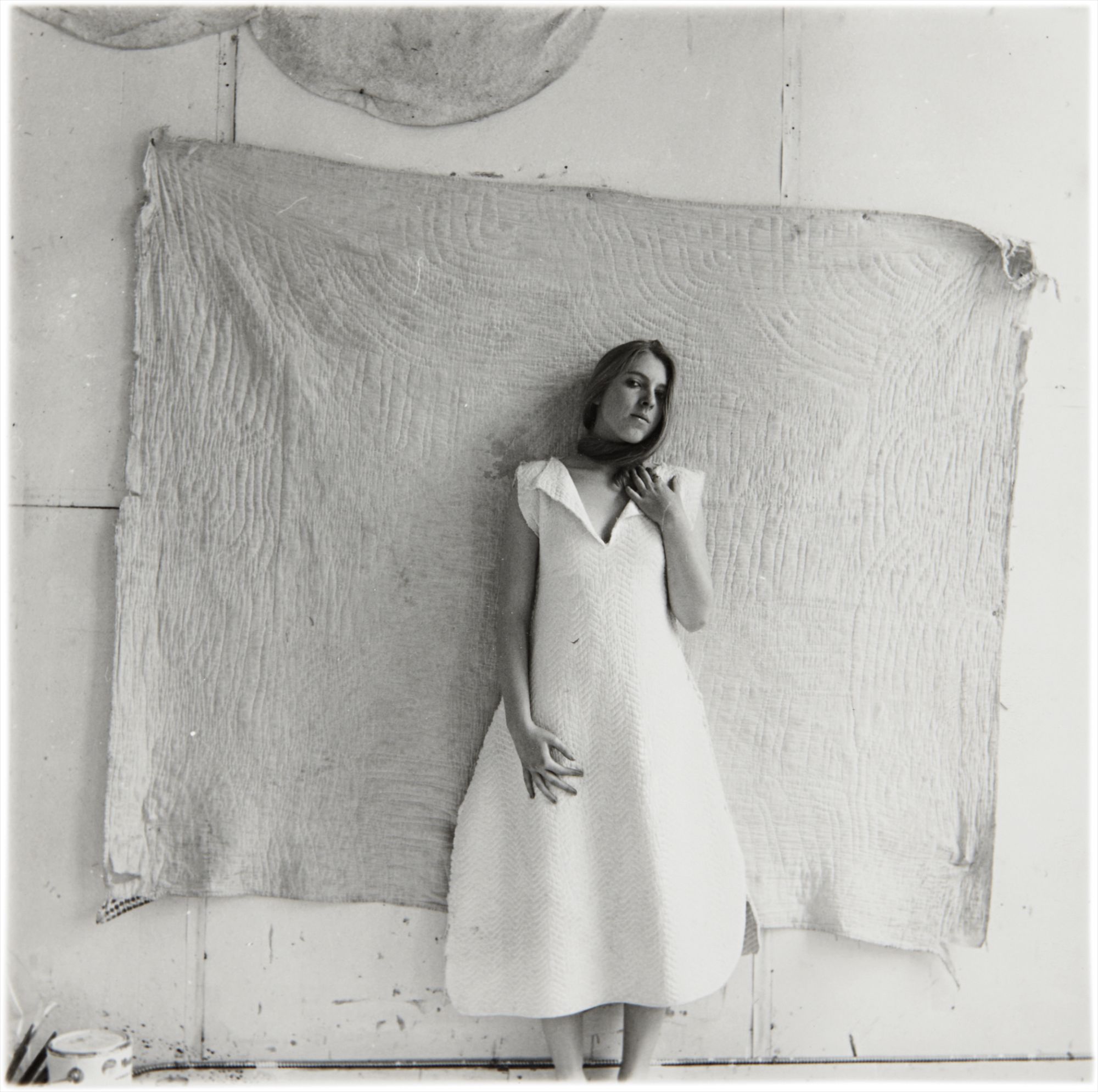
The decaying palazzos, the peeling frescoes, the layered sense of history embedded in crumbling surfaces would become the visual grammar of her entire body of work. She began photographing seriously as a teenager, and by the time she enrolled at the Rhode Island School of Design in 1975, her practice was already strikingly formed. RISD gave her a context and a community, and the Providence years produced some of her most iconic images. Working in abandoned and dilapidated interiors, she used her own body as the primary subject, employing long exposures to create effects of blur and ghostly presence.
Francesca Woodman
Francesca Woodman
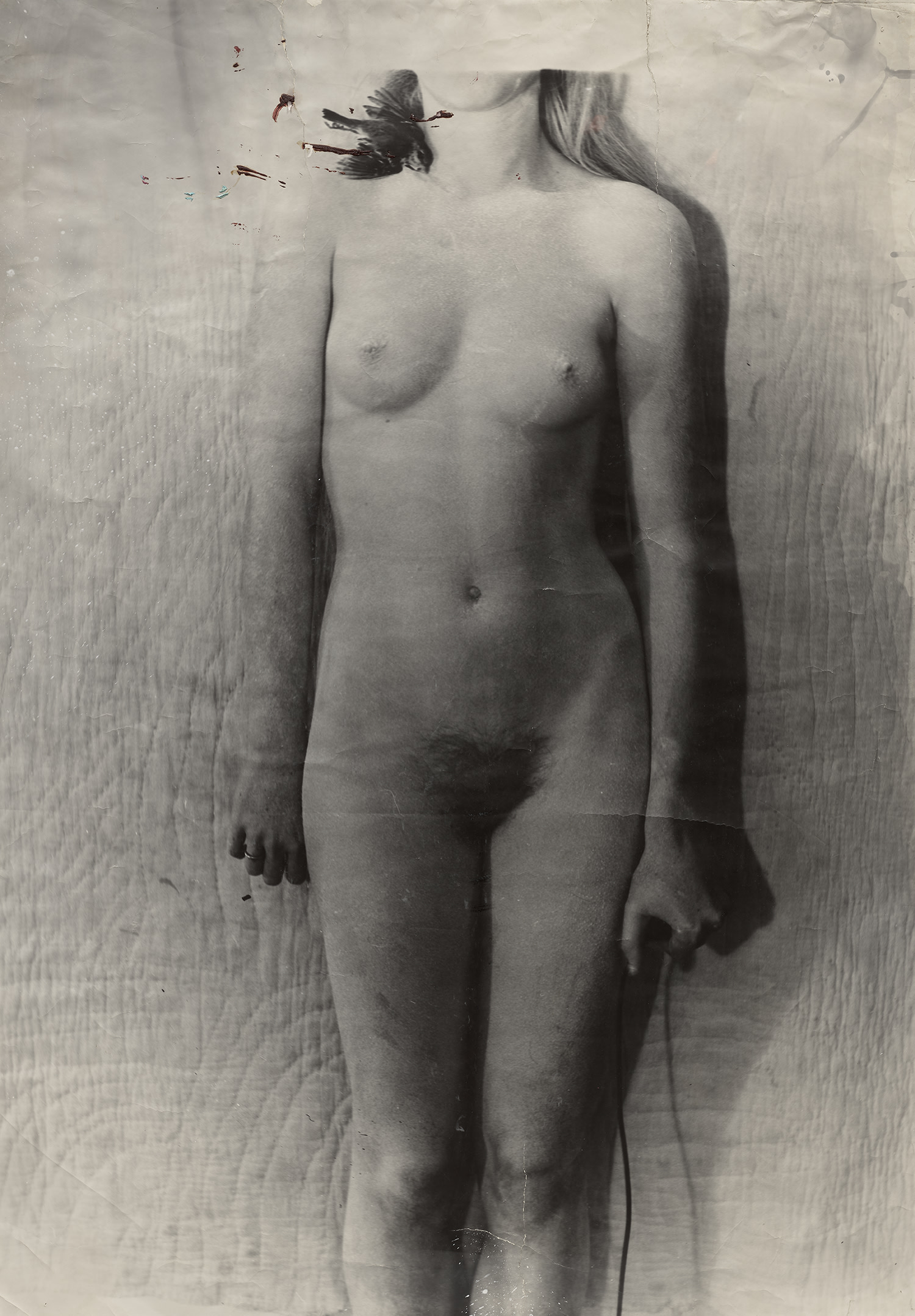
The body in these photographs is rarely fully legible. It slips behind doors, dissolves into walls, becomes indistinguishable from the textures surrounding it. Far from being documents of disappearance, these images are assertions of a searching, probing intelligence. In 1977 she received a scholarship to study in Rome with the RISD program there, and the Italian work deepened her visual language considerably.
She engaged with Surrealism not as a stylistic borrowing but as a genuine philosophical inquiry, exploring the uncanny relationship between the human form and inanimate space. She was reading widely during this period, engaging with the ideas of writers and thinkers who were questioning the nature of representation and the female body in particular. Her work from Rome has a more classical weight to it, a sense of the body in dialogue with centuries of image making, simultaneously reverent and subversive. She returned to New York in the final years of her life, working with characteristic intensity until her death in January 1981 at the age of twenty two.
Francesca Woodman
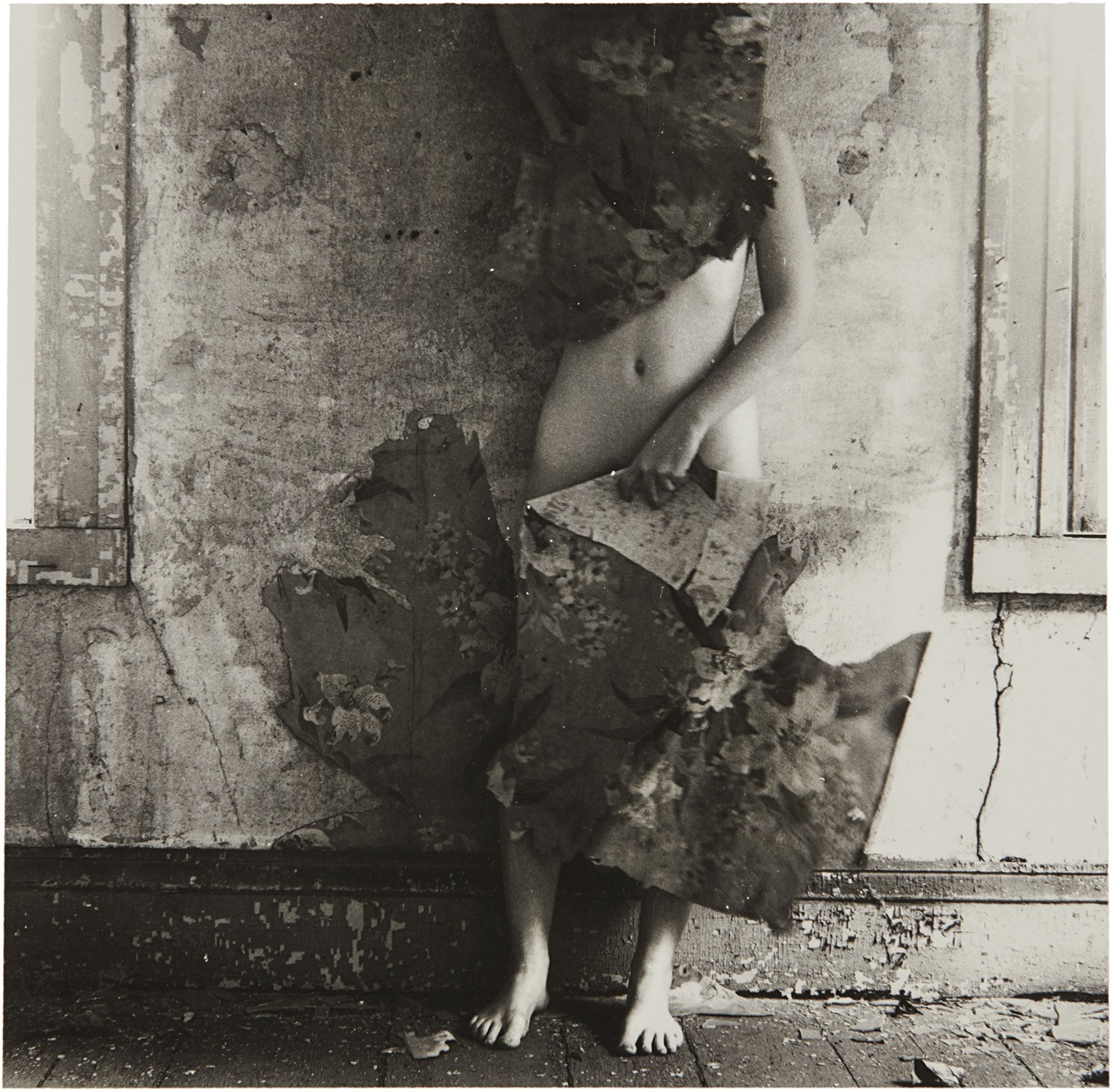
Providence, Rhode Island from Space2
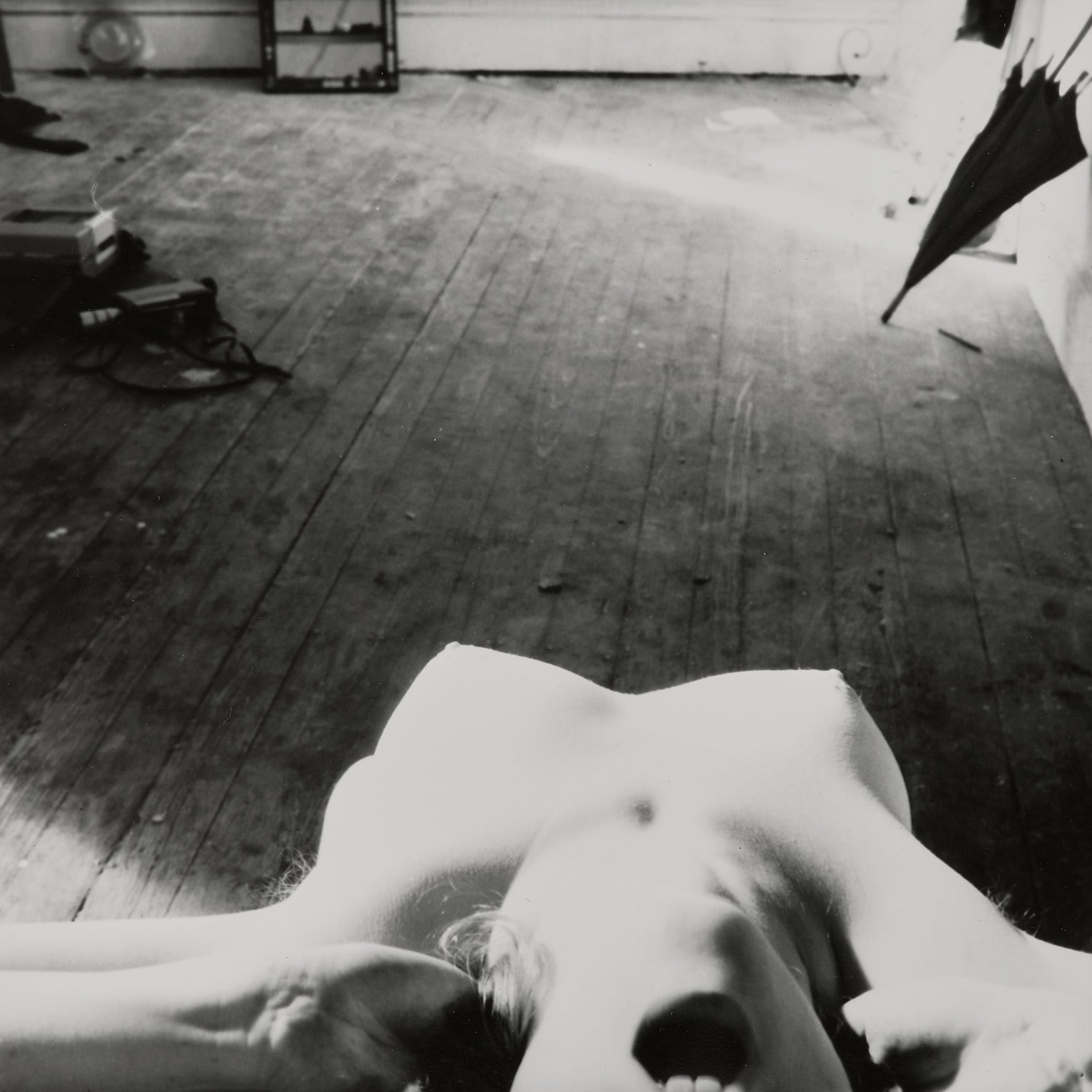
Among her signature works, the series known as Space2, made in Providence, Rhode Island, stands as a cornerstone of her achievement. These images return obsessively to a specific interior, finding in its peeling walls and irregular light an almost theatrical setting for her explorations of presence and absence. The work titled On Being an Angel, made in Providence during the spring semester, exemplifies another strand of her practice, one in which the body reaches toward something transcendent, arms extended, the figure caught between earthly weight and the desire to become something else entirely. Her self portraits resist the confessional mode entirely.
They are rigorously constructed images in which the self is less a subject than a material, something to be arranged, dissolved, and reimagined. For collectors, Woodman's work presents a compelling combination of art historical significance and genuine rarity. Her prints exist in several forms. Some were printed during her lifetime, and these carry the irreplaceable quality of direct authorial involvement.
Francesca Woodman
On Being an Angel, Providence, Rhode Island, Spring
Many of the works available today are printed later, often by Igor Bakht, who worked closely with the Woodman family estate and whose prints are considered authoritative and highly desirable. Unique works such as oversized gelatin silver prints with applied paint and pigment represent the rarest tier of her production, objects that blur the boundary between photography and painting and command serious attention at auction. Her market has grown steadily and significantly since the 1990s, with major auction houses regularly presenting her work to strong results, reflecting both institutional validation and the sustained passion of a global collector base. Within art history, Woodman's practice sits at a fascinating intersection of influences and movements.
Her work invites comparison with the German photographer Annegret Soltau and with Francesca's near contemporary Cindy Sherman, who was also interrogating female identity through photographic self staging during the same period, though in a very different register. The Surrealist photography of Claude Cahun, whose explorations of gender and selfhood preceded Woodman by several decades, offers another illuminating parallel. Woodman was also working in a climate shaped by feminist art practice and body art, and her work entered into productive dialogue with artists such as Ana Mendieta, whose earth body works similarly positioned the female form in relation to landscape and architecture. Woodman's photographs are neither illustration of theory nor pure formalism.
They hold these contexts in productive tension. The enduring power of Woodman's work lies in its refusal to be explained away. More than four decades after her death, her photographs continue to generate new readings and new devotion. Younger generations of photographers cite her as a primary influence, and her images circulate with a vitality that speaks to something essential rather than merely fashionable.
Institutions continue to acquire her work, and scholarly attention has deepened considerably, with critical writing that places her alongside the major figures of late twentieth century photography without qualification. For collectors drawn to work that operates simultaneously as aesthetic achievement and intellectual proposition, as object and as question, Woodman represents one of the most significant opportunities in the market for photographs of her era. To live with her work is to live with a persistently open inquiry into what it means to be seen.
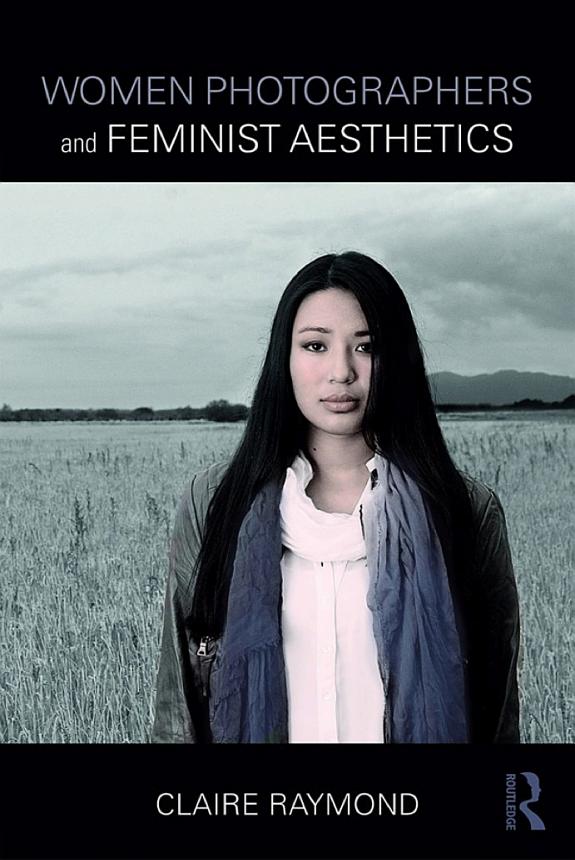
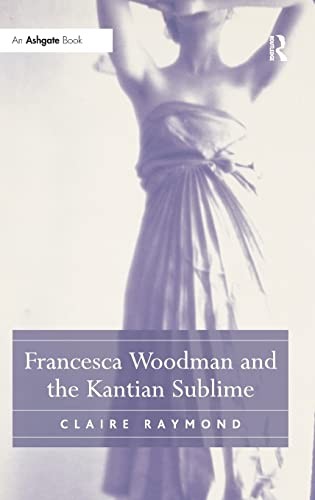
Explore books about Francesca Woodman