Evelyn Hofer
Evelyn Hofer: The Quiet Genius of Seeing
Artist Spotlight · The Collection Editorial
There is a particular kind of justice that art history sometimes delivers slowly, and in the case of Evelyn Hofer, it has arrived with gathering force. In recent years, museum curators, photo historians, and a new generation of collectors have turned their attention toward her body of work with something approaching urgency. The Morgan Library and Museum in New York gave her photographs sustained institutional attention, and her prints have appeared with increasing frequency at auction and in galleries dedicated to the canon of twentieth century photography. For those who have long known her name, this recognition feels not like a discovery but like a long overdue homecoming.
Evelyn Hofer
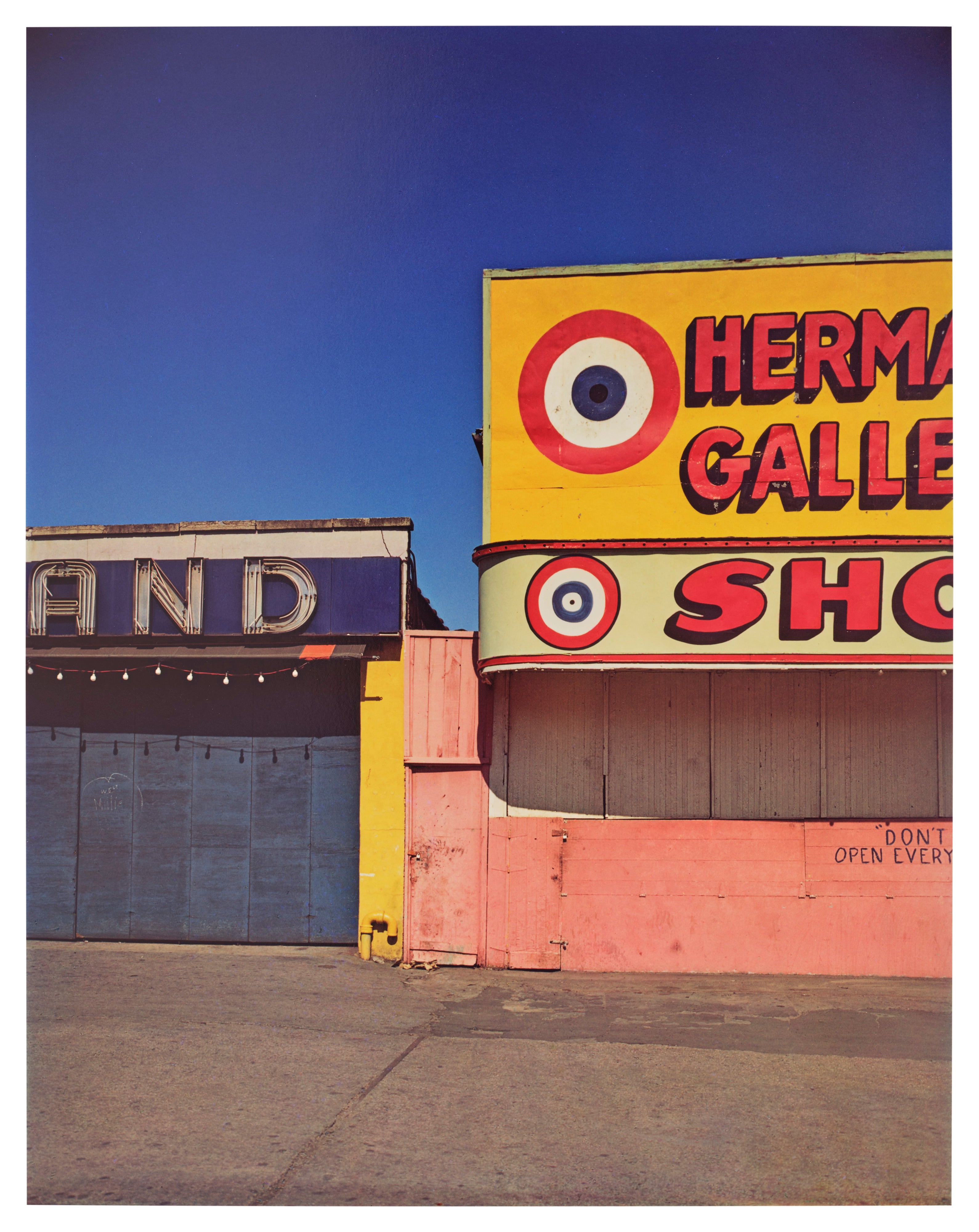
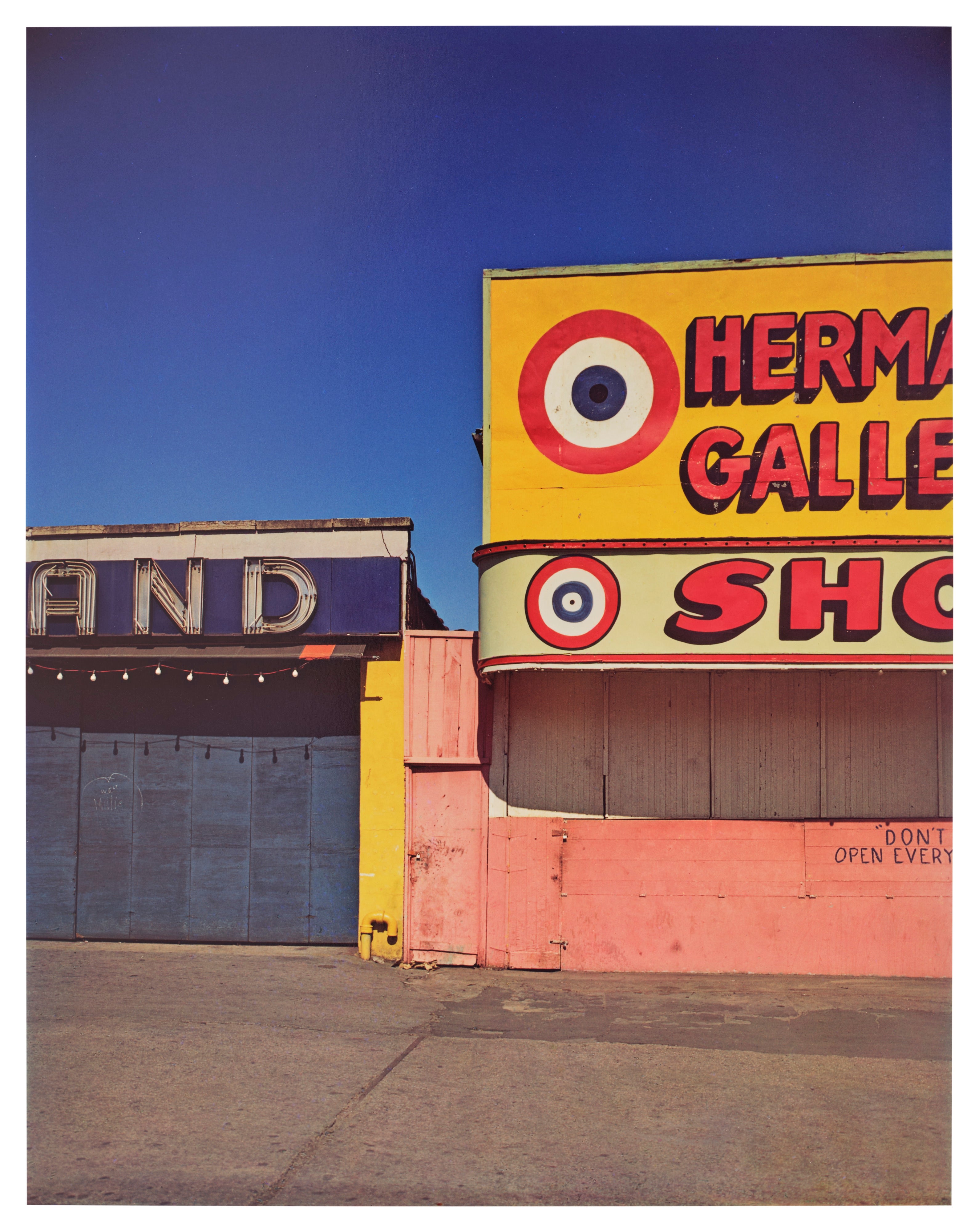
Coney Island, N.Y.
Hofer was born in Marburg, Germany in 1922, into a world that would soon become deeply unstable. Her family relocated several times as the political situation in Europe deteriorated, and she received her early photographic training in Basel and Madrid before eventually making her way to New York. That itinerant formation was not merely biographical circumstance. It shaped her into a photographer of extraordinary attentiveness, someone who understood that a place must be read slowly and carefully before it can be truly seen.
The experience of displacement cultivated in her a deep appreciation for the specific and the rooted, qualities that would define her mature work entirely. She arrived in New York in the mid 1940s and began working as a commercial photographer, but it was her collaboration with writers on a series of landmark travel and portrait books that brought her to the attention of a wider audience. Beginning in the 1960s, she worked alongside the writer Mary McCarthy on Florence and on a volume devoted to the stones of Venice, and with V. S.
Evelyn Hofer
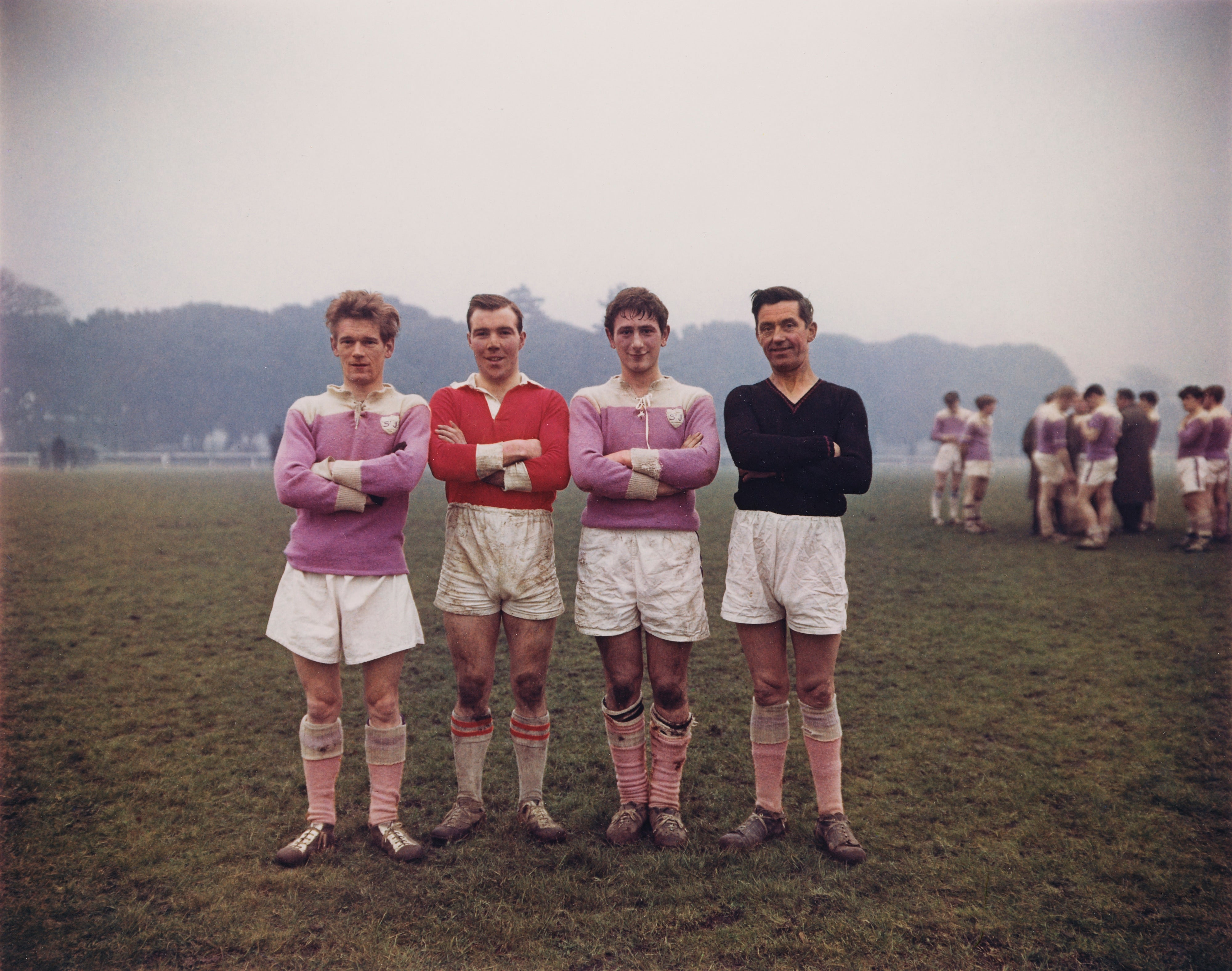
Phoenix Park on a Sunday, Dublin
Pritchett on studies of London and Dublin. These were not conventional illustrated travel books. Hofer brought to them the seriousness of a fine art photographer, using a large format camera and dye transfer printing techniques that allowed her to achieve a color saturation and tonal precision almost unparalleled in the medium at the time. The books received admiring reviews but, in the way of things, the images were often treated as accessories to the text rather than as autonomous works of art in their own right.
What distinguishes Hofer's photographs is their quality of arrested time. She worked with a 4x5 large format camera, which required long exposures and deliberate composition, and she often photographed people in public spaces with a stillness that borders on the uncanny. Her subjects do not perform for the camera. They exist within their environments with a self possession that feels almost painterly, and the comparison to Northern European and Spanish Old Master painting is not incidental.
Evelyn Hofer
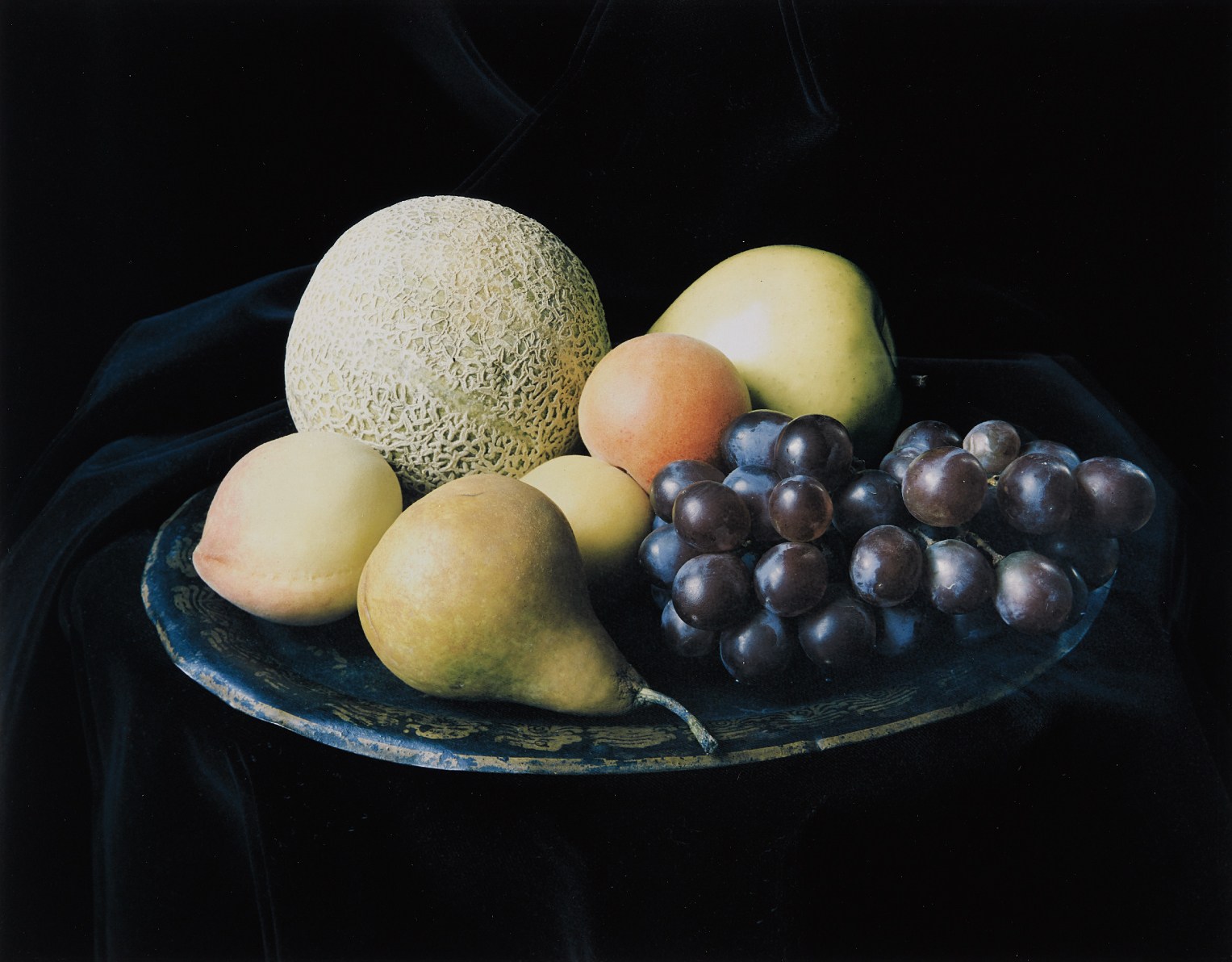
Déjà vu Still-Life
Works such as Still Life No. 6, Homage à Zurburán, New York and Still Life No. 7, Pewter Pitcher with Grapes, New York make the influence explicit, channeling the meditative gravity of Francisco de Zurbarán's devotional objects through a contemporary photographic sensibility. These still lifes are among the most formally ambitious photographs of the late twentieth century.
They remind us that photography, at its most rigorous, belongs in conversation with the entire history of Western image making. Her city work carries the same weight. Phoenix Park on a Sunday, Dublin is a study in spatial poetry, the figures disposed across the frame with the ease of people who have nowhere more important to be. Coney Island, N.
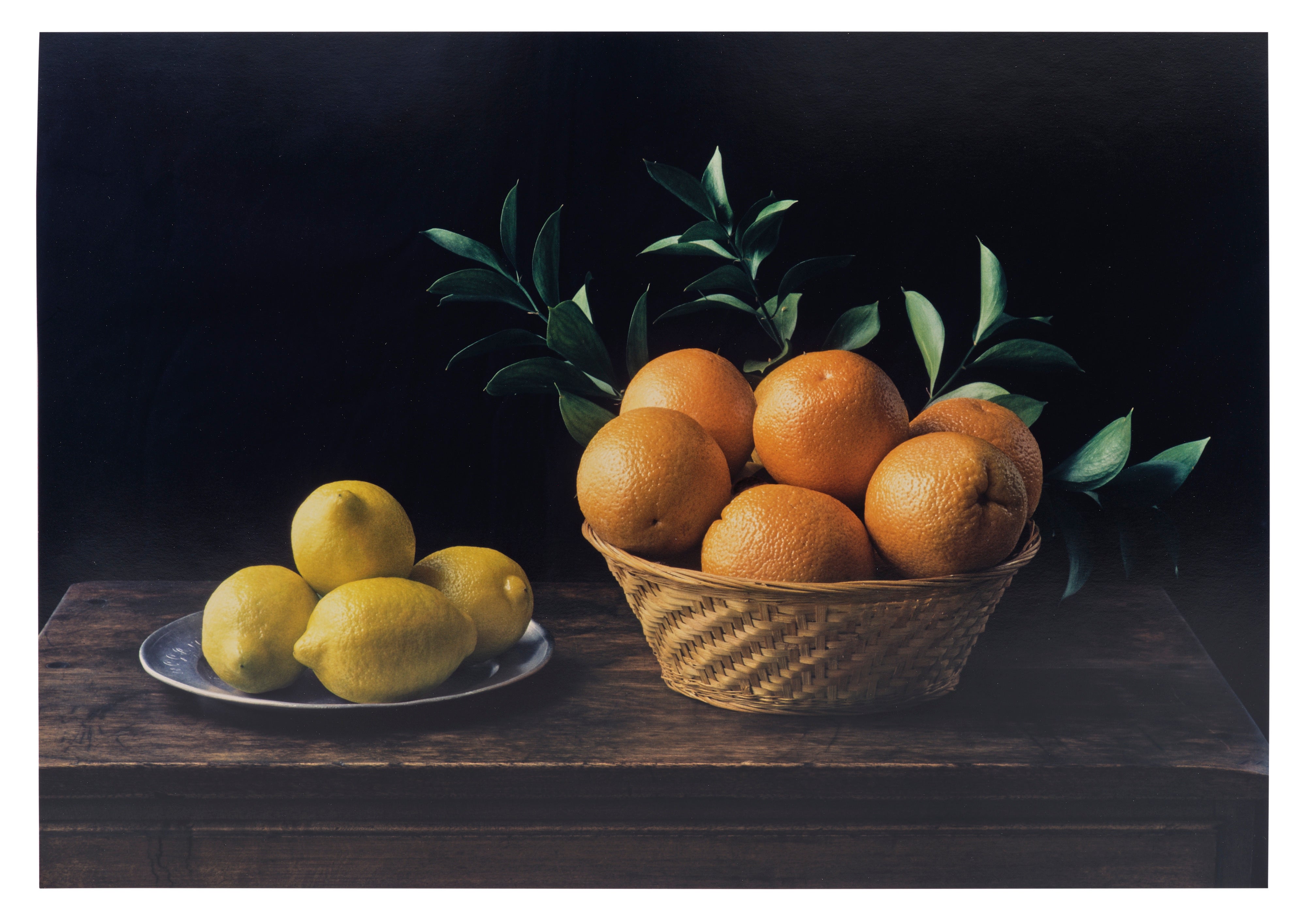
Evelyn Hofer
Still Life No. 6, Homage à Zurburán, New York
Y. captures the democratic spectacle of a beloved public space with warmth and compositional intelligence in equal measure. Little Italy, Mulberry Street, New York renders a neighborhood in the act of being itself, neither romanticized nor reduced. Dublin Sky, printed in 2005, demonstrates that even the most elemental subject becomes a statement of artistic intention in her hands.
And her portrait of Andy Warhol, a gelatin silver print from 1995, is one of the more psychologically complex images made of that notoriously surface obsessed figure. He appears, in her frame, as something interior and even vulnerable. For collectors approaching Hofer's work today, the dye transfer print is the object of central importance. This printing process, which Hofer used throughout her career, is extraordinarily labor intensive and produces colors of a luminosity and permanence that no other photographic process quite replicates.
The prints are physically beautiful objects, and they are also technically rare. Hofer oversaw her printing with exceptional care, and the works she produced in limited editions across the 1990s and 2000s represent the definitive form of her images. Collectors who respond to the tradition of Eugene Atget, Walker Evans, or Helen Levitt, photographers for whom the city is a text to be read with patience and love, will find in Hofer a natural companion. Her work also sits comfortably alongside that of Irving Penn, particularly his still life and portrait work, in collections oriented toward the intersection of photography and fine art craft.
Hofer's place within art history is now being redrawn with care and seriousness. She worked for decades in a photographic culture that was predominantly male and that tended to reward a certain kind of decisive moment street energy over the contemplative and the precisely constructed. Her work was the opposite of that aesthetic. It asked viewers to slow down, to look again, to accept that a long held gaze could yield more truth than a quick capture.
That quality of insistence is precisely what makes her photographs feel so contemporary now, in a visual culture saturated with speed and surface. Evelyn Hofer made photographs that require and reward stillness, and the collectors and institutions gathering her work today understand that this is not a minor virtue. It is the whole point.
Explore books about Evelyn Hofer