Edward Weston
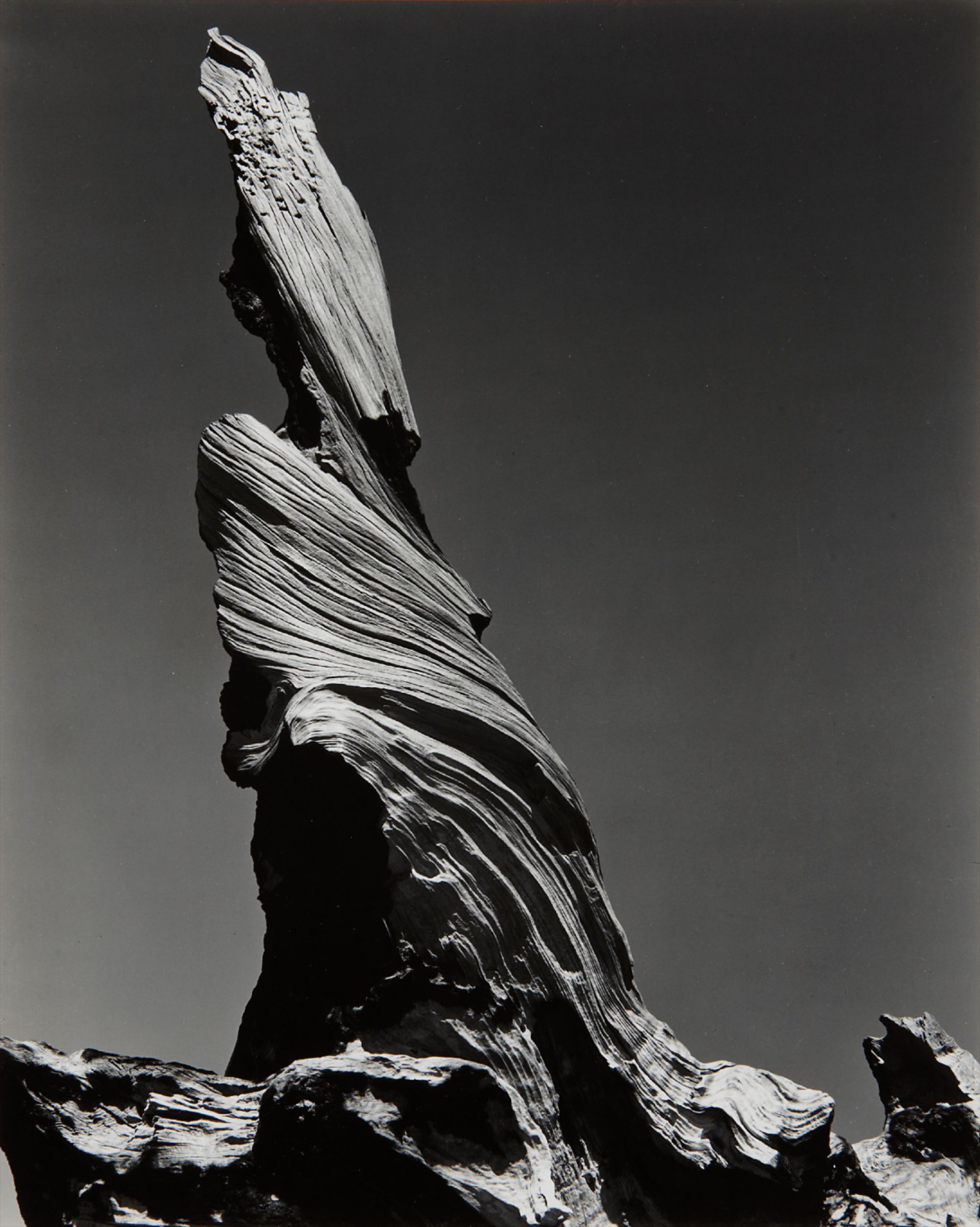
Edward Weston: Form Elevated to Pure Poetry
Artist Spotlight · The Collection Editorial
“Anything that excites me for any reason, I will photograph. Not searching for unusual subject matter, but making the commonplace unusual.”
Edward Weston, Daybooks
Stand before an original Edward Weston gelatin silver print and you will understand immediately why collectors and curators have spent decades in quiet competition for his work. The surface holds a luminous depth that reproduction can only approximate, a tonal range so precisely calibrated that pepper, shell, sand dune, and human form seem to exist in a universe governed entirely by light. The Getty Museum in Los Angeles, which holds one of the most significant collections of his prints and archival materials, has kept his legacy in active conversation with contemporary photography through ongoing exhibitions and scholarly programming, ensuring that Weston remains not a relic of modernist history but a living force in the way we understand the medium. Edward Weston was born in Highland Park, Illinois in 1886, the son of a physician, and received his first camera as a gift at the age of sixteen.
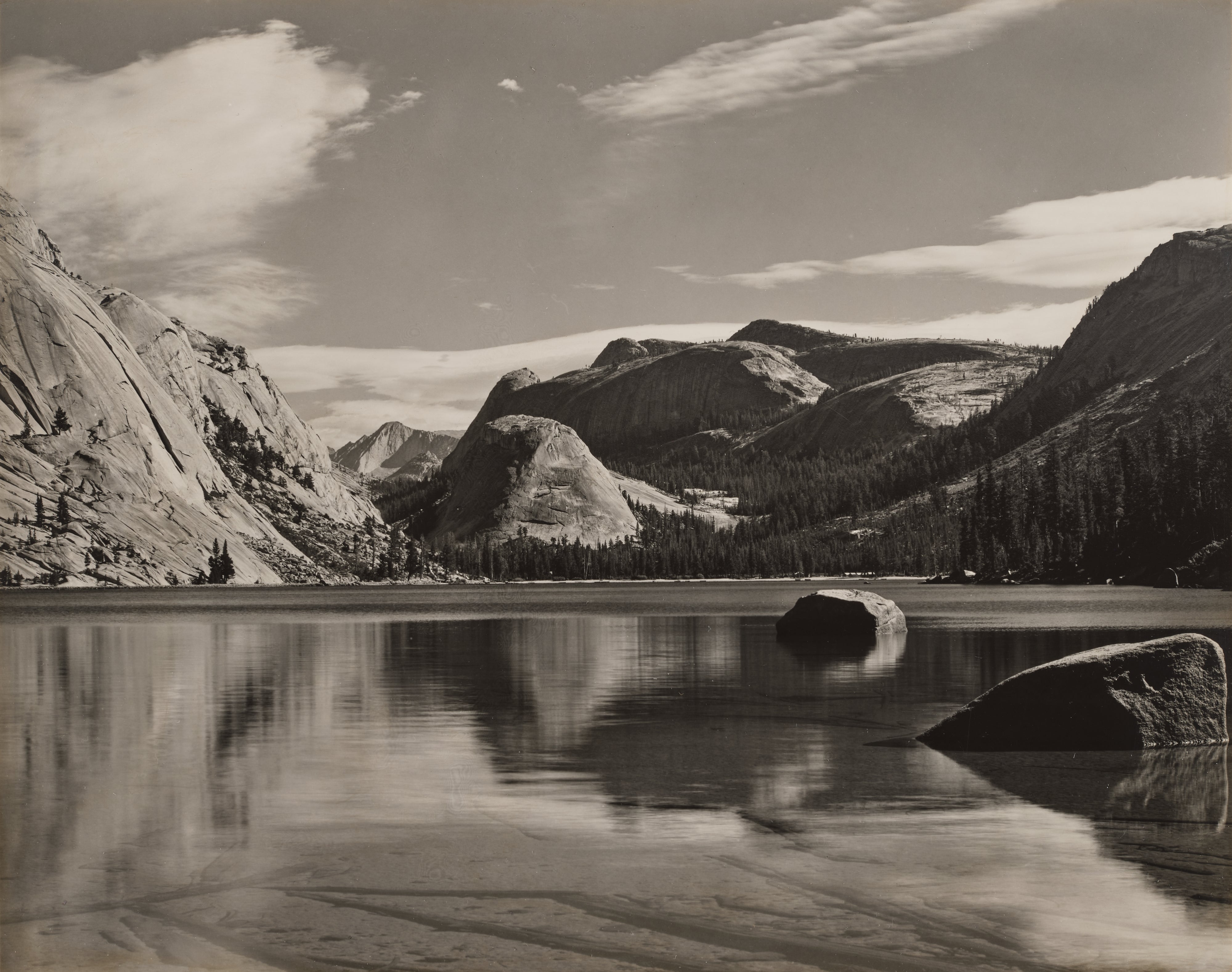
Edward Weston
Lake Tenaya, Sierra Nevada
That gesture proved consequential for American art history. He moved to California in 1906, settling eventually in the Los Angeles area, where he established a portrait studio in Tropico, later known as Glendale. The commercial work kept him solvent but never satisfied him, and from the earliest years of his practice he was pushing against the soft focus pictorialism that dominated fine art photography of the era. He looked instead toward something harder, cleaner, and more honest.
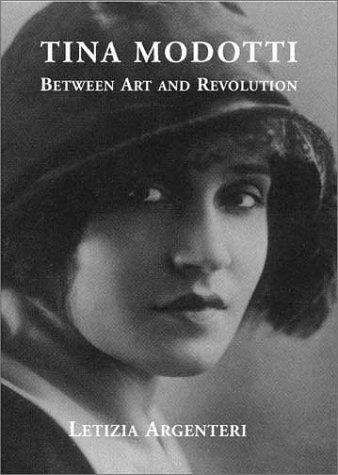
The decisive turn in Weston's artistic development came during his years in Mexico in the early 1920s, where he traveled with the photographer Tina Modotti and encountered a vibrant artistic community that included Diego Rivera and Jose Clemente Orozco. Mexico sharpened his eye and loosened his ambitions. He began photographing industrial forms, people, and architecture with a directness that felt radical at the time. By the time he returned to California and settled on the Carmel coast in 1929, he had assembled the philosophical and technical foundations of what would become one of the most distinctive bodies of work in the history of photography.
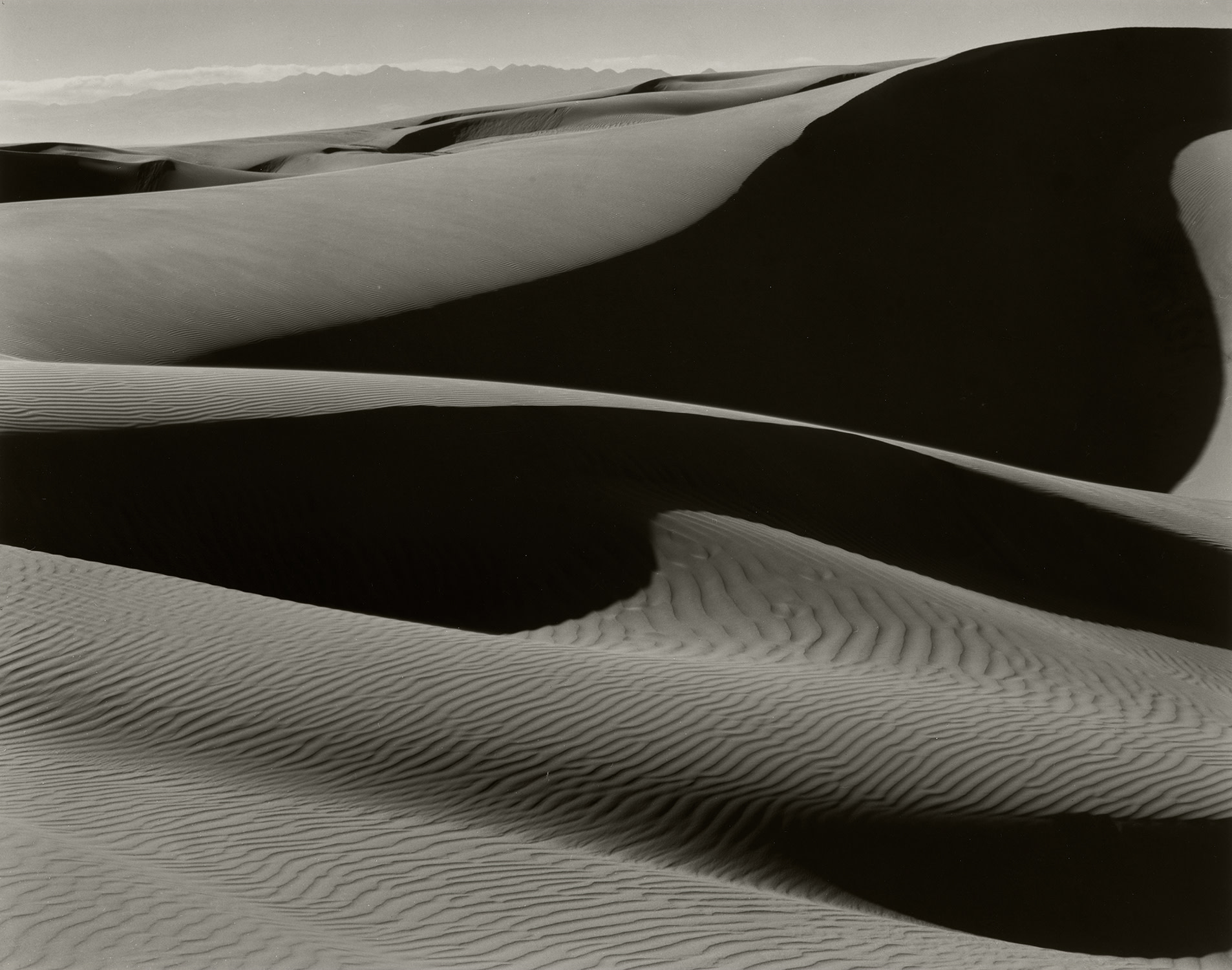
Edward Weston
Dunes, Oceano, California
He worked almost exclusively with an 8x10 inch view camera, a cumbersome instrument that demanded patience, precision, and absolute commitment to the moment of exposure. In 1932, Weston became a founding member of Group f/64, alongside Ansel Adams, Imogen Cunningham, and Willard Van Dyke, among others. The group took its name from the smallest aperture setting on a large format camera, the setting that produces the greatest depth of field and the sharpest possible image. Their manifesto was essentially a declaration of war against pictorialism and a demand that photography be recognized as a medium with its own aesthetic logic, rooted in clarity, detail, and an unflinching engagement with the subject as it actually exists.
“The camera should be used for a recording of life, for rendering the very substance and quintessence of the thing itself.”
Edward Weston
Weston's contribution to this movement was foundational, but his work always exceeded any manifesto. His close studies of vegetables, shells, rocks, and the human figure carried an almost erotic intensity, a sense that the camera had found in ordinary matter something sacred and uncontainable. The works available on The Collection span the remarkable breadth of Weston's vision. "Pepper No.
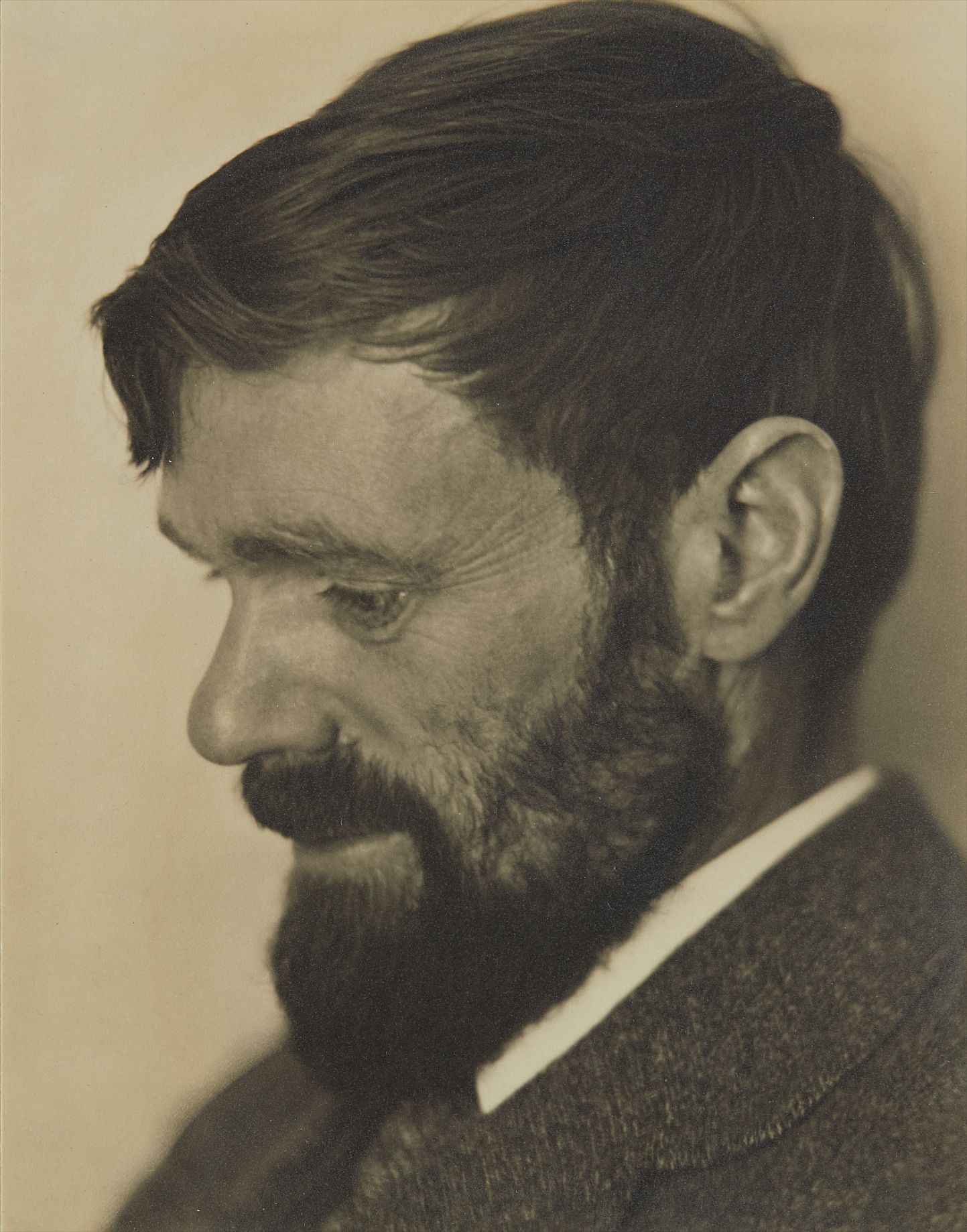
Edward Weston
D.H. Lawrence
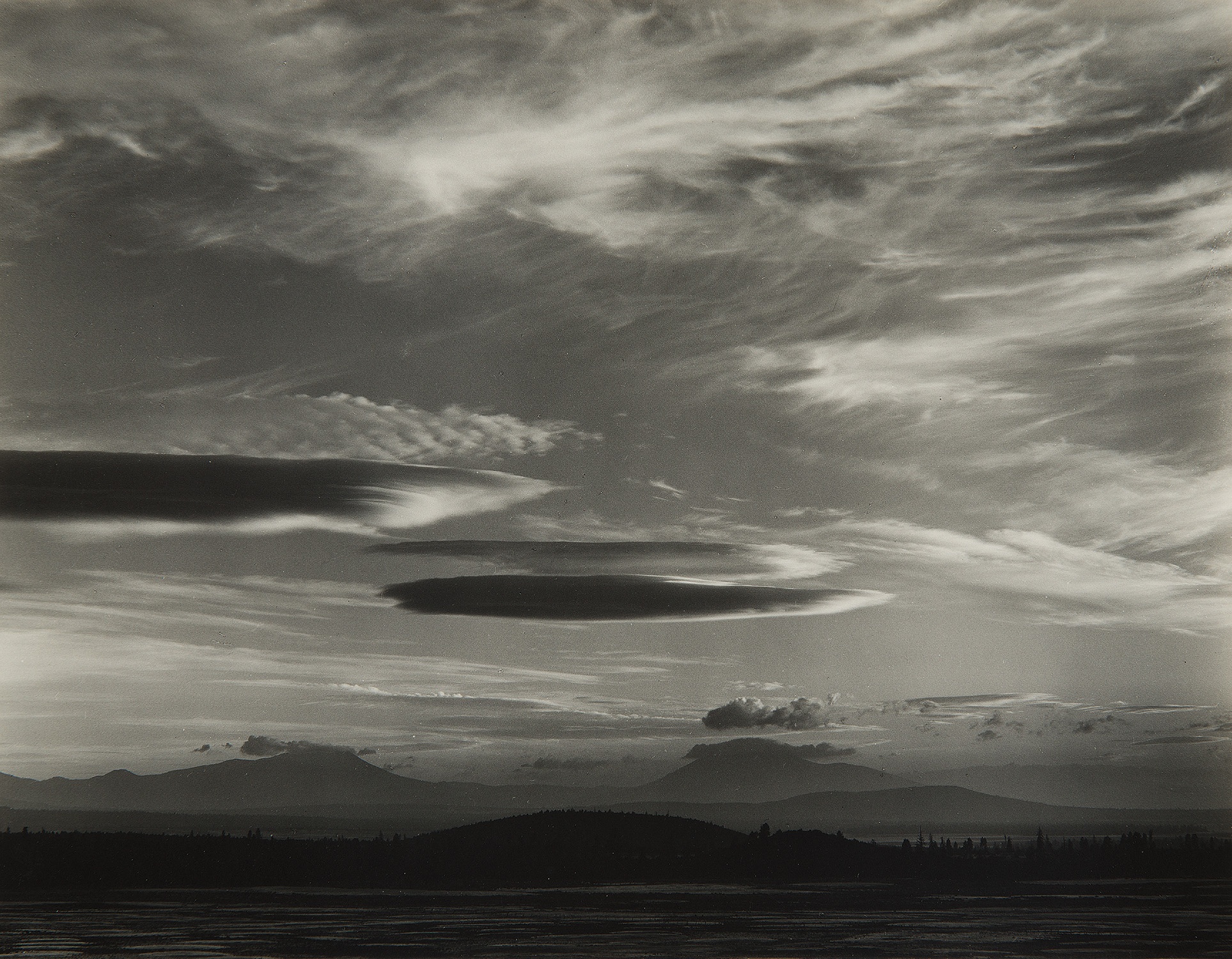
30," perhaps his most celebrated single image, transforms a vegetable into something resembling a reclining figure, its surface alive with shadow and reflected light. "Dunes, Oceano, California" captures the sculptural drama of the California coast with the same formal authority he brought to studio still lifes. "Shell" demonstrates his capacity to find in natural geometry an almost architectural grandeur. Landscapes such as "Lake Tenaya, Sierra Nevada" and "Mount Lassen National Park" show a Weston less often discussed, one deeply attentive to scale and wilderness, working in a register that complements rather than contradicts the intimacy of his close studies.
The portrait of D.H. Lawrence, a figure whose ideas about the body and nature resonated deeply with Weston's own sensibility, is a reminder of his gifts as a portraitist and his remarkable range of distinguished subjects. For collectors approaching Weston's market, several distinctions matter considerably.
Edward Weston
Mount Lassen National Park
Prints made during his lifetime and in his own darkroom carry the greatest historical and financial weight, but the later prints produced by his sons Brett and Cole Weston are themselves objects of serious collecting interest and represent a more accessible entry point into his legacy. Cole Weston printed many of Edward's negatives after his father's death in 1958, working with extraordinary fidelity to the original intentions documented in the elder Weston's meticulous notes. These later prints, clearly identified as such, allow collectors to engage with the full range of Weston's image making at price points that reflect their secondary status without diminishing their considerable visual and historical value. At major auction houses including Christie's and Sotheby's, Weston prints have achieved strong results over multiple decades, with his most iconic images consistently attracting competitive bidding from institutional and private buyers alike.
Weston's place in art history is best understood in relation to the broader project of American modernism. His work belongs in conversation with the photographs of Paul Strand, whose early turn toward abstraction and sharp focus paralleled Weston's own development. Alfred Stieglitz, whose gallery and journal Camera Work shaped the cultural ambitions of early American photography, provided an important institutional context even as Weston pursued a path distinctly his own. Among his Group f/64 colleagues, Ansel Adams became the more famous name in popular culture, but serious collectors and scholars have long understood that Weston's work operates in a register of intimacy and formal daring that Adams rarely approached.
Imogen Cunningham, another member of that circle, shared his interest in botanical and bodily form and represents an excellent parallel study for collectors building a coherent collection around this period. Edward Weston was diagnosed with Parkinson's disease in 1948 and made his last photographs that same year, a decade before his death in 1958. The fact that he worked at the highest level for more than four decades, continuously refining a practice built on slowness, attention, and the deepest possible engagement with his subjects, is itself a kind of artistic argument. In an era that increasingly prizes speed, volume, and the algorithmic image, his commitment to the single exposure, the carefully prepared negative, and the handcrafted print feels not nostalgic but urgently instructive.
To collect Weston is to make a statement about what photography can be when it is treated as an art of consequence, patience, and profound seeing.
Explore books about Edward Weston
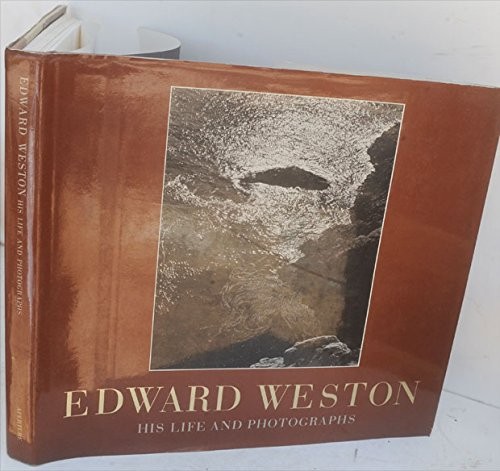
Edward Weston: His Life and Photographs
Ben Maddow
Edward Weston Photographs
Edward Weston
The Daybooks of Edward Weston
Edward Weston, Nancy Newhall (editor)
Edward Weston: A Legacy
Terence R. Pitts
Edward Weston and the Nude
James Enyeart

Weston's Nudes
Cole Weston, Beaumont Newhall
Edward Weston Omnibus: A Critical Anthology
Peter C. Bunnell (editor)

Edward Weston: Photography
Terence R. Pitts