Edward Steichen
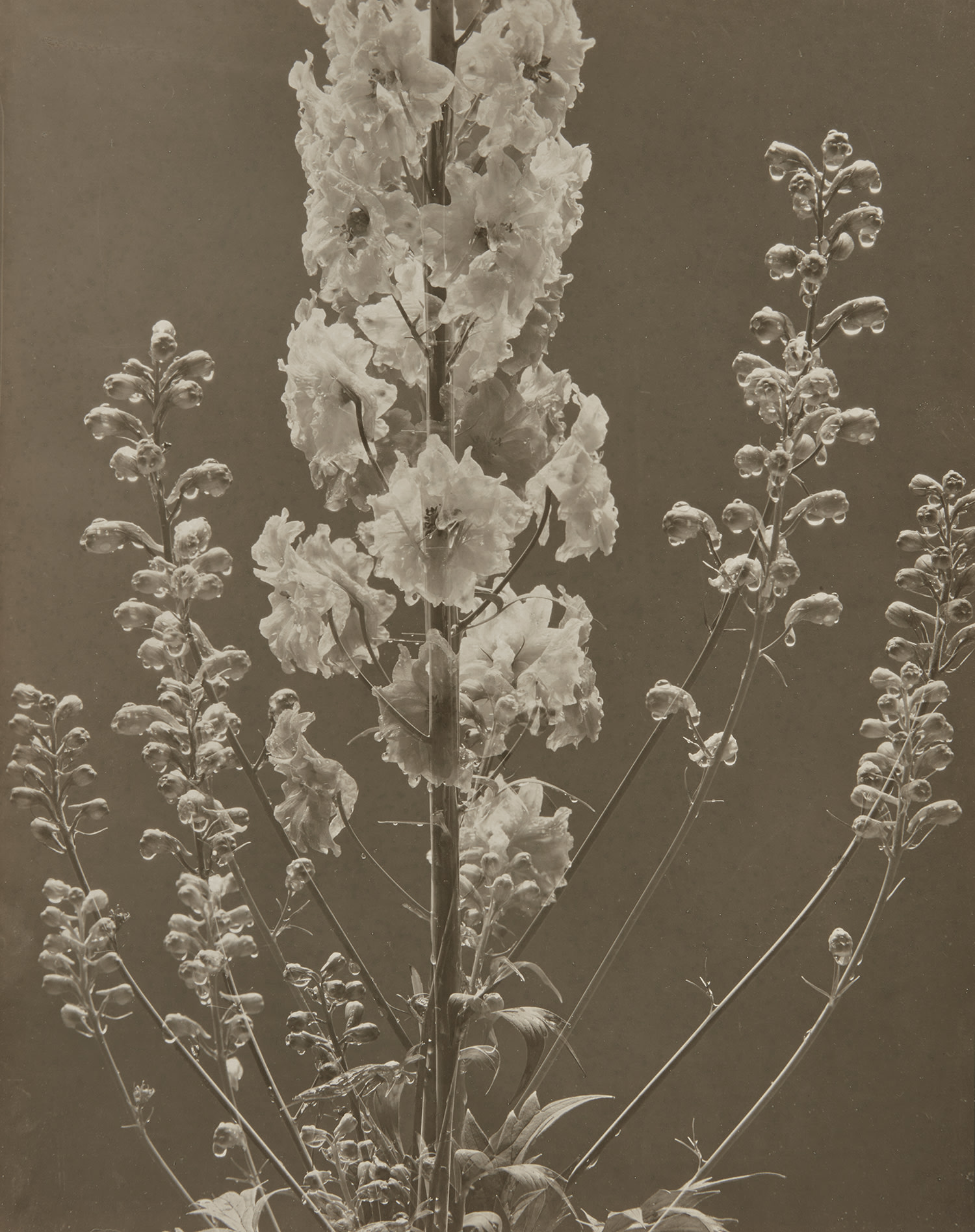
Edward Steichen: The Lens That Saw Everything
Artist Spotlight · The Collection Editorial
“Every other artist begins with a blank canvas, a piece of paper. The photographer begins with the finished product.”
Edward Steichen
In the spring of 1955, the Museum of Modern Art in New York unveiled an exhibition so ambitious it would become a defining cultural artifact of the twentieth century. 'The Family of Man,' curated by Edward Steichen and comprising 503 photographs drawn from 68 countries, drew nearly ten million visitors across its global tour and was later described by the United Nations Educational, Scientific and Cultural Organization as part of the Memory of the World Register. It was the culmination of a life spent insisting, with quiet and persistent conviction, that photography was not merely a mechanical record but a medium capable of profound human truth. That Steichen was already in his mid seventies when he mounted this achievement tells you everything about the arc of a career that refused to plateau.
Edward Steichen
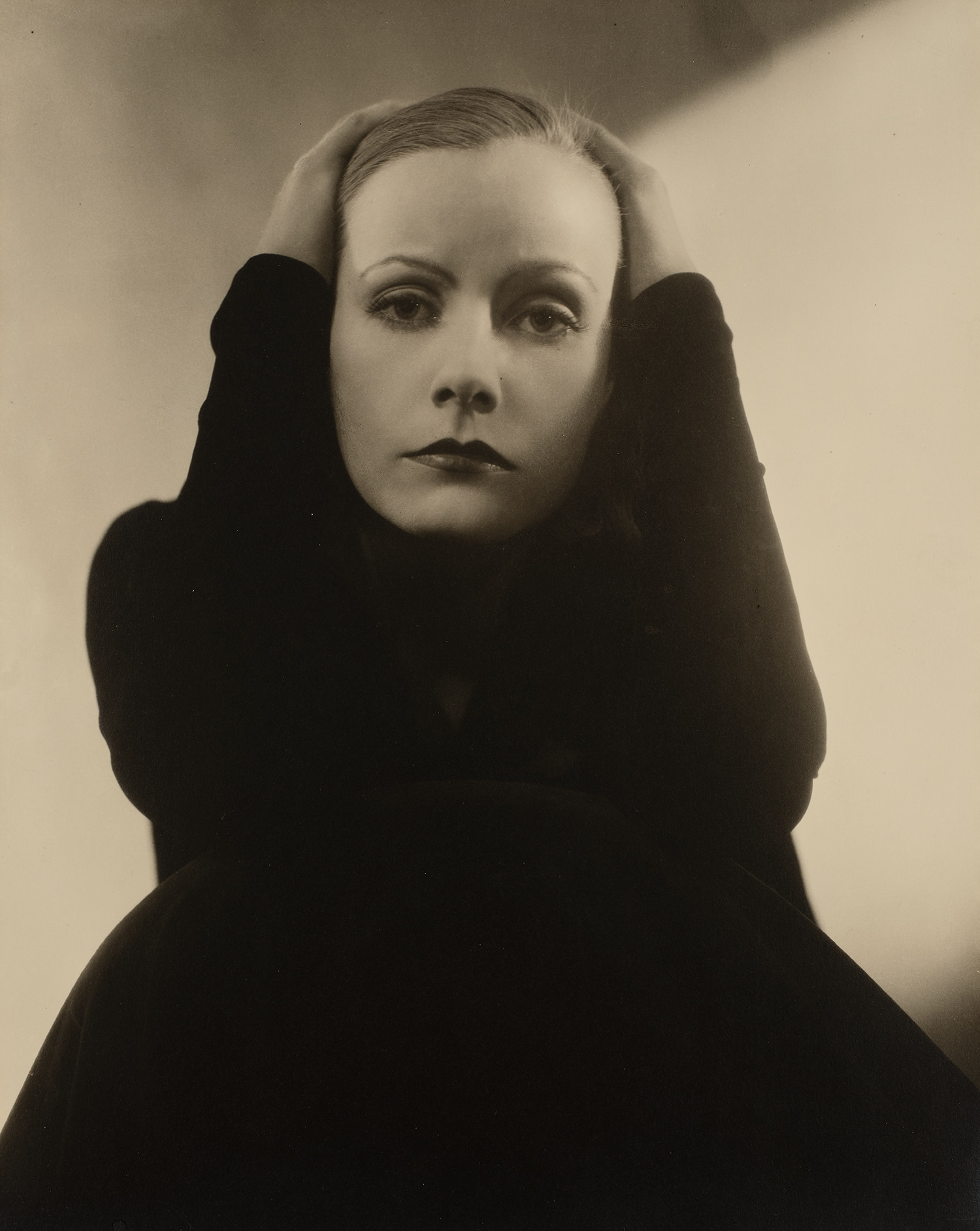
Greta Garbo, Hollywood, August
Edward Jean Steichen was born in Luxembourg in 1879 and emigrated with his family to the United States as a young child, eventually settling in Michigan. He came of age in Milwaukee, where he apprenticed as a lithographer while teaching himself to paint and photograph. These twin disciplines would remain in productive tension throughout his long life. By the time he was in his early twenties he had already attracted the attention of Alfred Stieglitz, the great champion of American modernism, who recognized in the young Steichen a sensibility both technically masterful and philosophically serious.
Their alliance would help reshape the conversation around what photography could be. Steichen became a founding member of the Photo Secession movement, the loosely organized group that Stieglitz convened in 1902 to advocate for photography as a legitimate fine art. Working in the Pictorialist tradition during his earliest phase, Steichen produced images of remarkable atmospheric density, soft in focus and rich in tonal gradation, that deliberately echoed the visual languages of Symbolism and Tonalism then prevalent in painting. His portraits and landscapes from this period feel almost like dreams committed to paper, luminous and fugitive at once.
Edward Steichen
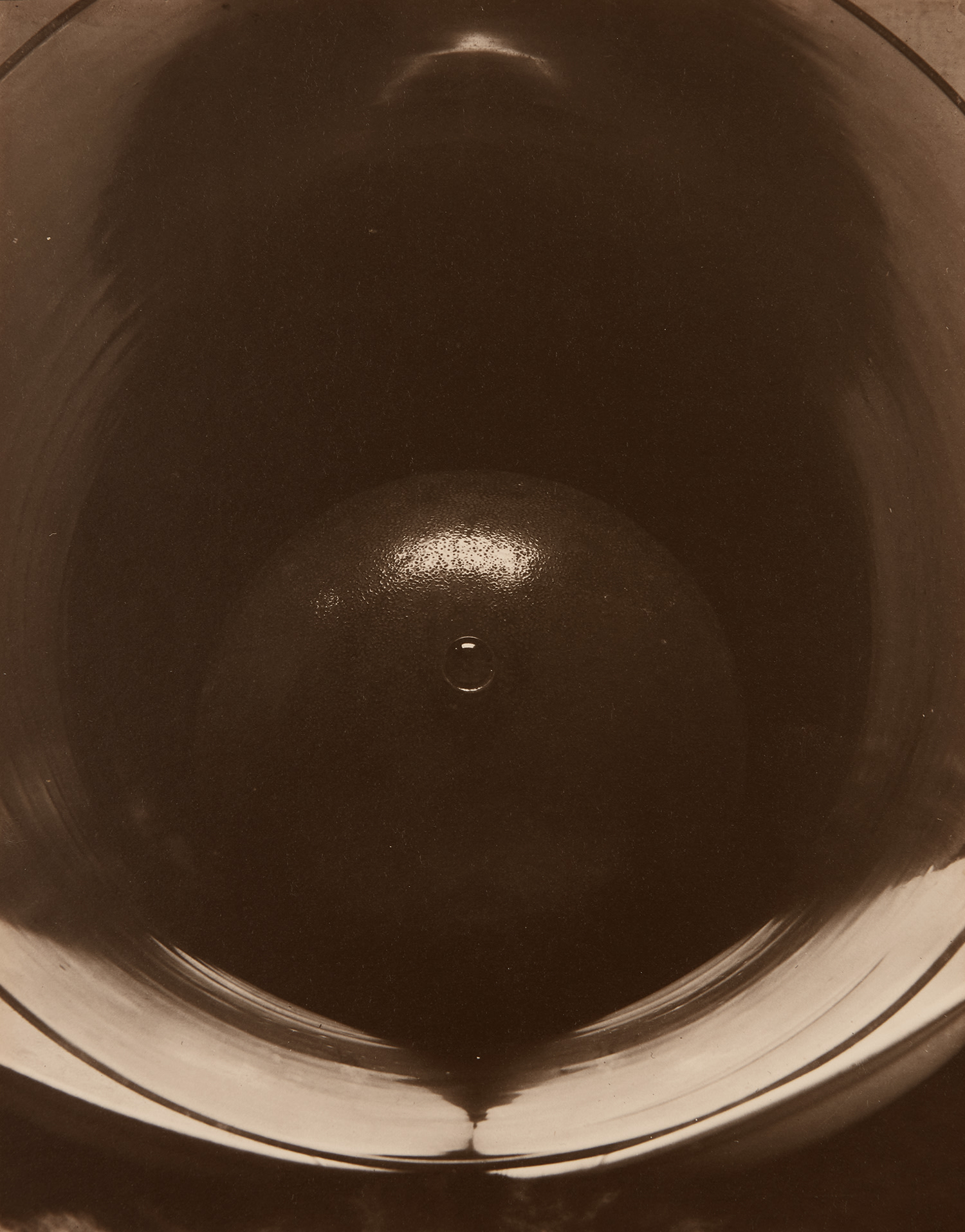
Harmonica Riddle
The 291 gallery on Fifth Avenue, which Stieglitz founded and Steichen helped to shape, became a crucible not only for photography but for introducing European modernism, including works by Rodin, Matisse, and Picasso, to American audiences. After serving as an aerial photography officer during the First World War, an experience that sharpened his technical precision and expanded his sense of photography's documentary power, Steichen underwent a significant artistic transformation. He destroyed a number of his early paintings, a dramatic gesture that signaled his full commitment to photography, and pivoted toward a cleaner, more modern visual language. The soft Pictorialist romanticism gave way to a sharper, more graphic sensibility attuned to the urgencies of modern commercial and editorial life.
“Photography records the gamut of feelings written on the human face, the beauty of the earth and skies that man has inherited.”
Edward Steichen, 'The Family of Man' catalogue, 1955
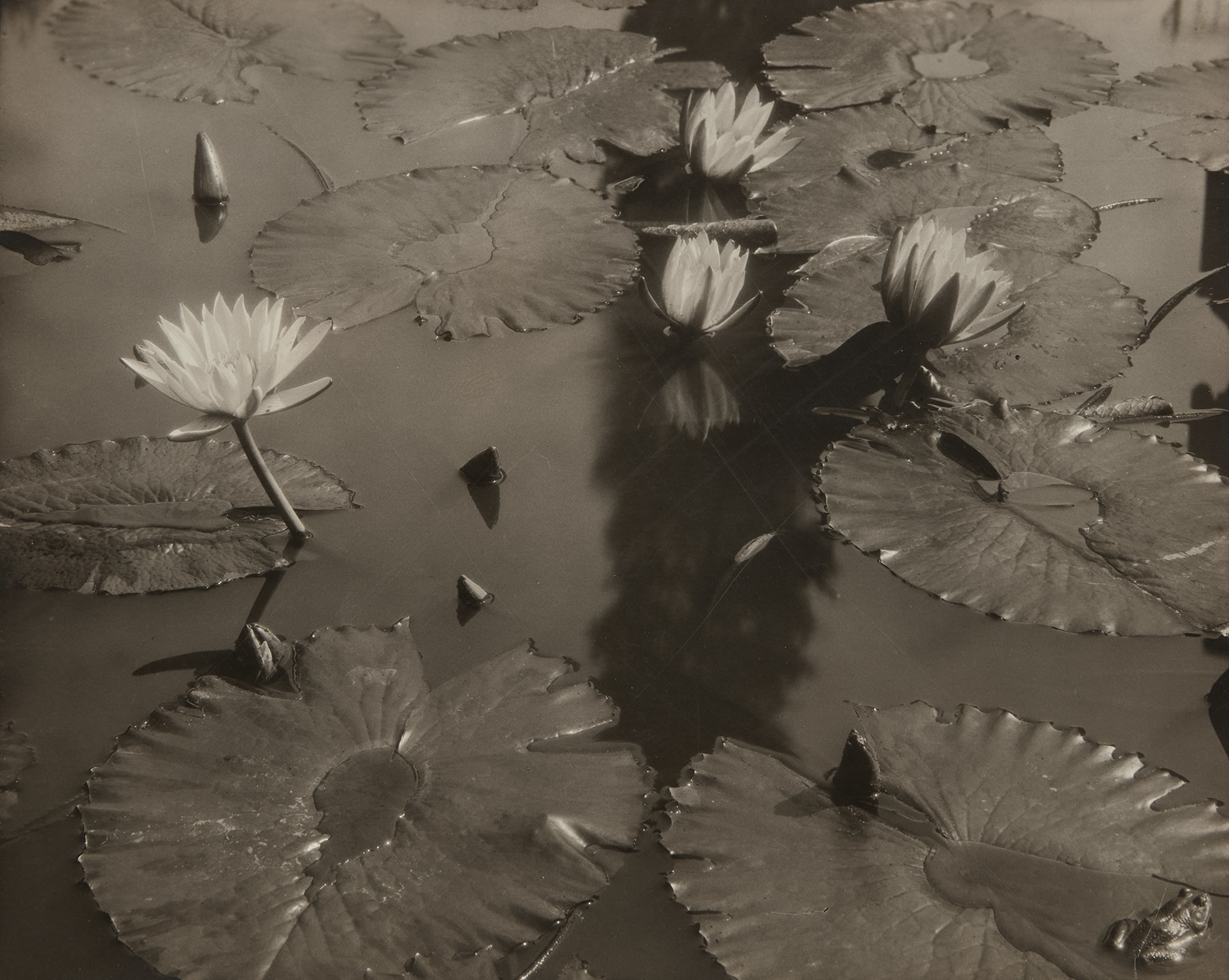
Through the 1920s and 1930s he worked as chief photographer for Condé Nast publications, producing portraits and fashion images for Vogue and Vanity Fair that set a new standard for elegance and psychological acuity in the magazine photograph. His portraits of Greta Garbo and Joan Crawford, both of which appear among the works available on The Collection, reveal not just beautiful faces but inner weather, a quality of interiority that separates Steichen's celebrity portraiture from mere glamour. The signature works Steichen left behind span an almost implausible range. His botanical studies, including his intimate and meditative images of delphiniums, lotuses, and sunflowers, such as the annotated 'Double Sunflower' bearing a pencil inscription from his close friend the poet Carl Sandburg, demonstrate a side of his practice that is contemplative and painterly, far removed from the flash of celebrity culture.
Edward Steichen
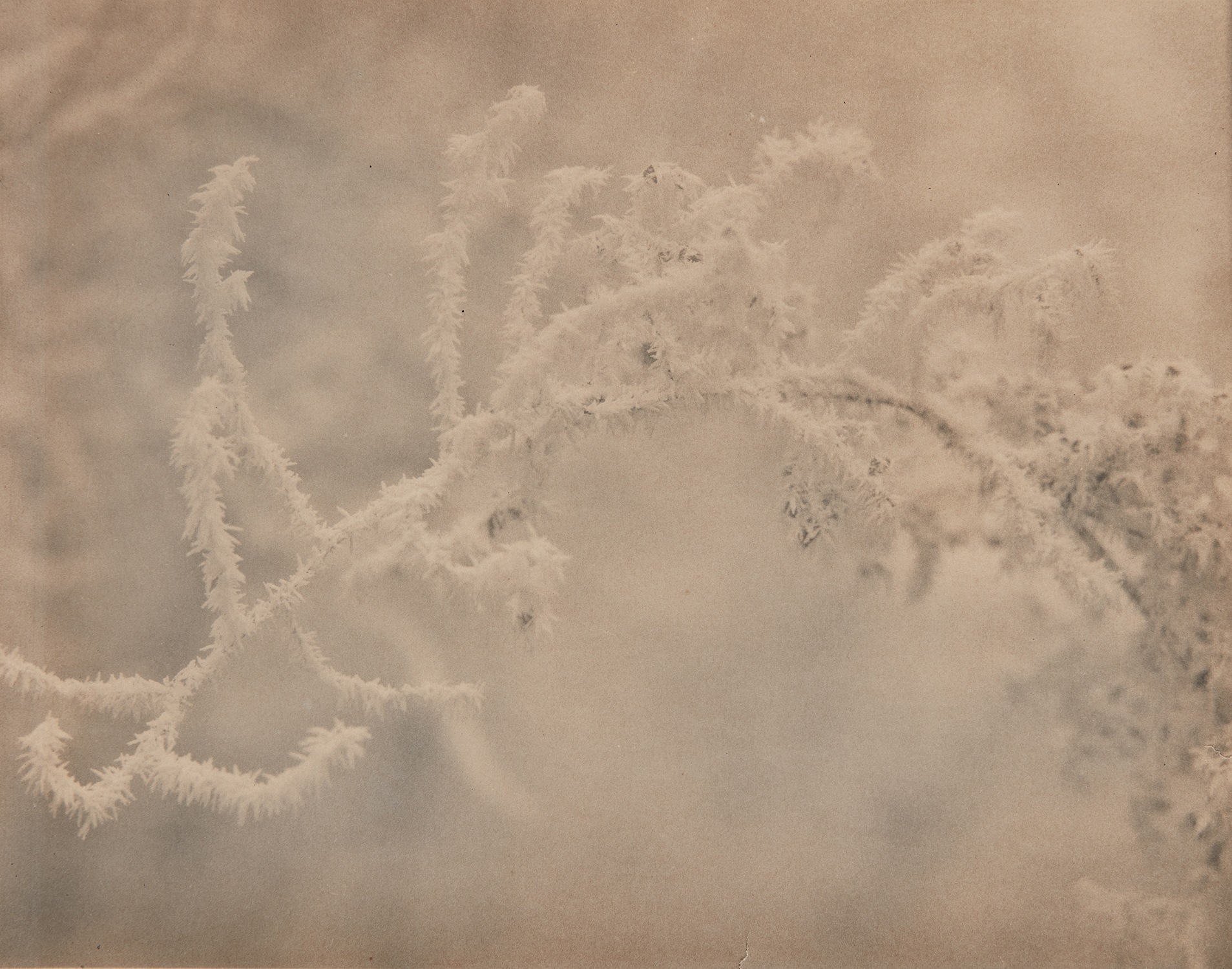
Snow Frost
His urban photographs, among them the moody and quietly modern '6th Ave. and 40th St.,' capture the texture of New York life with the eye of someone equally at home in the streets and the studio. Charlie Chaplin, photographed with that mixture of warmth and formal precision that is distinctively Steichen, becomes in his hands both an icon and a man.
What unites all of these works is the sense that Steichen was always genuinely interested in his subjects, never simply deploying them. For collectors, Steichen represents one of the most historically significant and aesthetically rewarding fields within twentieth century photography. Gelatin silver prints from his Condé Nast period, especially celebrity portraits in strong condition with documented provenance, command serious attention at auction and in the private market. Works from his botanical series attract collectors drawn to the intersection of modernist photography and natural history, while his urban studies appeal to those interested in the social documentary tradition.
Edward Steichen
Lotus
The diversity of his output means that a collection can be built around a single theme within his oeuvre or can represent the full breadth of his evolution as an artist. Because Steichen's prints were sometimes produced in later decades under careful supervision, understanding the print history of any given image is an important part of informed collecting, and works with clear edition and printing documentation carry a premium. Steichen's place within art history is most fully understood in relation to the photographers and image makers who surrounded and followed him. Alfred Stieglitz, his great early champion and sometime rival, shares with Steichen the credit for transforming how American culture understood the photographic medium.
Paul Strand brought a rigorous formalism to documentary work that ran parallel to Steichen's own formal development. Dorothea Lange and Walker Evans, working in the Farm Security Administration tradition, pursued documentary humanism in a register that Steichen's 'The Family of Man' helped to consecrate as high artistic purpose. In the fashion and portrait world, his influence on photographers such as Irving Penn and Richard Avedon, who inherited the Condé Nast visual culture Steichen helped to build, is difficult to overstate. Steichen lived and worked until 1973, dying at the age of 93 with his reputation not only intact but still expanding.
The length of his life meant he was able to witness photography's full ascent into the institutional mainstream of the art world, a transformation he had done more than almost anyone else to bring about. Museums, universities, and private collectors continue to seek out his work because it occupies a singular position: rigorous enough to satisfy the most demanding formal criteria, yet warm and human enough to move anyone who stands before it. To collect Steichen is to hold a piece of the argument that photography won, the argument that the camera, in the right hands, is as capable of beauty and meaning as any brush or chisel ever made.
Explore books about Edward Steichen
A Life in Photography
Edward Steichen
The Steichen Collection at the Metropolitan Museum of Art
Maria Morris Hambourg
Edward Steichen: The Early Years
Therese Thau Heyman

Steichen: A Life
Todd Brandow
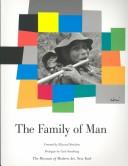
The Family of Man
Edward Steichen
Edward Steichen: 1879-1973
Pierre Borhan
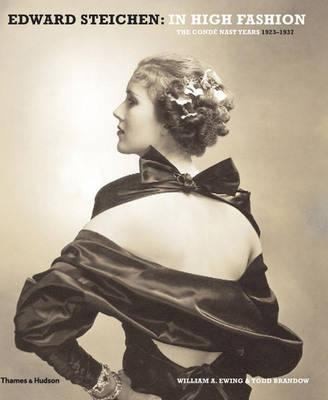
Steichen: In High Fashion
William A. Ewing
Edward Steichen Photographs
Lillian Bassman