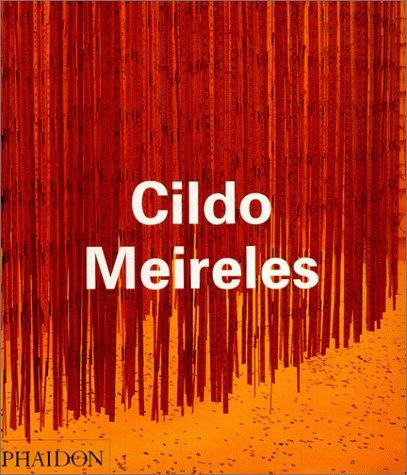
Cildo Meireles
Cildo Meireles: Art That Changes Everything
Artist Spotlight · The Collection Editorial
“Art is a form of language. It can reach people in ways that other forms of communication cannot.”
Cildo Meireles
Few living artists can claim to have genuinely altered the course of contemporary art, but Cildo Meireles is emphatically one of them. In 2008, the Tate Modern in London mounted a landmark retrospective of his work, a thunderous affirmation of his position among the most intellectually daring and politically charged artists of the twentieth and twenty first centuries. That exhibition drew vast audiences who encountered, perhaps for the first time, an artist capable of turning the most ordinary objects into instruments of revelation. The experience of standing inside his towering installation Babel, surrounded by hundreds of stacked radios all broadcasting simultaneously at low volume, is one that visitors have described as genuinely transformative.
Cildo Meireles
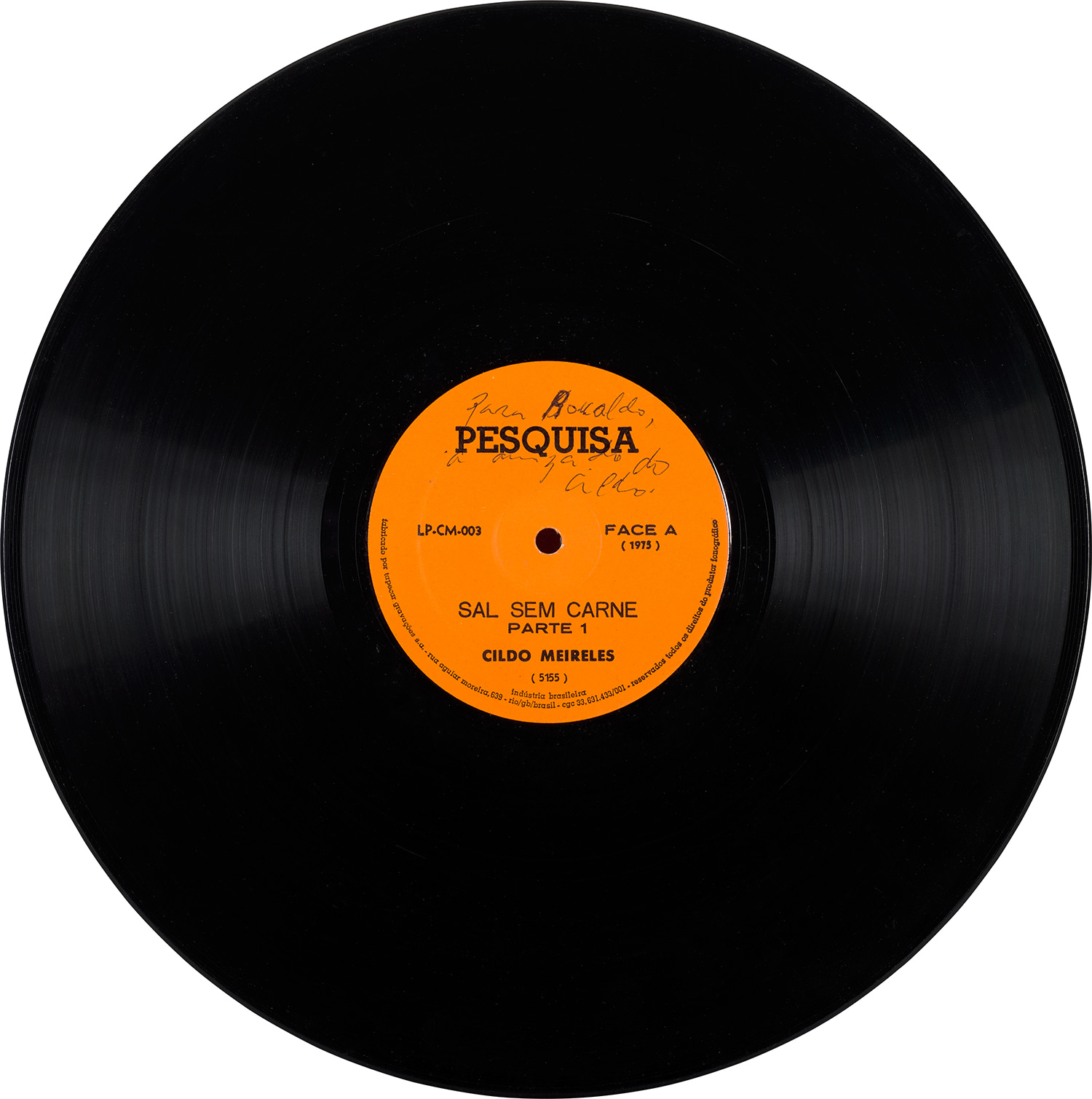
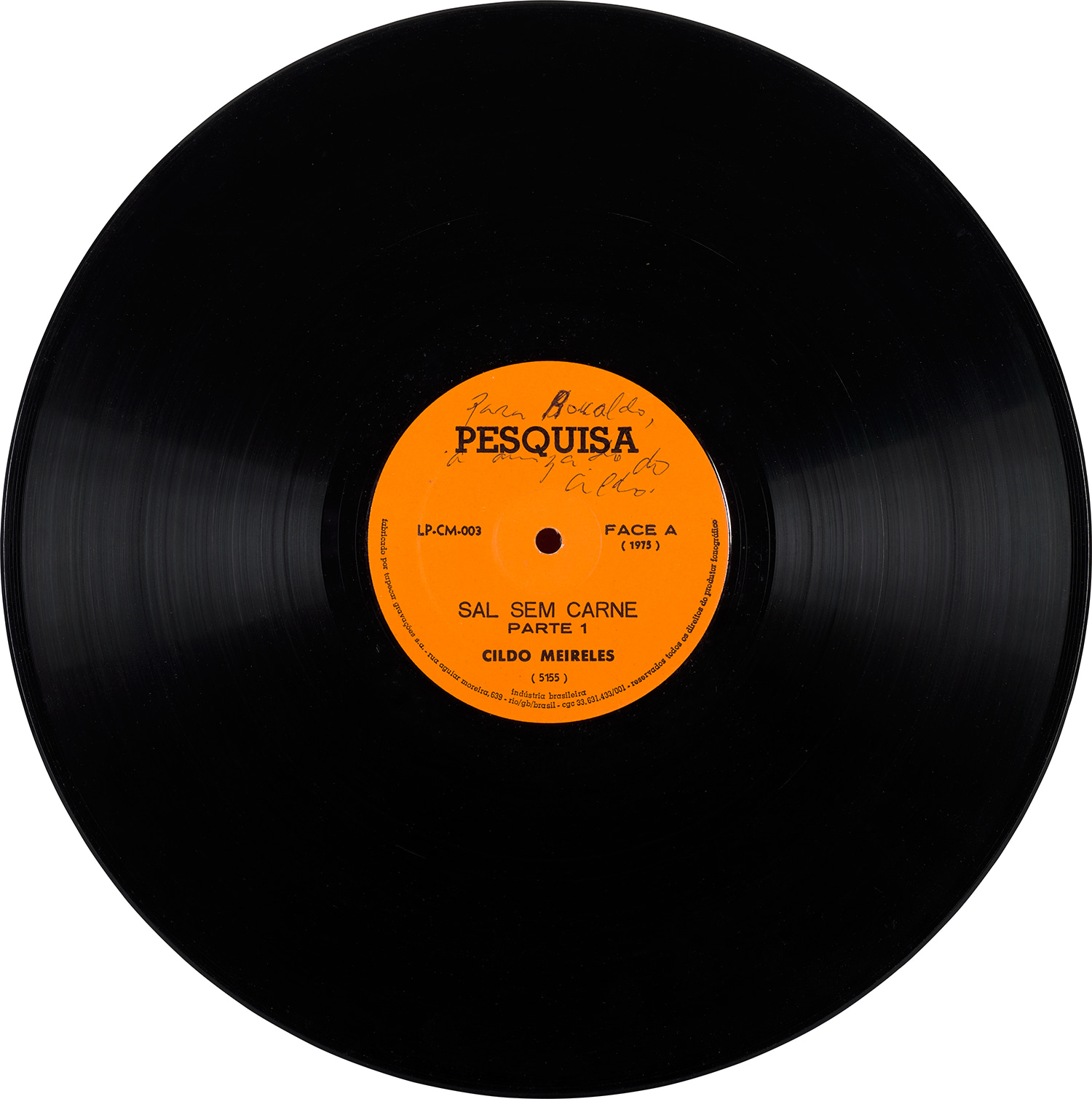
Sal Sem Carne (Salt Without Meat)
It is the kind of art that does not simply ask to be looked at. It asks to be inhabited. Cildo Meireles was born in Rio de Janeiro in 1948, though he spent formative years in Brasília, a city then being conjured from raw earth and modernist ambition. Growing up against that backdrop of constructed ideology, of a nation literally building itself a new identity, gave Meireles an acute sensitivity to the ways in which power shapes space, language, and the objects of everyday life.
He studied at the Escola Nacional de Belas Artes in Rio de Janeiro in the mid 1960s, arriving just as Brazil was convulsing under military dictatorship. The authoritarian government that took power in 1964 cast a long shadow over intellectual and creative life, and for Meireles, as for many of his generation, art became a mode of resistance as much as expression. His development as an artist in the late 1960s and early 1970s was rapid and electrifying. He became associated with the broader wave of Brazilian conceptualism emerging at the time, a movement that engaged deeply with the ideas circulating internationally around Arte Povera, Fluxus, and institutional critique, while remaining fiercely rooted in Brazilian social reality.
Cildo Meireles
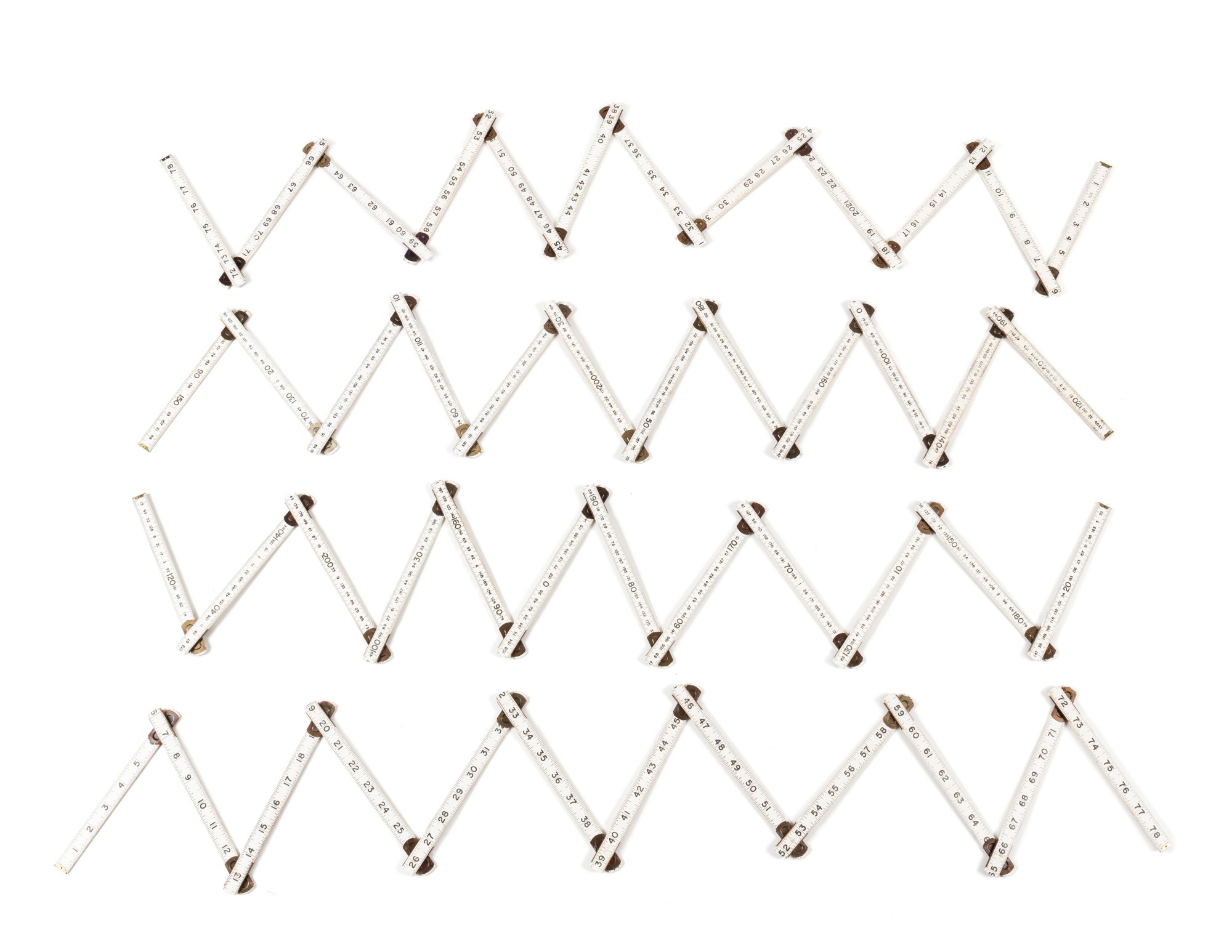
4 Fontes carpenter Meters, 1992
Meireles was never content to import foreign frameworks wholesale. Instead, he forged something wholly original, using the materials and circuits of daily life to smuggle dissent into places where official culture could not easily follow. His relationship with contemporaries such as Hélio Oiticica and Lygia Clark was significant, all three grappling with how art could move off the wall and into the bodies and minds of those who encountered it, though Meireles carved out his own distinct intellectual territory. The work that first brought him international attention was the Insertions into Ideological Circuits series, begun in 1970.
The audacity of the project remains breathtaking. Meireles stamped subversive messages and images onto Coca Cola bottles and banknotes and then returned those objects to circulation, allowing them to travel invisibly through the economic and commercial systems he was critiquing. The bottles asked: Yankees Go Home. The banknotes questioned the nature of value itself.
Cildo Meireles
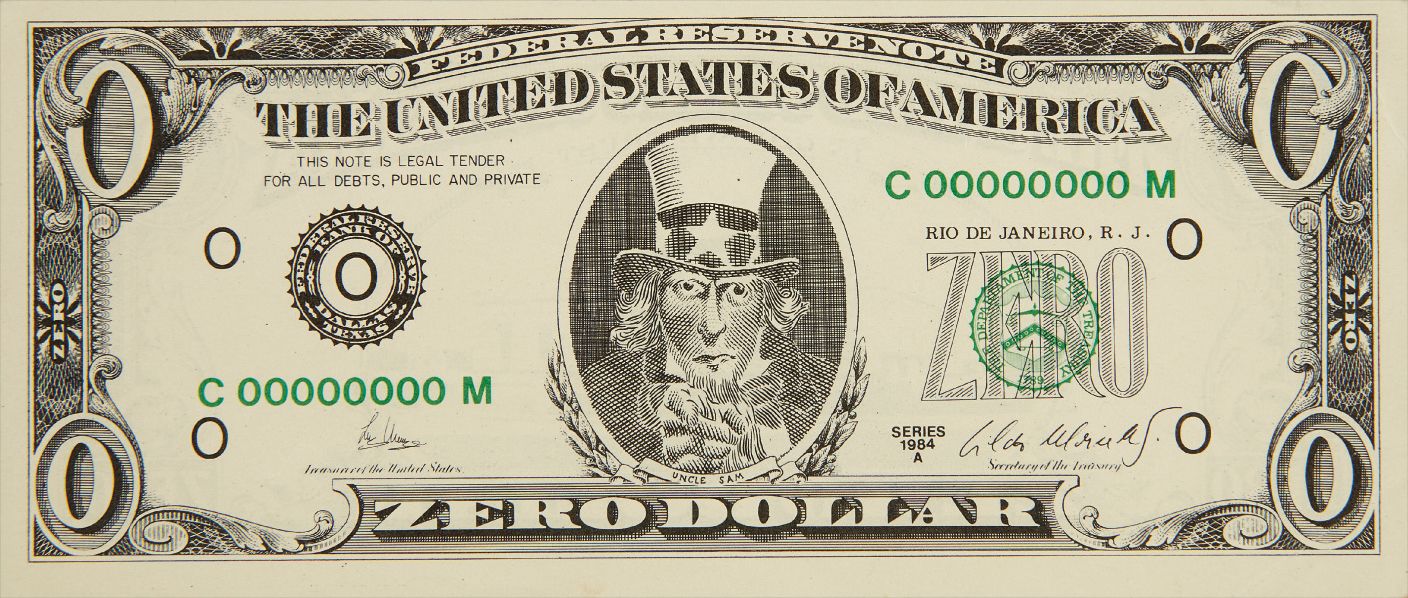
Zero Dollar
These were not gallery objects in any conventional sense. They were interventions, small viruses of meaning introduced into the bloodstream of capitalist exchange. The Zero Dollar, one of the most celebrated works to emerge from this thinking, extends that inquiry in a form that collectors have treasured ever since. An offset lithograph presenting a banknote of zero monetary denomination, it is both joke and philosophical proposition, asking with perfect economy what money really represents and who controls that representation.
The Fontes works, including the remarkable Fontes from 1992 and the Bauhaus Version of the same year, demonstrate another dimension of Meireles at his most concentrated. These carpenter meter rulers, arranged and altered with quiet precision, carry the weight of his ongoing investigation into measurement, standardization, and the systems human beings use to impose order on the world. There is something almost tender about these works alongside their cool conceptual rigor. They suggest that the tools we use to define reality are themselves constructions, contingent and contestable.
Cildo Meireles
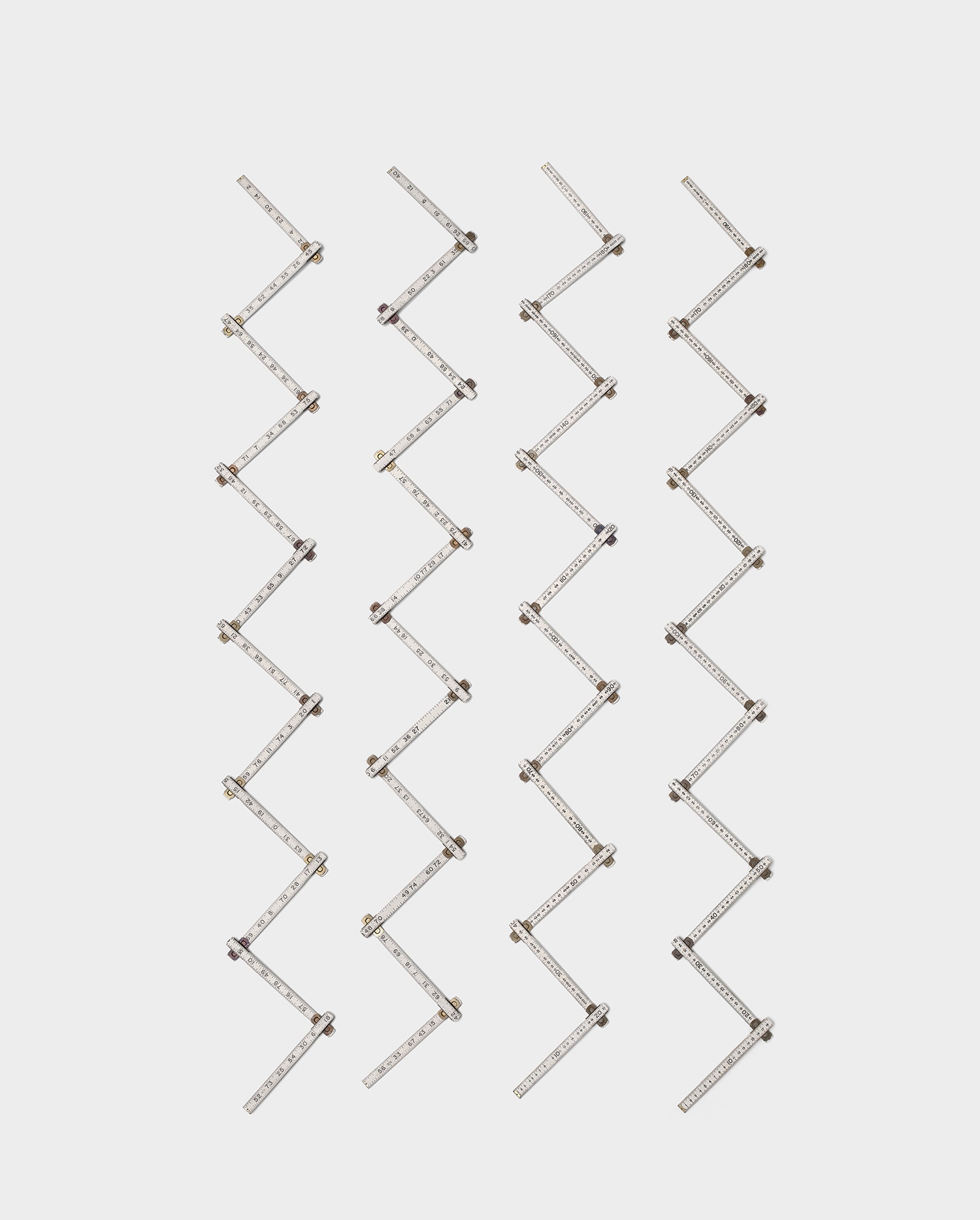
Mètres (Sources), 1989
The 1989 work Mètres (Sources) occupies similar conceptual ground, and together these pieces form a coherent body of thought that rewards sustained attention from any serious collector. Sal Sem Carne, his extraordinary sound piece released as a vinyl LP, extends his practice into the acoustic realm, demonstrating the remarkable range of a sensibility that refuses to be confined to a single medium or register. For collectors, Meireles represents a genuinely rare combination of art historical importance and continued vitality. His works on paper and multiples, including the Zero Dollar prints and the Insertions into Ideological Circuits documentation, offer accessible entry points into a practice that also encompasses large scale installation and sculpture at the very highest level of the international market.
Auction results at Christie's and Sotheby's over the past decade have reflected growing global demand, with major works achieving prices that confirm his status as a canonical figure. Yet there remains a sense among informed collectors that the market has not yet fully caught up with his critical standing, particularly for the multiples and smaller scale works, which offer exceptional value relative to their historical significance. The Ouro e paus: Engradados (Wood and Gold: Crates) work exemplifies the way Meireles can load a simple, almost architectural form with layers of economic and colonial meaning, making it simultaneously beautiful and deeply unsettling. The artists with whom Meireles is most productively compared include his Brazilian contemporaries Hélio Oiticica and Lygia Clark, as well as international figures such as Hans Haacke, whose institutional critique operates with a similarly forensic intelligence, and Joseph Kosuth, with whom he shares an interest in language and the foundations of meaning.
But comparisons only go so far. Meireles has a quality of sensory generosity, a willingness to make the viewer feel as well as think, that distinguishes him from more austerely conceptual practices. His large installations in particular achieve something close to the sublime, enveloping the audience in carefully orchestrated experiences of sound, light, and material that linger long after leaving the gallery. The legacy of Cildo Meireles is still being written, which is itself a remarkable fact for an artist now in his mid seventies.
His work continues to be exhibited at the world's most significant institutions, collected by major museums on every continent, and studied by successive generations of artists and scholars who find in it an inexhaustible resource. He proved that art made from the margins of the global art world, from Brazil rather than New York or Düsseldorf, could speak with universal authority and local specificity at the same time. In an era when questions of power, value, language, and resistance feel as urgent as ever, his art does not merely remain relevant. It feels newly necessary.
Explore books about Cildo Meireles