Carlos Amorales
Carlos Amorales Makes the World Speak Again
Artist Spotlight · The Collection Editorial
When the Tate Modern opened its doors to the swirling, darkened spectacle of Carlos Amorales's Black Cloud installation, something remarkable happened to the audience. Thousands of black paper moths filled the gallery space, suspended in mid flight, cascading from ceiling to floor in a formation that felt simultaneously menacing and deeply beautiful. The work was not simply an art object but a living proposition, a question posed to every visitor about the fragile boundary between presence and absence, between language and its dissolution. That moment crystallized what collectors and curators across Europe and the Americas had been sensing for years: Amorales is one of the most genuinely original voices to emerge from the Mexican contemporary art scene in the past three decades.
Carlos Amorales
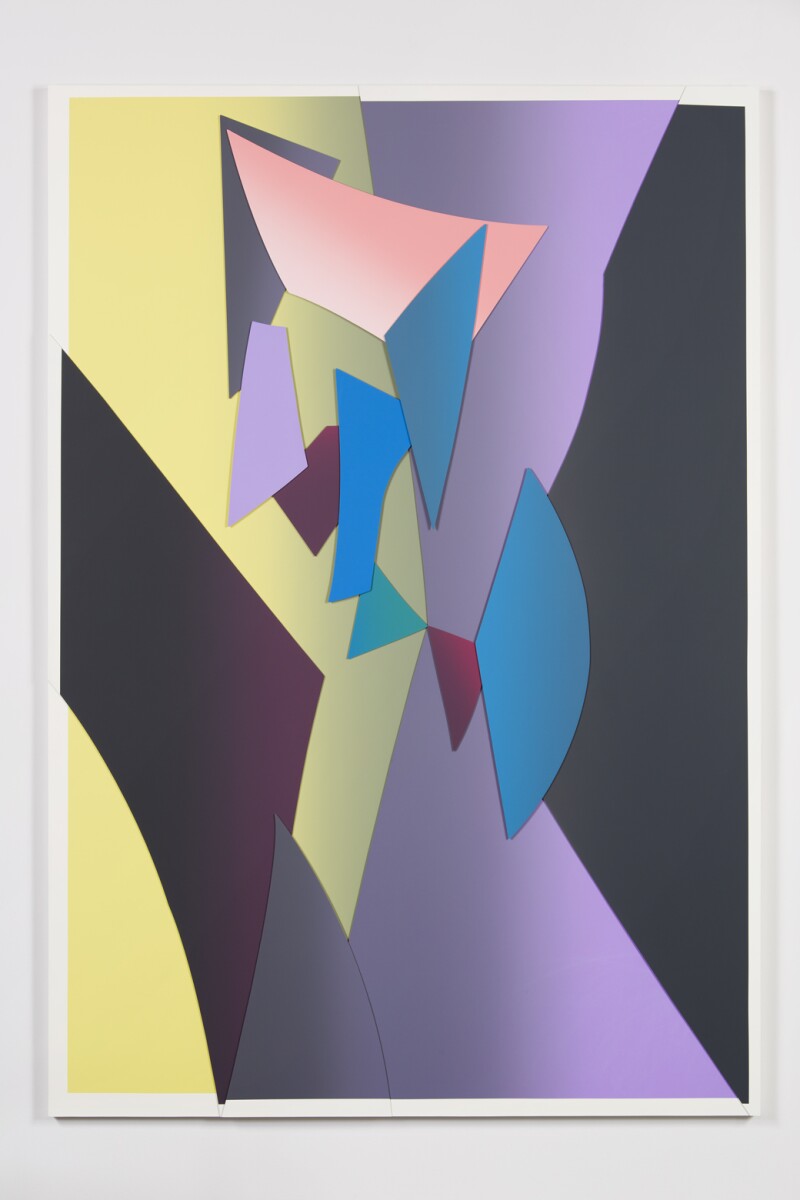
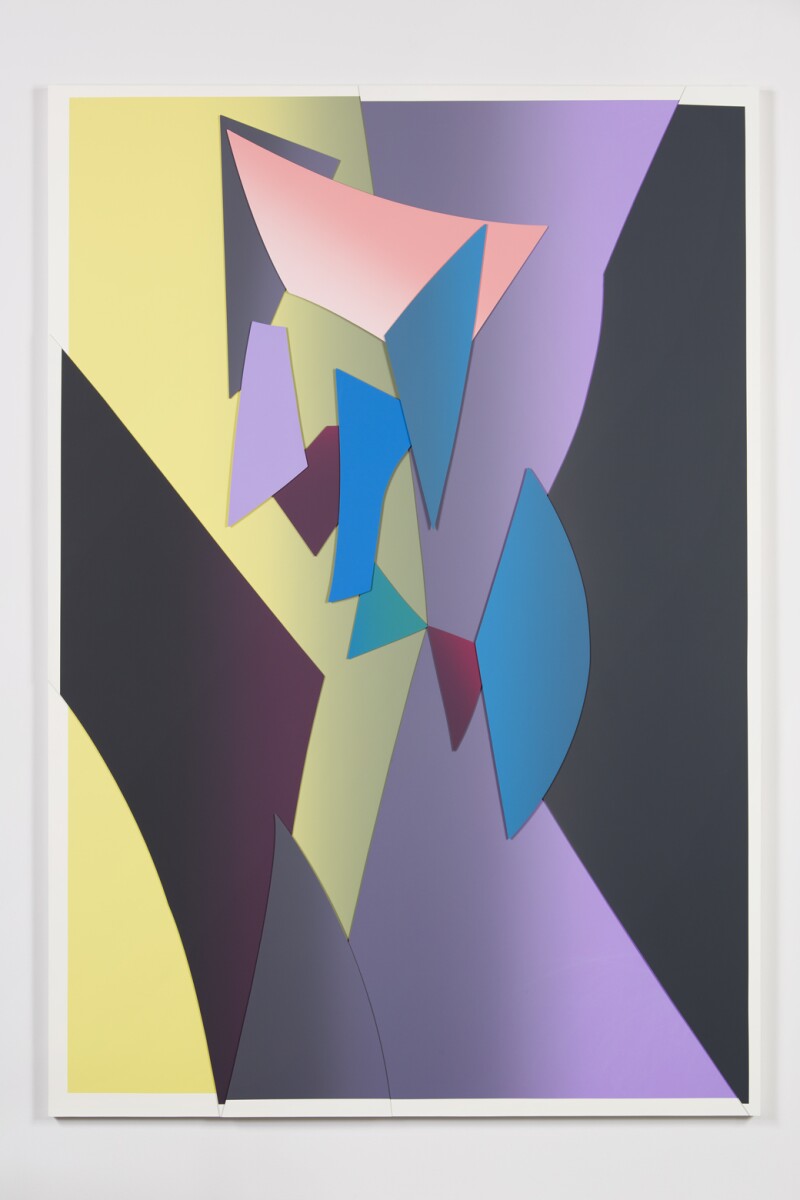
El esplendor geométrico 5, 2015
Carlos Amorales was born in Mexico City in 1970, a fact that carries considerable weight when understanding the cultural inheritance he has spent his career both embracing and interrogating. Mexico City in that era was a place of extraordinary creative ferment, where pre Columbian memory, Spanish colonial architecture, the muralist legacy of Rivera and Orozco, and the urgent pressures of a rapidly modernizing metropolis all competed for attention on the same city block. Growing up surrounded by that density of visual and cultural information, Amorales developed an early instinct for the image as something layered, contested, and charged with meanings that exceed what the eye first registers. He later pursued formal art education, spending significant time in the Netherlands at the Rijksakademie van beeldende kunsten in Amsterdam, an institution that has shaped a remarkable number of internationally significant artists and that gave Amorales both rigorous critical grounding and an international network that proved essential to his subsequent career.
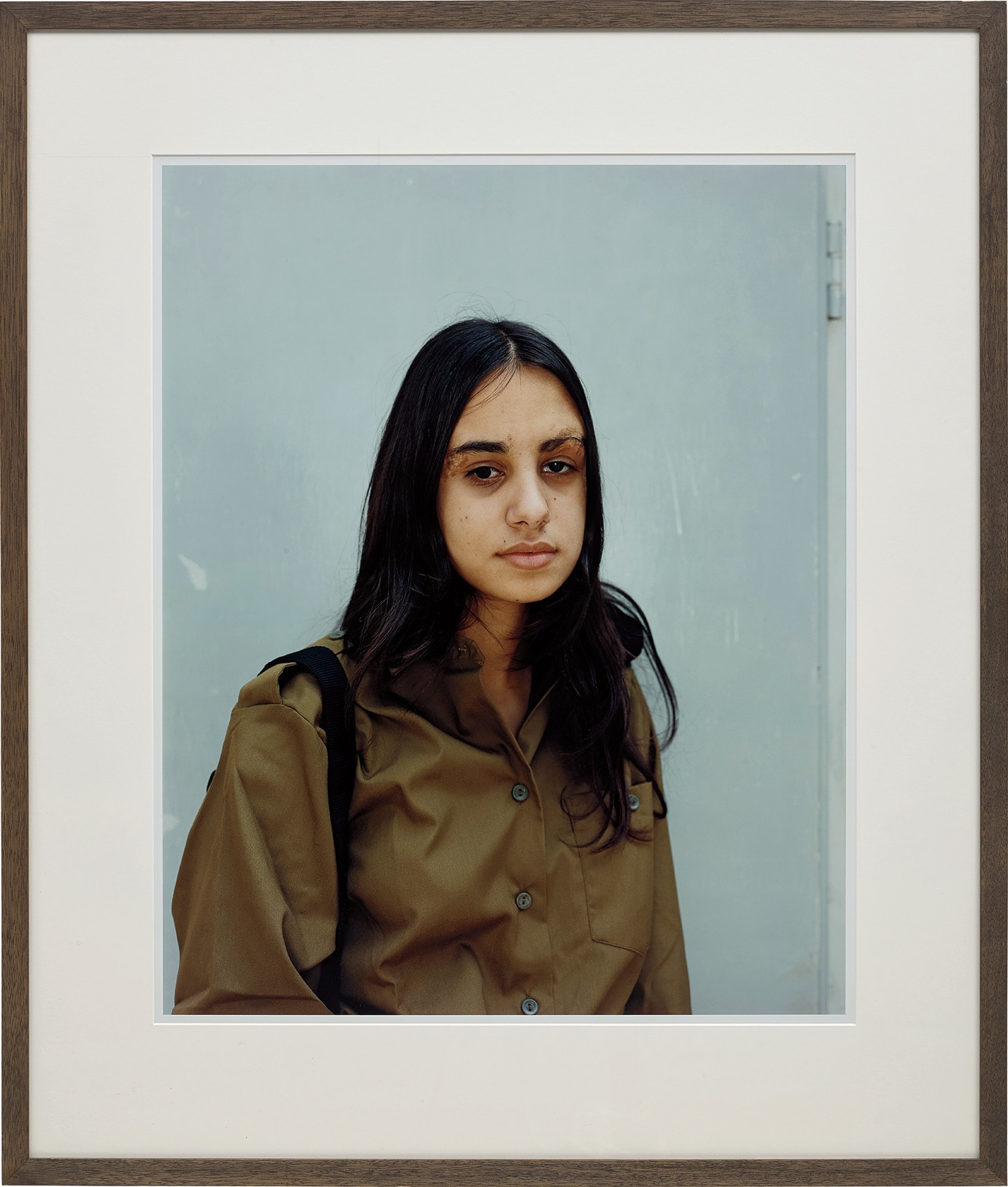
The move between Mexico City and Amsterdam, between the visceral popular culture of his upbringing and the conceptually rigorous environment of European contemporary art institutions, produced in Amorales a practice defined by productive tension. He did not resolve the distance between those two worlds so much as make that distance the subject of his work. His early projects, including pieces from the late 1990s such as Julian Pistolero, engaged with the aesthetics of Mexican popular iconography, lucha libre wrestling masks, comic books, and the graphic language of street culture, but refracted through a conceptual framework that acknowledged the art historical conversations happening simultaneously in Berlin, London, and New York. This dual fluency gave his work an edge that purely local or purely international approaches could never achieve.
Carlos Amorales
Julian Pistolero, 1999
The development of what Amorales called his Liquid Archive became one of the defining methodological breakthroughs of his career. Beginning in the early 2000s, he built an ever expanding visual database of graphic symbols, drawn from popular culture, natural forms, and invented visual vocabularies, that he and collaborators could deploy across media ranging from animation to performance to installation. This archive was not a static collection but a generative system, a kind of personal language that could be spoken in different registers depending on the context. The animated films and video works that emerged from this project were shown at institutions including the Stedelijk Museum in Amsterdam, bringing Amorales to a broader European audience and establishing him as a rigorous thinker about the relationship between image, sign, and meaning.
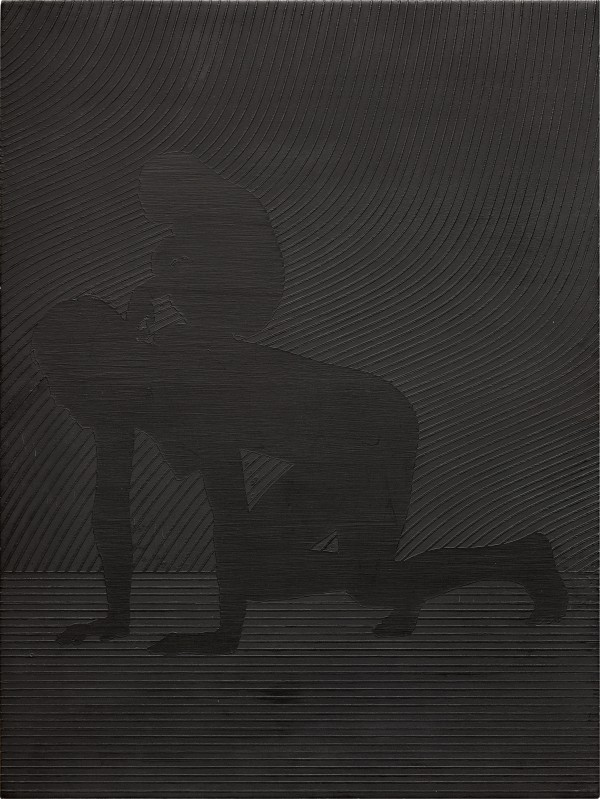
His representation of Mexico at the Venice Biennale further confirmed his position as an artist operating at the highest levels of international contemporary art discourse. Among the specific works that reward close attention from a collecting perspective, El esplendor geométrico 5 from 2015 stands as a particularly compelling example of Amorales at full strength. Created as a silkscreen ink work on wooden panels, the piece demonstrates his sustained engagement with the geometry of visual systems and the seductive power of pattern as a vehicle for meaning. The Black Painting series, executed in oil on cedar wood, reveals a different register of his sensibility, one drawn toward materiality and the almost meditative possibilities of monochromatic depth.
Carlos Amorales
Black Painting 05
Bird Face, an oil on canvas, and the Typographical Patterns for Mass Reproduction series show the breadth of his painterly inquiry, from the figurative to the systematically abstract. The Two Works pairing of a chromogenic print documenting a Berlin exhibition alongside a painted ceramic object is characteristic of his interest in connecting conceptual documentation with handmade craft traditions, a dialogue between the institutional and the intimate. For collectors approaching the market for Amorales's work, several qualities distinguish his practice as an enduring investment of both financial and cultural significance. His work exists across media in a way that allows collectors at various levels of engagement to find meaningful entry points, from works on paper and prints to large scale installations and unique paintings.
The rigor of his conceptual framework means that individual works carry intellectual weight even when encountered outside their original installation contexts. His consistent presence at major international institutions and biennials has created a sustained critical record that supports long term value. Collectors drawn to artists who bridge Latin American cultural identity and global contemporary art discourse, a category that includes figures such as Gabriel Orozco and Damian Ortega, will find in Amorales a practice with comparable depth and a track record of institutional validation that continues to grow. Placed within the broader landscape of contemporary Mexican art, Amorales belongs to a generation that came of age after the established canon of Mexican modernism and that has spent its career negotiating a relationship to that legacy on its own terms.
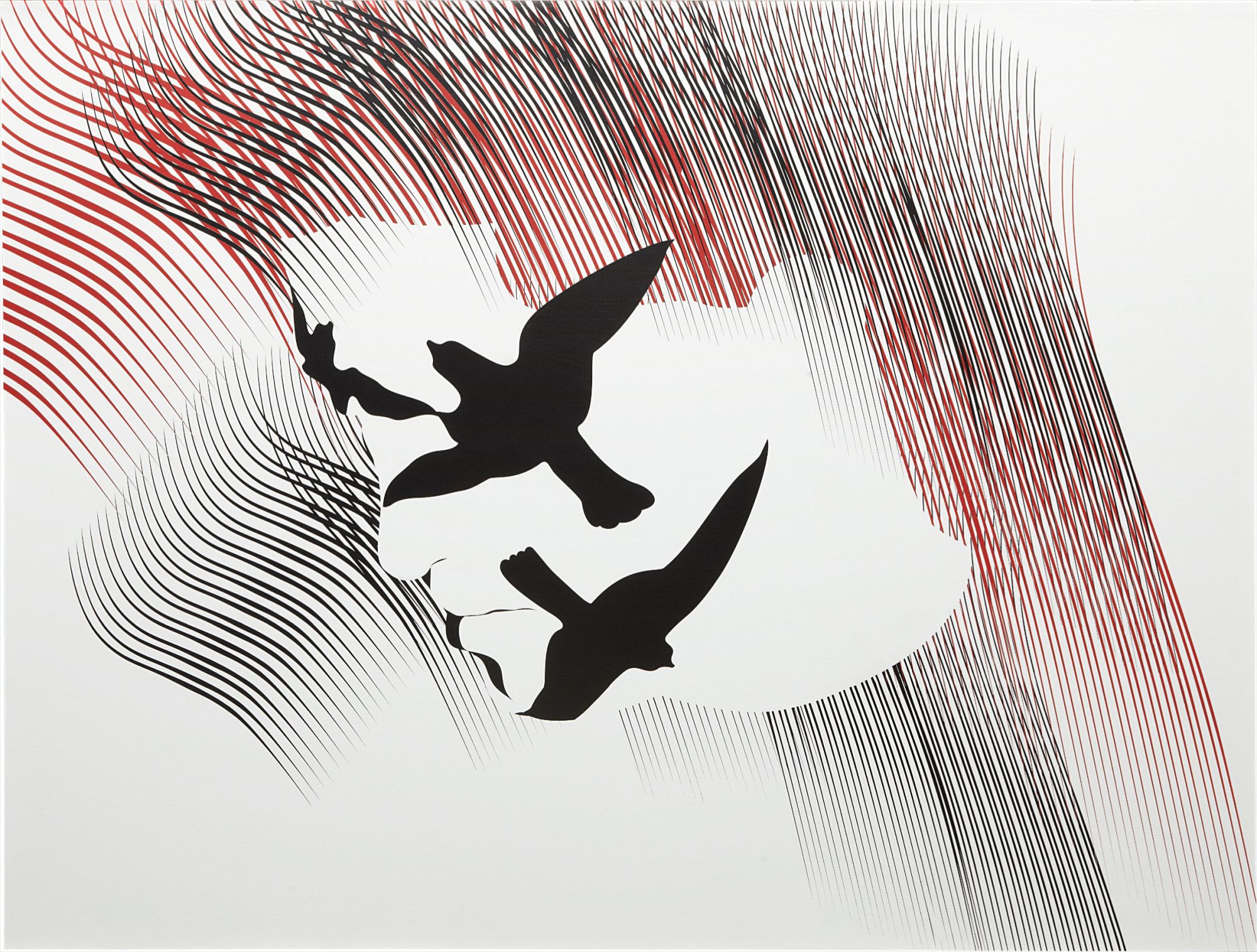
Carlos Amorales
Bird Face
Where the muralists made public art a vehicle for national narrative, Amorales makes installation and drawing a vehicle for questioning what national narrative even means in a globalized culture. His dialogue with popular imagery anticipates and echoes conversations happening simultaneously in the work of artists across Latin America and the wider postcolonial world who are similarly asking what it means to construct a visual language when existing visual languages carry so much historical freight. The question of legacy is, for a living artist of fifty four, necessarily an open one, but the outlines of what Amorales has already built are impressive and durable. He has created a body of work that functions simultaneously as aesthetic experience, cultural critique, and ongoing research into the nature of visual language itself.
His institutional exhibition history, his influence on younger generations of artists working at the intersection of installation and drawing, and the sustained originality of a practice that has now spanned more than three decades all point toward a figure whose significance will only grow as the art world continues to grapple with questions of cultural identity, the archive, and what images are actually for. To collect Amorales now is to recognize, with the pleasure of genuine discernment, an artist whose best chapters are still being written.