Bureau d'Etudes
Bureau d'Etudes is a French artistic collective founded in 1999 by Maurizio Lazzarato and others, operating at the intersection of art, activism, and critical theory. The group emerged from the French autonomous and post-Situationist intellectual landscape, developing a practice that combines visual art, cartography, and political analysis to expose hidden systems of power, control, and global capitalism. Their work is rooted in the tradition of institutional critique and conceptual art, while drawing heavily on Marxist theory, psychogeography, and the legacy of the Situationist International. Bureau d'Etudes is best known for their expansive cartographic projects that visualize invisible networks of power, including their seminal series "World Government" (2003-present), which maps the interconnections between multinational corporations, financial institutions, political bodies, and military organizations. Other significant works include "Flux" (2006), which traces the flow of capital and goods globally, and various interventions in public space that use maps, diagrams, and infographics to make visible the structures typically hidden from public view. Their practice extends to video, publishing, and collaborative workshops that function as tools for political education and collective research. The collective's lasting influence lies in their pioneering approach to art as a form of investigative research and counter-cartography, establishing a model for socially engaged, politically committed artistic practice that has inspired subsequent generations of activist artists and researchers. Bureau d'Etudes' work has been instrumental in demonstrating how artistic methods can serve as critical tools for unveiling systemic injustice, and their emphasis on collective authorship and knowledge-sharing has challenged conventional notions of artistic authorship and the gallery system itself.
No public artworks yet
Artists in conversation

Trevor Paglen
Paglen similarly investigates hidden infrastructures of surveillance and state power through visual and cartographic methods, producing works that function as both art and critical research into systems of control.
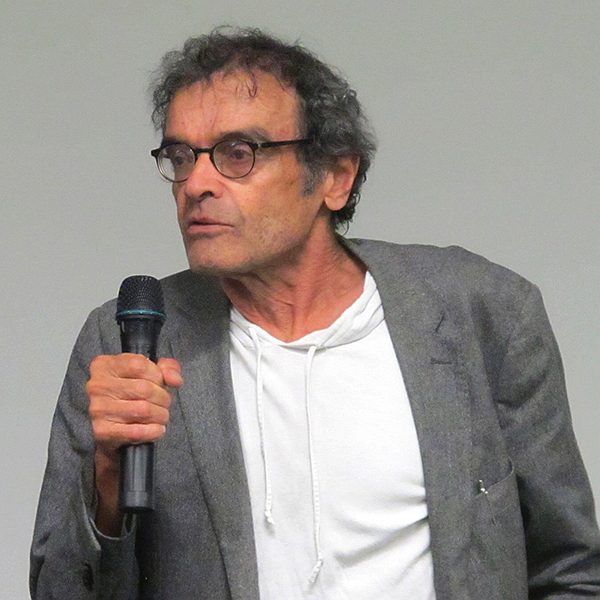
Harun Farocki
Farocki shared Bureau d'Etudes's commitment to exposing the visual and operational logics of capitalism and warfare, using image analysis and diagram like structures to lay bare institutional and economic mechanisms.
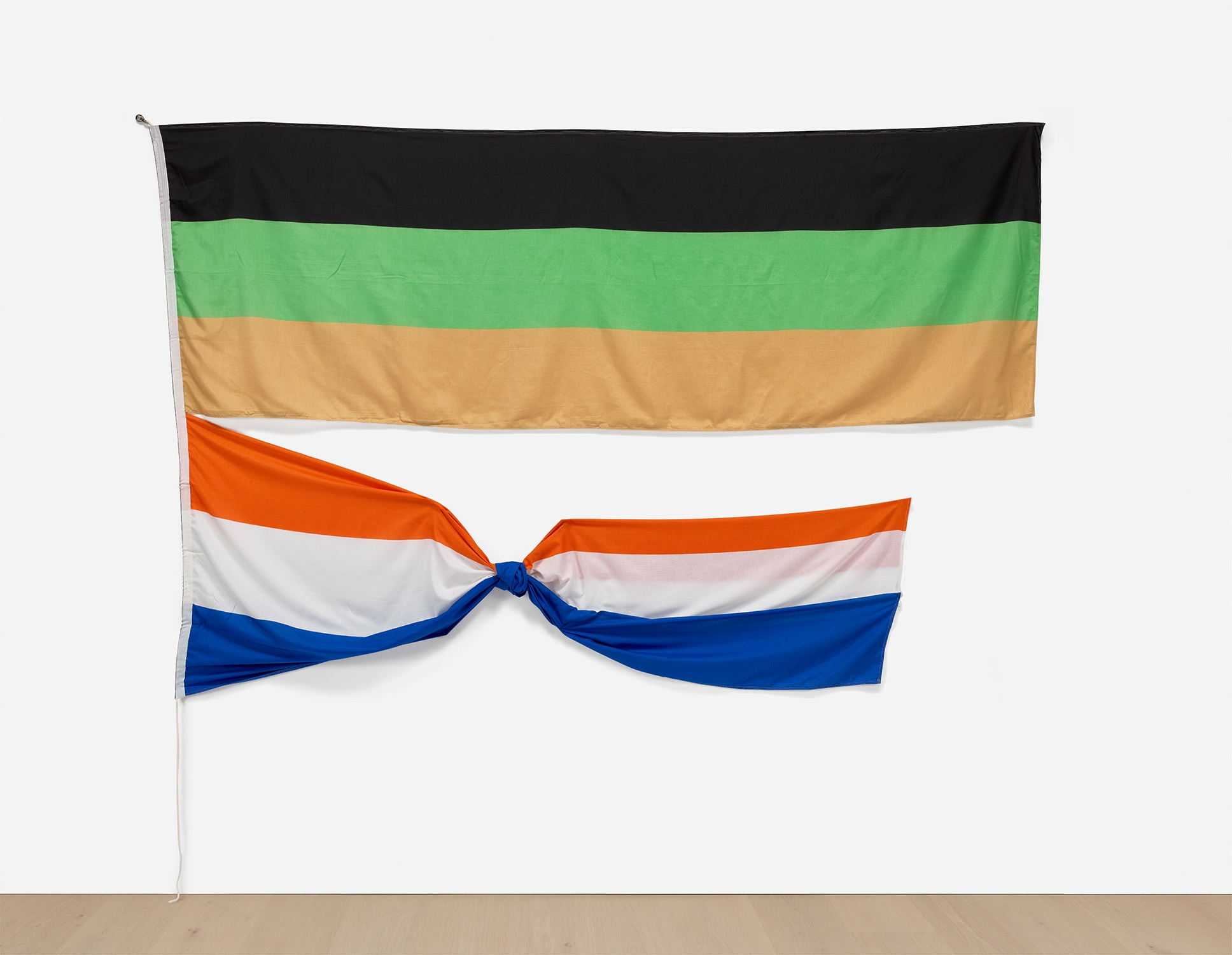
Hans Haacke
Haacke pioneered institutional critique through meticulous documentation of corporate power networks and political economies, a conceptual approach that closely mirrors Bureau d'Etudes's practice of mapping global capital flows.
Artists who inspired them
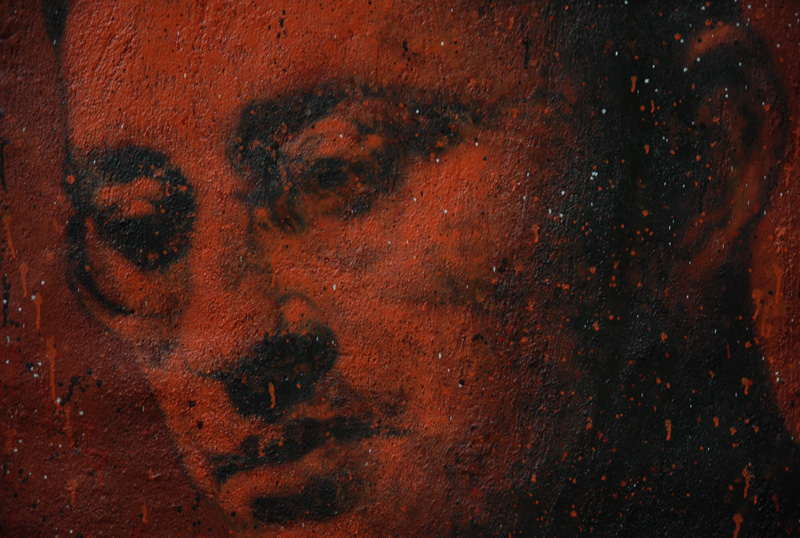
Guy Debord
Debord's Situationist psychogeographic maps and critique of the spectacle directly informed Bureau d'Etudes's cartographic methodology and their analysis of capitalism as a total social environment.
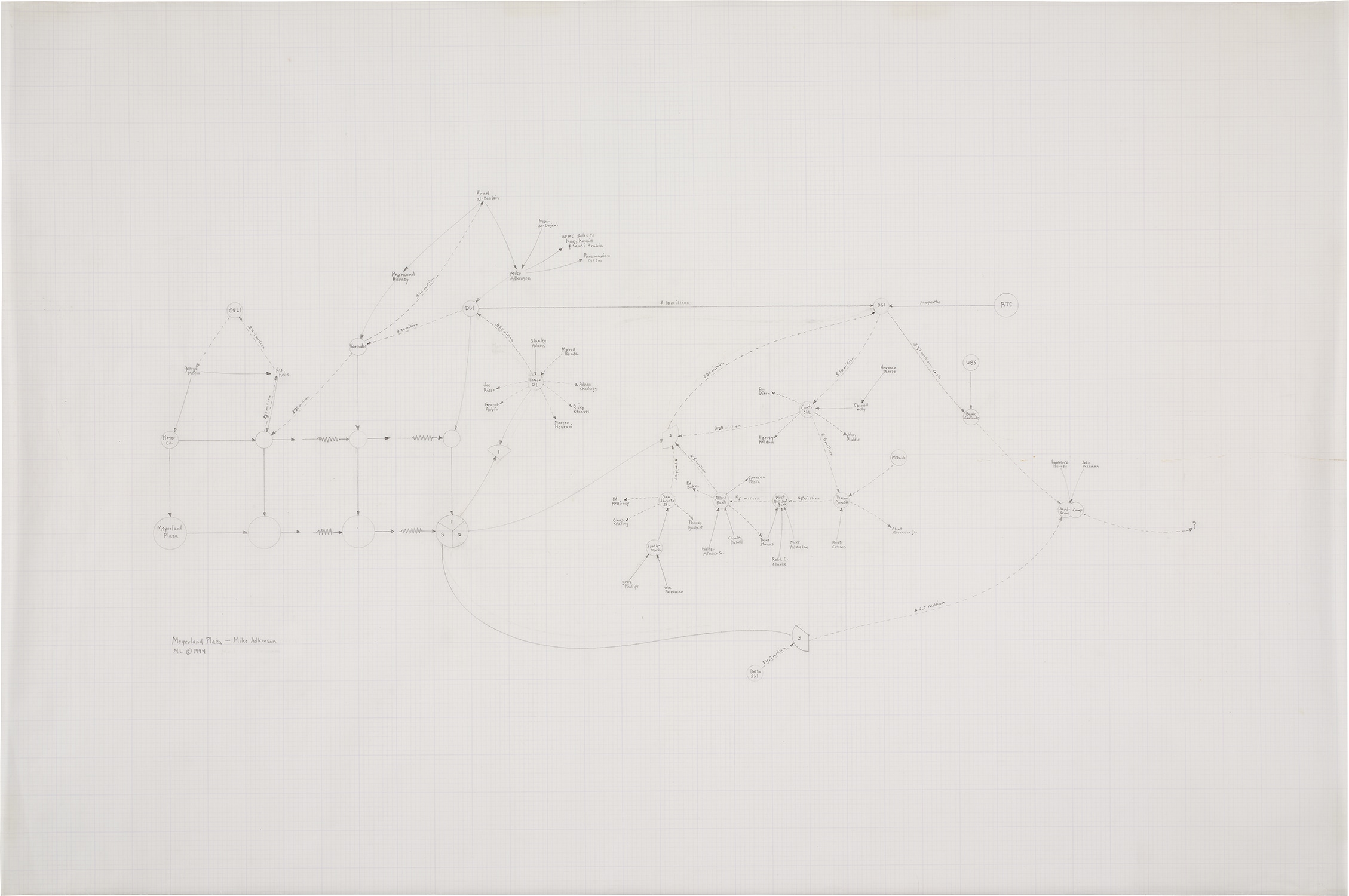
Mark Lombardi
Lombardi's hand drawn network diagrams exposing financial and political conspiracies provided a direct visual precedent for Bureau d'Etudes's own large scale maps tracing hidden connections among corporate and governmental actors.
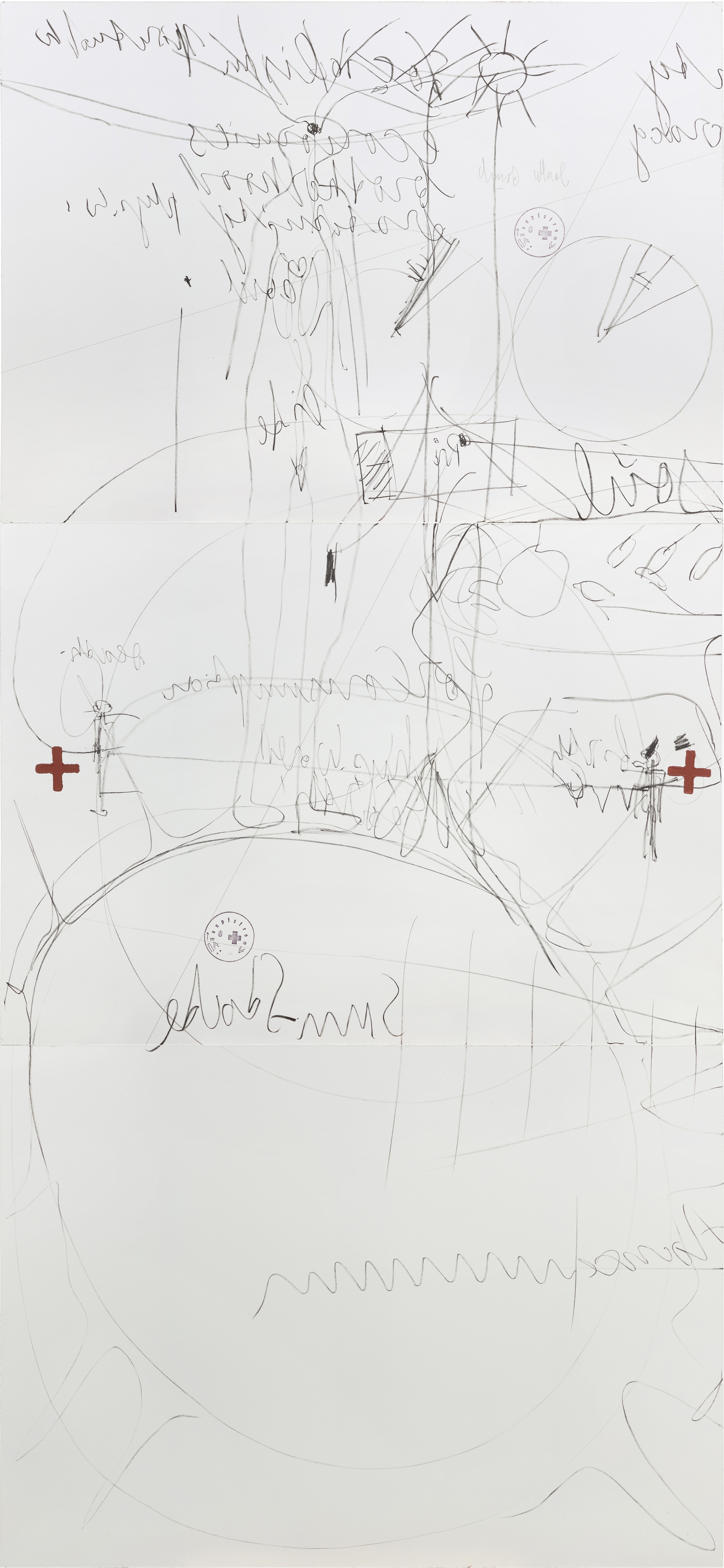
Joseph Beuys
Beuys's concept of social sculpture and his insistence that art must engage directly with political and economic transformation deeply influenced Bureau d'Etudes's conception of artistic practice as a form of collective emancipatory action.