Avner Ben-Gal
Avner Ben-Gal, Painting the Soul Bare
Artist Spotlight · The Collection Editorial
Something quietly remarkable has been happening in the international reception of Israeli painting over the past several years, and Avner Ben Gal sits near the center of that conversation. His work has traveled from Tel Aviv to European gallery spaces and beyond, finding audiences who recognize in his figures a kind of emotional honesty that feels both deeply personal and universally legible. For collectors arriving at his practice now, the timing feels less like discovery and more like finally catching up with something that has always been there, insistent and alive. Ben Gal was born in Israel in 1966, coming of age in a country whose cultural identity was still being fiercely negotiated.
Avner Ben-Gal
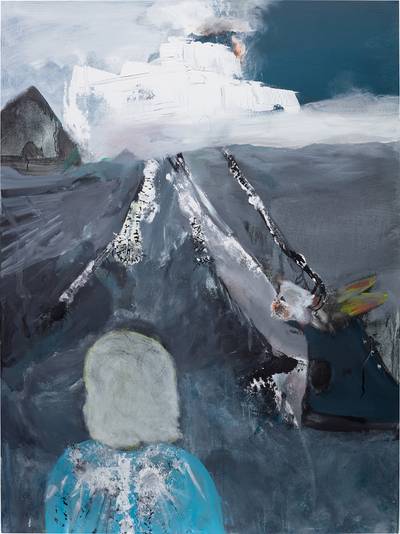
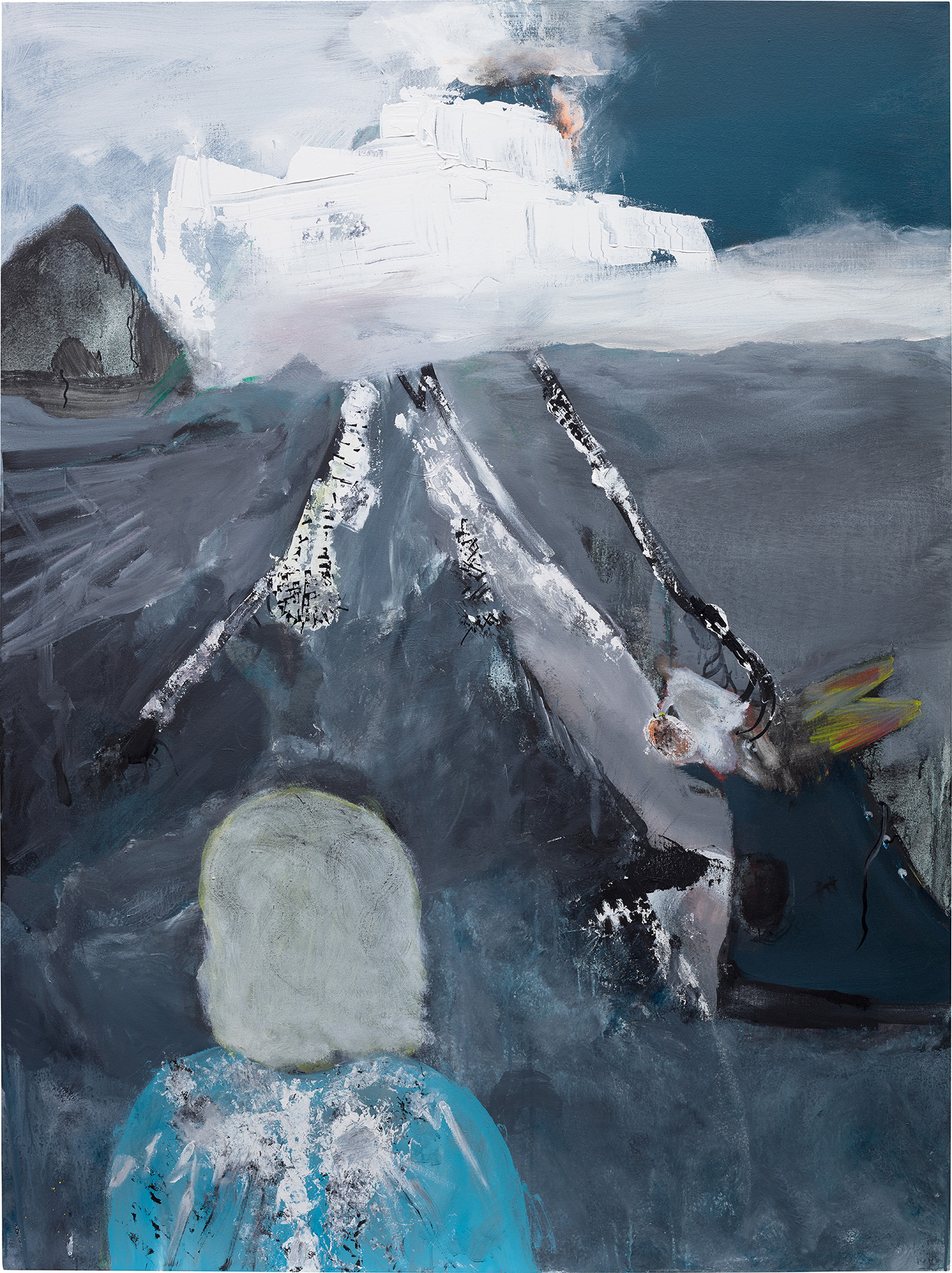
Farewell to Leprosy Colony, 2011
The Israeli experience of that era was saturated with historical weight, military consciousness, and a distinctive gallows humor that functions as both shield and language. These are not incidental biographical details. They are the very atmosphere that permeates his canvases, the invisible pressure that makes his figures lean at strange angles and occupy their surroundings with such uneasy authority. To understand Ben Gal is to understand something about growing up in a place where the personal and the political are never fully separable.
His artistic formation drew on the traditions of European expressionism while refusing to be domesticated by them. One can feel the pull of painters like Philip Guston and Neo Expressionist figures such as Georg Baselitz in his gestural looseness, but Ben Gal arrived at his vocabulary through a distinctly Israeli sensibility rather than through direct imitation. The result is a style that feels inherited and invented simultaneously. His brushwork carries the improvisational energy of someone who trusts instinct over system, and his figures emerge from the paint as though they are being remembered rather than observed.
Avner Ben-Gal
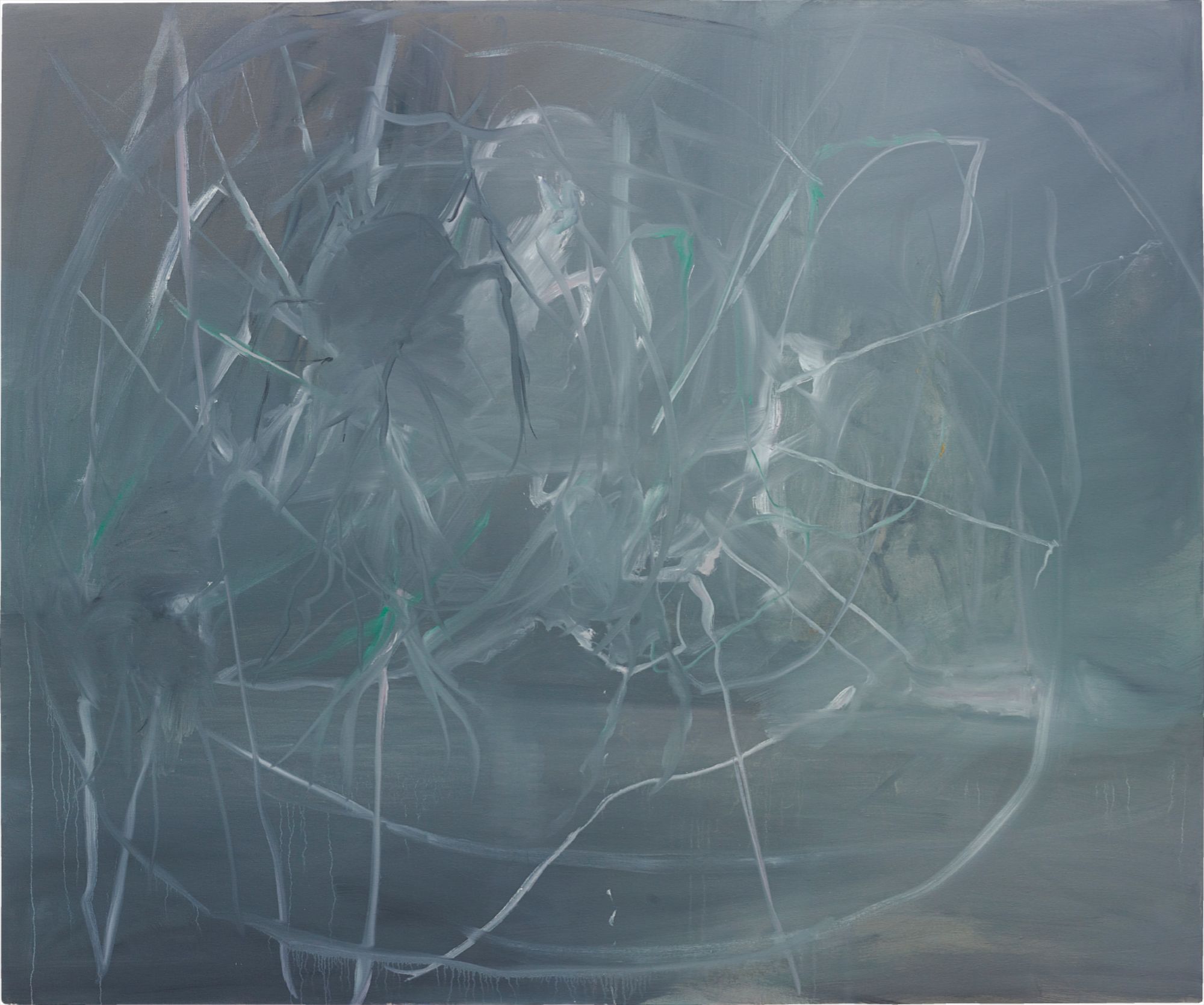
Spider
The breakthrough works that established Ben Gal's reputation share certain recurring qualities. His paintings tend toward sparse, almost theatrical environments where a single figure or a small cluster of forms occupies an ambiguous space that is neither interior nor exterior but somewhere pressurized between the two. The work titled "Farewell to Leprosy Colony," an acrylic on canvas from 2011, is a defining example of his approach. The title alone performs a kind of dark wit, invoking exile and departure in language that is simultaneously clinical and absurd.
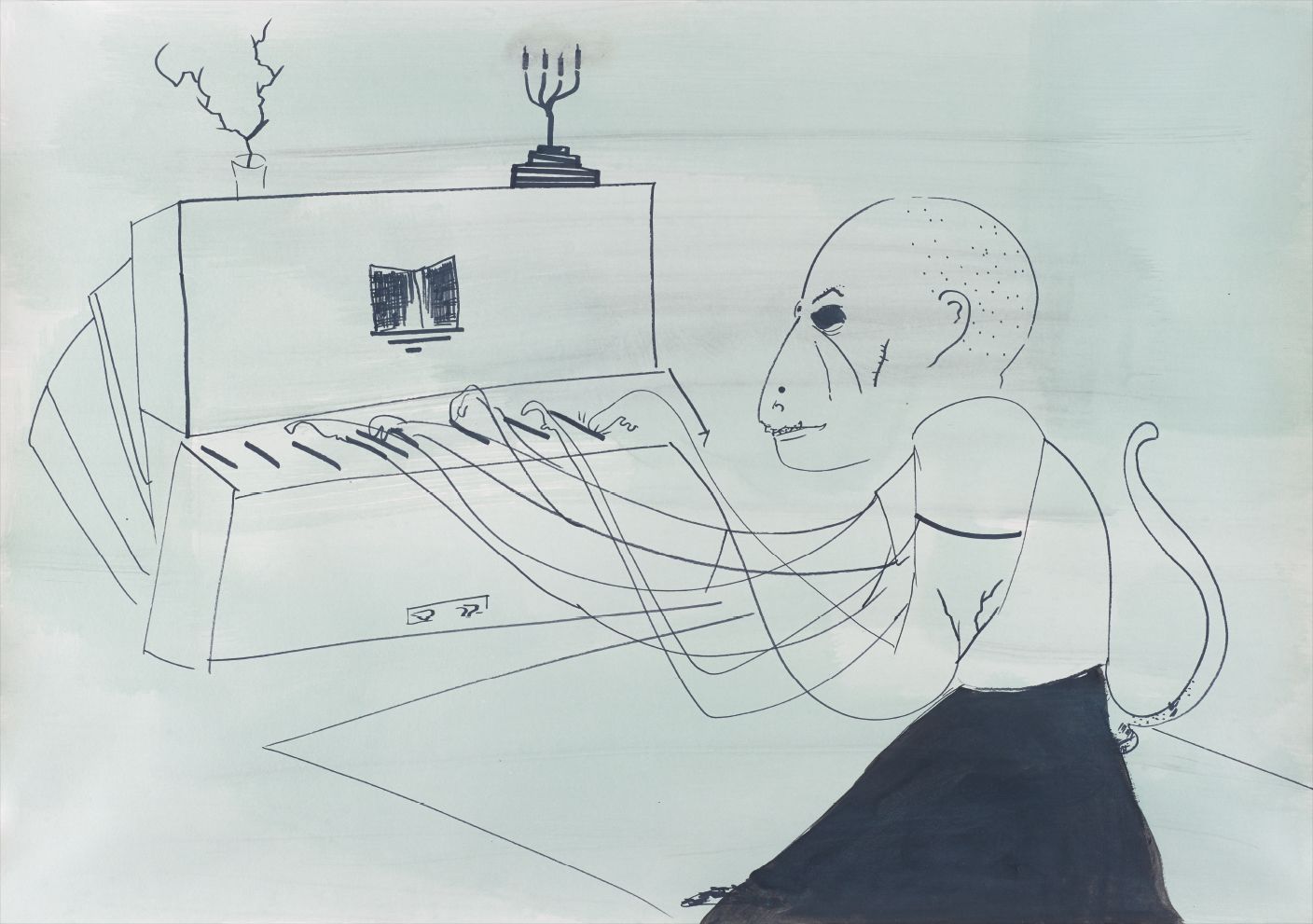
The painting does not illustrate its title so much as it inhabits the same emotional register, producing an image that lingers with the viewer the way a strange dream does, half comic, half haunting. His piece known as "Spider" extends this territory into the oil medium, where his gestural marks take on a different kind of weight and opacity. And "Orthodox Tune," rendered in acrylic and marker on paper, demonstrates his willingness to work across scales and surfaces, bringing the urgency of his vision into more intimate formats without losing any of its psychological charge. What draws serious collectors to Ben Gal is precisely this combination of rawness and control.
Avner Ben-Gal
Orthodox tune
His paintings look loose but are anything but careless. Every figure is placed with intention, every background treated as an active element rather than a neutral ground. There is also the matter of his humor, which functions as a kind of trapdoor beneath the apparent melancholy of his subjects. Collectors who spend time with his work report that it changes character depending on the light and the mood of the room, which is the mark of a painter who has embedded genuine complexity into his surfaces.
Works on paper by Ben Gal represent a particularly compelling entry point for collectors building a thoughtful collection, offering both intimacy and the full force of his visual intelligence at a scale that rewards close looking. Within the broader landscape of contemporary figurative painting, Ben Gal belongs to a generation that rehabilitated expressionistic figuration at a moment when conceptual art still dominated institutional spaces. His natural comparisons in spirit and approach include painters like Neo Rauch, whose figures also inhabit psychologically loaded dreamscapes, and the American painter Peter Doig, whose work similarly filters landscape and memory through a distinctly literary sensibility. Among Israeli artists, Ben Gal has helped establish a lineage of serious painterly practice that is now receiving the international attention it has long deserved.
His work does not seek to explain Israeli culture to an outside audience but rather to render inner experience with enough specificity that it becomes universal. The legacy Ben Gal is building is one grounded in emotional authenticity at a moment when such authenticity is among the most valued qualities in contemporary art. His paintings resist easy categorization and refuse the kind of slick finish that dates quickly. Instead they age the way great expressionist works age, by revealing new layers rather than losing their initial charge.
For collectors, critics, and curators who believe that painting still has the capacity to do something irreplaceable, Ben Gal's practice offers consistent evidence that this faith is well placed. To own one of his works is to hold a piece of genuine feeling made permanent, a figure in paint that refuses to look away.