André Marfaing
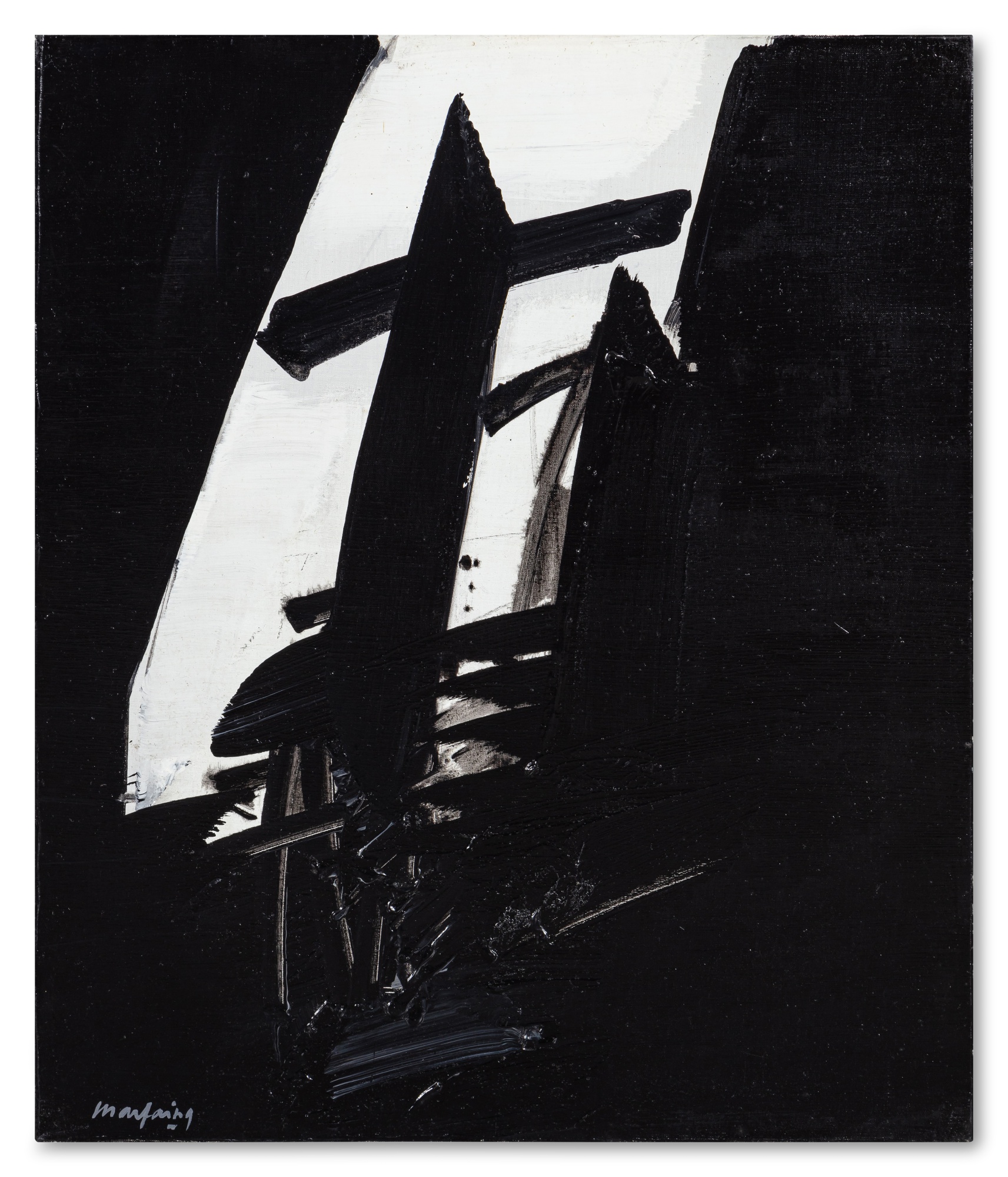
André Marfaing: Gesture, Freedom, and Radiant Force
Artist Spotlight · The Collection Editorial
There are painters whose work announces itself before you have fully crossed the threshold of a room. André Marfaing was one of them. Standing before a large Marfaing canvas from the late 1950s or early 1960s, one encounters something that feels less like an image and more like an event, a surge of energy captured at the precise moment it becomes form. As European institutions and private collectors continue to reassess the richness of the postwar French avant garde, Marfaing has emerged as one of its most rewarding and quietly necessary figures, an artist whose work rewards sustained attention and repays the collector who looks closely.
André Marfaing
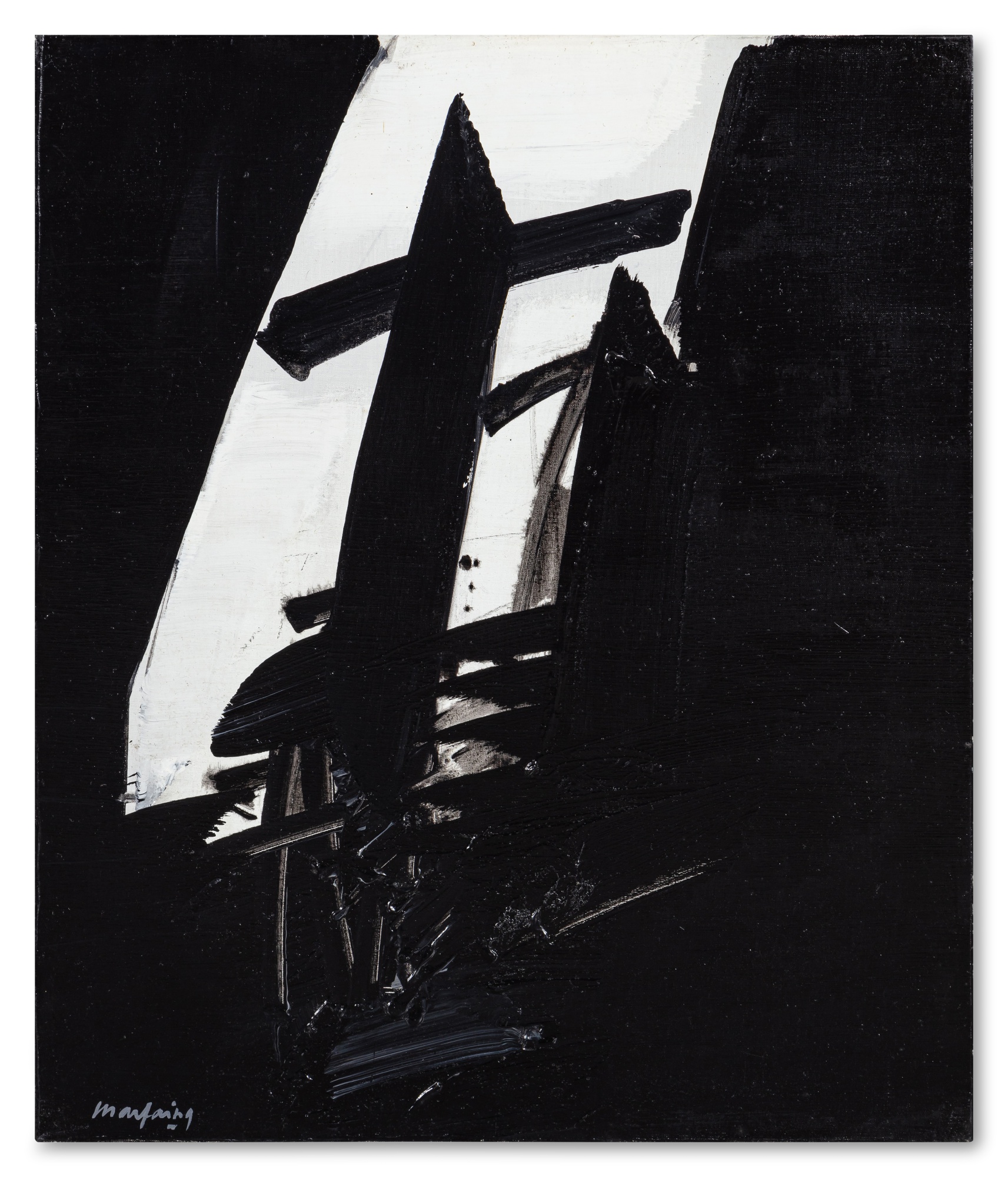
Untitled, 1972
André Marfaing was born in 1925 in Toulouse, in the south of France, a region whose warm light and Mediterranean sensibility would leave a lasting impression on his visual imagination. He came of age during a period of immense upheaval, and like so many of his generation, the experience of the Second World War and its aftermath profoundly shaped his sense of what painting could and should do. By the time he arrived in Paris in the late 1940s, the French capital was charged with artistic possibility, its galleries and studios humming with debates about abstraction, gesture, and the liberation of form from representation. For a young painter from the south with a restless and expressive temperament, Paris was precisely the right place at precisely the right time.
Marfaing found his footing within the movement known as Art Informel, the loose and vibrant tendency that swept through European painting in the late 1940s and 1950s as an answer to both the rigid geometries of prewar abstraction and the lingering narratives of figurative tradition. Art Informel, sometimes also understood through the related concept of Tachisme, celebrated the spontaneous mark, the loaded brush, the visceral trace of a painter's physical and emotional engagement with the canvas. Marfaing was a natural inhabitant of this world. He worked with an intensity that was unmistakably his own, developing a painterly language built on bold, decisive brushstrokes and a chromatic sensibility that veered between deep, almost architectural blacks and sudden, luminous bursts of color.
André Marfaing
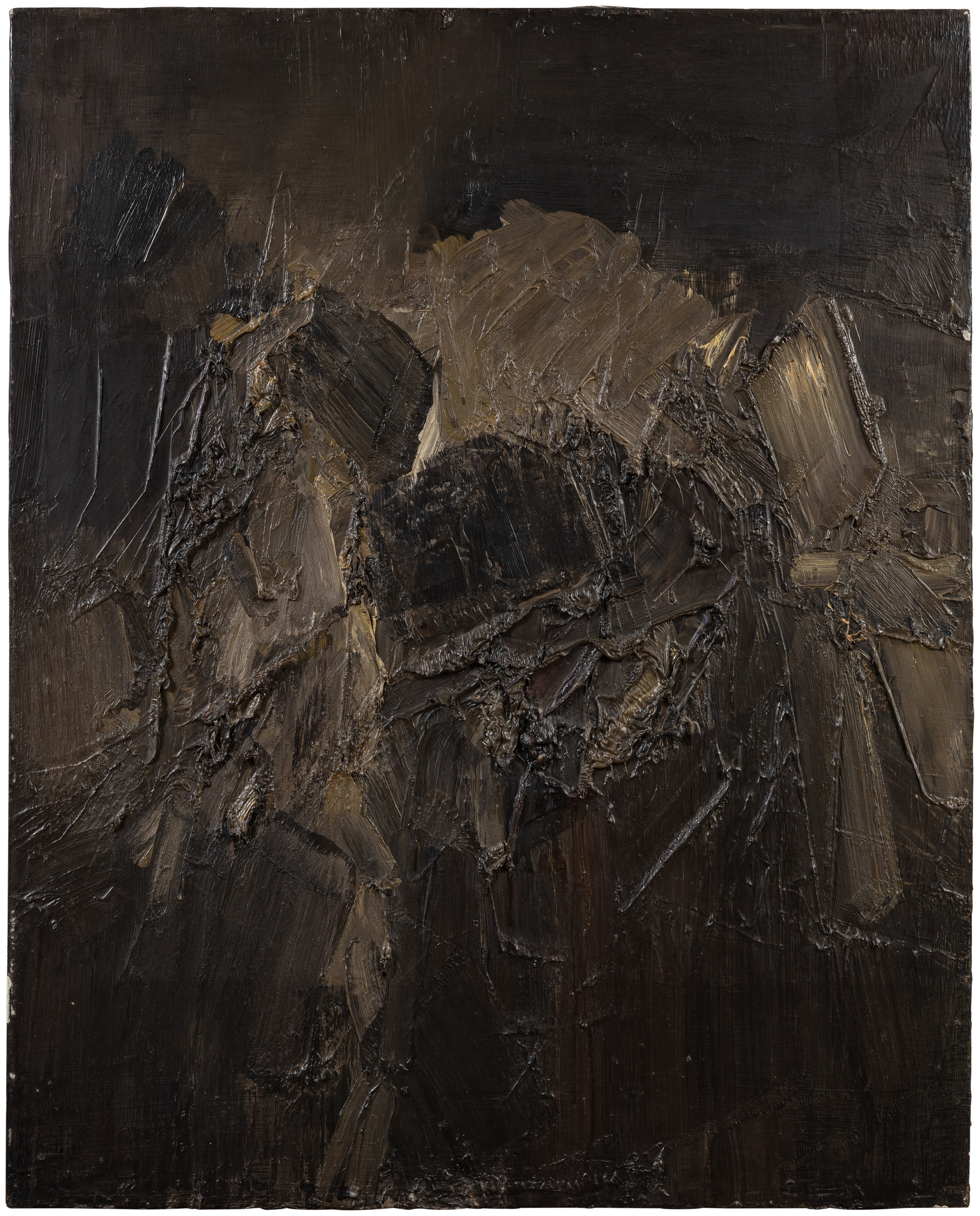
Ii.57.b
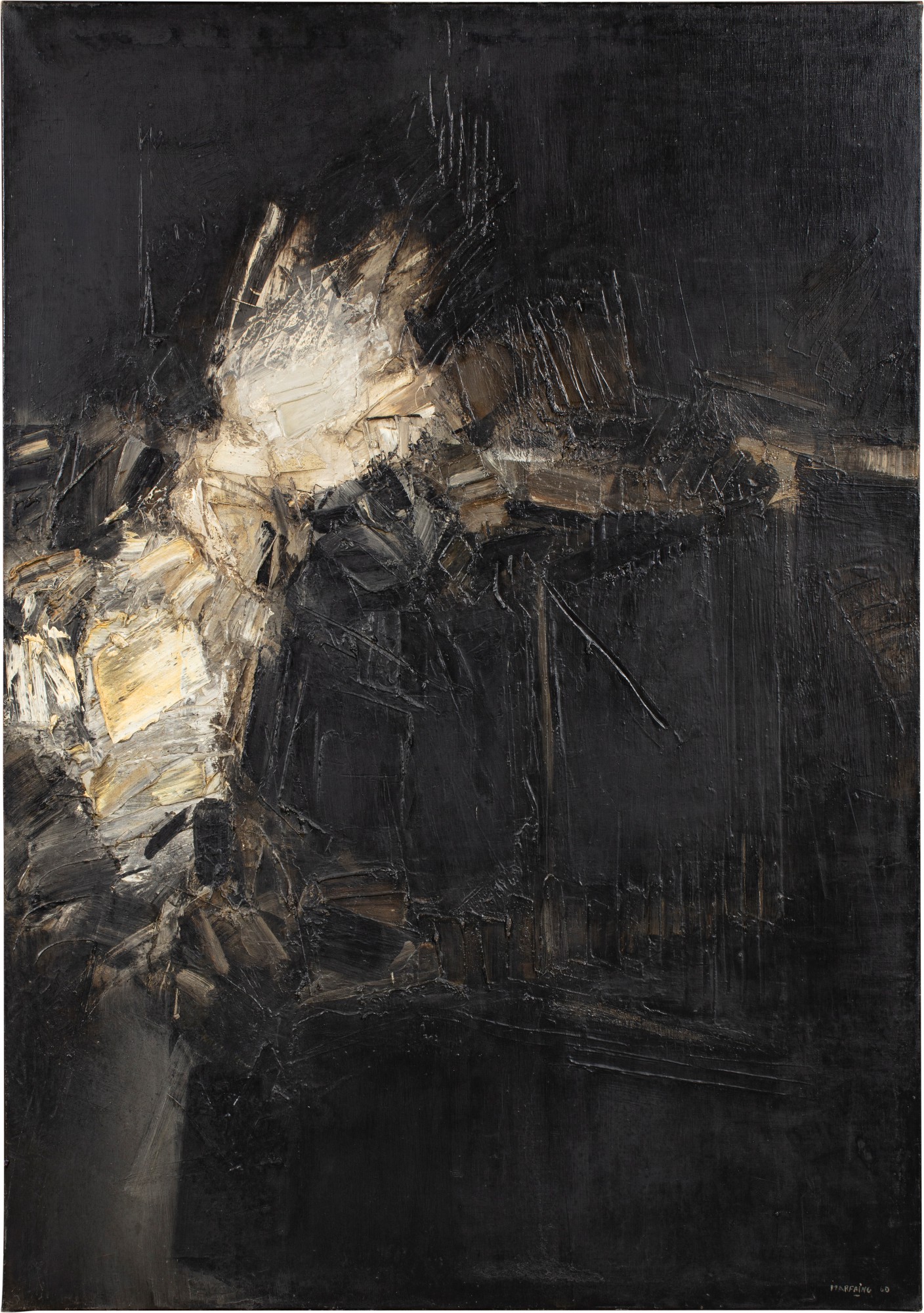
His work from the late 1950s in particular carries a sense of profound conviction, as though each mark were both question and answer. The painting titled "Sans Titre" from 1960, one of the works available through The Collection, stands as a compelling example of Marfaing at the height of his powers. Executed in oil on canvas, it demonstrates his characteristic approach of building tension through contrasting passages of density and openness, areas where the paint accumulates into something almost sculptural set against zones of relative quiet. The work from 1972 titled "Untitled," rendered in acrylic on canvas, reveals how Marfaing's practice evolved over time, his mark becoming in some respects more refined without sacrificing any of its fundamental urgency.
The earlier oil "Ii.57.b" pushes further back into the artist's formative period, offering a glimpse of the painter finding and consolidating a visual identity that would sustain him across decades. Taken together, these works trace the arc of a serious and dedicated practice.
André Marfaing
Sans Titre , 1960
Within the broader story of postwar French painting, Marfaing occupies a position adjacent to artists such as Pierre Soulages, Hans Hartung, and Georges Mathieu, painters who shared his commitment to gestural abstraction while each pursuing distinctly personal visions. Like Soulages, Marfaing was drawn to the expressive possibilities of deep, commanding tones, particularly black, which in his work functions not as an absence but as a presence, a force with its own weight and resonance. Like Hartung, he understood the brushstroke as a kind of signature, an indelible record of a specific moment of intention. Yet Marfaing's work has its own unmistakable character, a directness and warmth that reflects both his southern origins and his particular form of artistic intelligence.
From a collecting perspective, Marfaing presents an opportunity that discerning collectors have increasingly recognized. His work appears in significant European collections and has been handled by galleries with strong commitments to postwar abstraction, including the Galerie Arnaud in Paris, which played an important role in bringing his painting to wider attention during the peak years of the Informel movement. Works on paper as well as canvases from across his career offer different points of entry, and the range of his output, from the charged and dense compositions of the late 1950s through to the more considered but no less vital works of the 1970s and beyond, means that collectors at different stages of their journey can find something that speaks to them. For those building a collection with a serious engagement with European modernism, a Marfaing is not a peripheral pleasure but a central statement.
The legacy of André Marfaing matters today for reasons that extend beyond art historical completeness. At a moment when painting as a practice continues to assert its vitality and when gestural abstraction has been rediscovered and celebrated by a new generation of artists and collectors, Marfaing's work reminds us of the depth and seriousness of the tradition from which so much contemporary practice draws. His canvases ask us to slow down, to look again, to allow the eye and the mind to follow the painter's hand through its decisions. In an era of accelerating images, that invitation feels not like nostalgia but like necessity.
André Marfaing was a painter of genuine consequence, and the work he left behind continues to speak with clarity and force to anyone willing to listen.
Explore books about André Marfaing
André Marfaing
Michel Tapié
André Marfaing: Catalogue Raisonné
Françoise de Loisy
André Marfaing: Rétrospective 1947-1987
Jean Leymarie
Marfaing: L'Abstraction Lyrique
Pierre Restany
André Marfaing: Monotype et Dessin
Germain Viatte