Alfred Stevens
4
Works
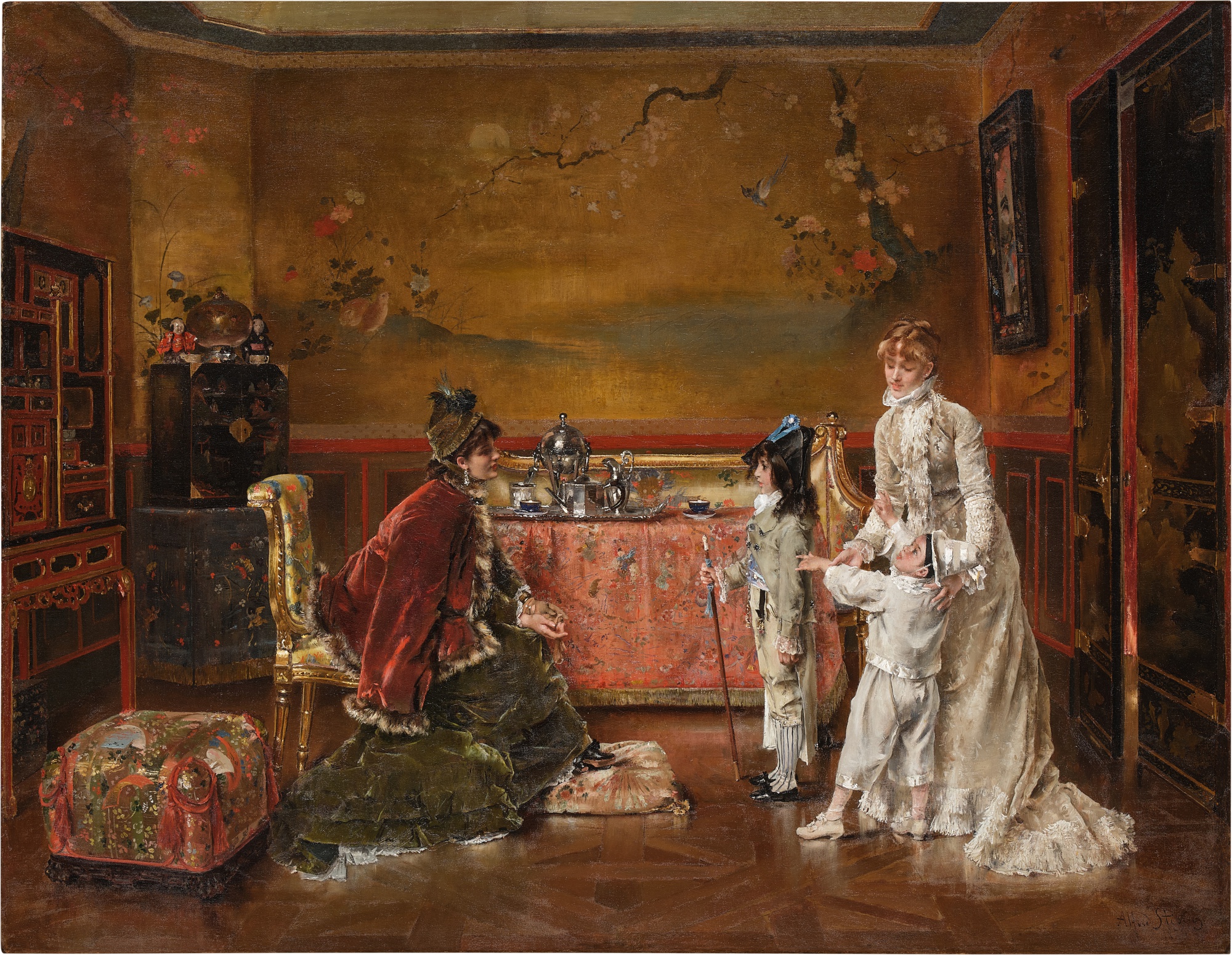
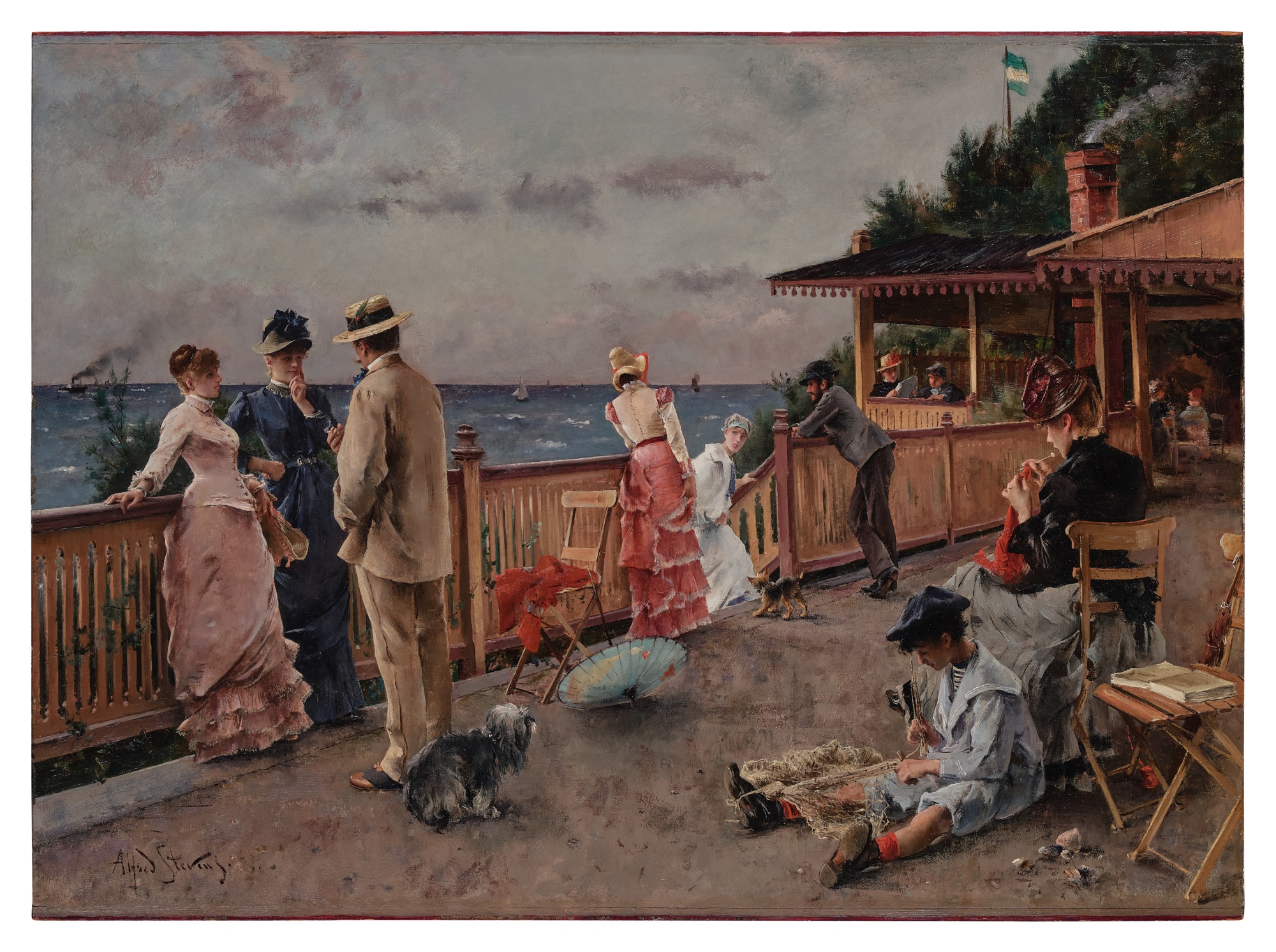
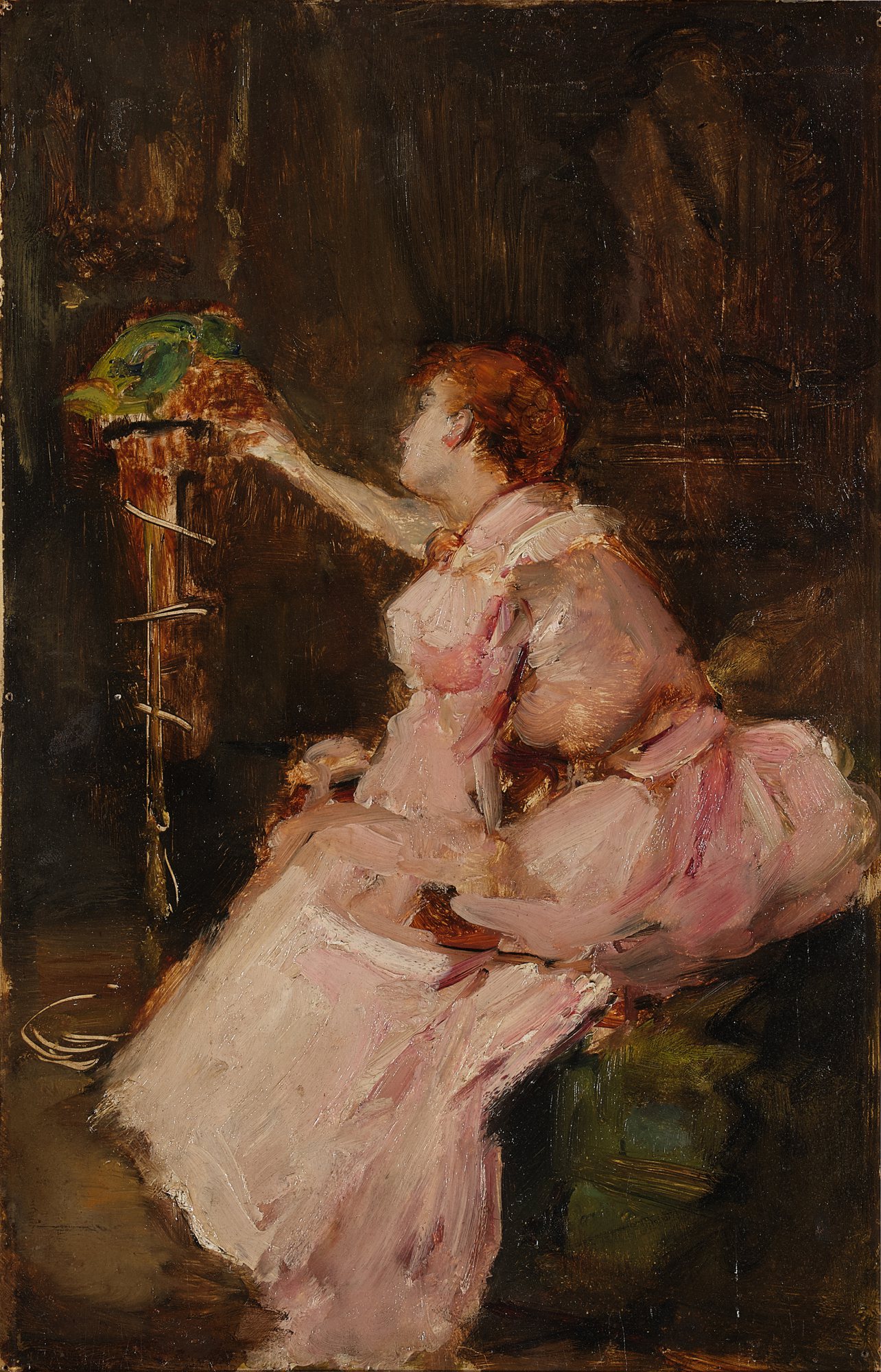
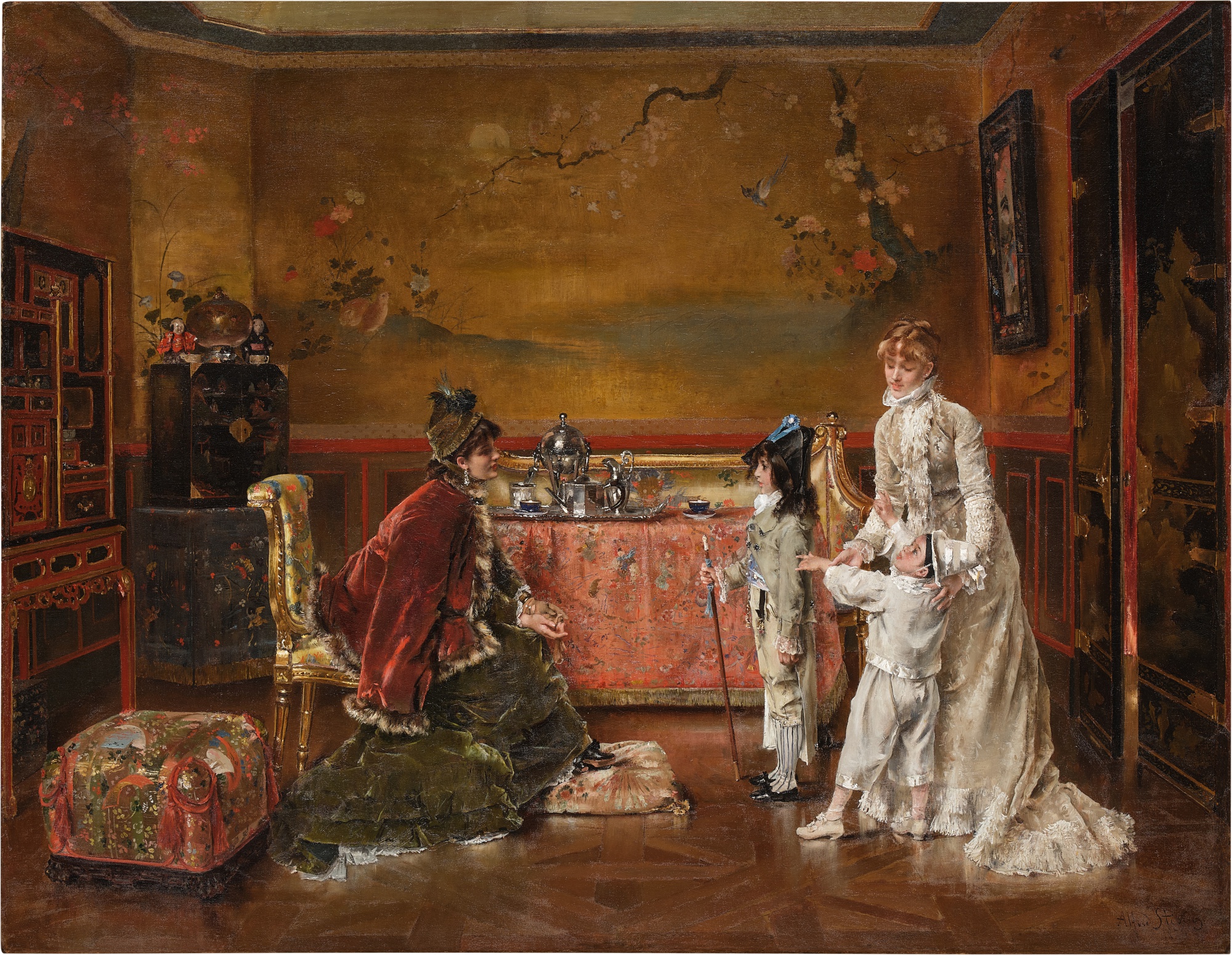
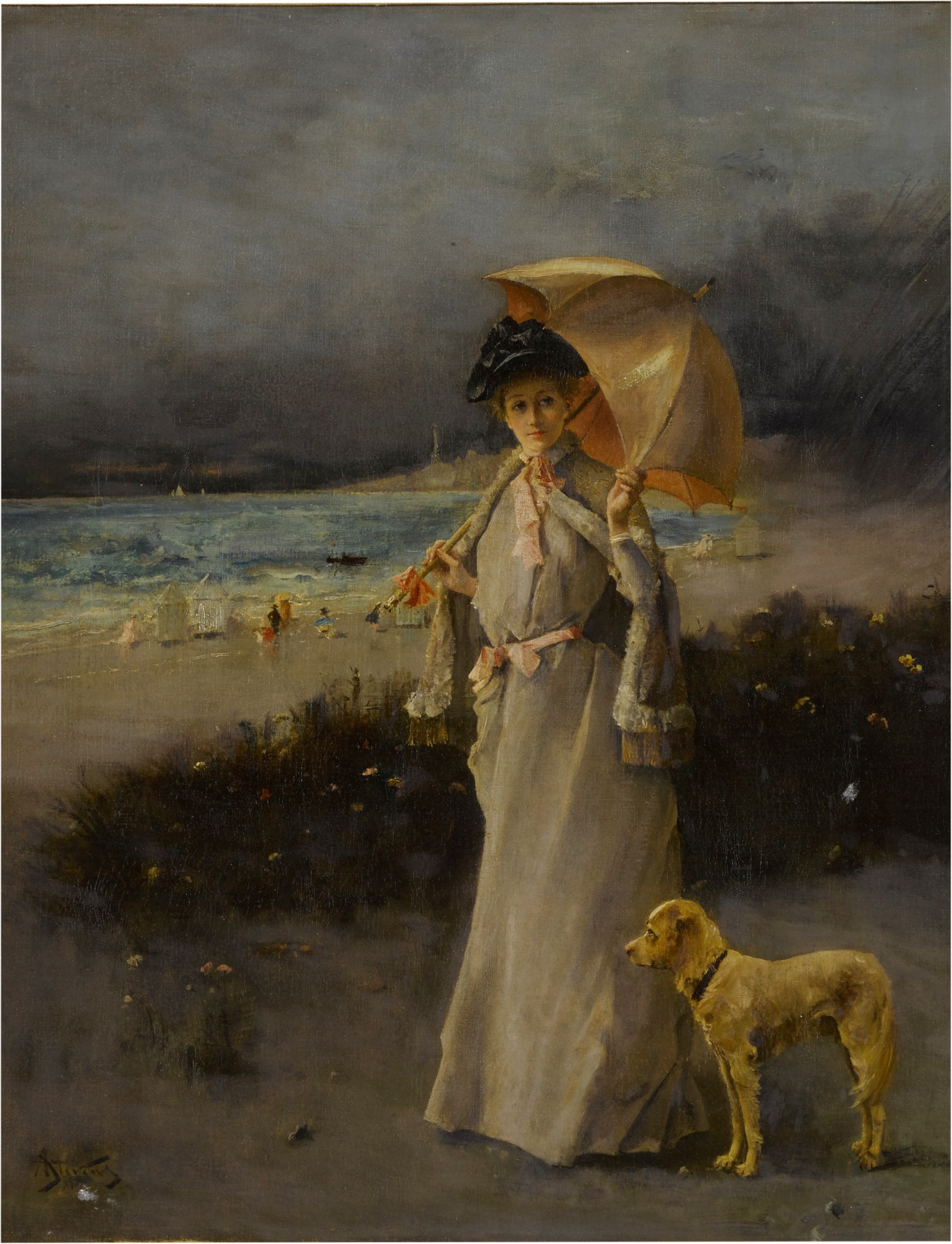
Alfred Stevens was a Belgian painter renowned for his elegant depictions of fashionable Parisian women in domestic interiors during the Second Empire and Belle Époque periods. Born in Brussels into an artistic family, Stevens trained at the Académie Royale des Beaux-Arts before moving to Paris in 1844, where he would spend most of his career. He became one of the most commercially successful artists of his time, celebrated for his sophisticated portrayals of contemporary bourgeois life, particularly focusing on beautifully dressed women in richly appointed salons. His work captured the luxury, refinement, and social nuances of upper-class Parisian society with exceptional technical skill and attention to textile textures, light effects, and interior decoration. Stevens was closely associated with the realist movement and counted Édouard Manet among his close friends, though his work maintained a more polished, salon-friendly aesthetic than the more avant-garde realists. His paintings often featured solitary women reading letters, gazing out windows, or engaged in quiet contemplation, conveying subtle psychological depths beneath their elegant surfaces. Notable works include "The Painter and His Model" (1855), "The Bath" (1867), and "The Japanese Parisian" (1872), which reflected the contemporary vogue for Japonisme. He exhibited regularly at the Paris Salon and received numerous honors, including the Legion of Honor. Stevens played a significant role in the international art market of the late nineteenth century, with his paintings highly sought after by wealthy American collectors. His influence extended to younger artists including James Tissot, who adopted similar subject matter and compositional approaches. While his reputation declined somewhat in the twentieth century as modernist movements overshadowed salon painting, recent scholarship has recognized Stevens as an important chronicler of nineteenth-century urban modernity and female experience. His work is held in major collections including the Musée d'Orsay, the Metropolitan Museum of Art, and the Philadelphia Museum of Art.
Artists in conversation