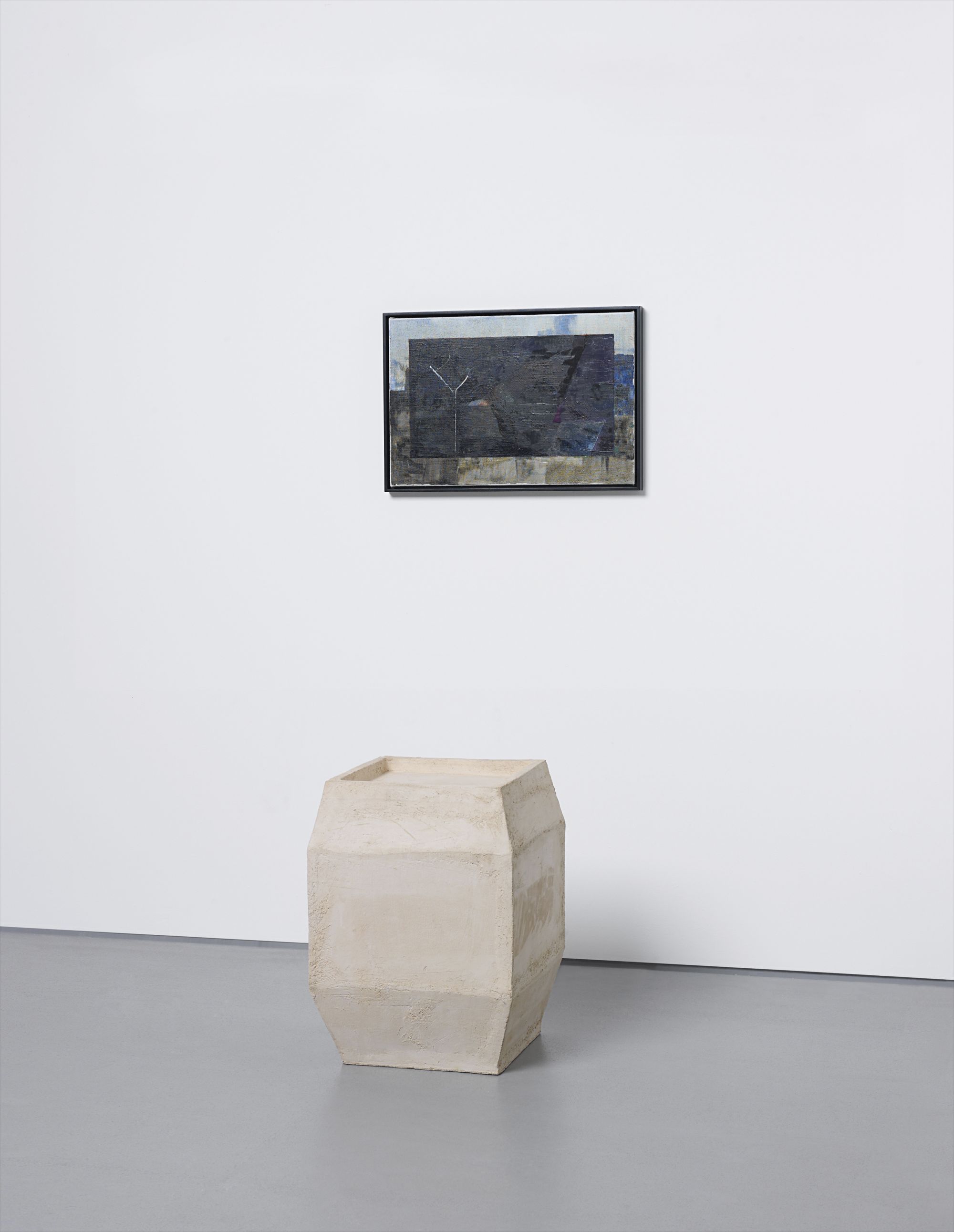
Andro Wekua
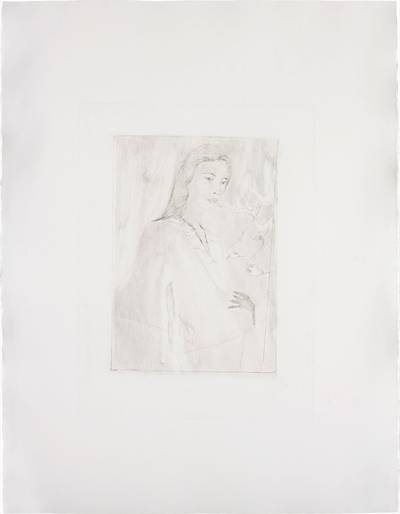
Artist Spotlight
Andro Wekua's World of Beautiful Haunting
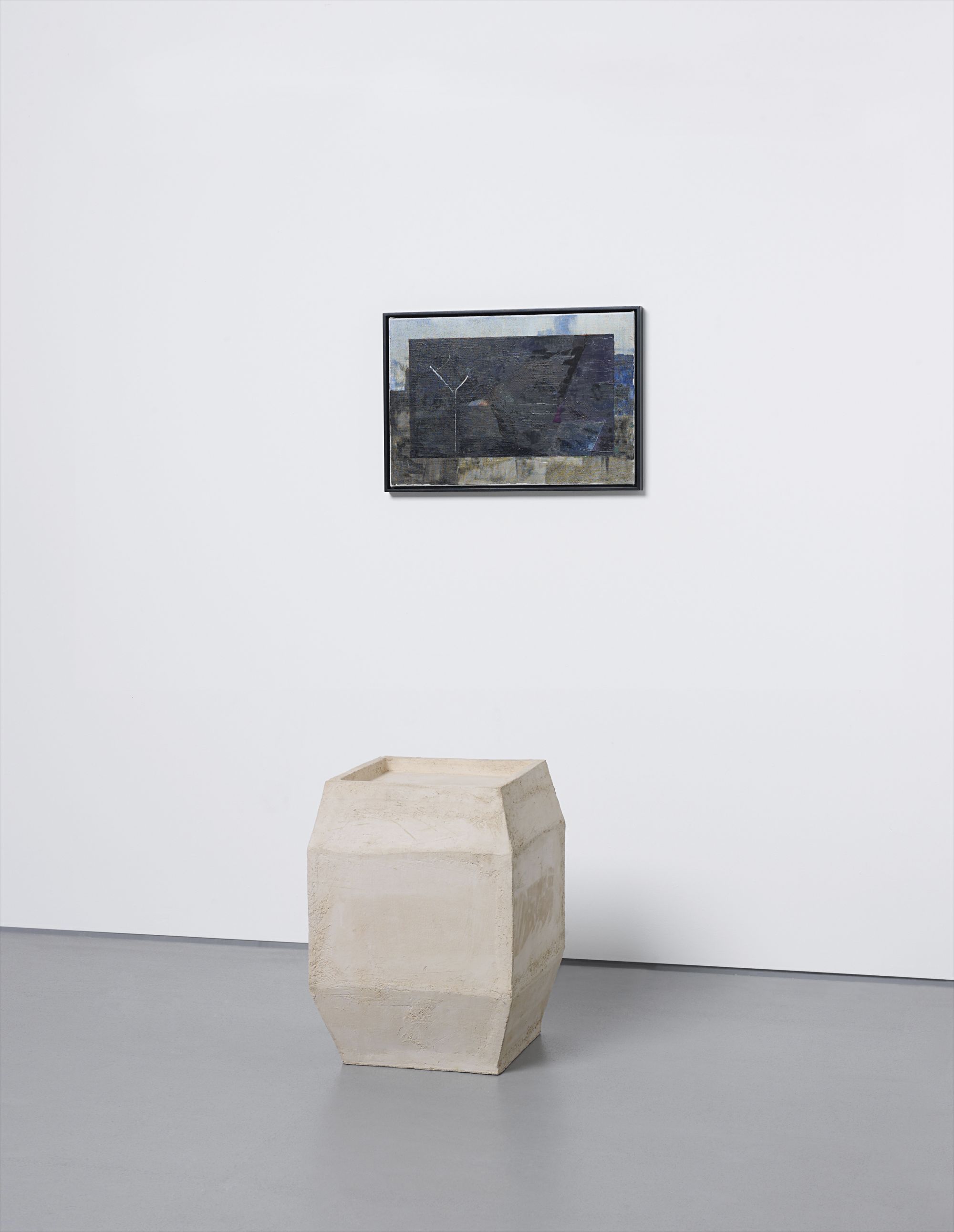
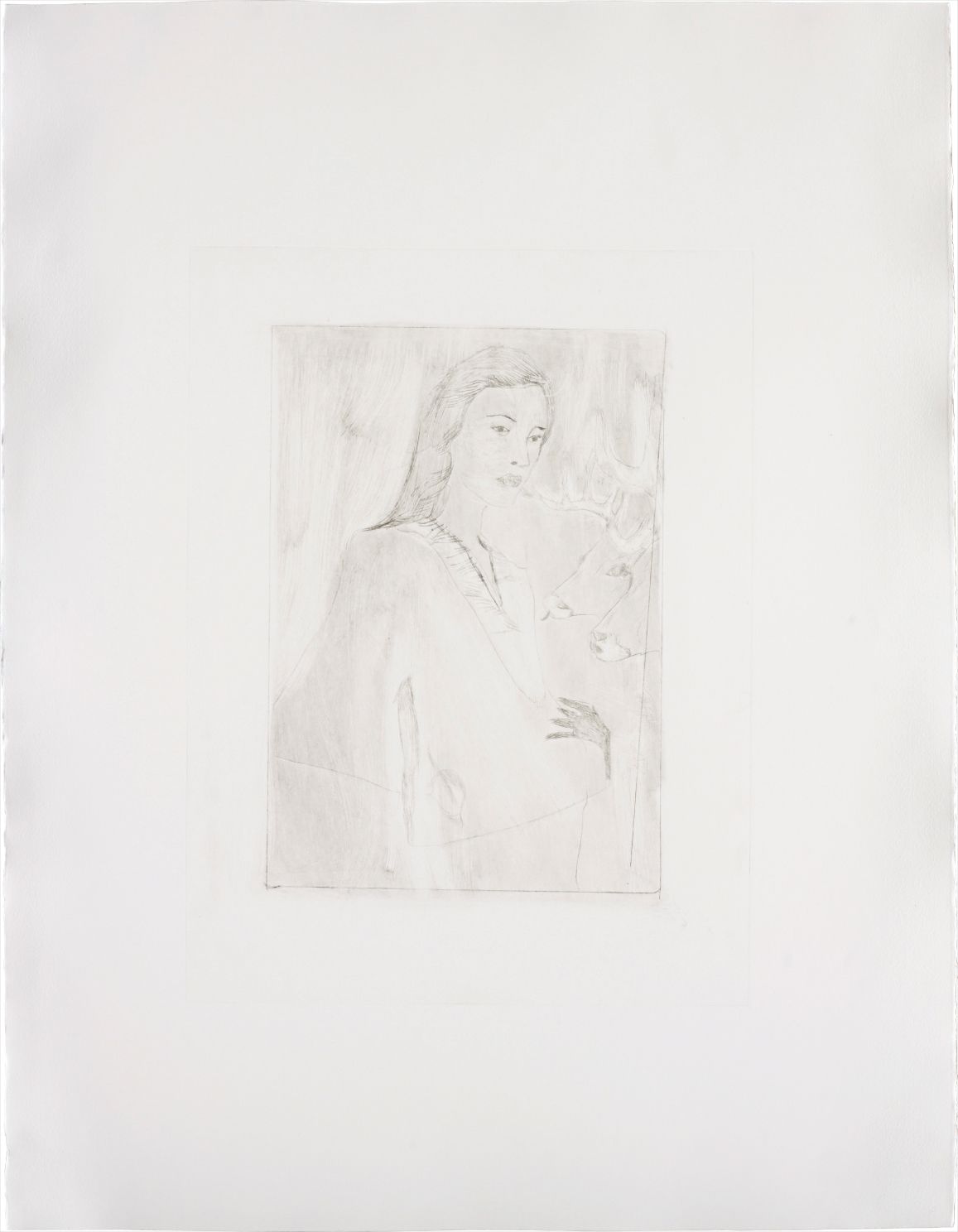
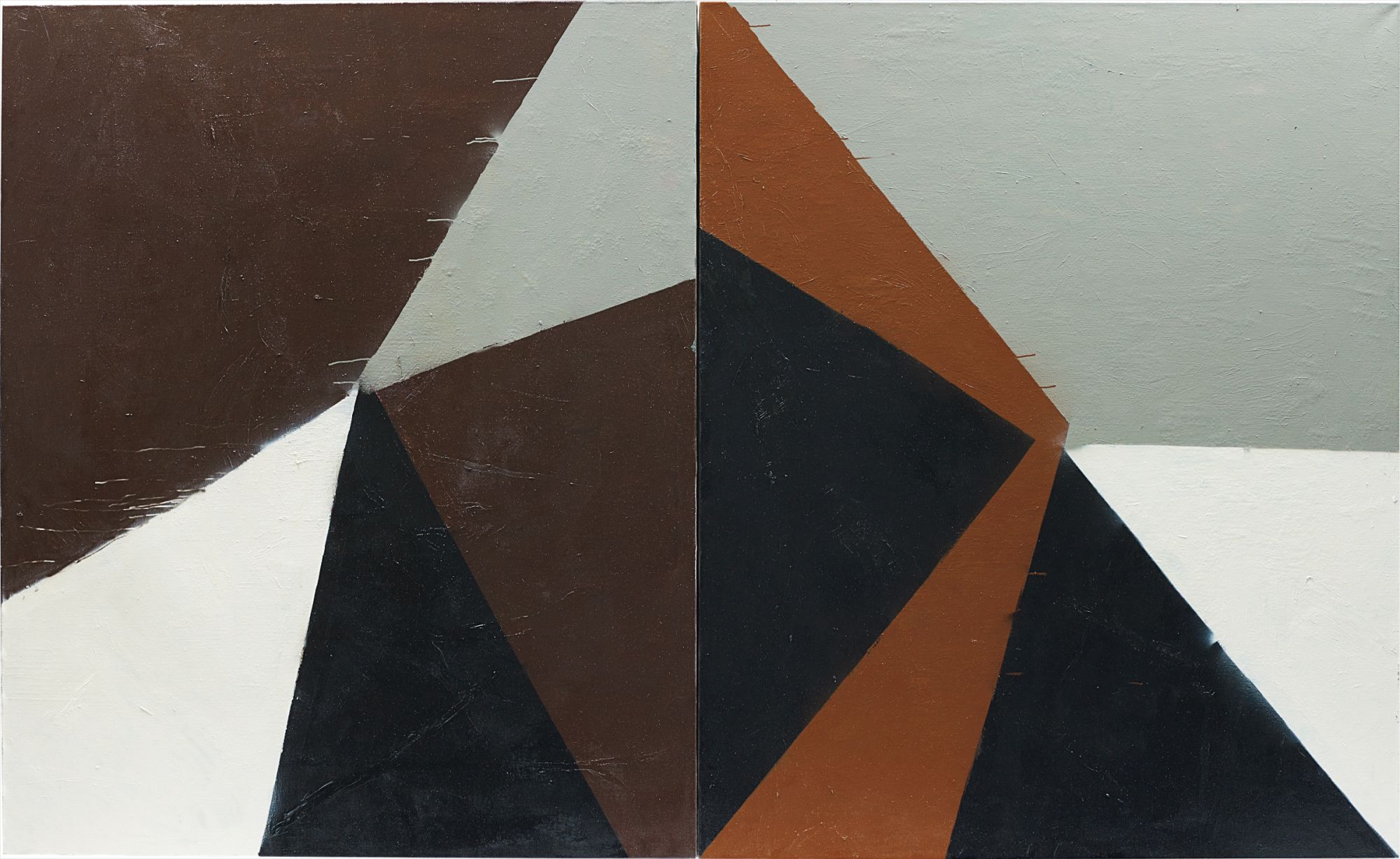
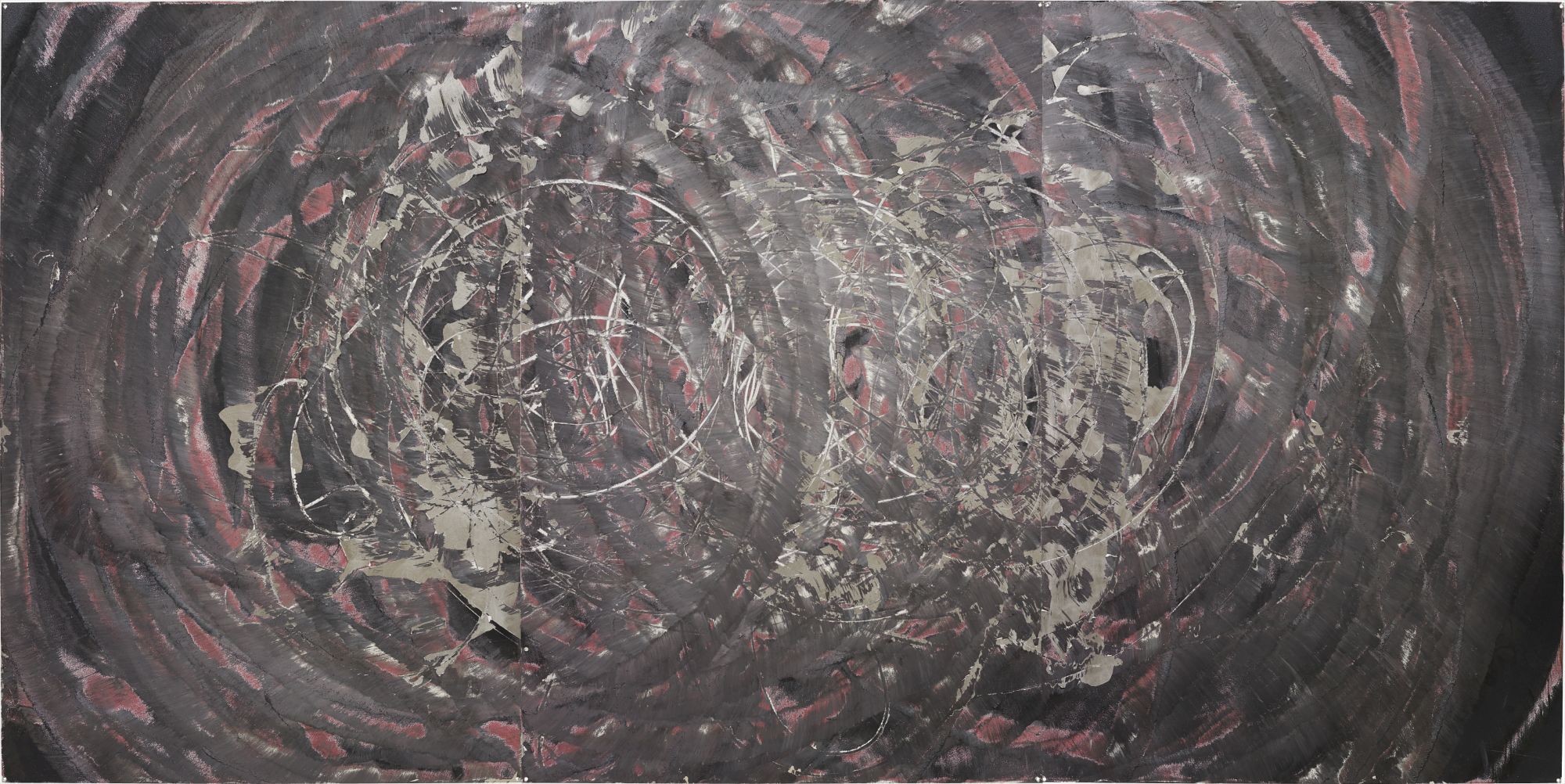
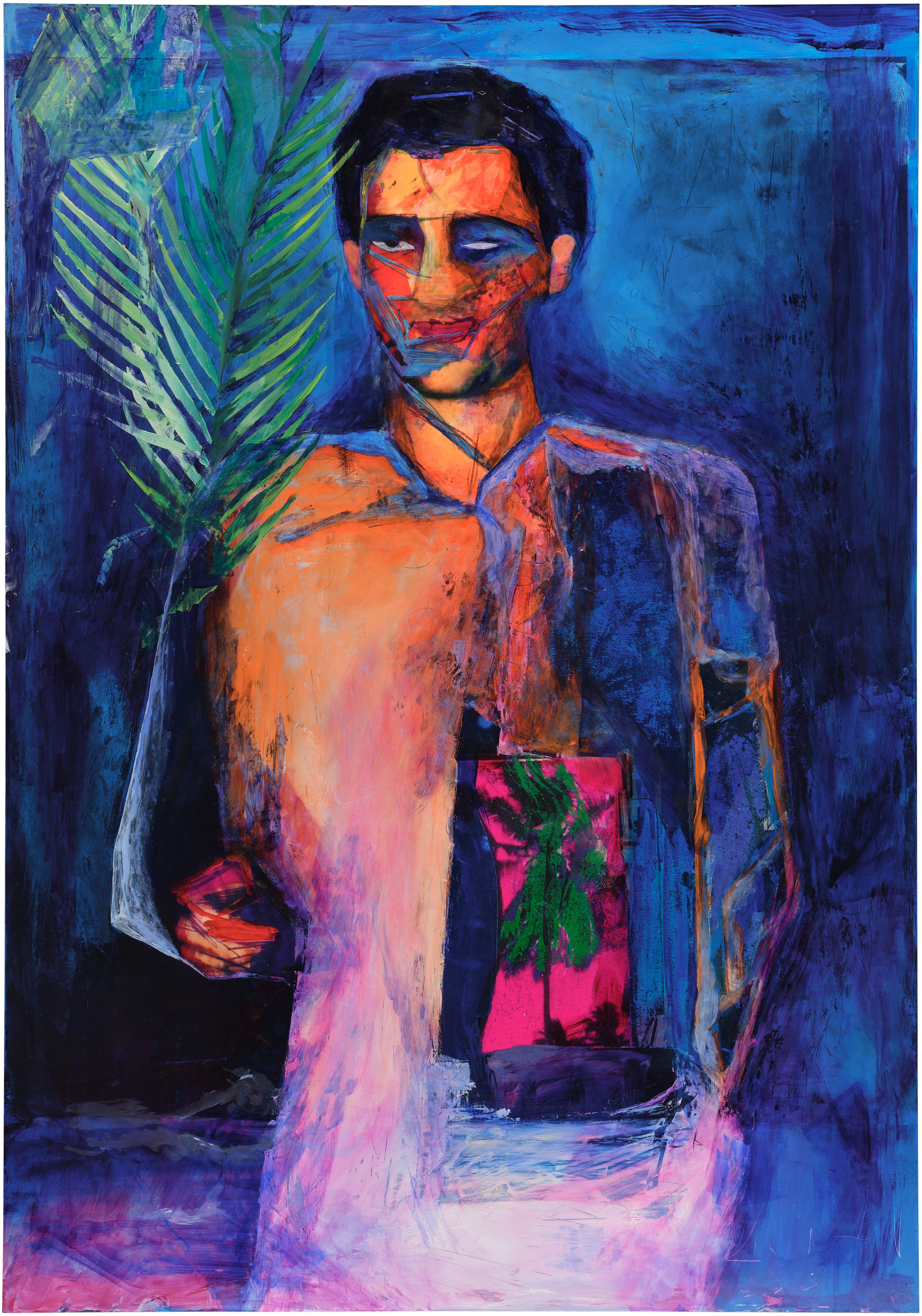
In recent years, the international art world has turned its attention with renewed warmth toward Andro Wekua, a Georgian born artist whose work occupies a singular position at the intersection of memory, sculpture, and painterly imagination. His presence in the permanent collection of the Centre Pompidou in Paris marks a significant institutional recognition, placing him among a generation of Central and Eastern European artists who have reshaped the contemporary conversation about identity, displacement, and the aesthetics of recollection. His continued presence at major international… Continue reading
Artists in conversation
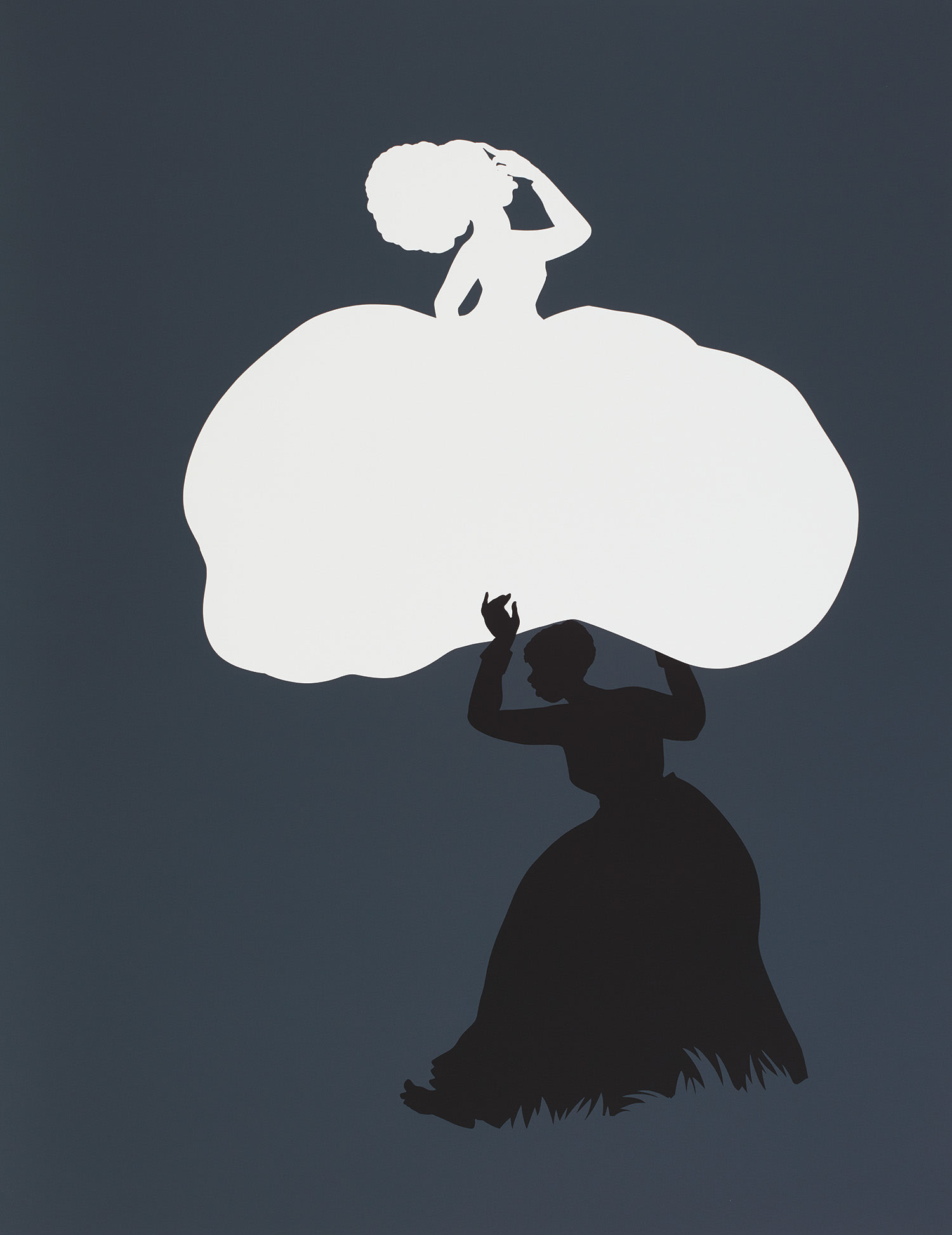
Kara Walker
Walker shares Wekua's interest in fragmented historical trauma and displacement rendered through figurative imagery that blends personal and collective memory. Both artists use silhouette and sculptural forms to evoke loss with a melancholic and surrealist undertone.
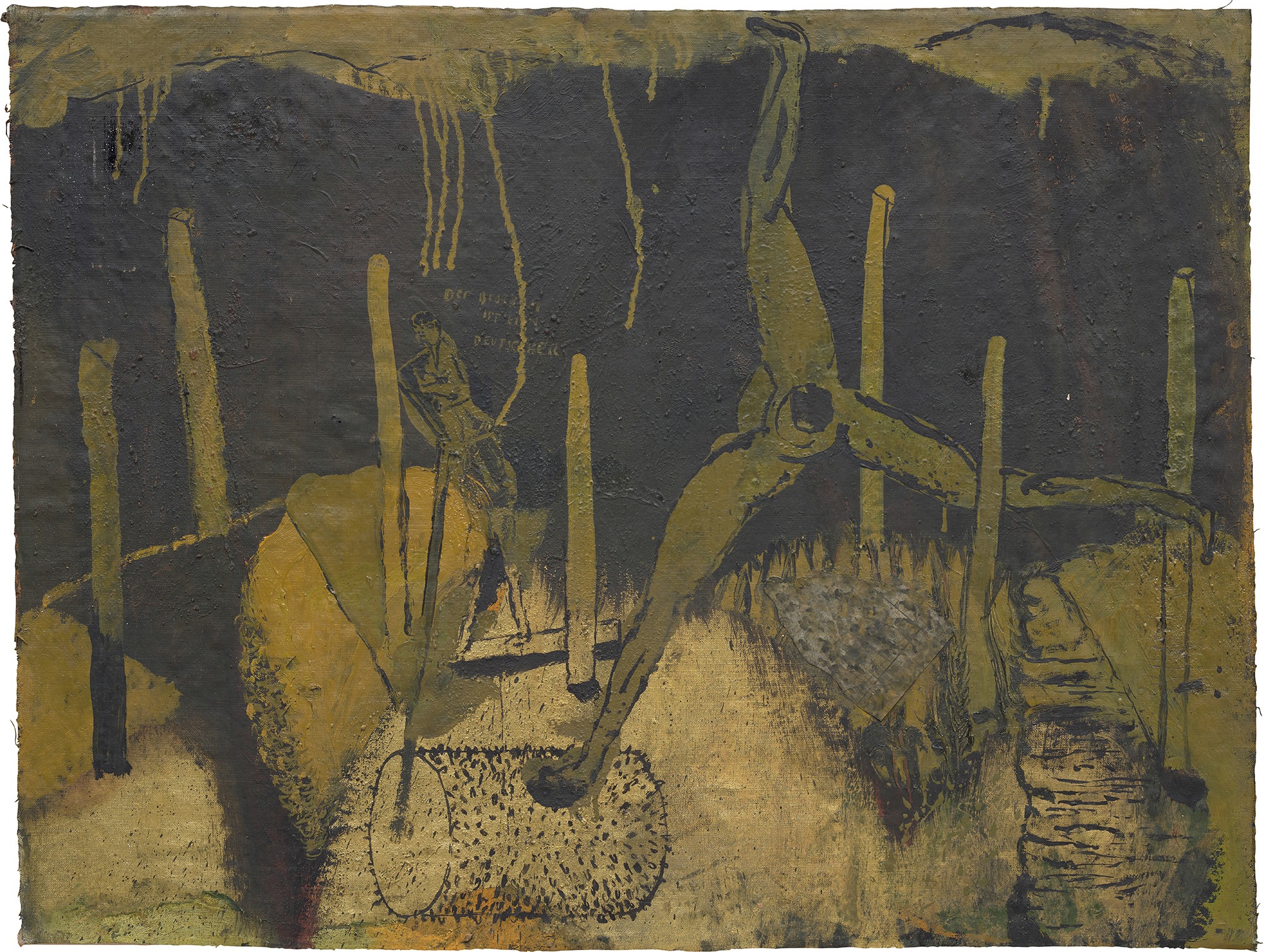
Neo Rauch
Rauch similarly draws on Eastern European socialist imagery and European modernism to construct dreamlike figurative narratives with muted tones and a contemplative mood. His paintings share Wekua's quality of suspended time and psychological ambiguity rooted in a specific cultural memory.
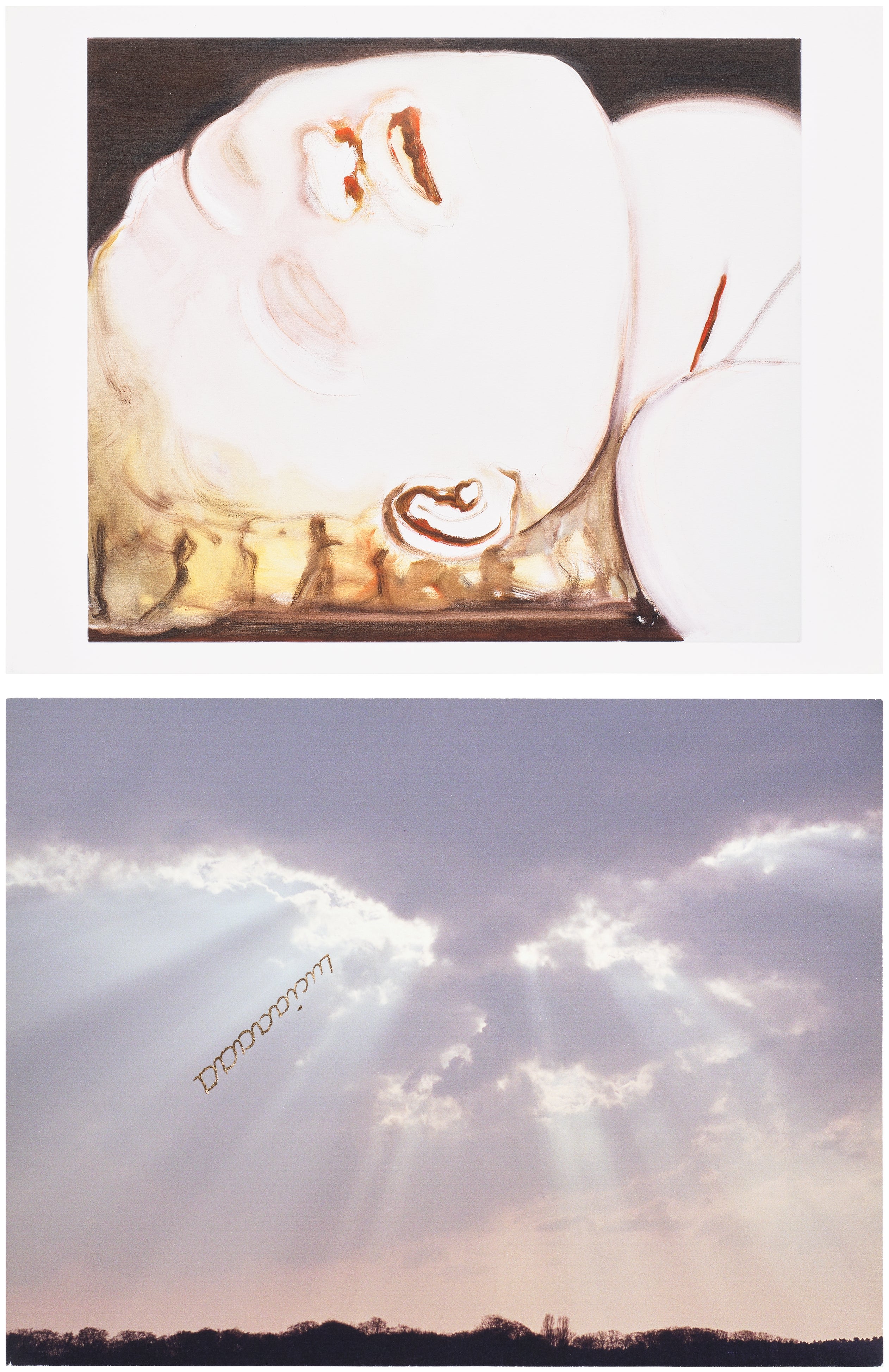
Marlene Dumas
Dumas works in figurative painting and works on paper with cool and muted palettes, exploring psychological states of vulnerability, loss, and identity. Her intimate and melancholic treatment of the human figure closely parallels Wekua's emotional and formal approach.
Artists who inspired them
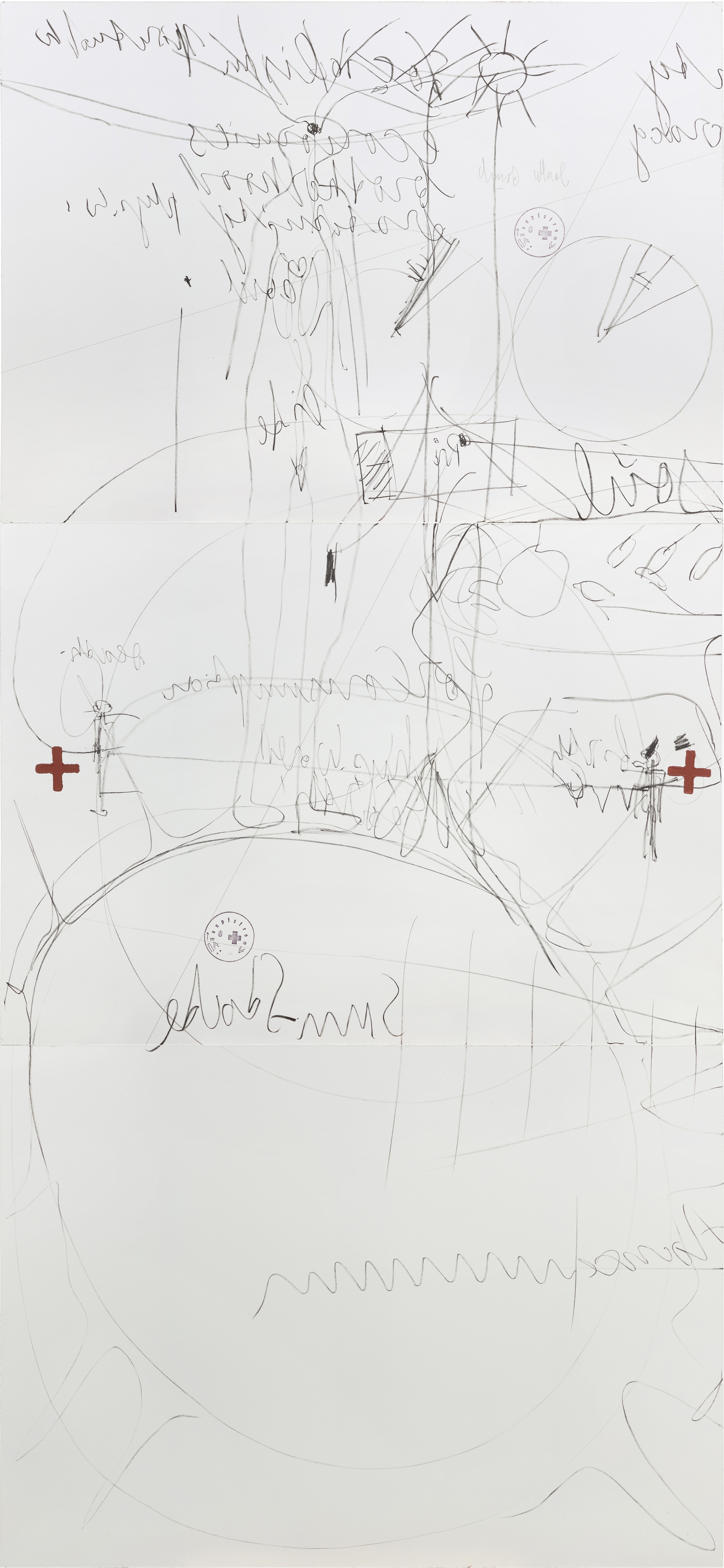
Joseph Beuys
Beuys pioneered the use of personal trauma and historical rupture as sculptural material, an approach that resonates deeply with Wekua's installation practice. His integration of myth, memory, and mixed media laid conceptual groundwork that Wekua extends into his own post Soviet biographical context.
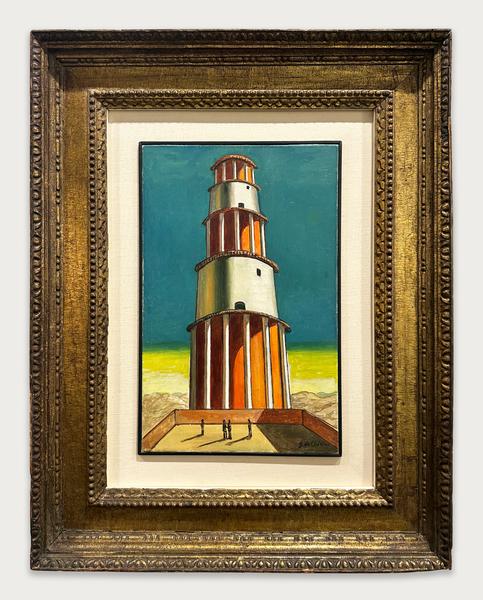
Giorgio de Chirico
De Chirico's metaphysical paintings featuring mannequin figures, eerie spatial voids, and melancholic stillness are a clear formal and thematic precedent for Wekua's sculptural and painted figures. The uncanny displacement of the human form in de Chirico maps directly onto Wekua's aesthetic language.
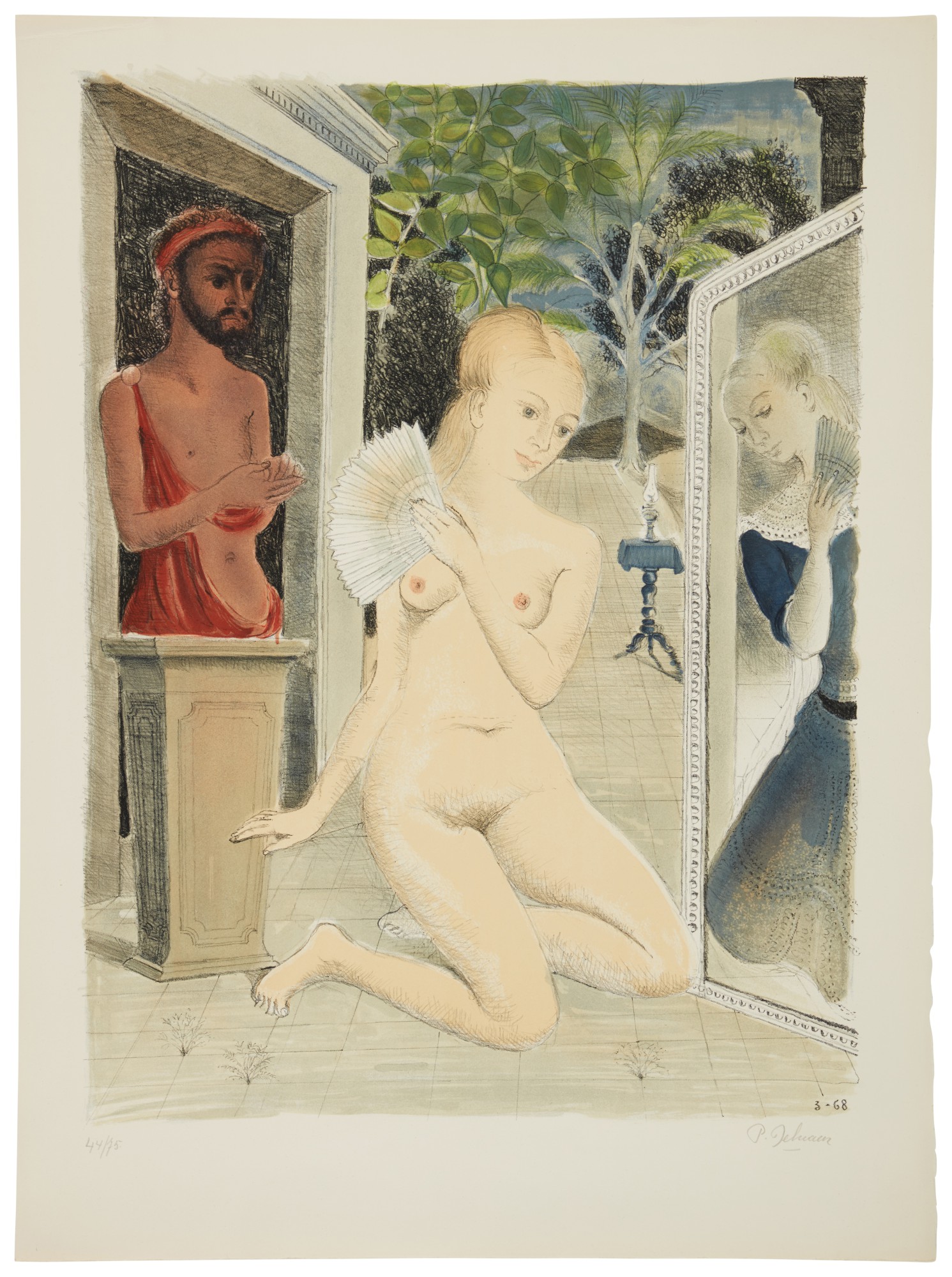
Paul Delvaux
Delvaux's surrealist paintings of somnambulant figures in architecturally ambiguous spaces evoke the same sense of suspension and psychological estrangement found in Wekua's work. His use of figurative forms caught between states of presence and absence influenced Wekua's approach to the body as a carrier of memory.