Naturalistic Mood
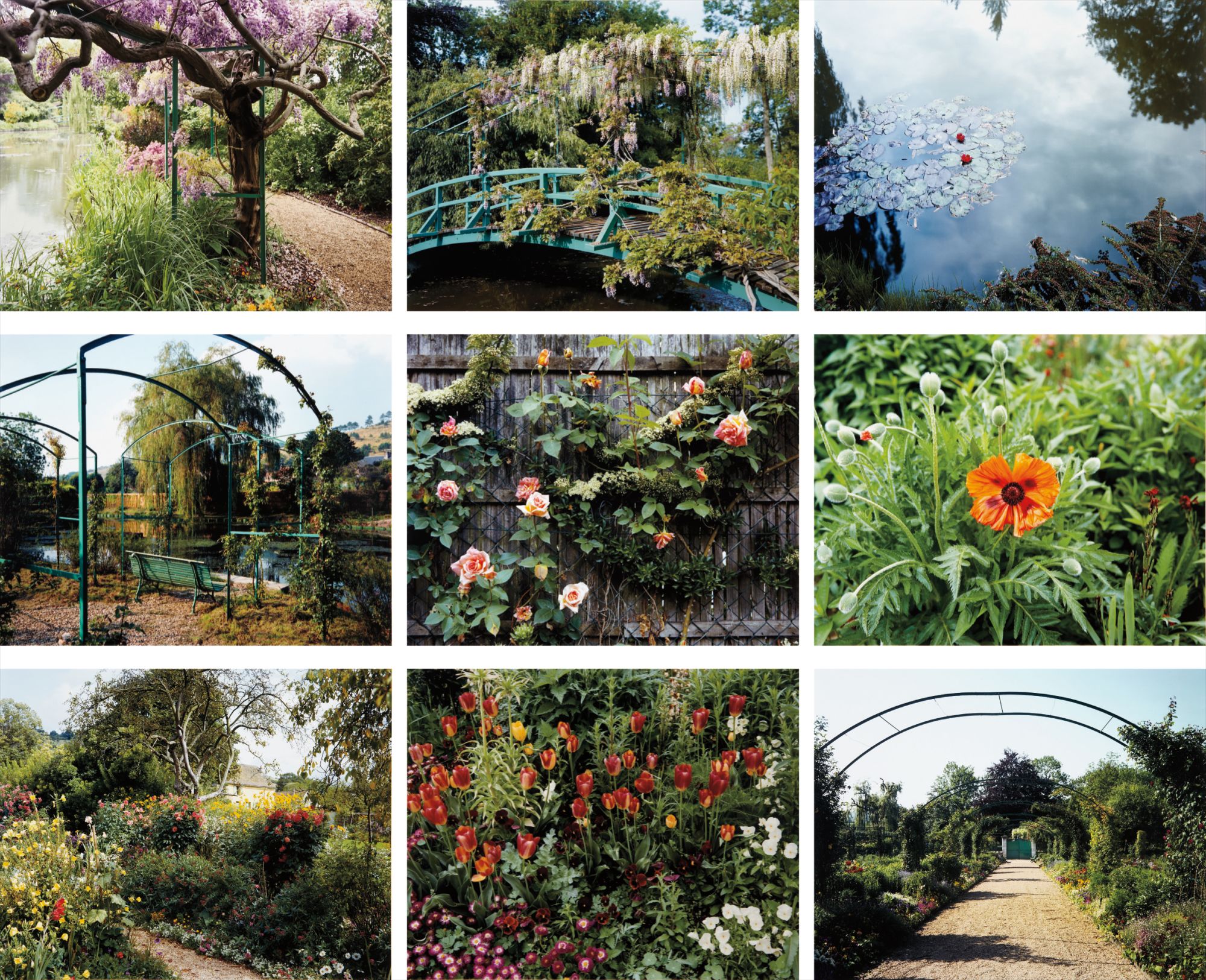
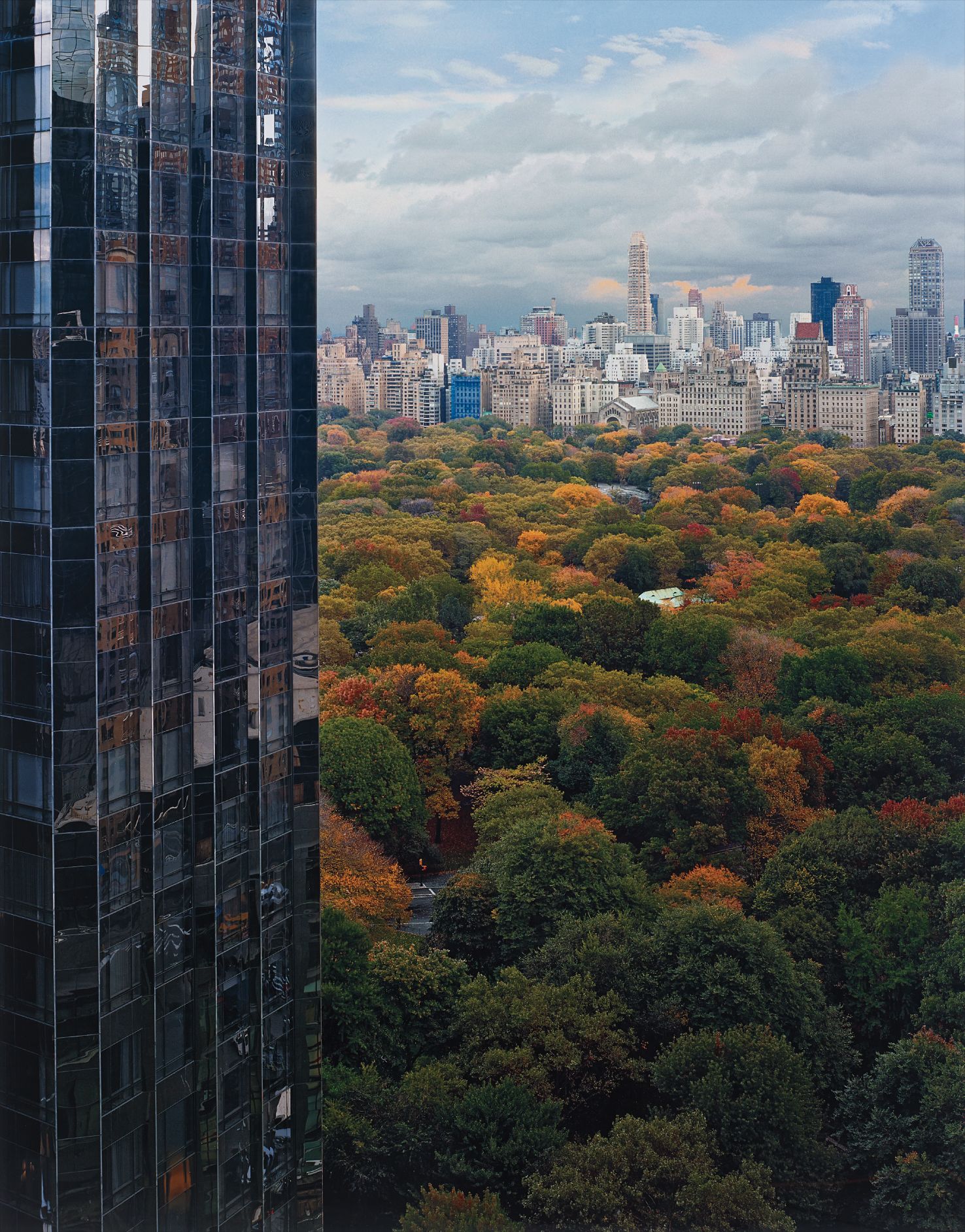
Stephen Shore
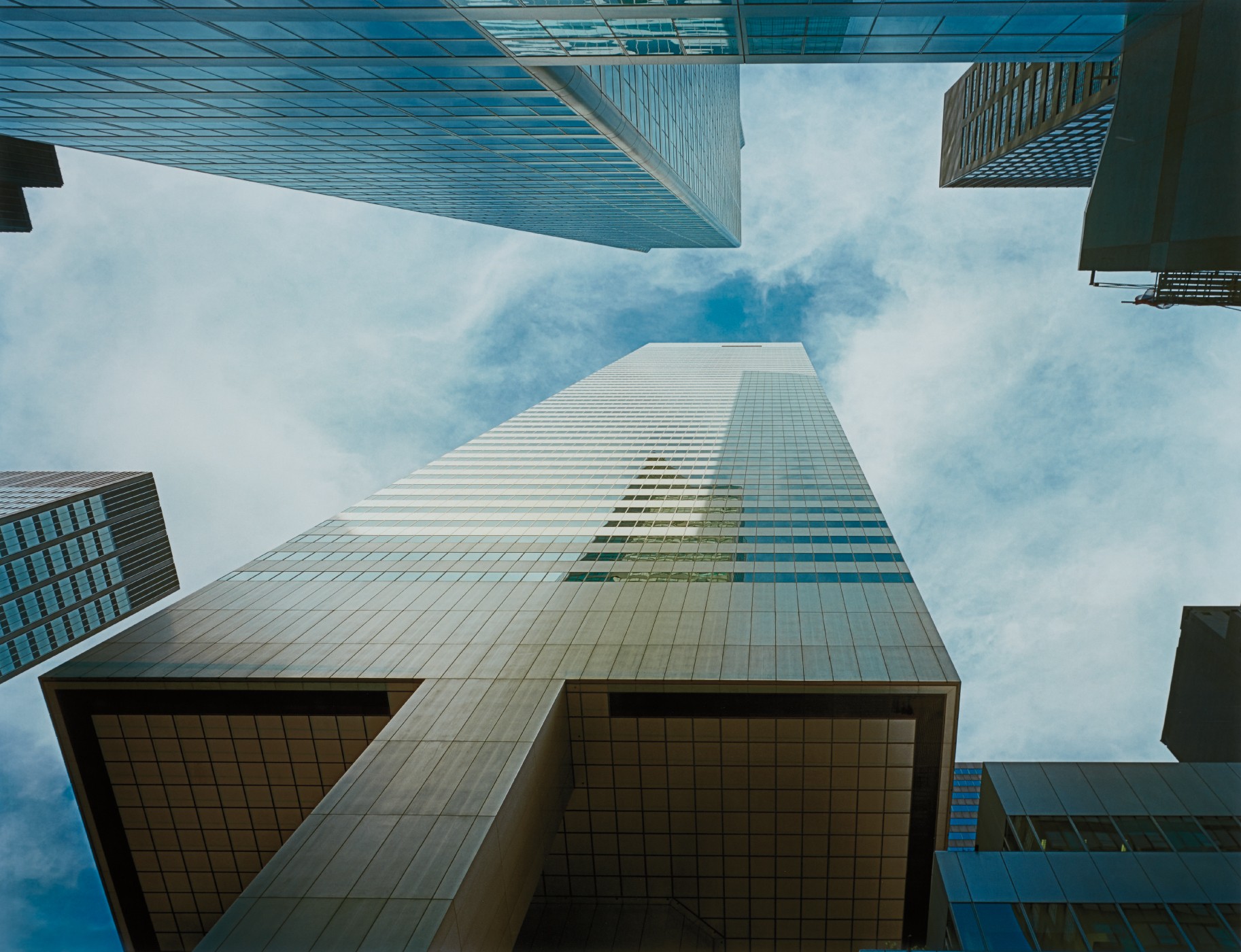
The Giverny Portfolio, 2002
The Wild Interior: Collecting Nature's Quieter Power
There is something deeply personal about living with work that carries the weight of the natural world. Collectors who are drawn to what we might loosely call a naturalistic mood are not simply decorating rooms with pleasant landscapes. They are choosing to be in ongoing conversation with something larger than the domestic, something that resists the frantic pace of contemporary life and insists, daily, on a different tempo. The best works in this register do not merely depict nature.
They transmit it, carrying the particular quality of light through a forest canopy or the slow tension of an animal at rest into spaces that would otherwise belong entirely to the human world. What draws serious collectors here is partly aesthetic and partly psychological. There is genuine comfort in work that acknowledges the nonhuman, that locates the viewer within a larger ecology rather than at its center. But beyond comfort, the most compelling naturalistic works also carry intellectual and formal ambition.
Stephen Shore
The Giverny Portfolio, 2002
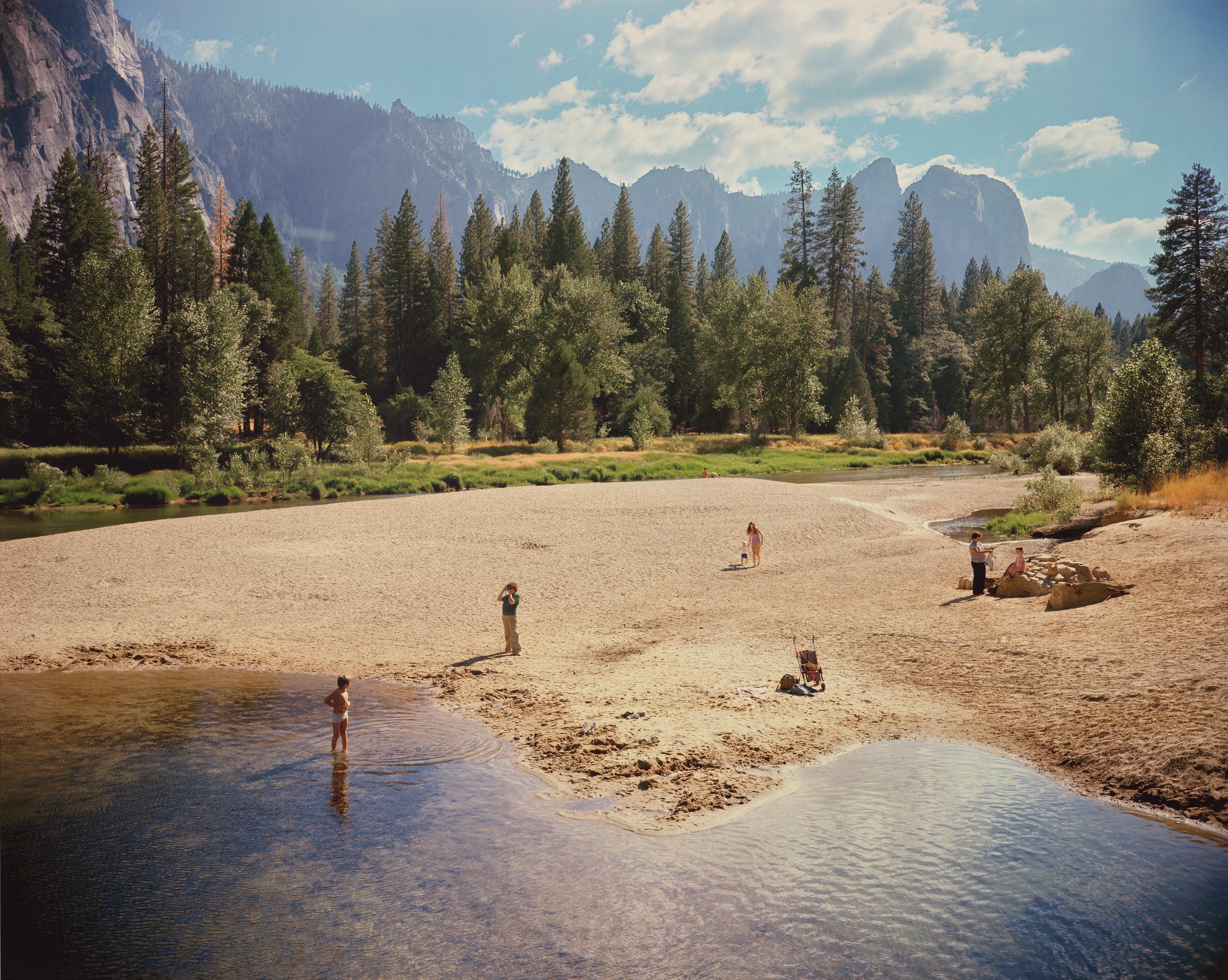
The photographs of Stephen Shore, for example, are never simply about what they show. His attention to the American landscape is structured by an almost architectural precision, an awareness of how light organises space and how the natural and the built exist in a state of constant, sometimes uneasy, negotiation. Living with Shore is living with a particular quality of attention, and that is a genuinely rare thing. The question of what separates a good work from a great one in this space deserves serious consideration before any purchase.
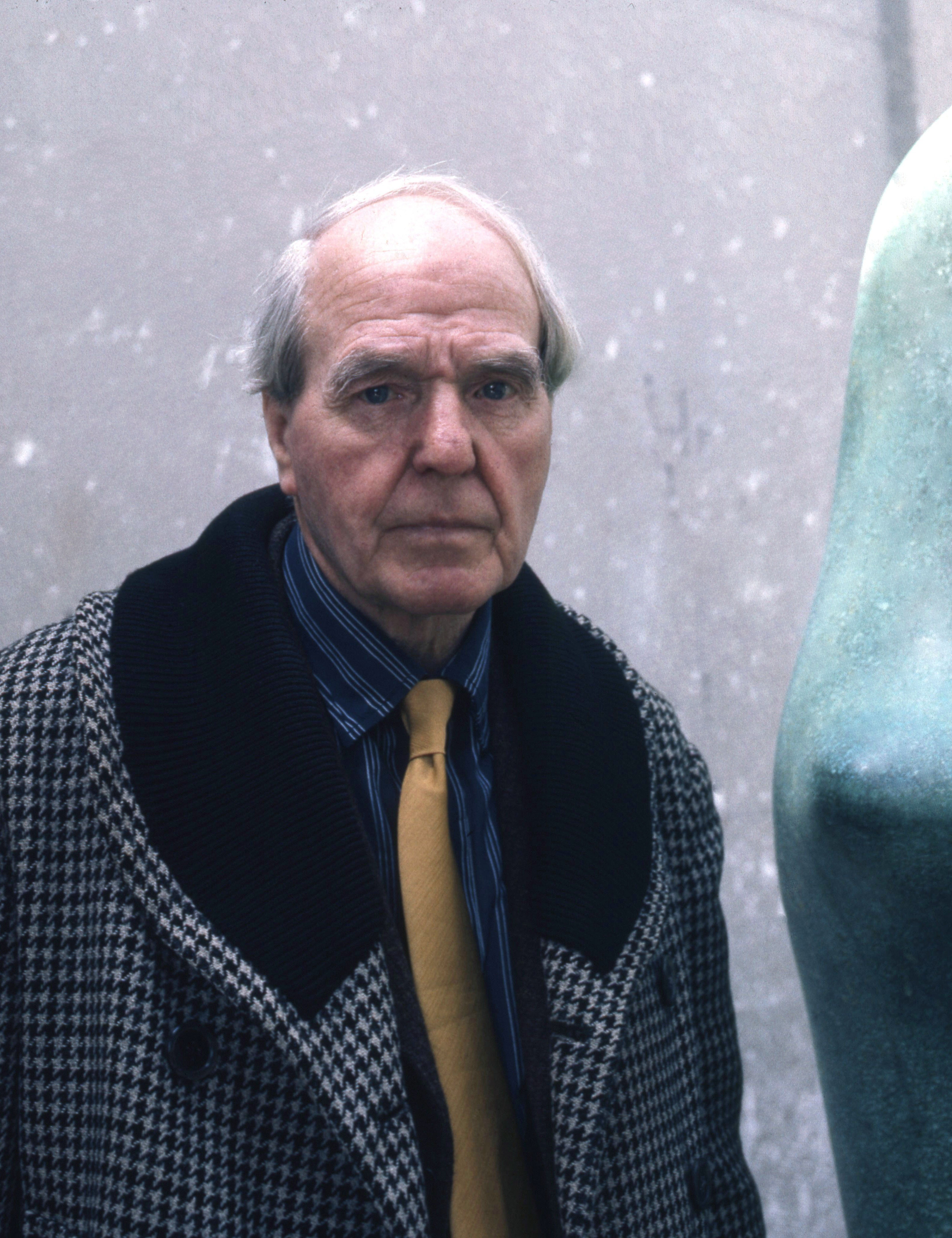
The most important factor is whether the work possesses what you might call internal weather, a sense that something is happening beyond the surface image or object. A sculpture by Henry Moore achieves this through the relationship between mass and void, the way organic forms seem to have arrived at their shape through some process analogous to geological time rather than conscious design. A photograph achieves it through the tension between what is visible and what is implied just beyond the frame. Collectors should ask themselves whether the work continues to yield something new on the third viewing, the thirtieth, the hundredth.
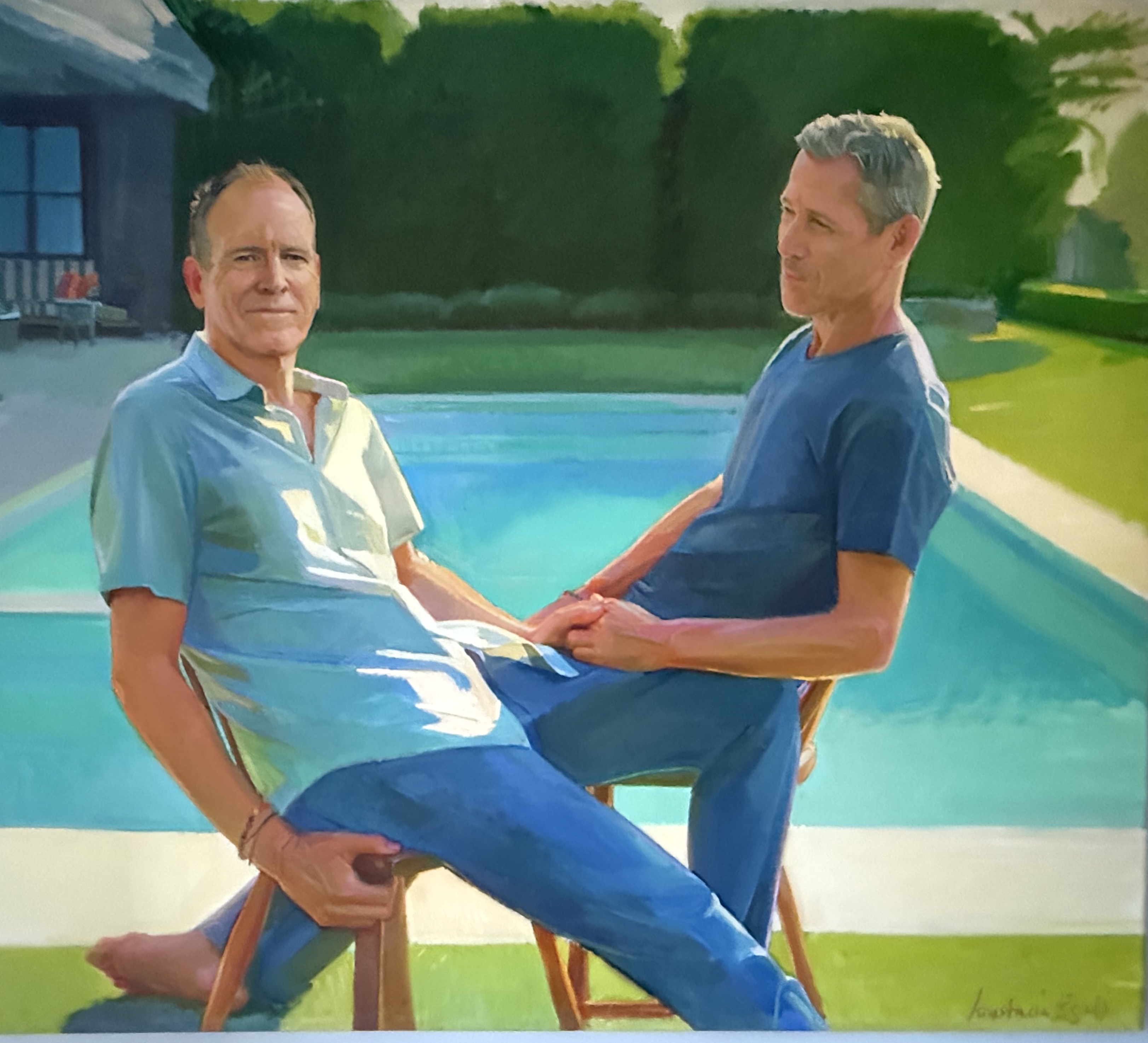
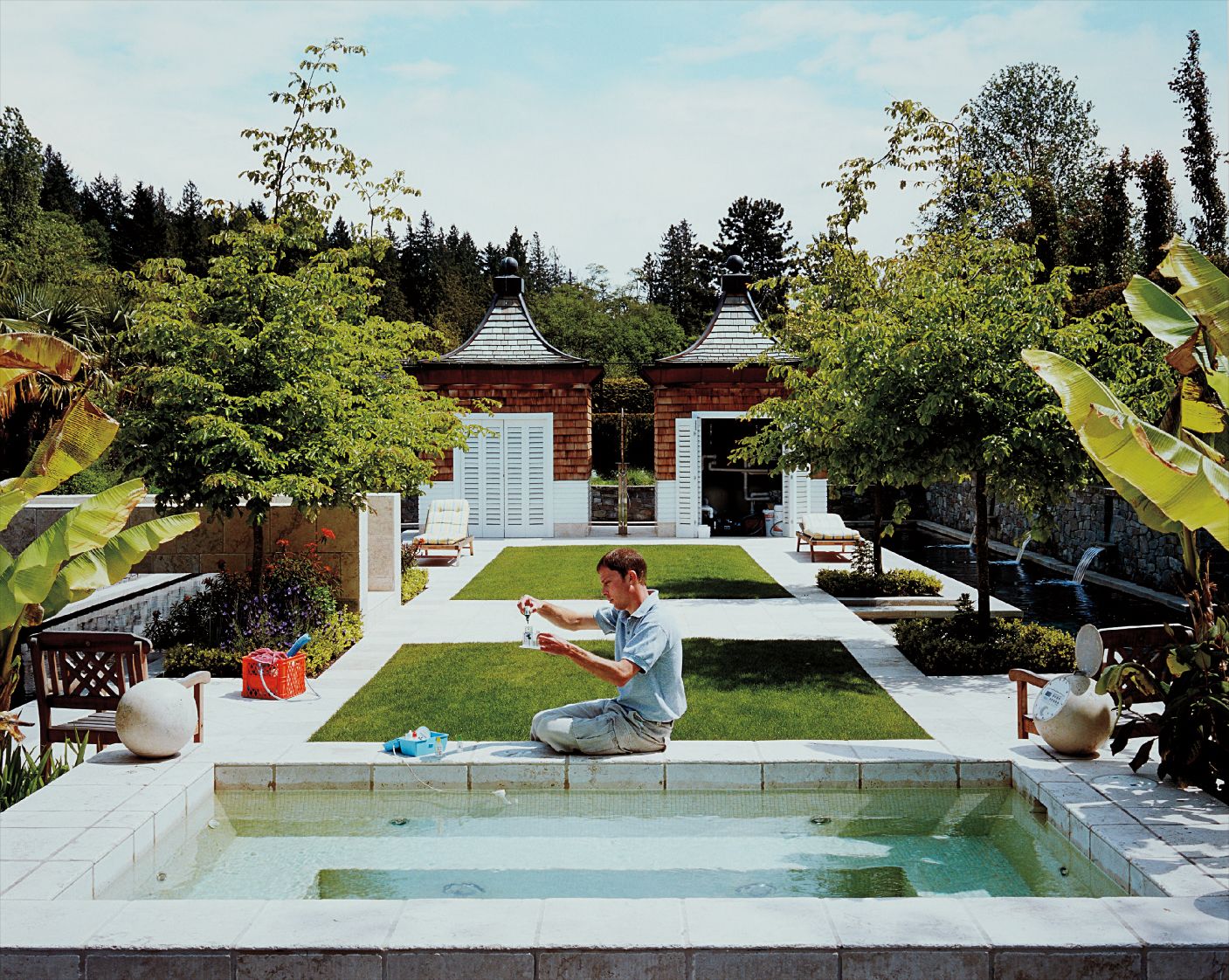
Scott McFarland
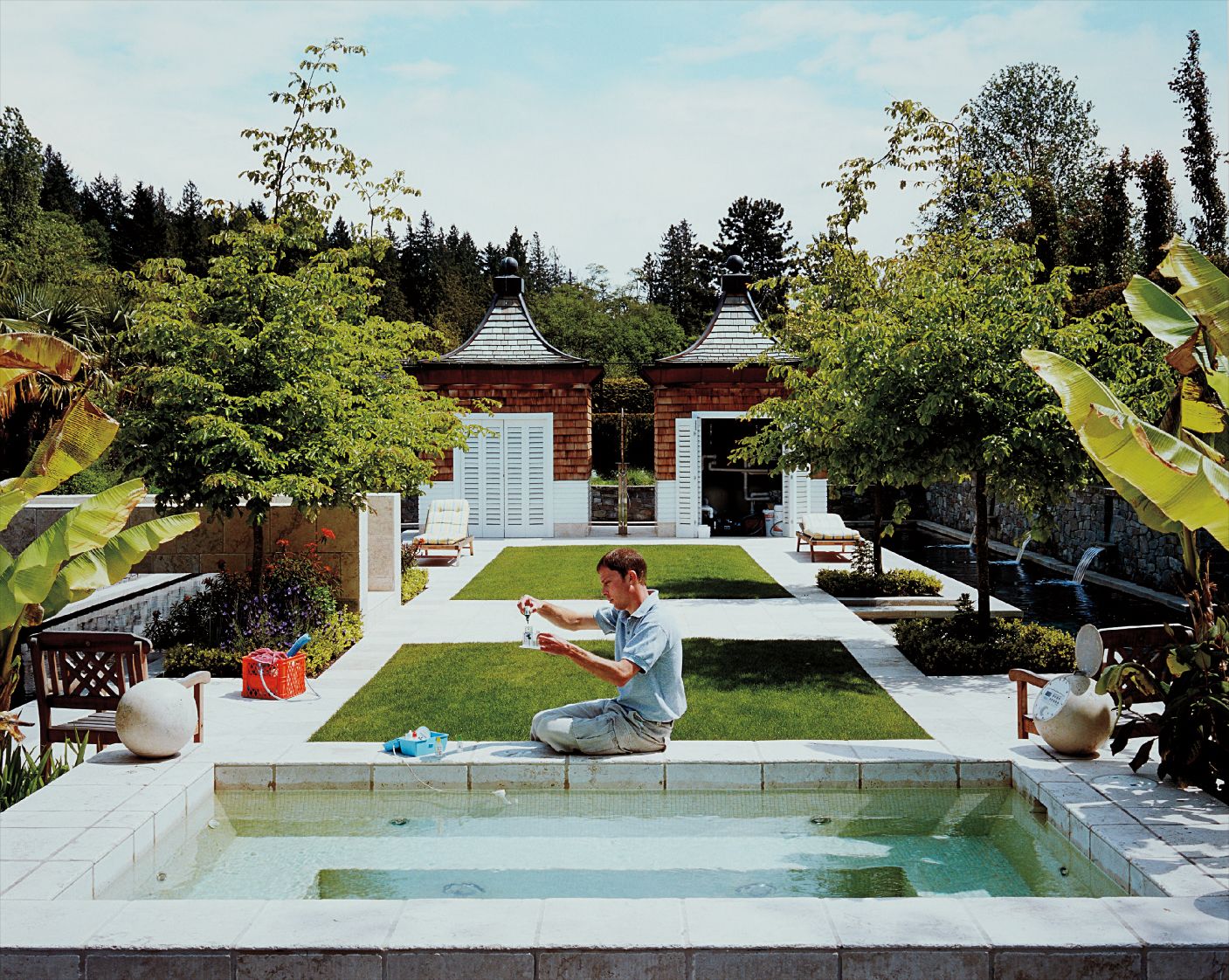
Analyzing, Ryan Otto Conducts Water Test
If it closes down after a single encounter, it is almost certainly not great. Among the artists well represented on The Collection, there are several whose relationship to naturalistic mood deserves particular attention from a collecting standpoint. Scott McFarland occupies a fascinating position in the market. His constructed photographic images, which layer multiple exposures to create garden scenes of uncanny coherence, sit at the intersection of documentary and conceptual practice in a way that makes them genuinely difficult to categorise.
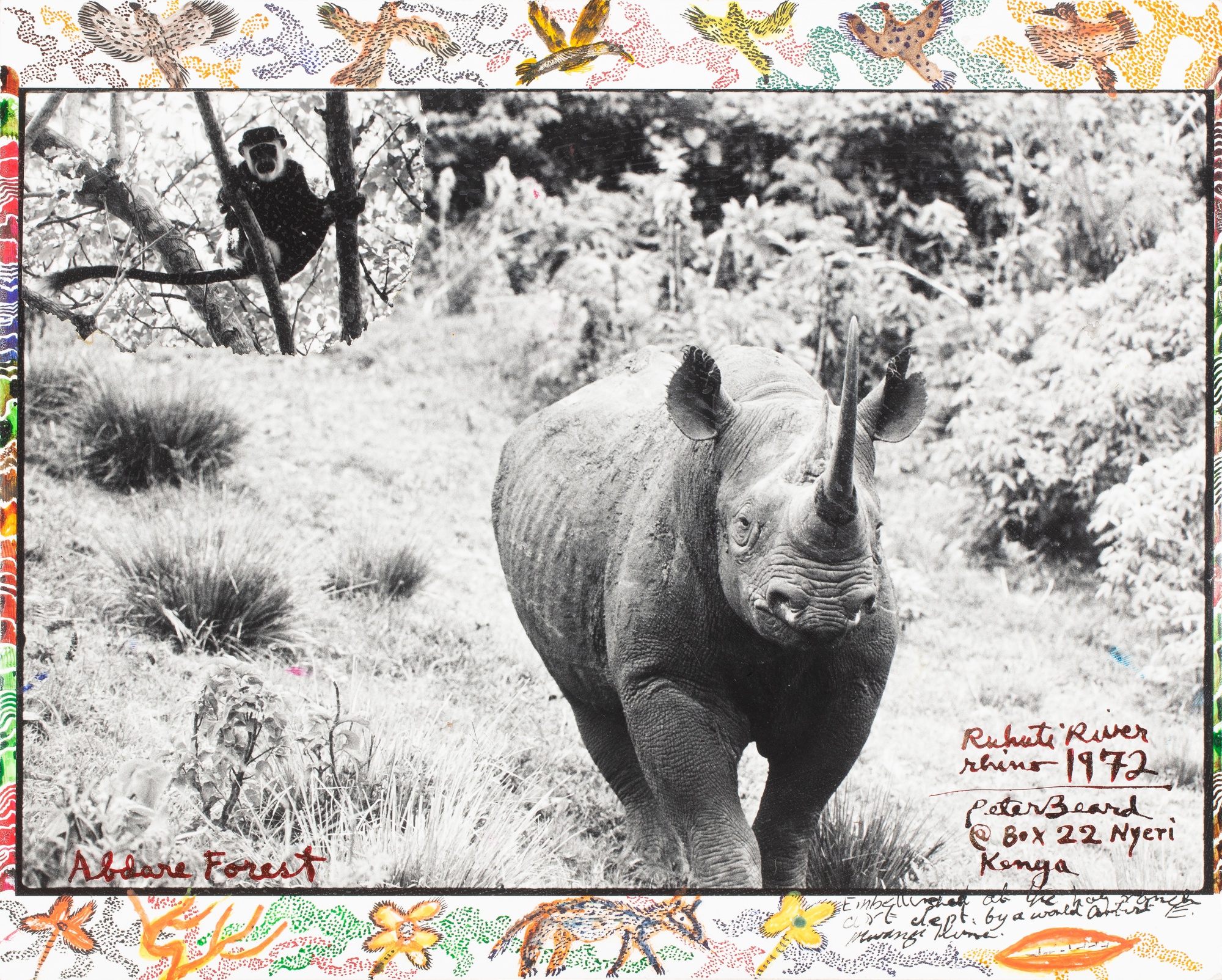
That difficulty is part of their value. Works that resist easy classification tend to age better in collections and in the market, because they continue to reward the critical conversation around them. McFarland is not yet commanding the secondary market prices his institutional recognition might suggest, which makes this a particularly intelligent moment to look seriously at his work. Peter Beard represents a different order of naturalistic engagement, one rooted in a lifelong immersion in East African landscape and wildlife that produced a body of work both formally inventive and historically significant.
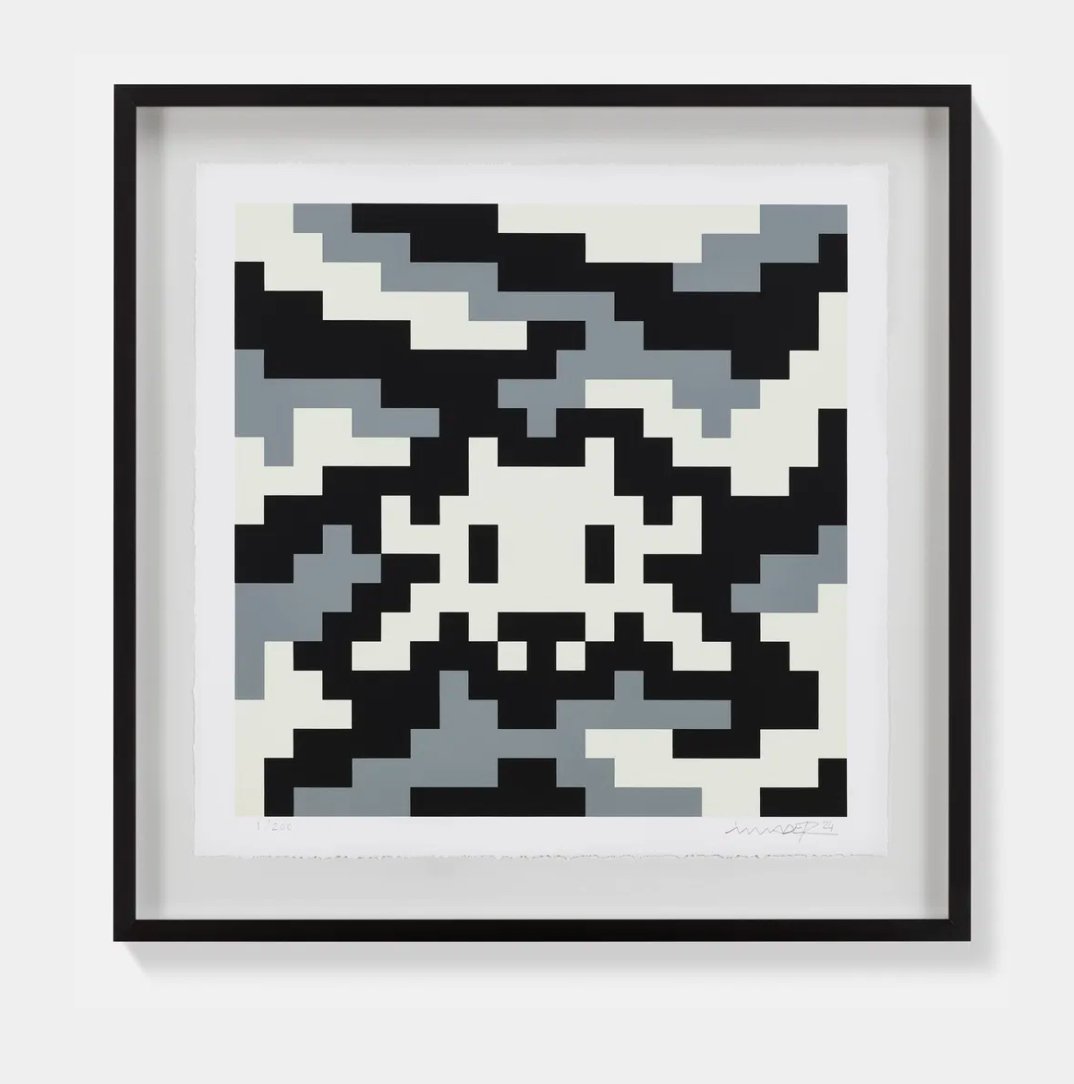
Peter Beard
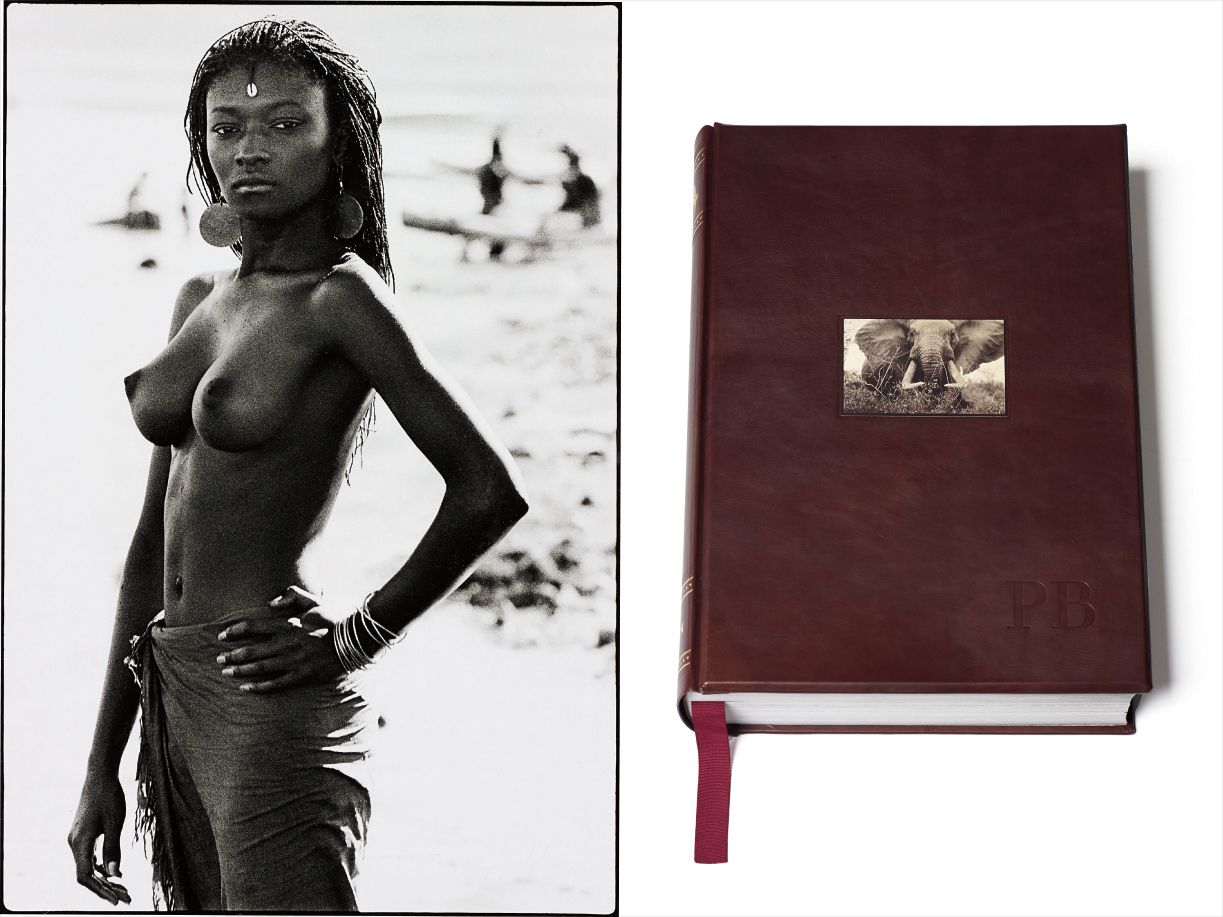
Peter Beard, Collector's Edition, Fayel Tall
His diary photographs and mixed media works from the 1960s and 1970s documented an African wilderness already under enormous pressure, and that documentary urgency is inseparable from their aesthetic power. Robert Polidori brings a completely different register, his work interrogating architecture and interior space in ways that reveal the natural processes of decay and time as a kind of ecological force operating on human environments. To collect Polidori is to collect a meditation on entropy, which is itself a profoundly naturalistic subject. For collectors interested in emerging voices working in this territory, the most interesting younger practitioners are often those engaging with ecology not as subject matter but as formal methodology.
Artists who work with organic materials, with processes subject to change over time, or who are making photographs that take seriously the question of what landscape means in an era of climate disruption are producing work with genuine critical urgency. The gallery system has been relatively slow to consolidate these practices into stable market positions, which creates real opportunity. Building relationships directly with artists through studio visits and smaller galleries before institutional validation arrives remains the most reliable way to acquire significant work at a price that does not already reflect its eventual importance. Auction performance for naturalistic photography and sculpture has been consistently strong over the past decade, with particular momentum in the post pandemic market as collectors reassessed what they wanted to live with during extended periods at home.
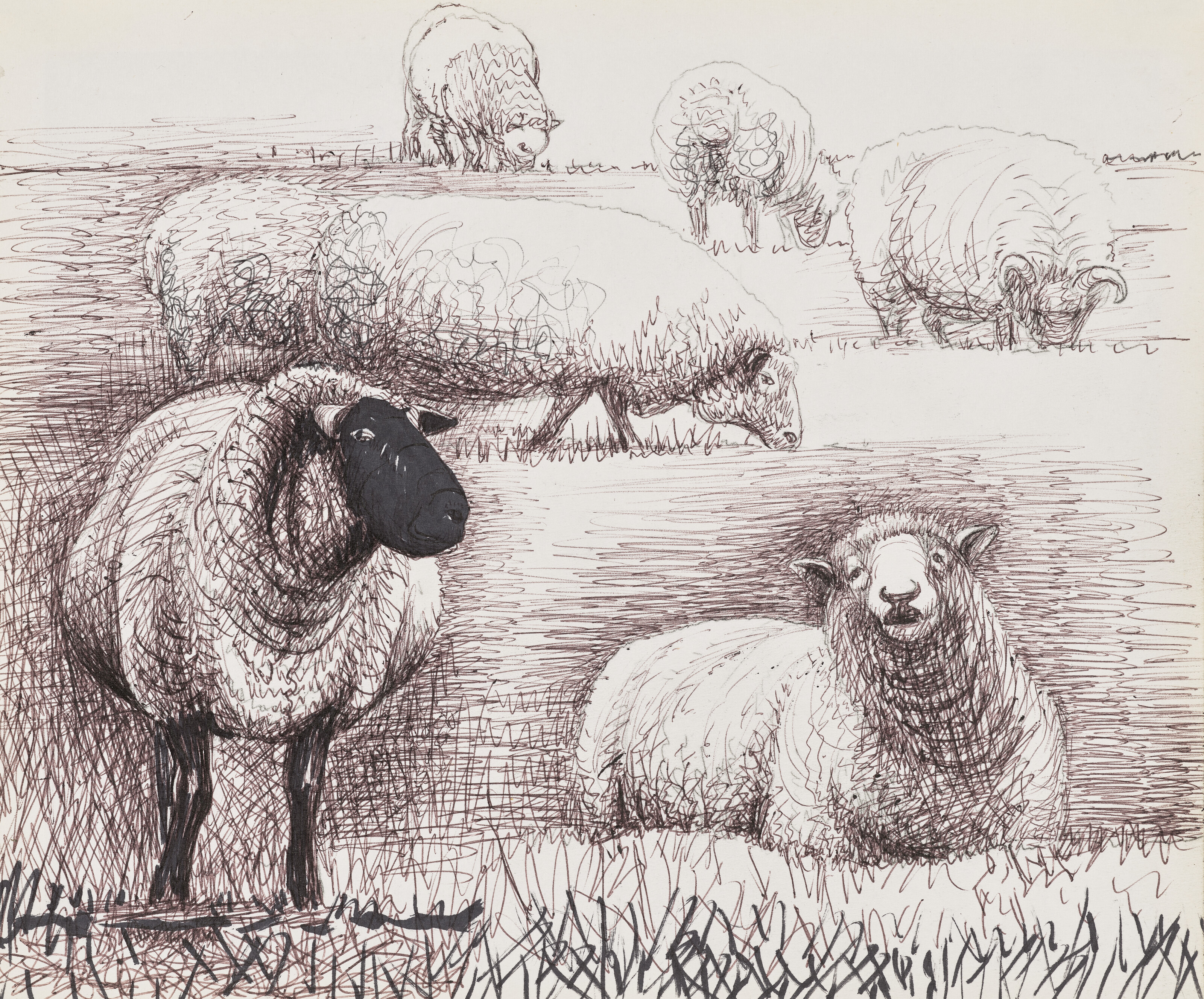
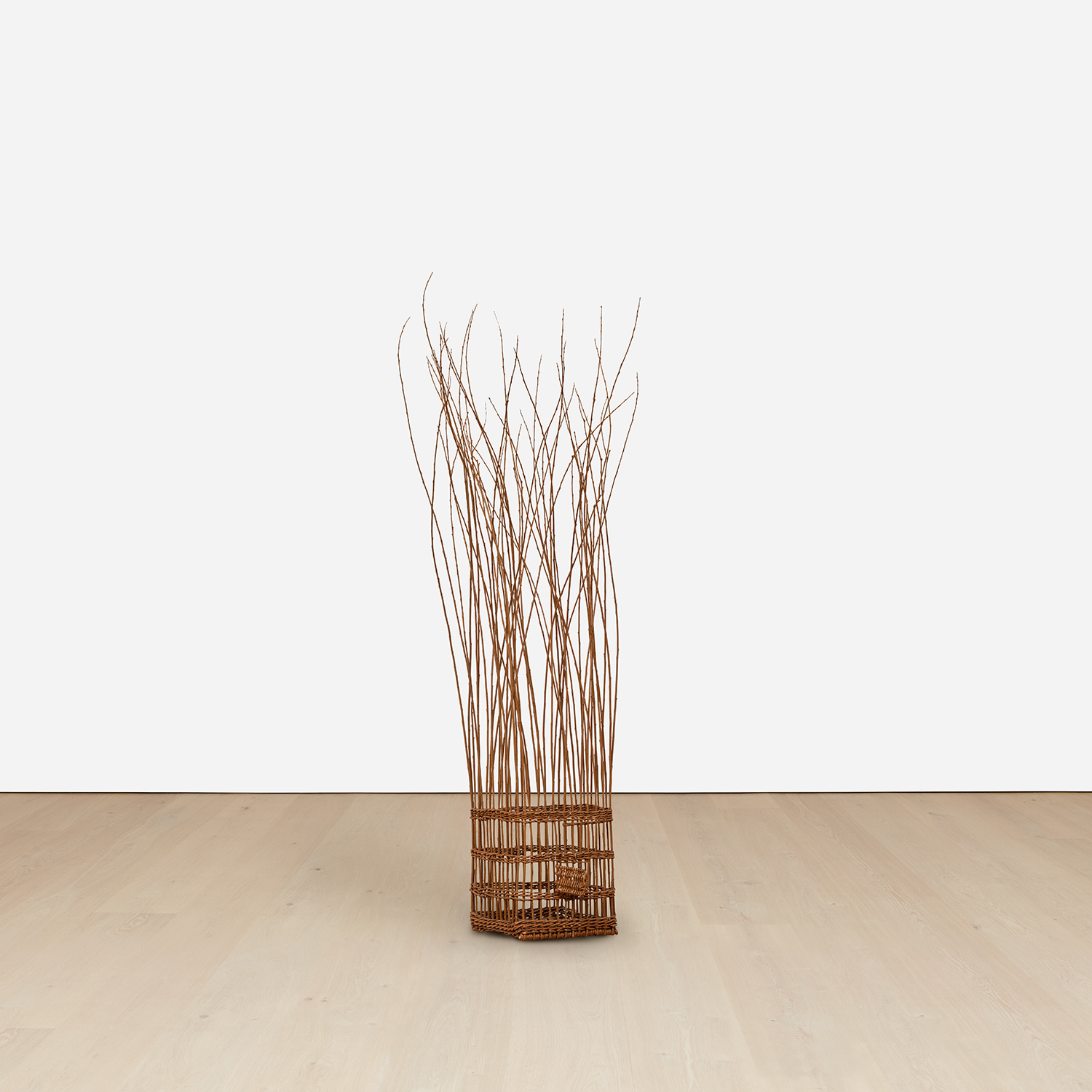
Henry Moore
Field of Sheep
Shore's auction results have been robust for several years, with strong prices achieved at Christie's and Phillips for vintage prints from his early colour work. Moore's bronzes have long been among the most reliable stores of value in twentieth century sculpture, supported by the Henry Moore Foundation's careful stewardship of the market and the enduring institutional appetite for his major works. Secondary market liquidity for artists like Beard can be less predictable, reflecting the more personal nature of his practice and the varying quality across his career. Practical considerations matter enormously with work of this kind.
For photography, the distinction between artist's proofs, limited editions, and open editions is foundational. Always ask the gallery to confirm the edition size and number, and to provide documentation of where a specific print sits within the edition. Condition is paramount: ask specifically about fading, foxing, and any prior restoration. For works on paper and mixed media pieces, UV protective glazing is not optional.
Sculpture requires attention to where foundry marks appear and whether a cast falls within the artist's lifetime edition, which affects value significantly. When displaying naturalistic work, resist the impulse to contextualise it too heavily with other objects. The best of it rewards space and silence, a wall and enough room for the eye to settle into what it is being asked to notice.