Join The Collection to save, track, and explore works like this.

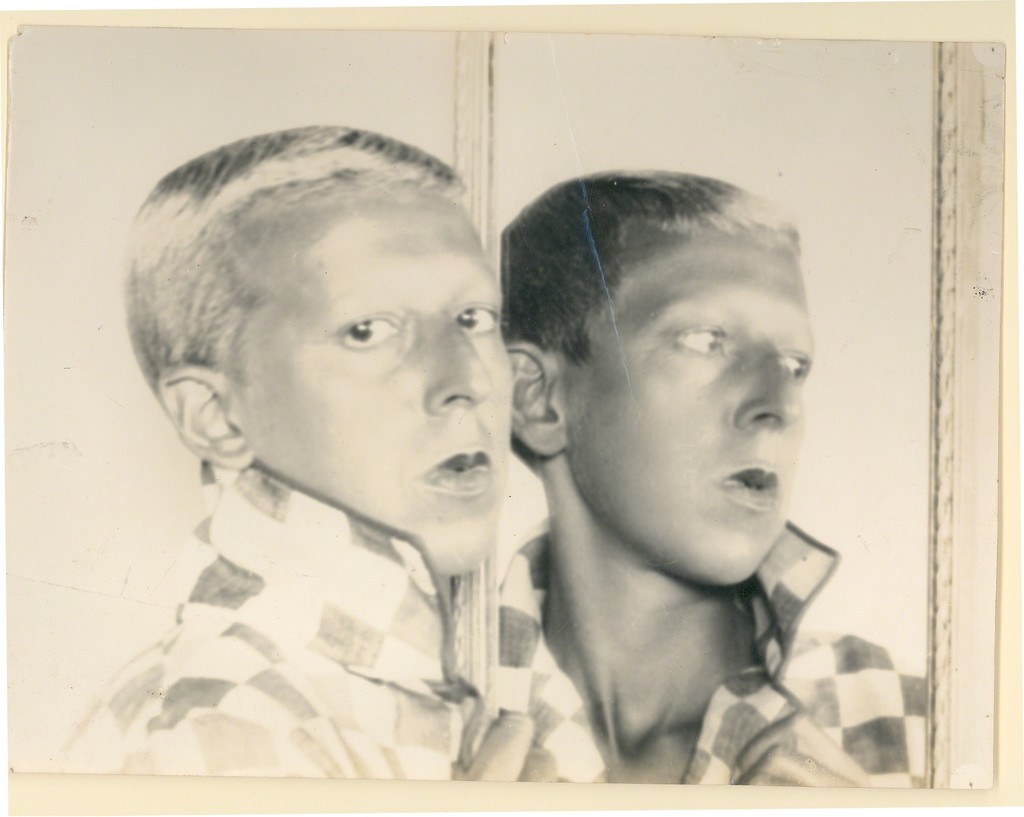
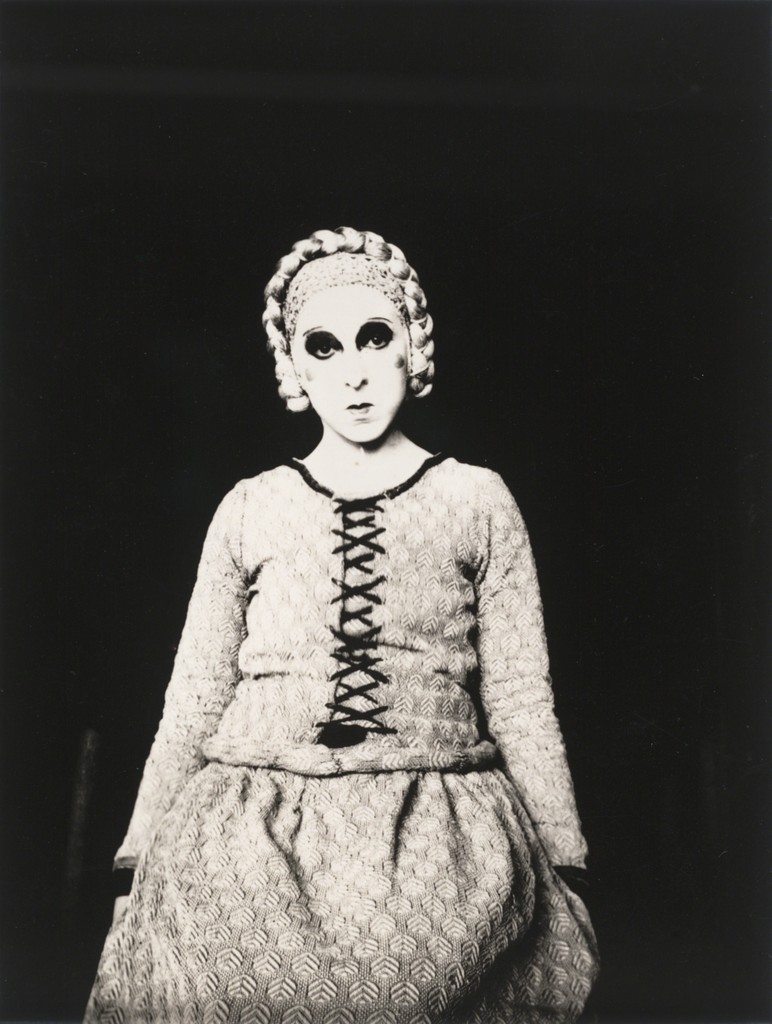
Claude Cahun — Self Portrait, 1928
Claude Cahun

Self Portrait, 1928

A silver gelatin print of radical self-invention, this 1928 self-portrait by Claude Cahun presents the artist in a state of deliberate, unsettling transformation. Cahun gazes directly into the lens with characteristic defiance, the closely cropped hair and ambiguous costuming dissolving conventional markers of gender into something altogether more destabilizing. The composition is intimate yet confrontational, drawing the viewer into a psychological encounter rather than a straightforward likeness. Made during a period of intense creative activity in Paris, the work belongs to an extraordinary series of self-portraits through which Cahun constructed and dismantled identity as a sustained artistic and philosophical practice. What distinguishes Cahun's photographs from the broader Surrealist milieu in which they were made is their refusal to treat the female body as passive object or symbolic vessel. Here the artist is simultaneously subject, director, and performer, exercising full authorship over the image. The resulting tension, between vulnerability and control, between the legible and the withheld, gives the work its enduring charge. Collectors and institutions have come to recognize these photographs as among the most prescient objects produced in the twentieth century, anticipating decades of discourse around gender, performance, and self-representation. Now on offer through the East Gallery at Norwich University of the Arts, this work arrives with a provenance that underscores its significance within the broader canon. Cahun's prints remain rare in private hands, and the 1928 self-portraits in particular are regarded as high points within an already exceptional body of work. Acquiring one is to hold a foundational document of modernist identity, one whose questions have only grown more resonant with time.
Start the Discussion

Request access to join the discussion

About this work

Claude Cahun, Self Portrait, 1928

A silver gelatin print of radical self-invention, this 1928 self-portrait by Claude Cahun presents the artist in a state of deliberate, unsettling transformation. Cahun gazes directly into the lens with characteristic defiance, the closely cropped hair and ambiguous costuming dissolving conventional markers of gender into something altogether more destabilizing. The composition is intimate yet confrontational, drawing the viewer into a psychological encounter rather than a straightforward likeness. Made during a period of intense creative activity in Paris, the work belongs to an extraordinary series of self-portraits through which Cahun constructed and dismantled identity as a sustained artistic and philosophical practice. What distinguishes Cahun's photographs from the broader Surrealist milieu in which they were made is their refusal to treat the female body as passive object or symbolic vessel. Here the artist is simultaneously subject, director, and performer, exercising full authorship over the image. The resulting tension, between vulnerability and control, between the legible and the withheld, gives the work its enduring charge. Collectors and institutions have come to recognize these photographs as among the most prescient objects produced in the twentieth century, anticipating decades of discourse around gender, performance, and self-representation. Now on offer through the East Gallery at Norwich University of the Arts, this work arrives with a provenance that underscores its significance within the broader canon. Cahun's prints remain rare in private hands, and the 1928 self-portraits in particular are regarded as high points within an already exceptional body of work. Acquiring one is to hold a foundational document of modernist identity, one whose questions have only grown more resonant with time.
Seen at
East Gallery at Norwich University of the Arts (NUA)

More works by Claude Cahun

Collected by

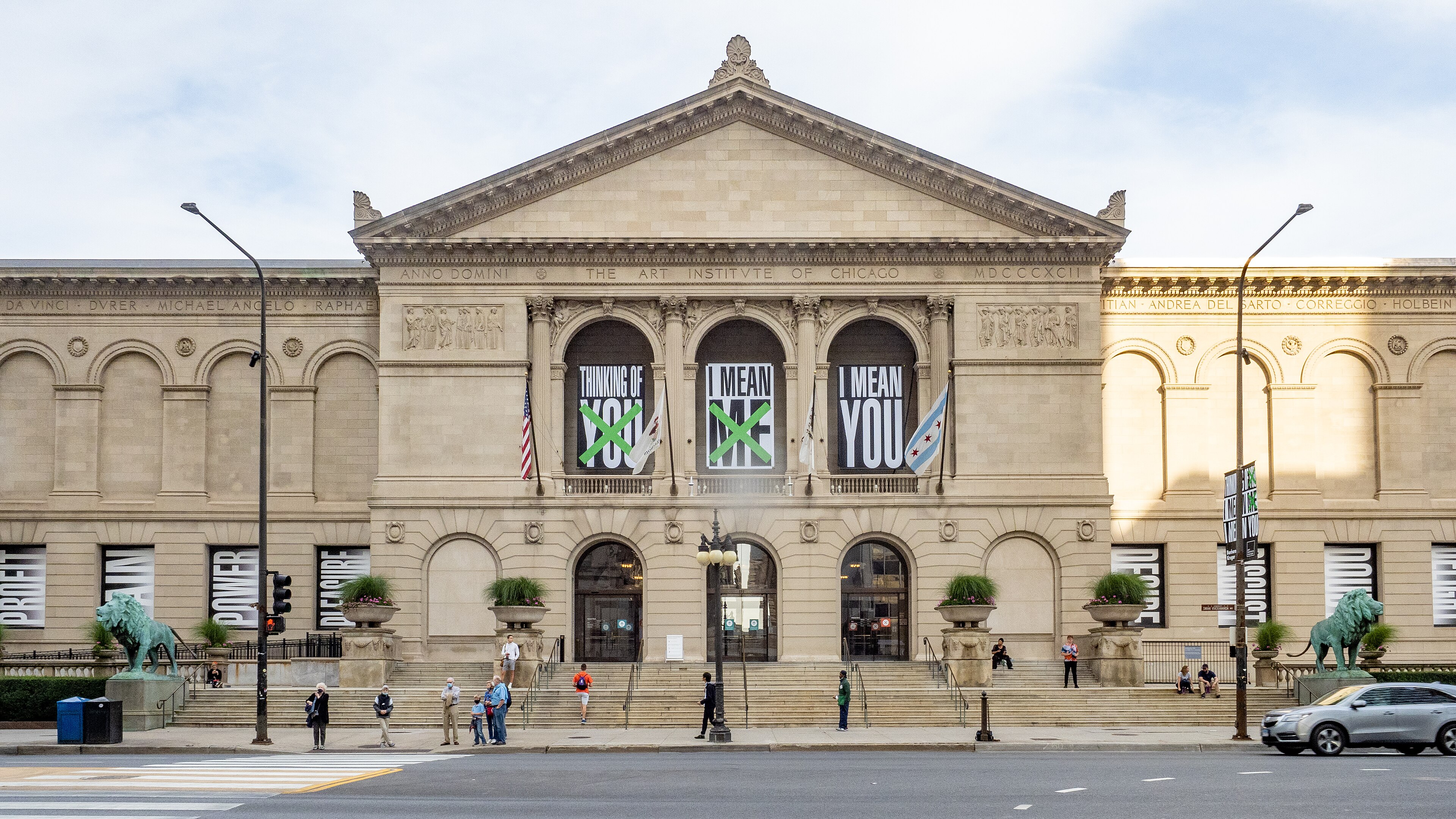
Musée d'Art Moderne de Paris, Art Institute of Chicago