Yuichi Hirako
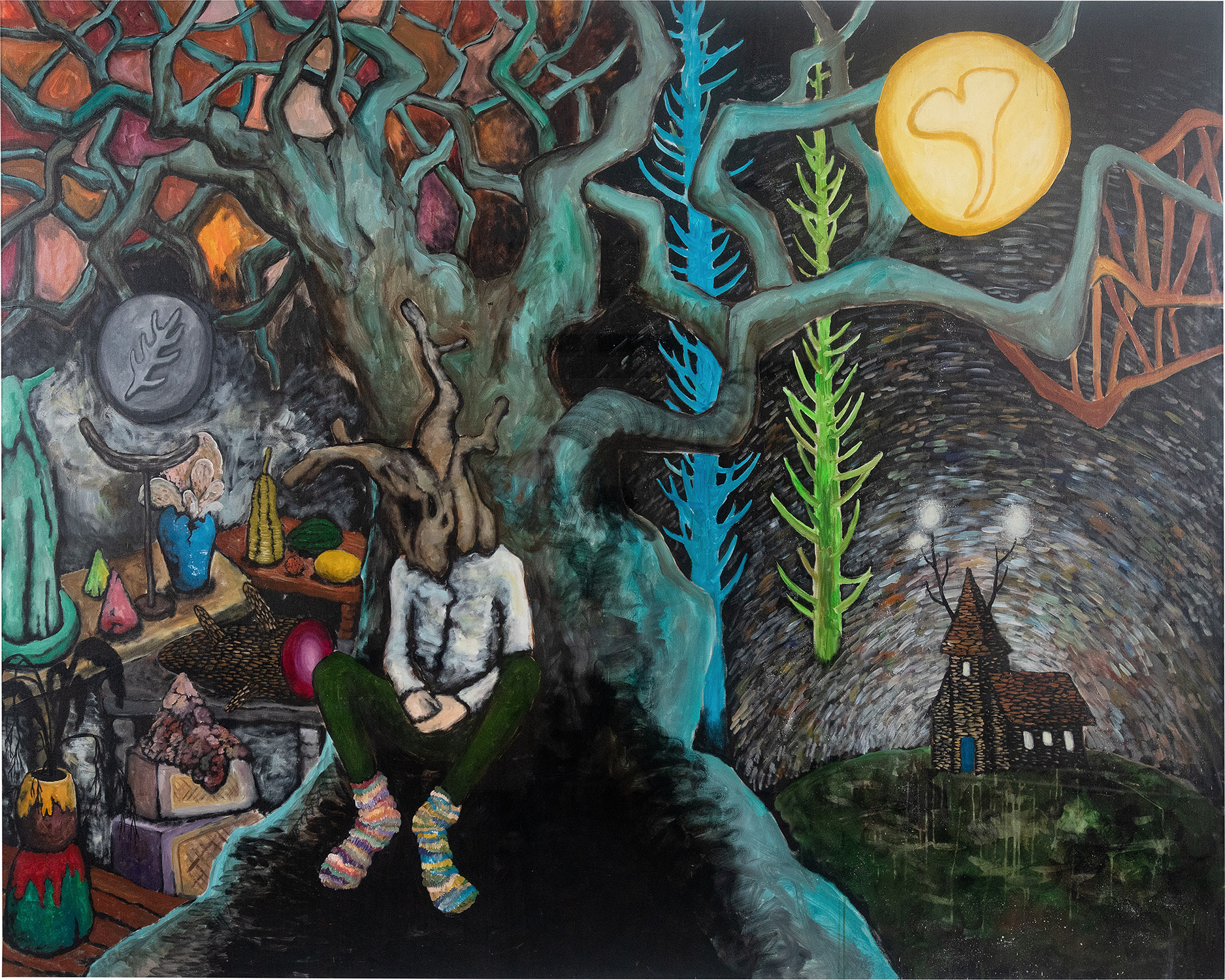
Yuichi Hirako: Stillness Rendered Luminously Beautiful
Artist Spotlight · The Collection Editorial
There is a quiet but unmistakable momentum building around the work of Yuichi Hirako. In recent auction cycles, his figurative paintings have drawn increasing attention from collectors across Asia, Europe, and North America, with bidders competing for canvases that seem, at first glance, almost impossibly serene. The market's growing appetite for his work reflects something deeper than trend: a recognition that Hirako has spent decades developing a visual language of rare emotional precision, one that speaks to the interior life in ways that feel urgently necessary right now. Hirako was born in Japan and his formation as an artist is inseparable from the particular aesthetic and philosophical traditions that shape Japanese visual culture.
Yuichi Hirako
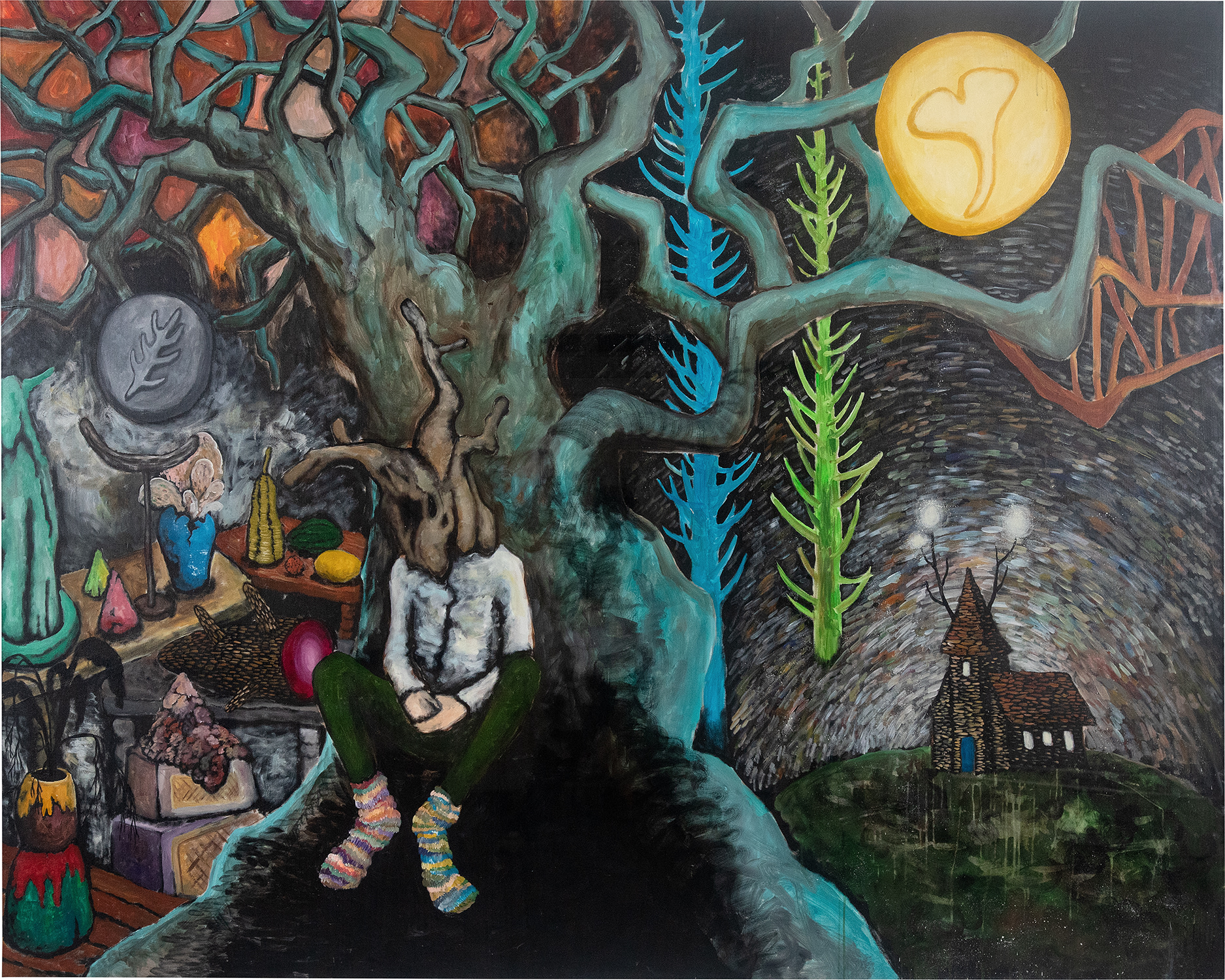
Lost in Thought 4, 2014
The concept of ma, the meaningful pause or interval between things, runs through his work like a quiet current. So too does the influence of mono no aware, that bittersweet sensitivity to the transience of things. These are not merely borrowed cultural textures but genuinely felt orientations, embedded in the way Hirako structures a composition, chooses a palette, or positions a figure within space. His training placed him within the long Japanese tradition of figurative painting while also opening him outward toward Western modernism, and that productive tension has defined his practice ever since.
The development of Hirako's artistic voice has been gradual and deeply considered, the work of an artist who distrusts the spectacular in favour of the carefully observed. His earlier canvases, including works from the "Memories of My Garden" series begun around 2012, reveal an artist already in confident command of atmosphere and restraint. "Memories of My Garden: Adventure 3," made in 2012 in acrylic and oil on canvas, blends autobiographical intimacy with a dreamlike spatial logic, locating childhood experience within compositions that feel both specific and universal. These works announced Hirako as someone engaged in something more ambitious than mere skilled painting: he was building a sustained meditation on memory, place, and the self.
Yuichi Hirako
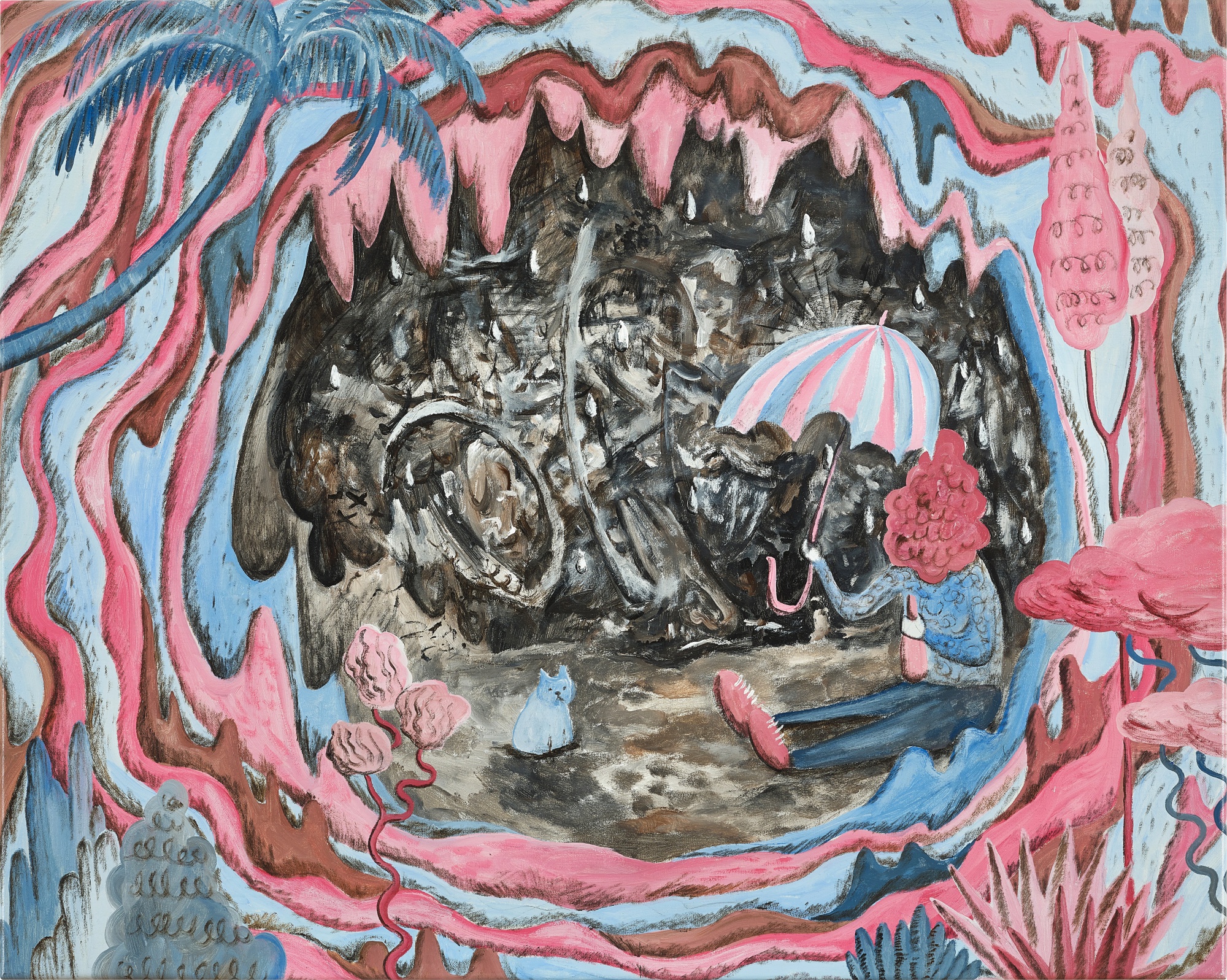
陰霾 8
The "Lost in Thought" series, spanning at least from 2014 to 2019, represents one of the clearest articulations of what makes Hirako so compelling. Works such as "Lost in Thought 4" from 2014 and "Lost in Thought 50" from 2019 deploy his signature approach: isolated figures rendered with a delicate, almost tender realism, set against backgrounds that recede into abstraction or quiet tonal fields. The figures are never melodramatic. They think, they wait, they simply exist within a moment of interior weather.
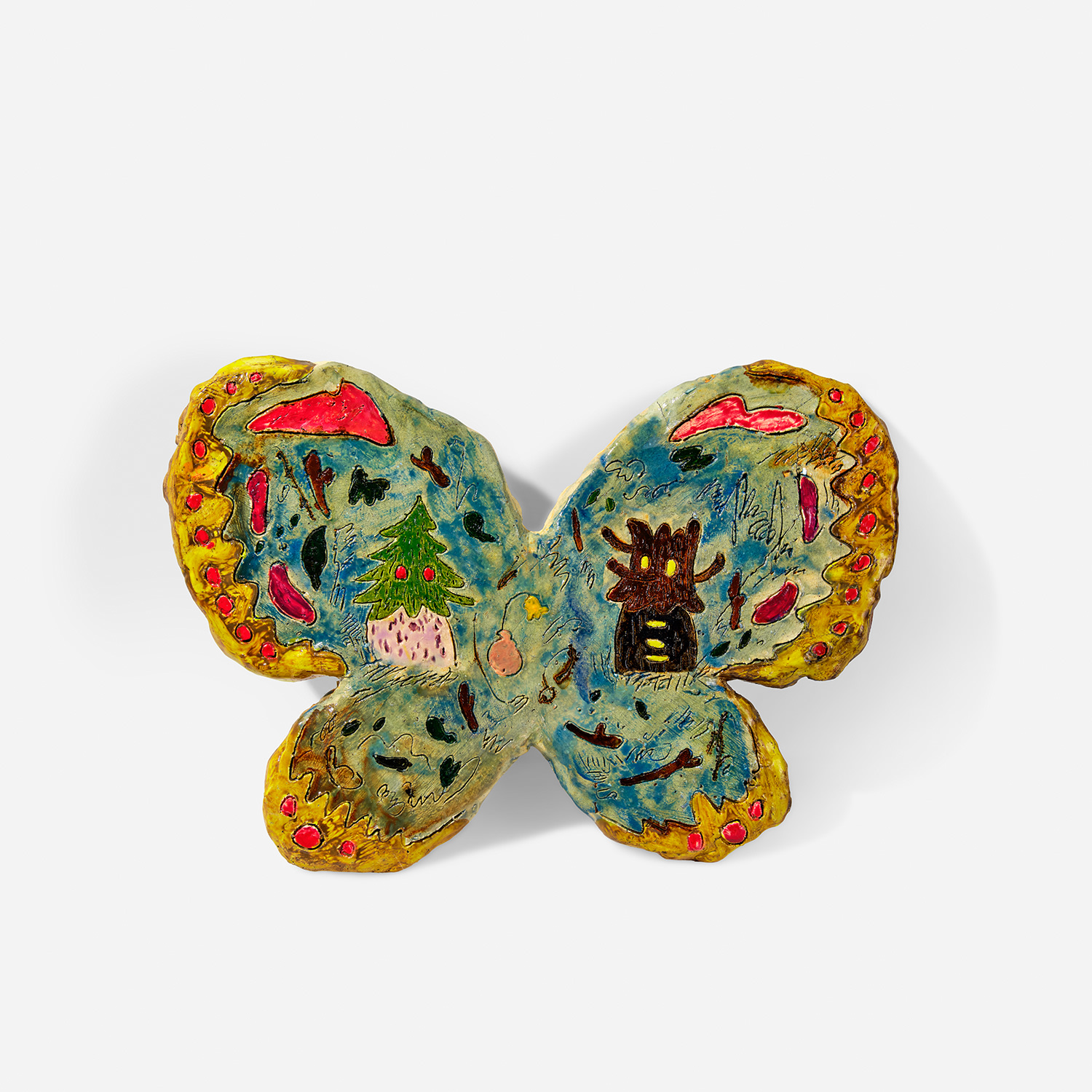
This is enormously difficult to achieve without tipping into sentimentality or coldness, and Hirako navigates that narrow passage with consistent mastery. The 2019 canvas "陷入沉思 21," worked in both acrylic and oil, extends this investigation with a layered material richness that rewards close looking. Hirako's practice is not confined to painting alone. His ceramic work, exemplified by "Compost 91" from 2019, reveals an artist who thinks through materiality with genuine seriousness.
Yuichi Hirako
Compost 91, 2019
The choice of ceramic as a medium for a work titled "Compost" suggests a fascination with process, transformation, and the passage of time that runs through all of his disciplines. His oil pastel works on canvas, including the "Bark" series from 2020, bring a tactile softness and a natural world attentiveness to his practice. "Bark 33" and "Bark 36" (the latter worked on unstretched canvas, a choice that carries its own quiet formal statement) suggest an artist moving toward greater material openness, letting the support itself participate in the meaning of the work. The Chinese and Japanese titles that appear throughout his output, including "陰霾 8," "男孩 66," and "顆粒結構 16," remind viewers that Hirako operates across linguistic and cultural registers with fluency and intention.
For collectors, Hirako's work offers something that has become genuinely rare: emotional depth delivered without theatrics. The paintings reward patience. Spend time with a Hirako canvas and the initial impression of quietude begins to reveal itself as a carefully constructed psychological space, full of nuanced light and subtle tension. His handling of acrylic is particularly worth noting: he achieves a luminosity with the medium that most painters reserve for oil, creating surfaces that seem to hold light rather than merely reflect it.
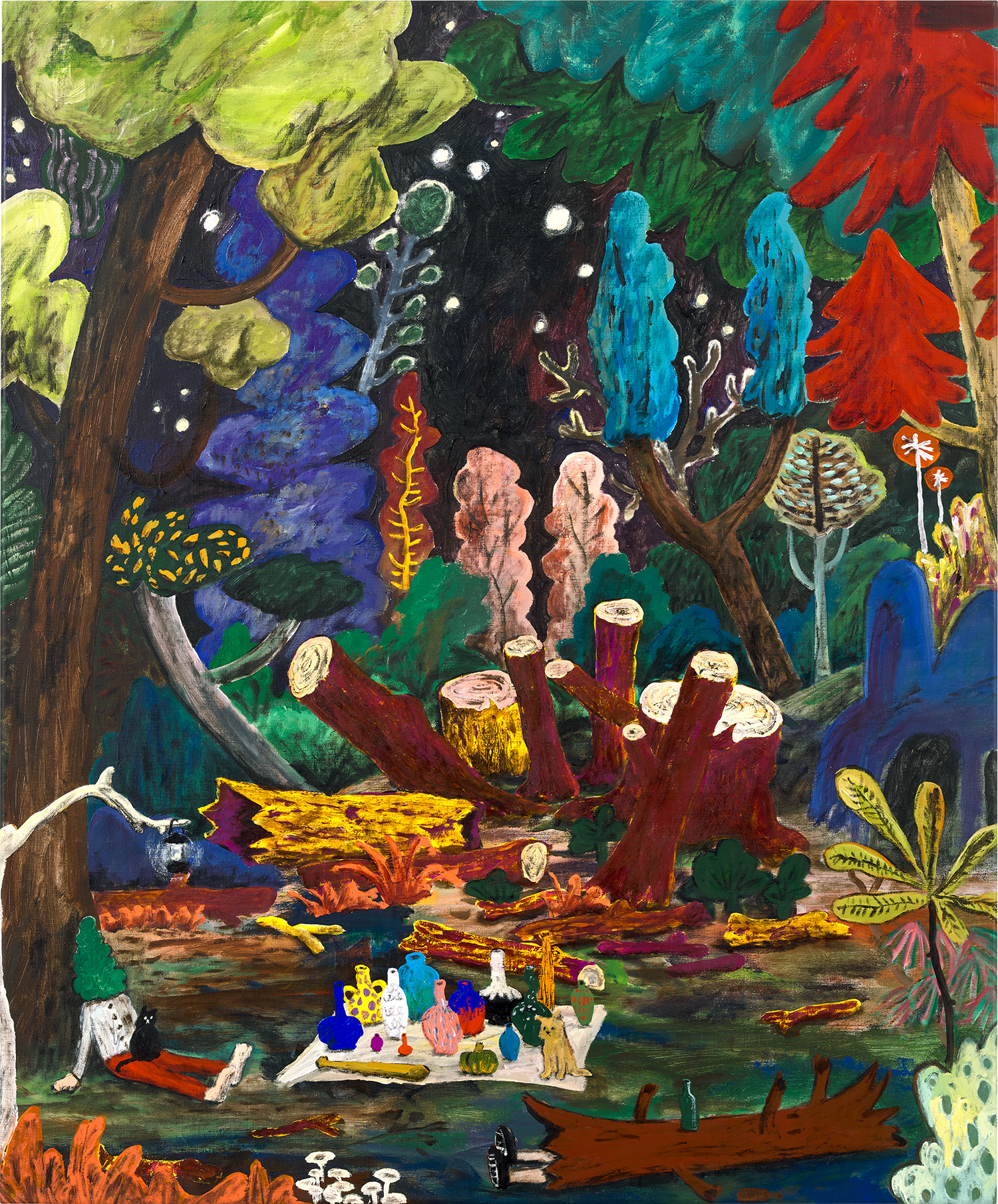
Yuichi Hirako
Lost in Thought 50, 2019
Works from key series such as "Lost in Thought" and "Bark" are increasingly sought after, and the relative accessibility of his market positioning today makes this a compelling moment to engage with his practice. Collectors drawn to artists such as Yoshitomo Nara, Makoto Fujimura, or the quieter registers of figurative painters like Luc Tuymans or Peter Doig will find in Hirako a kindred spirit who occupies his own distinct and irreplaceable position. Within the broader context of contemporary Asian figurative painting, Hirako stands as a figure of genuine distinction. The post war Japanese art world produced extraordinary painters who wrestled with questions of identity, modernity, and tradition, and Hirako inherits that wrestling without being imprisoned by it.
His work engages with global conversations about interiority, psychological portraiture, and the possibilities of realism without ever losing its specifically Japanese sensibility. He belongs in conversation with artists who have used the figure not as mere subject matter but as a vehicle for something closer to philosophy. Ultimately, what makes Hirako matter, and what will continue to make him matter, is the quality of his attention. In an art world that often rewards noise, spectacle, and the aggressively new, he has built a body of work premised on the radical proposition that stillness is worth sustained, careful exploration.
Each canvas is an invitation to slow down, to look again, to feel the weight of a moment that might otherwise pass unnoticed. That kind of art does not age. It accumulates meaning. For the collectors and institutions attentive enough to recognise it early, the rewards, both aesthetic and in terms of long term significance, are considerable.
Yuichi Hirako is an artist whose time, quietly and unmistakably, has arrived.