Yoko Ono
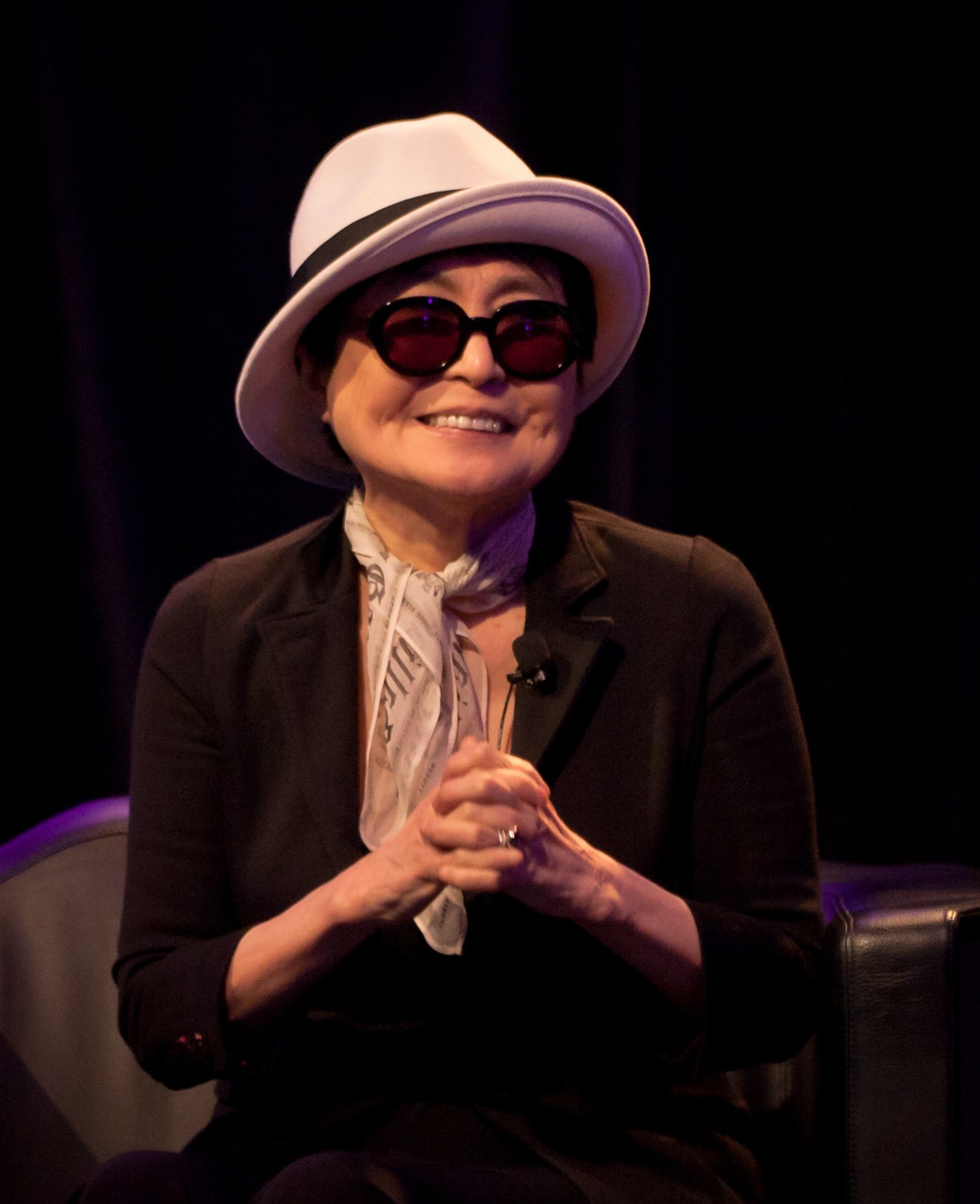
Yoko Ono: Visionary Who Reframed Everything
Artist Spotlight · The Collection Editorial
“A dream you dream alone is only a dream. A dream you dream together is reality.”
Yoko Ono, Grapefruit, 1964
In the spring of 2024, the Tate Modern reaffirmed what serious collectors and art historians have known for decades: Yoko Ono is one of the most consequential artists of the twentieth and twenty first centuries. Her major retrospective, which drew tens of thousands of visitors to London, presented her as precisely what she has always been, a radical conceptual force whose ideas about participation, peace, and the porous boundary between art and life were ahead of their time by a generation. At ninety years old, Ono attended events in support of the exhibition and continued to engage with the world through her art, her writing, and her enduring social vision. For collectors, curators, and anyone who cares about the long arc of contemporary art, this is a singular moment to reckon with her legacy.
Yoko Ono was born on February 18, 1933, in Tokyo, into a family of considerable cultural standing. Her father was a classical pianist and banker, and her upbringing moved between Japan and the United States as her father's career demanded. She studied philosophy at Gakushuin University in Tokyo before relocating permanently to New York, where she enrolled at Sarah Lawrence College. New York in the 1950s was a city crackling with avant garde energy, and Ono found her people among the composers, poets, and artists who gathered in downtown lofts and experimental venues.
She was not a peripheral figure in this scene. She was one of its generators. Ono became a central participant in the Fluxus movement, a loose international network of artists who rejected the commodification of art and celebrated process, humor, and interdisciplinary experimentation. Her loft on Chambers Street served in the early 1960s as one of the key gathering spaces for this community, hosting performances and happenings that drew figures including John Cage, La Monte Young, and George Maciunas.
These were not fringe events happening on the margins of culture. They were the incubator for ideas that would reshape installation art, performance art, and conceptual practice for the rest of the century. Ono was not simply present at these gatherings. She was proposing and executing works that matched and often exceeded her contemporaries in rigor and imagination.
“Spring passes and one remembers one's innocence. Summer passes and one remembers one's exuberance.”
Yoko Ono
Her artistic development accelerated with breathtaking originality through the early 1960s. In 1964 she published Grapefruit, a collection of instruction pieces that read as poetry, philosophy, and score all at once. Works like "Painting to Be Stepped On" and "Cloud Piece" invited audiences to complete the artwork through their own imagination or physical engagement, dissolving the distinction between maker and viewer decades before relational aesthetics became a recognized critical framework. Her performance work "Cut Piece," first performed in Kyoto in 1964 and later in New York's Carnegie Recital Hall in 1965, invited audience members to cut away pieces of her clothing with scissors, confronting viewers with questions about vulnerability, complicity, gender, and the body in ways that remain urgently relevant today.
These were not provocations for their own sake. They were precise, thoughtful investigations into power and perception. Among her most celebrated ongoing works is "Wish Tree," in which visitors write their wishes on small cards and tie them to the branches of a living tree. The piece has been installed at institutions around the world, from the Museum of Modern Art in New York to the Royal Botanic Gardens in Sydney, accumulating millions of wishes over decades.
“Art is not merely an imitation of the reality of nature, but in truth a metaphysical supplement to the reality of nature.”
Yoko Ono
It is characteristic of Ono's approach: participatory, open ended, rooted in optimism, and scalable from the intimate to the monumental. Her instruction paintings and her "Imagine Peace" projects operate on similar principles, transforming the viewer from passive observer into active co creator. This is not a gimmick. It reflects a deeply held philosophical position about agency, connection, and the social capacity of art.
For collectors, Ono's work presents a genuinely compelling case. Her prints, editions, and unique works have appeared at auction at Christie's, Sotheby's, and Phillips, with interest growing steadily as her institutional recognition has expanded. Editions of Grapefruit are themselves considered art objects and cultural artifacts of the first order. Her multiples and instruction pieces offer entry points at various price levels, while unique works and significant archival materials command serious attention in the secondary market.
What draws sophisticated collectors to Ono is the combination of historical importance and continued vitality. This is an artist whose ideas have not aged. They have, if anything, grown more relevant as participatory and socially engaged art has moved to the center of curatorial discourse globally. Placing Ono within art history means understanding her alongside a cohort of artists who transformed what art could do and be.
Her Fluxus contemporaries George Brecht, Alison Knowles, and Nam June Paik share her investment in process and dematerialization. Her instruction based practice connects her to the conceptualism of Sol LeWitt and Lawrence Weiner. Her performance and body based work resonates with Marina Abramovic, Carolee Schneemann, and Vito Acconci, though Ono's work predates much of what those artists would go on to achieve. She is not a footnote to any of these movements.
She is one of their authors. The legacy of Yoko Ono is vast and still unfolding. She has spent decades working as a peace activist, as a patron of the arts, and as a voice for causes ranging from nuclear disarmament to gun control, the latter through her ongoing Imagine Peace campaigns conducted in honor of John Lennon. But it would be a disservice to reduce her to her biography or her associations.
She is an artist whose formal innovations were genuine, whose conceptual contributions were foundational, and whose faith in the capacity of ordinary people to make meaning through art has never wavered. To engage with her work is to be invited into a practice that trusts you completely, that hands you the scissors, the pen, the wish, and asks what you will do with it. That invitation, extended now for more than six decades, is one of the most generous gestures in the history of contemporary art.
Explore books about Yoko Ono
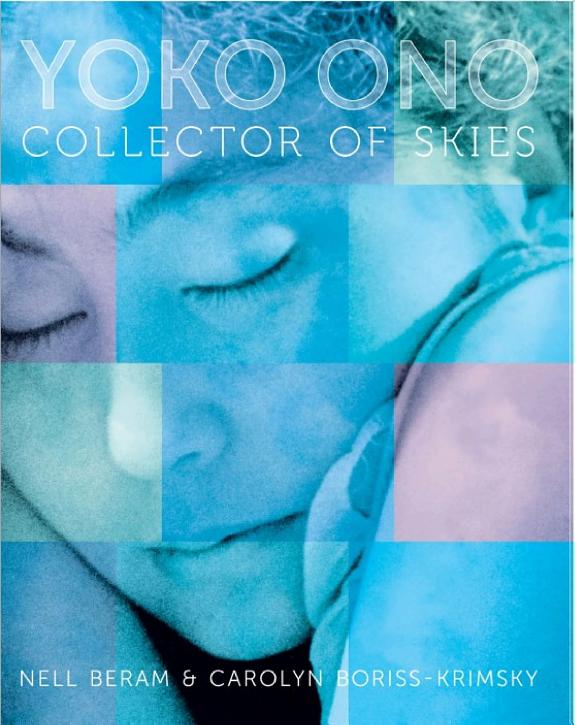
Yoko Ono: A Life
Anthony Summers and Robbyn Swan
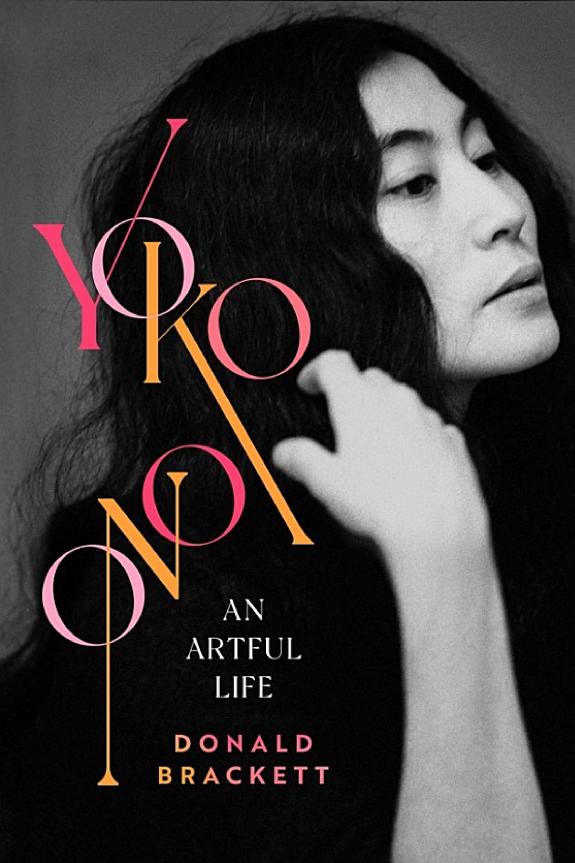
Yoko Ono: Woman, Artist, Pioneer
Jon Stratton
Imagine John Yoko
Andrew Solt and Sam Egan
Yoko Ono: Works 1960-2010
Various authors

All I Ever Want Is Everything
Yoko Ono and others
Grapefruit: A Book of Instructions and Drawings
Yoko Ono
Yoko Ono: Half-A-Wind Show
Museum of Modern Art
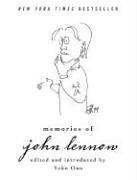
Memories of John Lennon
Yoko Ono