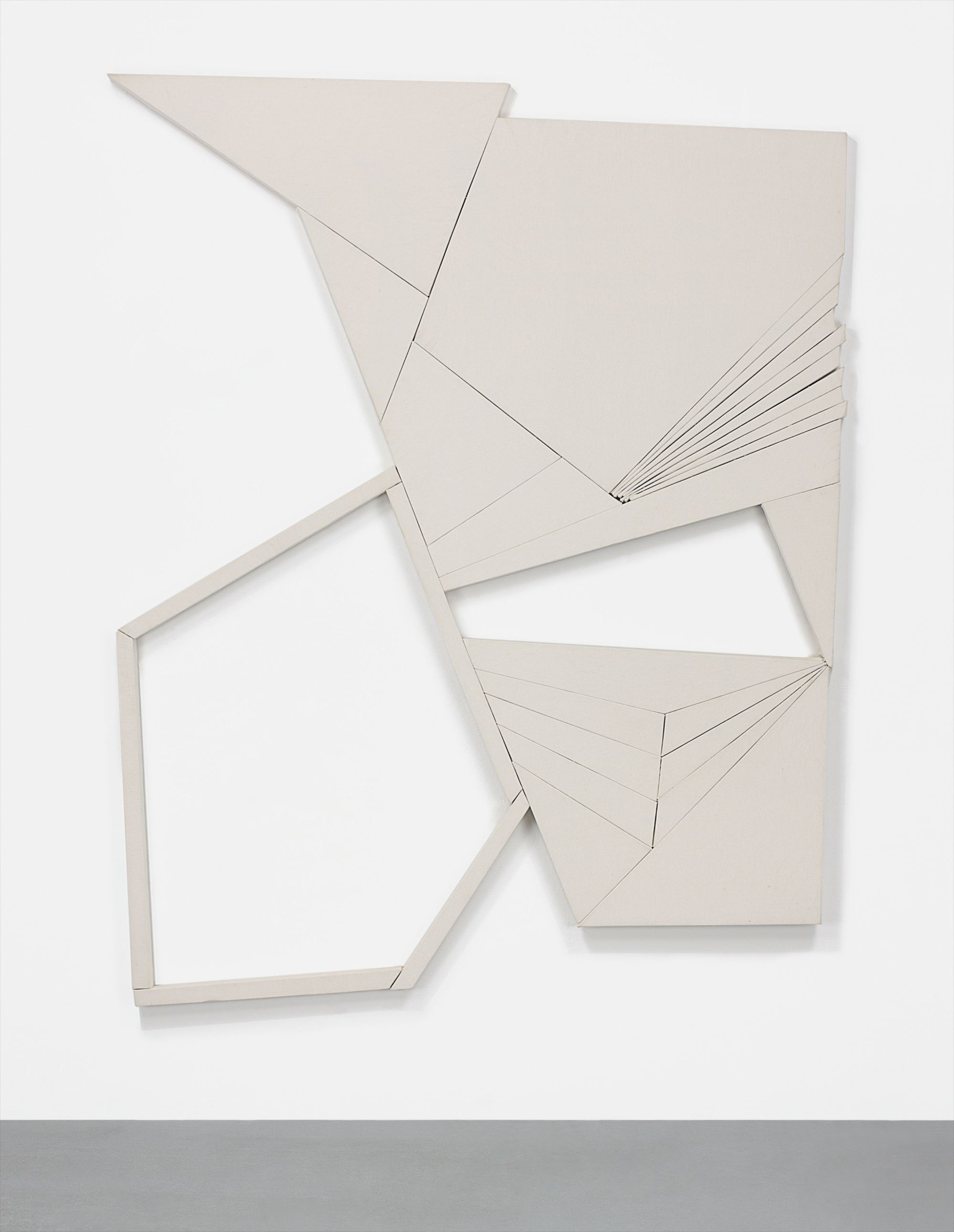
Wyatt Kahn
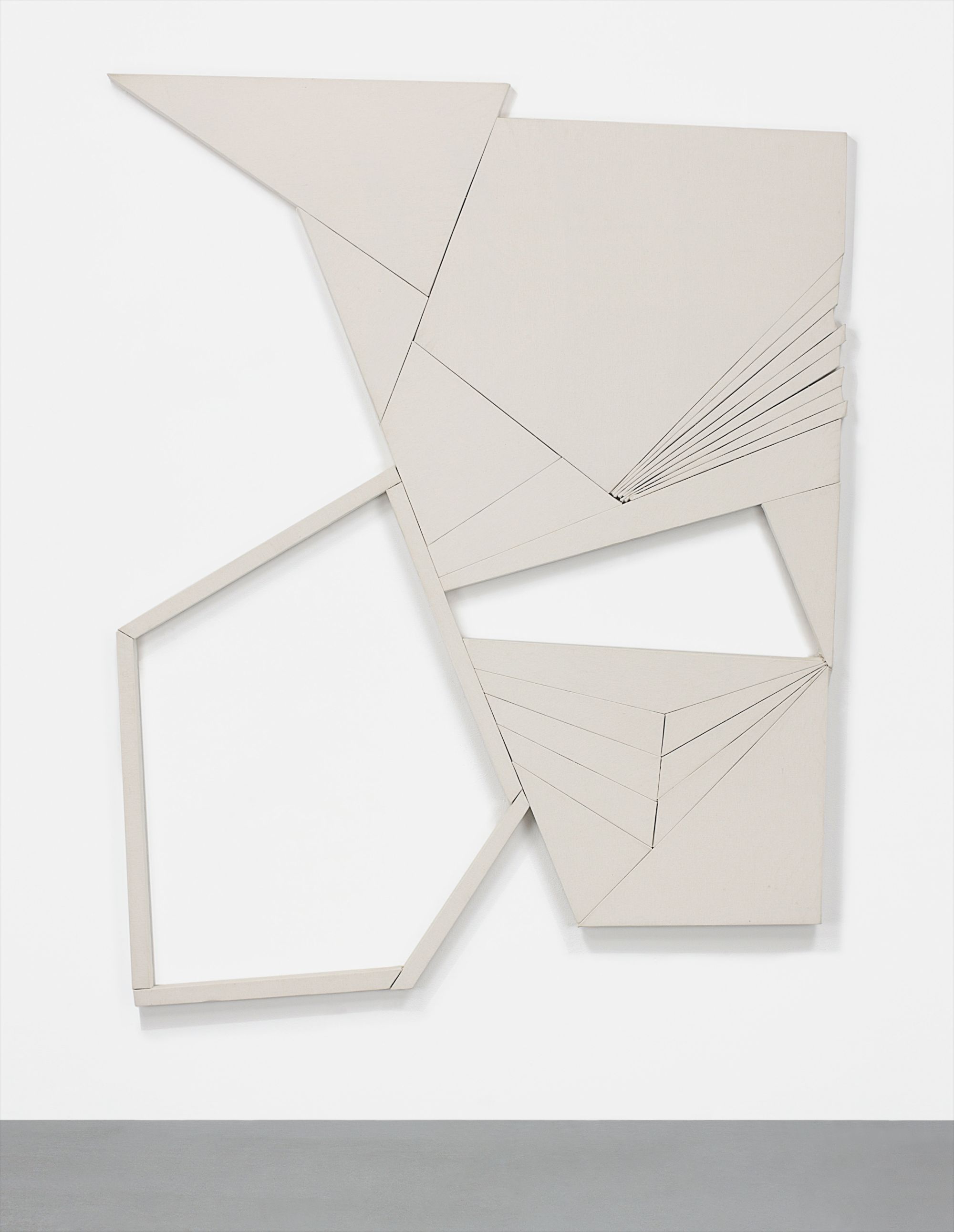
Wyatt Kahn Builds Paintings Worth Collecting Now
Artist Spotlight · The Collection Editorial
There is a particular kind of quiet confidence radiating from the work of Wyatt Kahn right now. Galleries in New York and across Europe have been paying close attention to this American artist whose shaped, paneled constructions occupy a genuinely singular space in contemporary painting. His work arrives at a cultural moment when collectors and institutions alike are asking serious questions about what painting can be in three dimensions, and Kahn answers those questions with remarkable clarity and physical intelligence. To stand before one of his works is to feel the pull of both the intellectual and the tactile, a combination that has made him one of the more compelling figures working in abstraction today.
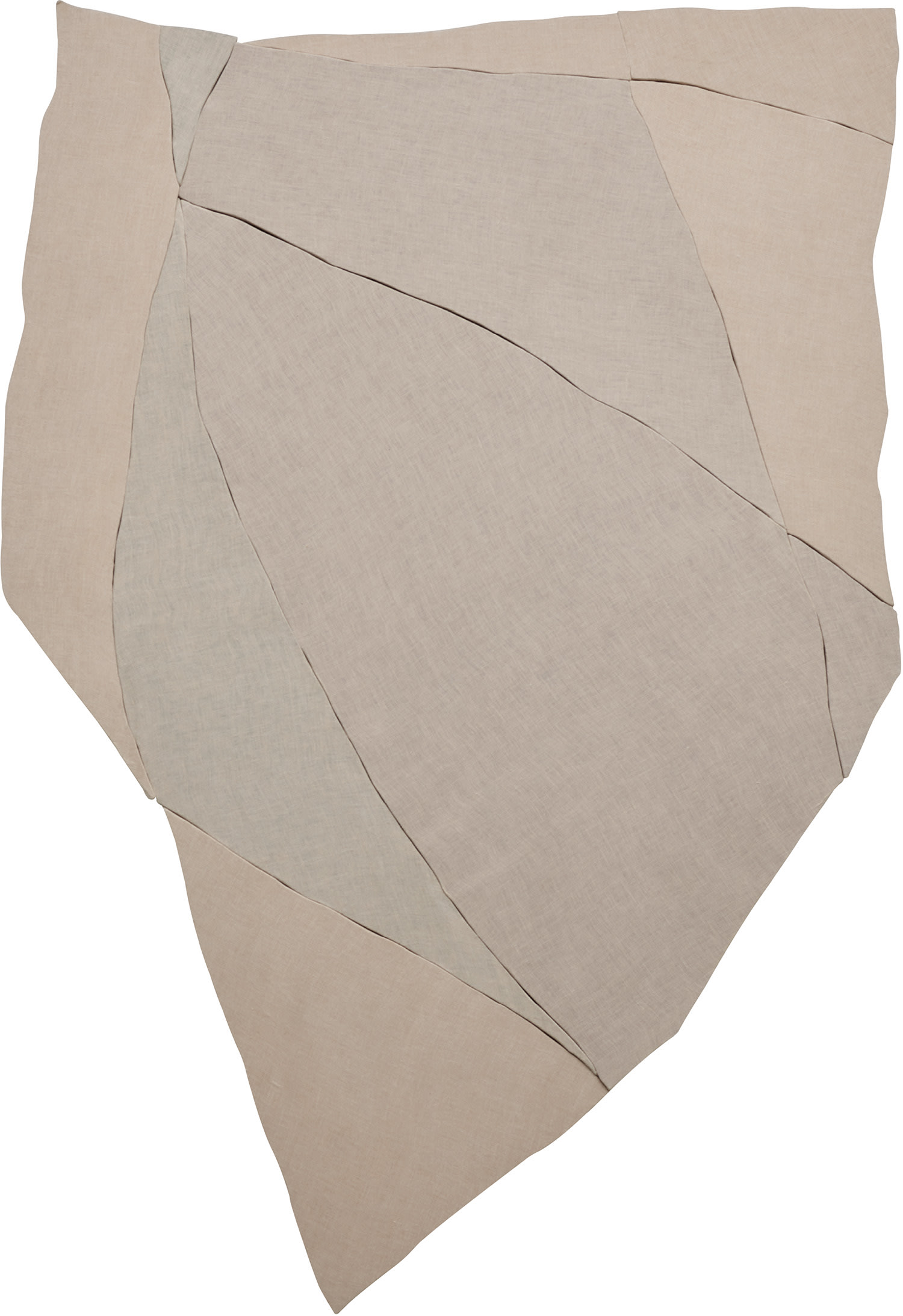
Wyatt Kahn
linen on canvas on panel, 2013
Kahn was born in 1983 and came of age in New York, a city whose layered visual culture and rich tradition of formalist debate would prove foundational to his thinking. Like many artists of his generation, he absorbed the legacy of minimalism and post painterly abstraction not as received doctrine but as a living conversation to be pushed further. The questions that animated artists like Ellsworth Kelly, Frank Stella, and Richard Tuttle, questions about the edge of the canvas, the relationship between object and image, the autonomy of color and shape, became the very substance of Kahn's own inquiry. He arrived at his mature practice through sustained investigation rather than sudden revelation, which gives his work its particular sense of earned authority.
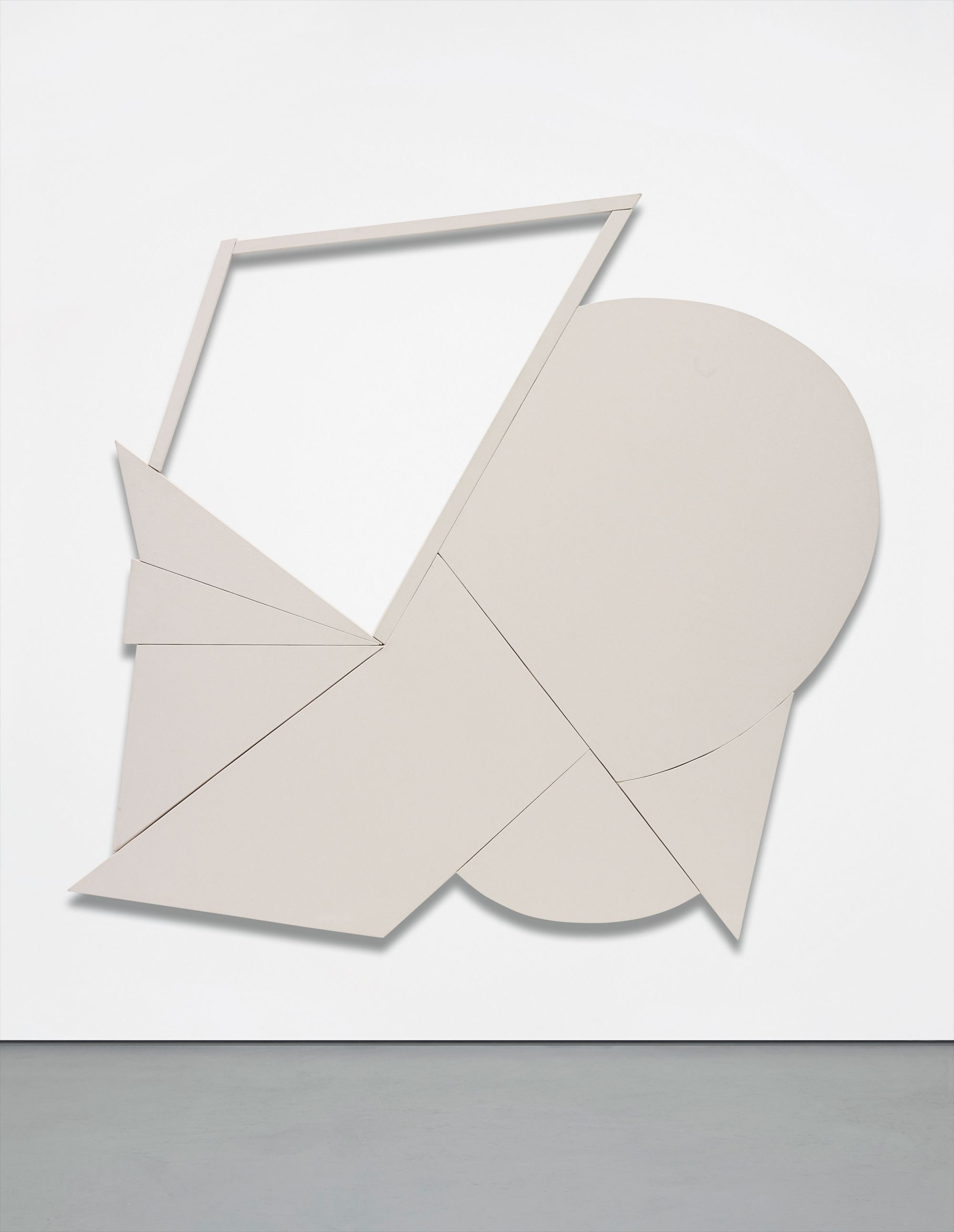
What defines Kahn's practice above all else is his method of constructing paintings from multiple shaped canvas panels joined together into unified compositions. Rather than treating the rectangular canvas as a neutral given, he builds each work from the ground up, engineering the support itself as an expressive decision. The panels interlock, abut, and overlap in configurations that read simultaneously as paintings and as low relief sculptures. This refusal to choose between two and three dimensions is not a conceptual trick but a genuine formal discovery, one that places him in a lineage of artists who understood that the physical fact of a painting is itself a subject worth exploring.
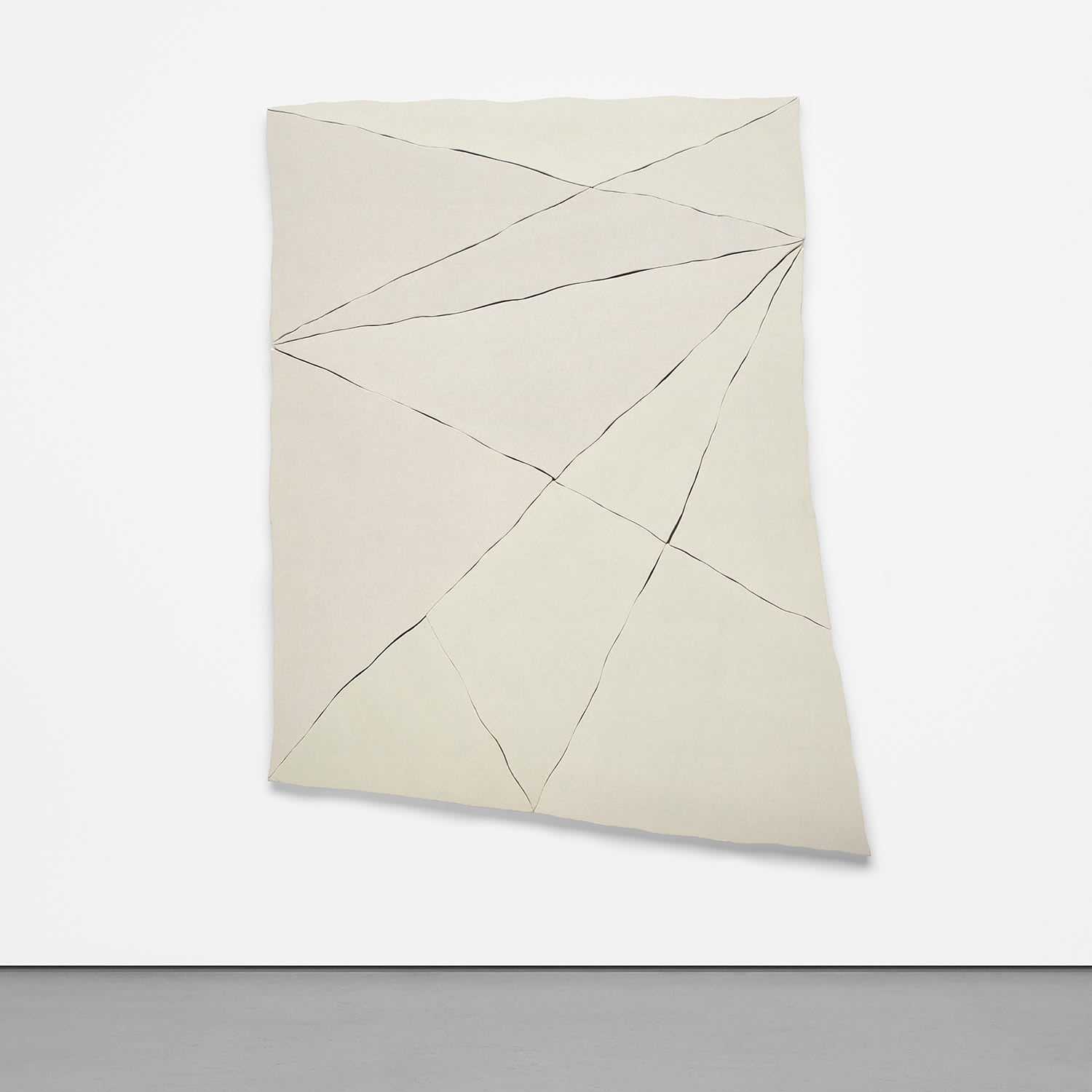
Wyatt Kahn
D, 2013
Linen and raw, unprimed materials appear throughout his work, insisting on the honest presence of the object rather than the illusion of a picture window. Among the works that best demonstrate his range and ambition, several from the early to mid 2010s stand out with particular force. "Hermano" from 2013 and "linen on board" from the same year show Kahn at his most reductive and most confident, works where the material itself carries the full emotional and formal weight without recourse to gestural mark making or representational imagery. "Timber" from 2014, executed in acrylic on linen on canvas on panel, layers its support systems with an almost architectural logic, while "Cause and Effect" from 2015 introduces linen and acrylic together in a way that makes the surface and structure inseparable.
"Peeper" from 2014 and the work known as "Late Nite" demonstrate his ability to imbue even the most spare arrangements with a sense of personality and warmth that prevents his geometric rigor from ever feeling cold. These are works that reward extended looking and reward return visits even more. From a collecting perspective, Kahn represents exactly the kind of artist whose market position reflects genuine critical consensus rather than speculative enthusiasm. His works have been shown at Gallery Mucciaccia and have attracted the attention of serious collectors who understand the art historical stakes of what he is doing.
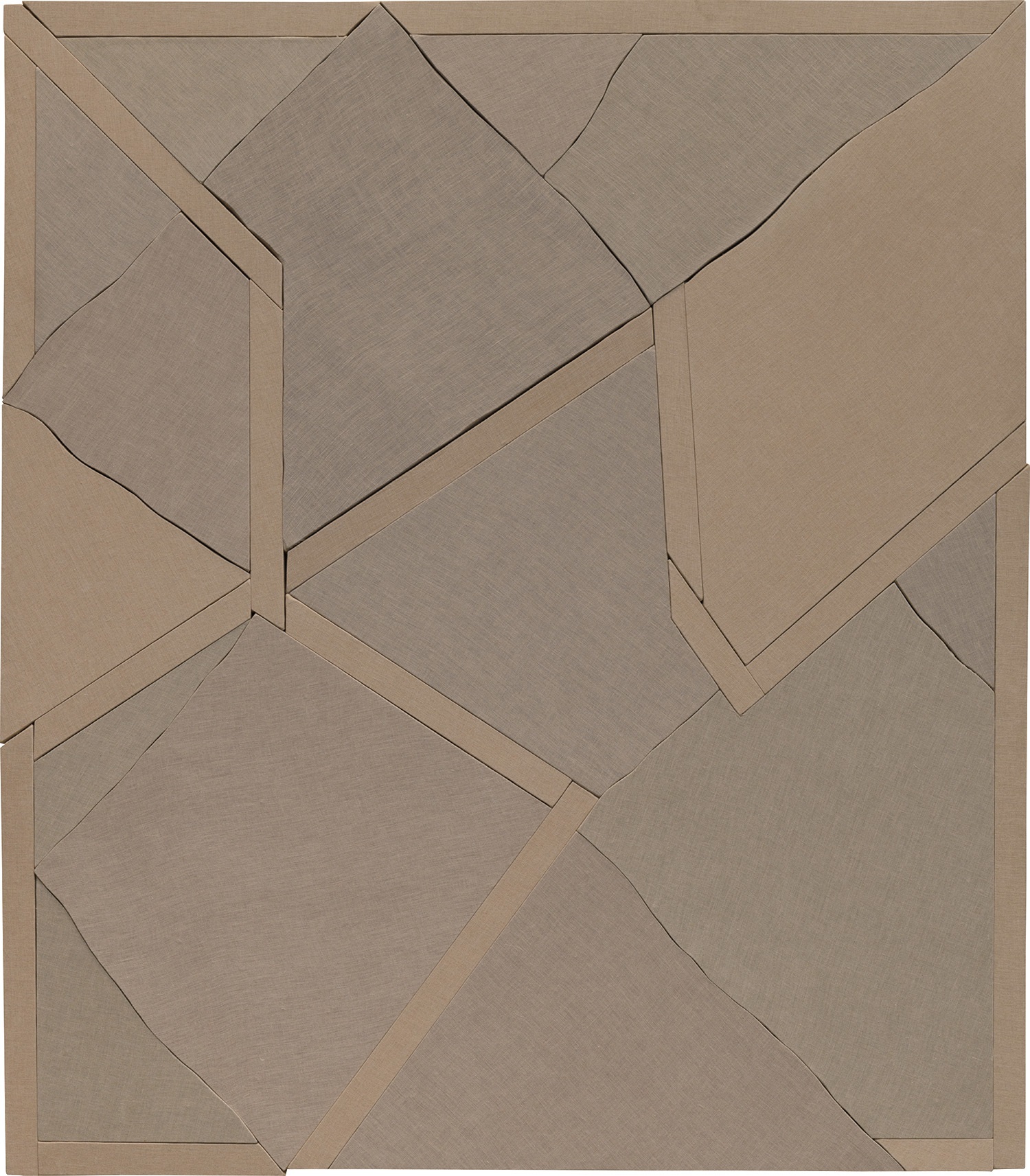
Wyatt Kahn
linen on canvas on board, 2013
The relative intimacy of his output, given his commitment to hand building each support structure, means that works by Kahn carry a sense of preciousness and specificity that is difficult to manufacture. Collectors drawn to the post minimalist tradition and to artists working seriously with form, material, and the physical edge of painting will find in Kahn a figure whose work is both immediately legible as important and likely to grow in institutional standing. The advice of any attentive advisor would be to look carefully and act thoughtfully, as the window on acquiring work at this stage of his career will not remain open indefinitely. Kahn belongs to a generation of artists who collectively reopened the question of painting's objecthood at a time when many assumed that question had been settled.
His closest neighbors in spirit include artists like Ned Voss, Valerie Snobeck, and others who treat the support and the surface as coequal partners in meaning making. Further back, the shaped canvas experiments of Stella in the 1960s provide essential context, as do the relief works of Lee Bontecou and the quiet structural investigations of Robert Ryman. What distinguishes Kahn is his particular synthesis of warmth and rigor: his works feel human in scale and touch even when they are most formally severe. There is always a suggestion of the hand, of considered assembly, that keeps his abstraction from retreating into pure system.
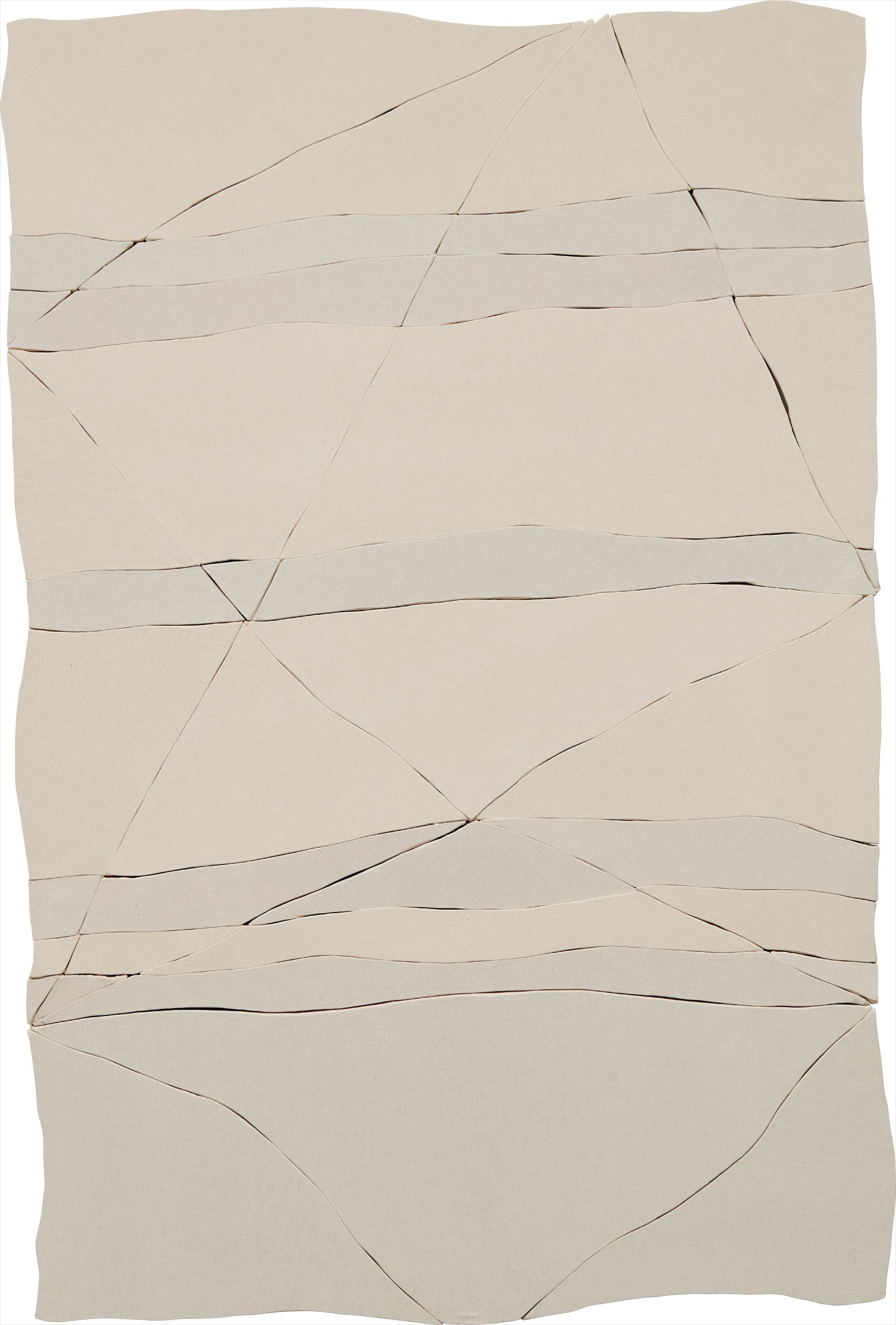
Wyatt Kahn
Hermano, 2013
The larger significance of Wyatt Kahn's practice lies in what it insists upon at a moment when images circulate at speed and painting is sometimes reduced to its most easily photographed surface effects. His work demands physical presence. It asks to be seen in the round, to be understood as an object with weight and edge and shadow as well as color and composition. In doing so, it makes a quiet but firm argument for the continuing vitality of painting as a form of thought and feeling.
That argument grows more persuasive with each passing year, and it is why Kahn's work feels not merely timely but genuinely necessary. For collectors who believe in the long view, his is a practice that repays belief.
Featured Works